


Employee scorecard powerpoint presentation slides
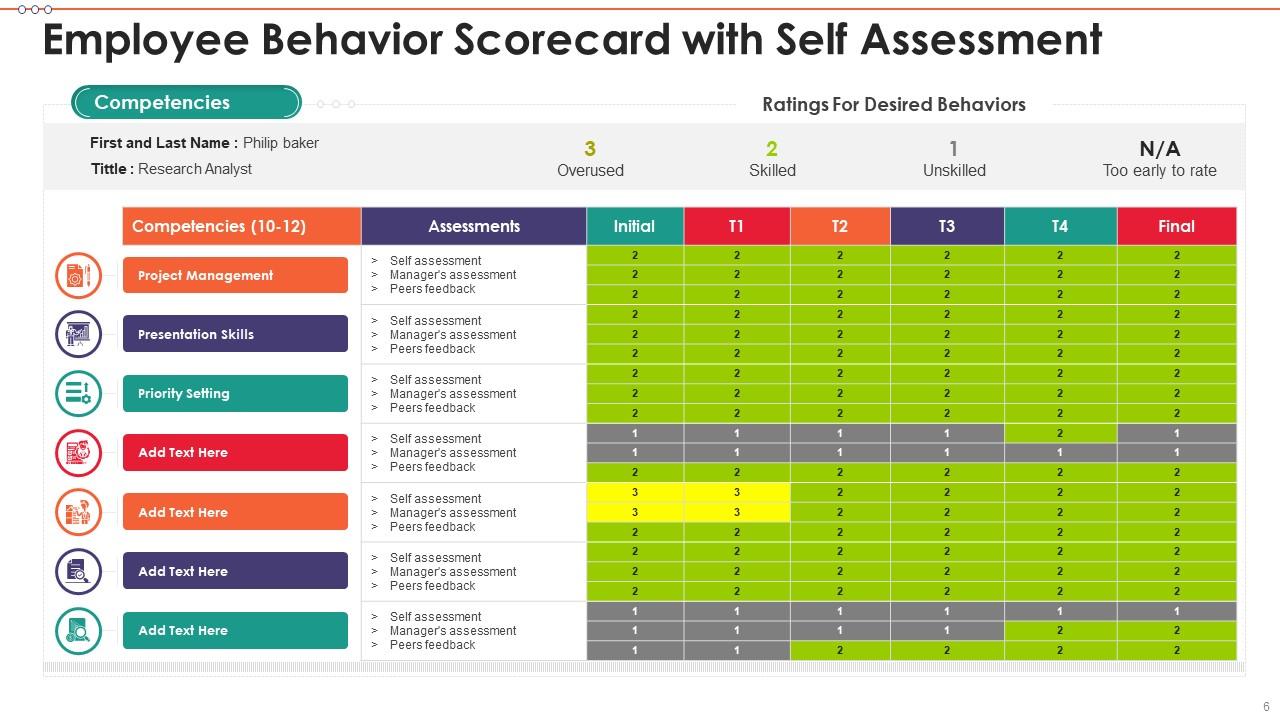
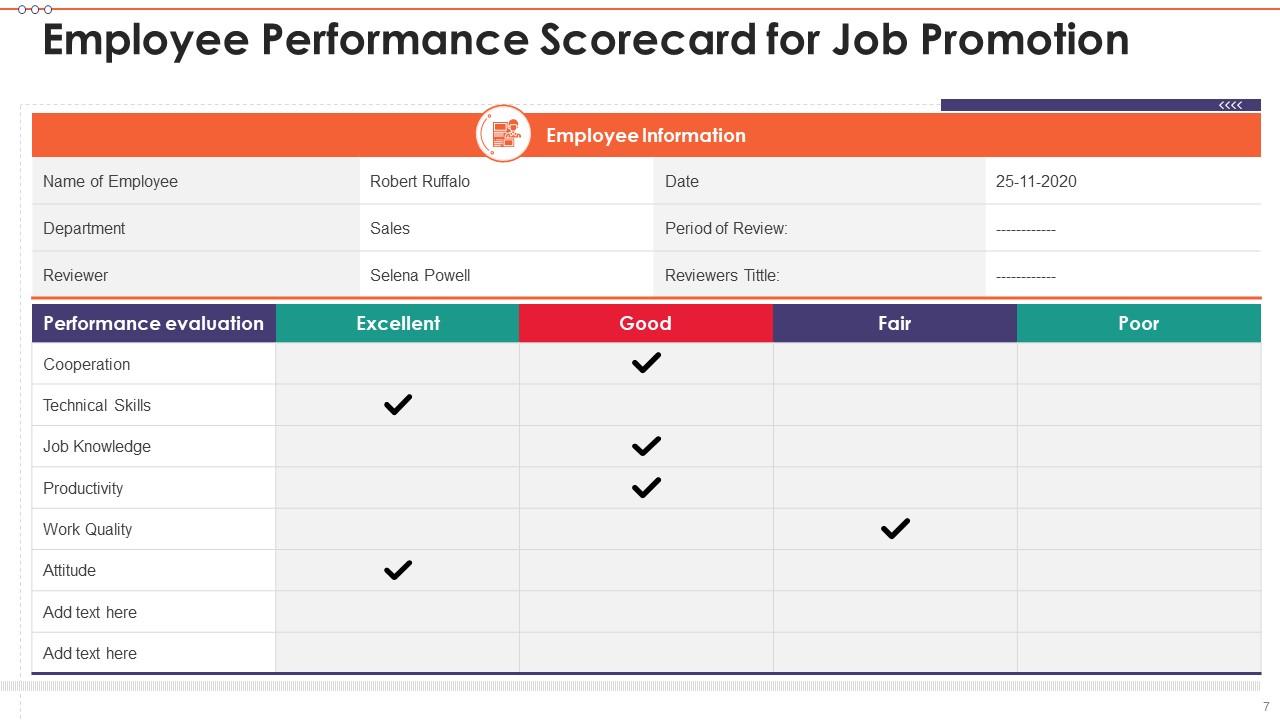
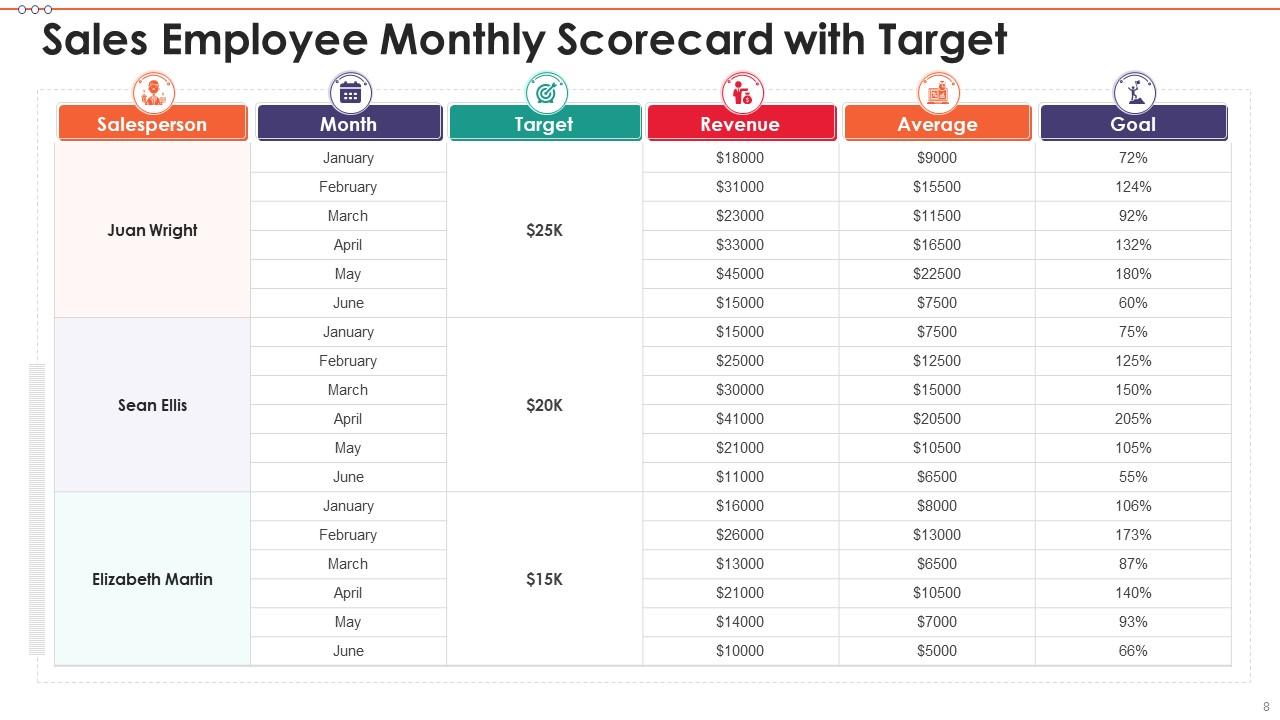
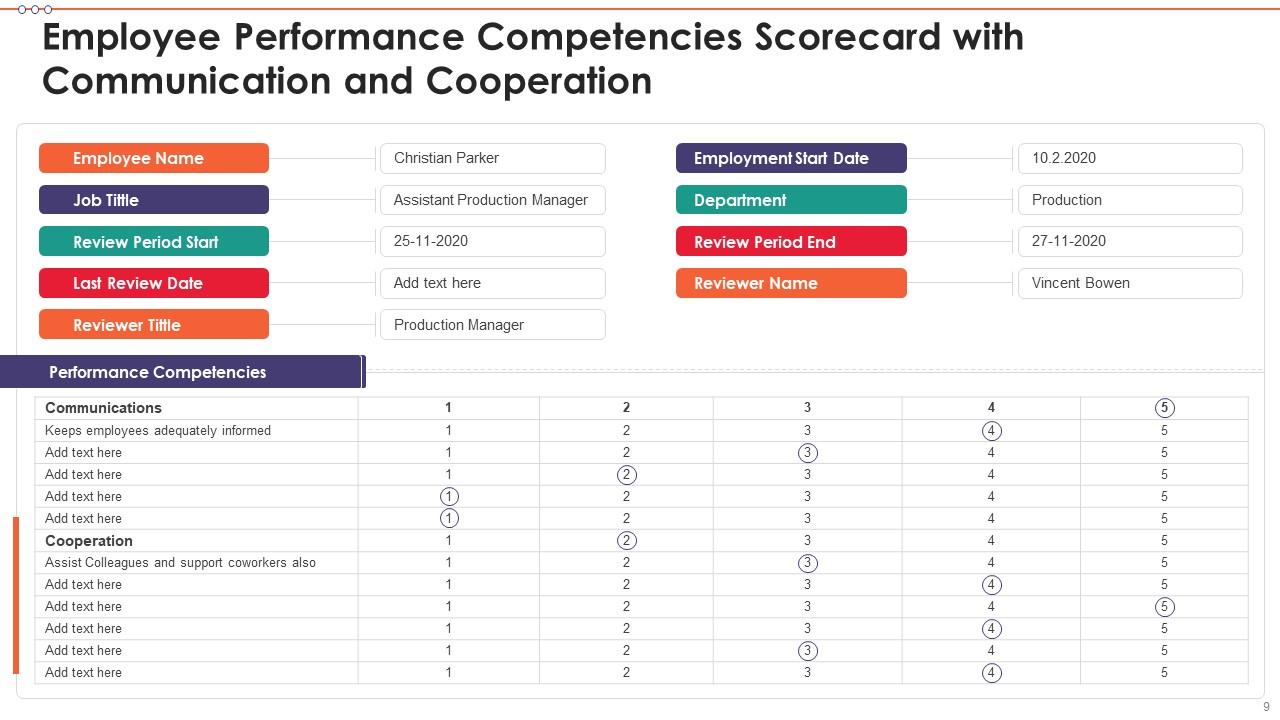
Employee scorecard connects individuals to their companys vision and reviews employees performance. These scorecards help motivate employees to improve their production and also keep an eye on their overall growth in skills and abilities. Here is a professionally designed Employee Scorecard template that helps in measuring the performance and keeping track of the same competently. This PPT presentation displays a two-year employee engagement comparison scorecard; employee weekly calls scorecard with targets achieved, employee competency scorecard with a rating and track record, employee daily task scorecard with targets, etc. Moreover, the deck presents an employee behavior scorecard with self-assessment, employee performance scorecard for job promotion, sales employee monthly scorecard with targets, employee performance competencies scorecard with communication and cooperation, etc. The insightful template exhibits production employees monthly scorecard with criteria and impact, employee satisfaction scorecard for an organization with orientation and training, employee annual scorecard with accomplished goals, quarterly employee performance scorecard with future goals and expectations, etc. Also, the deck showcases your company, its core values, target audience, financials, team details, timeline, etc. Get access now.
Employee scorecard connects individuals to their companys vision and reviews employees performance. These scorecards help m..














-

- Google Slides is a new FREE Presentation software from Google.
- All our content is 100% compatible with Google Slides.
- Just download our designs, and upload them to Google Slides and they will work automatically.
- Amaze your audience with SlideTeam and Google Slides.
-

Want Changes to This PPT Slide? Check out our Presentation Design Services
-

- WideScreen Aspect ratio is becoming a very popular format. When you download this product, the downloaded ZIP will contain this product in both standard and widescreen format.
-

- Some older products that we have may only be in standard format, but they can easily be converted to widescreen.
- To do this, please open the SlideTeam product in Powerpoint, and go to
- Design ( On the top bar) -> Page Setup -> and select "On-screen Show (16:9)” in the drop down for "Slides Sized for".
- The slide or theme will change to widescreen, and all graphics will adjust automatically. You can similarly convert our content to any other desired screen aspect ratio.
Compatible With Google Slides

Get This In WideScreen
You must be logged in to download this presentation.


Do you want to remove this product from your favourites?
PowerPoint presentation slides
Deliver this complete deck to your team members and other collaborators. Encompassed with stylized slides presenting various concepts, this Employee Scorecard Powerpoint Presentation Slides is the best tool you can utilize. Personalize its content and graphics to make it unique and thought-provoking. All the twenty three slides are editable and modifiable, so feel free to adjust them to your business setting. The font, color, and other components also come in an editable format making this PPT design the best choice for your next presentation. So, download now.

People who downloaded this PowerPoint presentation also viewed the following :
Content of this Powerpoint Presentation
Slide 1: This slide displays title i.e. 'Employee Scorecard'.
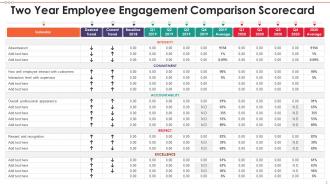
Slide 2: This slide presents Two Year Employee Engagement Comparison Scorecard.
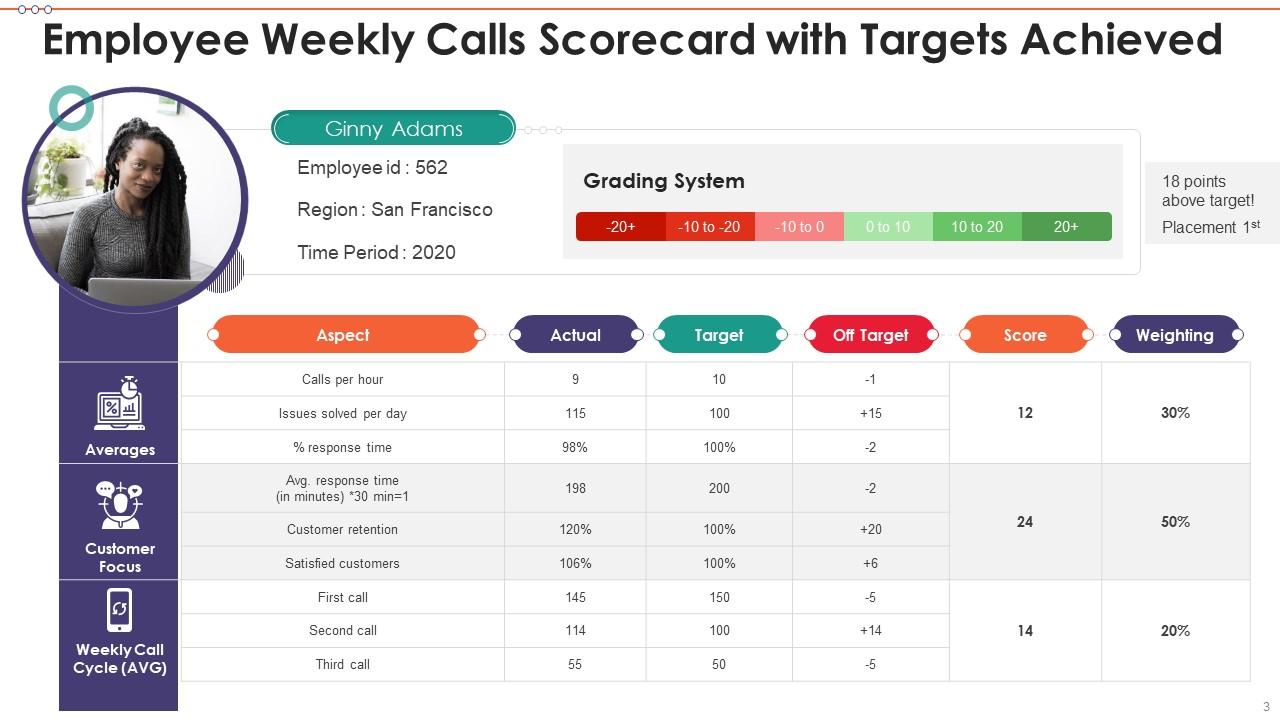
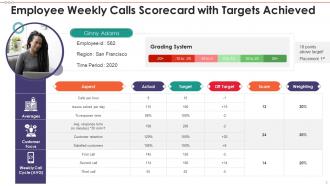
Slide 3: This slide exhibits Employee Weekly Calls Scorecard with Targets Achieved.
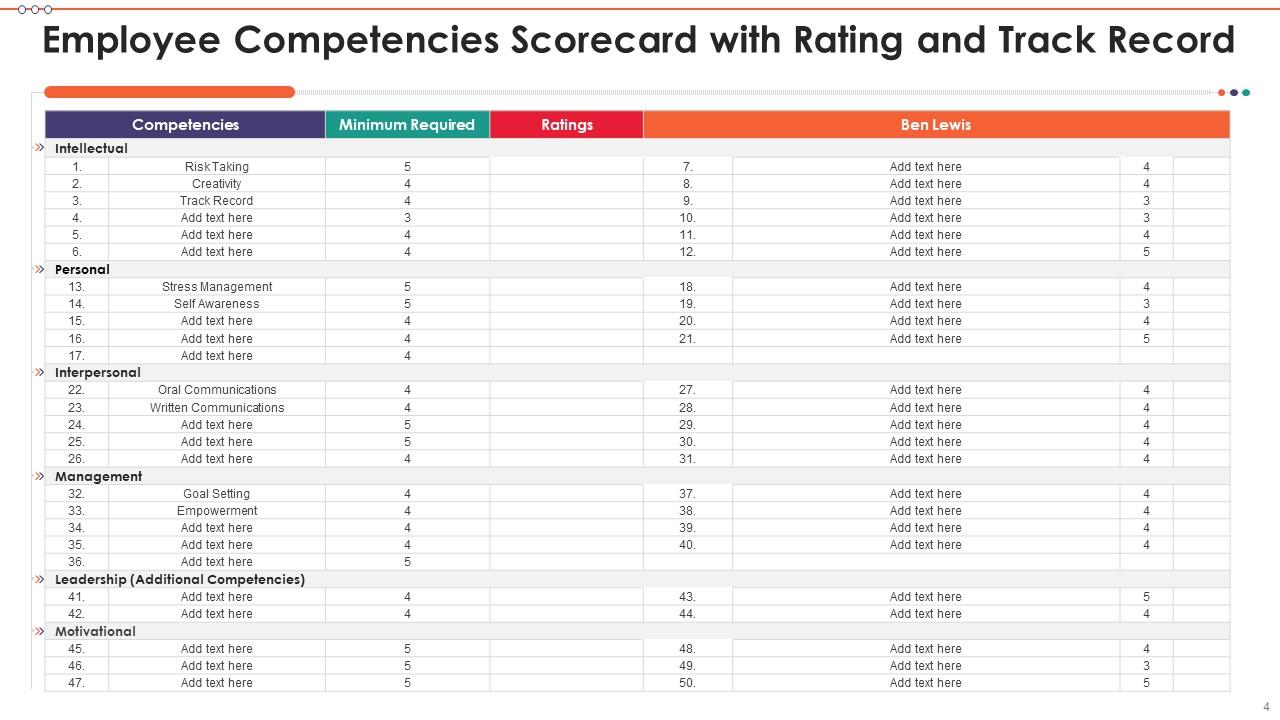
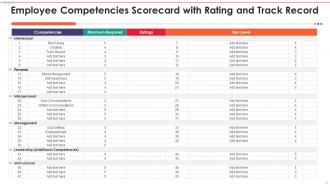
Slide 4: This slide showcases Employee Competencies Scorecard with Rating and Track Record.
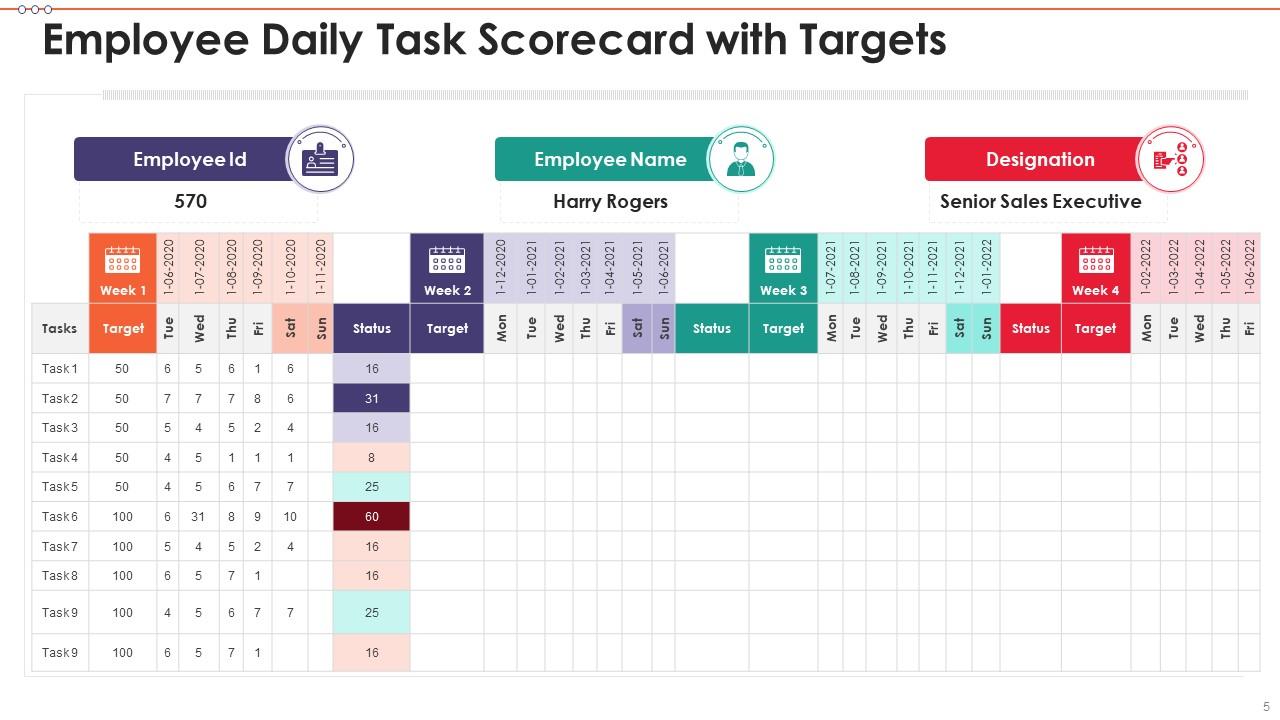
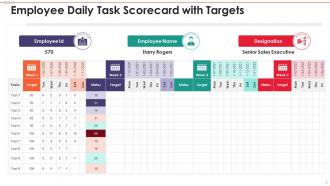
Slide 5: This slide depicts Employee Daily Task Scorecard with Targets.
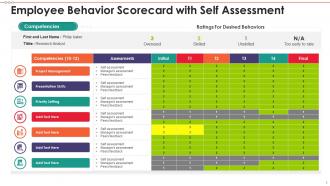
Slide 6: This slide highlights Employee Behavior Scorecard with Self Assessment.
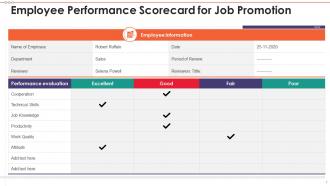
Slide 7: This slide illustrates Employee Performance Scorecard for Job Promotion.
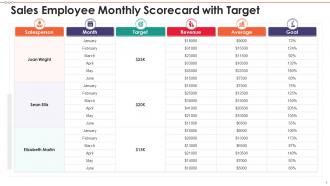
Slide 8: This slide shows Sales Employee Monthly Scorecard with Target.
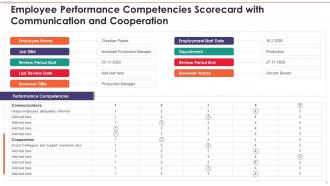
Slide 9: This slide displays Employee Performance Competencies Scorecard with Communication and Cooperation.
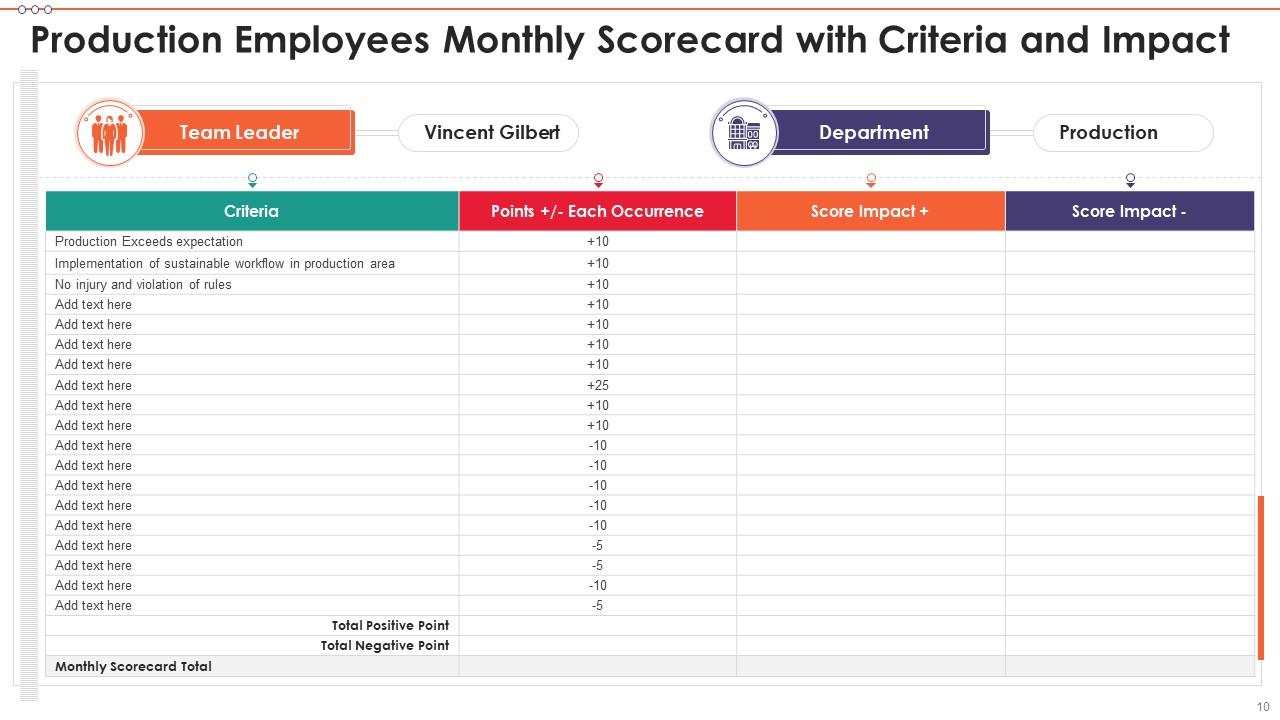
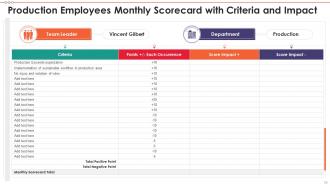
Slide 10: This slide presents Production Employees Monthly Scorecard with Criteria and Impact.
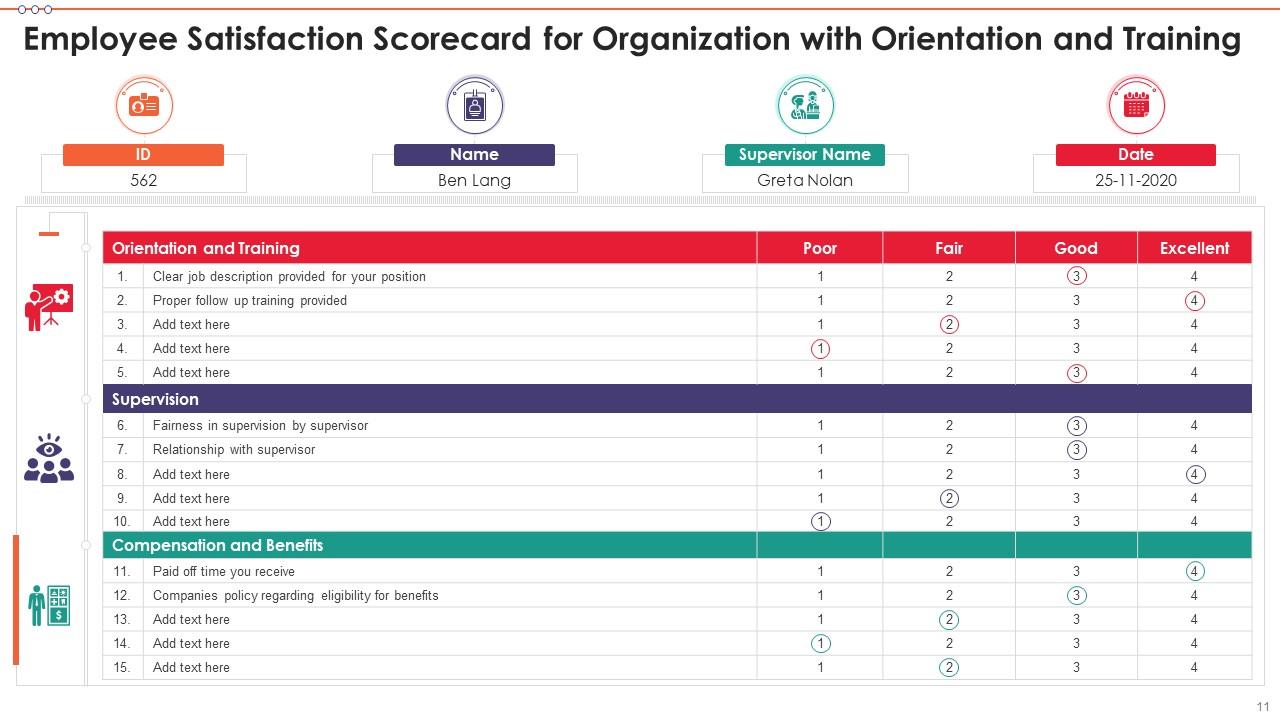
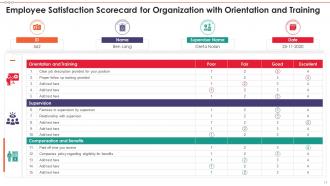
Slide 11: This slide exhibits Employee Satisfaction Scorecard for Organization with Orientation and Training.
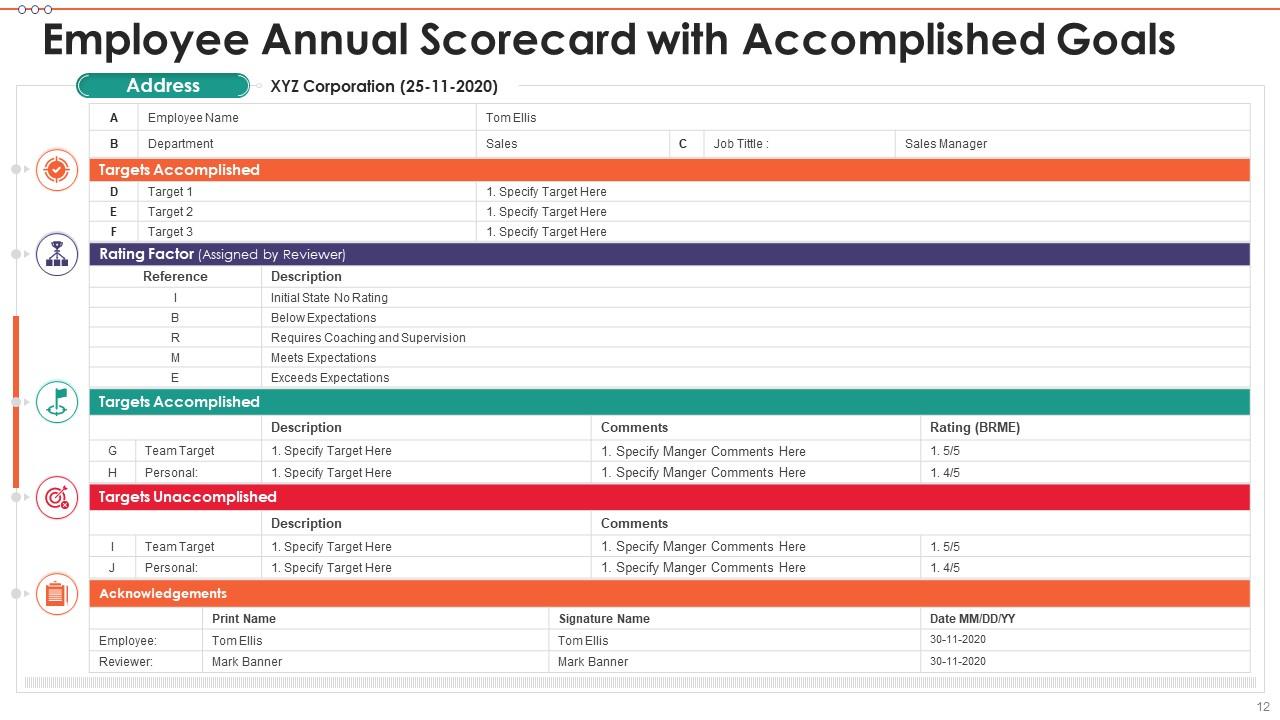
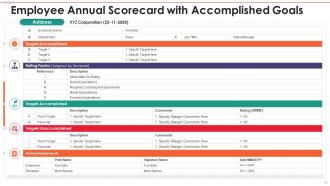
Slide 12: This slide showcases Employee Annual Scorecard with Accomplished Goals.
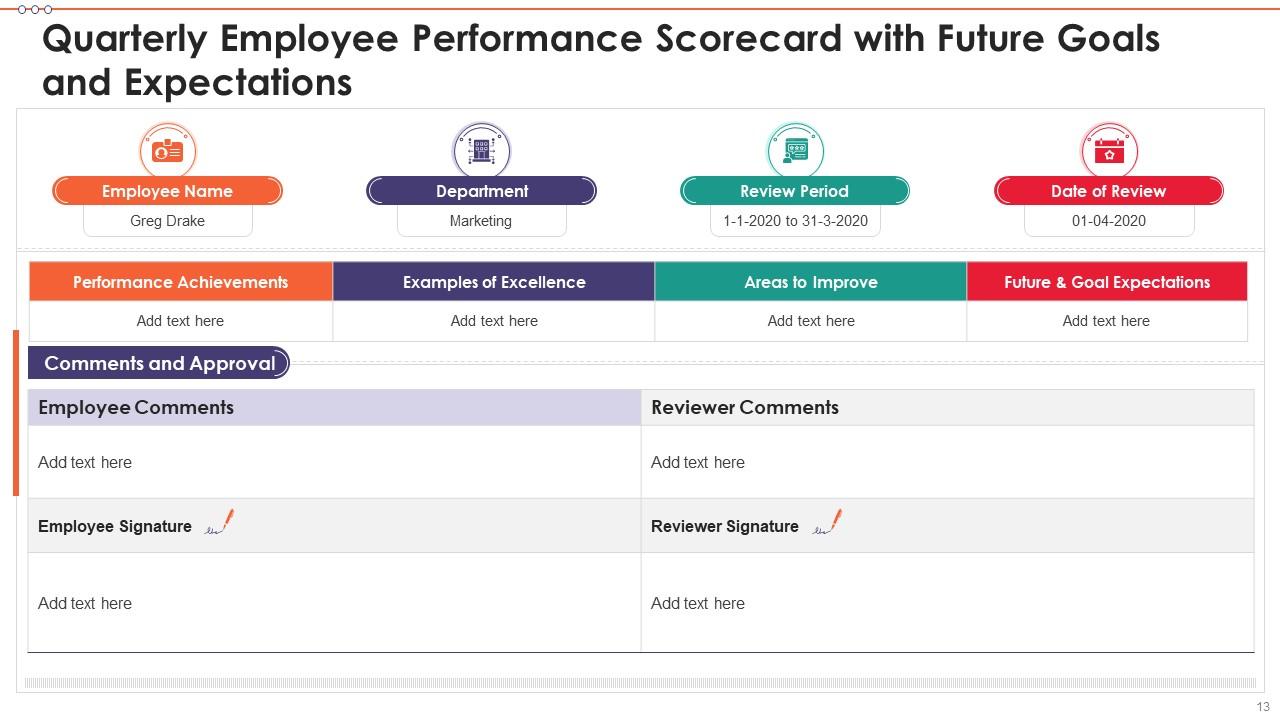
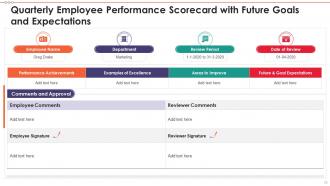
Slide 13: This slide depicts Quarterly Employee Performance Scorecard with Future Goals and Expectations.
Slide 14: This is the icons slide.
Slide 15: This slide presents title for additional slides.
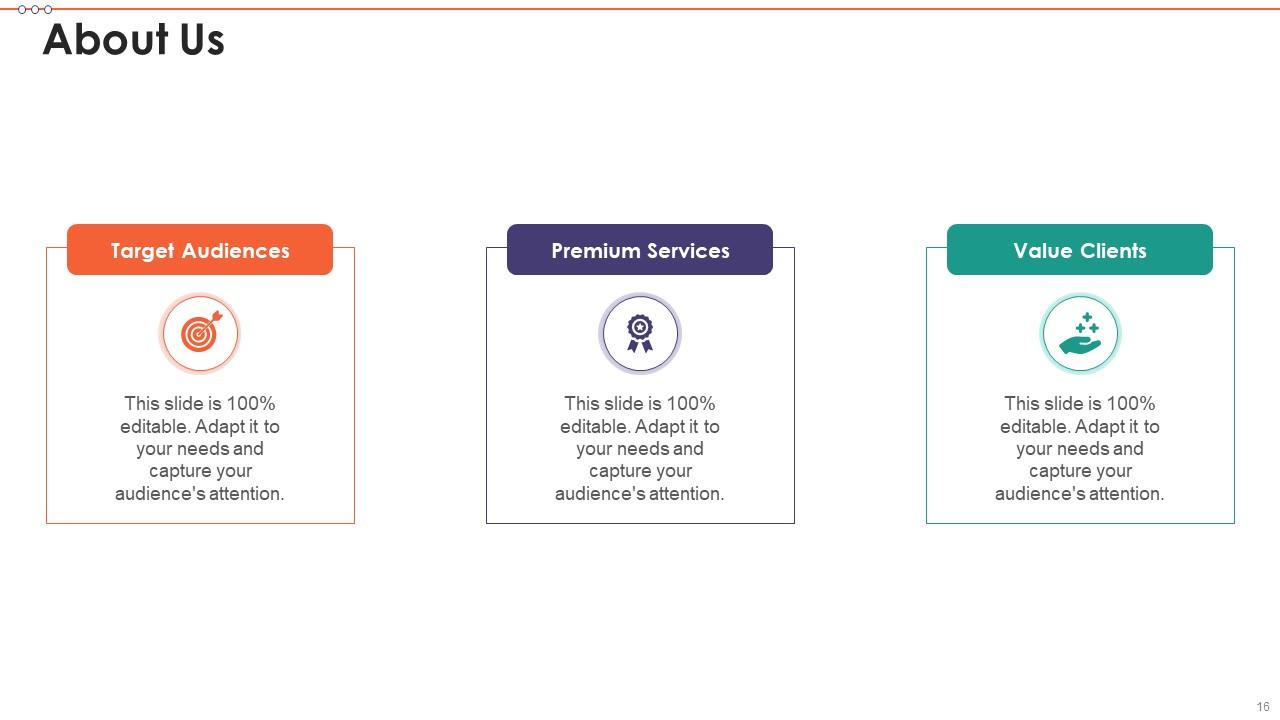
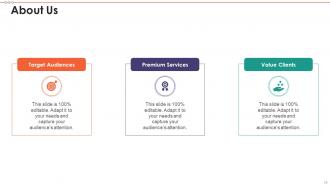
Slide 16: This slide shows about your company, target audience and its client's values.
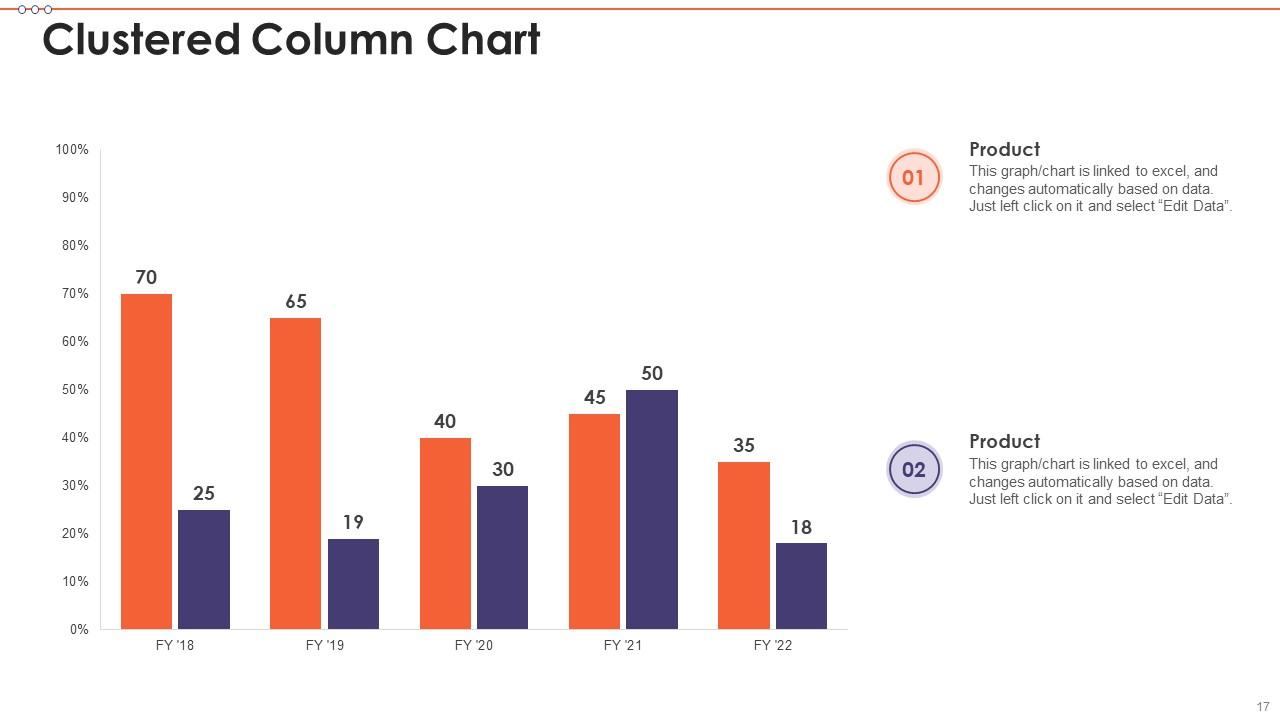
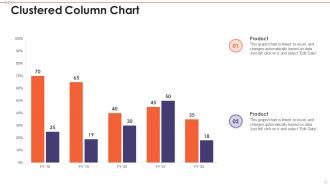
Slide 17: This slide exhibits yearly clustered column charts for different products. The charts are linked to Excel.
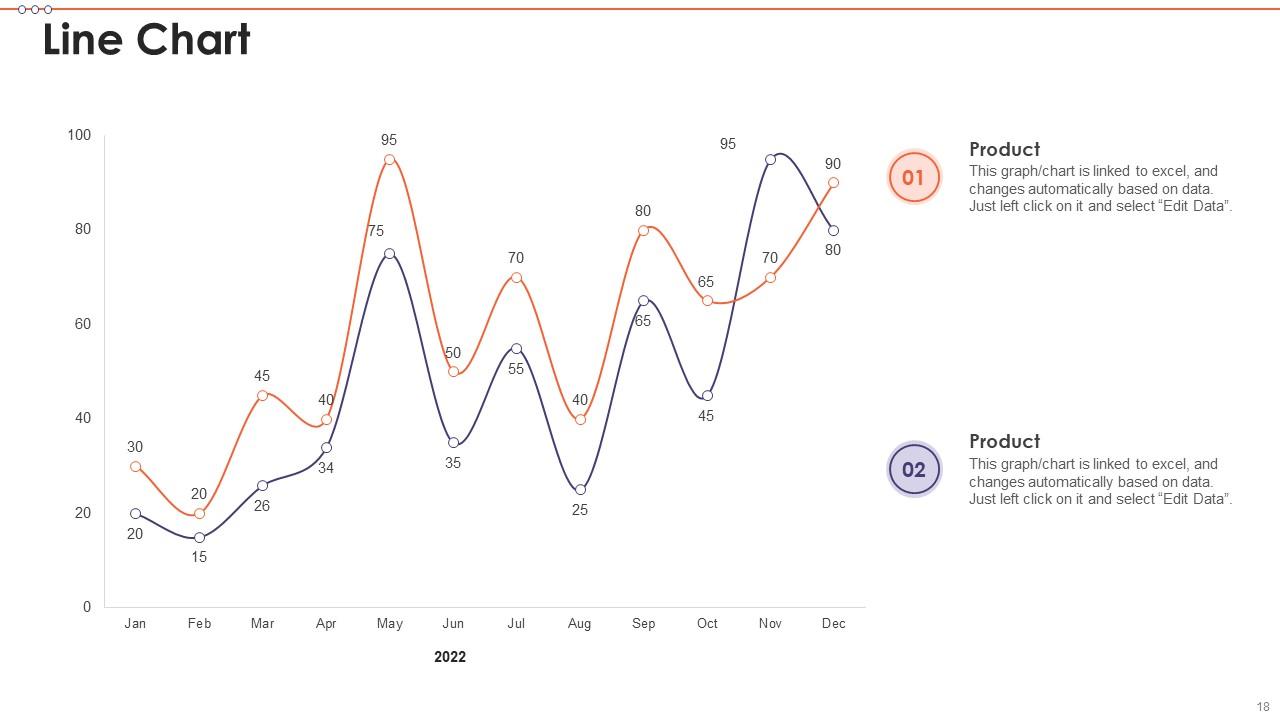
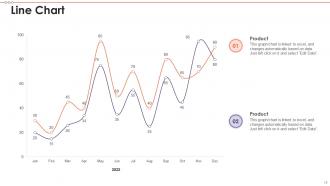
Slide 18: This slide shows monthly line charts for different products. The charts are linked to Excel.
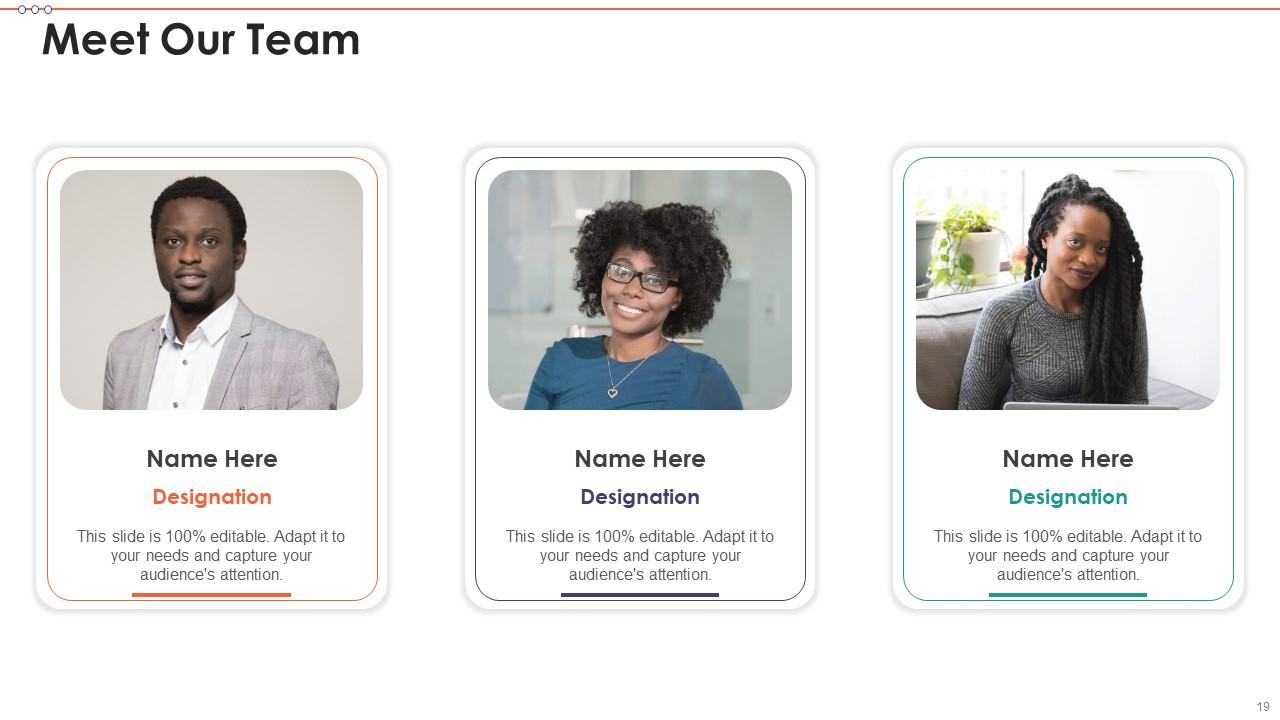
Slide 19: This slide shows details of team members like name, designation, etc.
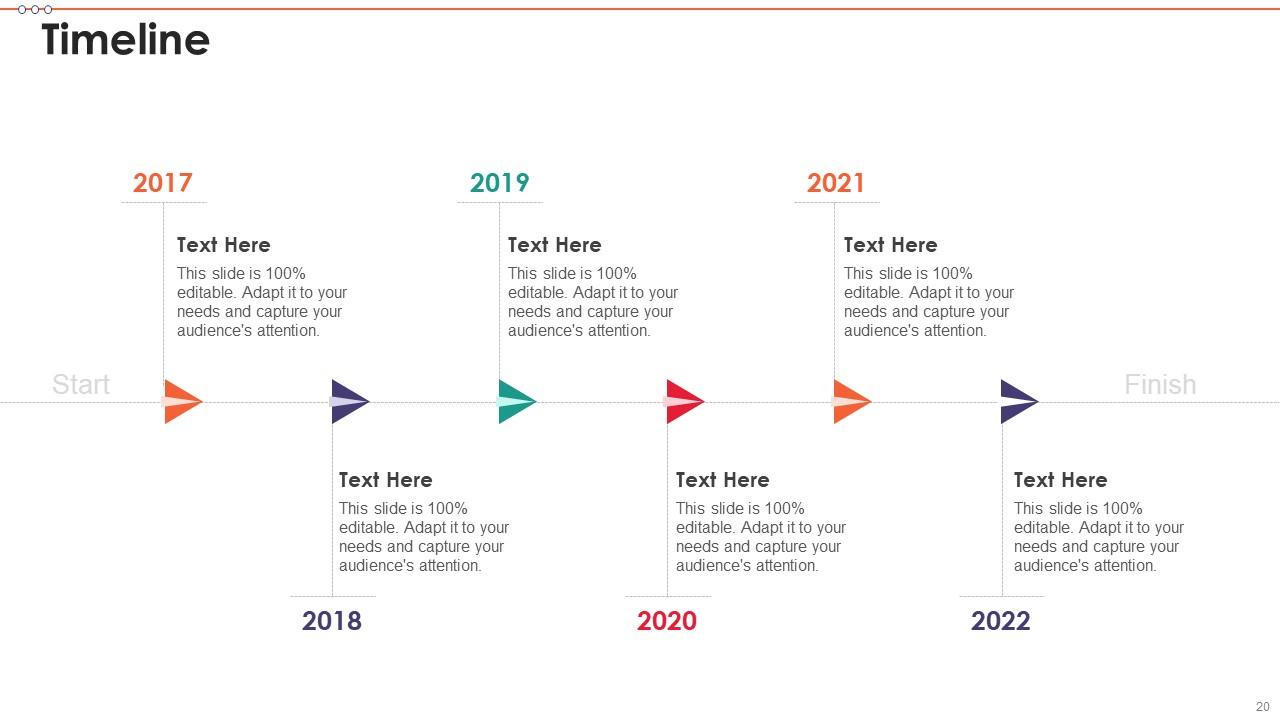
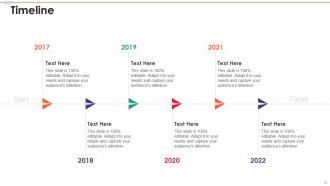
Slide 20: This slide exhibits yearly timeline.
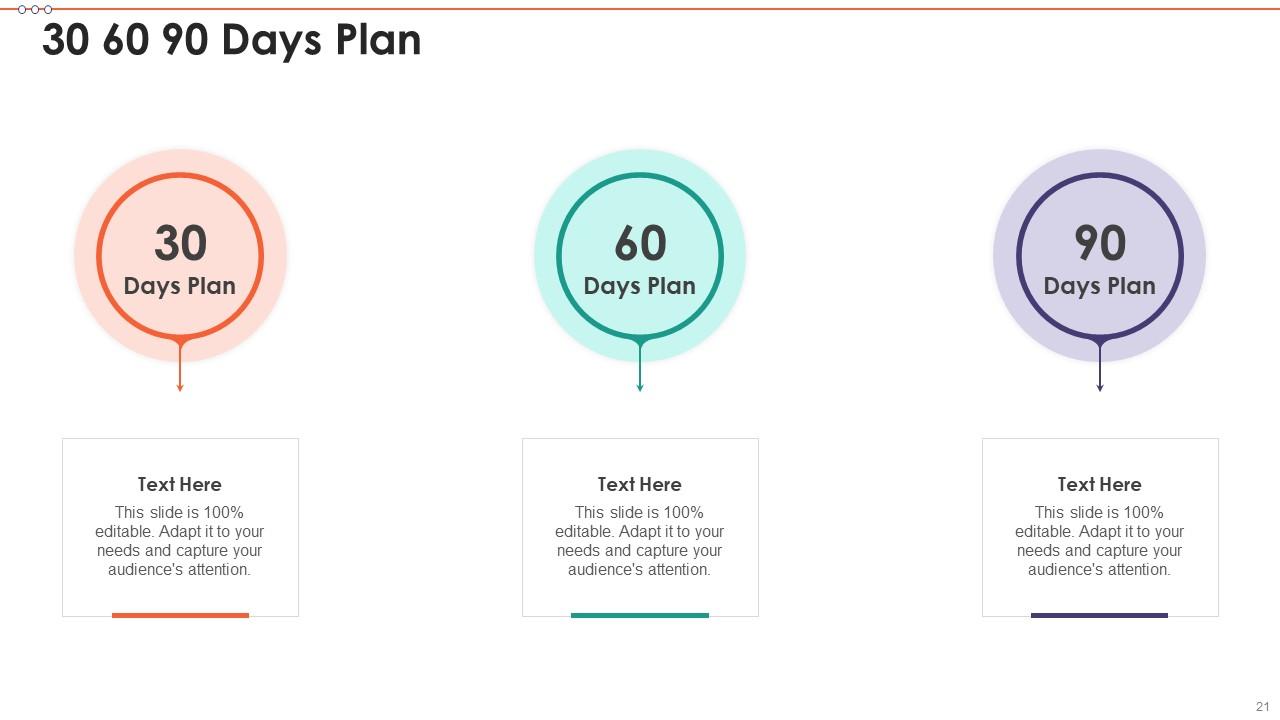
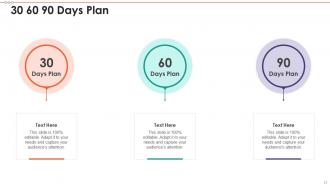
Slide 21: This slide depicts 30-60-90 days plan for projects.
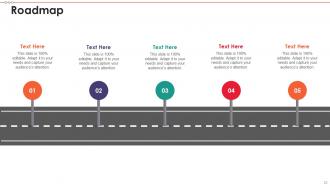
Slide 22: This slide shows roadmap.
Slide 23: This is thank you slide & contains contact details of company like office address, phone no., etc.
Employee scorecard powerpoint presentation slides with all 28 slides:
Use our Employee Scorecard Powerpoint Presentation Slides to effectively help you save your valuable time. They are readymade to fit into any presentation structure.
-
Wonderful templates design to use in business meetings.
-
Enough space for editing and adding your own content.
