


Establishing And Offering Product Portfolios In New Territories Powerpoint Presentation Slides
Diversification and rising consumer demand have prompted companies to widen their product portfolios, and firms are investing more in new product development activities to meet customer expectations. Check out our professionally designed presentation on Establishing and Offering Product Portfolios in New Territories that will help businesses that want to increase their global market share and expand their services by developing and offering products in line with customer demand. Firstly, the presentation begins with an industry overview section that organizations can use to showcase the significant industry trends and attractiveness. Section such as analyzing current capability will help the business provide information about existing product portfolio, companys ability, and a lifetime of various products. How our competitors are performing section will help the business address their competitors portfolio characteristics along with product development methodologies used by them. To effectively develop and manage product portfolios, organizations can use slides addressing business goals, product vision, and sections, namely identifying and developing target customer lists, product portfolio development, resource allocation, product portfolio roadmap, etc. Finally, performance evaluation dashboards will assist organizations in monitoring the performance of various product portfolios and the overall business. Get access now.
Diversification and rising consumer demand have prompted companies to widen their product portfolios, and firms are investi..


























-

- Google Slides is a new FREE Presentation software from Google.
- All our content is 100% compatible with Google Slides.
- Just download our designs, and upload them to Google Slides and they will work automatically.
- Amaze your audience with SlideTeam and Google Slides.
-

Want Changes to This PPT Slide? Check out our Presentation Design Services
-

- WideScreen Aspect ratio is becoming a very popular format. When you download this product, the downloaded ZIP will contain this product in both standard and widescreen format.
-

- Some older products that we have may only be in standard format, but they can easily be converted to widescreen.
- To do this, please open the SlideTeam product in Powerpoint, and go to
- Design ( On the top bar) -> Page Setup -> and select "On-screen Show (16:9)” in the drop down for "Slides Sized for".
- The slide or theme will change to widescreen, and all graphics will adjust automatically. You can similarly convert our content to any other desired screen aspect ratio.
Compatible With Google Slides

Get This In WideScreen
You must be logged in to download this presentation.


Do you want to remove this product from your favourites?
PowerPoint presentation slides
Deliver this complete deck to your team members and other collaborators. Encompassed with stylized slides presenting various concepts, this Establishing And Offering Product Portfolios In New Territories Powerpoint Presentation Slides is the best tool you can utilize. Personalize its content and graphics to make it unique and thought-provoking. All the fifty slides are editable and modifiable, so feel free to adjust them to your business setting. The font, color, and other components also come in an editable format making this PPT design the best choice for your next presentation. So, download now.

People who downloaded this PowerPoint presentation also viewed the following :
Content of this Powerpoint Presentation
Slide 1: This slide introduces Establishing and Offering Product Portfolios in New Territories. State your company name and begin.
Slide 2: This slide states Agenda of the presentation.
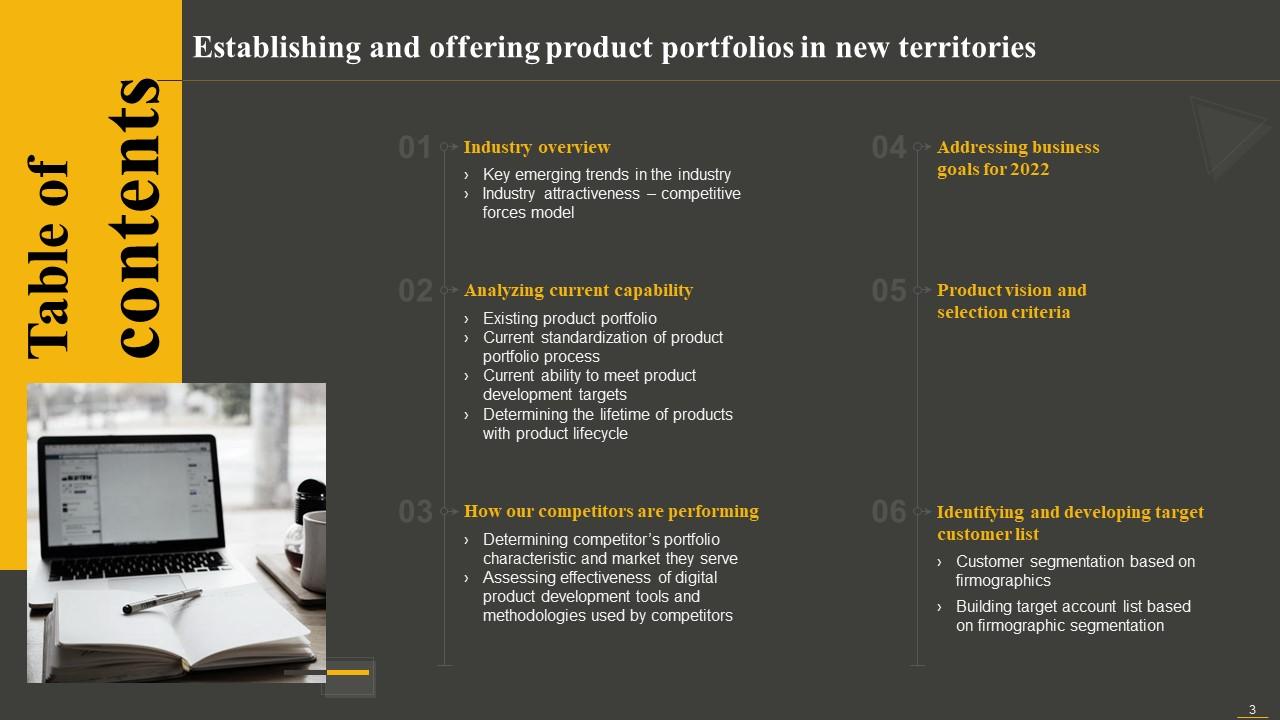
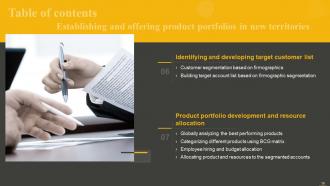
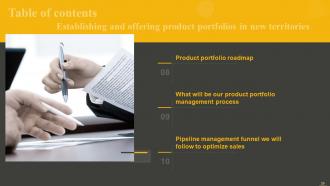
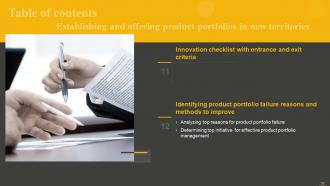
Slide 3: This slide presents Table of Content for the presentation.
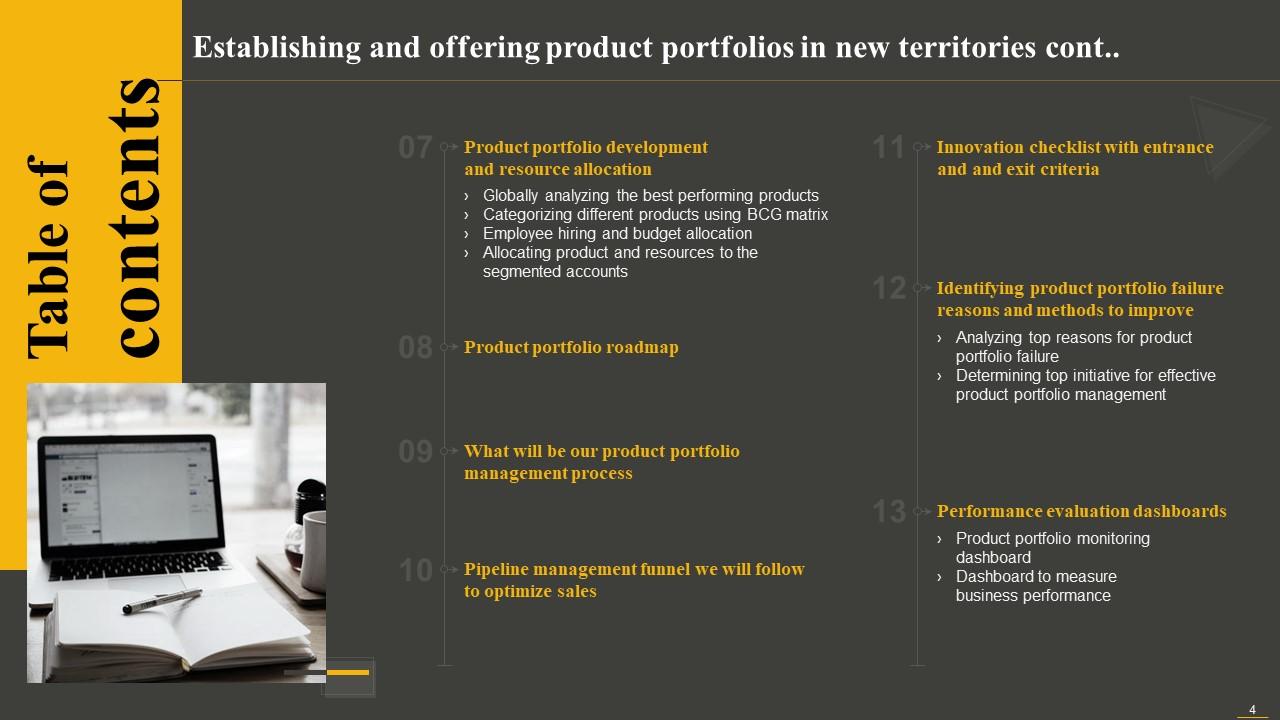
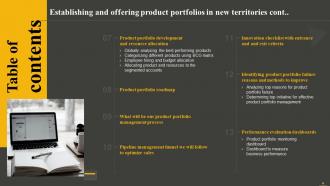
Slide 4: This is another slide continuing Table of Content for the presentation.
Slide 5: This slide highlights title for topics that are to be covered next in the template.
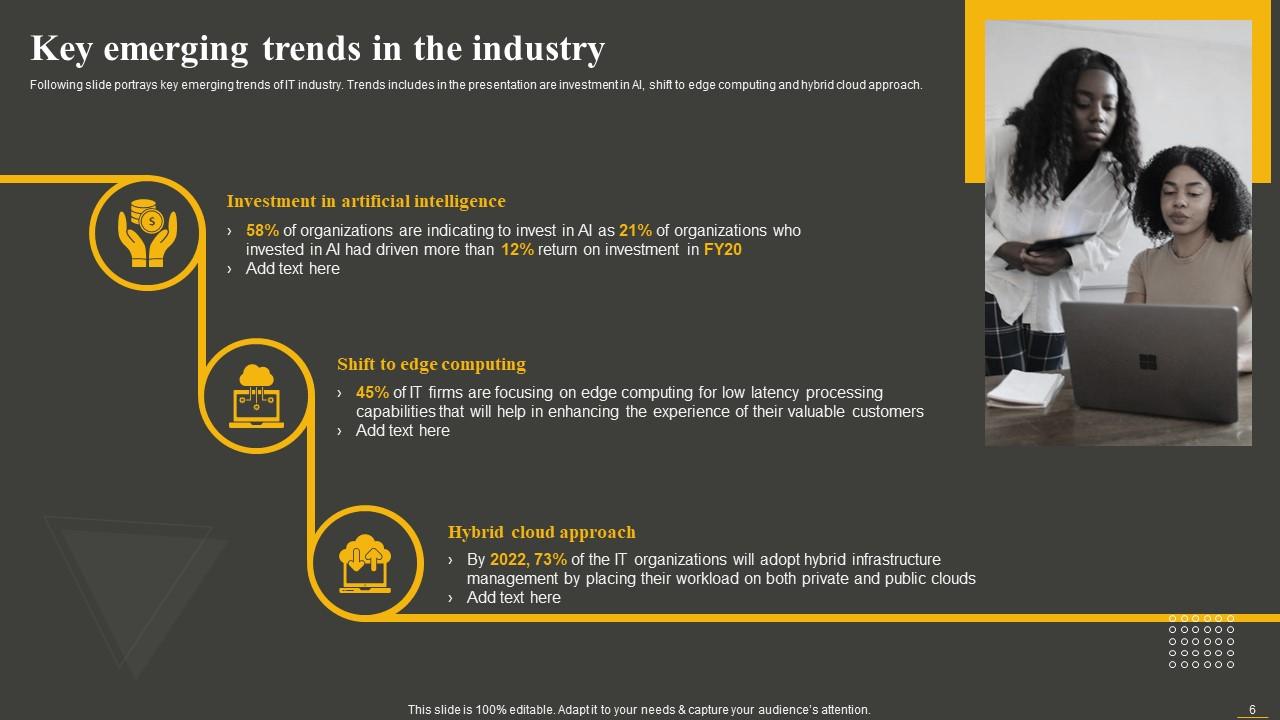
Slide 6: Following slide portrays key emerging trends of IT industry.
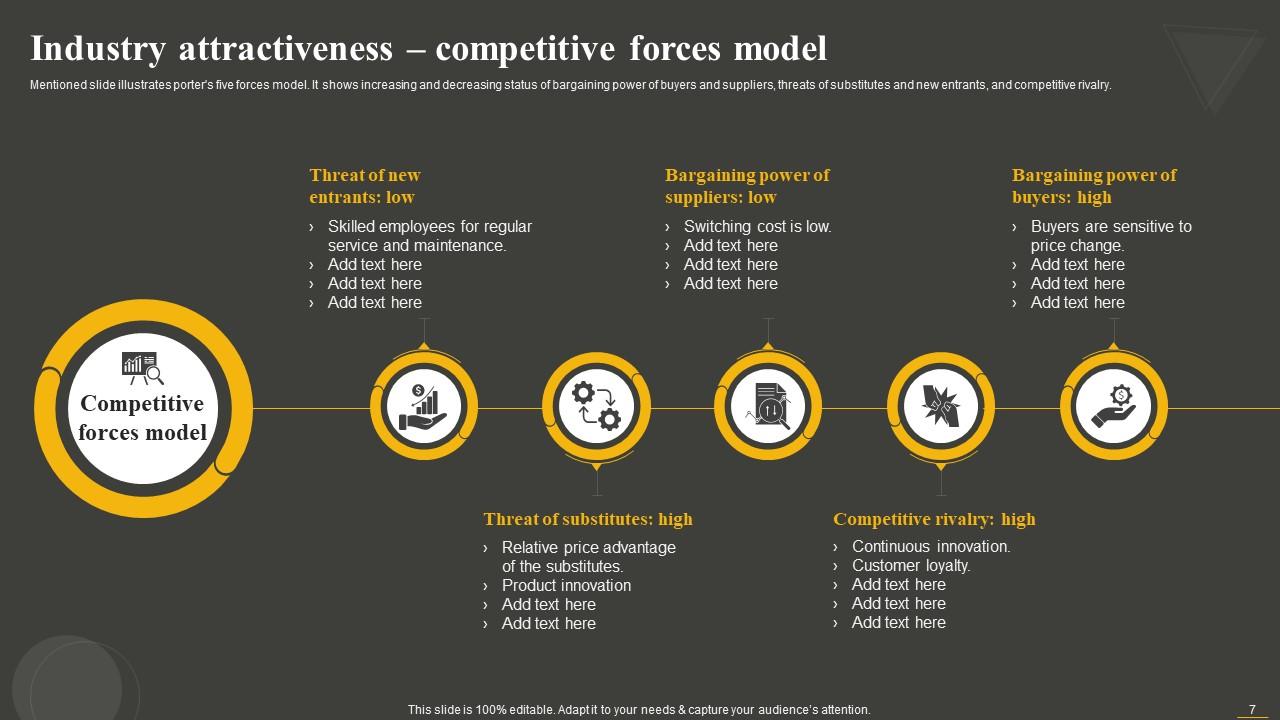
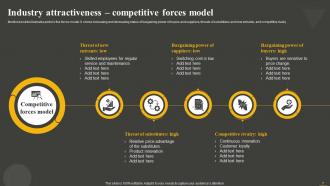
Slide 7: Mentioned slide illustrates porter's five forces model.
Slide 8: This slide highlights title for topics that are to be covered next in the template.
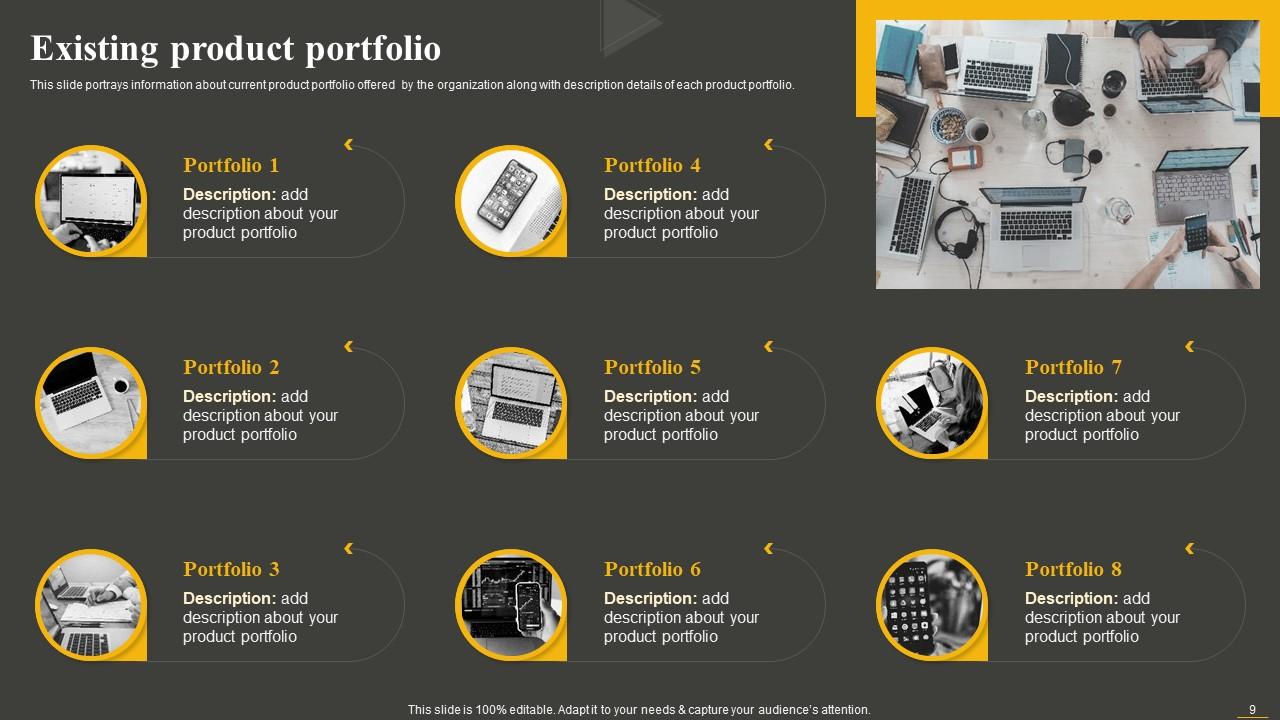
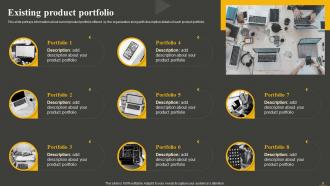
Slide 9: This slide portrays information about current product portfolio offered by the organization.
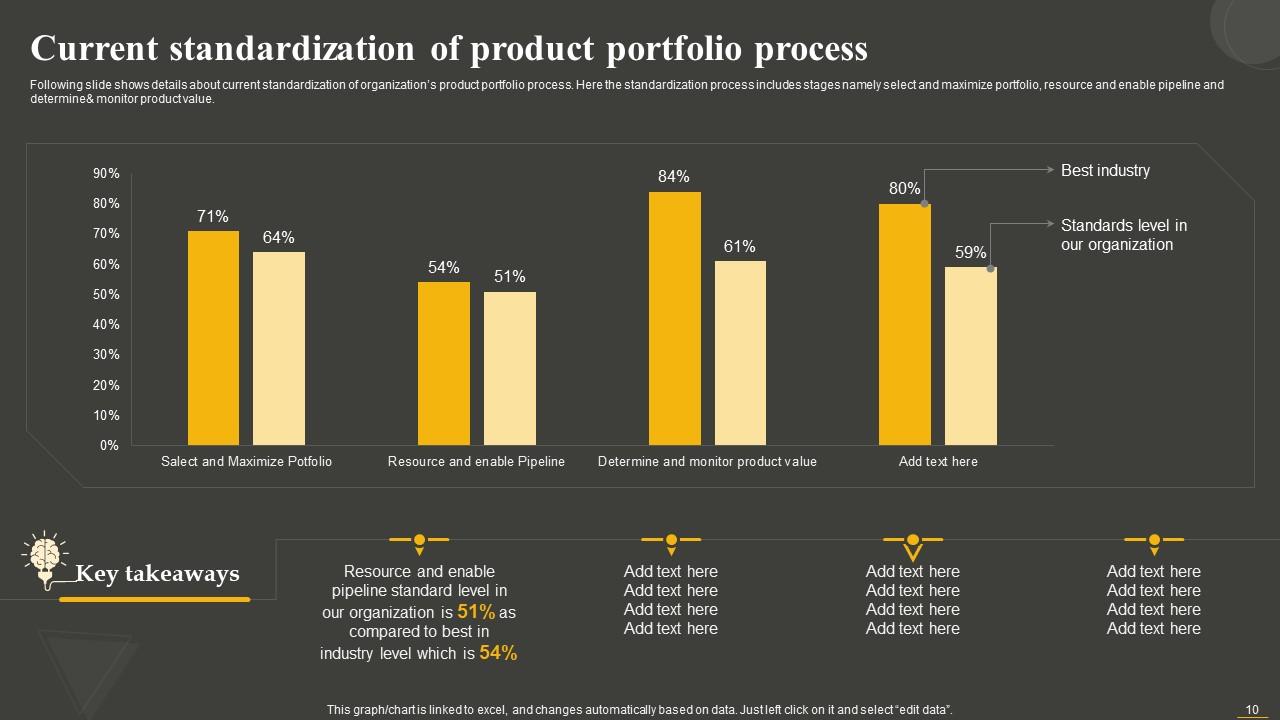
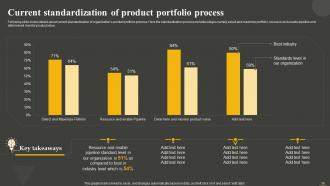
Slide 10: This slide displays Current Standardization of Product Portfolio Process.
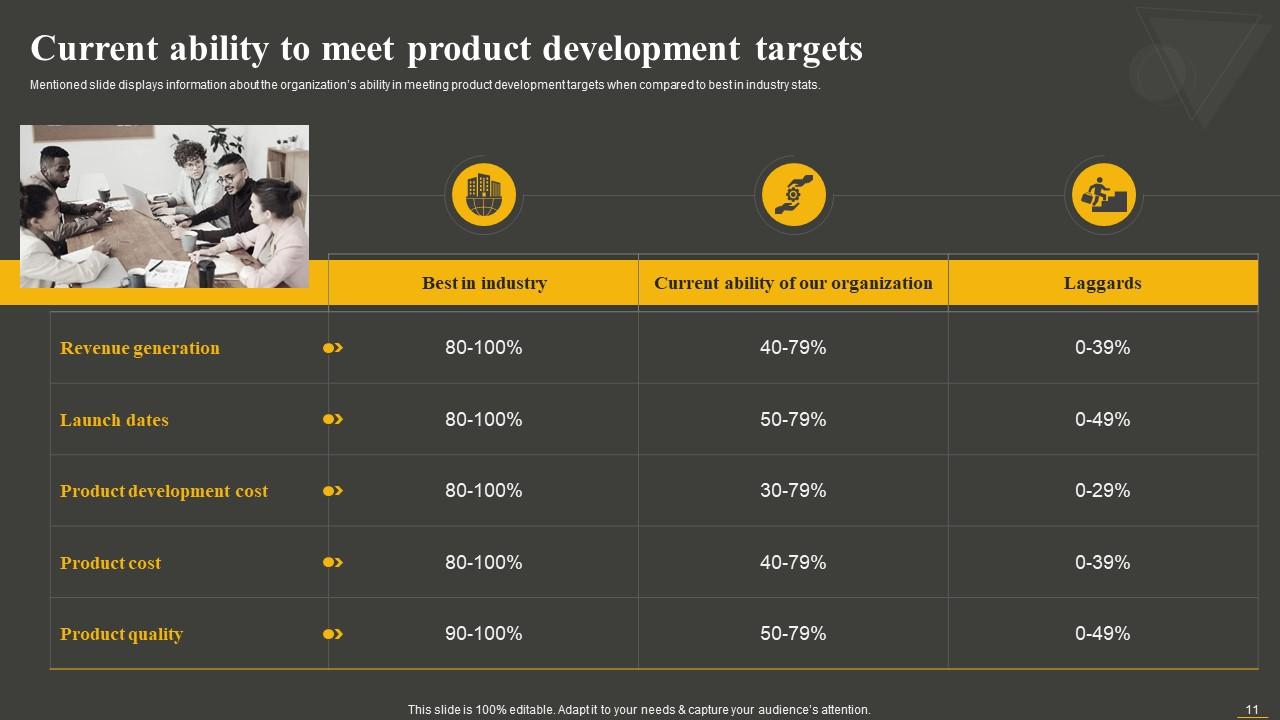
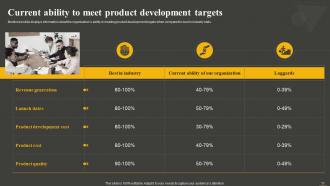
Slide 11: This slide represents Current Ability to Meet Product Development Targets.
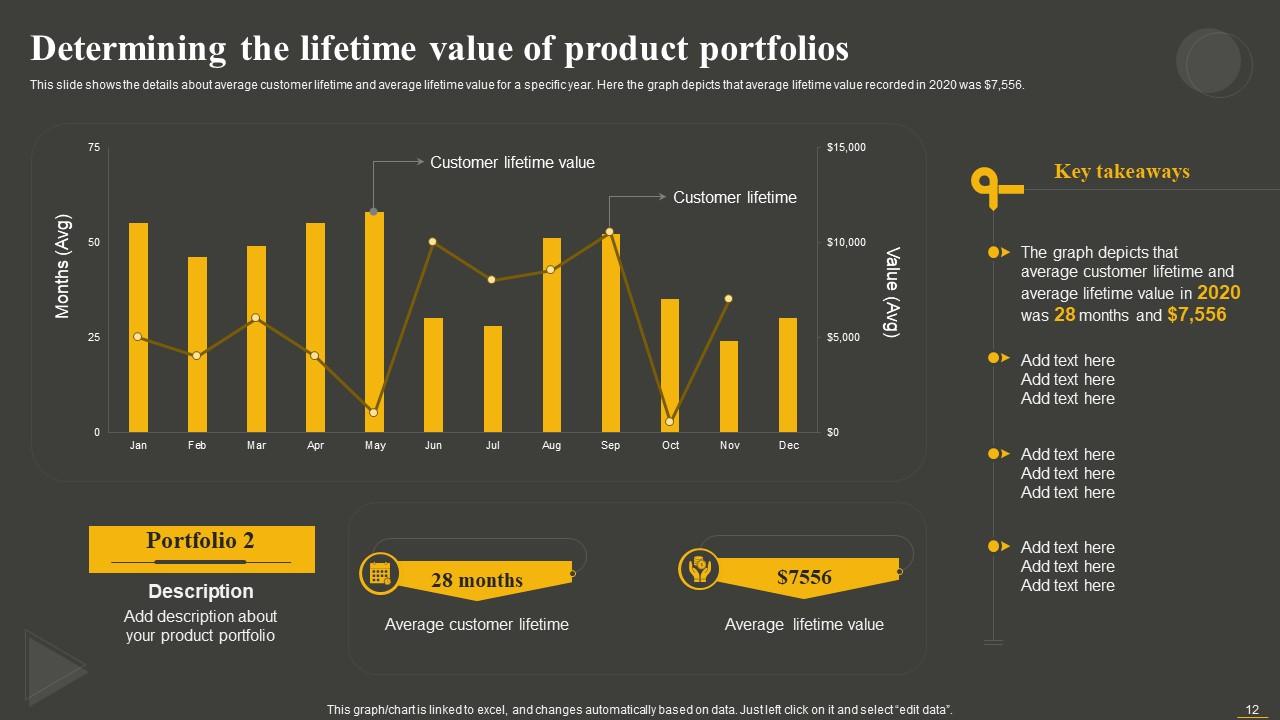
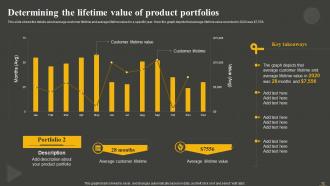
Slide 12: This slide showcases Determining the Lifetime Value of Product Portfolios.
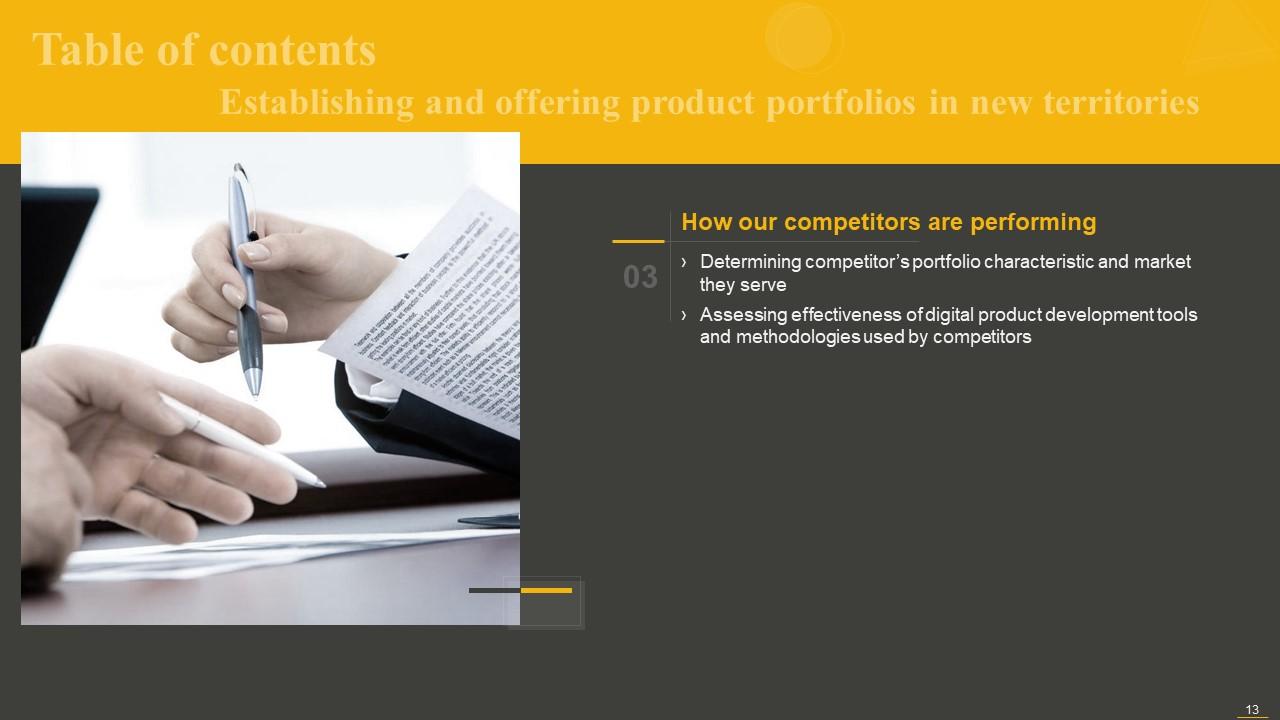
Slide 13: This slide highlights title for topics that are to be covered next in the template.
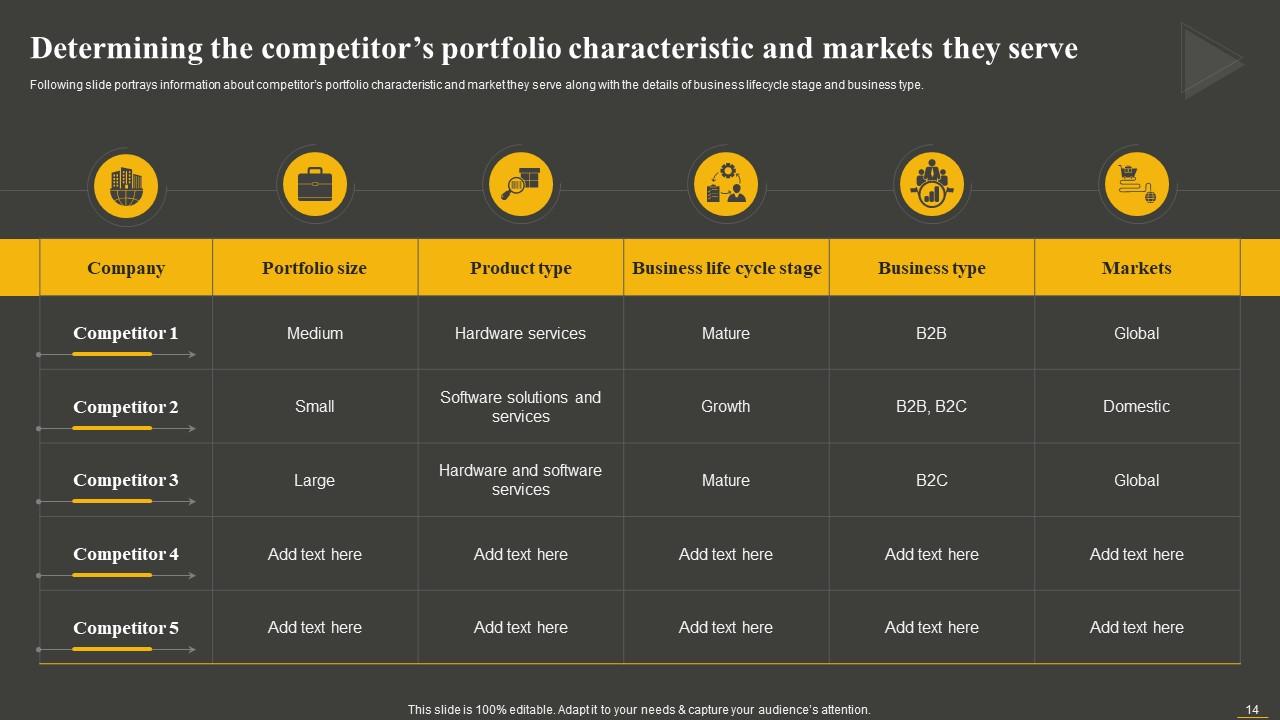
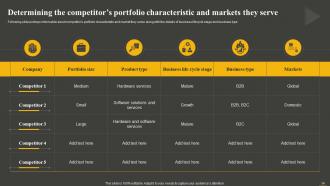
Slide 14: This slide shows Determining the Competitor’s Portfolio Characteristic and Markets they Serve.
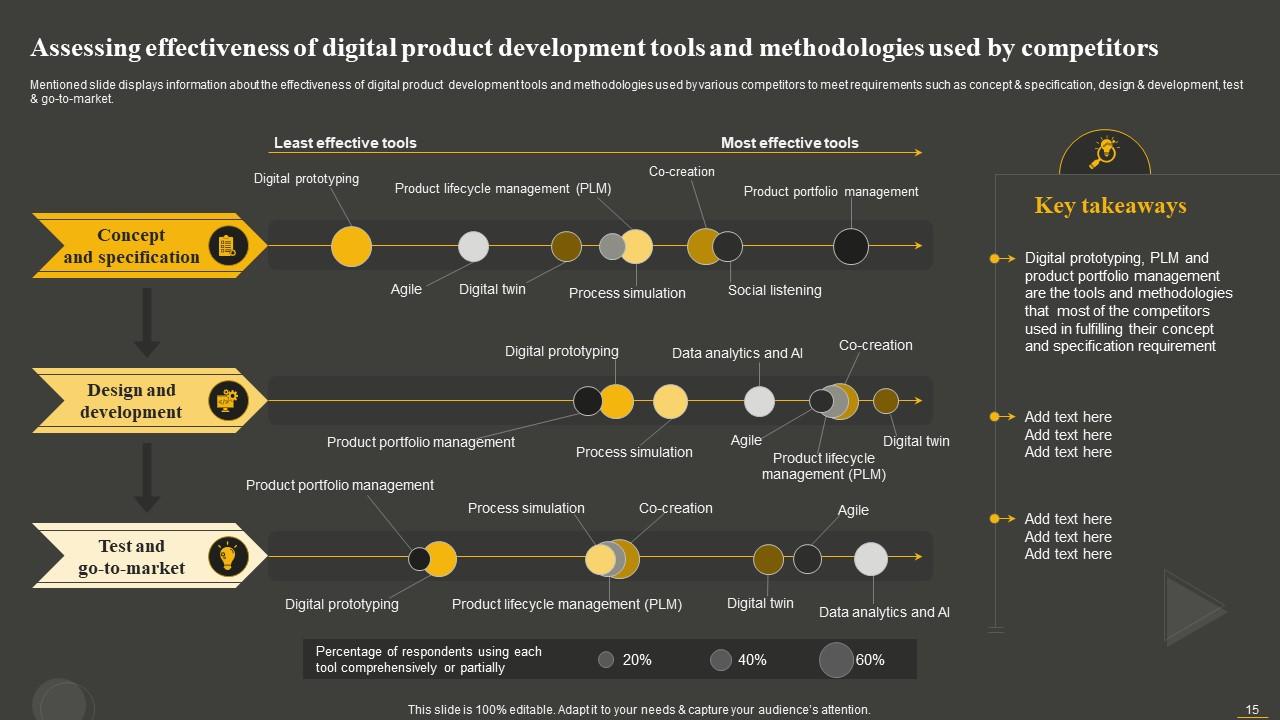
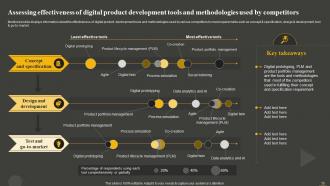
Slide 15: This slide presents Assessing Effectiveness of Digital Product Development Tools and Methodologies used by Competitors.
Slide 16: This slide highlights title for topics that are to be covered next in the template.
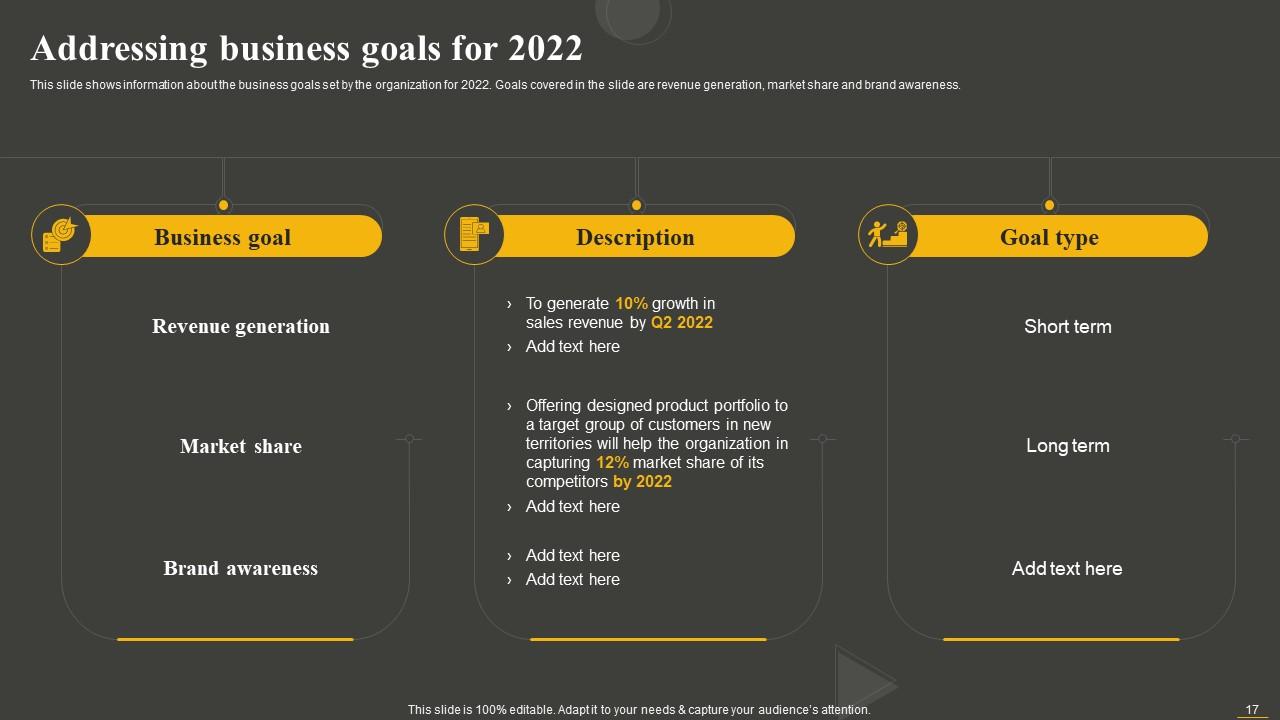
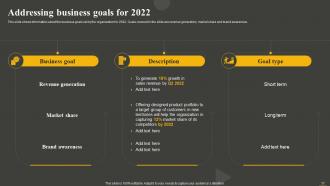
Slide 17: This slide shows information about the business goals set by the organization for 2021.
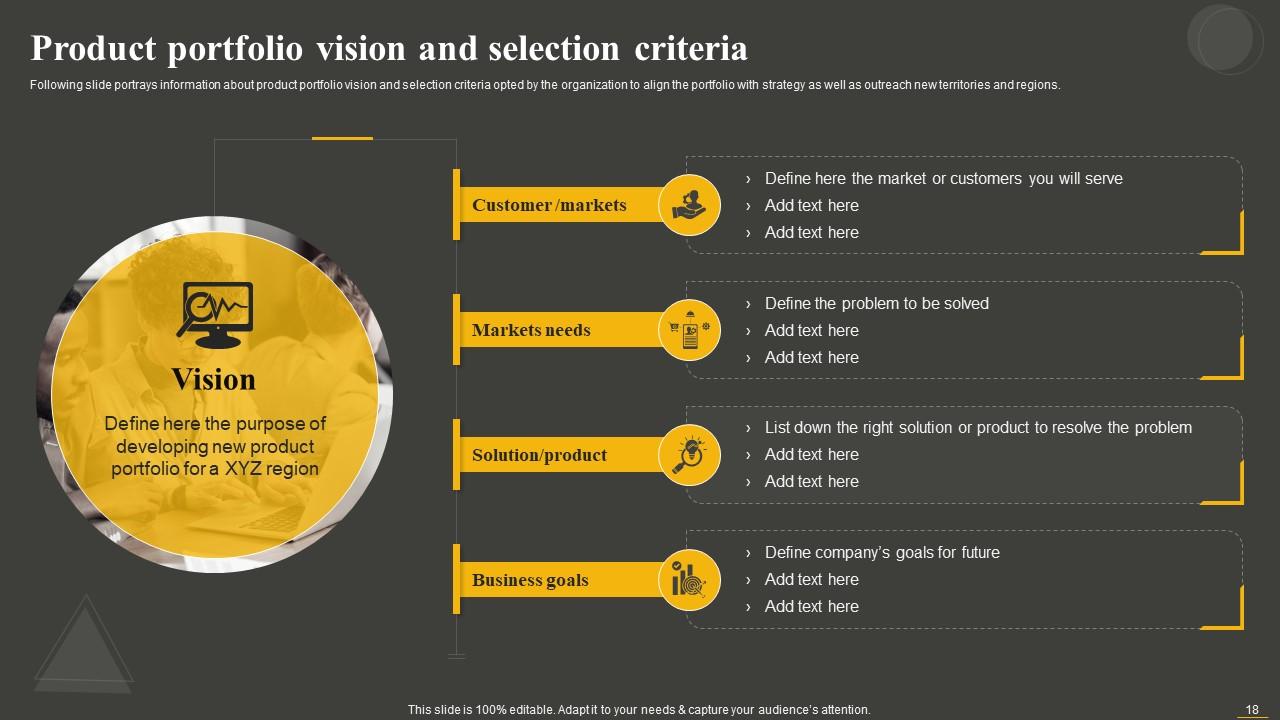
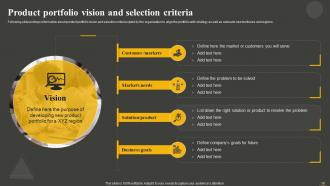
Slide 18: This slide presents Product Portfolio Vision and Selection Criteria.
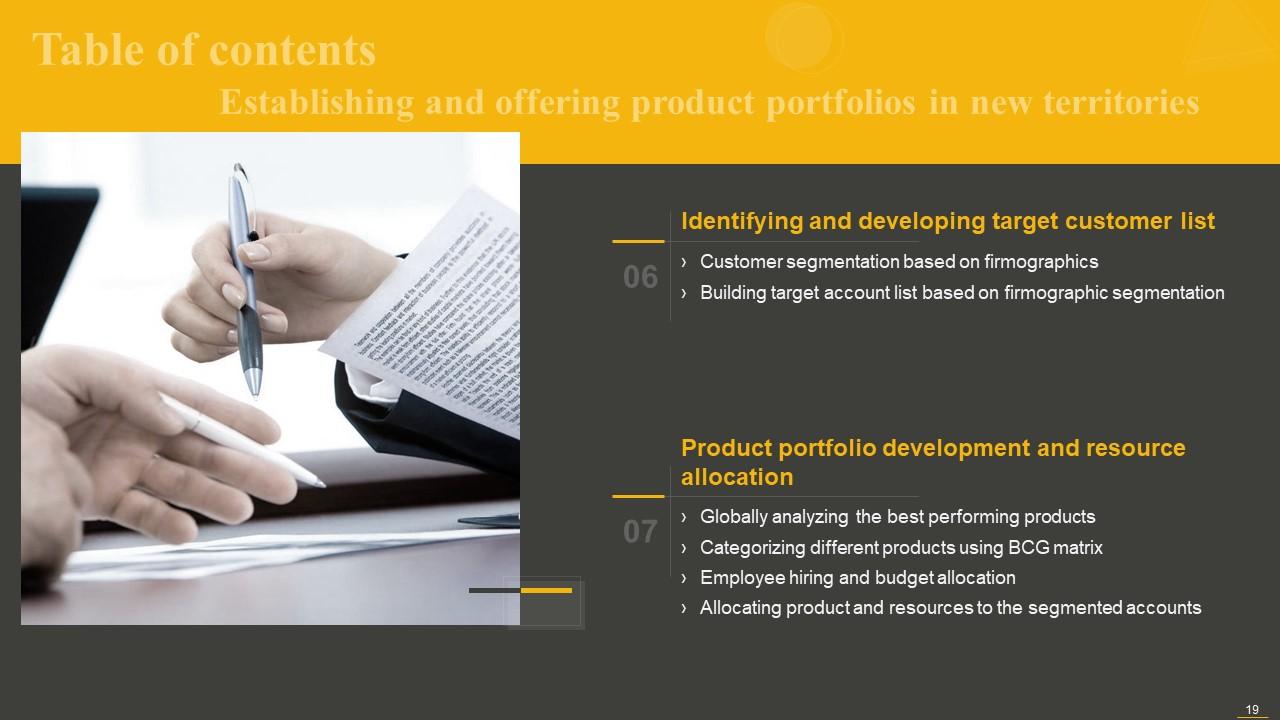
Slide 19: This slide highlights title for topics that are to be covered next in the template.
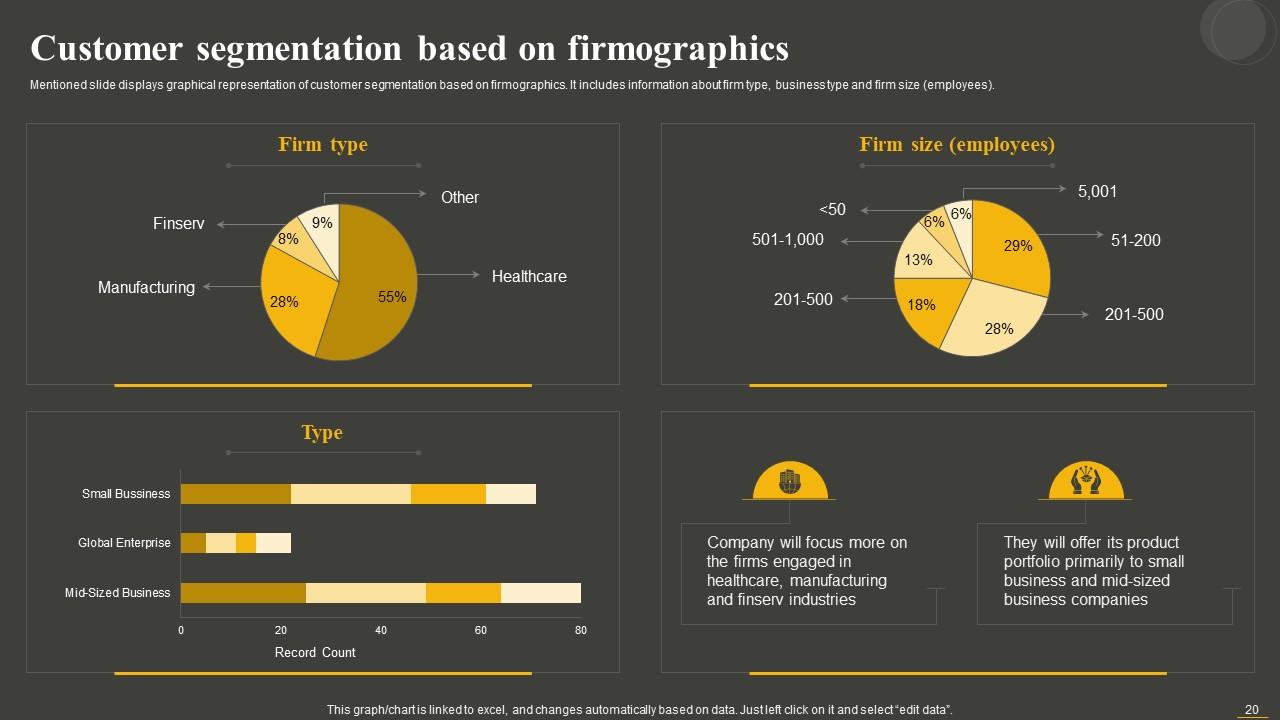
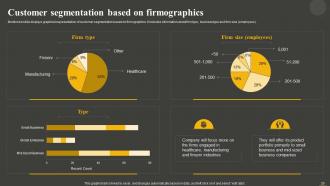
Slide 20: This slide displays Customer Segmentation Based on Firmographics.
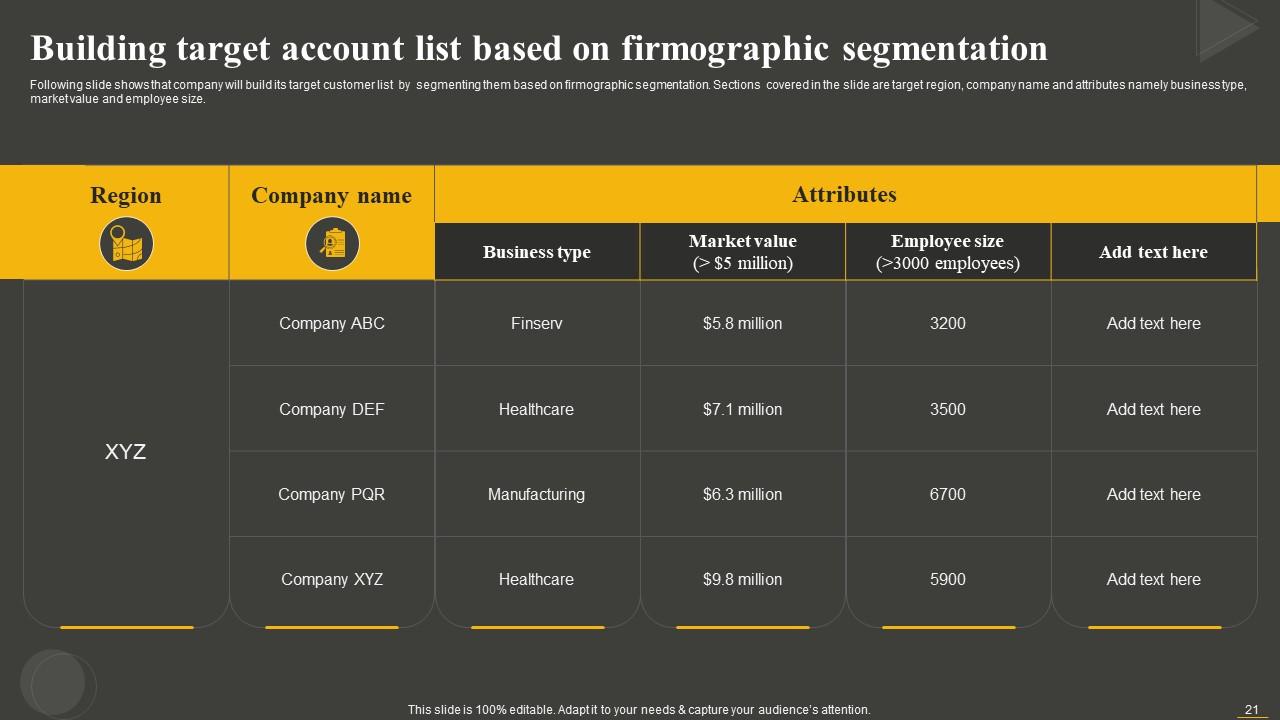
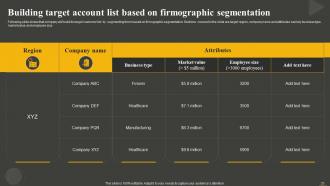
Slide 21: This slide represents Building Target Account List Based on Firmographic Segmentation.
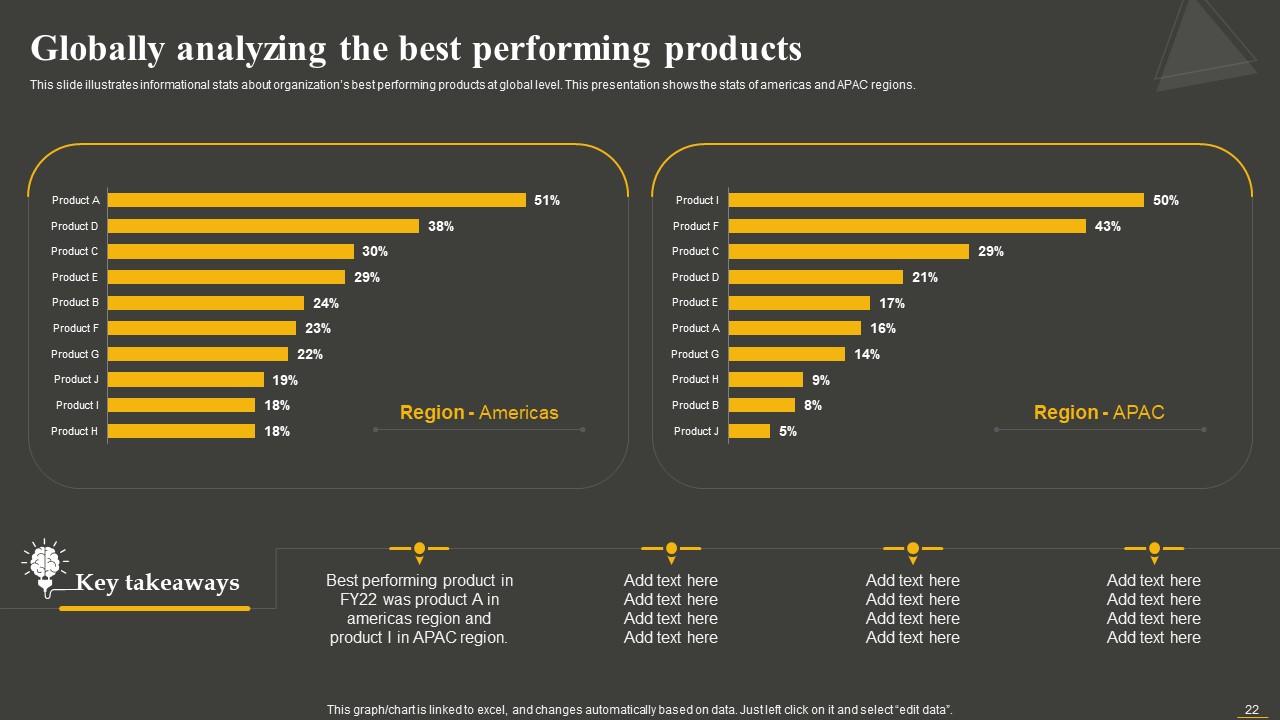
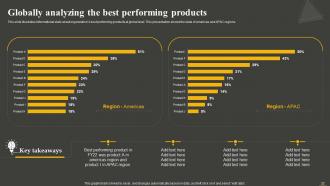
Slide 22: This slide showcases Globally Analyzing the Best Performing Products.
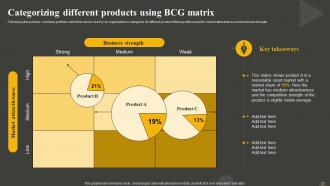
Slide 23: This slide shows Categorizing Different Products using BCG Matrix.
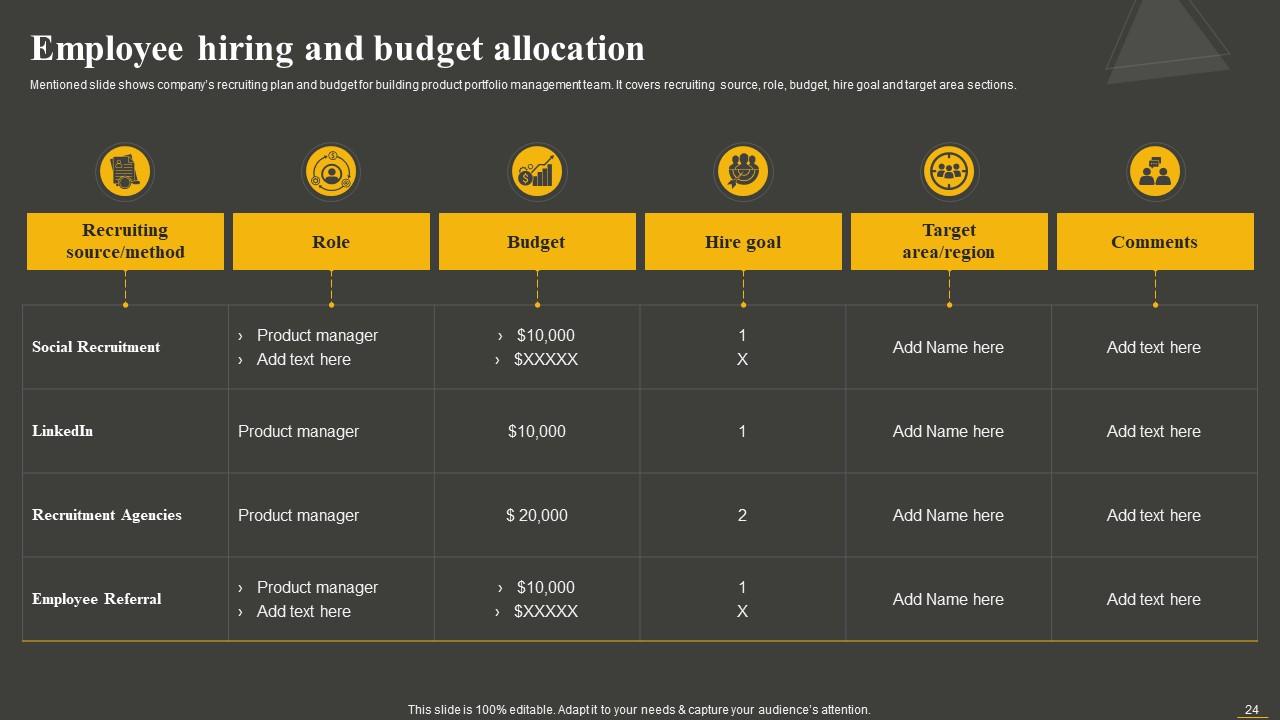
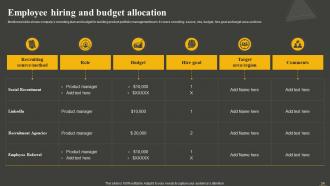
Slide 24: This slide presents Employee Hiring and Budget Allocation.
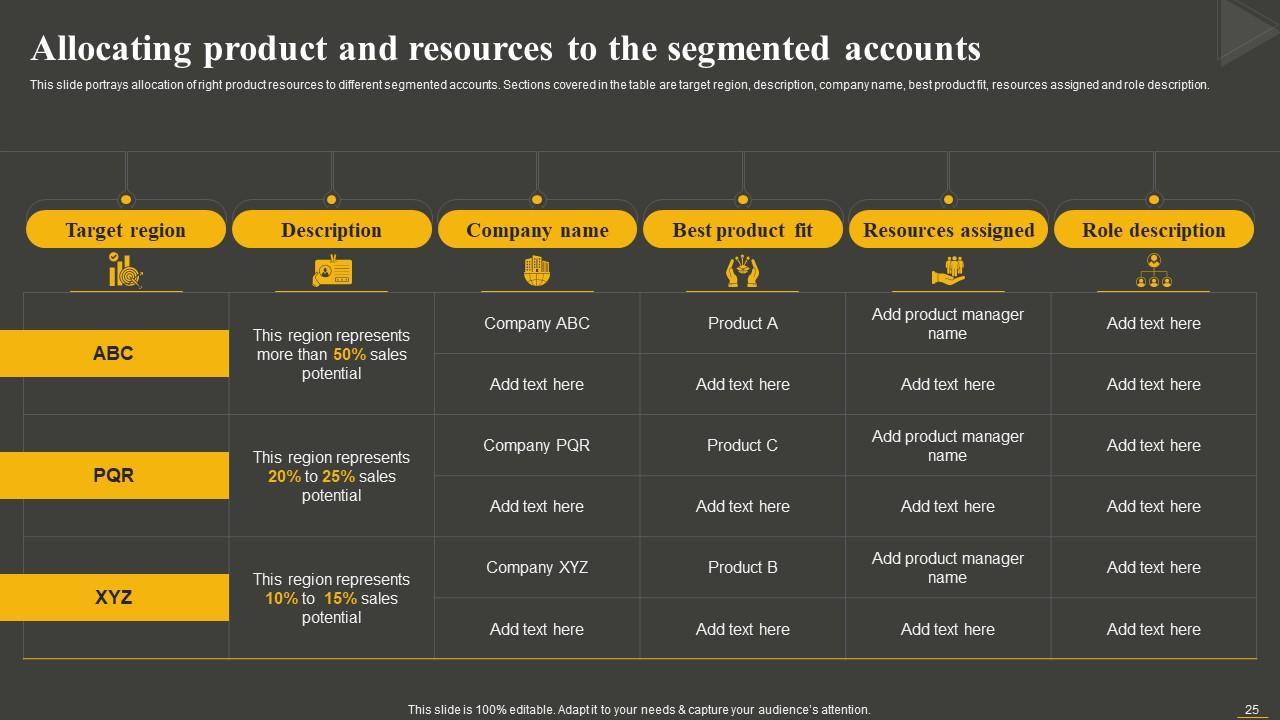
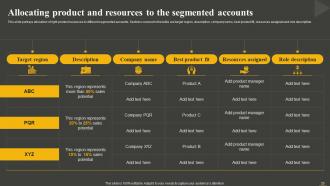
Slide 25: This slide displays Allocating Product and Resources to the Segmented Accounts.
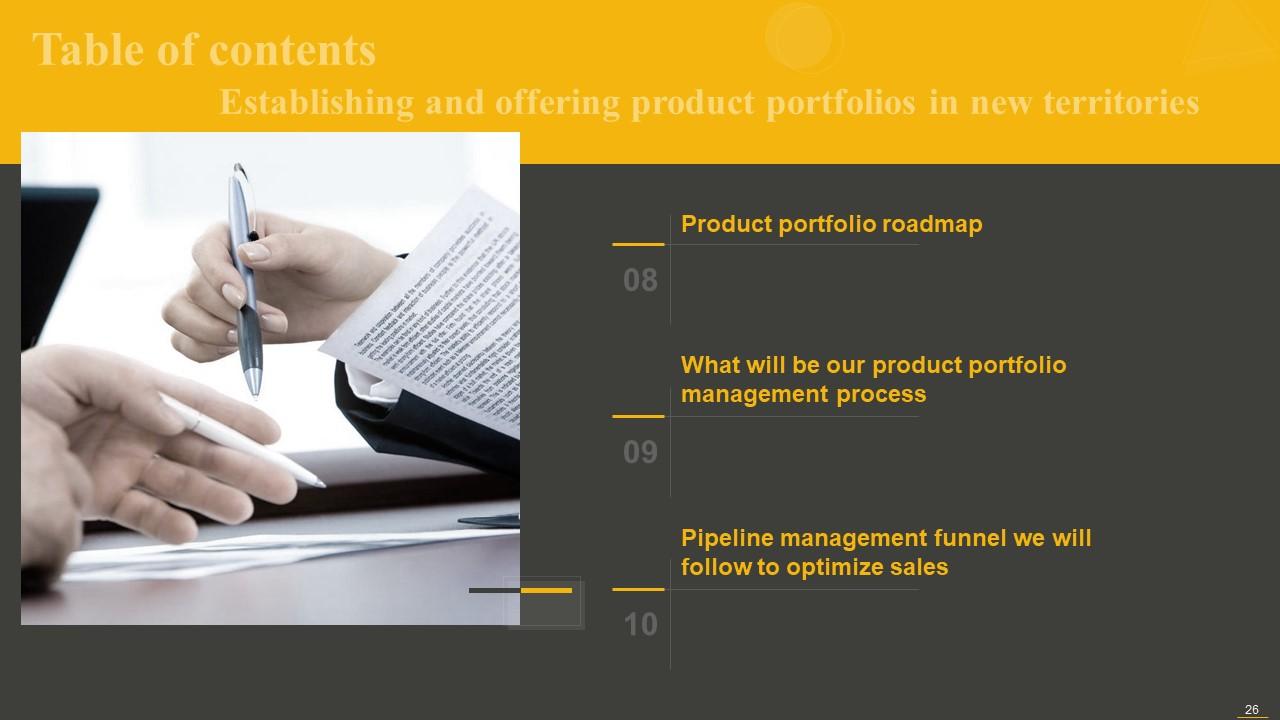
Slide 26: This slide highlights title for topics that are to be covered next in the template.
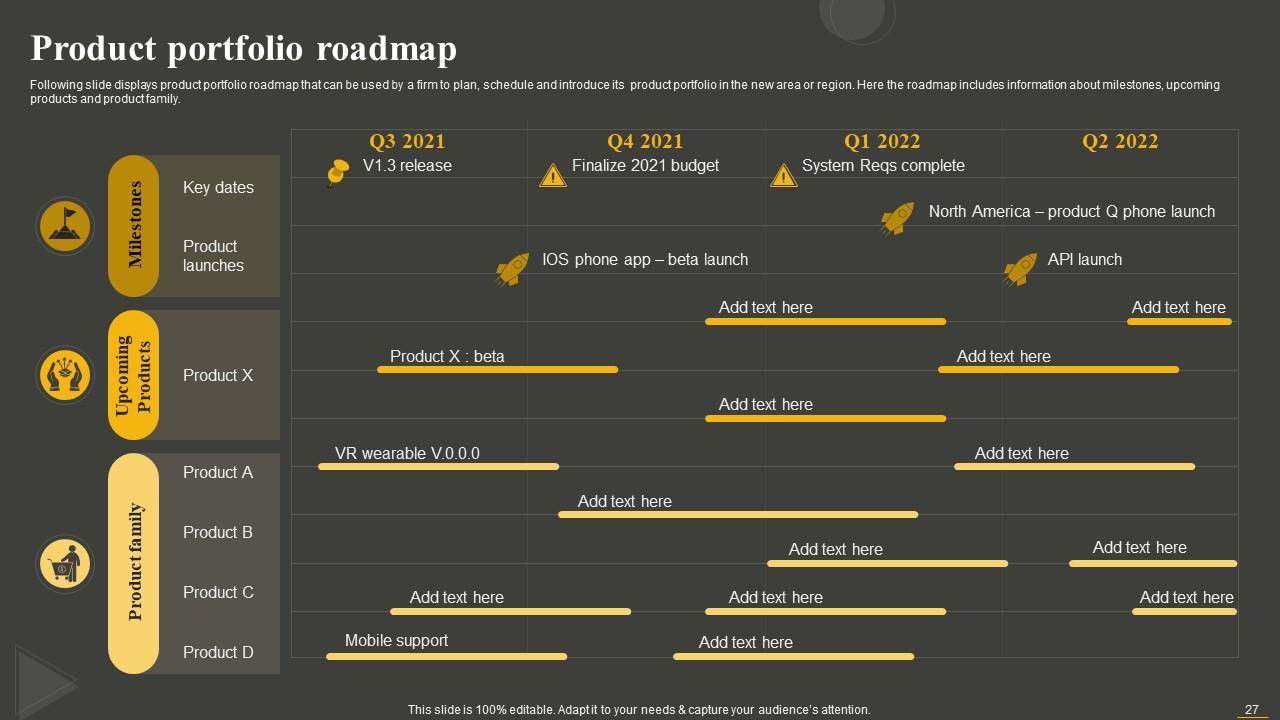
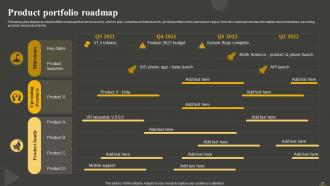
Slide 27: Following slide displays product portfolio roadmap that can be used by a firm to plan.
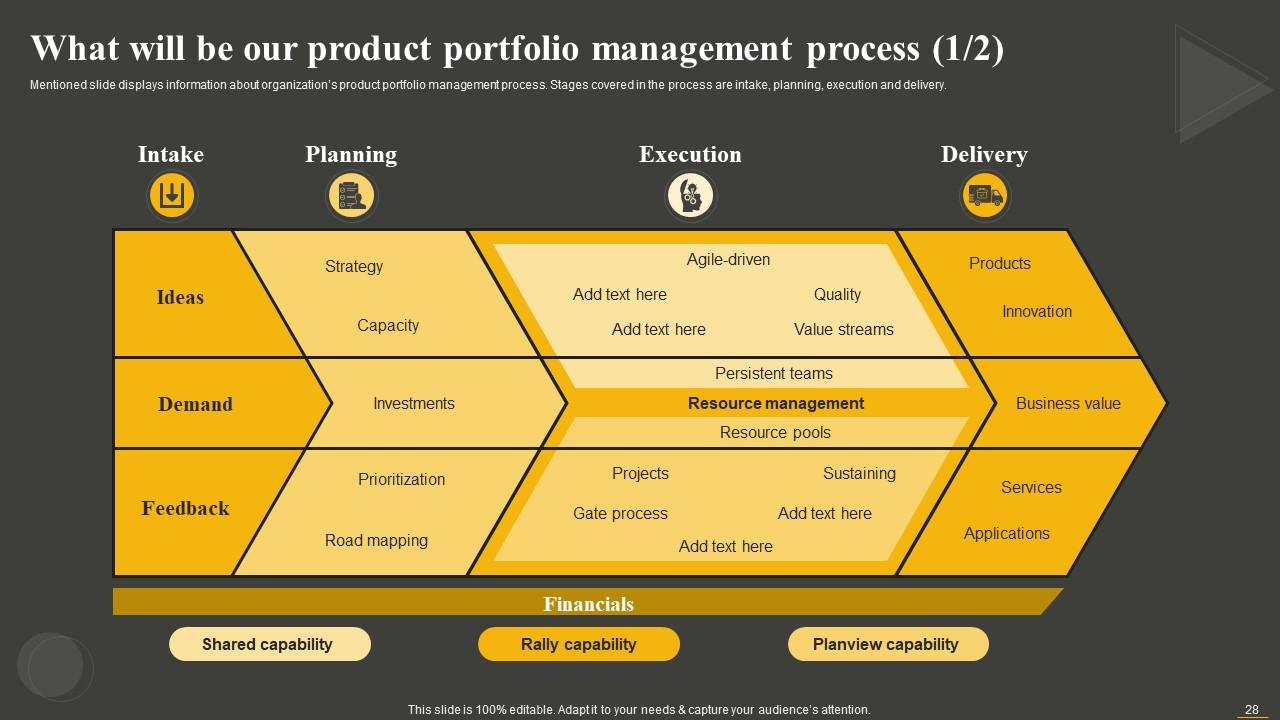
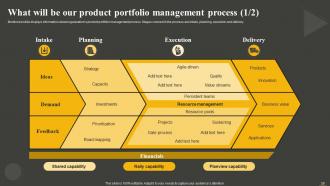
Slide 28: Mentioned slide displays information about organization’s product portfolio management process.
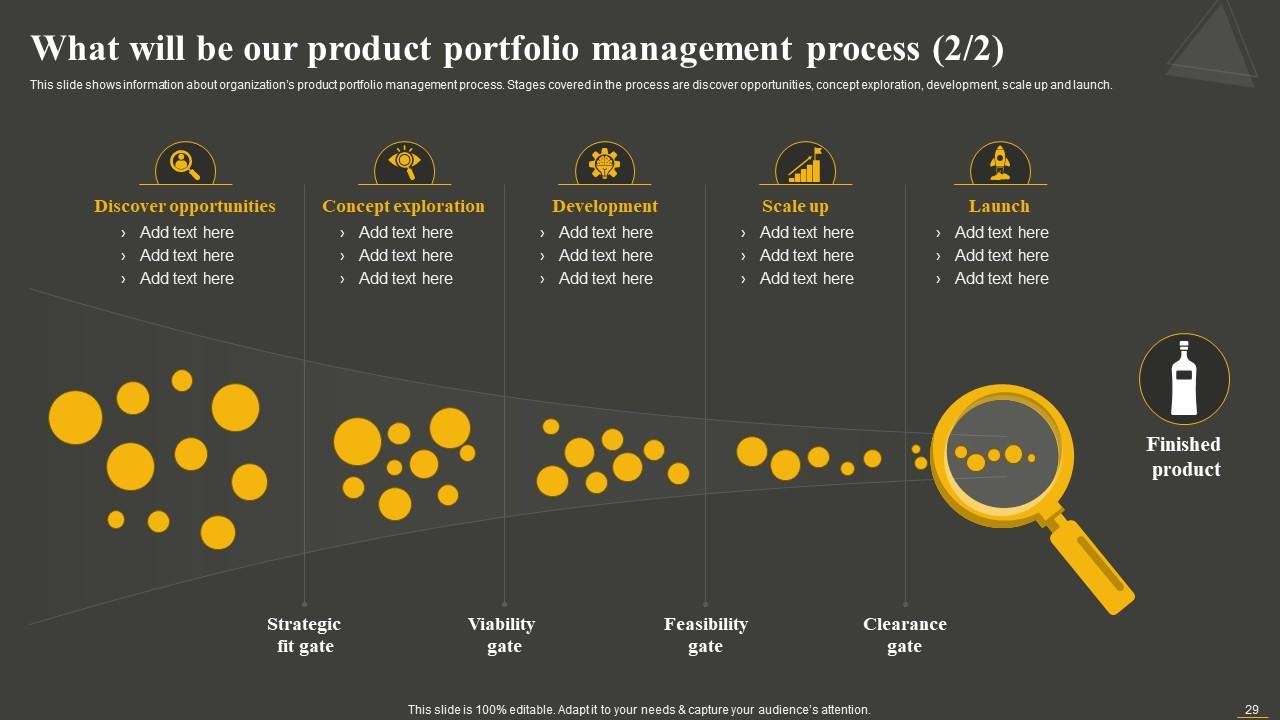
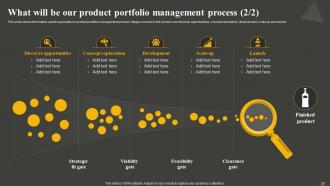
Slide 29: This is another slide continuing organization’s product portfolio management process.
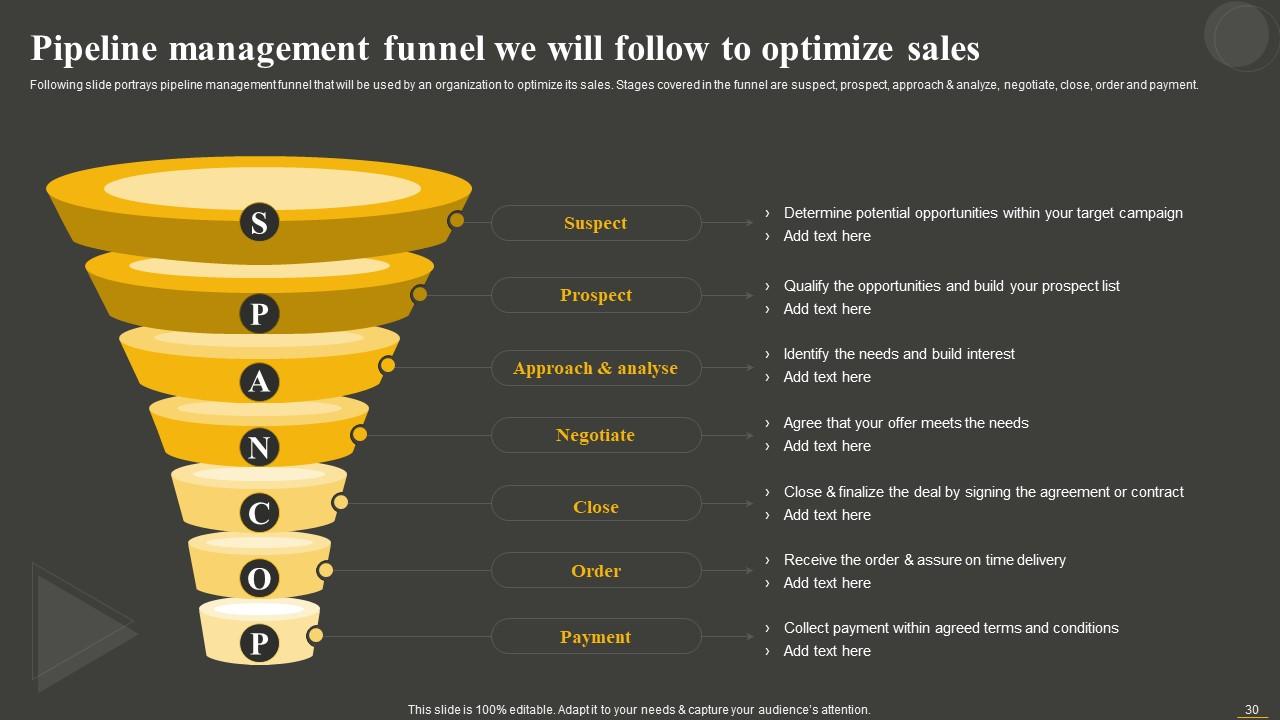
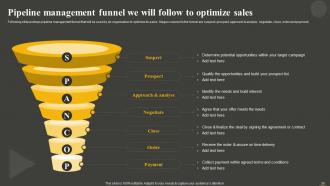
Slide 30: This slide presents Pipeline Management Funnel We Will Follow to Optimize Sales.
Slide 31: This slide highlights title for topics that are to be covered next in the template.
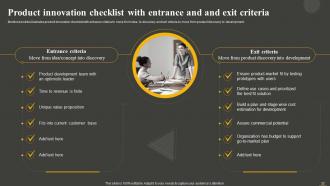
Slide 32: This slide displays Product Innovation Checklist with Entrance and Exit Criteria.
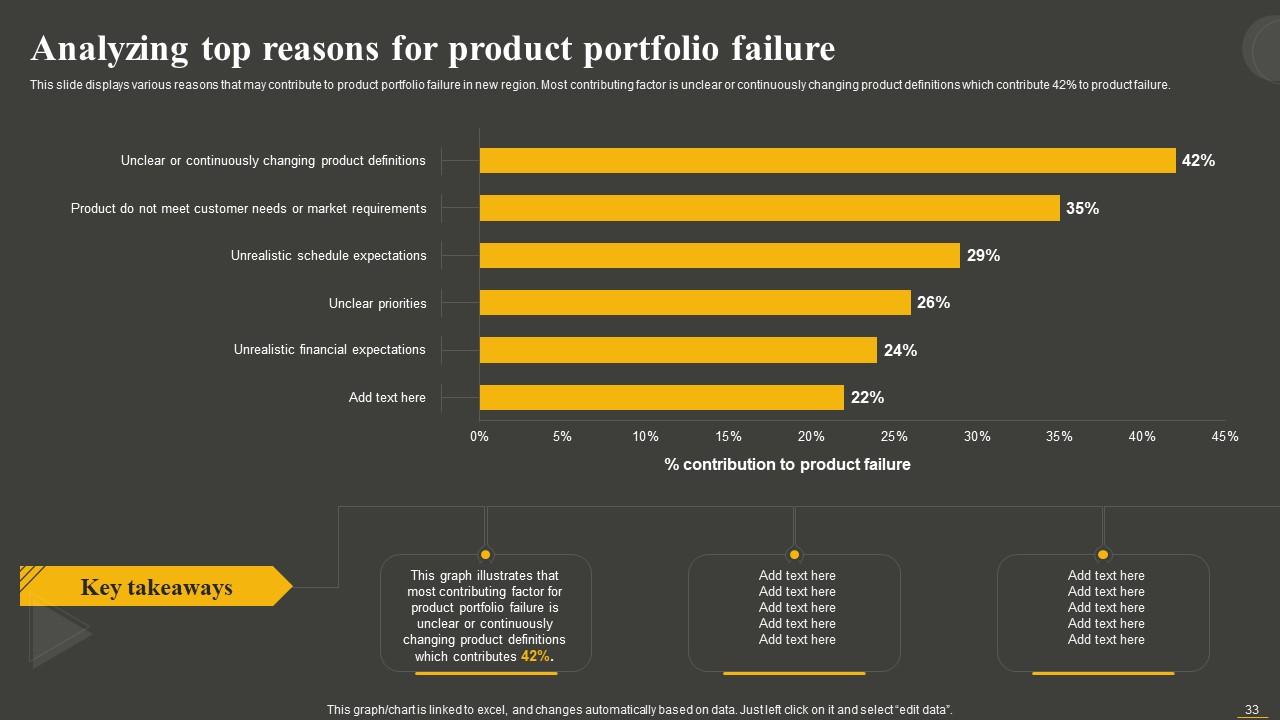
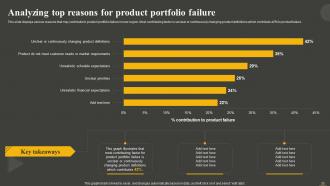
Slide 33: This slide represents Analyzing Top Reasons for Product Portfolio Failure.
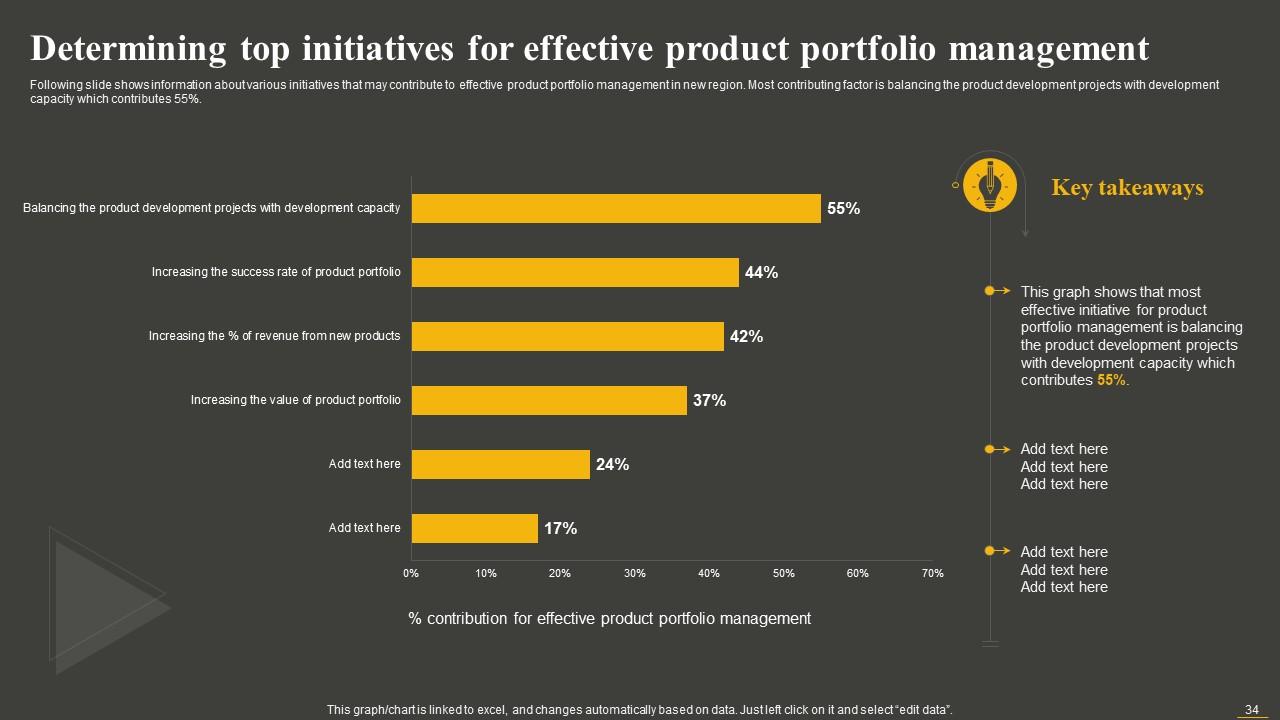
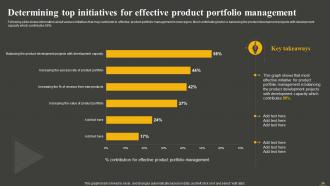
Slide 34: This slide showcases Determining Top Initiatives for Effective Product Portfolio Management.
Slide 35: This slide highlights title for topics that are to be covered next in the template.
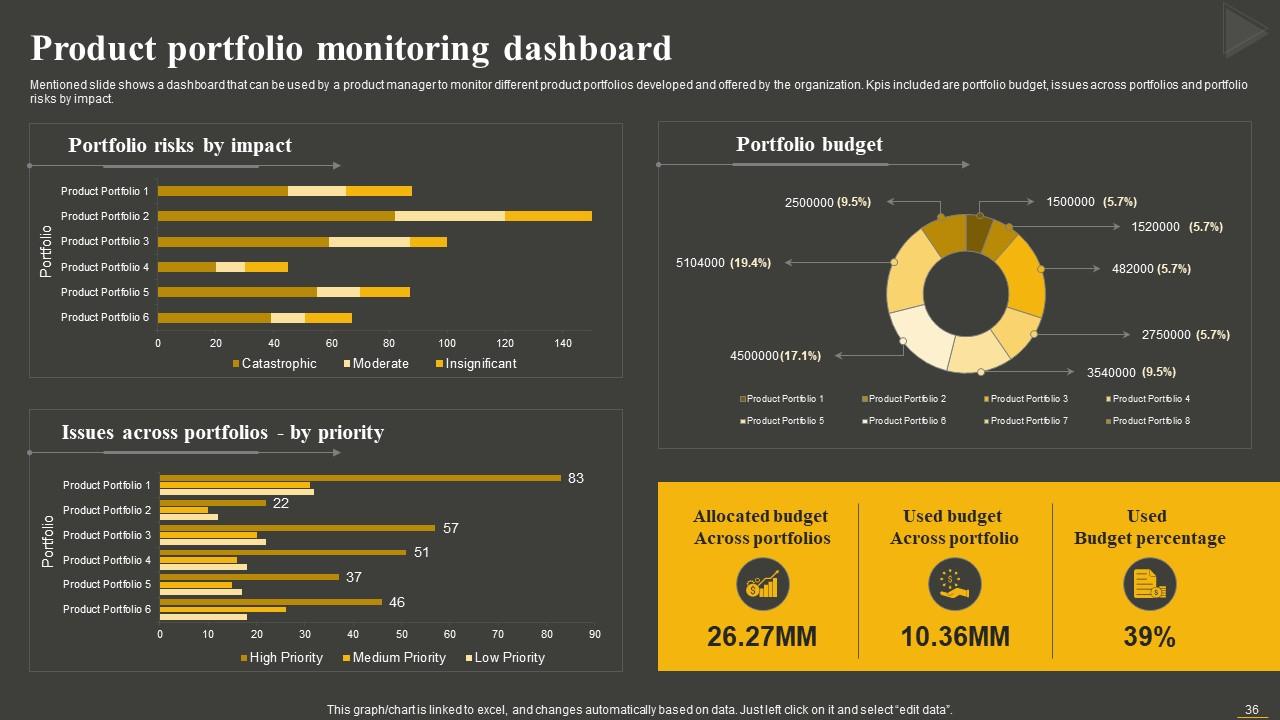
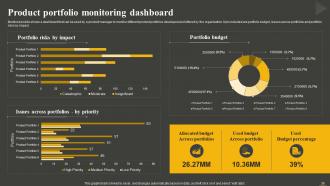
Slide 36: This slide shows Product Portfolio Monitoring Dashboard.
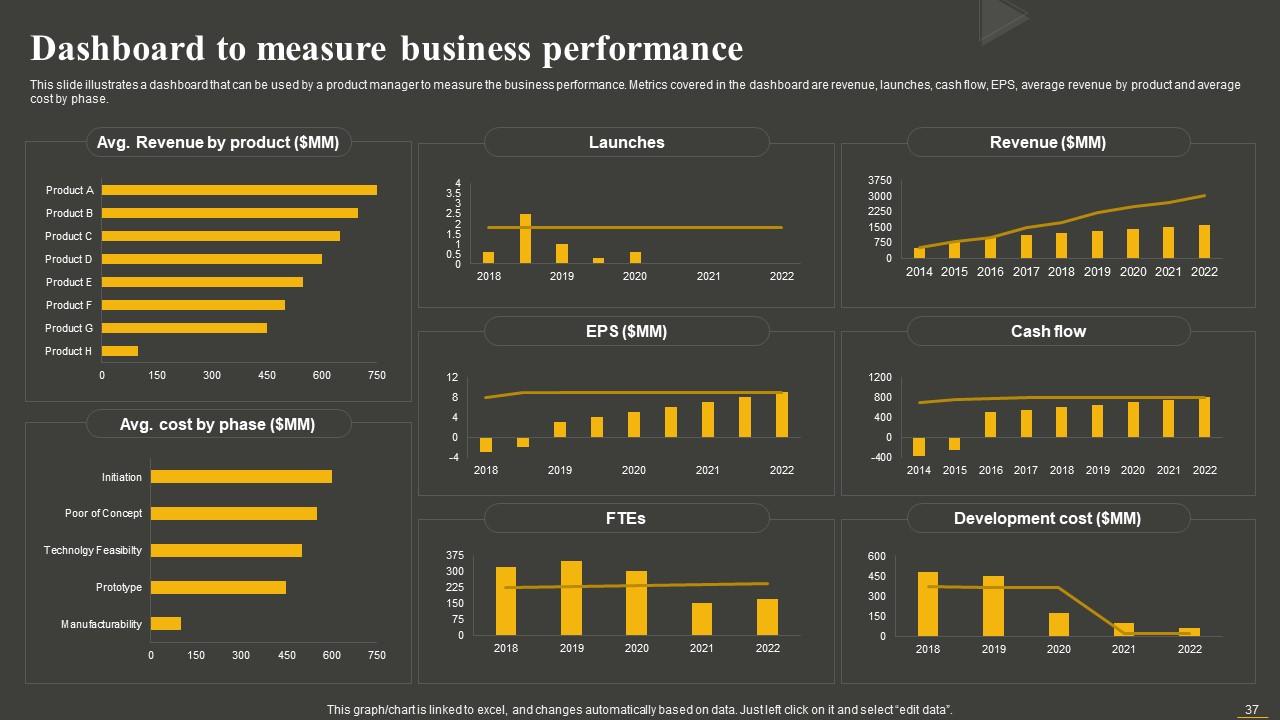
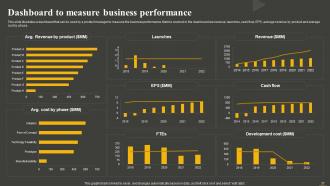
Slide 37: This slide presents Dashboard to Measure Business Performance.
Slide 38: This slide contains all the icons used in this presentation.
Slide 39: This slide is titled as Additional Slides for moving forward.
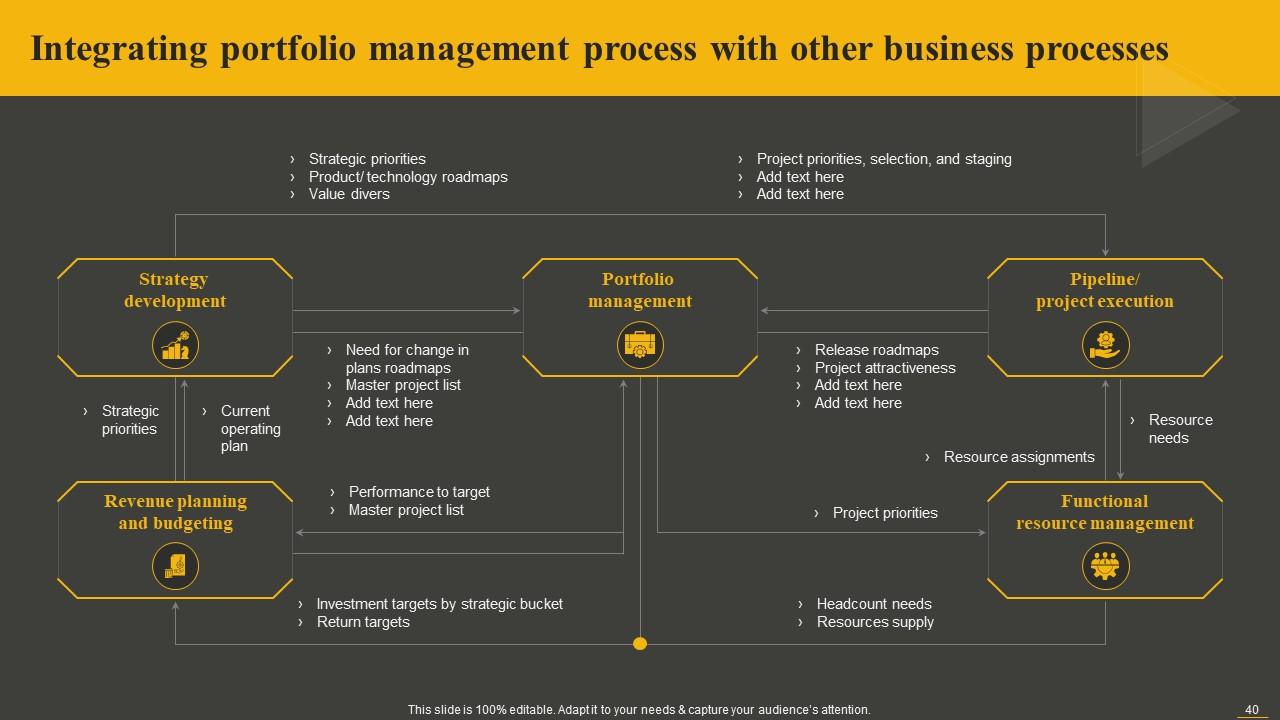
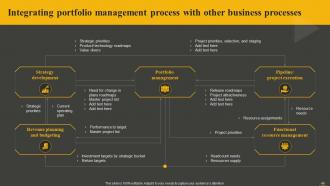
Slide 40: This slide shows Integrating Portfolio Management Process with Other Business Processes.
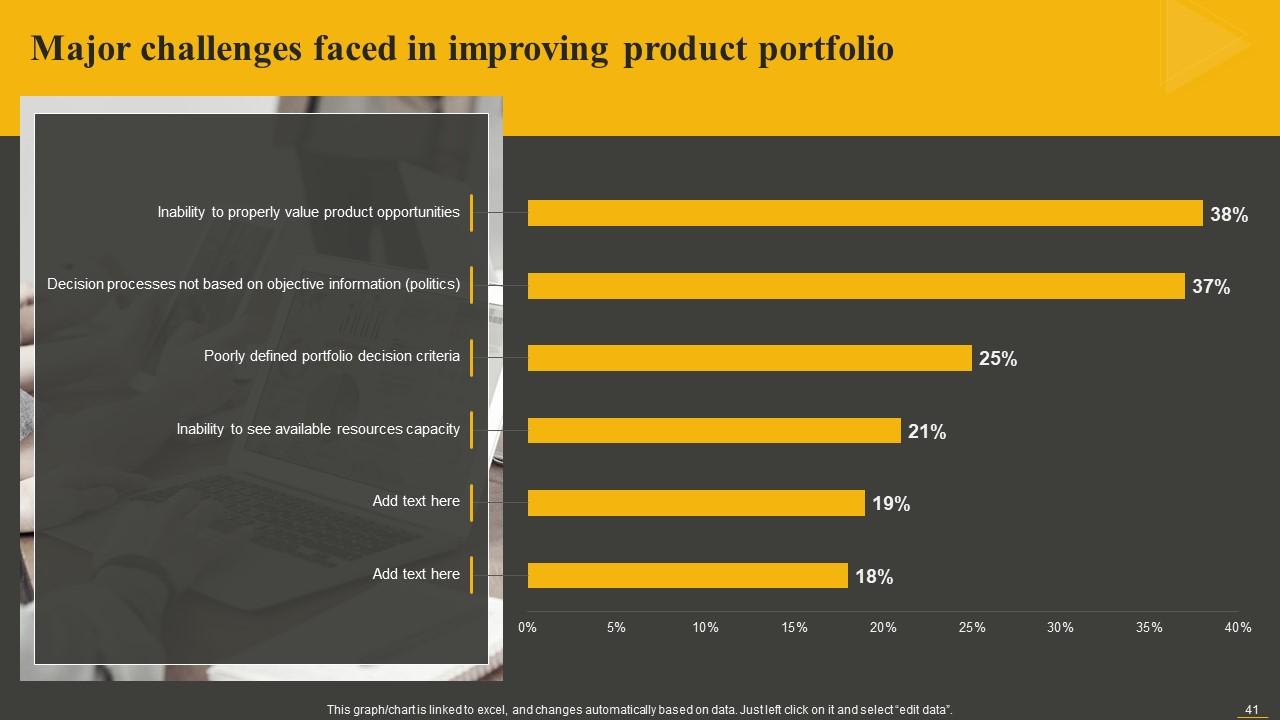
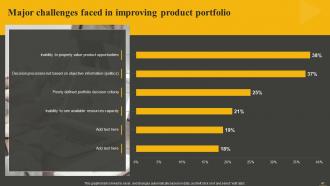
Slide 41: This slide presents Major Challenges Faced in Improving Product Portfolio.
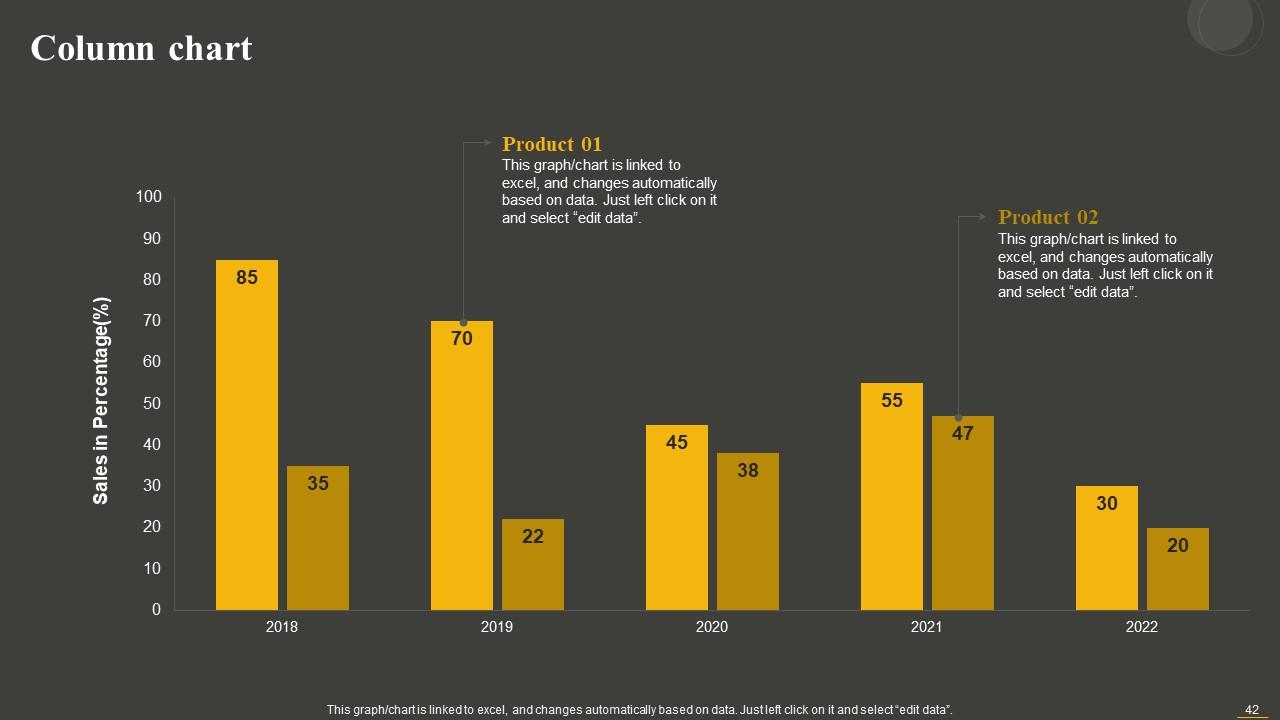
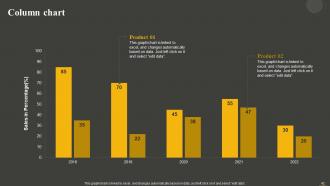
Slide 42: This slide displays Column chart with two products comparison.
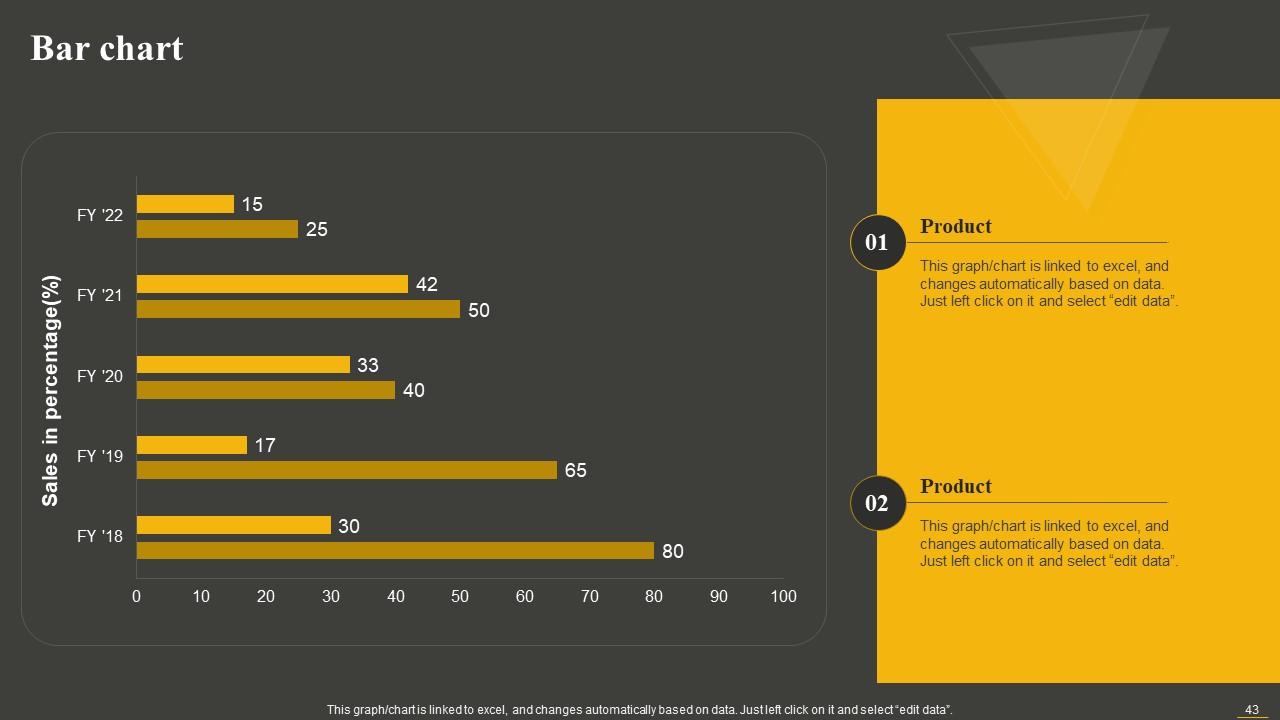
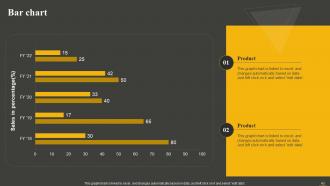
Slide 43: This slide presents Bar chart with two products comparison.
Slide 44: This slide shows Post It Notes. Post your important notes here.
Slide 45: This slide contains Puzzle with related icons and text.
Slide 46: This slide depicts Venn diagram with text boxes.
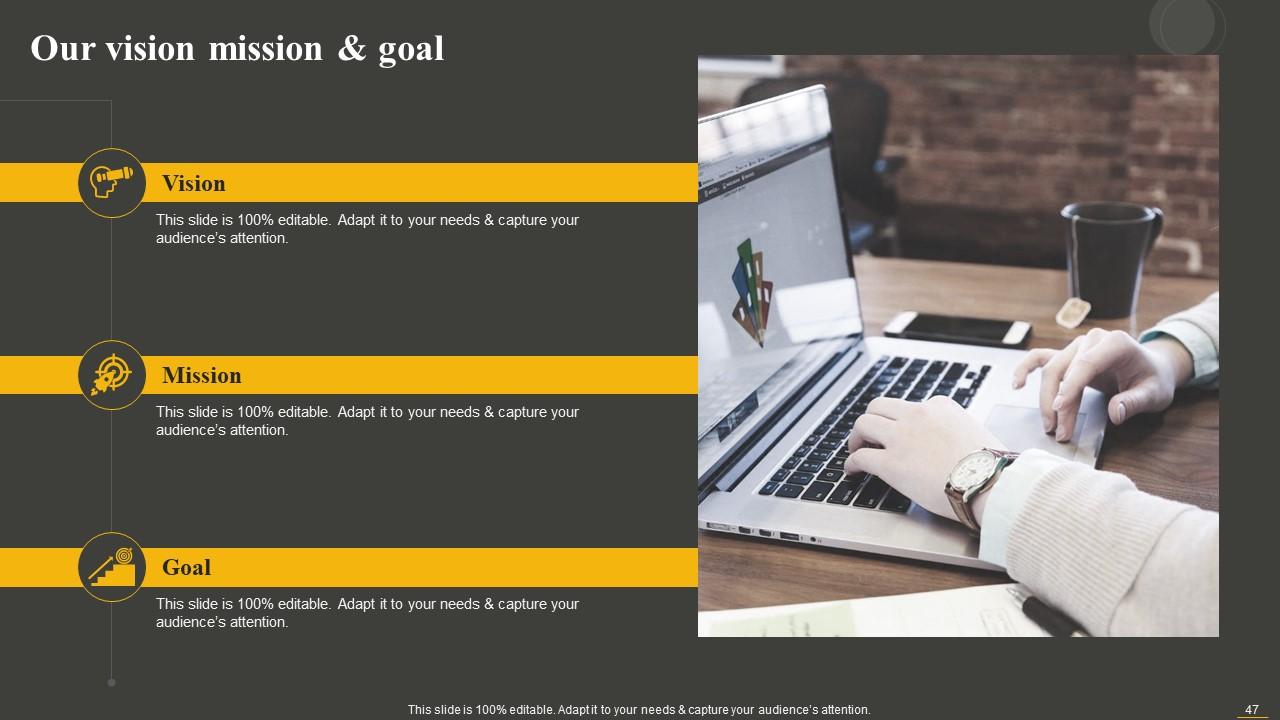
Slide 47: This is Our Mission slide with related imagery and text.
Slide 48: This is a Timeline slide. Show data related to time intervals here.
Slide 49: This is Our Team slide with names and designation.
Slide 50: This is a Thank You slide with address, contact numbers and email address.
Establishing And Offering Product Portfolios In New Territories Powerpoint Presentation Slides with all 55 slides:
Use our Establishing And Offering Product Portfolios In New Territories Powerpoint Presentation Slides to effectively help you save your valuable time. They are readymade to fit into any presentation structure.
-
Their designing team is so expert in making tailored templates. They craft the exact thing I have in my mind…..really happy.
-
I downloaded some of the presentations for work. They were simple to modify and saved me a lot of time and effort.
