Examples employee engagement initiatives ppt powerpoint presentation file templates cpb

Examples employee engagement initiatives ppt powerpoint presentation file templates cpb
Slide 1 of 5
Favourites Favourites

Try Before you Buy Download Free Sample Product

Audience Impress Your
Audience
Editable 100%
Editable
Time Save Hours
of Time
The Biggest Sale is ending soon in
0
0
:
0
0
:
0
0
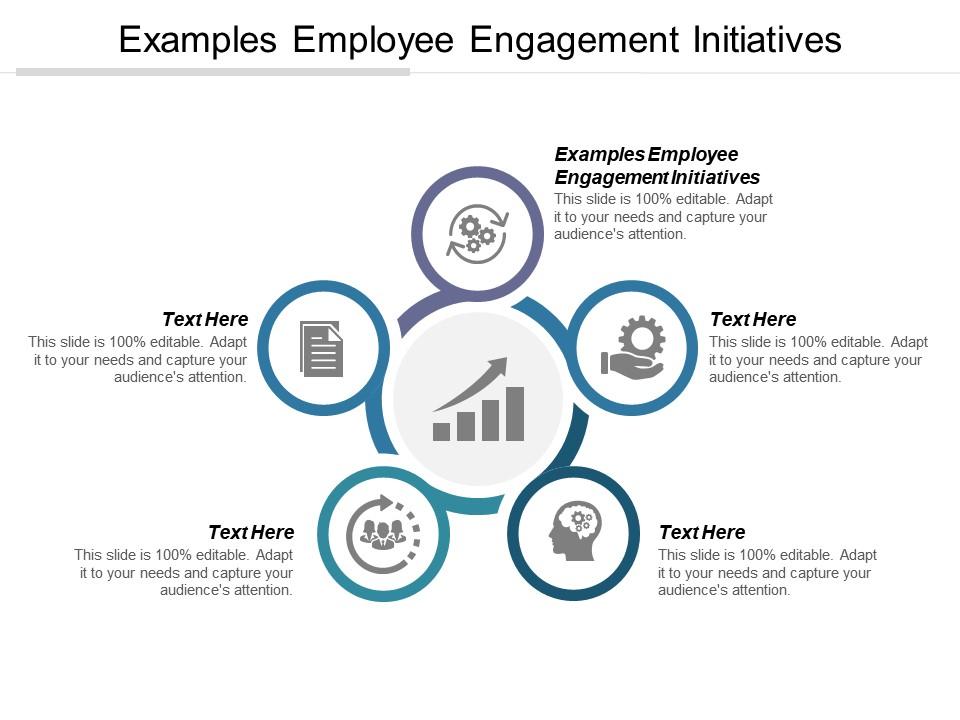
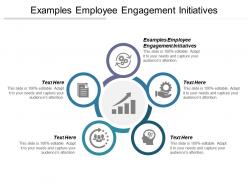
Presenting this set of slides with name Examples Employee Engagement Initiatives Ppt Powerpoint Presentation File Templates Cpb. This is an editable Powerpoint five stages graphic that deals with topics like Examples Employee Engagement Initiatives to help convey your message better graphically. This product is a premium product available for immediate download and is 100 percent editable in Powerpoint. Download this now and use it in your presentations to impress your audience.

People who downloaded this PowerPoint presentation also viewed the following :

FAQs for Examples employee engagement initiatives ppt powerpoint presentation

Effective strategies for measuring employee engagement include regular pulse surveys, one-on-one feedback sessions, 360-degree reviews, exit interviews, and performance analytics tracking. These approaches streamline data collection by capturing real-time sentiment, identifying retention patterns, and measuring productivity correlations, with many organizations finding that combining multiple measurement methods delivers comprehensive insights and enables targeted engagement improvements.

Leadership enhances employee engagement initiatives by demonstrating authentic commitment, providing clear communication about organizational vision, and actively participating in engagement programs themselves. Through regular feedback sessions, recognition programs, and transparent decision-making processes, leaders create trust and psychological safety, with many organizations finding that visible leadership involvement increases engagement scores by 25-40% while reducing turnover significantly.

Workplace culture significantly influences employee engagement by establishing trust, recognition systems, open communication channels, and shared values that connect employees to organizational purpose. Companies with strong cultures see enhanced collaboration, reduced turnover, and increased productivity, with many organizations finding that authentic cultural initiatives ultimately deliver competitive advantage and sustainable business growth.

Employee feedback can be effectively integrated through regular pulse surveys, focus groups, suggestion platforms, exit interviews, and one-on-one meetings with managers. These mechanisms enable organizations to identify specific engagement drivers, address concerns proactively, and tailor initiatives to actual employee needs, with many companies finding that feedback-driven programs deliver significantly higher participation rates and measurable improvements in retention.

Innovative employee recognition approaches include peer-to-peer nomination systems, personalized experience rewards, skill development stipends, flexible work arrangements, and public achievement celebrations through digital platforms. These strategies enhance engagement by creating meaningful connections, supporting career growth, and acknowledging individual preferences, with many organizations finding that diverse recognition methods significantly improve retention rates and workplace satisfaction.

Remote teams maintain high levels of employee engagement through regular virtual check-ins, collaborative project management tools, flexible work arrangements, recognition programs, and team-building activities. These approaches streamline communication, enhance work-life balance, and foster connection across distances, with many organizations finding that structured virtual interactions, combined with outcome-based performance metrics, ultimately deliver stronger team cohesion and productivity.

Employee engagement significantly boosts productivity through enhanced motivation, improved collaboration, and reduced absenteeism, while simultaneously driving retention by creating stronger workplace connections and career satisfaction. Organizations with highly engaged employees typically see 23% higher profitability and 18% higher productivity, with companies like Google and Microsoft finding that engaged teams deliver superior performance and reduce turnover costs substantially.

Generational differences significantly influence engagement preferences, with Baby Boomers valuing job security and recognition programs, Gen X prioritizing work-life balance and flexible schedules, and Millennials and Gen Z seeking professional development, social impact opportunities, and collaborative technologies. Organizations increasingly find that multi-faceted approaches addressing career growth, flexibility, and meaningful work resonate across generations, ultimately delivering higher retention and enhanced workplace satisfaction.

Key components of an employee engagement survey include job satisfaction metrics, management effectiveness assessments, career development opportunities, work-life balance measures, and organizational culture evaluations. These comprehensive surveys enable organizations to identify engagement drivers, measure employee sentiment across departments, and develop targeted retention strategies, with many companies finding that regular pulse surveys deliver actionable insights for improving workplace satisfaction and productivity.

Professional development opportunities enhance employee engagement by providing clear career advancement pathways, building valuable skills, and demonstrating organizational investment in individual growth. Through mentorship programs, training workshops, and certification courses, employees experience increased job satisfaction, stronger loyalty, and improved performance, with many organizations finding that strategic professional development initiatives ultimately reduce turnover while creating more motivated, capable teams.

Communication serves as the foundation for sustained employee engagement by fostering transparency, building trust, facilitating feedback loops, and ensuring alignment with organizational goals. Through regular check-ins, open-door policies, and digital collaboration platforms, organizations streamline information flow, enhance employee connection, and ultimately deliver higher retention rates, with many companies finding that consistent communication reduces turnover significantly.

Organizations can tailor engagement initiatives by conducting regular surveys, offering flexible work arrangements, providing diverse learning opportunities, creating employee resource groups, and implementing personalized recognition programs. Through data-driven insights and inclusive approaches, companies streamline their retention strategies while enhancing workplace satisfaction, with many finding that customized engagement delivers significantly higher participation rates and ultimately stronger organizational performance.

Companies like Google enhanced engagement through "20% time" for personal projects, while Microsoft's culture transformation under Satya Nadella emphasized growth mindset and collaboration. Salesforce's V2MOM goal-setting framework and Zappos' culture-focused hiring practices demonstrate how strategic initiatives streamline communication, enhance purpose-driven work, and foster innovation, with many organizations finding that such approaches ultimately deliver higher retention rates and improved performance.

Technology enhances employee engagement through digital feedback platforms, mobile communication apps, recognition software, analytics dashboards, and virtual collaboration tools. These solutions streamline pulse surveys, facilitate real-time peer recognition, and enable data-driven insights into workforce satisfaction, with many organizations finding that automated engagement tracking delivers improved retention rates and stronger workplace culture.

Companies face challenges including resistance to change, limited budget allocation, measuring engagement effectiveness, leadership buy-in gaps, and maintaining momentum over time. These obstacles often arise when organizations rush implementation without strategic planning, with many finding that successful initiatives require consistent communication, cultural alignment, and long-term commitment to ultimately deliver improved retention and productivity.

Ratings and Reviews

0% of 100
Write a review
Most Relevant Reviews

No Reviews