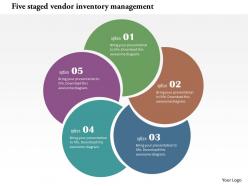
Five staged vendor inventory management flat powerpoint design
Try Before you Buy Download Free Sample Product
Audience
Editable
of Time
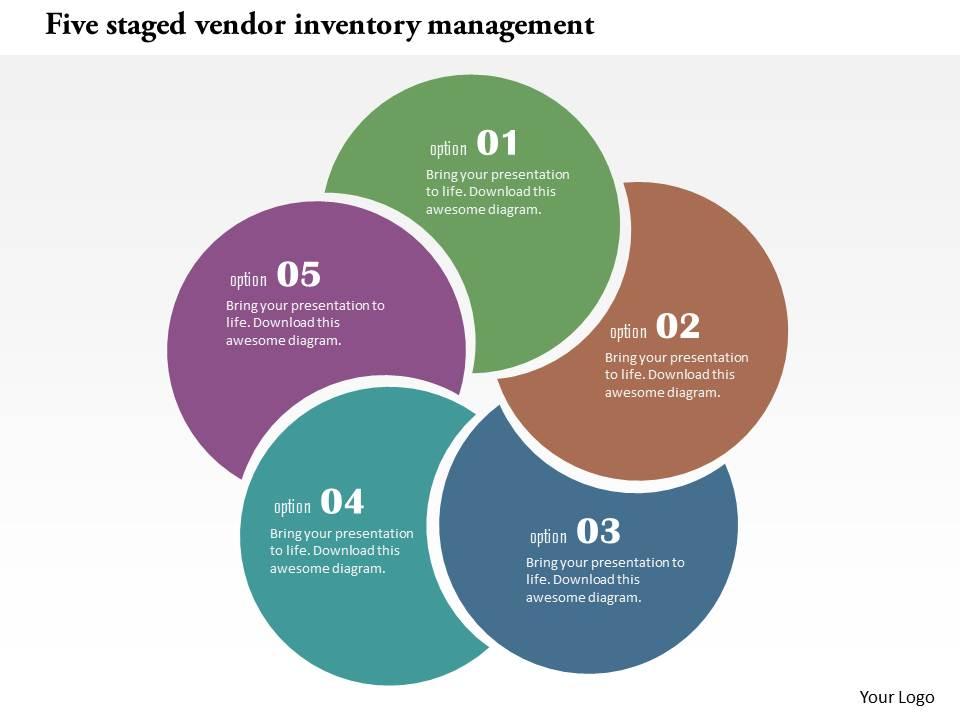
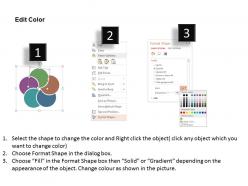
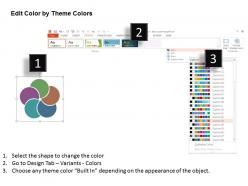
Experience a streamlined approach to inventory management technique with this Five Staged Vendor Inventory Management Flat PowerPoint Design. The specific presentation template has been designed while using circular graphics in different colors. A user can apparently craft a presentation template while making use of this vendor inventory management design. Whether it is about distributing the responsibilities to vendors or marking their role, this management PPT design can help optimize the inventory held by a distributor without many complications. The presentation design can serve as collaboration between suppliers and its managers. The goal of this inventory management PPT template design is to offer a mutually beneficial relationship where both the aspects of business will experience a smooth working. Once this presentation design is crafted a vendor gets an ease to manage the orders as per which the orders are managed be it on demand or a result of observation of sales of products. This is a customer based design ideally suitable for proficient business presenters. Our Five Staged Vendor Inventory Management Flat Powerpoint Design help align all forces. Fix their eyes on the same goal.
People who downloaded this PowerPoint presentation also viewed the following :
Five staged vendor inventory management flat powerpoint design with all 5 slides:
Our Five Staged Vendor Inventory Management Flat Powerpoint Design are a fine accessory. They bring about an exclusive feel.
FAQs for Five staged vendor inventory management
Key benefits include improved inventory accuracy, reduced stockouts, enhanced supplier relationships, streamlined procurement processes, and better cost control through optimized ordering patterns. These systems enable organizations to minimize carrying costs, accelerate order fulfillment, and strengthen vendor collaboration, with many companies finding that strategic vendor integration ultimately delivers significant operational efficiency and competitive advantage.
Technology enhances vendor inventory management through IoT sensors for real-time tracking, AI-powered demand forecasting, automated reordering systems, and predictive analytics for supply chain optimization. These technologies streamline operations by reducing stockouts, minimizing excess inventory, and improving supplier coordination, with many retailers and manufacturers finding that automated systems deliver significantly faster response times and lower operational costs.
Key metrics include inventory turnover rates, stockout frequency, carrying costs, supplier lead times, and order accuracy percentages. These indicators help organizations streamline procurement processes, reduce storage expenses, and enhance supply chain reliability, with many retailers and manufacturers finding that consistent tracking ultimately delivers improved cash flow and stronger vendor relationships.
Demand fluctuations significantly impact vendor inventory strategies by creating challenges in forecasting accuracy, stock level optimization, and supply chain coordination. Companies adapt through flexible contracts with suppliers, dynamic inventory management systems, and collaborative planning approaches, with many retailers and manufacturers finding that real-time data sharing and agile procurement processes ultimately deliver improved responsiveness and reduced costs.
Collaboration with vendors plays a crucial role in optimizing inventory levels by enabling demand forecasting, real-time inventory sharing, coordinated replenishment planning, and joint promotional activities. Through strategic partnerships, retailers and manufacturers streamline supply chain operations, reduce stockouts and excess inventory, and enhance customer satisfaction, with many organizations finding that collaborative vendor relationships deliver significant cost reductions and improved operational efficiency.
Companies ensure data accuracy through automated data validation, real-time synchronization between systems, regular audits, standardized data entry protocols, and integration with vendor systems. These approaches streamline inventory tracking by eliminating manual errors, providing consistent information across departments, and enabling automatic updates, with many organizations finding that robust data governance ultimately delivers better supplier relationships and reduced operational costs.
Common vendor inventory management challenges include poor demand forecasting, lack of real-time visibility, inconsistent supplier performance, communication gaps, and inadequate integration between systems. These obstacles can be overcome through automated forecasting tools, cloud-based inventory platforms, and strategic supplier partnerships, with many organizations finding that streamlined communication protocols and data-driven analytics ultimately deliver improved accuracy, reduced costs, and enhanced operational efficiency.
Businesses leverage analytics to improve vendor inventory management decisions through predictive forecasting, demand pattern analysis, supplier performance tracking, cost optimization modeling, and real-time stock monitoring. These data-driven insights enable organizations to reduce carrying costs, minimize stockouts, negotiate better terms with suppliers, and automate reorder processes, ultimately delivering enhanced operational efficiency and stronger vendor relationships.
When selecting vendor management software, prioritize comprehensive vendor databases, automated compliance tracking, real-time performance analytics, integration capabilities with existing systems, and robust reporting features. Organizations should evaluate scalability, user interface design, and customization options, with many companies finding that cloud-based solutions deliver enhanced accessibility, streamlined workflows, and improved vendor relationship management across multiple departments.
Lead time significantly impacts vendor inventory management by affecting stock levels, reorder timing, and customer satisfaction, requiring businesses to balance carrying costs with service levels. Companies mitigate these challenges through demand forecasting, safety stock optimization, supplier diversification, and automated reorder systems, with many retailers and manufacturers finding that strategic vendor partnerships and real-time tracking ultimately deliver reduced stockouts and enhanced operational efficiency.
JIT inventory approaches strengthen vendor relationships by fostering closer collaboration, requiring enhanced communication and trust, streamlining supply chain coordination, and creating mutual accountability for quality standards. This strategic partnership model enables vendors and businesses to reduce carrying costs, minimize waste, and respond more effectively to market demands, with many manufacturers finding that JIT relationships ultimately deliver improved reliability and competitive advantage.
Effective communication with vendors reduces excess inventory and stockouts by enabling real-time demand sharing, collaborative forecasting, and synchronized replenishment cycles. Through integrated communication systems, retailers and manufacturers streamline order accuracy, minimize lead time variability, and enhance inventory turnover rates, with many supply chains finding that transparent vendor partnerships ultimately deliver cost reductions and improved customer satisfaction.
Managing multiple vendors effectively involves implementing centralized procurement platforms, standardized performance metrics, automated reorder systems, real-time inventory tracking, and integrated communication channels. These strategies streamline vendor coordination by reducing manual oversight, enabling consistent quality standards, and providing comprehensive visibility across supply chains, with many organizations finding that strategic vendor diversification ultimately delivers reduced costs, improved reliability, and enhanced operational flexibility.
Businesses balance cost control with optimal inventory levels through strategic vendor partnerships, demand forecasting analytics, flexible ordering agreements, and real-time inventory monitoring systems. These approaches enable organizations to minimize carrying costs while avoiding stockouts, with many retailers and manufacturers finding that collaborative vendor relationships ultimately deliver reduced operational expenses and improved customer satisfaction.
Vendor inventory management significantly enhances supply chain resilience by improving visibility, reducing stockouts, optimizing buffer levels, and enabling faster response to disruptions. Through strategic inventory coordination, organizations streamline procurement cycles, minimize supply gaps, and maintain operational continuity during market volatility, with many manufacturers and retailers finding that collaborative vendor relationships ultimately deliver competitive advantage and sustained customer satisfaction.
-
Great experience, I would definitely use your services further.
-
Very unique and reliable designs.