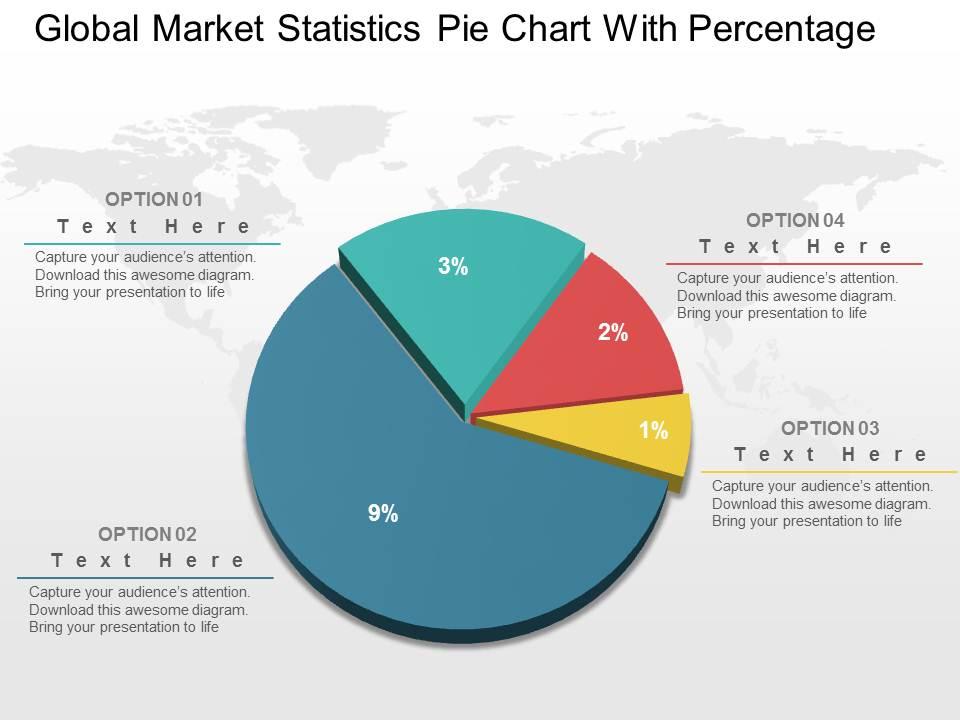
Gráfico circular de estadísticas de mercado global con diapositivas de PowerPoint de porcentaje

Rating:
90%
Global market statistics pie chart with percentage powerpoint slides
Slide 1 of 3
Favourites Favourites

Try Before you Buy Download Free Sample Product

Audience Impress Your
Audience
Editable 100%
Editable
Time Save Hours
of Time
The Biggest Sale is ending soon in
0
0
:
0
0
:
0
0
Rating:
90%

Características de estas diapositivas de presentación de PowerPoint:

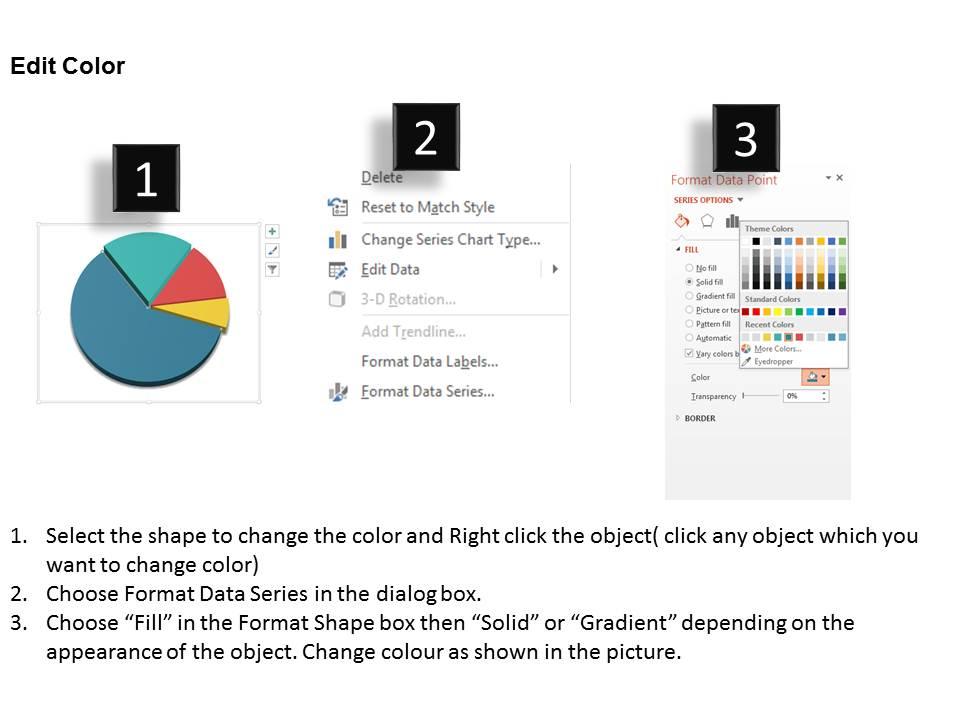
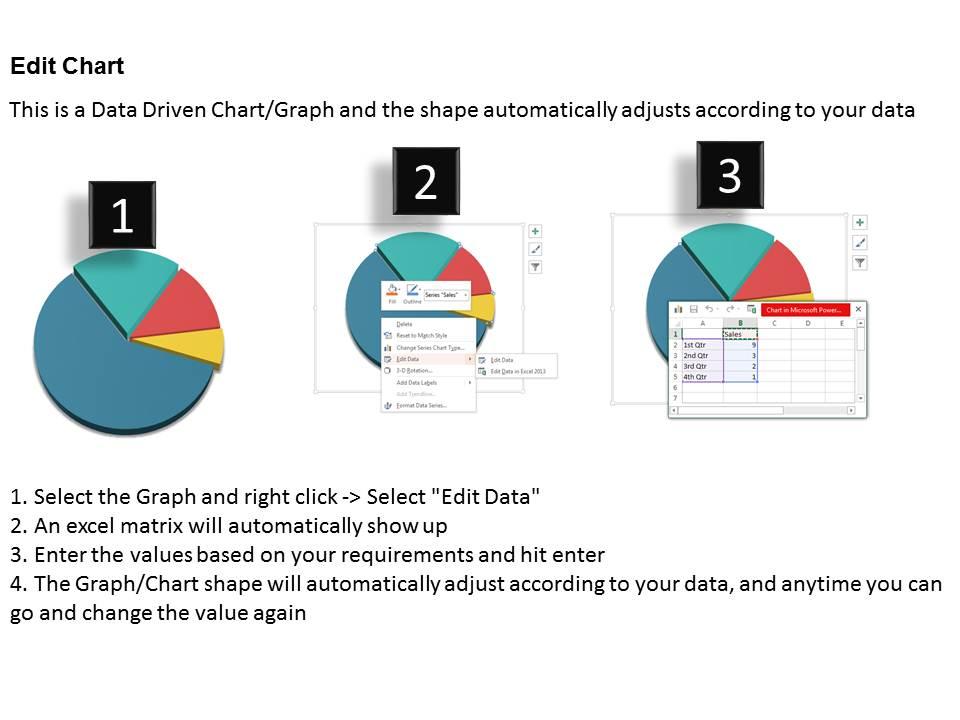
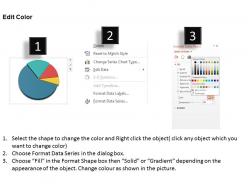
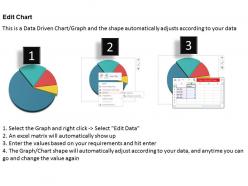
Estamos orgullosos de presentar nuestro gráfico circular de estadísticas del mercado global con diapositivas de PowerPoint porcentuales. Explique las estadísticas del mercado global con este diagrama de plantilla de PowerPoint. Este diagrama PPT contiene el gráfico de gráfico circular y porcentaje. Utilice este diagrama PPT para presentaciones comerciales y de marketing global.

FAQs for Global market statistics pie chart with

So there's this massive AI wave happening right now - way more legit than that whole crypto craze from last year. It's completely changing how companies operate, from tech giants to regular manufacturing. Plus emerging markets are blowing up, especially Southeast Asia and parts of Africa where middle classes are growing like crazy. Green energy's the other big thing - renewables, batteries, all that sustainable stuff is printing money. Oh and here's the thing - you want to find investments where these three trends actually overlap. That's where you'll see the most insane growth potential honestly.

Dude, geopolitical stuff absolutely wrecks markets in real-time. Wars, sanctions, political chaos - investors panic and dump everything risky for safe havens like bonds or gold. Defense and energy stocks usually pop during conflicts. Emerging markets? They get destroyed. It's honestly crazy how one random tweet from a world leader can tank entire sectors now. I mean, we live in weird times. Currencies swing wildly too based on pure fear and uncertainty. Pro tip: watch the VIX during major events - it's basically a real-time panic meter that'll tell you how spooked everyone is.

Dude, e-commerce is honestly your best bet for going global these days. No need for physical stores - just launch online and see what sticks. The numbers don't lie - cross-border online sales are crushing traditional trade routes right now. Small companies are literally serving customers in dozens of countries overnight, which is pretty insane when you think about it. You get way better data on your customers too, plus you can scale super fast once you figure out what works. My advice? Pick maybe 2-3 countries first and test the waters there before going crazy with expansion.

Asia-Pacific is where it's at right now - you're seeing 6-8% growth, mainly from India and places like Vietnam, Indonesia. Sub-Saharan Africa's hitting similar numbers but man, the ups and downs there can be intense. Latin America's sitting around 4-5% though it's been all over the place with their politics lately. Eastern Europe was looking good until, well, you know what happened there. Honestly? I'd dig into those Asian markets first if you're serious about this. They've got the most solid momentum and their infrastructure keeps improving. Way more predictable than the other regions.

Yeah, currency swings totally mess with trade numbers. So like when the dollar gets stronger, your exports might look like they're tanking even though you're shipping the same amount of stuff - it's just worth less in dollar terms now. Imports work the opposite way. Most trade data gets reported in USD anyway, which is honestly kind of annoying because there's always this conversion thing happening that hides what's actually going on. You'll want to double-check whether those numbers are raw or if someone already adjusted them for exchange rates.

Start with market penetration rates and local currency revenue growth - that's where you'll see if you're actually winning or just burning cash. Customer acquisition costs by region matter too, obviously. Competitive market share is huge, plus you need to track how well your localization is working (seriously, I've seen companies tank because they half-assed this part). Don't skip the operational stuff either - supply chain efficiency, talent retention rates, regulatory compliance scores. Those'll bite you if you ignore them. Once you nail these basics, then dig into the region-specific metrics that actually move the needle for your business.

Dude, consumer behavior is wild when you compare different regions. Asians are all about mobile shopping and buying stuff in groups. Europeans? They're obsessed with sustainability and keeping their data private - honestly makes sense after all those privacy scandals. Latin Americans will hunt for the best price forever, but once they like your brand, they stick with you. Middle Eastern families make decisions together, which totally changes your marketing approach. Africans prefer cash and local payment systems over credit cards. Bottom line - what works in your country probably won't work somewhere else. Research first or you'll bomb.

Honestly, the regulatory stuff will make your head spin - every country has different rules and they're all confusing. Cultural differences are huge too. What works here might totally flop there. Supply chains get messy when you're shipping internationally, and don't even get me started on currency swings wiping out your profits in like a day. Finding trustworthy local partners is hard, plus there's all the tax headaches and tweaking your product for different markets. My advice? Pick one country first, mess up there (you will), then expand slowly. Way better than trying to be everywhere at once.

Honestly, tech just bulldozes through markets and rebuilds everything. Look at smartphones - they basically murdered the camera and GPS industries overnight. Wild how fast that happened. Countries that adapt quick get huge advantages in trade and supply chains, while others get left behind. AI's doing the same thing right now to manufacturing. I'd watch which regions embrace new tech fastest - that's where the next market shake-ups will come from. Old companies either pivot hard or they're toast. It's kinda ruthless but creates massive opportunities if you're paying attention.

Yeah, COVID totally messed up market data in crazy ways. March 2020 was insane - S&P dropped 34% then somehow finished the year up 16%. Makes no sense, right? Everyone and their mom started trading from home, which sent volumes through the roof. Supply chains fell apart, commodity prices went nuts, and emerging markets got hammered while tech stocks basically printed money. Some sectors still haven't recovered honestly. If you're looking at any data from 2020-2022, you'll definitely want to call out those pandemic effects or your analysis won't make much sense.

Honestly, I'd keep an eye on renewable energy, healthcare tech, and cybersecurity - those are gonna be massive over the next decade. EVs and battery stuff too, especially with governments going all-in on climate goals. AI's obviously not slowing down anytime soon (feels like every app has it now lol). Healthcare's interesting because aging populations mean tons more spending there. Short-term these sectors might bounce around, but the fundamentals are solid for long-term growth. My cousin's been doing well with some clean energy ETFs if you're thinking portfolio moves.

So trade agreements are pretty much about opening up markets - they cut tariffs and red tape between countries. Your products get cheaper to sell overseas, plus you can buy materials for less from partner countries. NAFTA did this huge across North America. Competition works both ways though - foreign companies get easier access to your turf too. I'd honestly keep tabs on what agreements your target markets have going on. It affects your whole pricing game. Oh, and sourcing strategy - that changes too when new deals get signed.

Dude, sustainability is totally flipping markets upside down right now. ESG funds are pulling in like $50+ billion a year - that's insane money. Companies ignoring this stuff? They're getting hammered by regulators, investors are bailing, and customers won't buy from them. Even my mom checks if companies are ethical before shopping lol. The whole green shift is creating new industries while killing old ones. Energy, farming, manufacturing - everything's changing. Honestly, whatever sector you're tracking, you gotta watch their sustainability metrics now. It's becoming the main thing driving long-term performance.

So demographic shifts totally change who's buying what and how much they're spending. Aging populations in rich countries? More healthcare and luxury purchases. Younger crowds in emerging markets want tech and cheap stuff. Birth rates are crazy predictive for consumer trends - who would've thought, right? Cultural preferences change too as places get more diverse. But honestly, the real goldmine is tracking household formation and income distribution shifts. That's where you'll spot the actual purchasing power before everyone else figures it out. My old econ professor used to hammer this point home constantly.

Honestly, you've gotta watch your numbers like a hawk - set up those weekly team meetings to catch shifts early. Don't put all your eggs in one basket either; I learned that lesson during the whole supply chain nightmare. Your customers usually smell trouble before the data shows it, so listen to them. Quick pivots are everything when markets go sideways. Build stuff that can grow or shrink fast - flexibility saves your ass when things get weird. Oh, and dashboards are your friend for tracking the important metrics without drowning in spreadsheets.

Ratings and Reviews

90% of 100
Review Form
Write a review
Most Relevant Reviews
  1. 100%

    by Jack Johnson

    Excellent design and quick turnaround.
  2. 80%

    by Clint Perry

    Innovative and attractive designs.

2 Item(s)

per page: