Identify customers main problems ppt powerpoint presentation pictures templates cpb

Identify customers main problems ppt powerpoint presentation pictures templates cpb
Slide 1 of 2
Favourites Favourites

Try Before you Buy Download Free Sample Product

Audience Impress Your
Audience
Editable 100%
Editable
Time Save Hours
of Time
The Biggest Sale is ending soon in
0
0
:
0
0
:
0
0
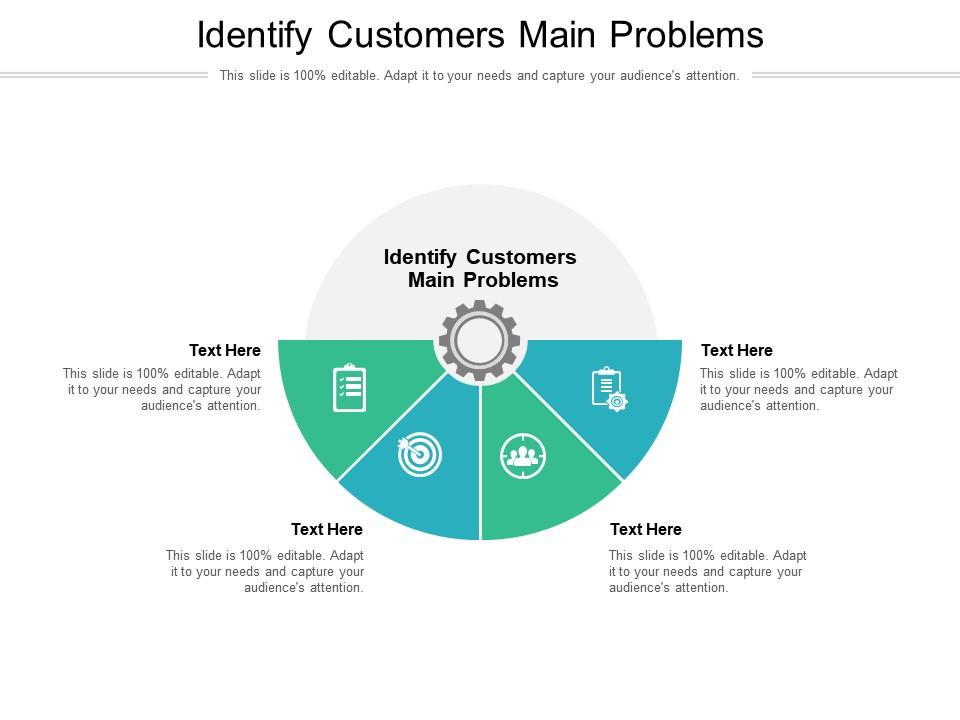
Presenting this set of slides with name Identify Customers Main Problems Ppt Powerpoint Presentation Pictures Templates Cpb. This is an editable Powerpoint four stages graphic that deals with topics like Identify Customers Main Problems to help convey your message better graphically. This product is a premium product available for immediate download and is 100 percent editable in Powerpoint. Download this now and use it in your presentations to impress your audience.

People who downloaded this PowerPoint presentation also viewed the following :

FAQs for Identify customers main problems ppt powerpoint presentation

Common customer pain points in presentation design include unclear messaging, inconsistent branding, poor visual hierarchy, time constraints, and lack of engaging storytelling elements. These challenges often result in presentations that fail to communicate effectively with audiences, with many organizations finding that addressing these issues through strategic design approaches enhances audience engagement, improves message clarity, and ultimately delivers stronger business outcomes.

Understanding customer pain points enables businesses to redesign processes, enhance service delivery, and create more intuitive solutions that directly address frustrations and unmet needs. Through targeted improvements, organizations streamline interactions, reduce friction, and deliver personalized experiences, with many companies finding that proactive pain point resolution significantly increases customer satisfaction and loyalty.

User feedback serves as a direct diagnostic tool for identifying customer pain points through surveys, reviews, support tickets, social media interactions, and focus groups. By analyzing this feedback systematically, businesses can prioritize issues based on frequency and impact, develop targeted solutions, and validate improvements, with many companies finding that structured feedback loops reduce customer churn while enhancing satisfaction and loyalty.

Industries prioritize presentation pain points differently based on their unique operational demands and stakeholder expectations. Financial services emphasize data accuracy and regulatory compliance in investor presentations, while healthcare focuses on clear patient communication and training materials, and technology companies prioritize product demonstration clarity, with many organizations finding that addressing industry-specific presentation challenges significantly enhances client relationships and competitive positioning.

Customers typically seek professional design templates, automated formatting tools, collaborative platforms, expert design services, and time-saving presentation software to address their design challenges. These solutions streamline creation processes by eliminating design guesswork, ensuring brand consistency, and reducing development time, with many organizations finding that strategic template investments ultimately deliver faster turnarounds and more impactful business communications.

Data analytics helps identify presentation pain points by tracking user engagement metrics, analyzing feedback patterns, measuring conversion rates, and monitoring audience behavior during presentations. Through heat mapping, click-through analysis, and sentiment tracking, organizations can pinpoint exactly where presentations lose audience attention, which content resonates most effectively, and where messaging fails to convert, ultimately enabling targeted improvements that enhance presentation effectiveness and business outcomes.

**INPUT**: What are the challenges faced by customers when customizing presentation templates? **OUTPUT**: Customers face challenges including limited design flexibility, complex formatting requirements, brand consistency maintenance, time constraints, and technical skill gaps when customizing templates. These obstacles often result in presentations that compromise visual appeal or brand standards, with many organizations finding that streamlined customization tools and professional design resources ultimately deliver faster turnaround times and enhanced presentation quality. [Word count: 58]

Time constraints significantly impact customer satisfaction by creating stress, reducing quality outcomes, limiting creative exploration, and forcing rushed decision-making throughout the presentation development process. When deadlines are tight, customers often experience frustration with iterative feedback cycles, compromise on visual design standards, and struggle to adequately review content, ultimately delivering presentations that may not fully meet their strategic objectives or brand standards.

Presentation templates simplify complex information through pre-designed layouts, visual hierarchies, standardized formatting, logical flow structures, and built-in data visualization elements. These frameworks enable organizations to transform dense content into digestible insights by streamlining information architecture, enhancing visual clarity, and maintaining consistent messaging, ultimately delivering faster comprehension and more impactful stakeholder communications.

Mobile compatibility is crucial for addressing customer pain points, as professionals increasingly need to access, edit, and present content on smartphones and tablets during travel, client meetings, and remote work scenarios. With many organizations finding that mobile-responsive presentations streamline workflow efficiency and enhance client interactions, this capability ultimately delivers greater accessibility and competitive advantage in today's mobile-first business environment.

Cloud-based presentation platforms, AI-powered design assistants, real-time collaboration tools, automated formatting features, and integrated analytics dashboards address major presentation challenges. These technologies streamline content creation, enhance visual consistency, and enable seamless teamwork, with many organizations finding that automated design suggestions and cloud accessibility significantly reduce preparation time while delivering more professional, data-driven presentations.

Visual aesthetics significantly influence customer perception by establishing credibility, professionalism, and brand alignment through cohesive color schemes, typography, and layout design. Well-designed templates enhance user engagement and trust, with many businesses finding that visually appealing presentations improve client retention, strengthen brand messaging, and ultimately deliver competitive advantage in professional communications.

Customers typically seek design templates, content frameworks, professional design services, presentation training programs, and collaborative tools when facing presentation challenges. These resources streamline creation processes by providing structured formats, visual consistency, and expert guidance, with many organizations finding that comprehensive presentation support ultimately enhances communication effectiveness and reduces preparation time significantly.

A strong customer support system addresses template selection pain points by offering personalized consultations, real-time assistance, and curated recommendations based on specific business needs. Through live chat, dedicated account managers, and comprehensive onboarding services, organizations streamline decision-making processes, reduce selection time, and ultimately enhance user satisfaction while minimizing implementation challenges.

Unresolved pain points create frustration, anxiety, and erosion of trust throughout the customer journey, ultimately leading to decreased loyalty and negative brand perception. These emotional impacts manifest as stress during decision-making processes, disappointment with service delivery, and reluctance to engage further, with many organizations finding that addressing these issues proactively significantly enhances customer satisfaction and retention rates.

Ratings and Reviews

0% of 100
Write a review
Most Relevant Reviews

No Reviews