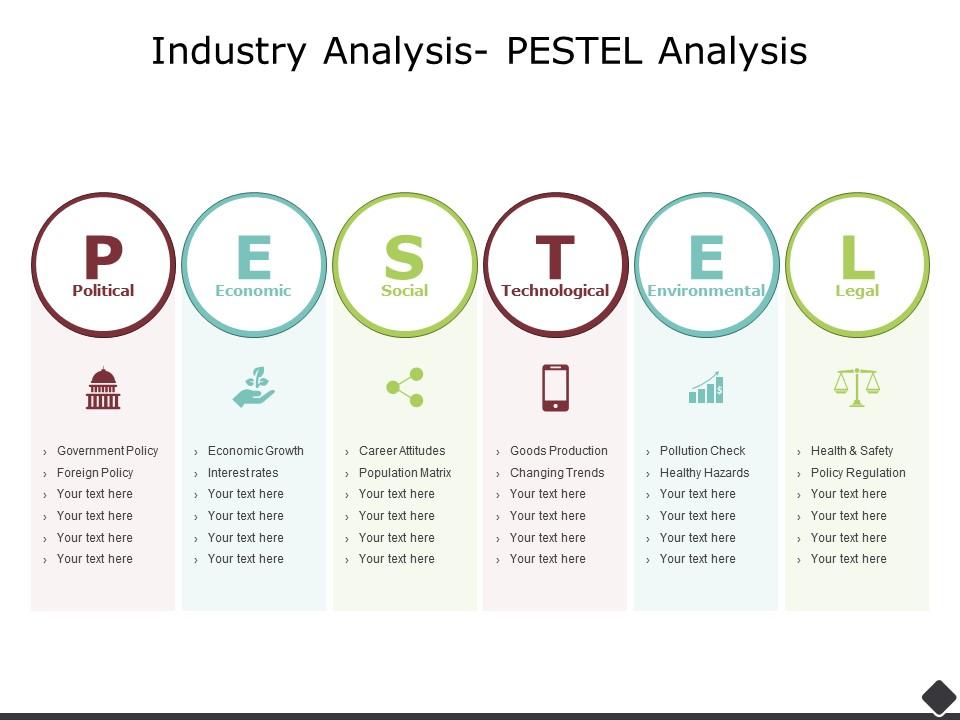
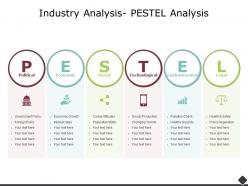
Industry analysis pestel analysis technological ppt powerpoint presentation model
Try Before you Buy Download Free Sample Product
Audience
Editable
of Time
Explain the jig with our Industry Analysis Pestel Analysis Technological Ppt Powerpoint Presentation Model. Enable folks to handle the apparatus.
People who downloaded this PowerPoint presentation also viewed the following :
Industry analysis pestel analysis technological ppt powerpoint presentation model with all 5 slides:
Enable folks to handle the apparatus with our Industry Analysis Pestel Analysis Technological Ppt Powerpoint Presentation Model. Be able to explain the jig.
FAQs for Industry analysis pestel analysis technological ppt
PESTEL covers six external factors: Political, Economic, Social, Technological, Environmental, and Legal. So you're basically analyzing each one to find opportunities and threats. New regulations, inflation trends, changes in what consumers want - yeah, it gets pretty overwhelming honestly. But here's what I've learned: don't try to predict everything perfectly. Just figure out which 2-3 external forces could really mess with your industry. Then you can actually build some backup plans around those big risks and opportunities. Way more manageable that way.
Honestly, politics can completely screw up your market entry if you're not careful. Government stability matters huge - you don't want to drop cash somewhere that'll flip policies overnight. Look at trade rules, taxes, how friendly they are to foreign companies. Some places basically beg you to come in, others make it ridiculously expensive on purpose. I learned this the hard way watching a buddy's company get blindsided by sudden tariff changes. Political relationships between countries affect you too. Do your research first or you'll get burned. Each region's different, so you've gotta adjust your approach based on what's actually happening there politically.
Yeah, economic shifts really mess with businesses on both ends. Inflation makes people cut back - they'll skip big purchases and hunt for bargains while you're dealing with higher supply costs and wage pressure. Recessions are brutal though. Job losses mean people stop spending entirely, plus you lose access to credit right when you need it most. Honestly, it's like getting hit from every direction at once. For your PESTEL thing, just focus on how these changes affect what people actually buy in your industry and what it costs you to operate. The patterns are pretty predictable once you map them out.
Okay so basically, when people see your brand, they're filtering everything through their cultural lens - customs, religion, how their family works, all that stuff. I've watched companies completely bomb because they ignored this! Like sending super individualistic "be your own hero" messages to cultures where community comes first. Makes zero sense. Your customers will bounce if they feel like you don't understand their world at all. Religious beliefs matter too. Family structures change everything about how people make buying decisions. Before you enter any new market, you've gotta dig into what actually matters to those people culturally.
Tech stuff in PESTEL can totally flip your whole industry upside down. Look at Blockbuster - streaming just wiped them out overnight. Crazy how that works, right? When you're analyzing this, focus on what emerging tech might disrupt your space and where automation could save you money. Digital tools for customer experience matter too, obviously. The trick is figuring out which technologies will help you vs. which ones make your current setup look ancient. I'd start by listing the biggest tech trends hitting your industry, then honestly assess if they're opportunities or threats. Some will be both, which is... fun.
Honestly, companies don't really have a choice anymore - environmental stuff is forcing their hand. Climate regs and carbon taxes make sustainability mandatory, not optional. Consumers will drop brands in a heartbeat if they're not eco-friendly enough. Then there's resource scarcity - when water or materials get scarce, your green practices become survival mode, not just looking good. I'd say get ahead of whatever regulations are coming in your industry. Build that sustainability stuff into your strategy now before the government makes you do it anyway. Way easier than scrambling later.
Ugh, regulations are such a pain but honestly they do keep things fair. Your whole industry has to follow the same rules, which sucks when you're scrambling to comply with new requirements. Remember when GDPR hit? Companies were freaking out about data handling overnight. The upside is everyone's dealing with the same headaches, so it levels things out. Smaller companies get screwed though - compliance costs are brutal when you don't have deep pockets. My advice? Try to stay on top of what's coming instead of playing catch-up later. Way less stressful.
Honestly, you've gotta stay connected to the government affairs crowd - they hear stuff first. Set up Google alerts for your industry and follow politicians on social media (yeah I know it's annoying but whatever). Trade publications are clutch too. Check regulatory websites regularly and hit up those industry meetings where everyone complains about new rules. The trick is having multiple sources so nothing catches you off guard. Oh, and build some backup plans into your business strategy. Like, actually think through different scenarios so you're not scrambling when policy changes drop.
Try scenario planning tools and stakeholder mapping first - they really help you break down each PESTEL factor. SWOT analysis works great with PESTEL too (honestly feels like they were made for each other). For research, IBISWorld has solid industry reports, plus government databases are usually free. Mind mapping software is clutch for seeing how everything connects. Also - and this might sound old school - but talking to actual people in your industry beats reading reports sometimes. Set up a basic matrix where you score each factor's impact and how likely it is to happen. Maybe tackle one factor this week?
Start with PESTEL first - it'll give you way better material for your SWOT. Whatever external stuff you find in PESTEL basically becomes your opportunities and threats. Like new government regulations? That's going straight into threats. Economic trends could be opportunities though. Political and legal factors usually end up as threats (seems like there's always something sketchy happening). Social and tech changes often reveal opportunities you totally missed. It's actually pretty straightforward once you get the hang of it. Run your PESTEL analysis, then pull those insights over to build out your SWOT. You'll end up with something way more solid.
PESTEL actually works really well for big companies. Netflix nailed it when going global - they studied regulations, economics, and what people actually wanted to watch in each country first. Uber does this all the time (though they've definitely screwed up in some markets). Tesla timed their EV push perfectly by reading environmental policies and tech trends. Oh, and Starbucks uses it constantly for international stuff, figuring out local tastes and rules. The thing is, you can't just analyze once and call it done. Smart companies build it into their regular planning - it's not a one-and-done deal.
Honestly, once a year is the bare minimum for PESTEL analysis. Every 6 months works way better though. Tech and healthcare companies? They should probably do it quarterly since everything changes so damn fast. Don't let it become one of those reports that just collects dust. Set up news alerts for big regulatory stuff or economic changes that might hit your industry. When major events happen - new laws, political drama, whatever - just update the relevant parts real quick. Best thing is to actually schedule it into your planning calendar. Otherwise you'll keep putting it off and suddenly it's been two years since you looked at it.
So basically globalization cranks up all your PESTEL stuff and connects everything. Political chaos in one country? It'll mess with your whole supply chain. Economic changes hit multiple markets at once now, and social trends spread crazy fast with all the digital connections we have. Environmental rules are getting more similar across countries, plus technology moves between regions instantly. Legal stuff is starting to align too - though that's still kind of a disaster tbh. The main thing is you can't look at these factors separately anymore. Map out how changes in one spot affect your entire global setup and factor that domino effect into your risk planning.
PESTEL's actually perfect for this - just scan each factor for shifts and gaps. Political stability getting better? Economic growth picking up steam? Check if social trends are changing (new middle classes are huge). Technology infrastructure matters too, obviously. I watched a fintech absolutely crush it in Southeast Asia using this exact approach. Environmental regs can create whole new sectors you hadn't thought of. Legal frameworks getting friendlier to business is another goldmine signal. Don't just take one snapshot though - these markets move crazy fast. Set up quarterly reviews and wait for multiple signals to align. That's when you know you've found something.
Honestly, most people screw up PESTEL by being way too generic. Like they'll just write "economic uncertainty" and call it a day - but what does that actually mean for YOUR business? That's useless. The other huge mistake? Treating it like homework you submit once and forget about. I swear, these reports just die in some random folder somewhere. Here's what actually works: pick factors that directly mess with your goals, not random stuff. Give someone the job of tracking trends. Check back every few months - otherwise you're wasting time. Make it something that actually helps you decide things, not just busy work.
No Reviews