


Information Governance Strategy Powerpoint Presentation Slides
Choose our Information Governance Strategy PowerPoint Presentation Slides and logically present the structure and strategy to handle the data of your company. Utilize our records management PPT template to legally, securely, efficiently, and effectively optimize your organization’s information. Gather, store, analyze, and distribute the data with the help of these information assets PPT slides. Highlight the cross-departmental framework of your company consisting of policies, technologies, and procedures with the assistance of these information security PPT layouts. Elaborate on the importance of governing the information with these slides. You can easily survey the risks, costs, productivity, and IT efficiency with these data management PPT templates. By taking the aid of these business intelligence PPT designs, determine the key drivers regulating the information in your company. Analyze the global market trends and your company’s market presence to formulate an apt business plan for the growth and development of the company by taking the aid of our corporal information PowerPoint deck. Convey your vision, mission, goals, and objectives with the assistance of our data governance PPT graphics.
Choose our Information Governance Strategy PowerPoint Presentation Slides and logically present the structure and strategy ..









-

- Google Slides is a new FREE Presentation software from Google.
- All our content is 100% compatible with Google Slides.
- Just download our designs, and upload them to Google Slides and they will work automatically.
- Amaze your audience with SlideTeam and Google Slides.
-

Want Changes to This PPT Slide? Check out our Presentation Design Services
-

- WideScreen Aspect ratio is becoming a very popular format. When you download this product, the downloaded ZIP will contain this product in both standard and widescreen format.
-

- Some older products that we have may only be in standard format, but they can easily be converted to widescreen.
- To do this, please open the SlideTeam product in Powerpoint, and go to
- Design ( On the top bar) -> Page Setup -> and select "On-screen Show (16:9)” in the drop down for "Slides Sized for".
- The slide or theme will change to widescreen, and all graphics will adjust automatically. You can similarly convert our content to any other desired screen aspect ratio.
Compatible With Google Slides

Get This In WideScreen
You must be logged in to download this presentation.


Do you want to remove this product from your favourites?
PowerPoint presentation slides
Keep your audience glued to their seats with these professionally designed PPT slides. This deck comprises of total of twenty slides. It has PPT templates with creative visuals and well researched content. Not just this, our PowerPoint professionals have crafted this deck with appropriate diagrams, layouts, icons, graphs, charts and more. This content ready presentation deck is fully editable. Just click the DOWNLOAD button below. Change the colour, text and font size. You can also modify the content as per your need. Get access to this well crafted complete deck presentation and leave your audience stunned.

People who downloaded this PowerPoint presentation also viewed the following :
Content of this Powerpoint Presentation
Slide 1: This title slide introduces the Information Governance Strategy. Add the name of your company here.
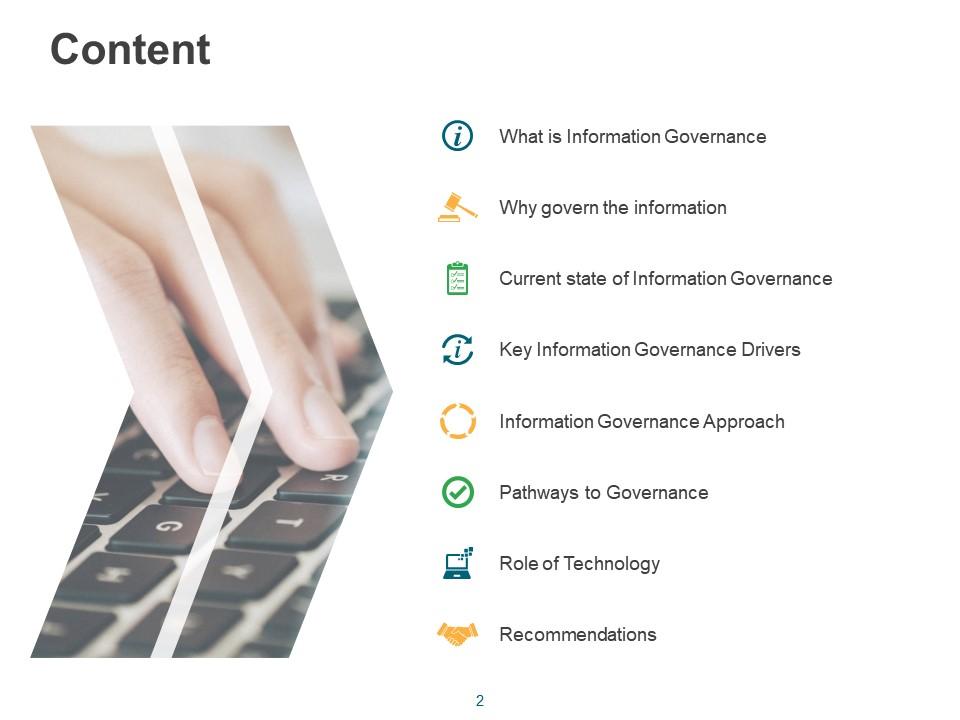
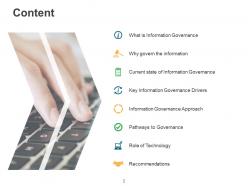
Slide 2: This slide contains the Content. It includes - What is Information Governance, Why govern the information, the Current State of Information Governance, etc.
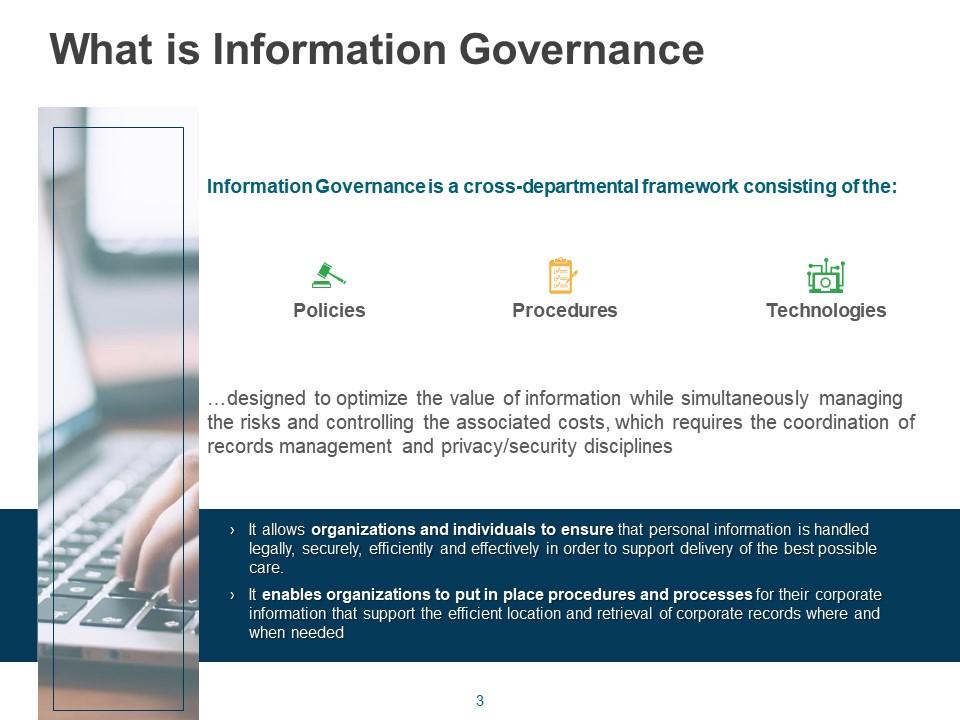
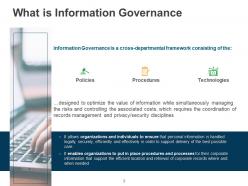
Slide 3: This slide presents What is Information Governance. It allows organizations and individuals to ensure that personal information is handled legally, securely, efficiently, and effectively.
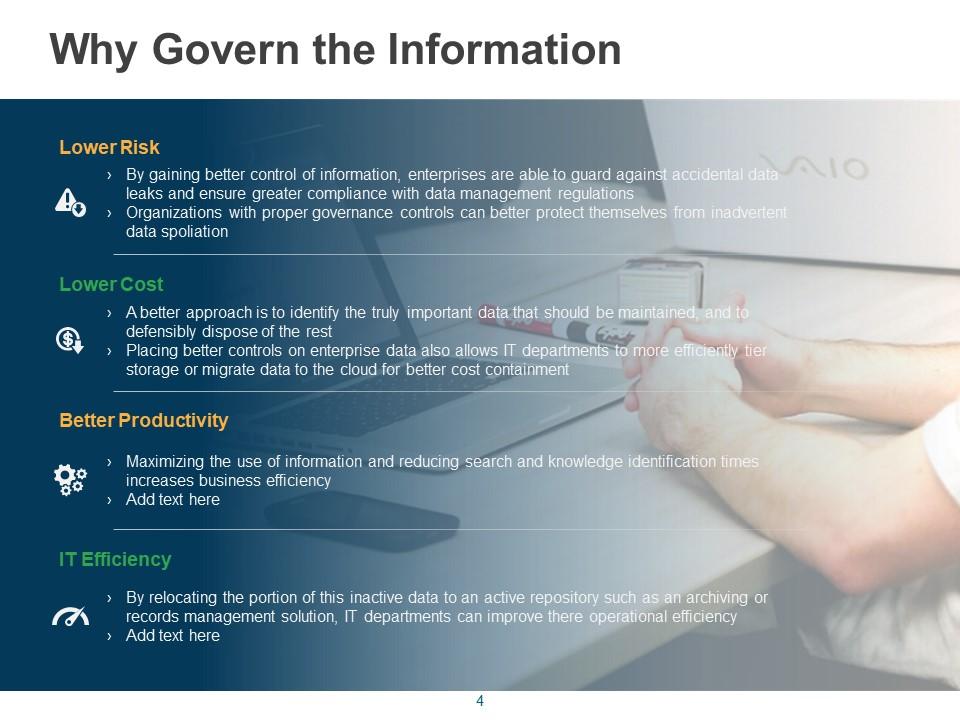
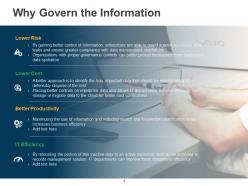
Slide 4: This slide presents Why Govern the Information.
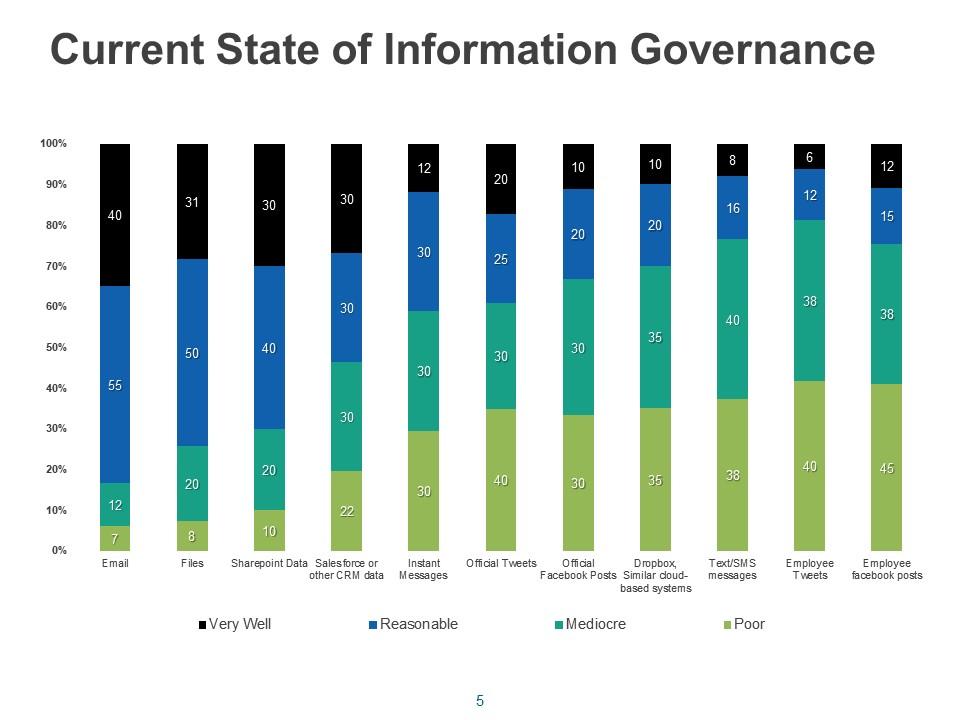
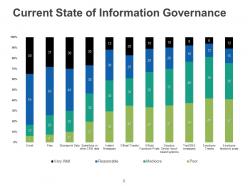
Slide 5: This slide presents the Current State of Information Governance.
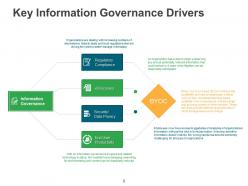
Slide 6: This slide presents the Key Information Governance Drivers.
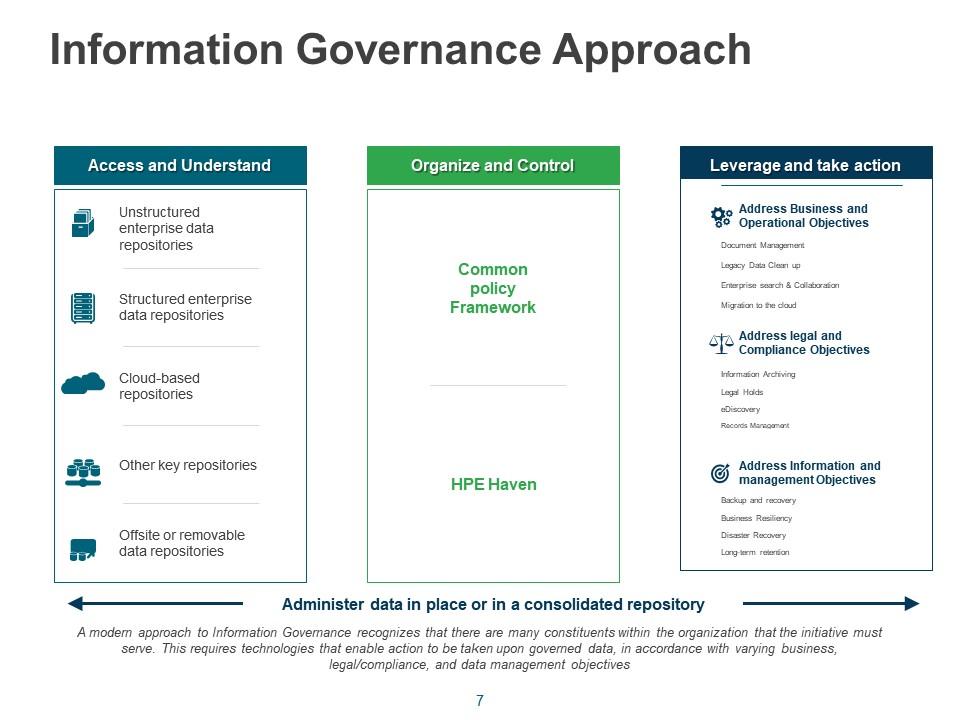
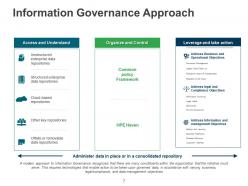
Slide 7: This slide presents the Information Governance Approach.
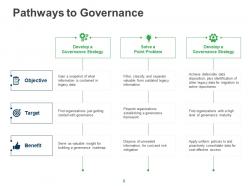
Slide 8: This slide presents the Pathways to Governance.
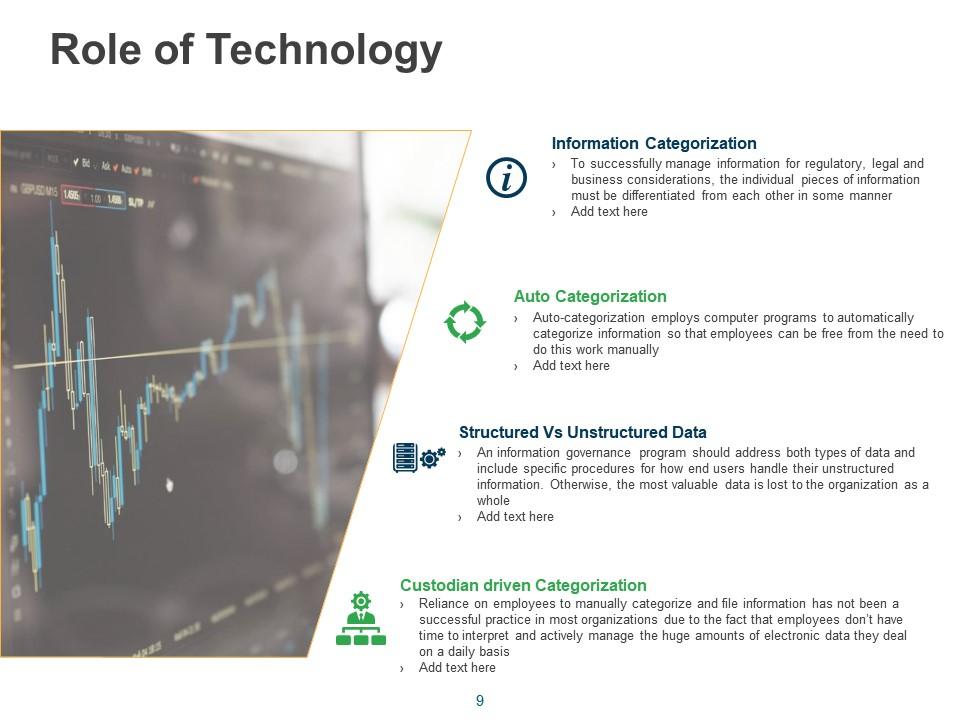
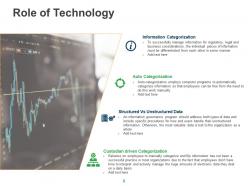
Slide 9: This slide presents the Role of Technology.
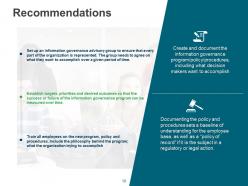
Slide 10: This slide presents the Recommendations such as Creating and documenting the information governance program/policy/procedures, including what decision-makers want to accomplish and more.
Slide 11: This is the Information Governance Strategy Icons Slide.
Slide 12: This slide introduces the Additional Slides.
Slide 13: This slide contains the information about the company aka the ‘About Us’ section. This includes Creative, Talented, and Professional.
Slide 14: This slide provides the Mission for the entire company. This includes the vision, the mission, and the goal.
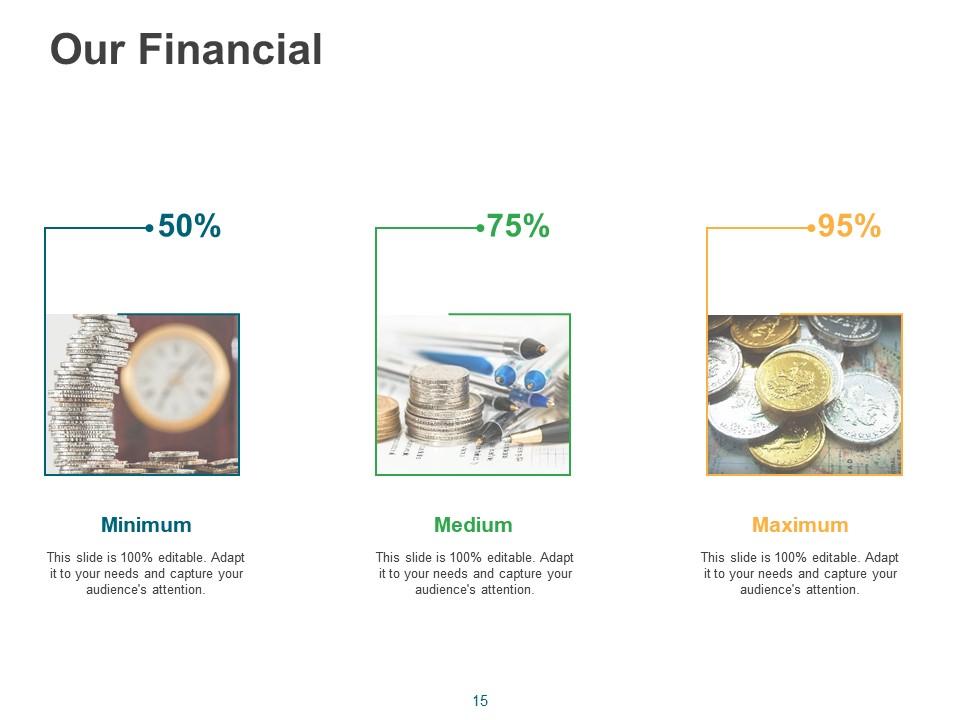
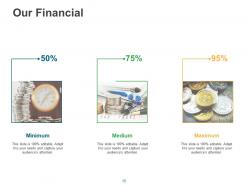
Slide 15: This slide presents the Financial data with the data’s numbers at minimum, medium, and maximum percentage.
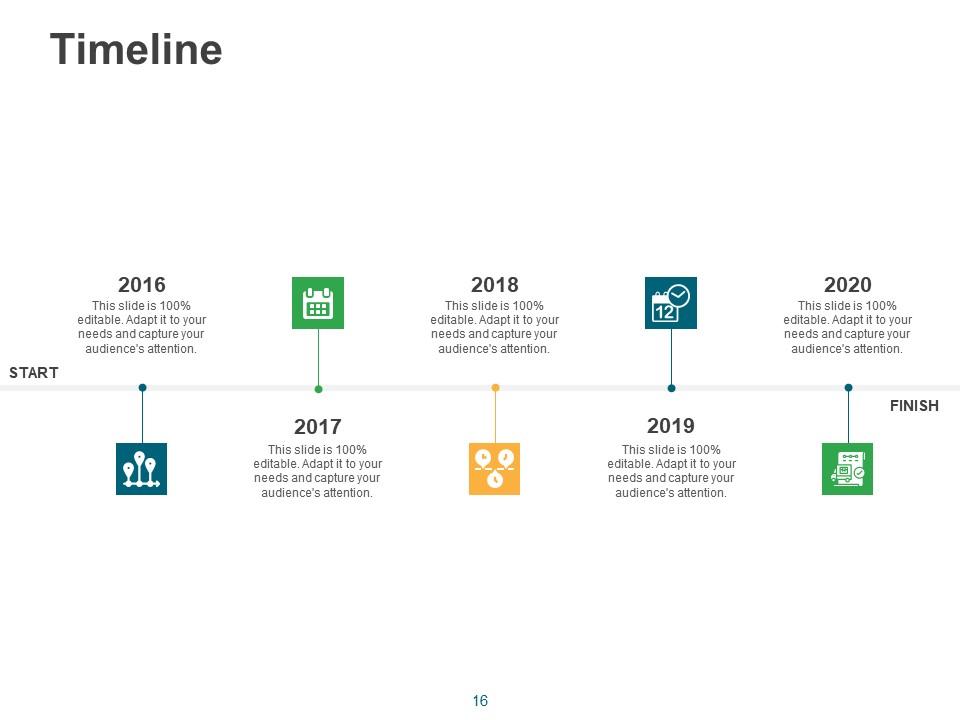
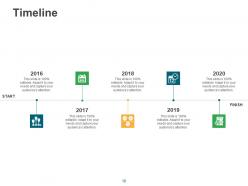
Slide 16: This slide is a Timeline template to showcase the progress of the steps of a project with time.
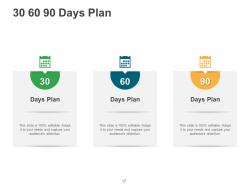
Slide 17: This is a slide with a 30 60 90 Days Plan to set goals for these important intervals.
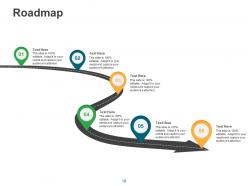
Slide 18: This slide is a Roadmap template to showcase the stages of a project, for example.
Slide 19: This is the Quotes slide.
Slide 20: This is a Thank You slide where details such as the address, contact number, email address are added.
Information Governance Strategy Powerpoint Presentation Slides with all 20 slides:
Use our Information Governance Strategy Powerpoint Presentation Slides to effectively help you save your valuable time. They are readymade to fit into any presentation structure.
-
Commendable slides with attractive designs. Extremely pleased with the fact that they are easy to modify. Great work!
-
Appreciate the research and its presentable format.
