


Inside Sales Strategy For Lead Generation Powerpoint Presentation Slides Strategy CD




Try Before you Buy Download Free Sample Product
 Impress Your
 Audience
 100%
100% Editable
 Save Hours
 of Time


Inside sales strategy focuses on selling products or services remotely through various online channels contacting prospects through virtual communication channels and converting them into leads. This insightfully developed presentation titled, Inside Sales Strategy for Lead Generation showcases various aspects related to inside sales such as benefits for the organization, key statistics, challenges faced by inside sales representatives, etc. Additionally, this Product Sales PPT highlights processes that can help organizations sell products or services through inside sales. This Cold email template also mentions that the Key steps involved in the inside sales process are lead generation, qualification, scoring, prioritization, and distribution. Moreover, this Telemarketing PPT showcases various channels for generating leads. This Cold calling presentation further shows a training plan that can help inside sales representatives enhance their selling skills and generate leads by leveraging different channels. Lastly, our Product sales module highlights KPIs and dashboards that can help to track the efficiency of inside sales strategy. Get access to our sales strategy presentation now.
People who downloaded this PowerPoint presentation also viewed the following :
Content of this Powerpoint Presentation
Slide 1: This slide introduces Inside Sales Strategy for Lead Generation. State Your Company Name and begin.
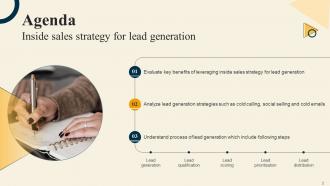
Slide 2: This slide is an Agenda slide. State your agendas here.
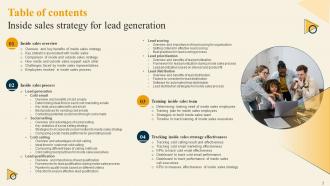
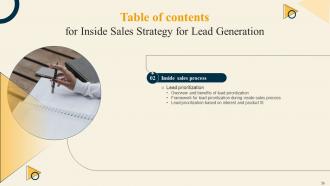
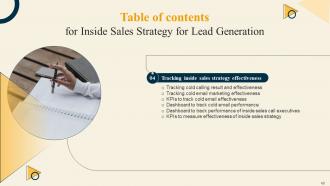
Slide 3: This slide shows a Table of Contents for the presentation.
Slide 4: This slide is an introductory slide.
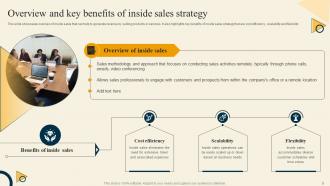
Slide 5: This slide showcases overview of inside sales that can help to generate revenue by selling products or services.
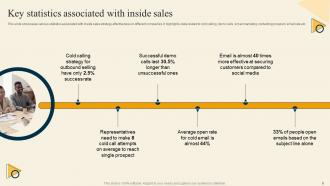
Slide 6: This slide shows various statistics associated with inside sales strategy effectiveness in different companies.
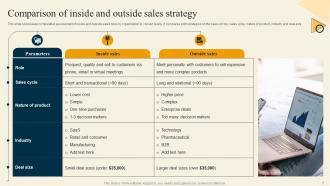
Slide 7: This slide showcases comparative assessment of inside and outside sales done by organization to convert leads.
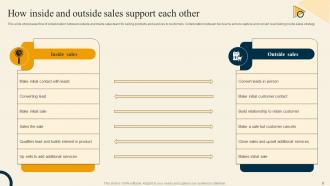
Slide 8: This slide shows flow of collaboration between outside and inside sales team for selling products and services to customers.
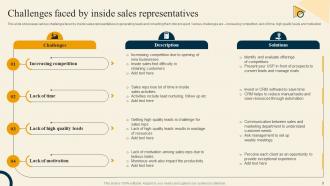
Slide 9: This slide mentions various challenges faced by inside sales representatives in generating leads and converting them into prospect.
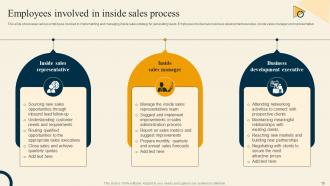
Slide 10: This slide entails various employees involved in implementing and managing inside sales strategy for generating leads.
Slide 11: This slide is an introductory slide.
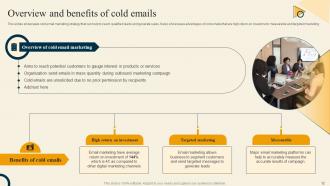
Slide 12: This slides illustrates cold email marketing strategy that can help to reach qualified leads and generate sales.
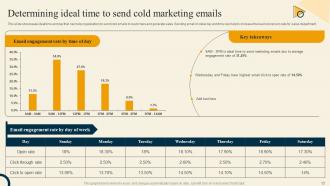
Slide 13: This slide highlights ideal time and day that can help organization to send cold emails to customers and generate sales.
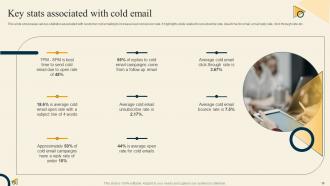
Slide 14: This slide puts various statistics associated with customer cold emailing to increase lead conversion rate.
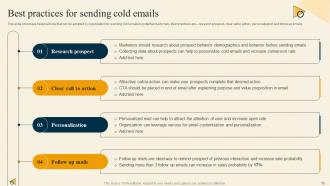
Slide 15: This slide showcase best practices that can be adopted by organization for sending cold emails to potential customers.
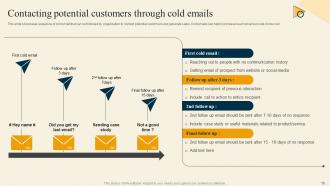
Slide 16: This slide showcases sequence of cold email that can be followed by organization to contact potential customers and generate sales.
Slide 17: This slide is an introductory slide.
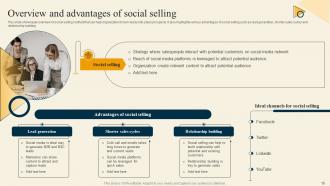
Slide 18: This slide outlines overview of social selling method that can help organization to turn leads into sales prospects.
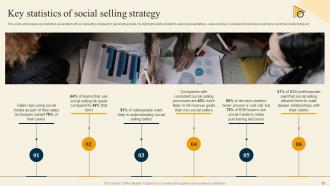
Slide 19: This slide showcases key statistics associated with social selling strategy for generating leads.
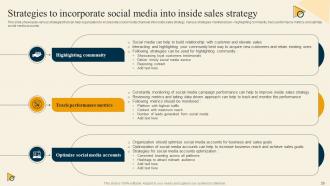
Slide 20: This slide caters to various strategies that can help organization to incorporate social media channels into inside sales strategy.
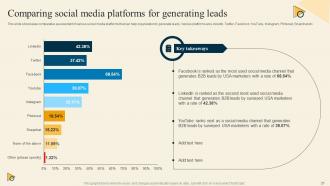
Slide 21: This slide contains comparative assessment of various social media platforms that can help organization to generate leads.
Slide 22: This slide is an introductory slide.
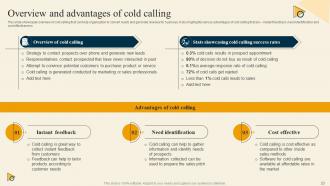
Slide 23: This slide illustrates overview of cold calling that can help organization to convert leads and generate revenue for business.
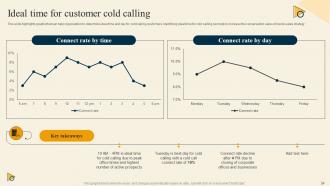
Slide 24: This slide puts graphs that can help organization to determine ideal time and day for cold calling customers.
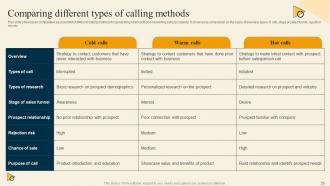
Slide 25: This slide showcases comparative assessment of different calling methods for generating new leads and converting sales prospects.
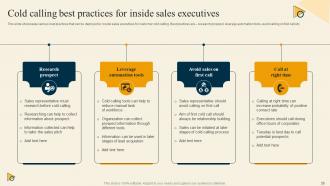
Slide 26: This slide conveys various best practices that can be deployed by inside sales executives for customer cold calling.
Slide 27: This slide is an introductory slide.
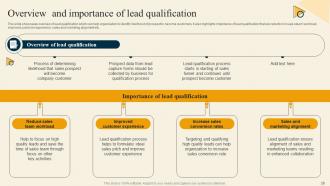
Slide 28: This slide showcases overview of lead qualification which can help organization to identify likelihood of prospect to become customers.
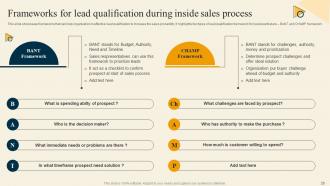
Slide 29: This slide shows frameworks that can help organization in effective lead qualification to increase the sales probability.
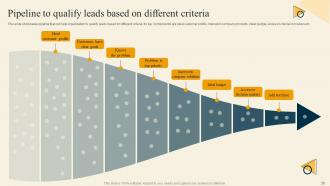
Slide 30: This slide estimates pipeline that can help organization to qualify leads based on different criteria.
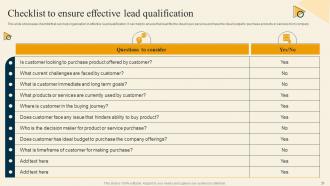
Slide 31: This slide portrays checklist that can help organization in effective lead qualification.
Slide 32: This slide is an introductory slide.
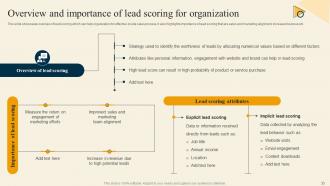
Slide 33: This slide outlines an overview of lead scoring which can help organization for effective inside sales process.
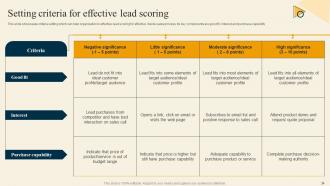
Slide 34: This slide showcases criteria setting which can help organization in effective lead scoring for effective inside sales process.
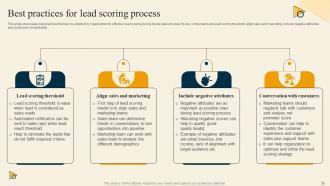
Slide 35: This slide describes best practices that can be adopted by organization for effective lead scoring during inside sales process.
Slide 36: This slide is an introductory slide.
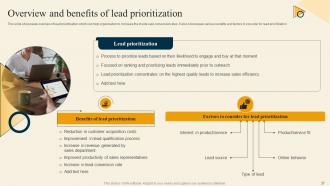
Slide 37: This slide details an overview of lead prioritization which can help organization to increase the inside sale conversion rates.
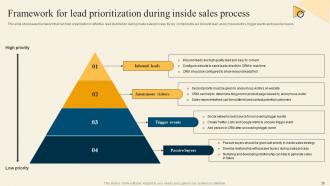
Slide 38: This slide puts framework that can help organization in effective lead distribution during inside sales process.
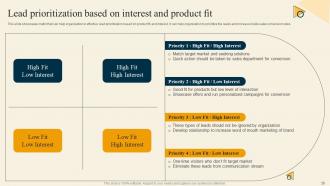
Slide 39: This slide targets matrix that can help organization in effective lead prioritization based on product fit and interest.
Slide 40: This slide is an introductory slide.
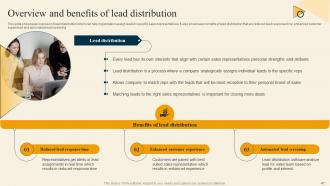
Slide 41: This slide showcases overview of lead distribution which can help organization assign leads to specific sales representatives.
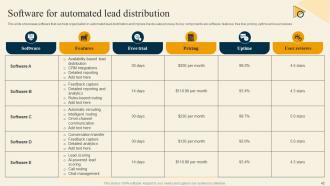
Slide 42: This slide highlights software that can help organization in automated lead distribution and improve inside sales process.
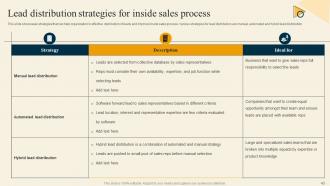
Slide 43: This slide entails strategies that can help organization in effective distribution of leads and improve inside sales process.
Slide 44: This slide is an introductory slide.
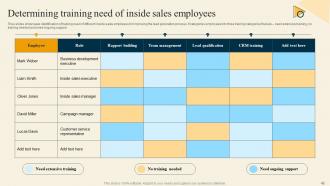
Slide 45: This slides represents identification of training need of different inside sales employees for improving the lead generation process.
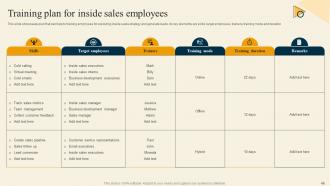
Slide 46: This slide presents plan that can help to training employees for executing inside sales strategy and generate leads.
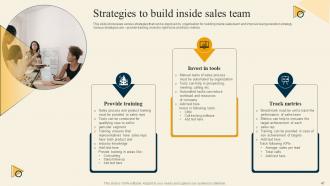
Slide 47: This slide showcases various strategies that can be deployed by organization for building inside sales team and improve lead generation strategy.
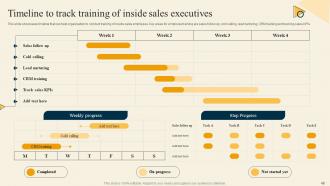
Slide 48: This slide shows timeline that can help organization to conduct training of inside sales employees.
Slide 49: This slide is an introductory slide.
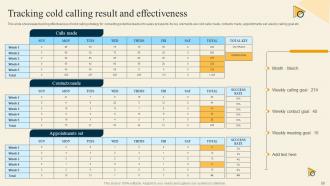
Slide 50: This slide entails tracking effectiveness of cold calling strategy for converting potential leads into sales prospects.
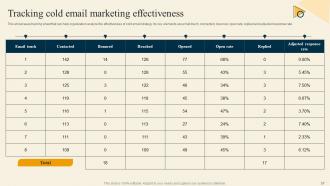
Slide 51: This slide highlights tracking sheet that can help organization analyze the effectiveness of cold email strategy.
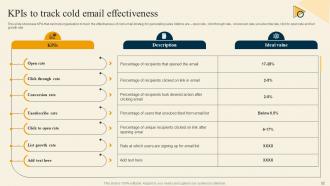
Slide 52: This slide outlines KPIs that can help organization to track the effectiveness of cold email strategy for generating sales.
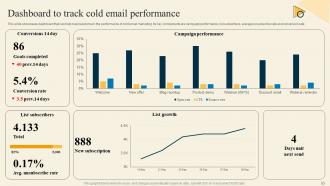
Slide 53: This slide covers dashboard that can help business to track the performance of cold email marketing.
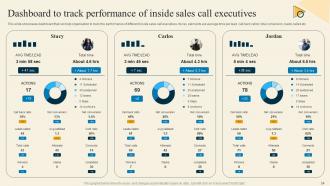
Slide 54: This slide showcases dashboard that can help organization to track the performance of different inside sales call executives.
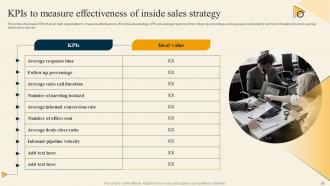
Slide 55: This slide entails KPIs that can help organization to measure effectiveness of inside sales strategy.
Slide 56: This slide shows all the icons included in the presentation.
Slide 57: This slide is titled Additional Slides for moving forward.
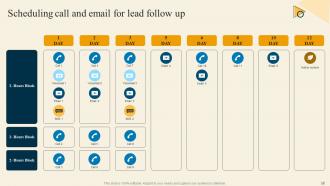
Slide 58: This slide depicts about the scheduling of calls and meeting.
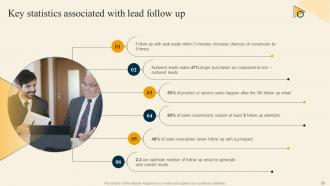
Slide 59: This slide shows some stats.
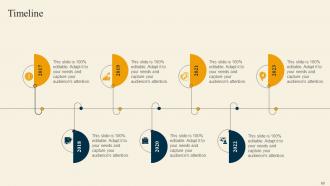
Slide 60: This slide is a Timeline slide. Show data related to time intervals here.
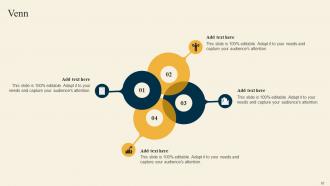
Slide 61: This slide depicts a Venn diagram with text boxes.
Slide 62: This slide shows Post-It Notes. Post your important notes here.
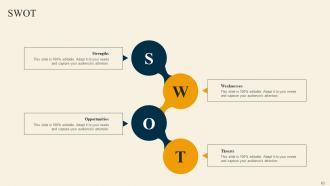
Slide 63: This slide shows SWOT describing- Strength, Weakness, Opportunity, and Threat.
Slide 64: This slide contains a Puzzle with related icons and text.
Slide 65: This slide is a thank-you slide with address, contact numbers, and email address.
Inside Sales Strategy For Lead Generation Powerpoint Presentation Slides Strategy CD with all 73 slides:
Use our Inside Sales Strategy For Lead Generation Powerpoint Presentation Slides Strategy CD to effectively help you save your valuable time. They are readymade to fit into any presentation structure.










FAQs for Inside Sales Strategy For Lead Generation Powerpoint Presentation
Hey! So conversion rates are huge - track how leads turn into opps and opps into deals. Deal size and cycle length matter tons for forecasting (learned this the hard way lol). Pipeline velocity shows you where things get stuck. Also check your lead sources so you know what's actually working vs what's just burning budget. Response rates on calls/emails are useful but honestly don't get too obsessed with activity metrics. Quality wins over quantity every single time. Start with maybe 3-4 metrics that actually match your goals instead of drowning in dashboards.
Dude, start with automating your follow-ups - that's probably the biggest time saver right there. Your CRM tracks everything automatically so you don't have to remember who called when. Predictive analytics will actually tell you which leads are hot (though honestly, sometimes my gut feeling beats the data). Email sequences keep nurturing prospects even when you're not working. Sales platforms can auto-dial for you, chatbots handle the initial qualifying, and AI analyzes your calls to see what's working in your pitch. The boring admin stuff basically runs itself now, which means you can spend time actually closing deals instead.
Dude, segmentation changed everything for me in inside sales. I used to bomb calls with the same boring script for everyone - huge mistake. Now I break prospects into 3-4 groups based on company size, industry, pain points, whatever. Each segment gets its own talk track and messaging. Way better results when you're actually speaking to their specific problems instead of some generic pitch. The timing and channels matter too - what works for startups doesn't work for enterprise. Honestly wish someone told me this earlier, would've saved me so many awkward calls!
Honestly, you've gotta map out every touchpoint and stay consistent with follow-ups - that's where most people screw up. Educational stuff works best early on, then get specific about their actual problems once they're engaged. Discovery calls and personalized demos are clutch. But here's the thing - actually listen to what they're telling you instead of just pushing through some generic sequence like a robot. Your CRM should track all their engagement so you can set up those automated nurture campaigns (but make them feel personal, you know?). Oh, and don't give up after one "no" - timing is everything in this game.
Start with role-playing - seriously, it's the fastest way to build their confidence. Have them practice different scenarios twice a week, maybe 30 minutes each time. Cold calls, objection handling, closing conversations, all that stuff. Recording calls helps too (get permission first obviously). I'd pair your weaker people with the strong communicators for shadowing. Active listening is probably more important than people think - half the battle is hearing what prospects don't actually say out loud. Skip the one-time training workshops though. Consistent practice beats everything else. You'll see their confidence shoot up pretty quick.
Honestly, most sales teams just wing it and then wonder why nothing gets better. You've got to build in regular check-ins where data actually comes back to your team. Weekly pipeline reviews are clutch, plus monthly win/loss breakdowns and quarterly strategy sessions. Track the basics - conversion rates, call-to-meeting ratios, deal velocity. But here's the thing: actually ask your reps what's working since they're dealing with prospects all day. Then use that feedback to tweak your messaging and processes. Make it systematic instead of crossing your fingers hoping insights will just appear.
Honestly, most turnover happens because people have terrible managers - that's where I'd start. Get your leadership trained up properly. Then look at your comp structure and make sure it's actually competitive with uncapped commissions. Your reps need to see clear paths for advancement too, not just endless cold calling with no future. Don't micromanage every little thing they do, give them decent tools, and celebrate wins when they happen. Oh, and definitely ask your top performers what would make them stick around - they'll tell you exactly what's broken. Start with auditing your current pay structure first though.
Dude, your revenue is literally on the line here. Marketing and sales working separately? That's how you get garbage leads and wasted ad spend. Sales needs to tell marketing what actually converts, and marketing needs to share what messaging gets people interested. I've watched companies burn through budgets because nobody's talking to each other - it's painful to see. Short sentences work better sometimes. Weekly meetings between both teams will fix most of this mess. They should compare notes on lead quality and what's actually working in conversations.
Okay so here's what I learned the hard way - don't jump straight into defense mode when someone objects. I used to do that and it was a disaster every time. Instead, ask questions first. Like "help me understand what's bugging you about this" or "what specifically worries you here?" Most people aren't actually saying no - they just want more info or clarification. Once you get what their real concern is, acknowledge it. Then you can address it properly. Oh and honestly? Making them feel heard first is like 80% of the battle. Way more effective than being Mr. Know-It-All.
Honestly, data analytics is a game-changer for inside sales. You can figure out which prospects actually convert by looking at how they engage with your stuff. Track response rates and conversion by source - just start with 3-4 metrics, nothing crazy. The patterns that show up are wild. Your outreach timing matters way more than you think, and you'll spot exactly where deals get stuck in your pipeline. I mean, it's basically like having superpowers but for sales. You'll know which messages work for different types of leads and can focus on the ones worth your time.
Honestly? Skip the fancy training programs for now. Get your new hires shadowing your best reps for two solid weeks - they need to hear real calls and watch how pros handle rejections. Role-play weekly but make it awkward and realistic so nothing surprises them later. Give them a solid 30-60-90 day plan with clear goals they can actually hit. Oh, and pair each newbie with a mentor who's NOT their boss - trust me on this one. They'll ask way better questions when they're not worried about looking stupid to the person who evaluates them.
Honestly, social selling is a game changer for warming people up before you call them. Spend 15-20 minutes daily on LinkedIn and Twitter engaging with your prospects' posts - comment thoughtfully, share industry stuff that's actually useful. You're basically building relationships first instead of being that random person calling out of nowhere. I mean, who wants to talk to a complete stranger trying to sell them something? The trick is being genuinely helpful rather than salesy. Share insights, start real conversations. It's like getting introduced through a mutual friend versus showing up uninvited at someone's door.
Dude, buyer personas are a game changer. Instead of throwing generic pitches at everyone, you actually know what makes each prospect tick. Their pain points, how they make decisions, what they consider a win - all that stuff. Honestly, I was skeptical at first but the difference is crazy obvious. Way better response rates, people actually engage instead of ghosting you, and sales cycles get way shorter. You're solving their actual problems right off the bat. Just interview your top customers to find the patterns, then build like 2-3 solid personas from that.
Honestly, the biggest pain points are usually communication breakdowns and people getting distracted at home. You lose that energy from being in the same room, you know? Tech problems are inevitable too. What works for us - daily check-ins are a must, and make sure everyone can see the same CRM data. Video calls beat phone calls every time, trust me on this one. People need actual dedicated workspace at home, not just their kitchen table. Slack helps with quick stuff. Oh, and don't skip the one-on-ones - that's where you'll catch problems early before they blow up.
Honestly, you've gotta bake flexibility into your whole sales process from day one. My team learned this the hard way - we kept using the same tired pitch while our market completely shifted. Set up feedback loops so you're catching trends early, not months later. Your CRM data will show you when customer behavior starts changing. Train reps to switch up their discovery questions when prospects start caring about different stuff. Oh, and actually do something with all that data you're collecting. Monthly strategy reviews aren't just busy work - they're where you pivot before your competition does.
-
“I required a slide for a board meeting and was so satisfied with the final result !! So much went into designing the slide and the communication was amazing! Can’t wait to have my next slide!”
-
Loved the templates on SlideTeam, I believe I have found the go to place for my presentation needs!