


Integrating Human Resource Technology To Enhance Organizational Efficiency Complete Deck




Try Before you Buy Download Free Sample Product
 Impress Your
 Audience
 100%
100% Editable
 Save Hours
 of Time


HR technology consists of integrating technology in human resource management to enhance operational efficiency and reshape HR services. Our, Integrating human resource technology to enhance organizational efficiency presentation contains emerging trends in HR technology such as artificial intelligence, machine learning, and applicant tracking systems to enhance performance management and the hiring process of candidates. Additionally, our HR blockchain deck involves a human resource information system HRIS and a human capital management system HCM to collect relevant data. It also serves for strategic HR decision-making and enhances overall services and and employee productivity in the organization. Furthermore, this Talent Management tool presentation includes a comparative assessment for cost analysis of HR software and analyzes the impact of integrating technologies on KPIs such as hiring cost, employee productivity, and turnover rate. Lastly, this Applicant Tracking System module includes a KPI dashboard to track the effectiveness of HR technology on organizational and individual growth. Grab our template right away for a well-developed presentation.
People who downloaded this PowerPoint presentation also viewed the following :
Content of this Powerpoint Presentation
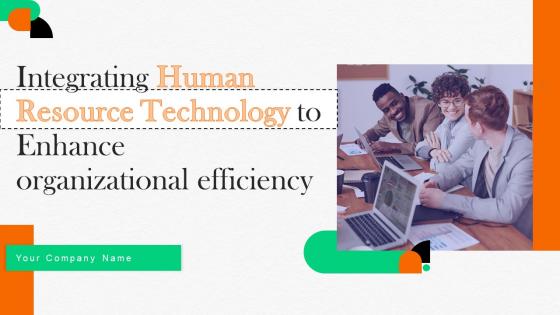
Slide 1: This slide introduces Integrating Human Resource Technology to Enhance Organizational Efficiency. State Your Company Name and begin.
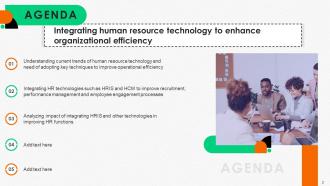
Slide 2: This slide is an Agenda slide. State your agendas here.
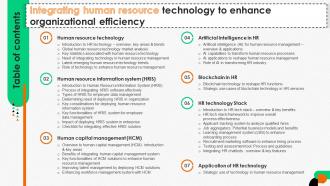
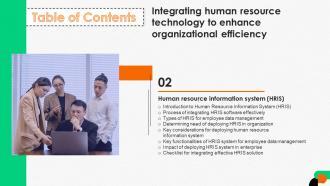
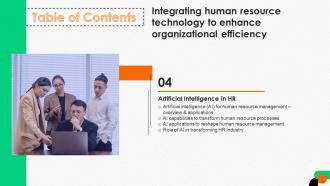
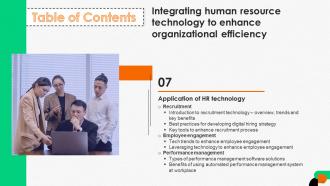
Slide 3: This slide shows a Table of Contents for the presentation.
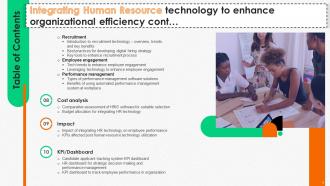
Slide 4: This slide is in continuation with the previous slide.
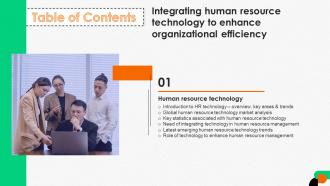
Slide 5: This slide introduces Human Resource technology out of the Table of Contents.
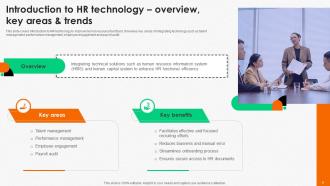
Slide 6: This slide covers an introduction to HR technology to improve human resource functions.
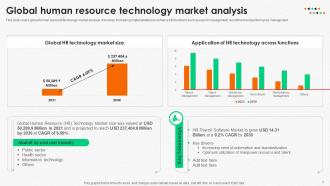
Slide 7: This slide shows a global human resource technology market analysis.
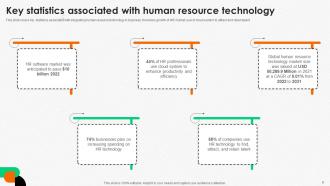
Slide 8: This slide details key statistics associated with integrating human resource technology in business.
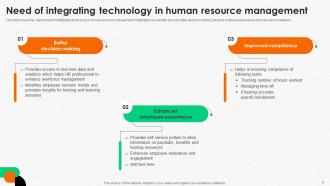
Slide 9: This slide describes the key requirement of integrating technology in human resource management.
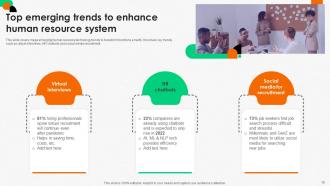
Slide 10: This slide displays mega-emerging human resource technology trends to transform functions smartly.
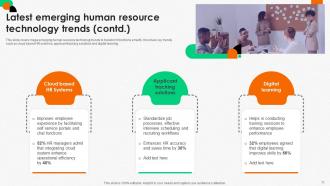
Slide 11: This slide presents mega-emerging human resource technology trends to transform functions smartly.
Slide 13: This slide introduces the Human resource information system (HRIS) out of the table of contents.
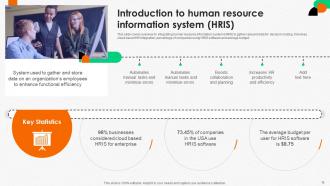
Slide 14: This slide represents an overview of integrating a human resource information system (HRIS) to gather relevant data for decision-making.
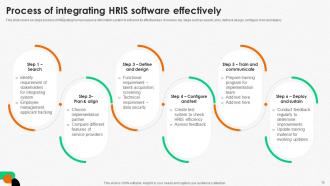
Slide 15: This slide contains a steps process of integrating a human resource information system to enhance its effectiveness.
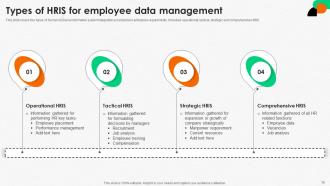
Slide 16: This slide covers four types of human resource information system integration by enterprise requirements.
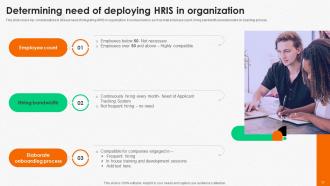
Slide 17: This slide caters to key considerations to assess the need for integrating HRIS in the organization.
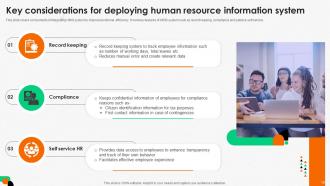
Slide 18: This slide showcases components of integrating the HRIS system to improve functional efficiency.
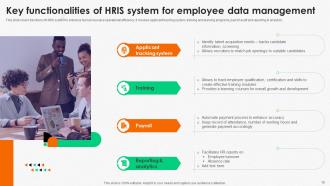
Slide 19: This slide illustrates the functions of the HRIS system to enhance human resource operational efficiency.
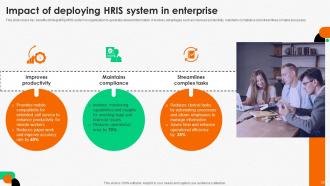
Slide 20: This slide portrays the key benefits of integrating the HRIS system in an organization to generate relevant information.
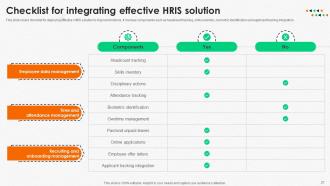
Slide 21: This slide displays a checklist for deploying effective HRIS solutions to improve functions.
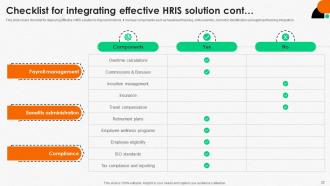
Slide 22: This slide entails a checklist for deploying effective HRIS solutions to improve functions.
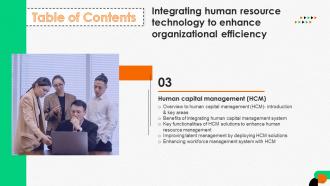
Slide 23: This slide introduces Human capital management (HCM) out of the table of contents.
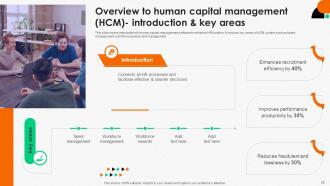
Slide 24: This slide outlines an Overview to human capital management (HCM)- introduction & key areas.
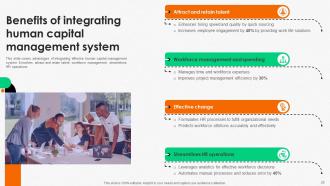
Slide 25: This slide covers the advantages of integrating an effective human capital management system.
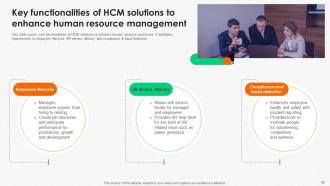
Slide 26: This slide describes the core functionalities of HCM solutions to enhance human resource processes.
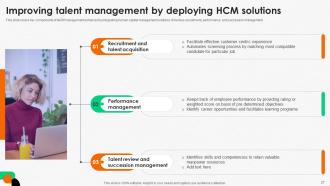
Slide 27: This slide details key components of talent management enhanced by integrating human capital management solutions.
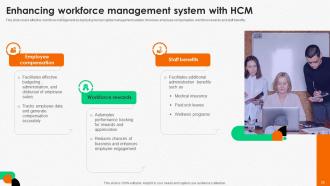
Slide 28: This slide defines effective workforce management by deploying a human capital management solution.
Slide 29: This slide introduces Artificial Intelligence in HR out of the Table of Contents.
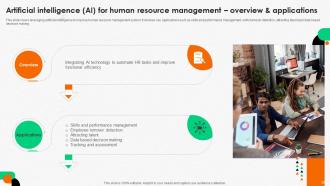
Slide 30: This slide entails leveraging artificial intelligence to improve human resource management systems.
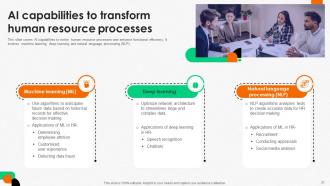
Slide 31: This slide covers AI capabilities to evolve human resource processes and enhance functional efficiency.
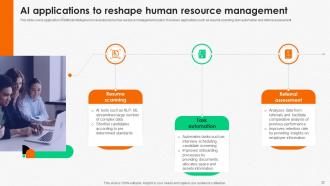
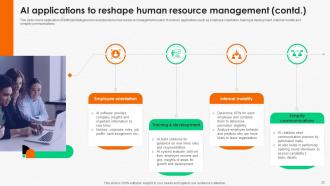
Slide 32: This slide describes the application of artificial intelligence to revolutionize the human resource management system.
Slide 33: This slide portrays the application of artificial intelligence to revolutionize the human resource management system.
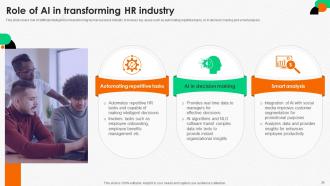
Slide 34: This slide defines the role of artificial intelligence in transforming the human resource industry.
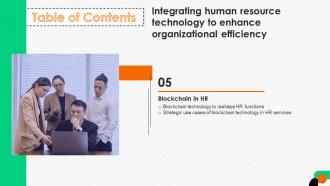
Slide 35: This slide introduces Blockchain in HR out of the Table of Contents.
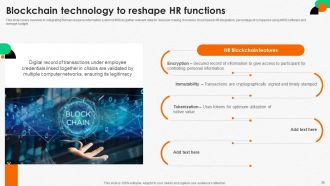
Slide 36: This slide illustrates an overview of integrating the human resource information system (HRIS).
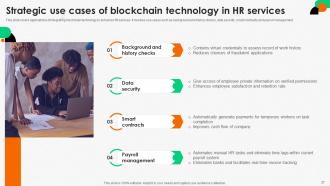
Slide 37: This slide elaborates on applications of integrating blockchain technology to enhance HR services.
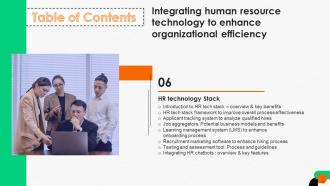
Slide 38: This slide introduces HR technology Stack out of the Table of Contents.
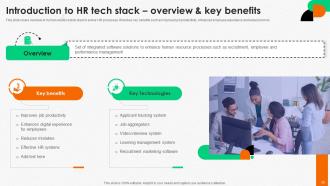
Slide 39: This slide covers an overview of the human resource tech stack to evolve HR processes.
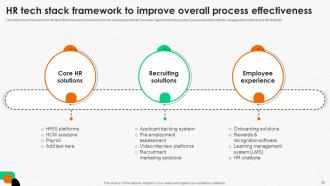
Slide 40: This slide details framework for HR tech stack framework to enhance human resources practices.
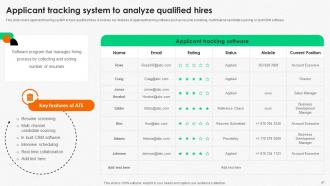
Slide 41: This slide describes the applicant tracking system to track qualified hires.
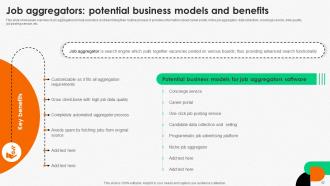
Slide 42: This slide demonstrates an overview of job aggregators to help recruiters streamline their routine process.
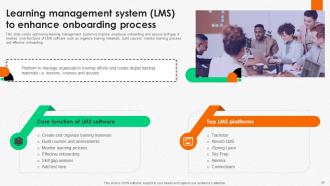
Slide 43: This slide portrays optimizing the learning management system to improve employee onboarding and assess skill gaps.
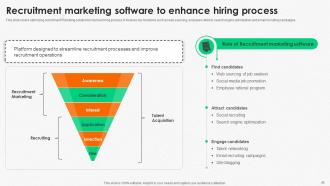
Slide 44: This slide displays optimizing recruitment marketing solutions to improve the hiring process.
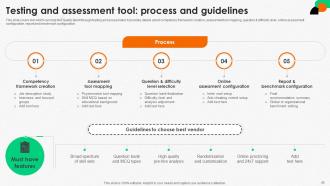
Slide 45: This slide covers tools that can help find quality talent through testing and assessment.
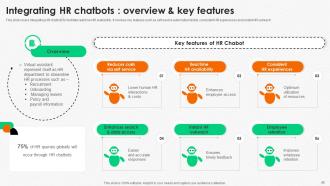
Slide 46: This slide entails integrating HR chatbots to facilitate real-time HR availability.
Slide 47: This slide introduces the Application of HR technology out of the Table of Contents.
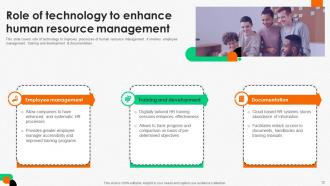
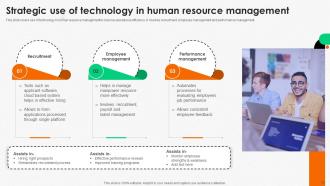
Slide 48: This slide caters to the use of technology in human resource management to improve operational efficiency.
Slide 49: This slide introduces the Application of HR technology out of the Table of Contents and is in continuation.
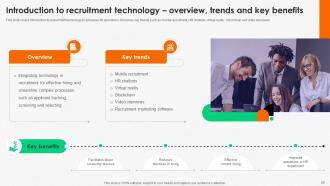
Slide 50: This slide covers an introduction to recruitment technology to enhance HR operations.
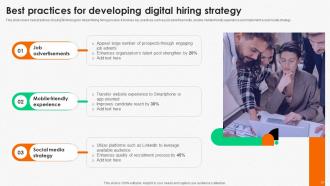
Slide 51: This slide represents best practices for using technology to streamline the hiring process.
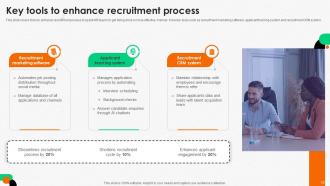
Slide 52: This slide presents tools to enhance the recruitment process to assist HR teams in getting hiring done more effectively.
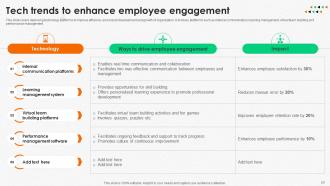
Slide 53: This slide shows deploying technology platforms to improve efficiency and overall development and growth of the organization.
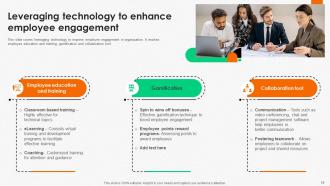
Slide 54: This slide showcases leveraging technology to improve employee engagement in the organization.
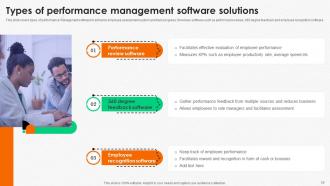
Slide 55: This slide illustrates types of performance management software to enhance employee assessment systems and track progress.
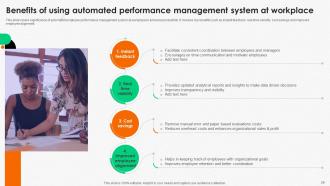
Slide 56: This slide details the significance of automated employee performance management systems at the workplace to enhance productivity.
Slide 57: This slide introduces Cost analysis out of the Table of Contents.
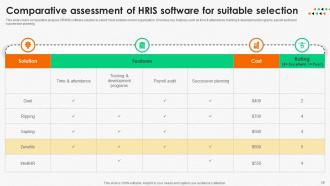
Slide 58: This slide defines a comparative analysis of HRIS software solutions to select the most suitable one for the organization.
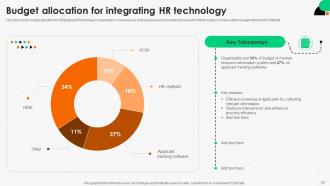
Slide 59: This slide covers budget allocation for integrating HR technology into the organization.
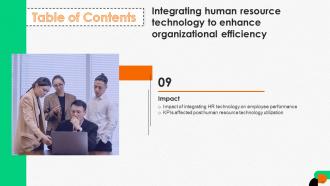
Slide 60: This slide introduces Impact out of the Table of Contents.
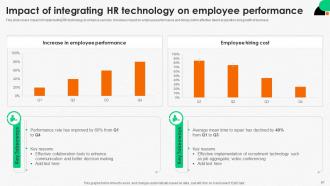
Slide 61: This slide describes the impact of implementing HR technology to enhance services.
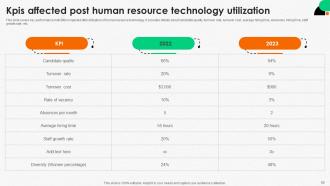
Slide 62: This slide puts key performance indicators impacted after the utilization of human resource technology.
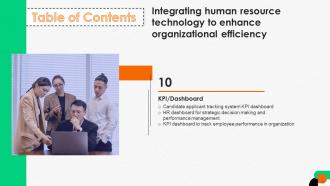
Slide 63: This slide introduces KPI/Dashboard out of the Table of Contents.
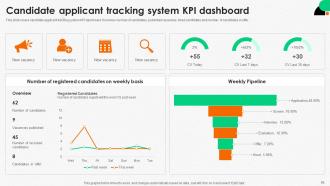
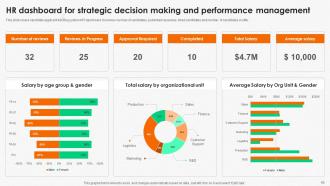
Slide 64: This slide shows the candidate applicant tracking system KPI dashboard.
Slide 65: This slide showcases the candidate applicant tracking system KPI dashboard.
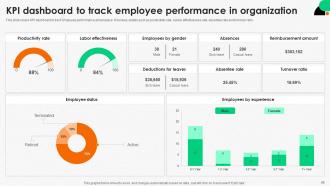
Slide 66: This slide entails a KPI dashboard to track employee performance at the workplace.
Slide 67: This slide shows all the icons included in the presentation.
Slide 68: This slide is titled Additional Slides for moving forward.
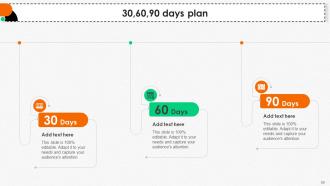
Slide 69: This slide provides a 30-60-90-day plan with text boxes.
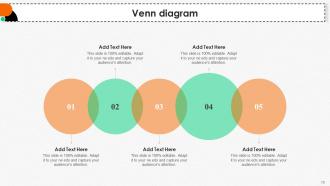
Slide 70: This slide depicts a Venn diagram with text boxes.
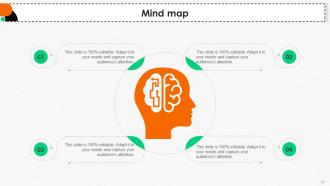
Slide 71: This slide displays Mind Map with related imagery.
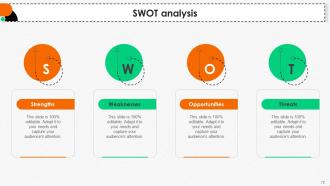
Slide 72: This slide shows SWOT describing- Strengths, Weaknesses, Opportunities, and Threats.
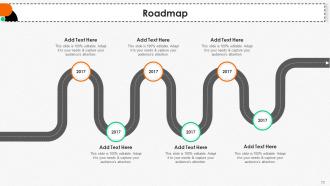
Slide 73: This slide presents a Roadmap with additional text boxes.
Slide 74: This slide is a thank-you slide with addresses, contact numbers, and email addresses.
Integrating Human Resource Technology To Enhance Organizational Efficiency Complete Deck with all 82 slides:
Use our Integrating Human Resource Technology To Enhance Organizational Efficiency Complete Deck to effectively help you save your valuable time. They are readymade to fit into any presentation structure.









FAQs for Integrating Human Resource Technology To Enhance Organizational
Dude, it's a total game changer - no more drowning in spreadsheets and manual data entry nonsense. Your team can finally do actual strategic work instead of babysitting payroll systems all day. The analytics you get are actually useful too, not just random charts that mean nothing. Employees love the self-service stuff because they can check their own vacation days without bugging you constantly. Though honestly, the setup can be kind of a pain at first. I'd say figure out what's driving you the most crazy right now, then hunt for tools that fix those specific problems. Way better than trying to overhaul everything at once.
First thing - make a list of every HR tool you're using right now. Payroll, ATS, performance stuff, all of it. Then figure out how (or if) data moves between them. Spoiler alert: it probably doesn't, and that's where most of the chaos comes from. Talk to the people actually using these systems daily - they'll give you the real story about what's broken. Also dig into your contracts and see what integrations you already have access to. Sometimes you're paying for connections you didn't even know existed. Document the wins and losses so you know what to fix first.
Honestly, you can't wing HR tech without solid data - it's like trying to navigate with a broken GPS. Track your adoption rates first, then watch for bottlenecks that'll kill momentum. ROI measurements are obvious but actually matter for getting buy-in later. The cool part? You'll spot exactly which employees need extra help during transitions. I always tell people to nail down their key metrics before anything else goes live. Then build some dashboards so you're not constantly digging through spreadsheets. Trust me, flying blind never ends well with this stuff.
APIs are your best friend here - they connect all your HR systems so they actually talk to each other. Check what integrations your platforms already have built-in first (saves you tons of time). The initial setup is honestly kind of a pain, but so worth it once it's running. Make sure your data formats match across everything or you'll get weird translation errors. Pick one system to "own" each type of info - trust me on this one. Oh, and start with just connecting two systems first. Don't go crazy trying to integrate everything at once or you'll hate your life.
Honestly, the worst part is always data migration - your old stuff is gonna be way messier than expected. Getting people to actually want to use the new system though? That's what'll make or break you. I've seen amazing software fail just because nobody bothered training users properly. Oh, and if you're connecting to legacy systems, good luck with that integration nightmare. My buddy went through this last year and said involving end users early saved his butt. Don't skip the change management stuff either, even if it feels boring.
Okay so first thing - build a solid business case with actual ROI numbers. Time savings, cost cuts, better employee experience. Skip the "cool tech" angle because honestly, executives don't care about fancy features. Find the biggest pain points in your manual processes right now and show exactly how tech fixes them. Get IT involved early (trust me on this one) so you know what's realistic timeline-wise. Maybe suggest a pilot program first? That way it feels less risky to them. Oh and frame everything around how it helps the bigger business goals - that's what really gets leadership excited about spending money.
Honestly, good integration is a game changer for keeping employees happy. Nobody wants to log into six different systems just to update their address - it's maddening. When your HR tools actually talk to each other, people can change their info once and it flows everywhere automatically. Way less frustrating for everyone involved. Your managers get cleaner data too, which helps them actually support their teams better. I'd start by figuring out where people are hitting the most roadblocks right now. Those duplicate data entry tasks? That's usually the low-hanging fruit that'll give you the biggest bang for your buck.
Track the obvious stuff first - time-to-hire, satisfaction scores, adoption rates. ROI math is simple once you've got your baseline data. Here's the thing though: numbers can lie. I've seen integrations that looked amazing on paper but users absolutely hated them. Talk to people actually using the system! Their frustration with wonky workflows won't show up in your metrics. Set up regular check-ins with stakeholders. Build some dashboards showing progress against your goals. Then tweak things based on what you're hearing - both the data and the complaints.
First thing - map out what you actually have now and figure out where the real gaps are. Don't get distracted by fancy features you probably won't use. Make sure whatever you pick works with your current systems (check those APIs early). Your team needs to test drive this stuff before you commit - they're the ones dealing with it every day, not you. Oh, and budget way more time for setup and training than you think. Companies always lowball that part. Definitely call references from businesses your size. People are surprisingly honest when you actually pick up the phone.
Encrypt everything - both when it's moving between systems and when it's just sitting there. Your integration partner better be SOC 2 compliant, and honestly, if they won't show you their security certs right away, that's a red flag. Set up role-based access so random people can't mess with employee data during the move. Oh, and definitely audit everything before you flip the switch. Monitor for sketchy access patterns afterward too. I mean, you're basically handling everyone's personal stuff here, so treat it like your own data was on the line.
Honestly, start by looping people in from day one - nobody likes surprises at work. Find those natural influencers in each team who can actually get their coworkers excited about changes. Way more effective than some exec just telling everyone what to do. Set up regular check-ins to keep everyone posted, and don't just hand out boring manuals. Do actual training where people can ask questions. Oh, and celebrate the small stuff! People need to feel like they're winning. Most crucial thing though? Actually listen when they complain and fix what you can.
Look, HR tech basically saves you from drowning in compliance paperwork. Instead of digging through random spreadsheets (seriously, who has time for that?), you'll get automatic tracking for training completions, cert renewals, all that stuff. The good systems actually catch problems early - like when someone's harassment training is about to expire. Documentation happens automatically too, which is clutch when auditors show up unexpectedly. My advice? Map out what's driving you crazy compliance-wise first. Then find tech that tackles those specific headaches. Don't try to fix everything at once.
Dude, this is seriously what kills most HR implementations. People get confused with new systems - even the good ones. Training is everything. You'll need multiple sessions because nobody remembers it all the first time. Honestly, I've watched companies blow millions on amazing software then wonder why adoption rates suck. Create quick guides and pick some tech-savvy people in each department as your go-to helpers. Trust me, questions always come up weeks later when someone hits a weird scenario. Skip the training part and your expensive new system becomes digital paperweight.
Dude, cloud HR stuff is a game changer for integrations. APIs and pre-built connections handle most of the heavy lifting - no more coding headaches. Your IT people will love you since there's zero server babysitting involved. Most cloud platforms actually talk to each other now, which is wild compared to those ancient legacy systems. Here's the best part: you can test everything in sandbox mode first. Nobody wants to accidentally break payroll trying to hook up a new recruiting tool, trust me. Map out what you've got now and see which solutions offer the most native integrations to start.
Honestly, I'd focus on AI recruitment tools first - they're actually working now, not just hype. Predictive analytics for workforce stuff is solid too. Everyone's obsessing over employee experience platforms, and yeah, they do create those personalized employee journeys which is pretty cool. Mobile solutions aren't optional anymore since people lose their minds if they can't do something on their phone. Oh, and those integration platforms are lifesavers - no more coding headaches to connect your HR tools. Start with just automating recruitment though. See how that goes, then expand once you're making money back.
-
“Thank you to the SlideTeam. Your presentations look really skillful and have made my life so much easier.”
-
The templates are easy to get, and the chat customer support is excellent.