


Introducing Automation Tools To Optimize Process Efficiency Powerpoint Presentation Slides
Automation uses the latest technology to perform perplexing tasks with minimum human intervention. With the ongoing manual process, the organization faces many issues that eventually lower the productivity and efficiency of their employees. Grab our competently designed Introducing Automation tools to Optimize Process Efficiency template that will assist businesses in introducing automation tools within various business areas to enhance the overall operational efficiency. Initially, the PPT provides an overview of the multiple challenges faced by the company with manual processes, impact on business performance, need to introduce automation, etc. The PowerPoint presentation includes comprehensive information about the major areas where process automation is required, such as onboarding new employees, customer support, social media management, and supply chain management. Further, the deck contains a few slides on the business process automation roadmap and various online courses which will be helpful for the organization to provide BPA training to employees. Lastly, it covers the KPI metrics dashboard through which managers can monitor the performance of automation tools in multiple areas of the business. Download it now.
Automation uses the latest technology to perform perplexing tasks with minimum human intervention. With the ongoing manual ..


















-

- Google Slides is a new FREE Presentation software from Google.
- All our content is 100% compatible with Google Slides.
- Just download our designs, and upload them to Google Slides and they will work automatically.
- Amaze your audience with SlideTeam and Google Slides.
-

Want Changes to This PPT Slide? Check out our Presentation Design Services
-

- WideScreen Aspect ratio is becoming a very popular format. When you download this product, the downloaded ZIP will contain this product in both standard and widescreen format.
-

- Some older products that we have may only be in standard format, but they can easily be converted to widescreen.
- To do this, please open the SlideTeam product in Powerpoint, and go to
- Design ( On the top bar) -> Page Setup -> and select "On-screen Show (16:9)” in the drop down for "Slides Sized for".
- The slide or theme will change to widescreen, and all graphics will adjust automatically. You can similarly convert our content to any other desired screen aspect ratio.
Compatible With Google Slides

Get This In WideScreen
You must be logged in to download this presentation.


Do you want to remove this product from your favourites?
PowerPoint presentation slides
Enthrall your audience with this Introducing Automation Tools To Optimize Process Efficiency Powerpoint Presentation Slides. Increase your presentation threshold by deploying this well-crafted template. It acts as a great communication tool due to its well-researched content. It also contains stylized icons, graphics, visuals etc, which make it an immediate attention-grabber. Comprising sixty slides, this complete deck is all you need to get noticed. All the slides and their content can be altered to suit your unique business setting. Not only that, other components and graphics can also be modified to add personal touches to this prefabricated set.

People who downloaded this PowerPoint presentation also viewed the following :
Content of this Powerpoint Presentation
Slide 1: This slide introduces Automation Tools to Optimize Process Efficiency. State your company name and begin.
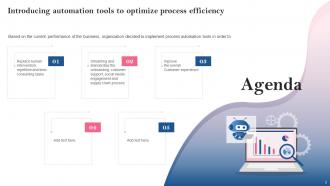
Slide 2: This slide states Agenda of the presentation.
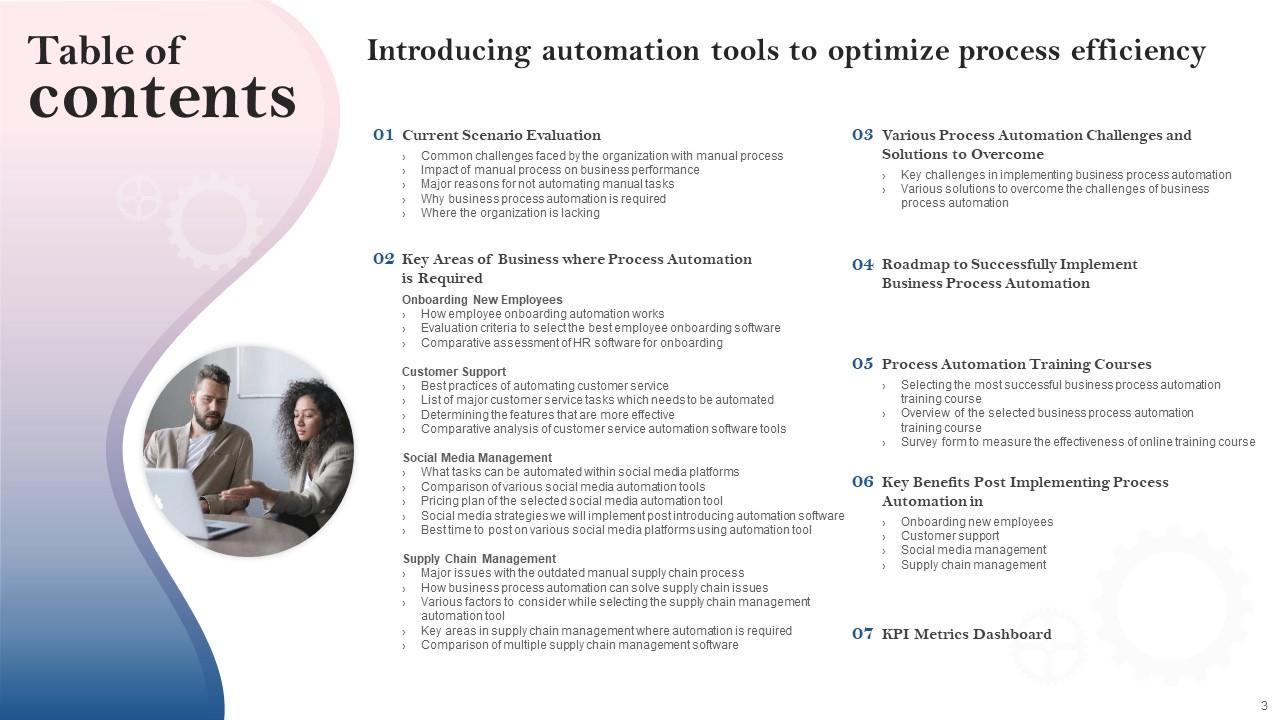
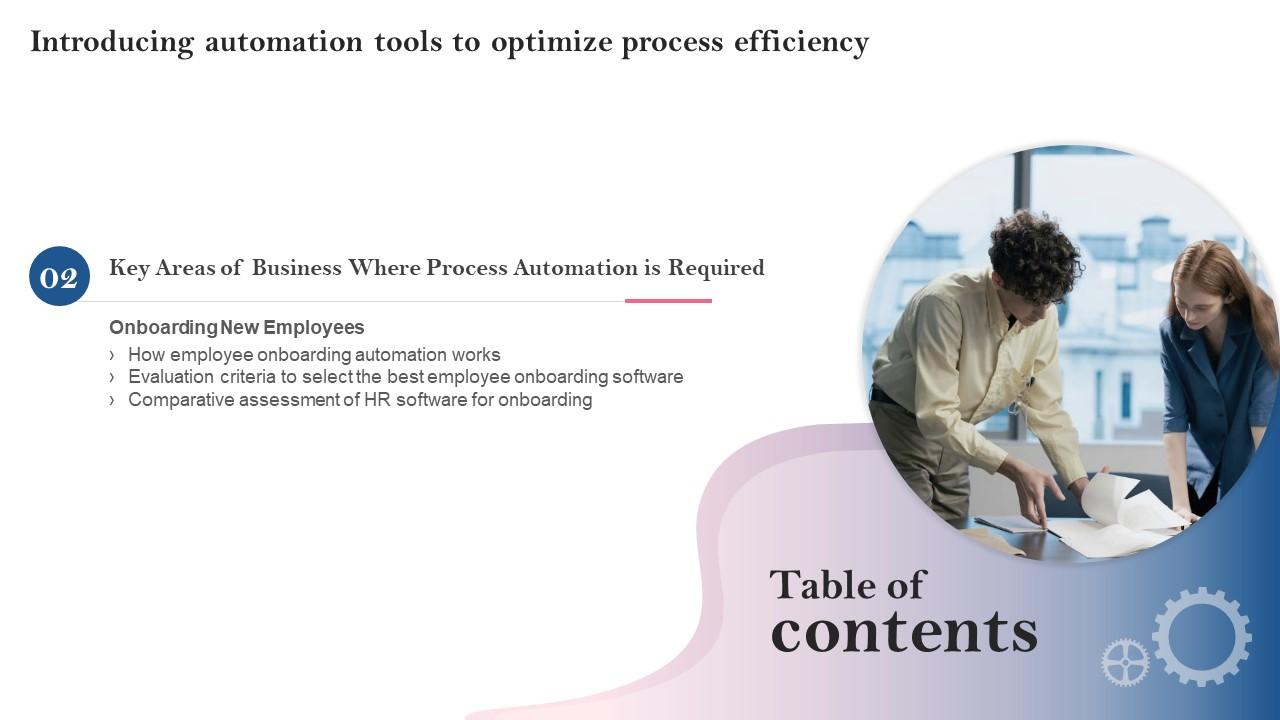
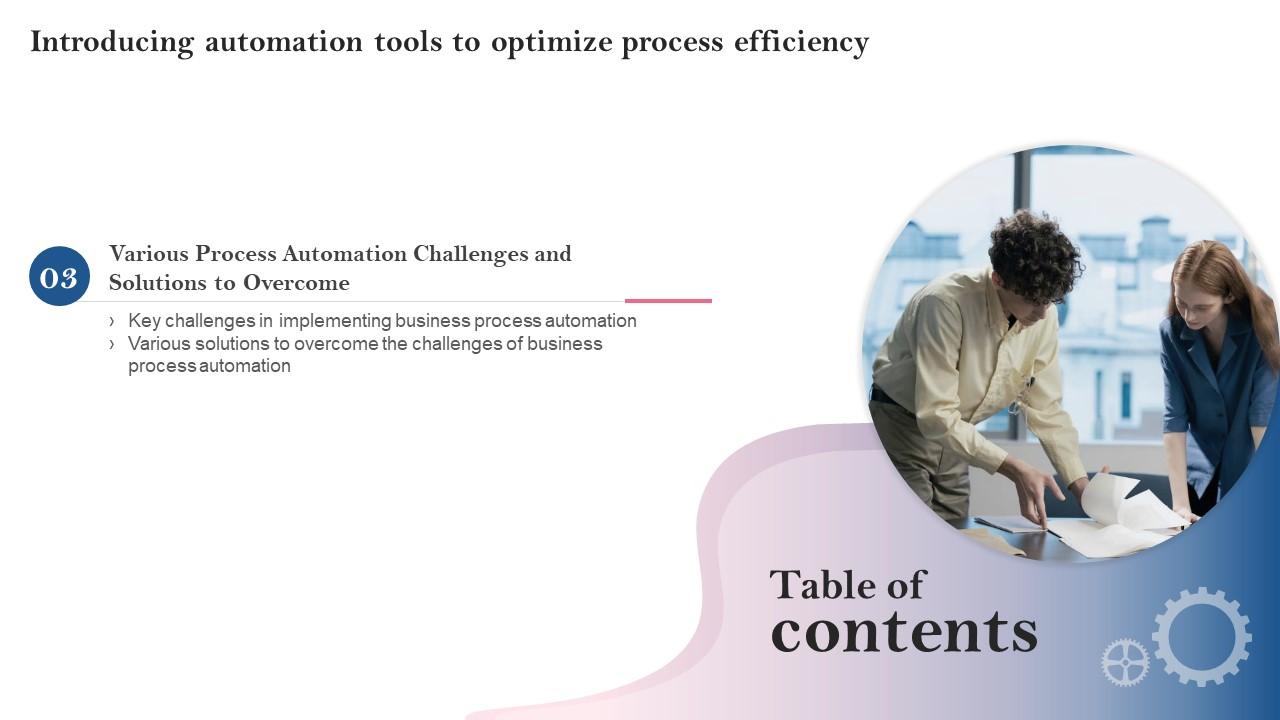
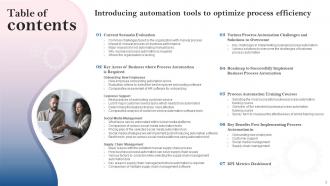
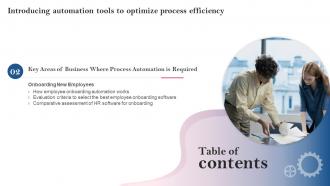
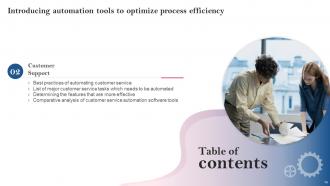
Slide 3: This slide shows Table of Content for the presentation.
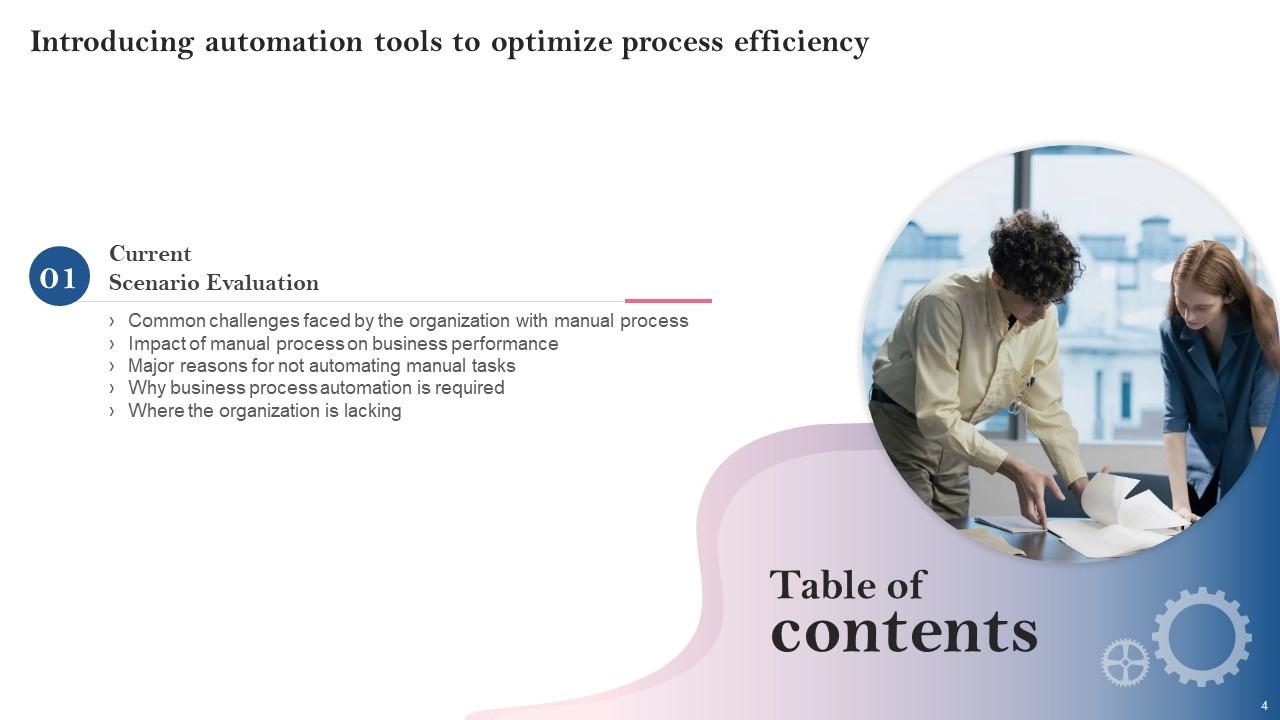
Slide 4: This slide depicts title for five topics that are to be covered next in the template.
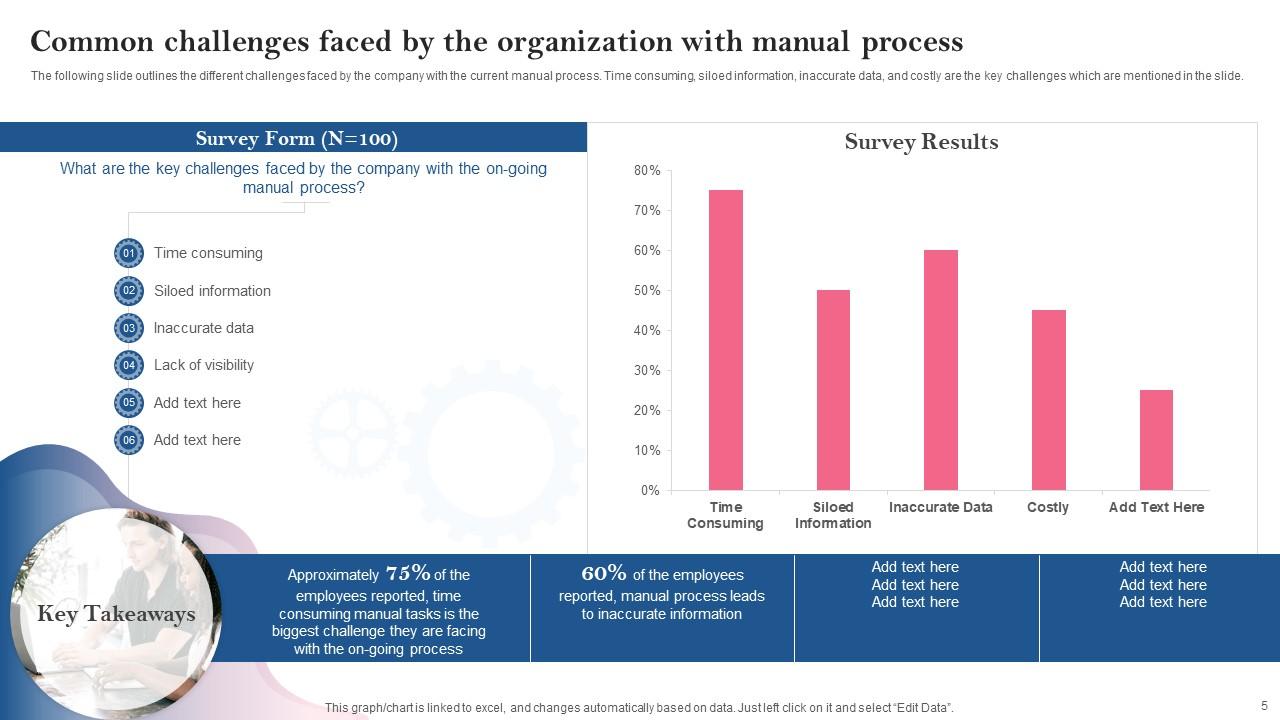
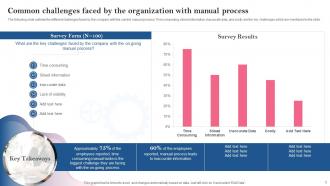
Slide 5: This slide outlines the different challenges faced by the company with the current manual process.
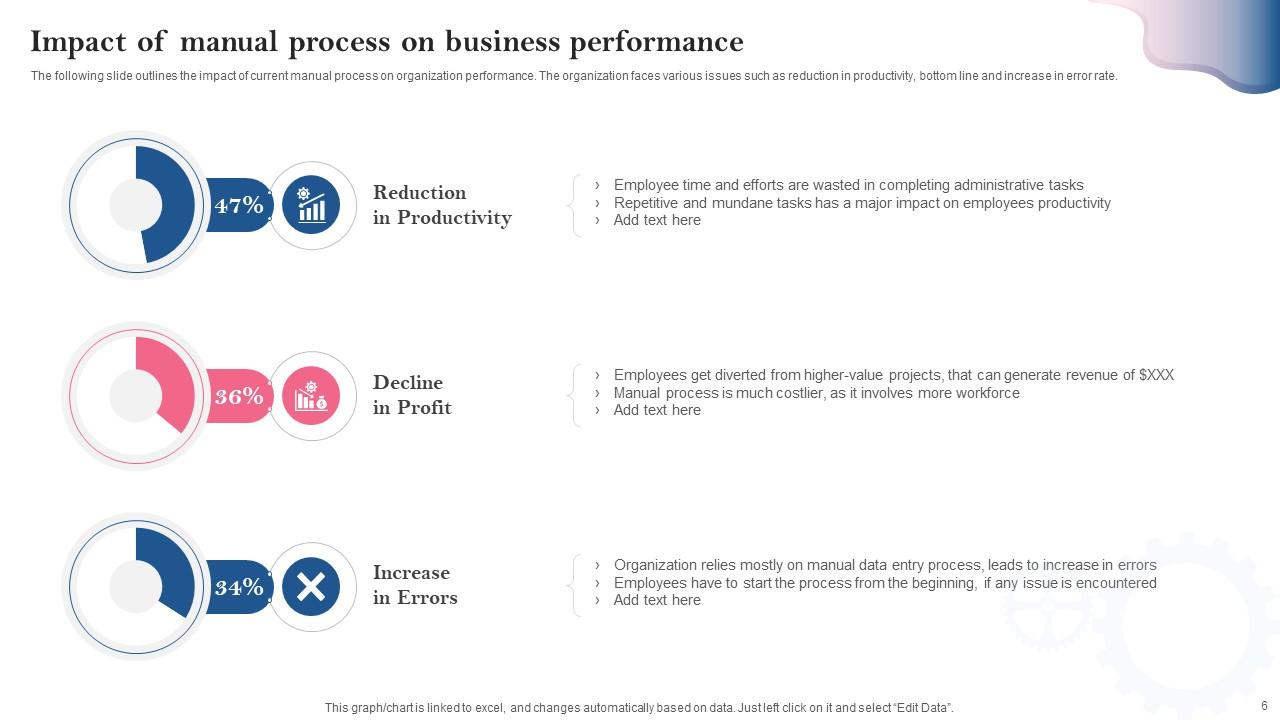
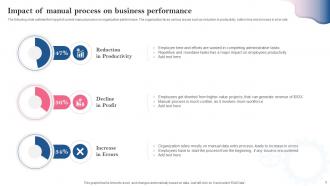
Slide 6: This slide outlines the impact of current manual process on organization performance.
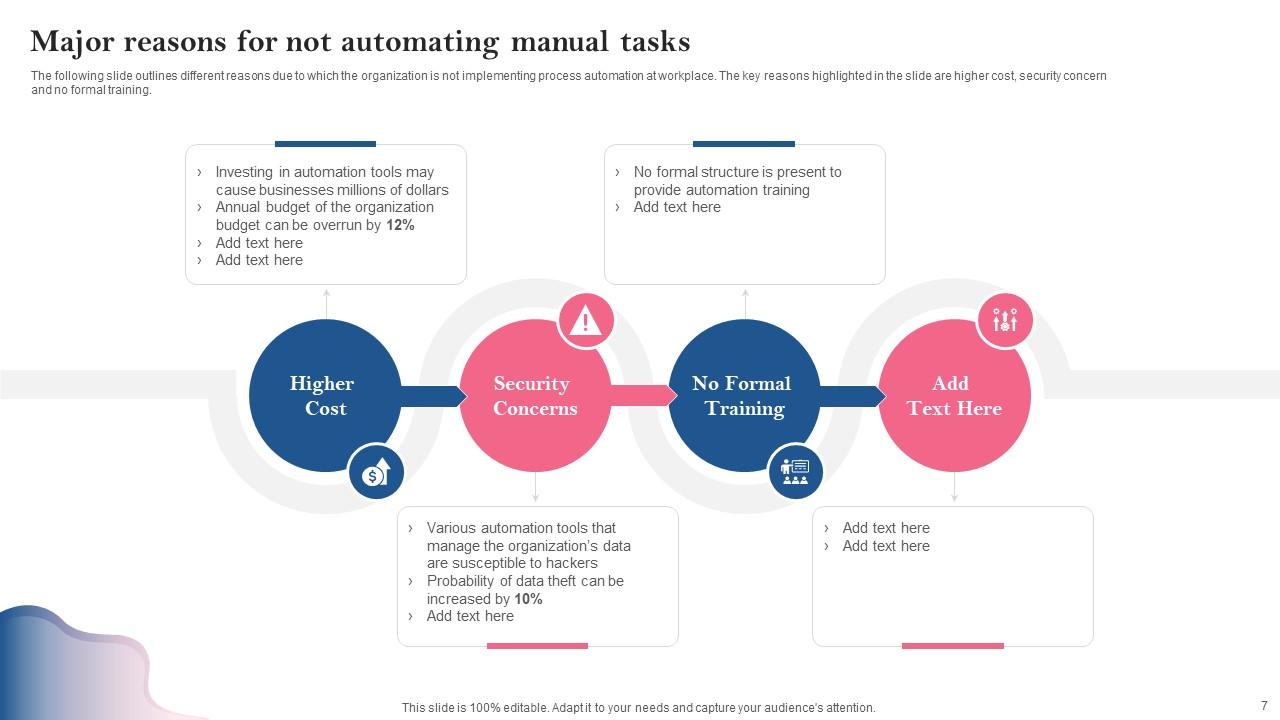
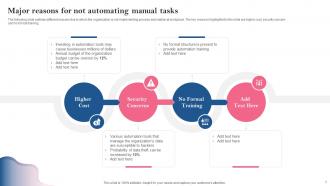
Slide 7: This slide outlines different reasons due to which the organization is not implementing process automation at workplace.
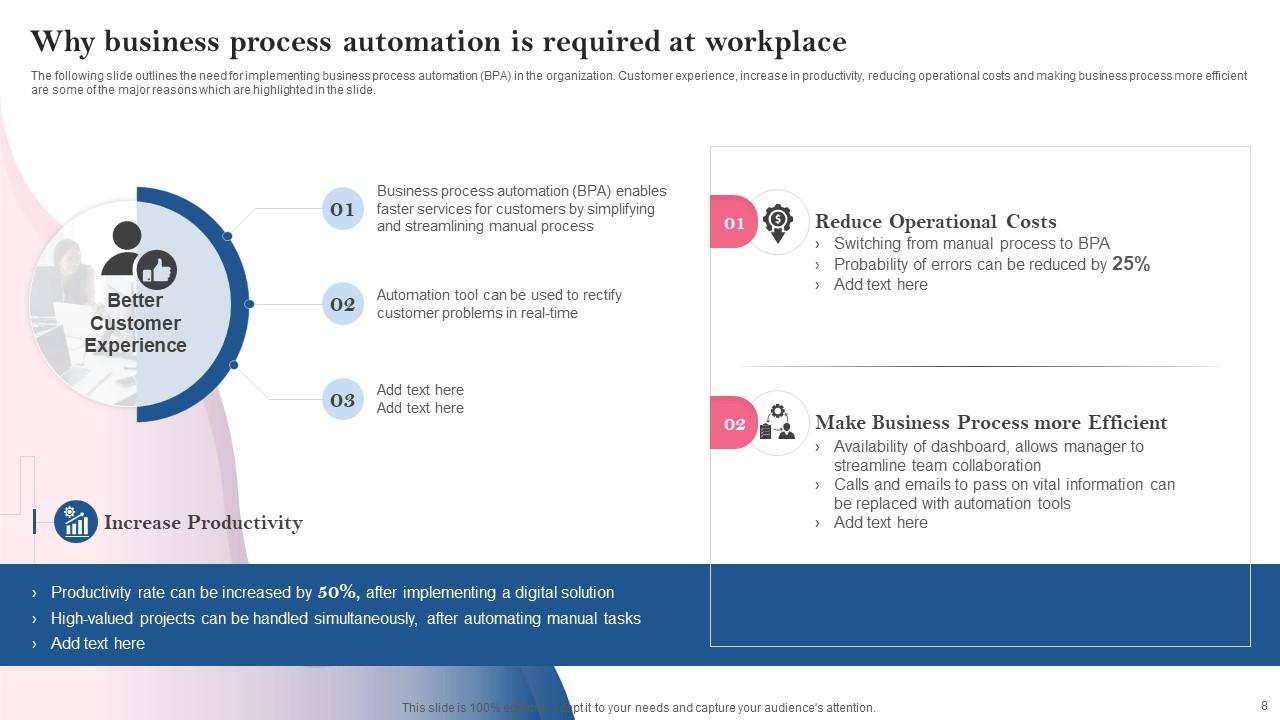
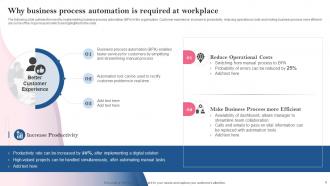
Slide 8: This slide outlines the need for implementing business process automation (BPA) in the organization.
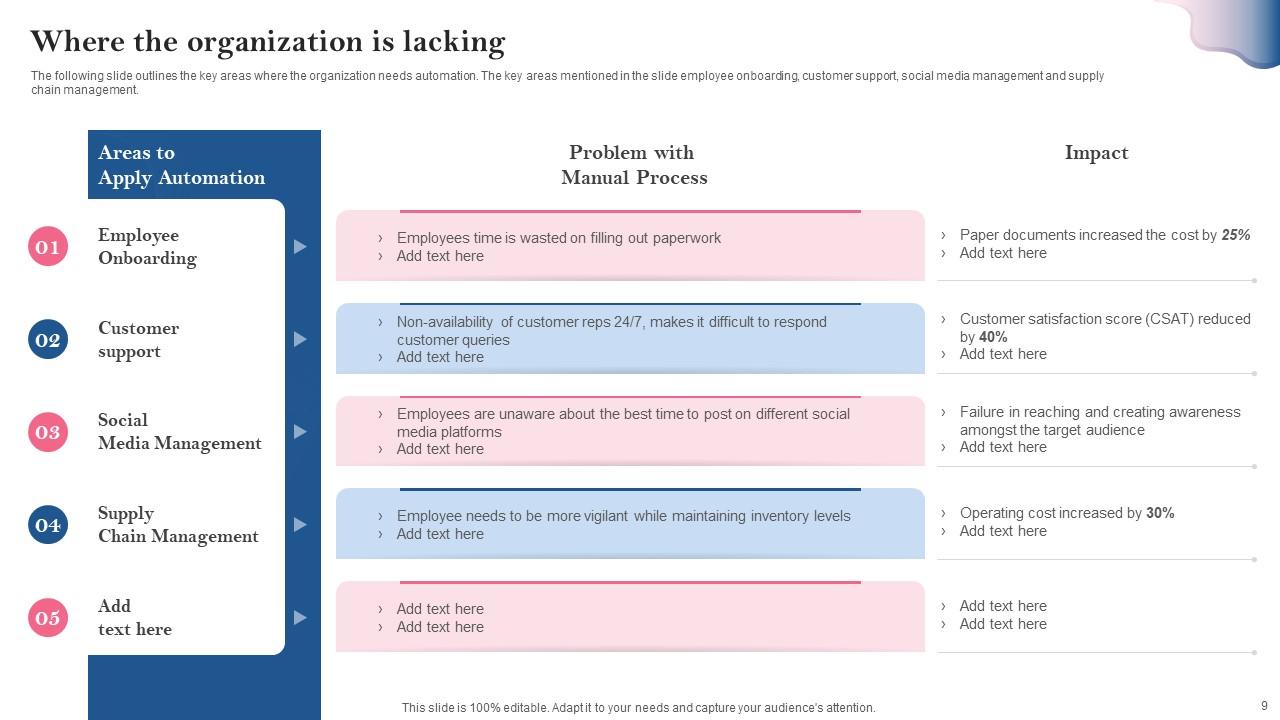
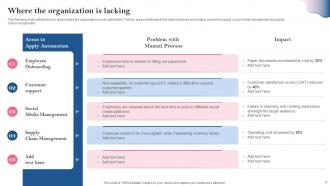
Slide 9: This slide outlines the key areas where the organization needs automation.
Slide 10: This slide depicts title for three topics that are to be covered next in the template.
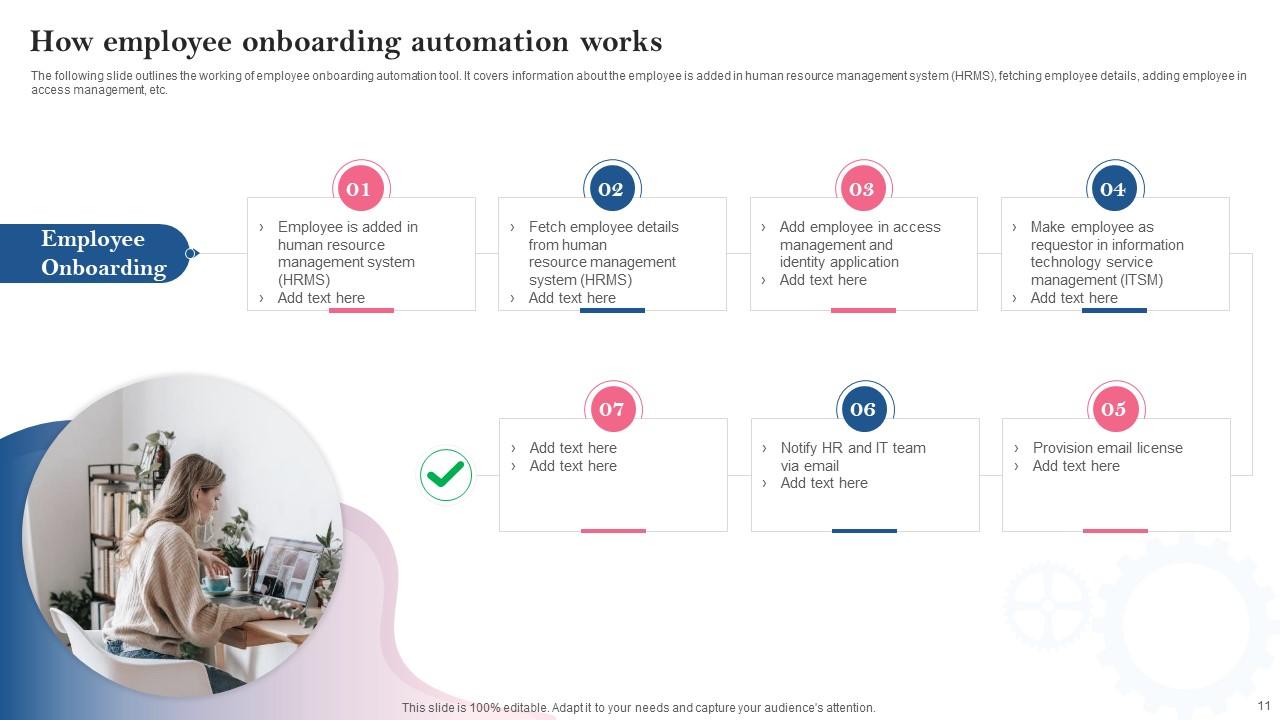
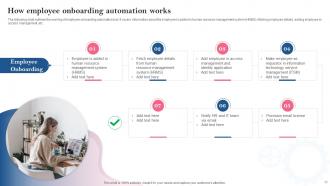
Slide 11: This slide outlines the working of employee onboarding automation tool.
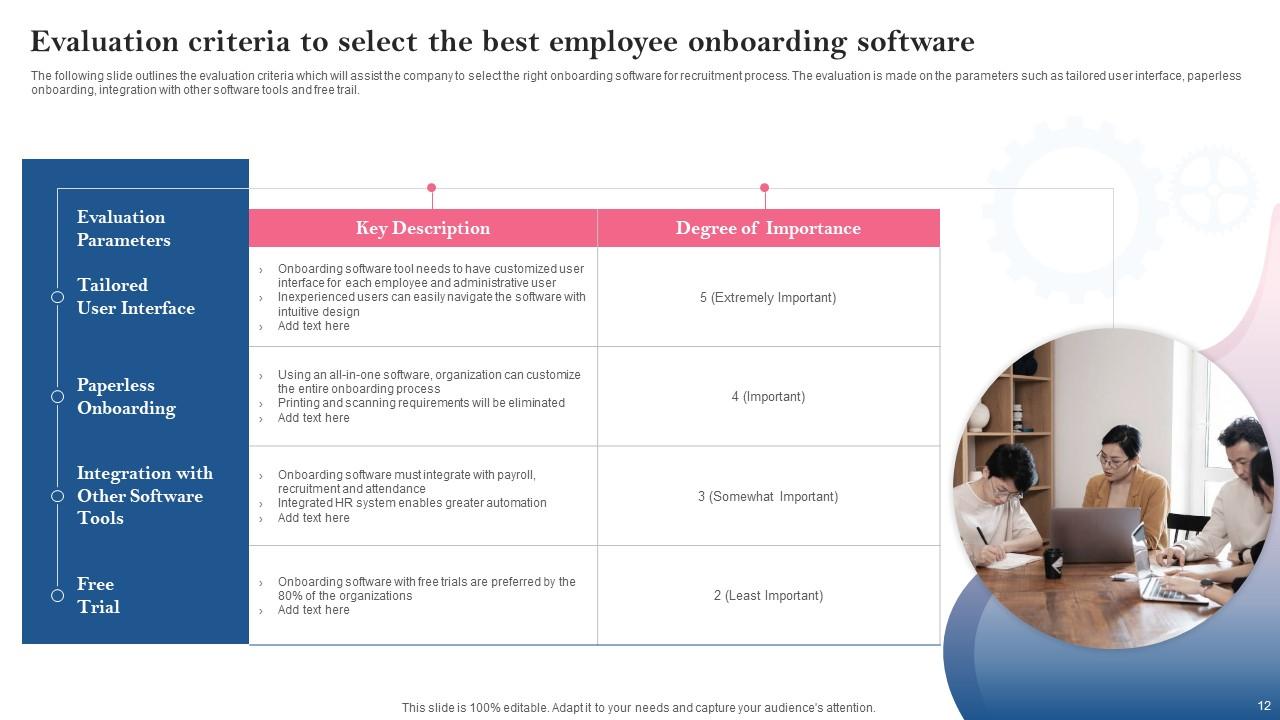
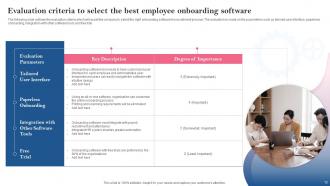
Slide 12: This slide outlines the evaluation criteria which will assist the company to select the right onboarding software for recruitment process.
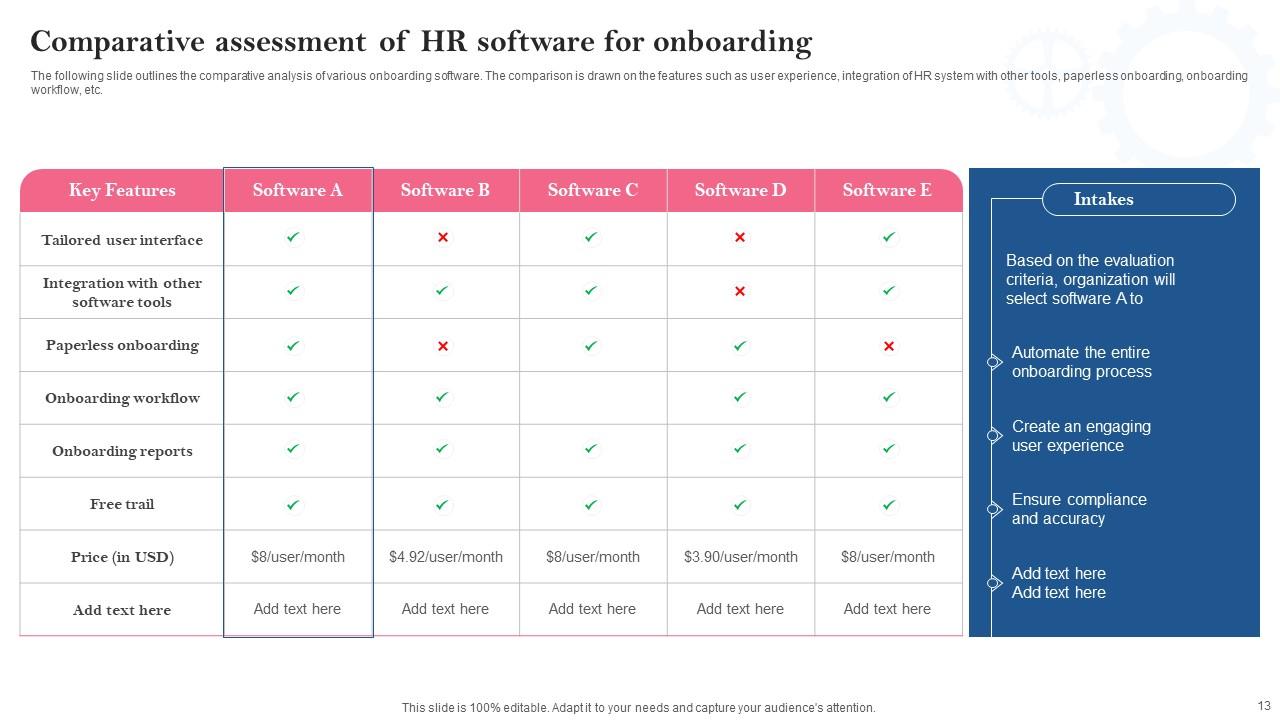
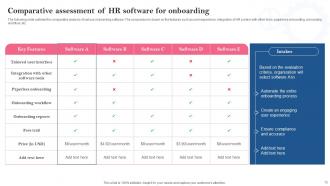
Slide 13: This slide outlines the comparative analysis of various onboarding software.
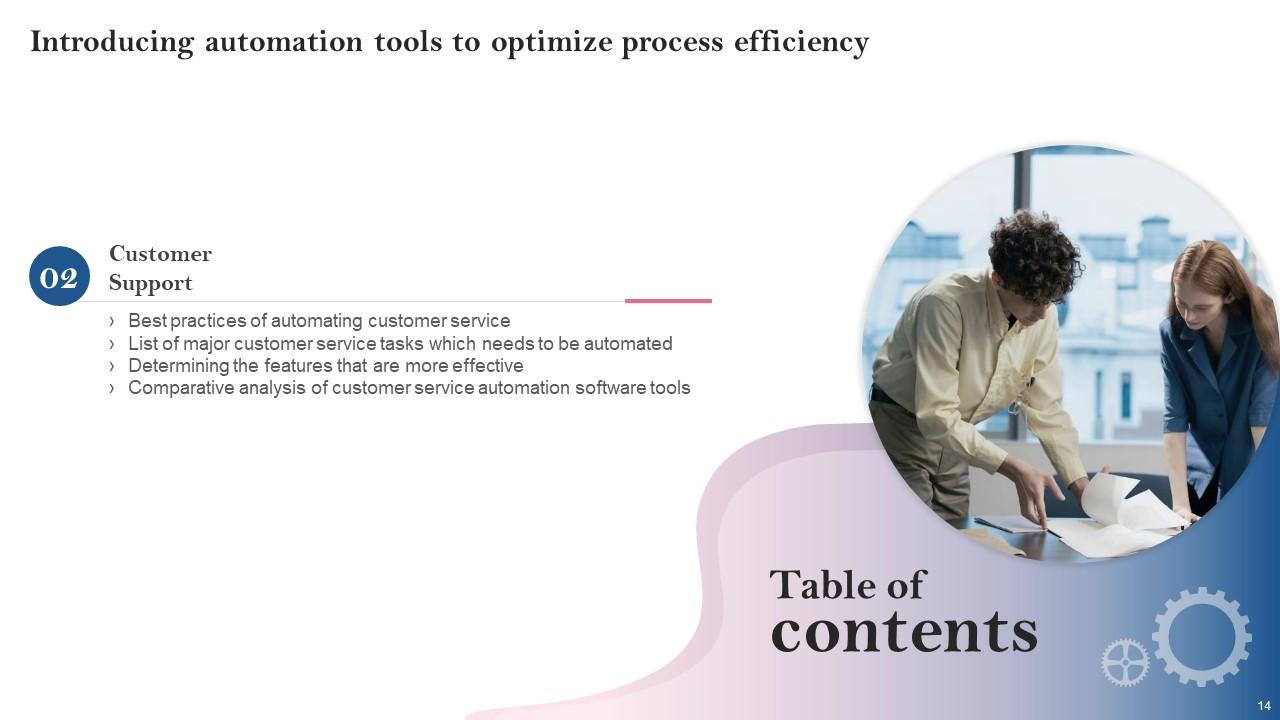
Slide 14: This slide depicts title for four topics that are to be covered next in the template.
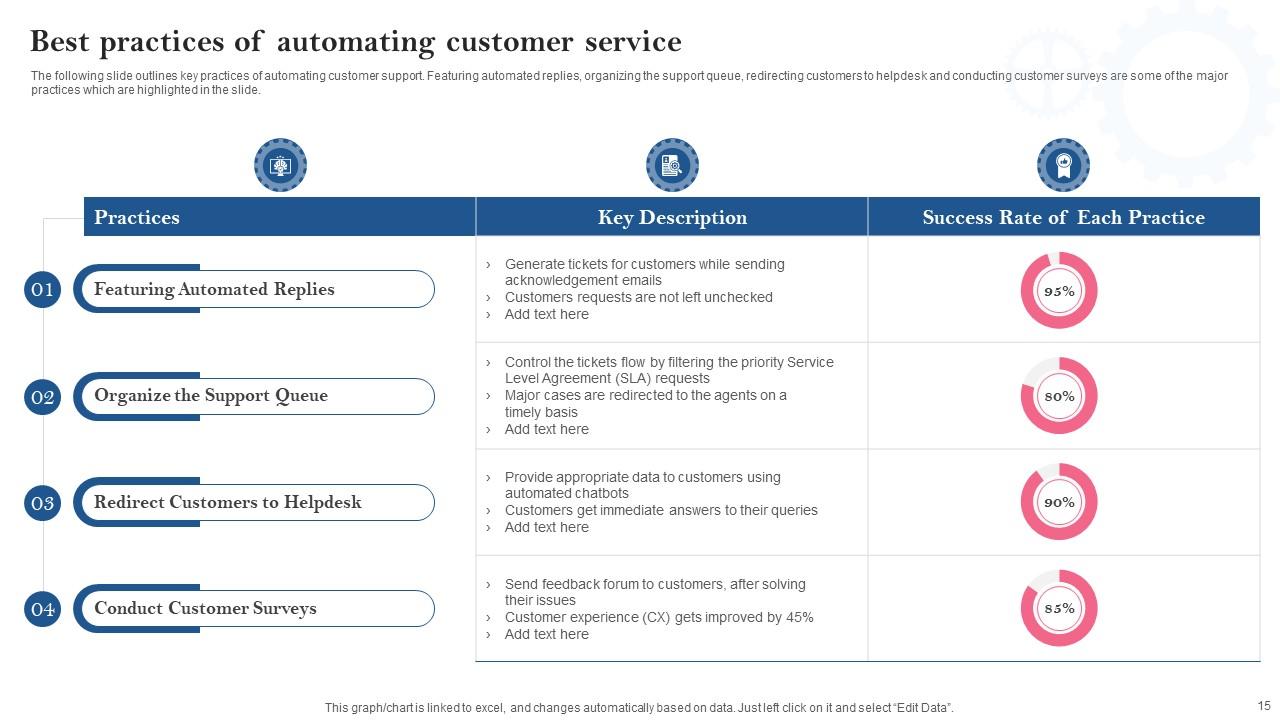
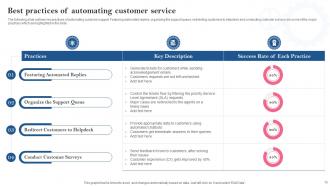
Slide 15: This slide outlines key practices of automating customer support.
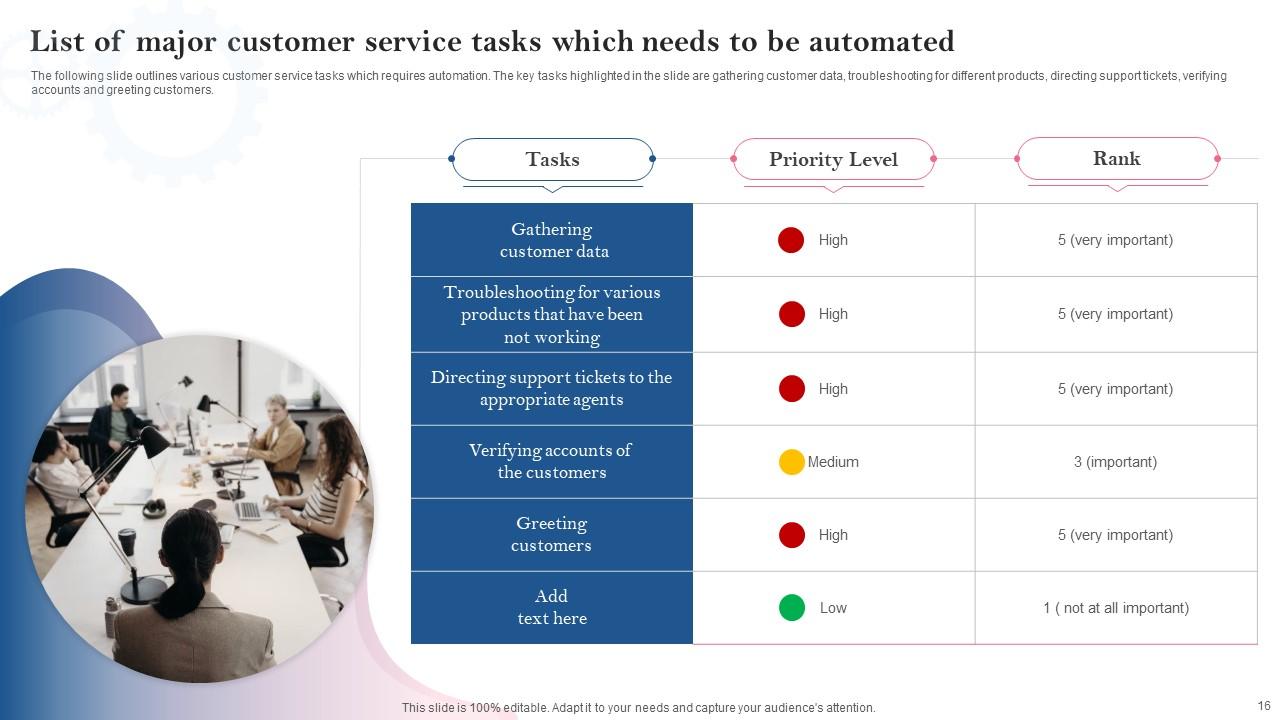
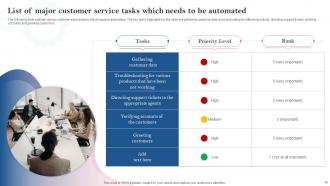
Slide 16: This slide outlines various customer service tasks which requires automation.
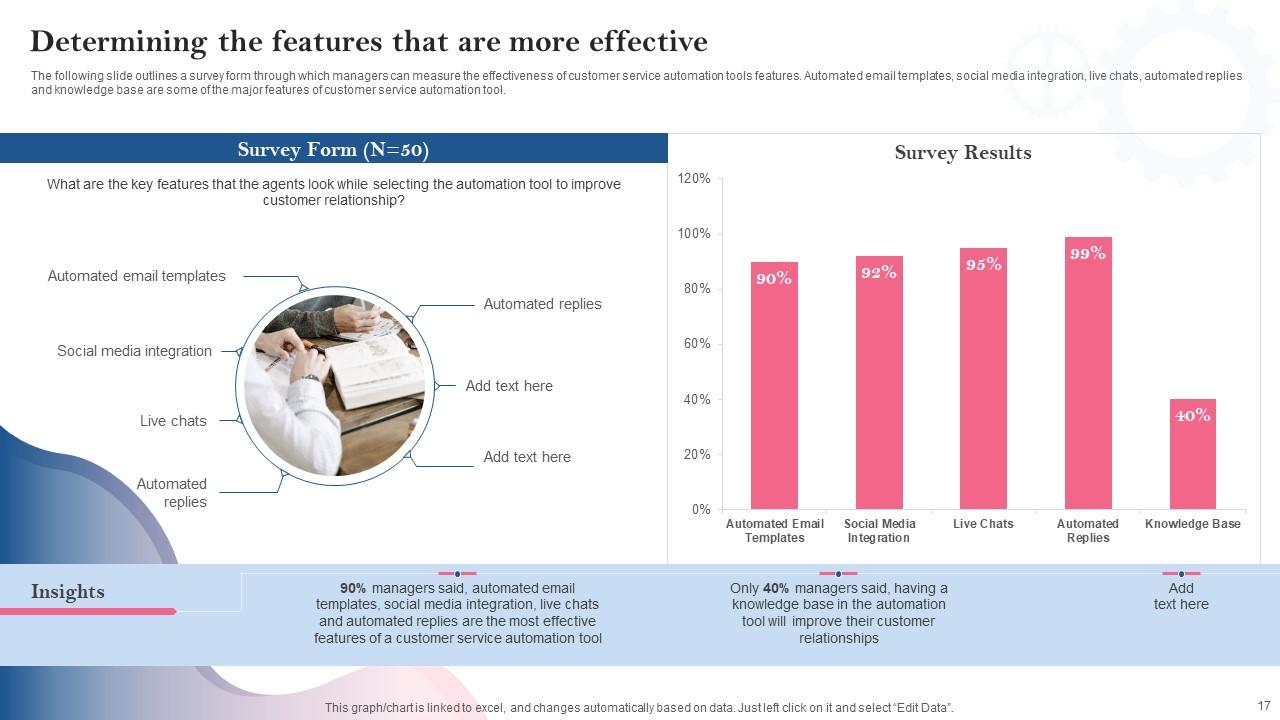
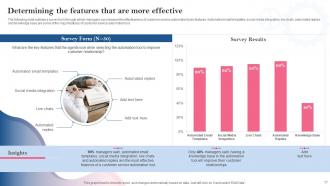
Slide 17: This slide outlines a survey form through which managers can measure the effectiveness of customer service automation tools features.
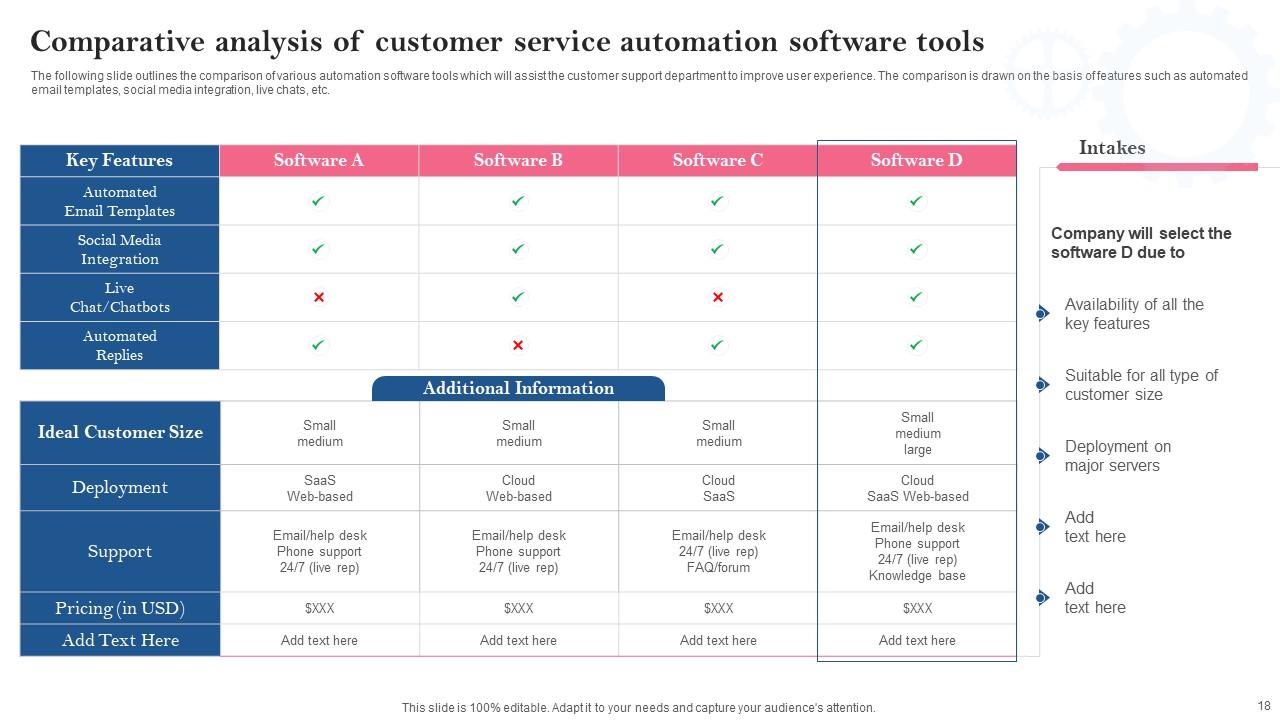
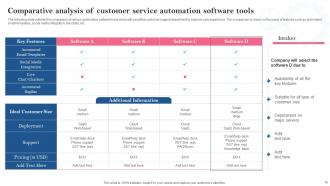
Slide 18: This slide outlines the comparison of various automation software tools which will assist the customer support department to improve user experience.
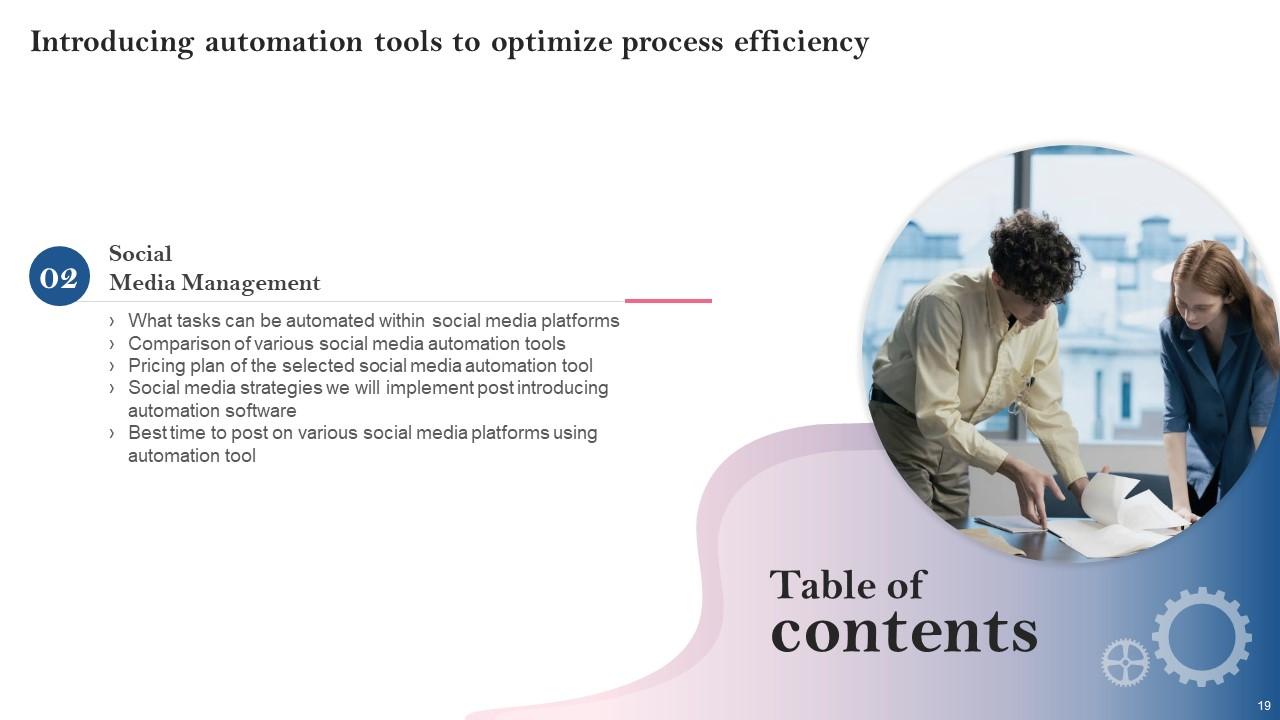
Slide 19: This slide depicts title for five topics that are to be covered next in the template.
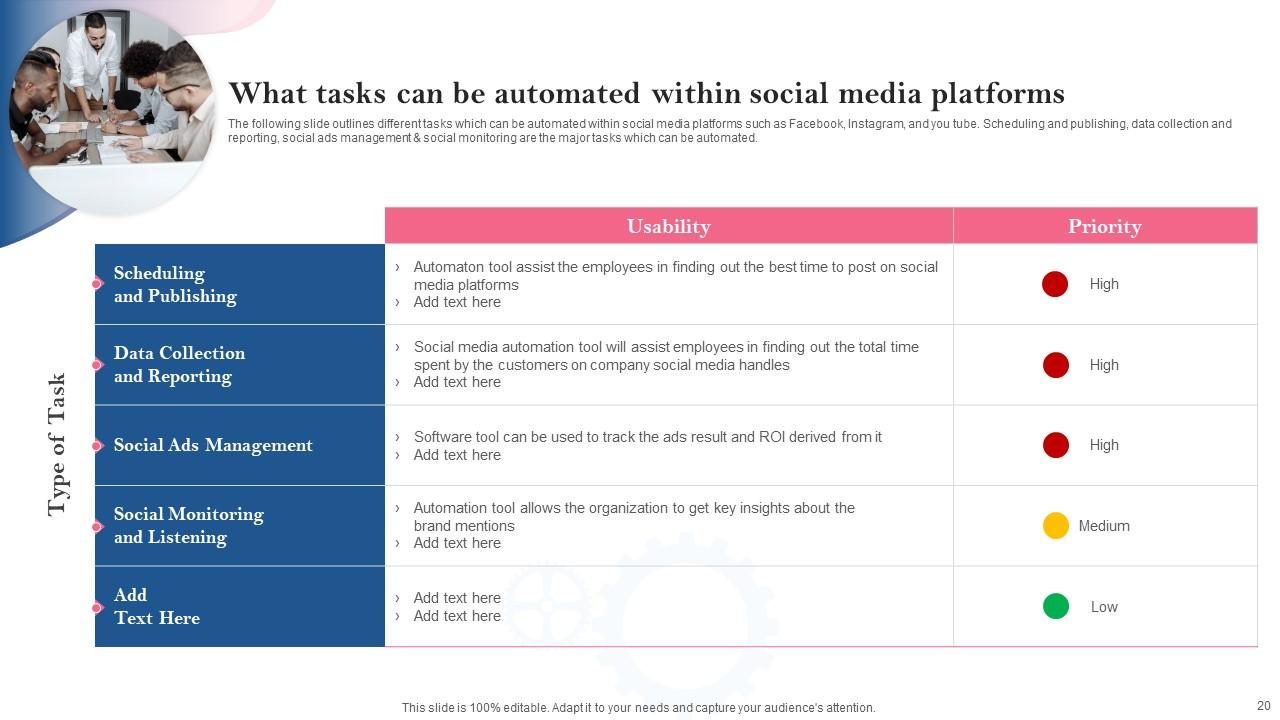
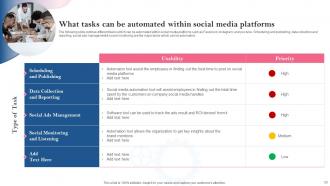
Slide 20: This slide outlines different tasks which can be automated within social media platforms such as facebook, instagram, and youtube.
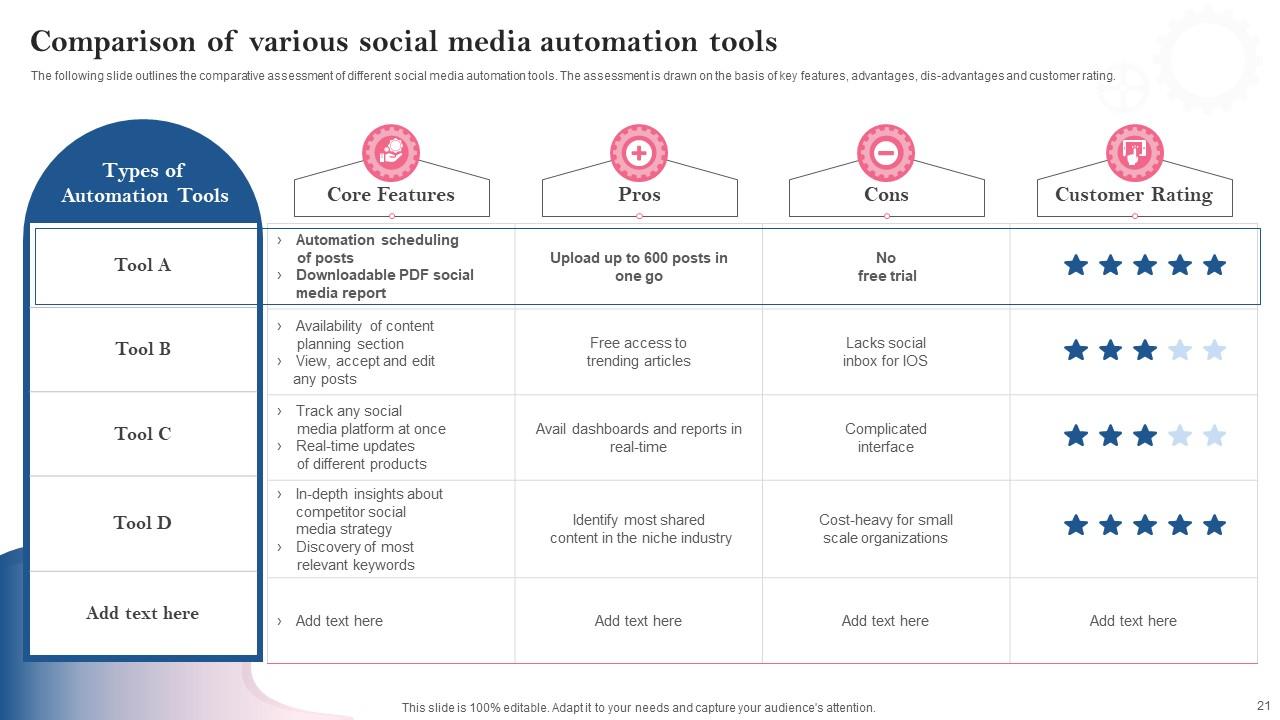
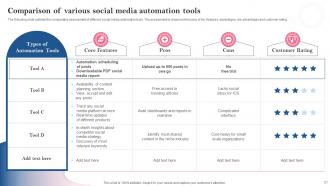
Slide 21: This slide outlines the comparative assessment of different social media automation tools.
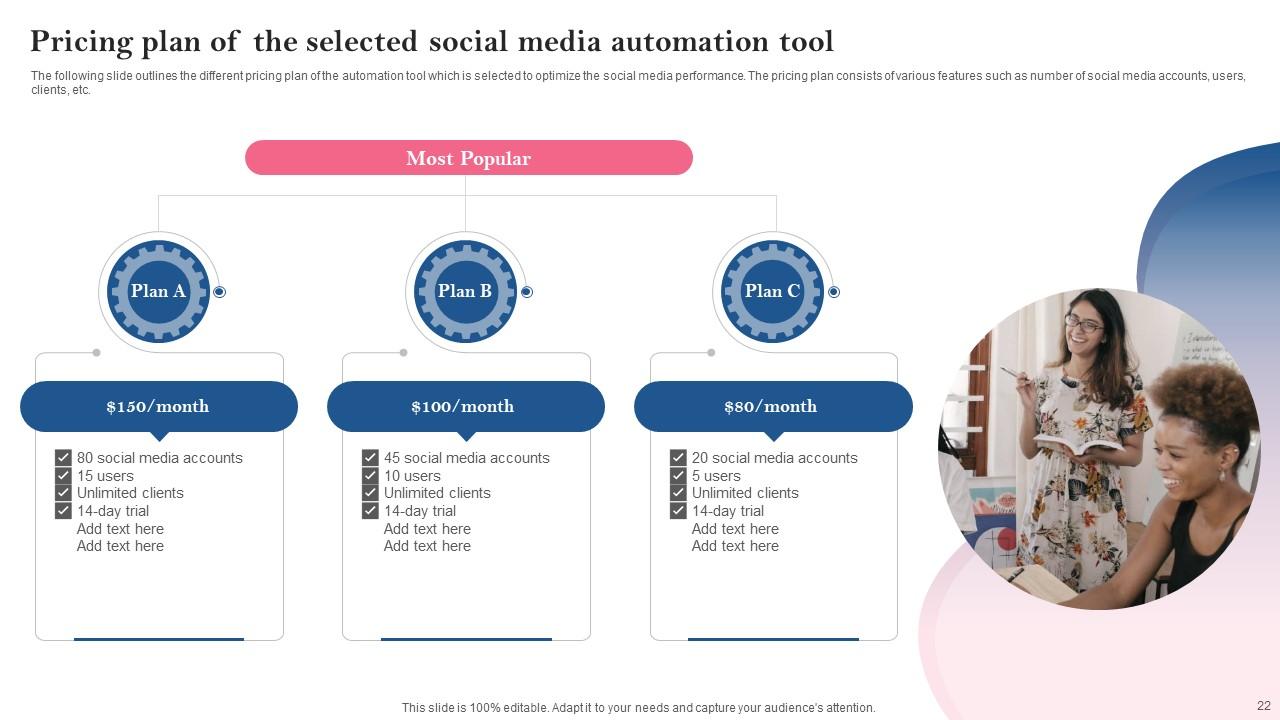
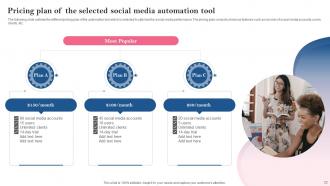
Slide 22: This slide outlines the different pricing plan of the automation tool which is selected to optimize the social media performance.
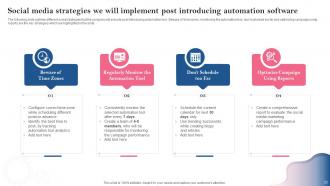
Slide 23: This slide outlines different social strategies that the company will execute post introducing automation tool.
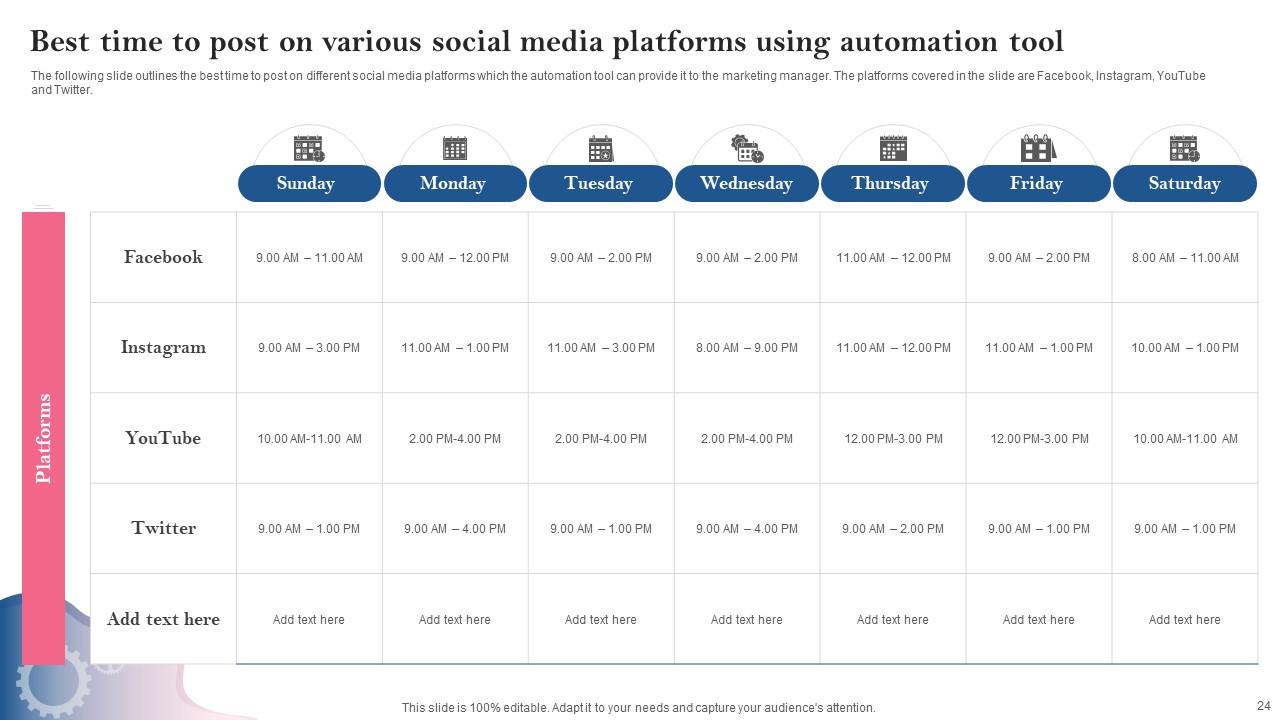
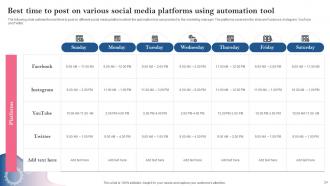
Slide 24: This slide outlines the best time to post on different social media platforms which the automation tool can provide it to the marketing manager.
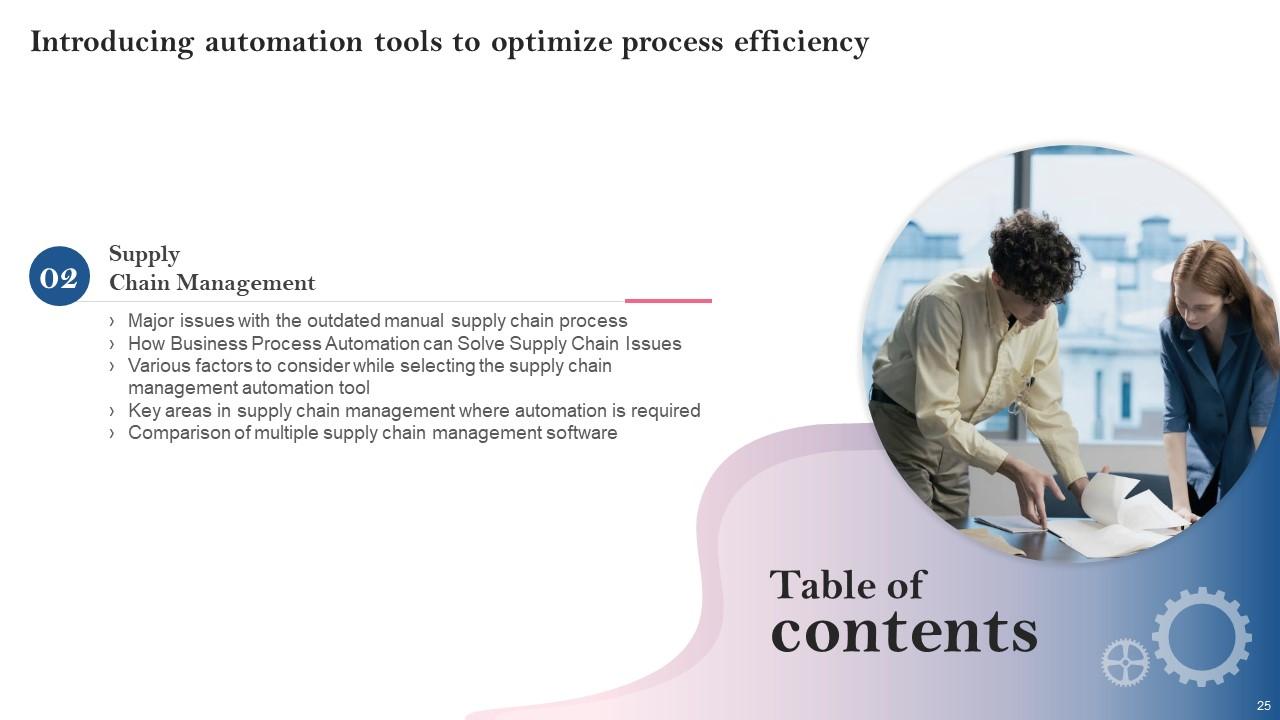
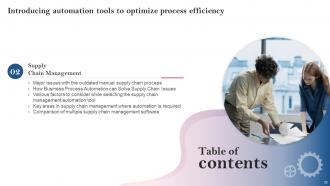
Slide 25: This slide depicts title for five topics that are to be covered next in the template.
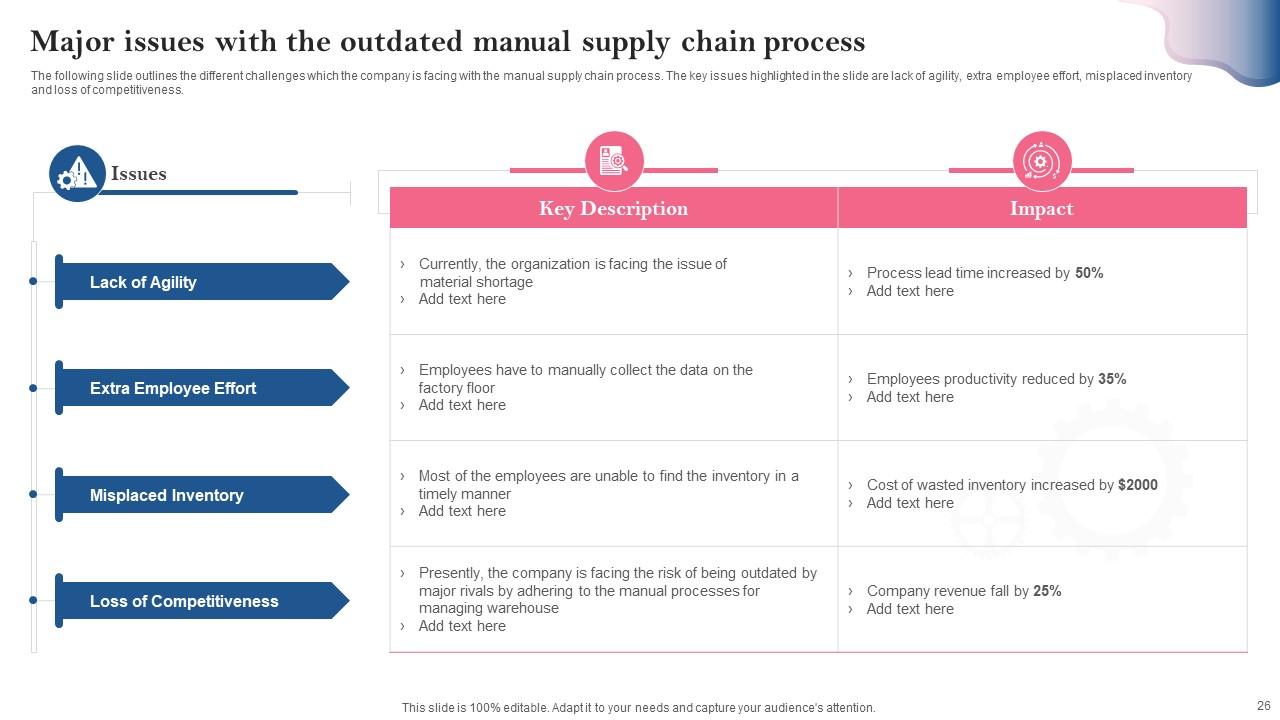
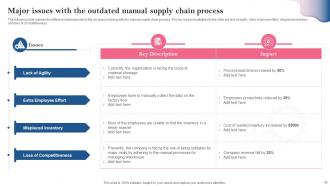
Slide 26: This slide outlines the different challenges which the company is facing with the manual supply chain process.
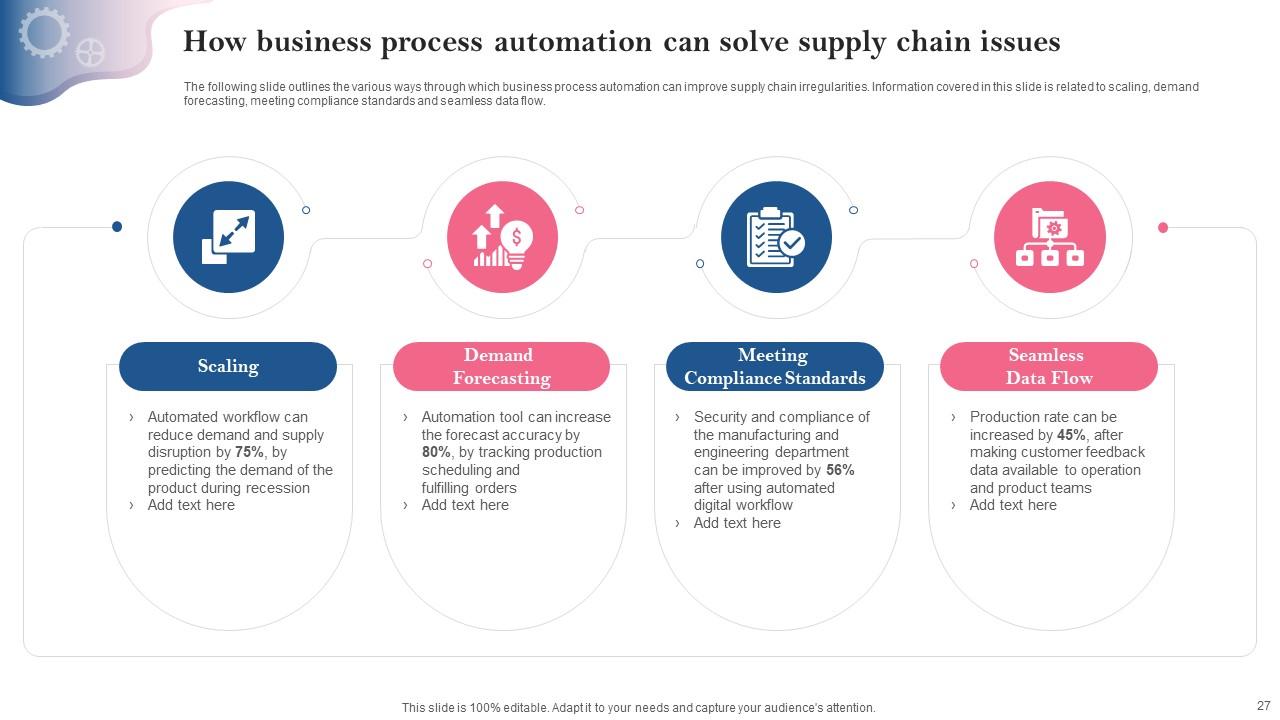
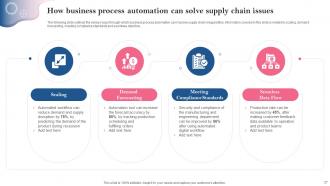
Slide 27: This slide outlines the various ways through which business process automation can improve supply chain irregularities.
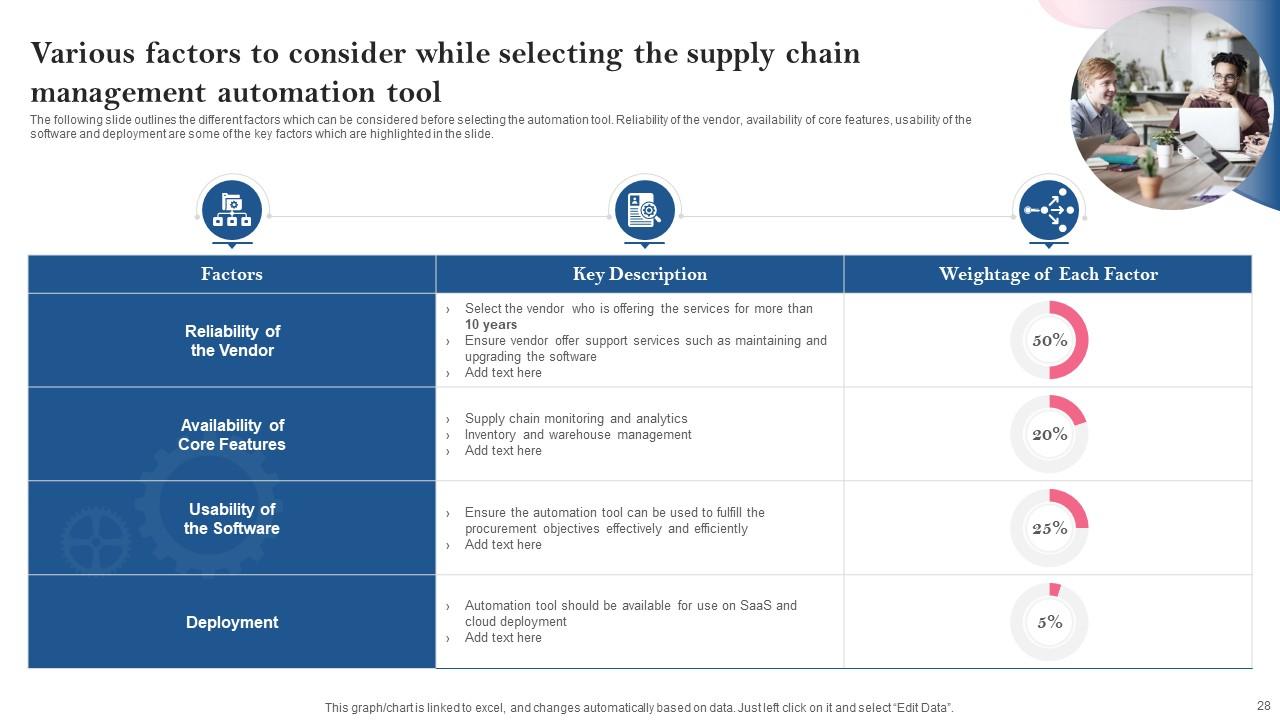
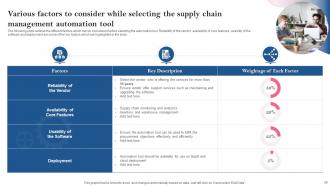
Slide 28: This slide outlines the different factors which can be considered before selecting the automation tool.
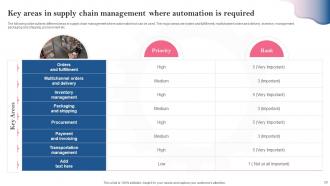
Slide 29: This slide outlines different areas in supply chain management where automation tool can be used.
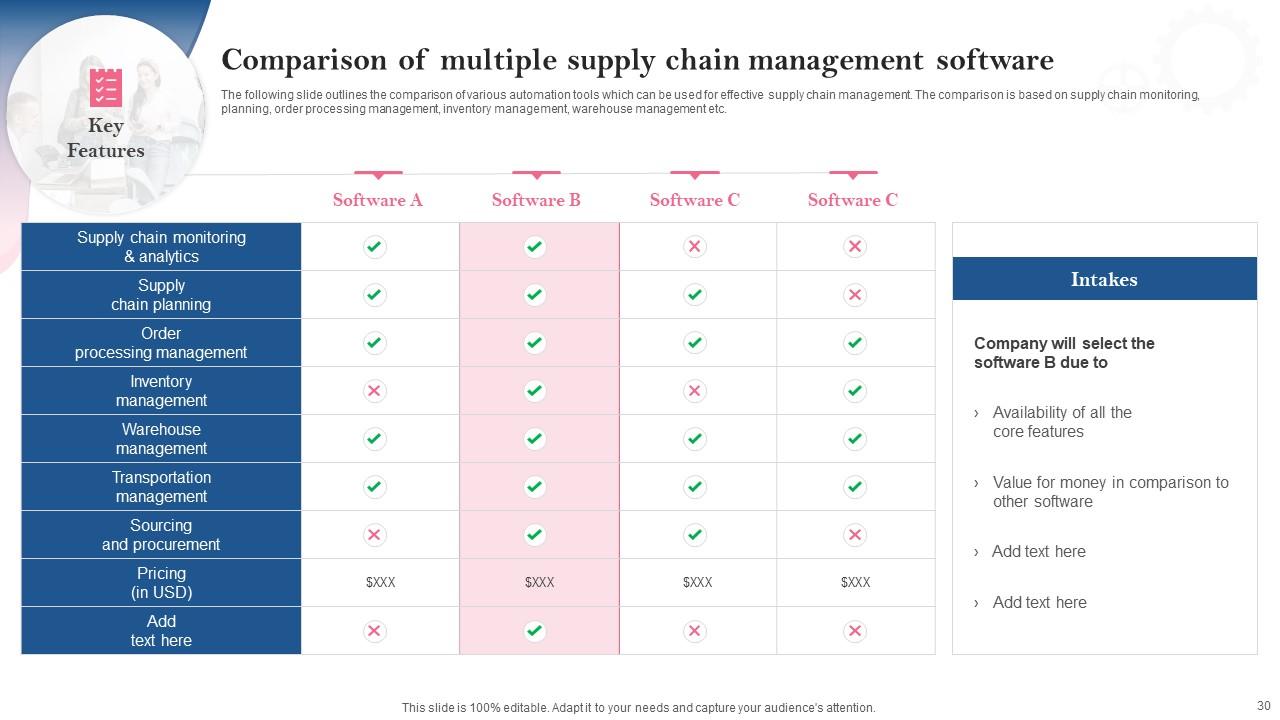
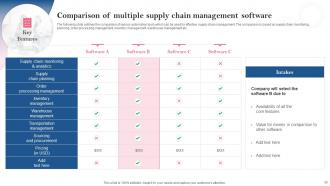
Slide 30: This slide outlines the comparison of various automation tools which can be used for effective supply chain management.
Slide 31: This slide depicts title for two topics that are to be covered next in the template.
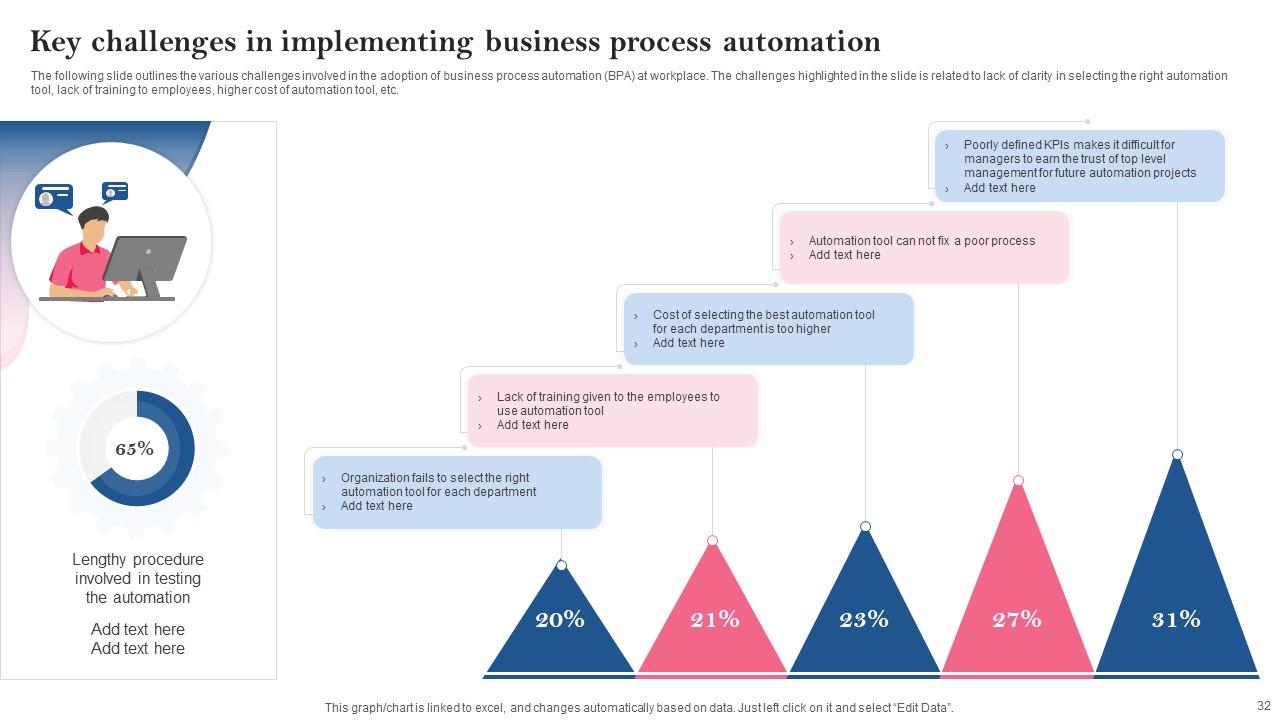
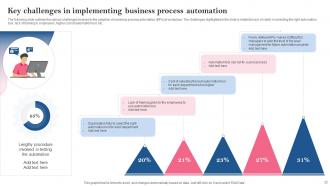
Slide 32: This slide outlines the various challenges involved in the adoption of business process automation (BPA) at workplace.
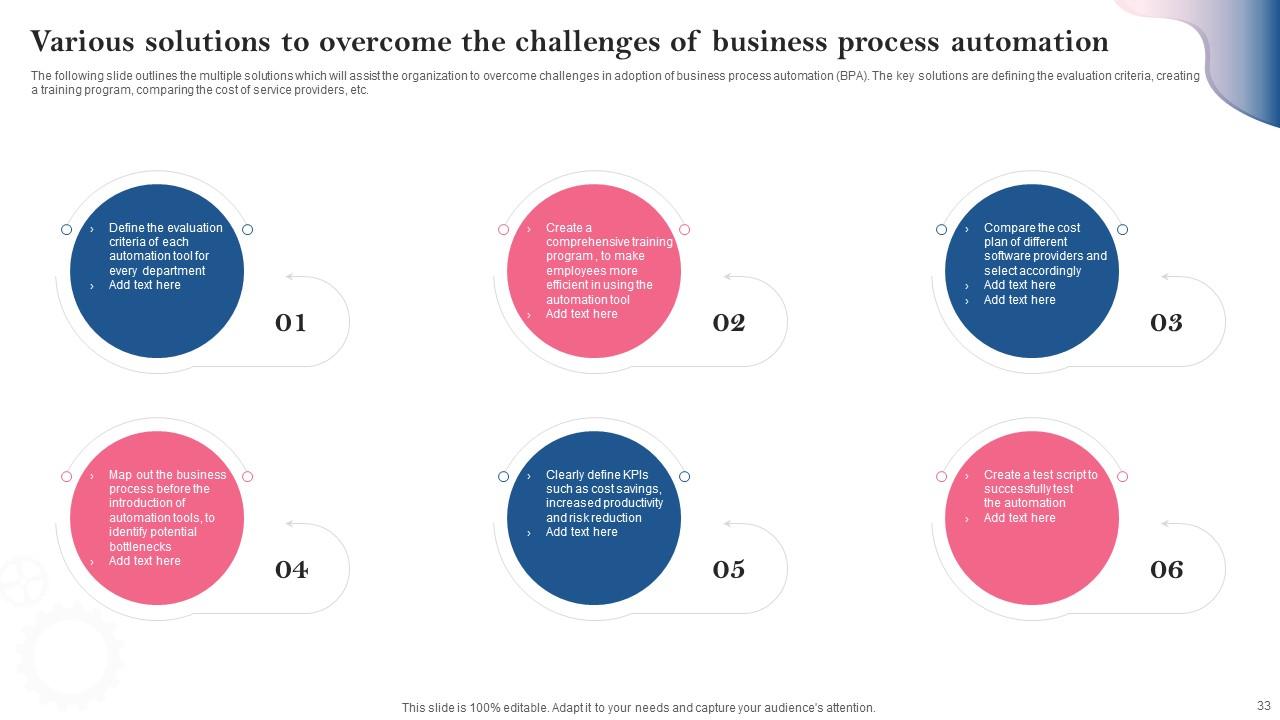
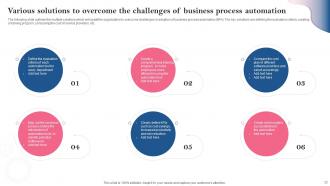
Slide 33: This slide outlines the multiple solutions which will assist the organization to overcome challenges in adoption of business process automation (BPA).
Slide 34: This slide depicts title for the topic that are to be covered next in the template.
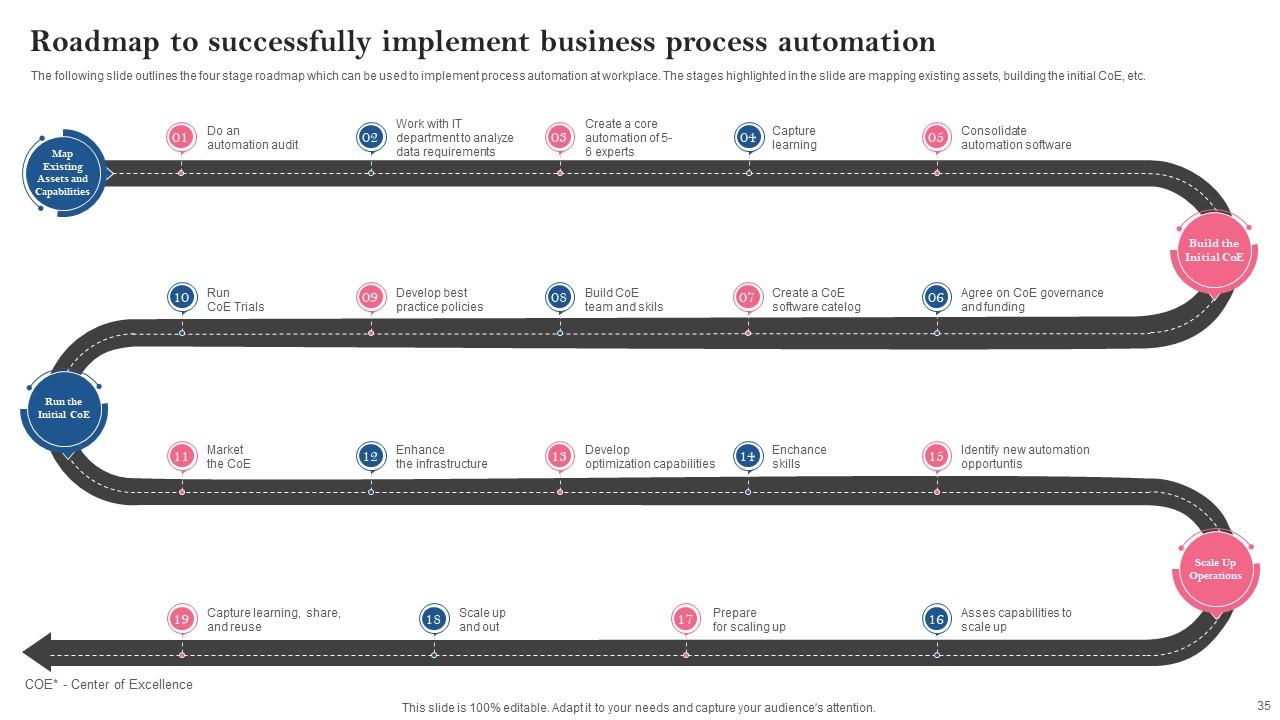
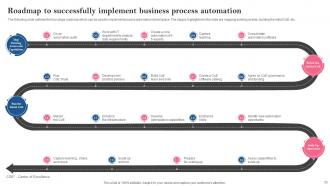
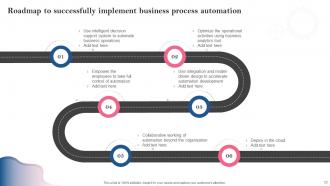
Slide 35: This slide outlines the four stage roadmap which can be used to implement process automation at workplace.
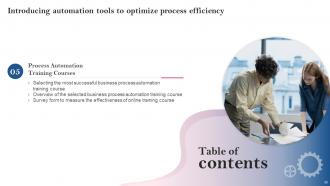
Slide 36: This slide depicts title for three topics that are to be covered next in the template.
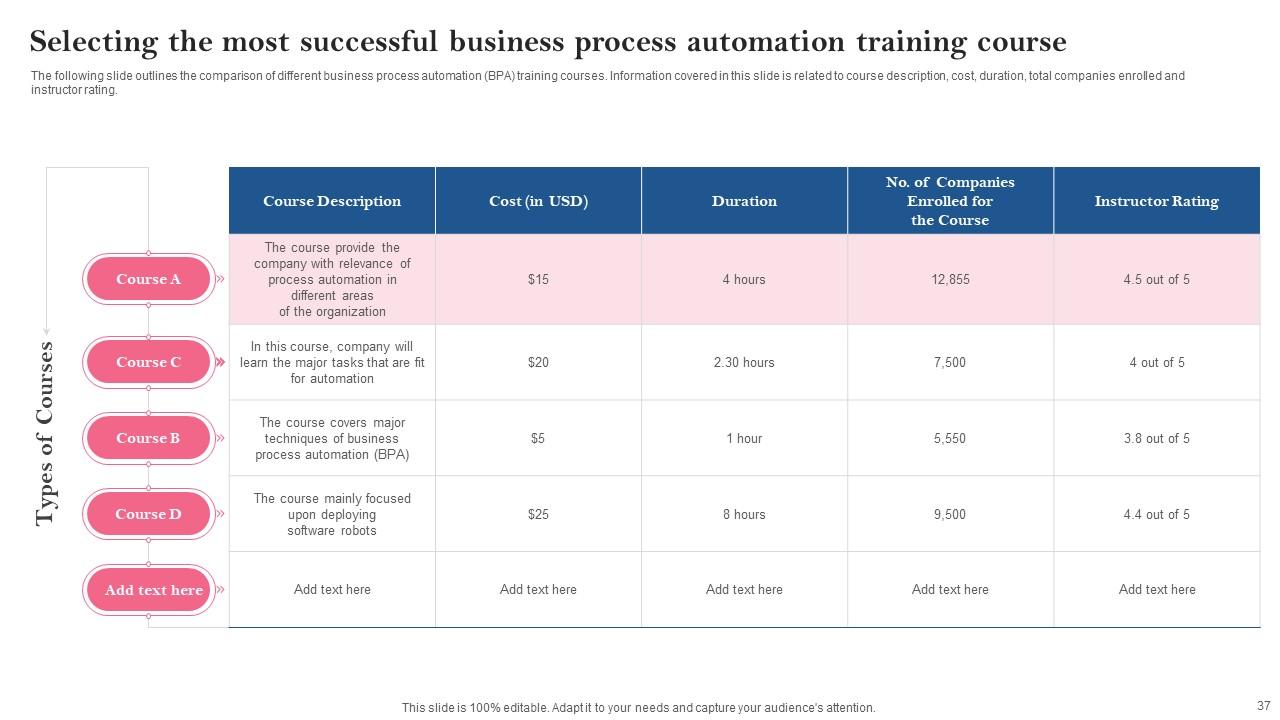
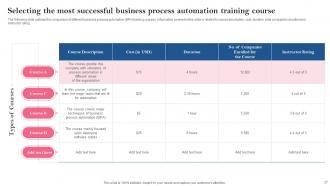
Slide 37: This slide outlines the comparison of different business process automation (BPA) training courses.
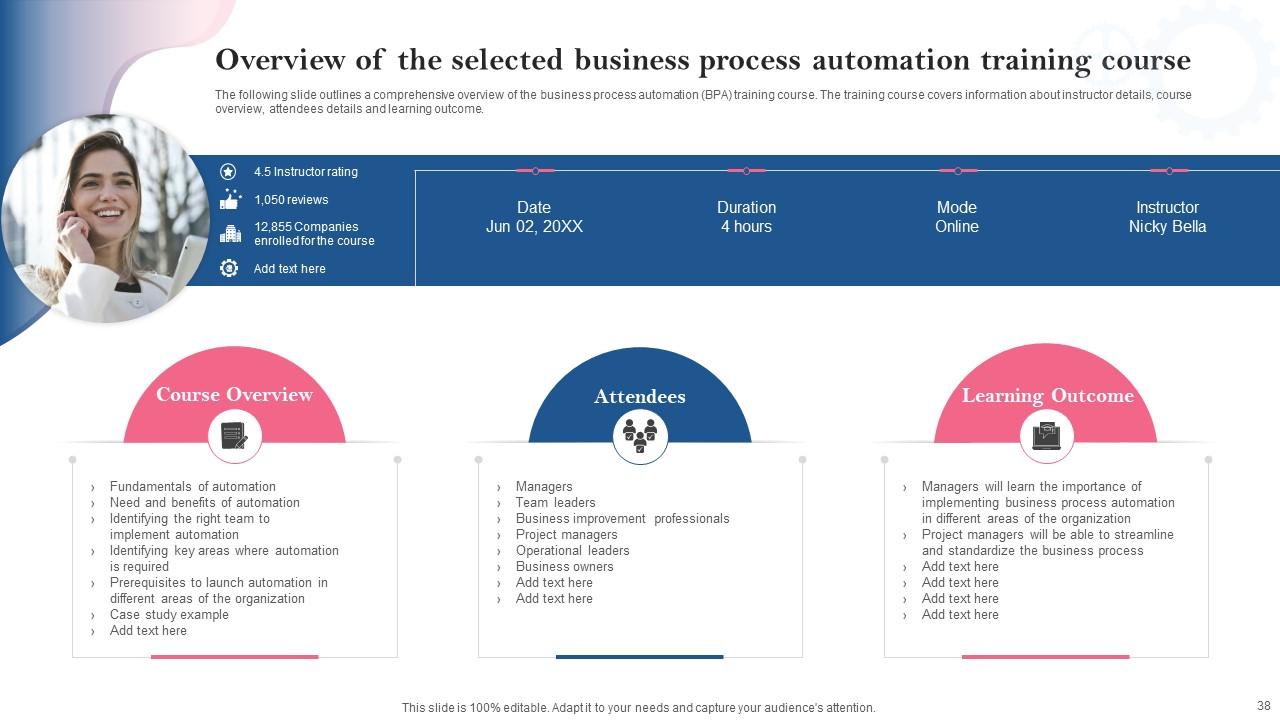
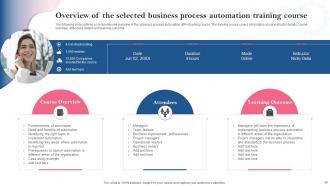
Slide 38: This slide outlines a comprehensive overview of the business process automation (BPA) training course.
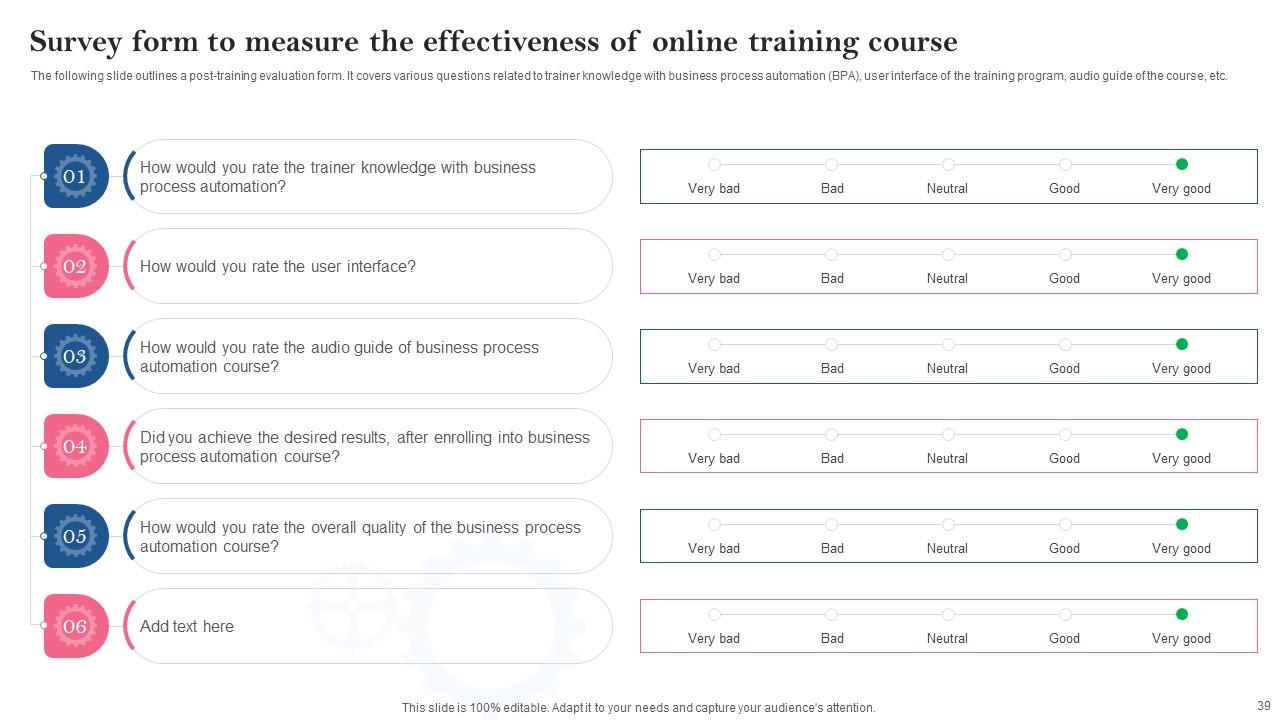
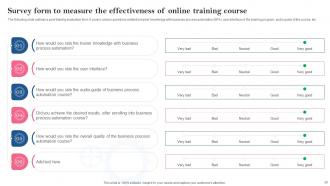
Slide 39: This slide outlines a post-training evaluation form.
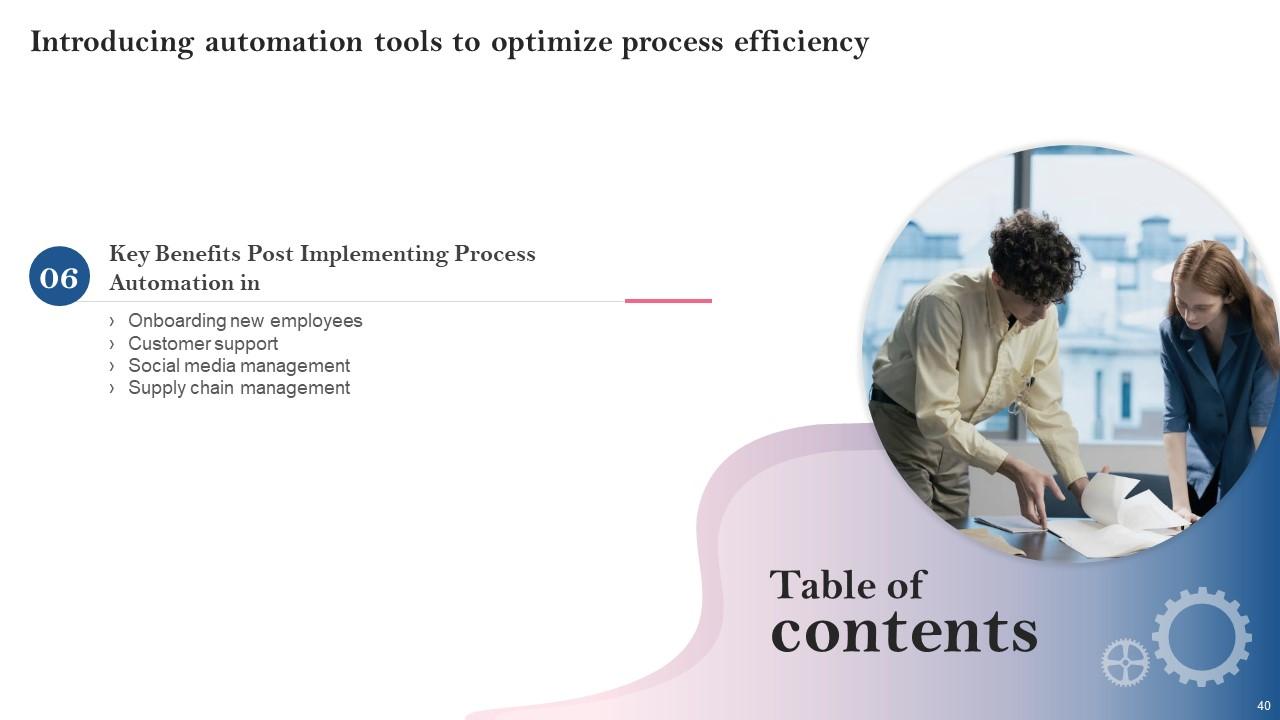
Slide 40: This slide depicts title for four topics that are to be covered next in the template.
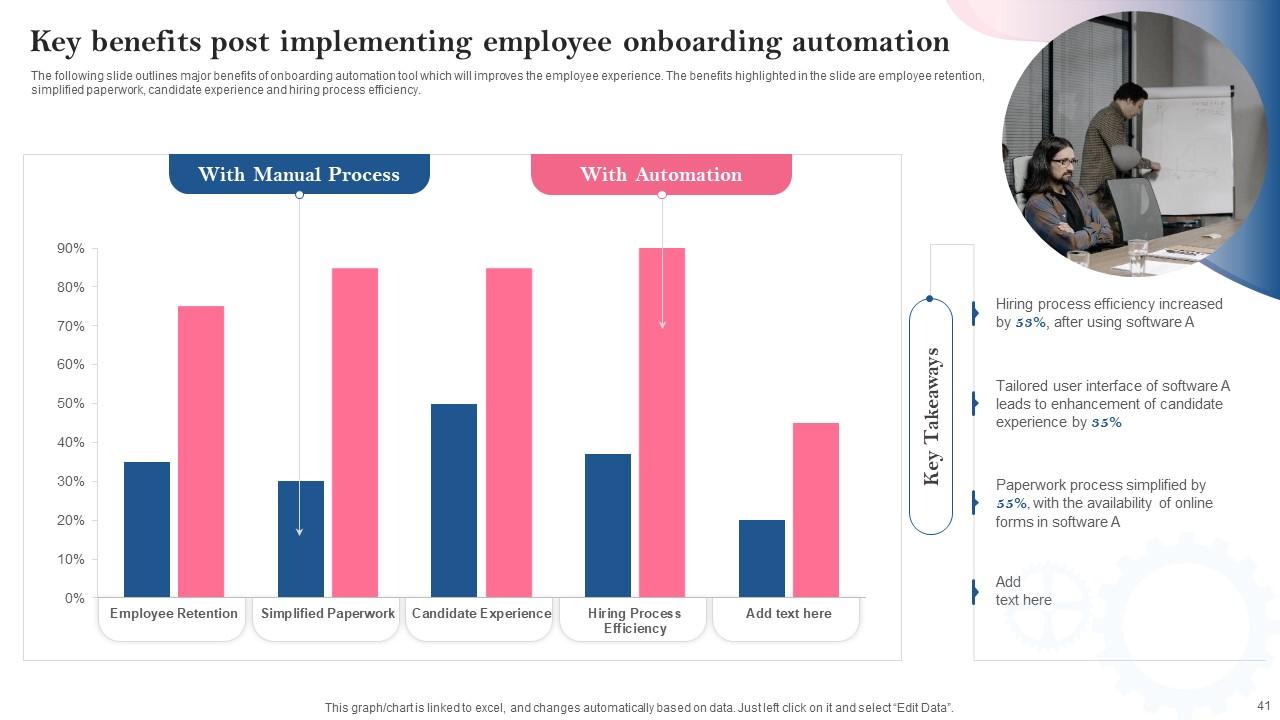
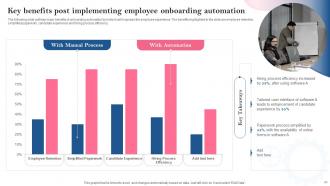
Slide 41: This slide outlines major benefits of onboarding automation tool which will improves the employee experience.
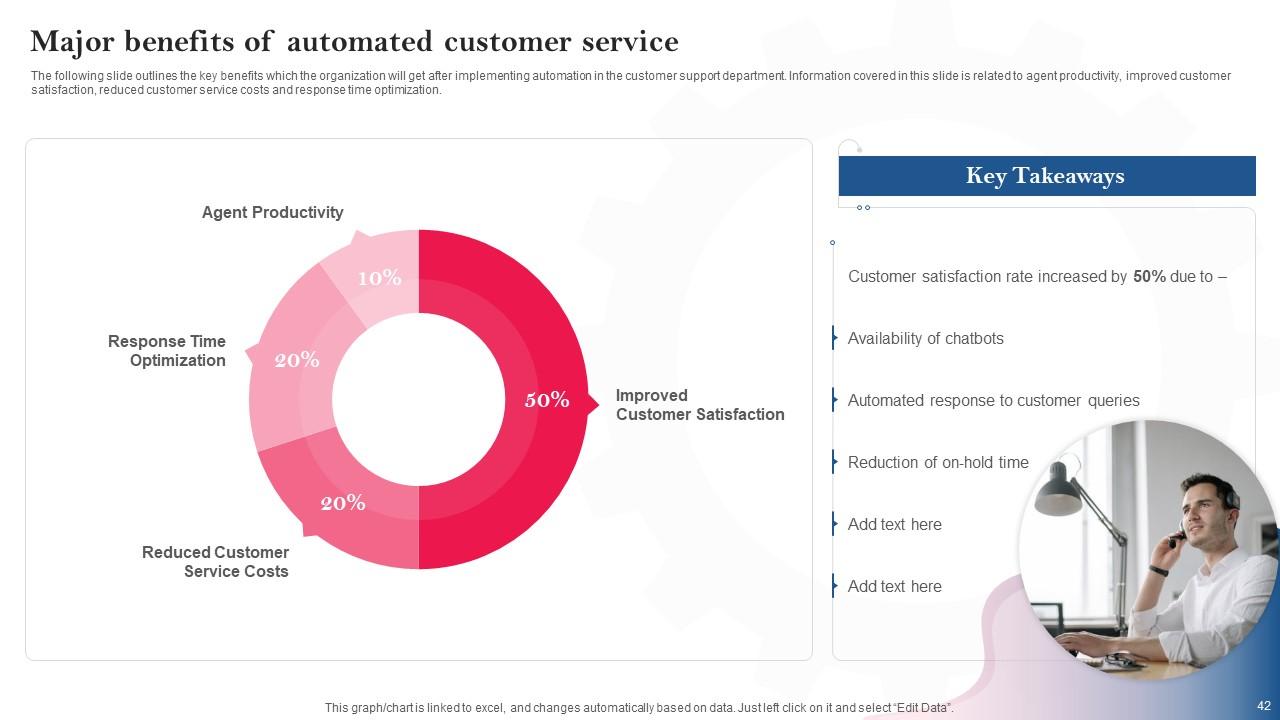
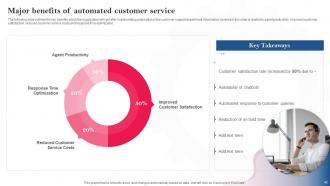
Slide 42: This slide outlines the key benefits which the organization will get after implementing automation in the customer support department.
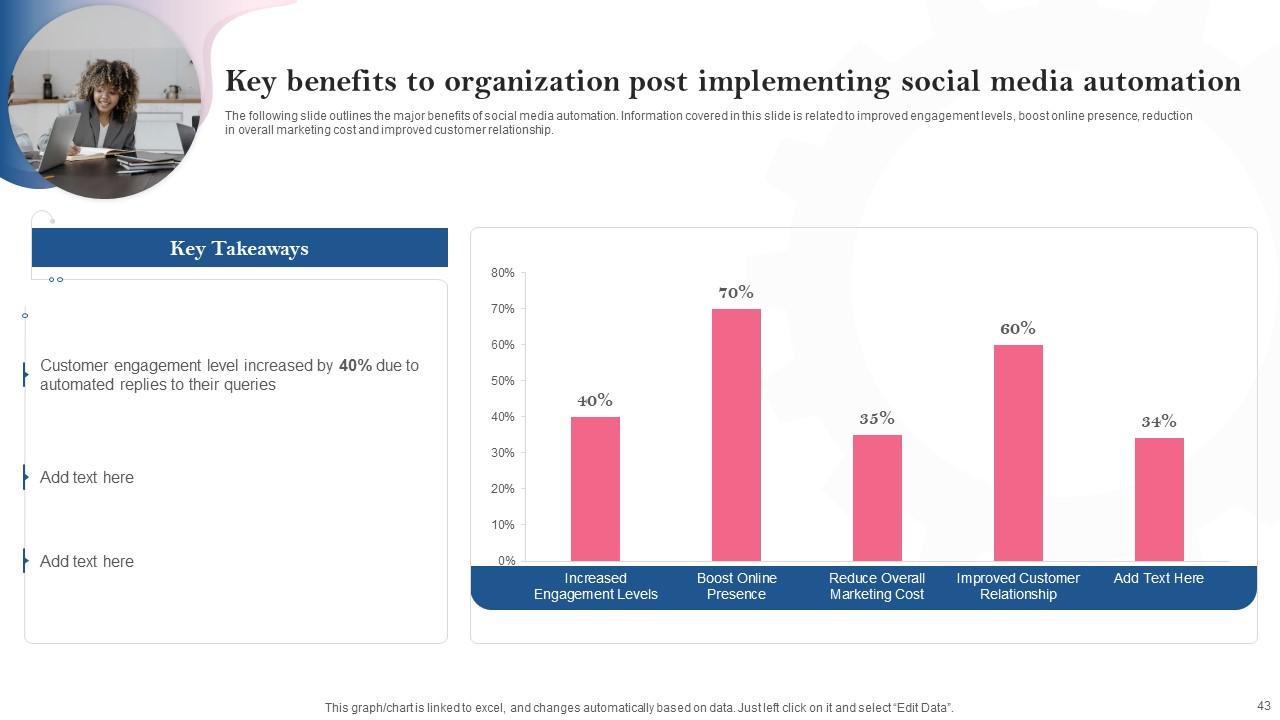
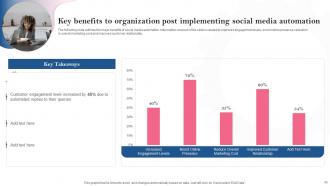
Slide 43: This slide outlines the major benefits of social media automation.
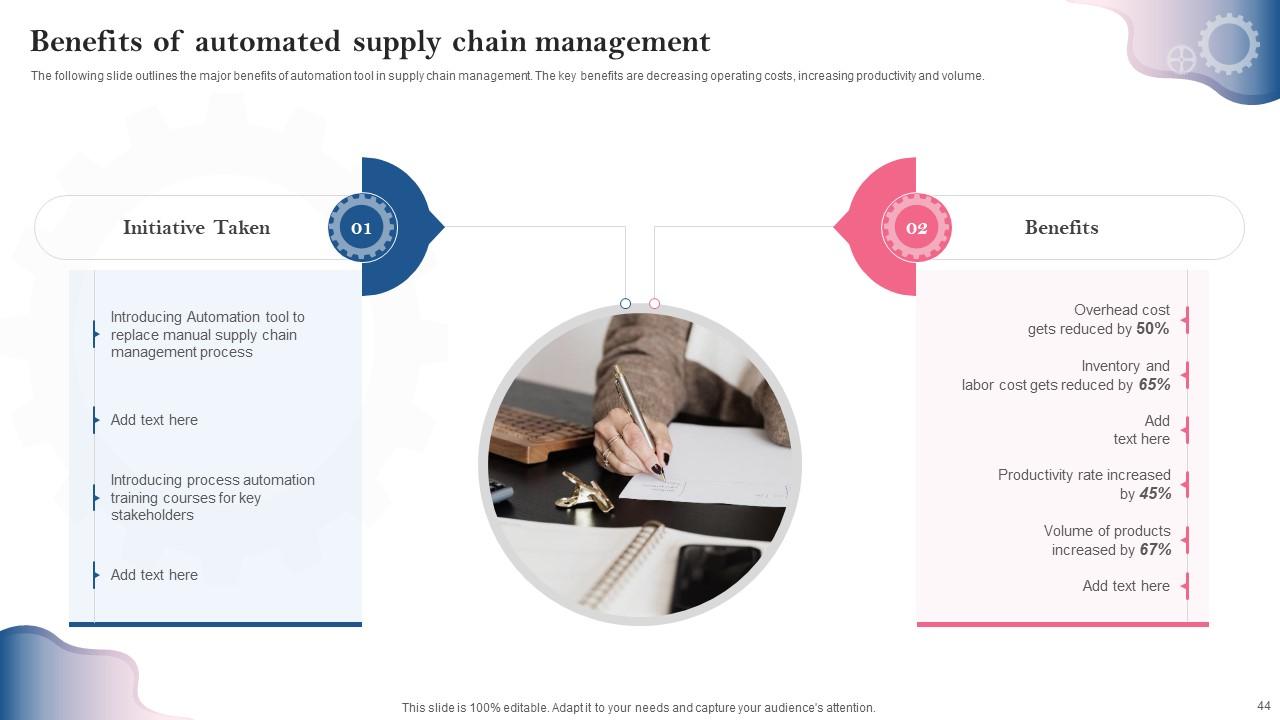
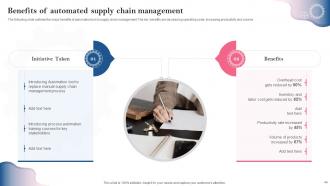
Slide 44: This slide outlines the major benefits of automation tool in supply chain management.
Slide 45: This slide depicts title for four topics that are to be covered next in the template.
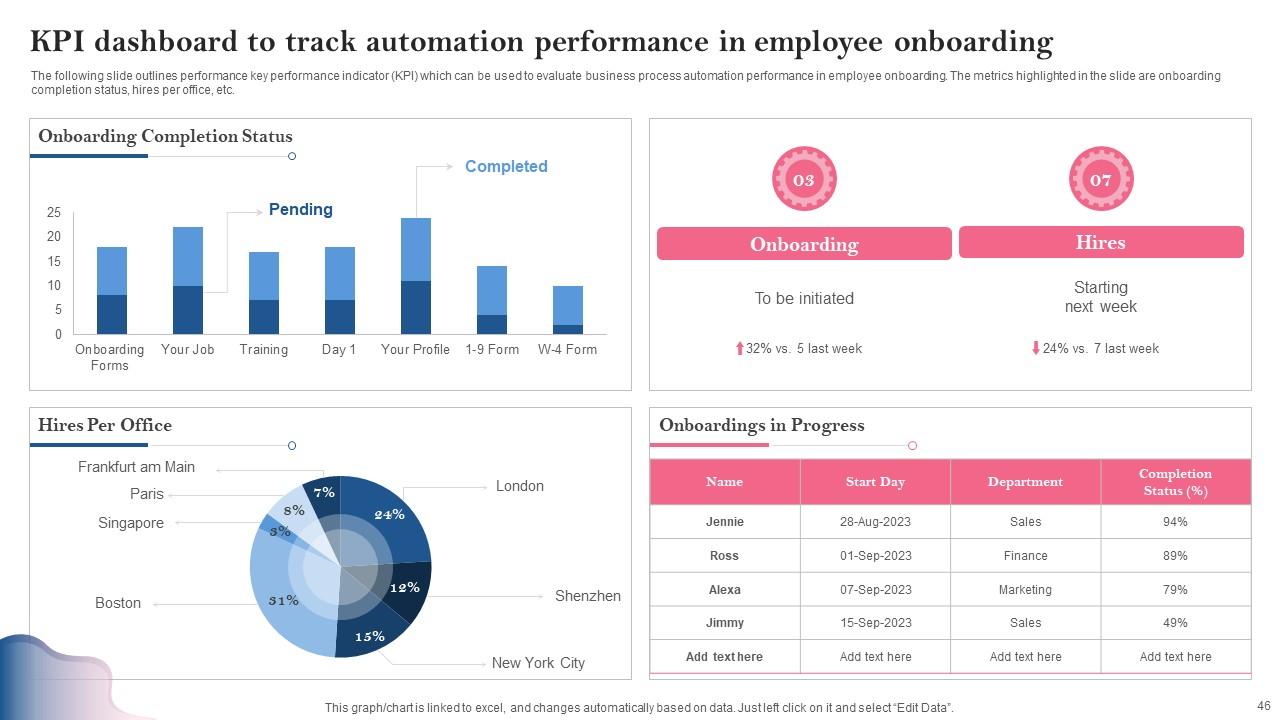
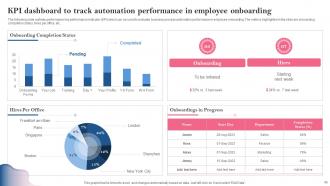
Slide 46: This slide outlines performance key performance indicator (KPI) which can be used to evaluate business process automation performance in employee onboarding.
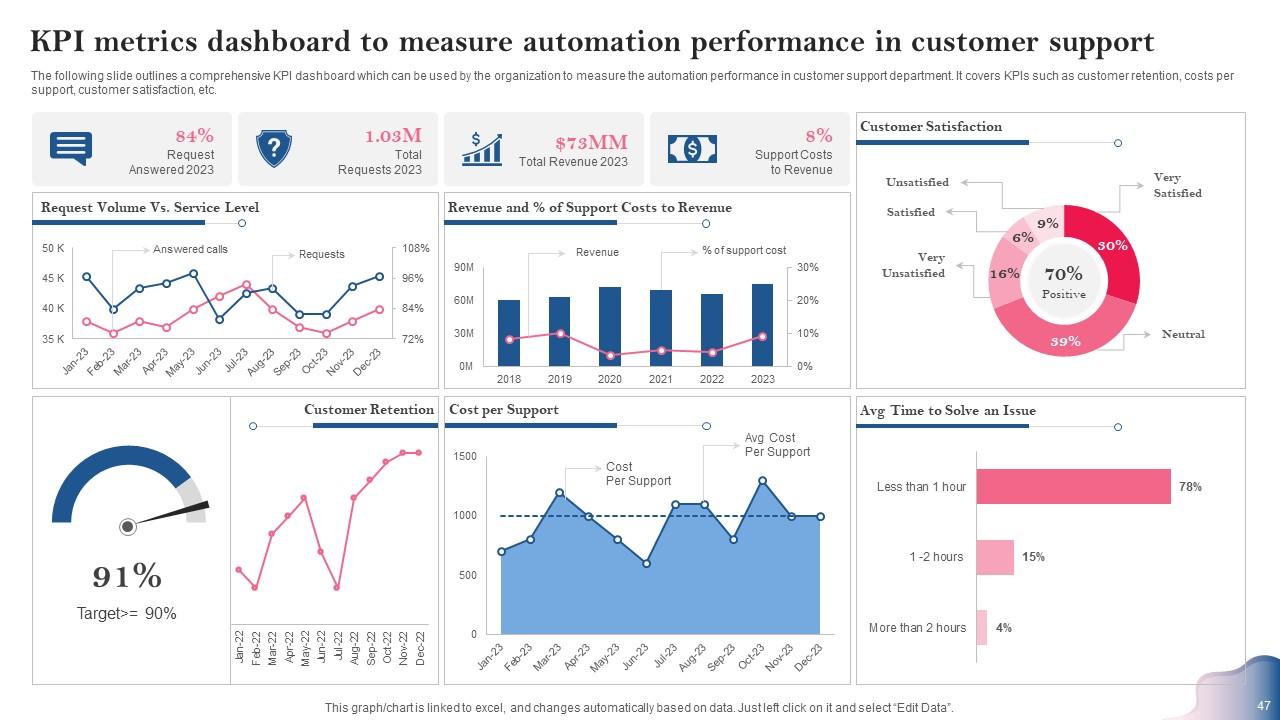
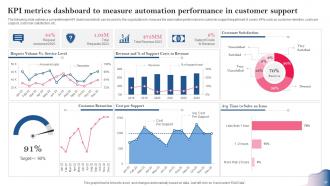
Slide 47: This slide outlines a comprehensive KPI dashboard which can be used to measure the automation performance in customer support department.
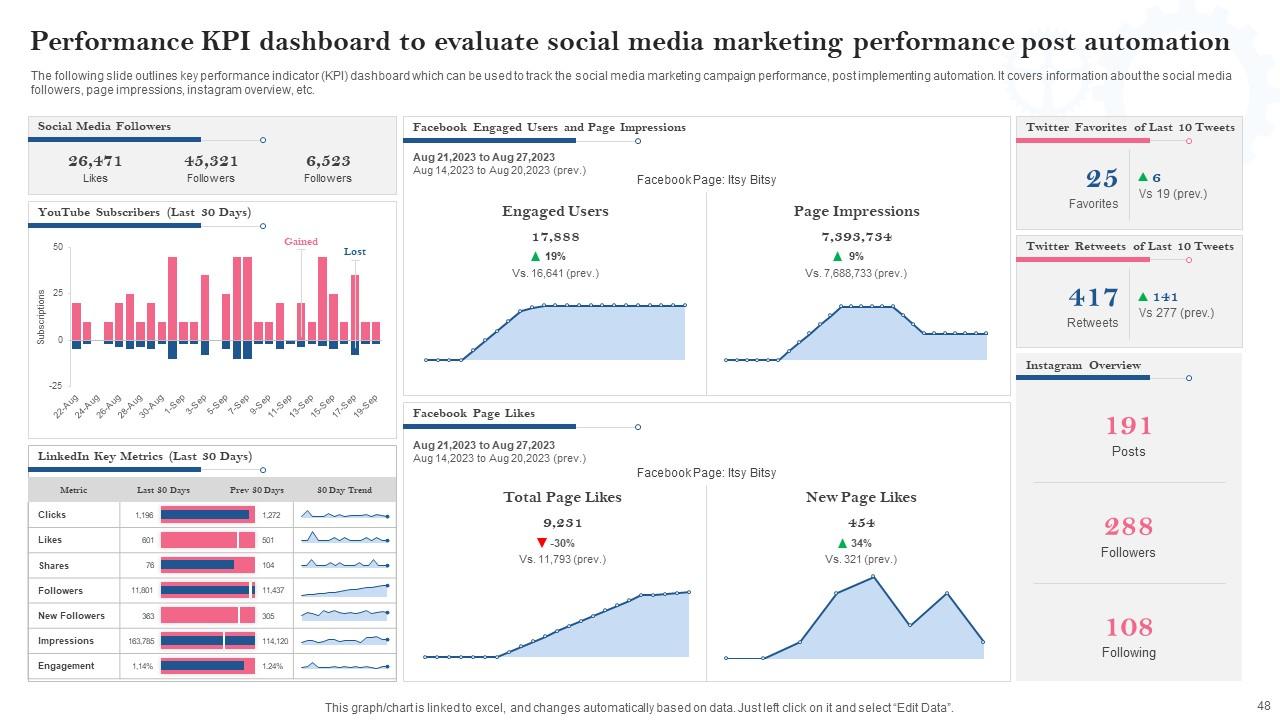
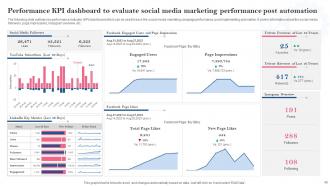
Slide 48: This slide outlines key performance indicator (KPI) dashboard which can be used to track the social media marketing campaign performance, etc.
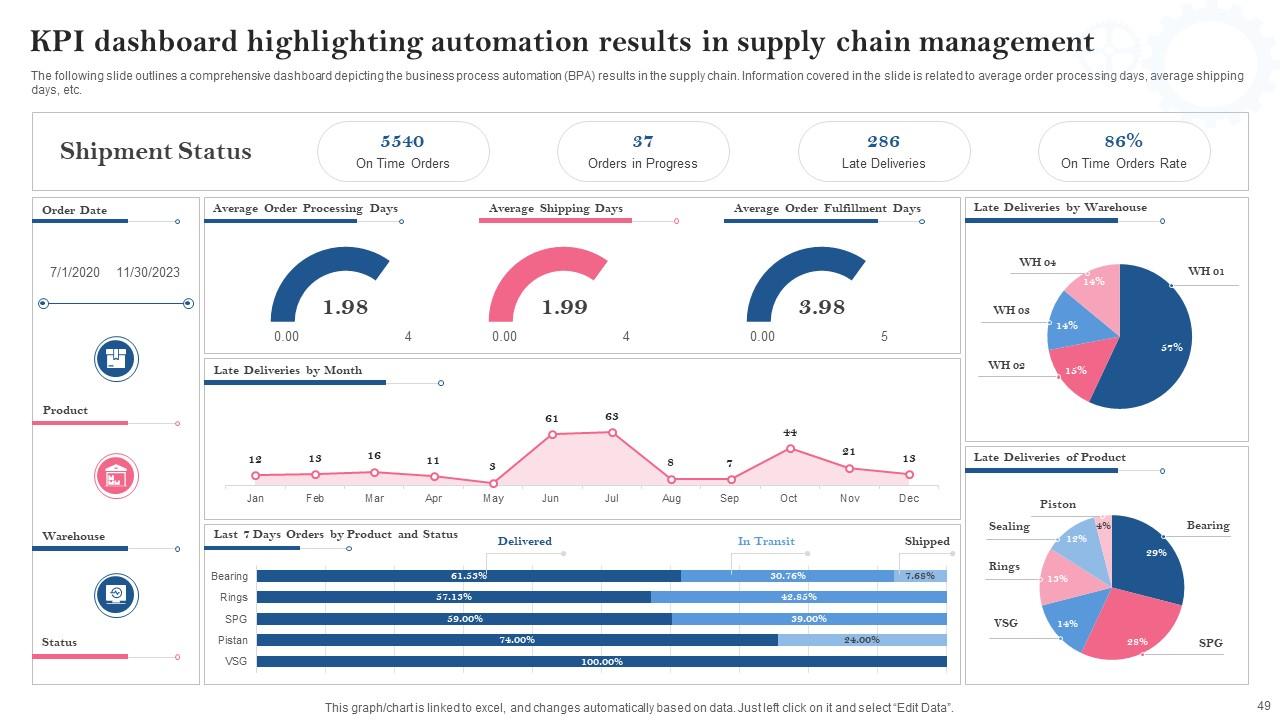
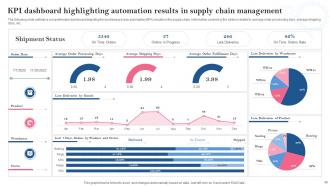
Slide 49: This slide outlines a comprehensive dashboard depicting the business process automation (BPA) results in the supply chain.
Slide 50: This slide contains all the icons used in this presentation.
Slide 51: This slide is titled as Additional Slides for moving forward.
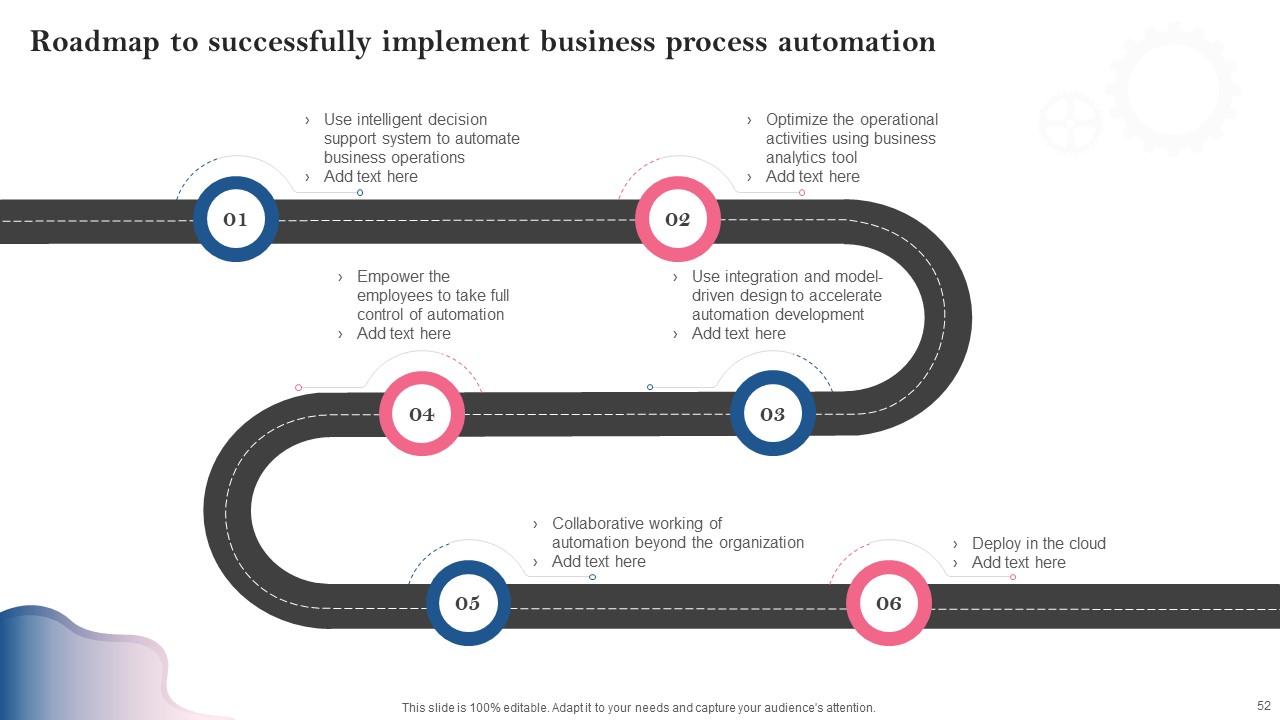
Slide 52: This slide shows Roadmap to successfully implement business process automation.
Slide 53: This is Our Team slide with names and designation.
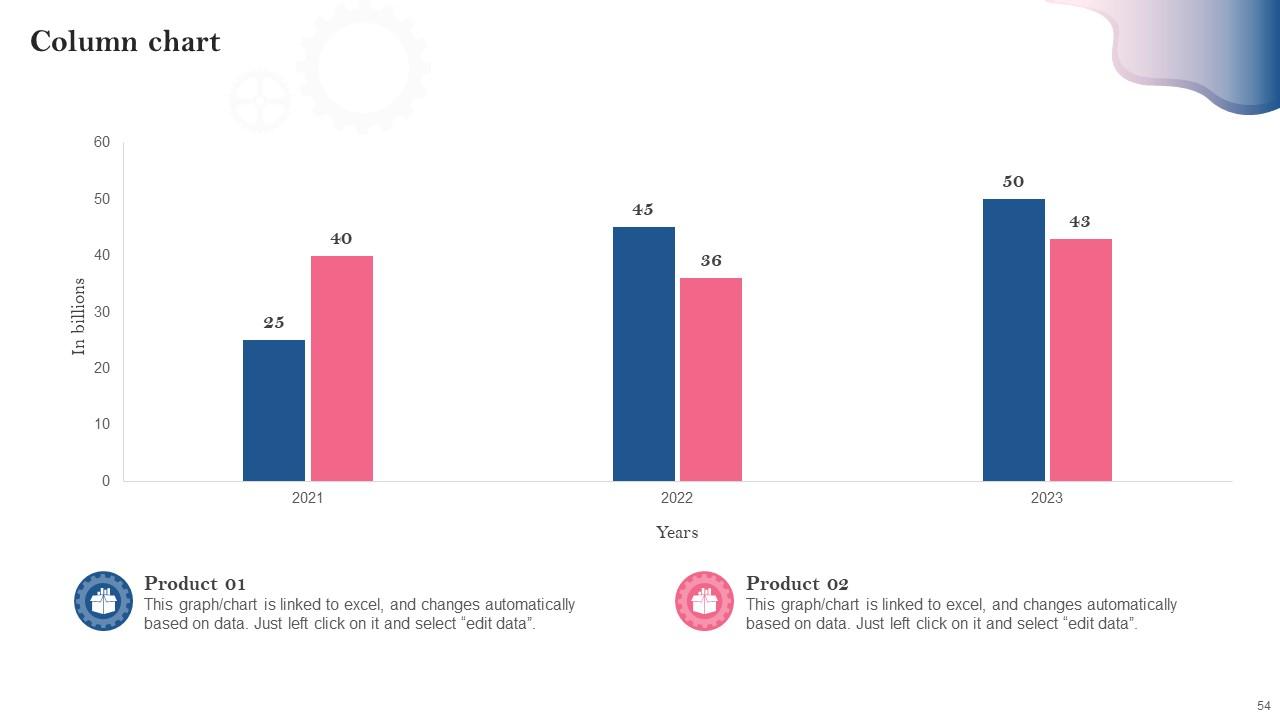
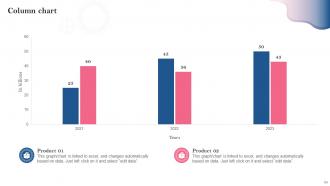
Slide 54: This slide displays Column chart with two products comparison.
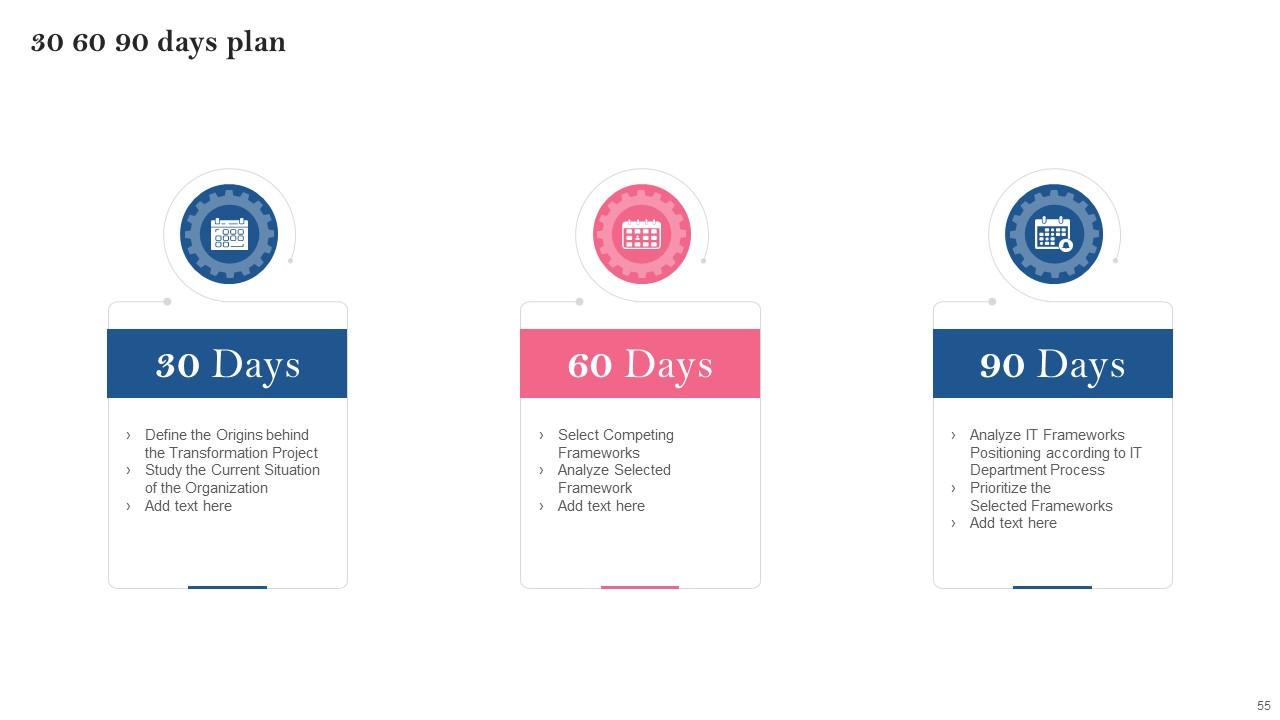
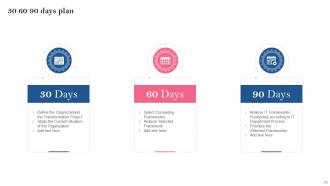
Slide 55: This slide provides 30 60 90 Days Plan with text boxes.
Slide 56: This slide shows Post It Notes. Post your important notes here.
Slide 57: This is Our Target slide. State your targets here.
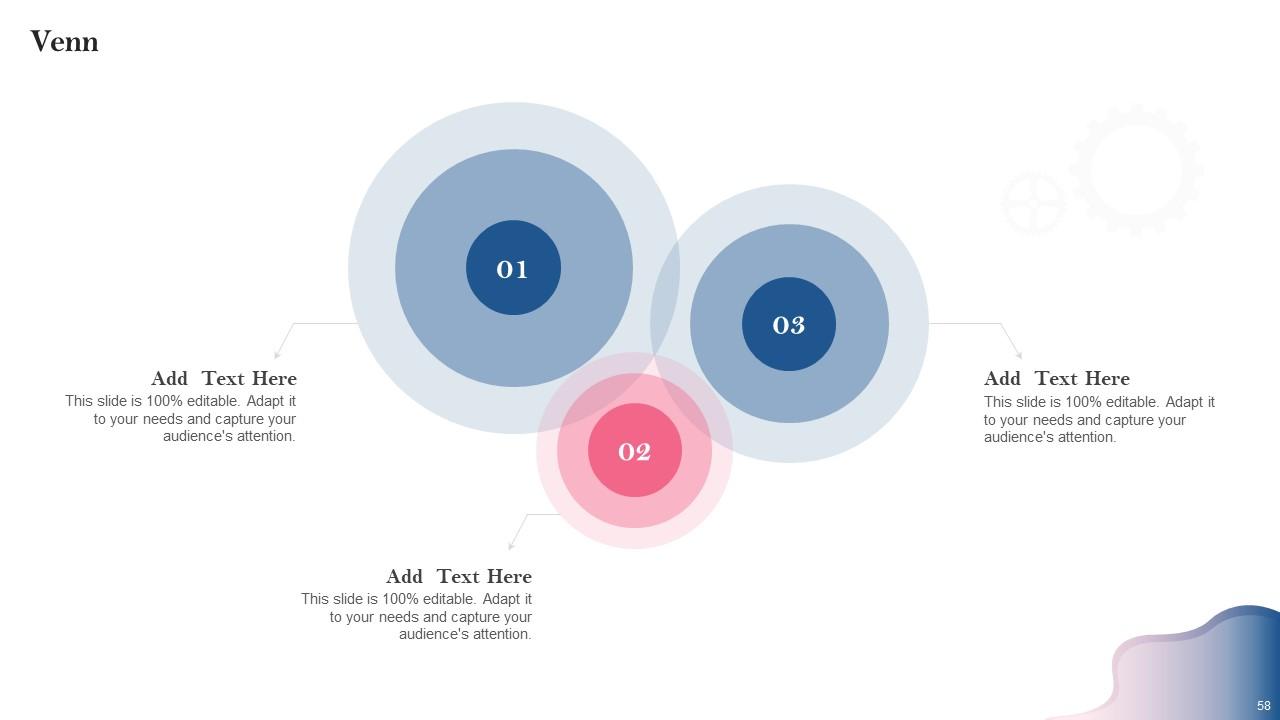
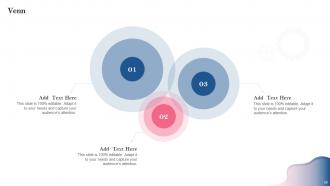
Slide 58: This slide depicts Venn diagram with text boxes.
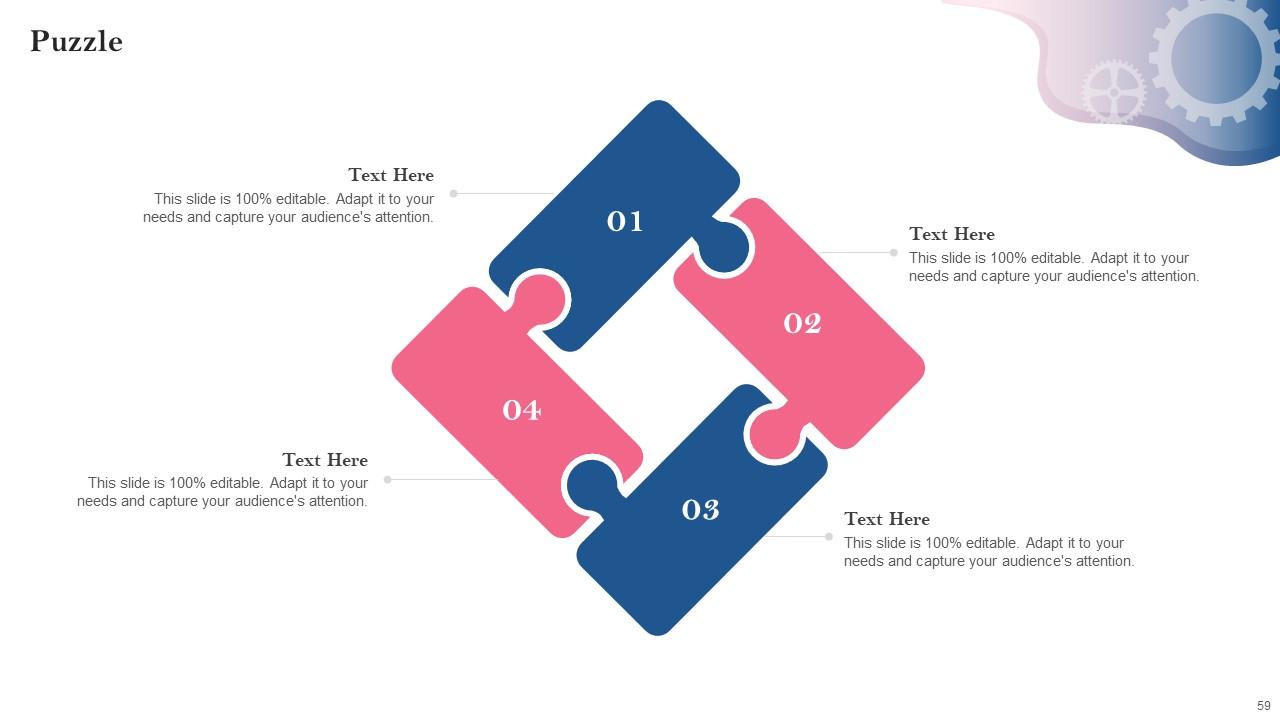
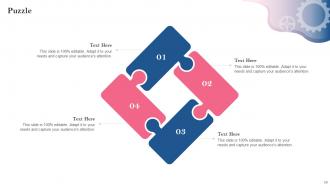
Slide 59: This slide contains Puzzle with related icons and text.
Slide 60: This is a Thank You slide with address, contact numbers and email address.
Introducing Automation Tools To Optimize Process Efficiency Powerpoint Presentation Slides with all 65 slides:
Use our Introducing Automation Tools To Optimize Process Efficiency Powerpoint Presentation Slides to effectively help you save your valuable time. They are readymade to fit into any presentation structure.
-
Fantastic collection of visually appealing PowerPoint templates. They certainly uplift the look of the presentation.
-
Easily Understandable slides.
