


Introduction To Human Resource Policy Powerpoint Presentation Slides HB V




Try Before you Buy Download Free Sample Product
 Impress Your
 Audience
 100%
100% Editable
 Save Hours
 of Time


The Introduction to Human Resource Policy is an invaluable tool for companies seeking to ensure that their employees fully understand their responsibilities and expectations. This comprehensive template covers all the essential aspects of company policies and procedures, including an introduction that outlines the purpose of the handbook and the companys core values. Additionally, the Employee Manual handbook covers critical policies such as confidentiality, non-discrimination, anti-harassment, and substance abuse, among others. The section on electronic and other communications highlights policies that employees should observe concerning personal use, copyright laws, email and other electronic communication, and security. The handbooks total rewards section covers essential aspects of compensation such as direct compensation and incentive pay, personal time off, and a quality work environment. The safe harbor policy and standards of conduct sections are also included, detailing expected behavior from employees. Furthermore, the handbook emphasizes the importance of customer service and caring for the companys IT systems. Our template is 100 percent editable, providing companies with a flexible tool that they can customize to meet their specific needs.
People who downloaded this PowerPoint presentation also viewed the following :
Content of this Powerpoint Presentation
Slide 1: This slide introduces Introduction to Human Resource Policy. Commence by stating Your Company Name.
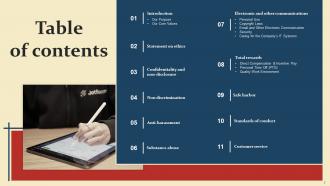
Slide 2: This slide incorporates the Table of contents.
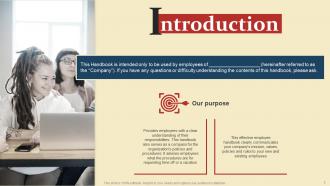
Slide 3: This slide reveals the Introduction of handbook.
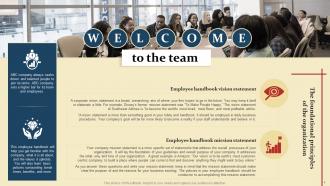
Slide 4: This is our Welcome to the team slide.
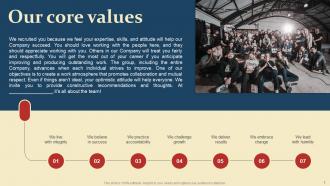
Slide 5: This is Our core values slide for listing the firm's values.
Slide 6: This slide portrays the Statement on ethics.
Slide 7: This slide talks about Confidentiality and non-disclosure.
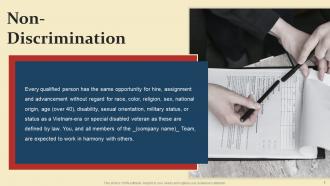
Slide 8: This slide highlights the Non-discrimination policy of the company.
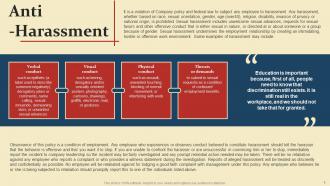
Slide 9: This slide represents the Anti-harassment rule.
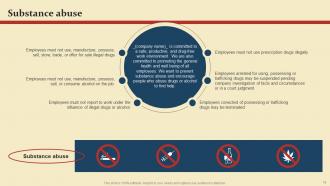
Slide 10: This slide elucidates the Substance abuse.
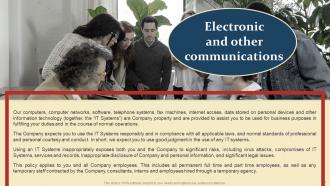
Slide 11: This slide showcases information on Electronic and other communications.
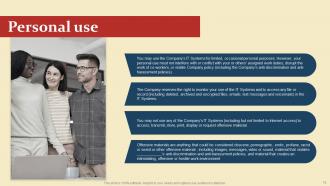
Slide 12: This slide talks about the Personal Use.
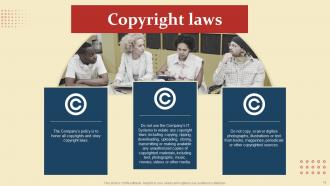
Slide 13: This slide states the Copyright Laws.
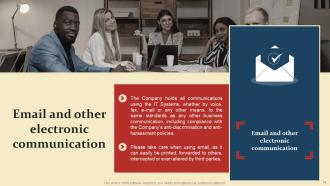
Slide 14: This slide presents the Email and other electronic communication.
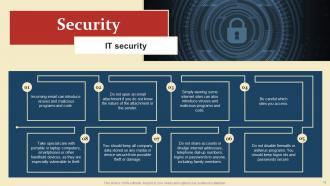
Slide 15: This slide mentions about Security.
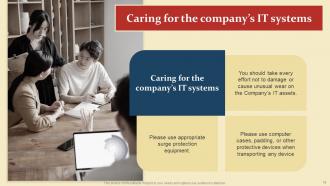
Slide 16: This slide focuses on Caring for the Company’s IT Systems.
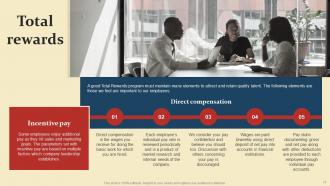
Slide 17: This slide depicts the Total rewards.
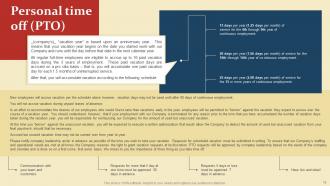
Slide 18: This slide illustrates the Personal time off (PTO).
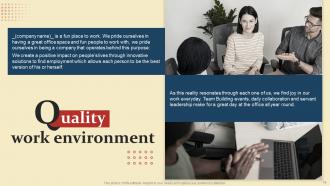
Slide 19: This slide talks about the Quality work environment.
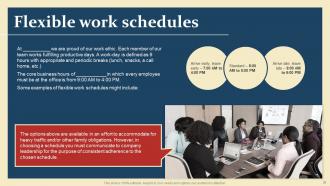
Slide 20: This slide portrays the Flexible work schedules.
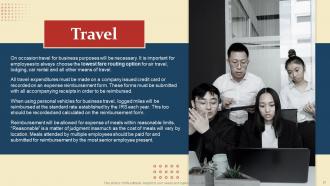
Slide 21: This slide provides information on Travel.
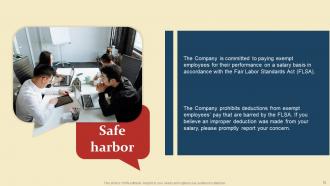
Slide 22: This slide displays the Safe harbor.
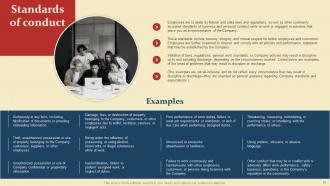
Slide 23: This slide exhibits the Standards of conduct.
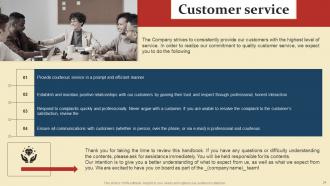
Slide 24: This slide highlights information regarding Customer service.
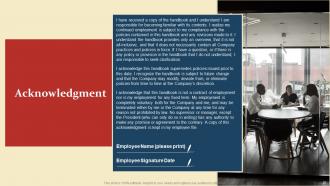
Slide 25: This is the Acknowledgment slide.
Slide 26: This is our Thank you slide.
Slide 27: This is the Icons slide containing all the Icons used in the plan.
Slide 28: This slide is used for displaying some Additional information.
Slide 29: This slide contains the Post it notes for reminders and deadlines.
Slide 30: This is Our goal slide. State your firm's goals here.
Slide 31: This slide showcases the Venn diagram.
Slide 32: This slide presents the company Timeline.
Slide 33: This is the Idea generation slide for encouraging fresh ideas.
Slide 34: This slide includes the firm's mission, vision, goal.
Slide 35: This is the 30, 60, 90 days plan slide for effective planning.
Slide 36: This is the Thank you slide for acknowledgement.
Introduction To Human Resource Policy Powerpoint Presentation Slides HB V with all 40 slides:
Use our Introduction To Human Resource Policy Powerpoint Presentation Slides HB V to effectively help you save your valuable time. They are readymade to fit into any presentation structure.






FAQs for Introduction To Human Resource Policy Powerpoint Presentation
Start with the basics - recruitment processes, pay structures, and performance reviews. You'll also want disciplinary procedures and workplace policies covered. Leave policies are huge too, honestly people bug you about PTO constantly so get that locked down early. Don't skip compliance stuff either, labor laws will bite you if you're not careful. Performance management and employee development programs matter more than you think. The real trick? Document everything clearly and actually stick to it. I'd audit what you have now first, then figure out what's missing. Way easier than starting from scratch.
Ugh, labor law compliance is seriously such a pain - laws change all the time and it's impossible to keep up with everything. Get your HR team trained on the big ones like FLSA and ADA first. Document absolutely everything, especially payroll stuff and leave requests. I'd definitely get a lawyer to audit your policies every few months because missing something can get expensive fast. Subscribe to some HR newsletters or join professional groups so you're not blindsided by new regulations. Oh, and never guess when you're unsure about something - that's how companies get sued.
Honestly, getting employee feedback on HR policies is huge - otherwise you're just guessing if stuff actually works. Survey people regularly and do focus groups where they can be real about what sucks. Like, if your vacation policy is a mess, the folks trying to book time off will tell you exactly why. Safe channels matter too because nobody wants to complain openly about performance reviews, you know? The biggest thing though is actually doing something with their input. Don't just collect feedback and ignore it. Pick whatever policy gets the most complaints first and dig into the specific problems people are having.
Okay so diversity policies are tricky - most companies just do the bare minimum checkbox stuff. You want recruiting practices that actually cast a wider net, plus bias training that doesn't suck. Transparency is huge for promotions and pay. Do equity audits regularly. The stuff that really works though? Psychological safety policies and employee resource groups - but only if they get real budget and leadership backing. Oh, and make sure there's actual accountability built in. Track progress, not just intentions. Otherwise you're wasting everyone's time.
First, nail down the basics - communication expectations, work hours, and how you'll measure productivity. Equipment and security stuff too, obviously. For meetings, be super specific about formats because nobody wants another "you're on mute" disaster. Don't forget performance reviews and career growth opportunities - remote people already feel invisible half the time. Response times for different tools matter way more than you'd think. Here's the thing though: skip the vague advice completely. Instead of "communicate regularly," say "weekly one-on-ones plus daily standups." People need concrete guidelines, not wishy-washy suggestions.
So flexible work arrangements are a game changer - seriously, people are fried right now. Mental health days should be standard, plus access to counseling or those employee assistance programs. The workload management piece is tricky but super important. Regular manager check-ins help too, but only if people feel safe actually talking about this stuff without judgment. Oh, and don't just throw random wellness perks at people. Survey your team first to see what they'd actually use - might save you from buying another unused ping pong table. Make it feel genuine, not corporate BS.
Honestly, blast it out through every channel you've got. Start with email, obviously. Then do team meetings because people will definitely have questions even if you think it's super straightforward - they always do! Stick some notices around the office too, update your handbook, that kind of thing. Big changes might need a proper town hall meeting. The main thing is explaining *why* it's changing and how it actually affects what they do every day. Oh, and make sure there's a way for people to ask follow-up questions later when they inevitably get confused about something.
First, figure out where things are actually breaking down. I'd map your written policies against what's really going down daily - sometimes stuff looks perfect on paper but feels completely off in practice. Been there myself! Get employees involved in fixing the policies so they actually match your values (while still covering the legal stuff, obviously). The whole culture and policy thing needs to move together instead of working against each other. Maybe start small though - pick one policy that's really bugging people and test changes with just a few teams first. Way less overwhelming that way.
Honestly, you'll want both the hard numbers and the softer stuff. Turnover rates, time-to-hire, engagement scores - that's your baseline. But don't sleep on exit interviews and how people actually feel about their managers. Those conversations reveal way more than spreadsheets sometimes. Absenteeism and internal promotions tell a story too. Here's the thing though - resist tracking everything under the sun or you'll drown in data. Pick maybe 5-7 metrics that actually matter for your goals and check them quarterly. The sweet spot is mixing concrete numbers with employee feedback so problems show up before they explode.
You need clear career paths that people can actually see. Mentorship programs help a ton - pair people up formally. Also, train managers to have real development talks during reviews, not just "you're doing fine" conversations. So many companies totally suck at this part! Cross-department projects are golden for letting people test different waters. Be upfront about what it takes to advance and when. Oh, and audit what you already have first - you might be sitting on great resources that nobody knows about. Skills training should be regular, not a once-a-year thing.
Honestly, both extremes suck. Super strict policies make everyone feel like they're being babysat, and you'll go crazy trying to write rules for every weird situation that pops up. But vague ones? Just as terrible. People won't know what's actually expected, you'll have inconsistent enforcement, and that's lawsuit territory right there. You want something in between - clear enough that people get it, flexible enough they can use their brain. I'd look at what you have now and ask: would a normal person read this and actually know what to do?
Honestly, HRIS systems are a game changer for this stuff. Set up automated reminders so you're not constantly bugging people about mandatory training - that alone will save your sanity. Instead of those boring PDF policy manuals, try interactive guides that people might actually engage with. The analytics are pretty cool too - you can see what policies everyone ignores (spoiler: it's usually the obvious ones). Oh, and AI chatbots handle those repetitive policy questions at weird hours. But don't go crazy trying to digitize everything at once. Pick your biggest headache first - maybe policy distribution - then build from there.
Your HR stuff has to evolve with your team - remember when nobody worked from home? Now look at us. I'd start by figuring out what feels ancient in your current policies. Survey your people, actually listen to exit interviews, that kind of thing. Mental health support, flexible schedules, diversity programs - they all need tweaking based on real feedback. Honestly, some companies I know threw out their entire PTO system because expectations changed so much. Test small changes first though. Don't go crazy and overhaul everything at once.
Honestly, you want those highway guardrails - set the absolute must-haves like safety and compliance stuff, but don't micromanage everything else. Give your managers wiggle room to make calls within those boundaries. I've seen companies go nuts with rigid policies and it just kills morale. Figure out what actually can't bend (probably less than you think), then add "manager discretion" language everywhere else. The day-to-day stuff should flex based on situations. Check in regularly to see what's working. It's way better than having some manual nobody follows anyway.
Honestly, your leaders make or break this stuff. If they're not modeling the behavior and actually enforcing policies, you're screwed - I've watched so many good initiatives just die because managers ignored them. Get them bought in from day one and make sure they know they're champions, not just enforcers. They need to explain why policies matter and give people the resources to actually follow them. Also, they've gotta be consistent with accountability - nothing kills credibility faster than playing favorites. Oh, and be ready to pivot when something's clearly not working.
-
“Thank you to the SlideTeam. Your presentations look really skillful and have made my life so much easier.”
-
Their templates are super easy to edit and use even for the one like me who is not familiar with PowerPoint. Great customer support.