

Kickoff Meeting Powerpoint Presentation Slides






Try Before you Buy Download Free Sample Product
 Impress Your
Audience
 100%
Editable
 Save Hours
of Time


Impress your clients by clearly defining base elements of the project and other project planning activities by using our kick-off meeting PowerPoint presentation slides. This project management kick-off meeting PowerPoint template consists a total of 28 ready to use slides like meeting agenda, project description, project scope, core team, project management team, responsibility assignment matrix, project management cycle, work breakdown structure, project cost estimate, project communication plan, project management Gantt chart, project tracking plan and many such slides. All the slides in this project kick-off meeting agenda are completely editable and can be adjusted as per individual requirements and needs. Be it the explaining your services to the client or to your internal team, this kick-off management PPT deck can be used for a crisp, short and very to the point explanation. The diagrams and visuals used in this kick-off agenda slideshow are attractive and self-explanatory to place the content in a stylish manner. Elaborate on holistic healing with our Kickoff Meeting Powerpoint Presentation Slides. Give due importance to the human element.
People who downloaded this PowerPoint presentation also viewed the following :
Content of this Powerpoint Presentation
Have you ever wondered what the upper management of Apple Inc. does before launching a new iPhone?
They host a kick-off meeting, in which decisions on the product specification, finances, launch date and time, and other aspects are taken. Thus these meetings become the launching pads that push the company projects forward.
But how do you record all the decisions taken in a kick-off meeting? If this is the case, then SlideTeam has developed a proper PowerPoint Deck (Kick-off Meeting PowerPoint Presentation) to plan a strategic approach to managing your business projects.
Do you need the project kick-off meeting templates for your corporate meetings? Click here.
The Template Advantage
Our PowerPoint Templates help project managers focus on their projects and avoid distractions. Furthermore, these are structured guides that drive the meeting's narrative.
Moreover, these are fully customizable allowing you to mold content, paste new visuals, and apply a new logo and color scheme as per your requirement.
Prepared by Industry Experts
Our complete PowerPoint Presentation is developed by industry experts who are familiar with the analytical and emotional aspects of project planning.
Get your project on track using our project management schedule templates.
Furthermore, our presentation templates are designed to help meeting participants have a clear sense of direction and a renewed sense of purpose.
Template 1: Project Management Team

Our PowerPoint Design offers a streamlined way to present your Project Management Team to the stakeholders. It has a hierarchy format showing the various roles and responsibilities across several teams. The brown and yellow color palette captures the user's attention. The placeholders, such as "Text Here," are placed to write role titles, team names, or project goals.
Template 2: RACI Matrix
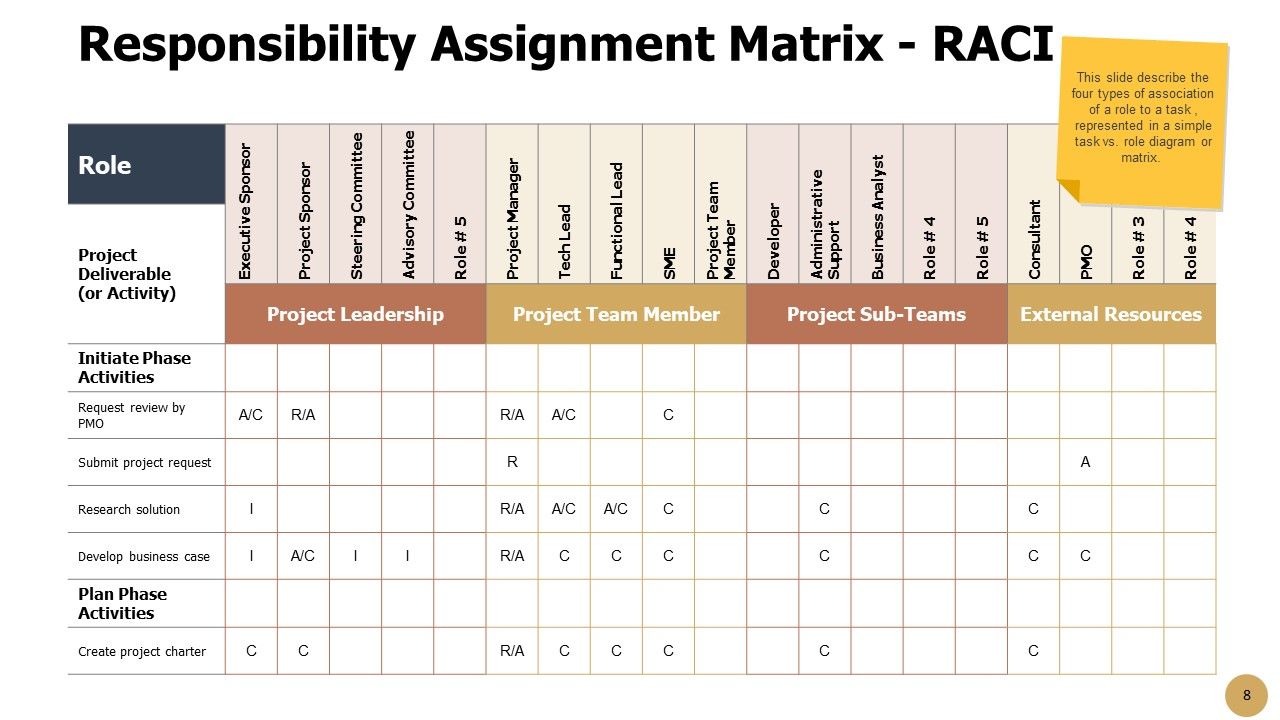
Our PowerPoint Framework has a Responsibility Assignment Matrix (RAM), which project managers can use to display roles and responsibilities throughout a project's lifecycle. This PPT Slide features well-structured sections for project leadership, team members, sub-teams, and external resources. With this presentation design, you can clearly match personnel to their deliverables. In particular, managers can use this powerful tool to reduce confusion by detailing the involvement of each role in project activities. There are color-coded headers and typography to enhance readability.
Template 3: RACI Matrix Continued
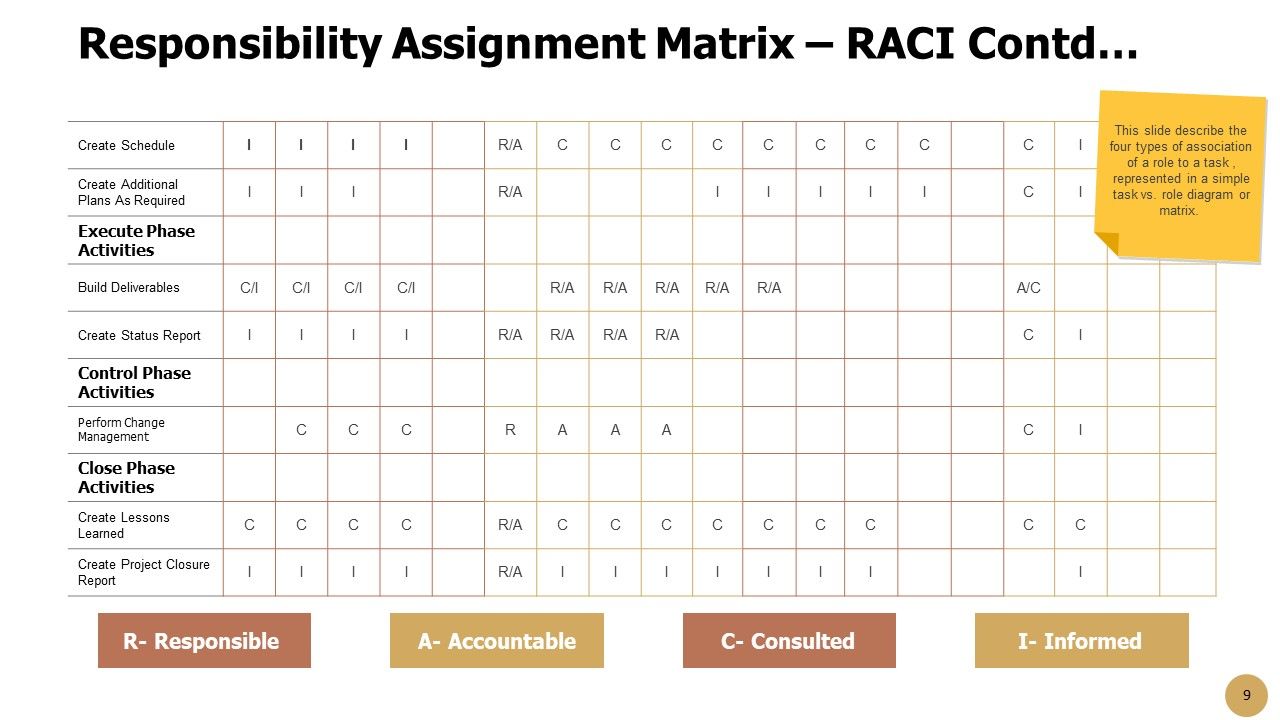
This PowerPoint Preset is the continuation slide of the presentation mentioned above. It has a detailed mapping of roles and responsibilities across different project phases so that every team member knows the expectations. The presentation layout fosters accountability with the familiar RACI (Responsible, Accountable, Consulted, and Informed) framework. With clear demarcations between the different project phases and the associated tasks, you can prevent oversight and streamline project execution. This PPT Layout is a versatile asset for project managers who aim to communicate complex information in an accessible format.
Template 4: Responsibility Assignment Matrix

This PowerPoint Slide streamlines your project decision-making process. It defines roles and decision-making protocols using the RAPID (Recommend, Agree, Perform, Input, Decide) framework. With this presentation slide, you can easily communicate the flow of decisions and actions required by different teams, including the leadership team, project team, and external resources. This PowerPoint Preset promotes transparency and efficiency in large and small projects and keeps your project organized and on track.
Template 5: Project Management Cycle
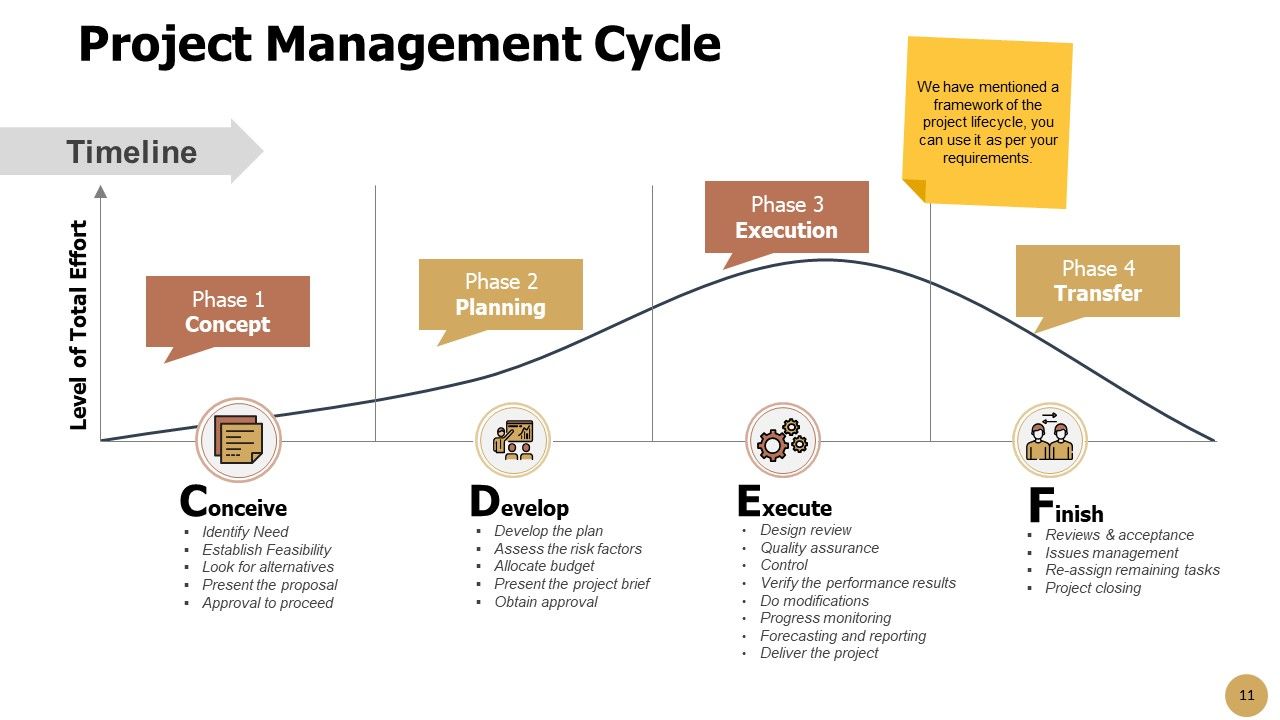
When managers start working on a project without a clear picture, it leads to various negative scenarios. To avoid this, use our PowerPoint Layout. It shows four critical phases: Concept, Planning, Execution, and Transfer. Each phase has important tasks associated with it, such as identifying needs, developing plans, allocating budgets, and conducting reviews. Furthermore, this presentation design also shows an ascending and descending effort curve, indicating the project’s workload over time.
Template 6: Work Breakdown Structure
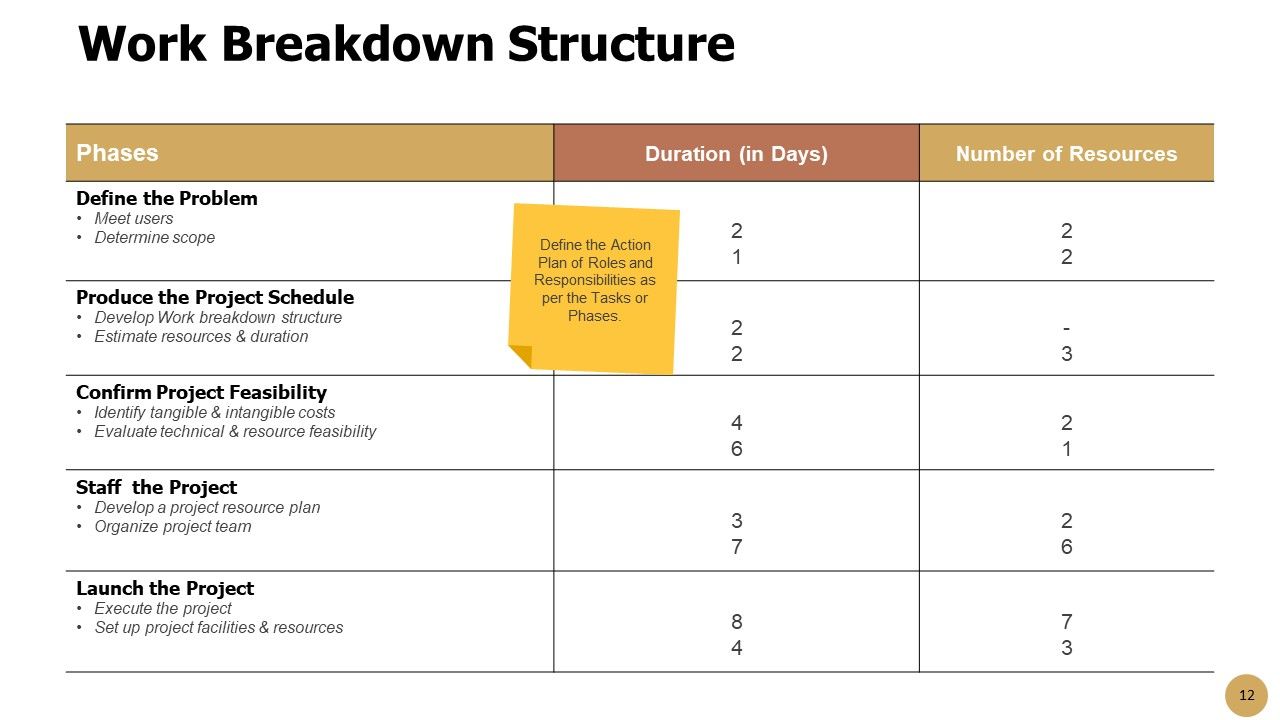
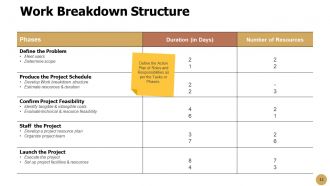
Project managers always face problems while preparing a project from inception to launch, as it involves a number of tasks and resources that need to be organized and tracked. Therefore, explore our PowerPoint Template that addresses these challenges. It breaks down the project into five phases: defining the problem, producing the project schedule, confirming project feasibility, staffing the project, and launching the project. Furthermore, you can convey the project report to the desired stakeholders in this easy format.
Template 7: Project Cost Estimate

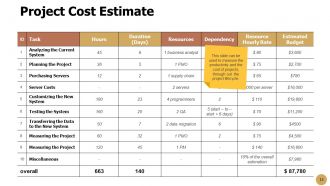
A business should look at the project's financial management to develop a comprehensive cost estimate. But how can companies prepare a financial estimate? It's best to leverage our PowerPoint Framework. Our PowerPoint Layout shows the tasks, the hours required, the duration, the resources needed, dependencies, resource rates, and the estimated budget. Moreover, you can display a transparent and accountable financial overview to stakeholders, highlighting where resources are allocated and how each task contributes to the overall budget.
Template 8: Project Communication Plan
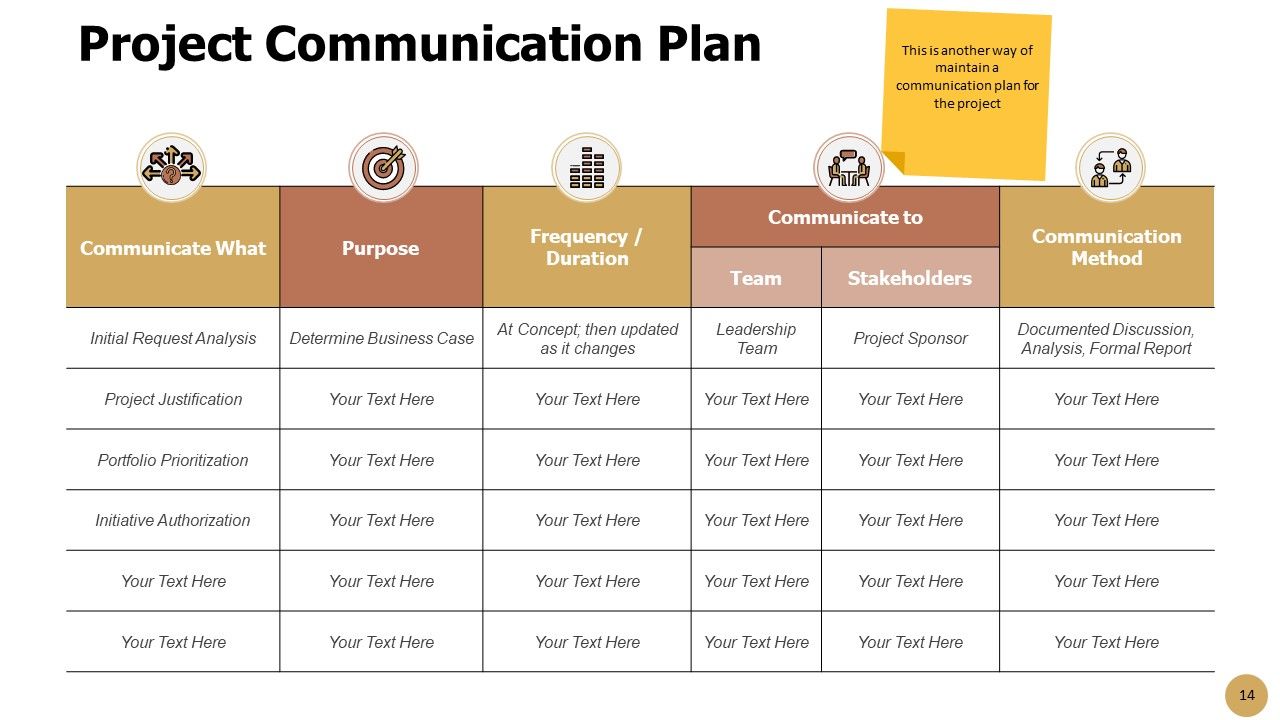
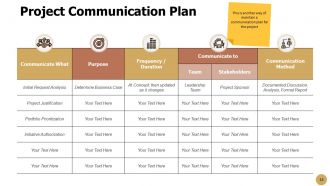
For a project to succeed, there should be proper communication between various teams. Our PowerPoint Layout helps you prepare a robust communication strategy focussing on the project's lifecycle. It has various sections for communication and the first section is what needs to be communicated. The second section is about the purpose, the third section focuses on frequency of updates, the fourth section shows the teams and stakeholders involved in this project. The last section describes which communication mode is to be used.
Template 9: Project Management Gantt Chart
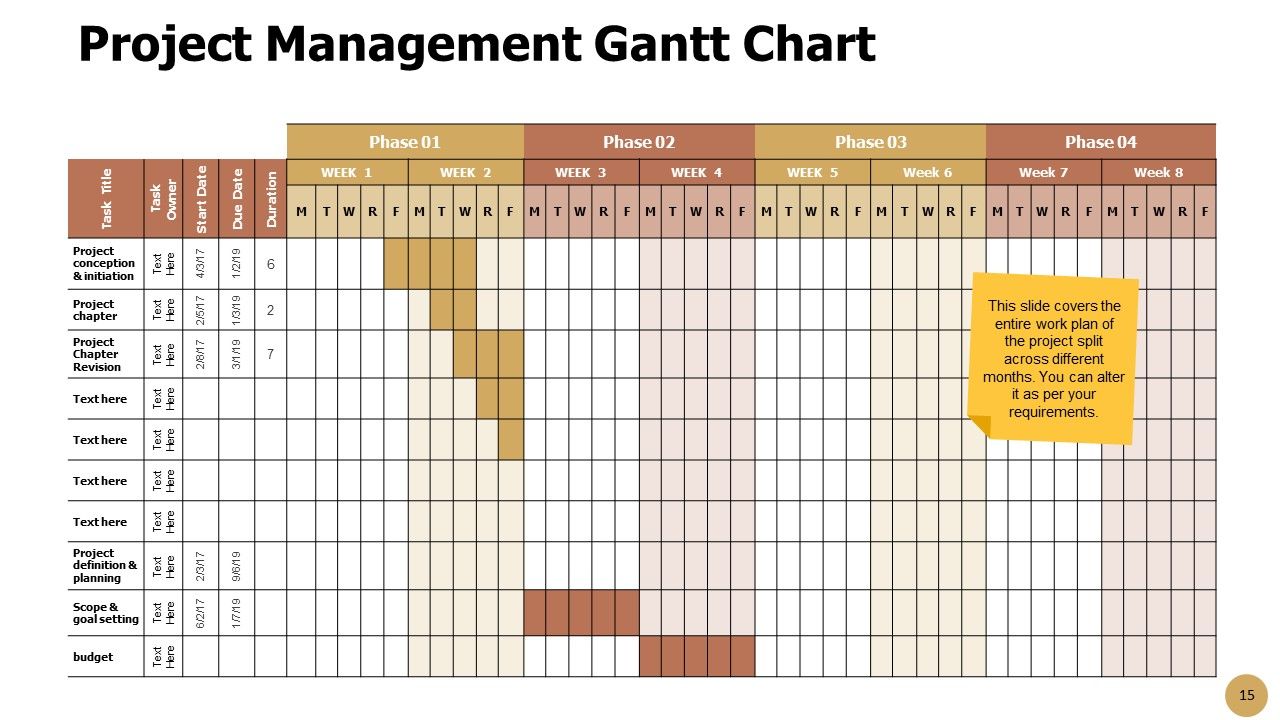
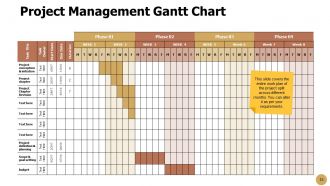
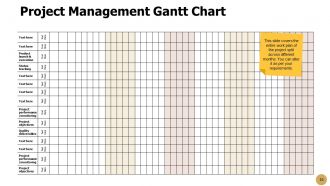
Preparing a project's timeline and tracking its progress is a difficult task. The manager has to keep a hawk's eye on several factors impacting the project. Therefore, you can go through our PowerPoint Layout, which can solve several project-related problems. It is a versatile tool that plots tasks, durations, and responsibilities and provides a horizontal timeline that spreads over several weeks. Each task has a timeline associated with it, giving an immediate sense of when activities will start and end.
Template 10: Work Priority Allocation
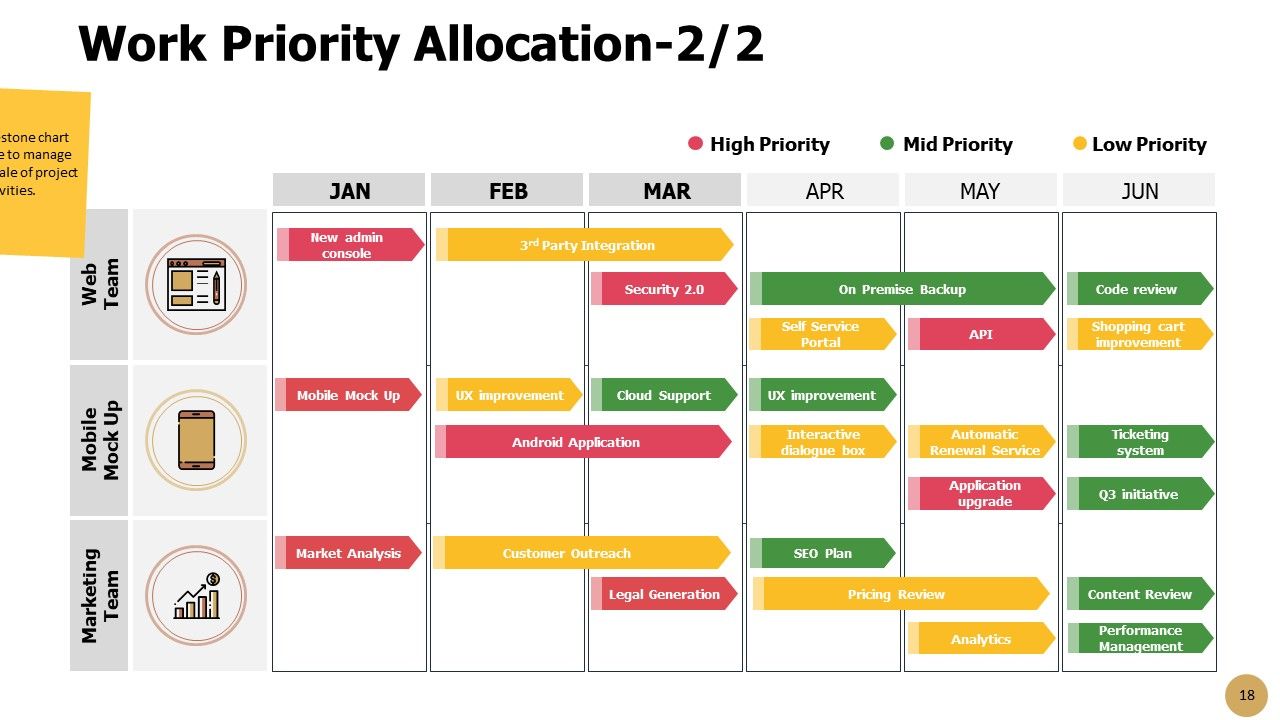
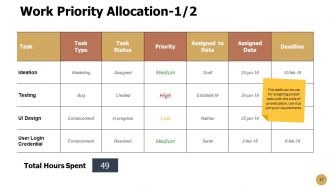
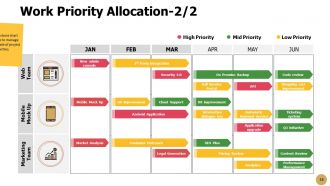
Project managers who are looking for a solution to prioritize project tasks can leverage our PowerPoint Chart. It features a monthly timeline for various teams and the task priority is also set to high (red color), medium (green color), and low priority (yellow color). Every team member can quickly understand which tasks need immediate attention and which can be scheduled for later through this tool.
Begin Your Kick-Off Meetings Using Our Templates
Ultimately, SlideTeam's kick-off meeting templates will help your business reach project goals much easier. These PowerPoint Slides have everything required for a meeting: You can now seamlessly explain project goals, assign tasks, and set up a completion timeline for your team with this content-ready toolkit at your aid. Clearly, your team will steer clear of confusion and their efforts will now be well-guided and the project progress easy to track.
Kickoff Meeting Powerpoint Presentation Slides with all 28 slides:
Our Kickoff Meeting Powerpoint Presentation Slides ensure an excellent event. Everyone will find it a fun-fair.
-

Kickoff Meeting
-
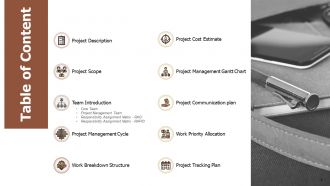
Table of Content
-
Meeting Agenda
-
Project Description
-
Project Scope
-

Core Team
-
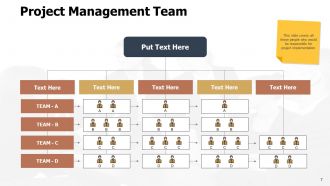
Project Management Team
-
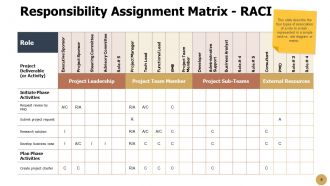
Responsibility Assignment Matrix RACI
-
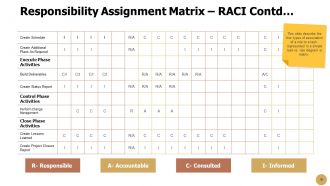
Responsibility Assignment Matrix RACI Contd
-
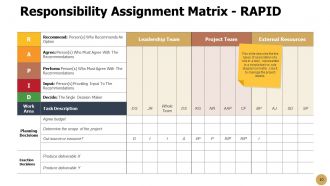
Responsibility Assignment Matrix RAPID
-
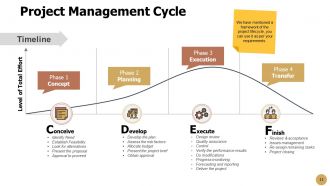
Project Management Cycle
-
Work Breakdown Structure
-
Project Cost Estimate
-
Project Communication Plan
-
Project Management Gantt Chart
-
Project Management Gantt Chart
-
Work Priority Allocation 1 2
-
Work Priority Allocation 2 2
-
Project Tracking Plan
-
Our Mission
-
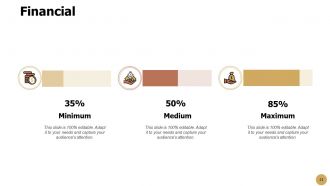
Financial
-
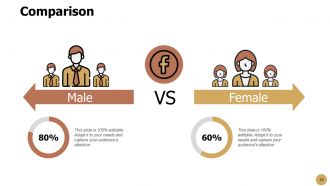
Comparison
-
About Us
-
Venn
-
Bulb or Idea
-
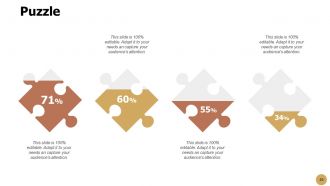
Puzzle
-
Magnifying Glass
-

Thank you
FAQs for Kickoff Meeting
Okay so basically you want to get everyone on the same page about what you're actually trying to accomplish and who's doing what. Introduce the team members - sounds obvious but you'd be surprised how often people skip this. Go over timelines and major milestones so nobody's caught off guard later. Communication is huge too, like how often you'll check in and what tools you're using. I always think it's better to spend extra time upfront answering questions than dealing with chaos down the road. Oh and definitely end with concrete next steps assigned to specific people, otherwise nothing gets done.
Honestly, send an agenda beforehand so people aren't caught off guard. Then call on the quiet ones by name - don't just wait for someone to speak up. Switch things around with breakout groups or quick polls, maybe even go around the room so everyone says something. Nobody wants to sit through someone droning on for an hour (seriously, that's how you lose people). Keep the energy up by cutting down on long presentations. Oh, and always end with specific next steps. People need to walk out knowing exactly what they're supposed to do, otherwise it was just a waste of time.
So for your kickoff meeting, definitely hit the main stuff - project overview, who's doing what, timeline with key dates. Don't skip the communication plan because that's where projects usually go sideways. I always add a risks section too, sounds boring but it'll save you later. Budget overview if people need those numbers. Oh, and leave decent time for Q&A - someone will definitely ask something you didn't think of. Time-box everything or you'll be there forever. Send the agenda out a day or two before so people can actually think about it first.
Honestly, just throw up a simple Gantt chart or timeline graphic that people can actually see. Work backwards from your big milestones and explain why each chunk needs the time it does. Whatever you do, don't read dates out loud - it's torture for everyone listening. Instead, focus on when each person's piece fits in and why their timing matters. Show how one delay screws up everything else downstream. Oh, and definitely pad your timeline with buffer time. Be honest about it too. Trust me, you'll need those extra days when stuff inevitably goes sideways.
Honestly, just spell everything out from day one - who's doing what, deadlines, the whole thing. I make this simple one-page doc that covers all that stuff because future me always thanks present me for it. Get people to actually confirm they understand their role, not just those polite "mm-hmm" responses. Oh, and have them explain back what they heard in their own words - that's where you catch the disconnect before it bites you later. Also nail down how you'll communicate and make decisions. Sounds boring but trust me, it prevents so much drama down the road.
Oh this is totally doable! Start with something quick like two truths and a lie - people actually enjoy that one. Having everyone share their communication styles works great too, plus you'll need that info for the project anyway so it's not just fluff. Maybe break into small groups to brainstorm potential roadblocks, then report back? I always keep these things under 15 minutes or people start checking their phones. The trick is picking activities that actually connect to your project. Don't overthink it - just match whatever feels right for your group's energy.
Dude, visuals seriously save kickoff meetings from being total snoozefests. People actually get what you're saying when they can see it - like timelines for milestones, diagrams for workflows, charts showing who does what. Way better than death by PowerPoint bullet points. I swear stakeholders pick up complex stuff so much faster when it's visual. Plus we're all wired to remember pictures better than text anyway. Just don't go overboard - one solid visual per main point you're making. Trust me, your team will thank you for not making them sit through another text-heavy presentation.
Set aside like 15-20 minutes in your kickoff just for this stuff. Get everyone to throw out what might go sideways - there's always someone sitting there with a worry they won't share otherwise. Make it clear nobody's getting judged for bringing up concerns. Once you've got a list, figure out which risks are actually scary and put names next to them. Write it all down somewhere everyone can see it later (I learned this the hard way). Honestly, the biggest thing is just making this feel normal instead of something you ignore until you're already screwed.
Honestly, round-robin intros work great - have everyone share their role plus one project concern. Gets the ball rolling fast. Ask open-ended questions (not yes/no stuff) and actually wait after asking. People need thinking time! I know icebreakers feel cheesy but they help, trust me. Make it clear that different viewpoints matter, and shut down anyone who's hogging all the airtime. Oh, and definitely circle back with your quiet teammates afterward. They might've had thoughts but just didn't speak up in the moment.
Get those meeting notes out within 24 hours - action items, who's doing what, deadlines. The whole deal. Then I'd reach out to each person individually to make sure they actually get what they're supposed to do. Honestly, people zone out in meetings more than they admit. Set reminders to check in halfway through each deadline (trust me, saves you from that last-minute panic). A shared tracker works great so everyone can see the full picture, not just you keeping tabs on everything. Follow-up meeting in a week or two to see how things are going.
Honestly, I'd track two waves of stuff. First, the obvious immediate things - who showed up, how engaged people seemed, whether action items actually got owners (not just vague "we'll figure it out" nonsense). But the real test comes in the next week or two. Are people hitting their deadlines? Some follow-up questions are actually a good sign - means they're really thinking about it. Check if your timeline's still realistic after everyone's had time to process. I always do a quick temperature check with team leads around day 7 to see if people left feeling pumped or confused.
Oh man, remote kickoffs are tricky! You've gotta send stuff ahead of time so people aren't going in blind. Breakout rooms are your best friend - nobody talks in those giant group calls, it's like talking to a wall. Throw in some polls or shared docs to keep things moving. Energy dies so fast on video calls, honestly it's frustrating. I always record mine because half the team zones out anyway. The big thing? Follow up within a day with actual next steps while people still remember what happened. Otherwise it's just another forgotten meeting.
You definitely want to nail down who's doing what in that kickoff meeting. Trust me, nothing kills a project faster than everyone assuming someone else handled the important stuff. Write down who owns which deliverables and who gets to make the big decisions - honestly, people work way better when they actually know their role instead of guessing. Also figure out communication stuff, like who updates the client or whatever. Short sentences work here. Then shoot everyone a summary afterward so nobody can claim they "forgot" what they signed up for. Saves you so many headaches later.
Honestly, dig into your last few project retrospectives first - there's usually gold in there that everyone ignores. Look for patterns in what went sideways. Communication issues? Build in dedicated time to hash out roles upfront. Timeline confusion? Address that head-on in your agenda. Most teams just wing it and wonder why they keep hitting the same problems (guilty of this myself). Quick chat with stakeholders helps too - ask what felt messy last time. Then craft your kickoff around fixing those specific pain points. I'd make a simple checklist from past disasters and actually use it when planning. Way better than starting from scratch every time.
For the video call itself, just use Zoom or Teams - pretty standard. But here's what actually matters: get Miro or Mural set up for brainstorming together. Those visual boards keep people way more engaged than just talking at screens. Definitely use breakout rooms too, nobody wants to sit there with 12 people staring awkwardly at each other. I'd grab Mentimeter for quick polls during the meeting - always gets good participation. Set up a Slack channel afterward for follow-up stuff. Oh, and don't go crazy with tools. Like maybe pick three max? I've seen projects die from tool overload before they even start.
No Reviews