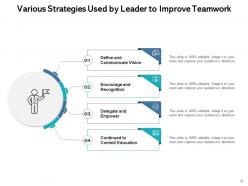
Leader business communicating motivational successful success goals pyramid
Try Before you Buy Download Free Sample Product
Audience
Editable
of Time
Our Leader Business Communicating Motivational Successful Success Goals Pyramid are topically designed to provide an attractive backdrop to any subject. Use them to look like a presentation pro.
People who downloaded this PowerPoint presentation also viewed the following :
Leader business communicating motivational successful success goals pyramid with all 13 slides:
Use our Leader Business Communicating Motivational Successful Success Goals Pyramid to effectively help you save your valuable time. They are readymade to fit into any presentation structure.
FAQs for Leader business communicating motivational successful
Effective leadership communication motivates and boosts team productivity by fostering clarity, alignment, and trust. Leaders who clearly articulate goals, expectations, and feedback, while actively listening to team members' concerns and ideas, create an environment where individuals feel valued and understand their contributions. This open communication streamlines workflows, minimizes misunderstandings, and ultimately drives higher levels of engagement and performance, particularly in fast-paced organizations where adaptability and collaboration are key.
Effective leadership communication is characterized by clarity, empathy, and authenticity. Strong leaders articulate their vision with precision, ensuring everyone understands the goals and their role in achieving them. They actively listen to their team, demonstrating genuine interest in their perspectives and concerns, while also fostering an environment of open dialogue where feedback is welcomed and valued. Ultimately, this combination of transparency and active listening builds trust and motivates teams to perform at their best.
Effective leadership communication involves tailoring your style to diverse team members, recognizing that different individuals respond to various approaches. Leaders can enhance engagement by adapting their communication methods, considering factors like preferred communication channels, cultural nuances, and individual learning styles. By employing a mix of clear directives, collaborative discussions, and personalized feedback, leaders can foster a more inclusive and productive work environment, ultimately leading to increased team cohesion and improved performance.
Active listening is crucial for successful leadership communication as it encompasses not only hearing words but also understanding the underlying emotions, needs, and perspectives of team members. It fosters trust and transparency by demonstrating genuine interest and respect, ultimately leading to improved collaboration, increased employee engagement, and more effective problem-solving within organizations.
Effective leadership communication involves navigating difficult conversations with empathy and clarity. Leaders can successfully address challenging topics by actively listening to team members' perspectives, clearly articulating their own positions while remaining respectful, and collaboratively exploring solutions. This fosters a culture of open dialogue, builds trust, and ultimately leads to improved team performance and stronger relationships.
Storytelling can significantly enhance a leader's communication strategy by making information more memorable, relatable, and engaging. Leaders can use stories to illustrate complex concepts, build trust and rapport with their teams, and inspire action by connecting with employees on an emotional level. For example, in the financial sector, leaders often use success stories to motivate employees to achieve ambitious targets, while in healthcare settings, narratives of patient impact can reinforce the importance of quality care. Ultimately, storytelling helps leaders create a more human and compelling connection with their audience, fostering a stronger sense of purpose and shared vision.
Leaders can leverage various tools and technologies to enhance their communication impact, including video conferencing platforms, project management software, and internal social networks. These technologies enable real-time collaboration, transparent information sharing, and streamlined feedback loops, ultimately fostering a more engaged and connected workforce. With many organizations finding that these tools improve employee morale and productivity, leaders can significantly enhance their communication effectiveness and drive organizational success.
Creating an open communication culture involves fostering trust, transparency, and active listening. Leaders can achieve this by regularly sharing information, both positive and negative, and encouraging feedback from all levels of the organization. By actively soliciting diverse perspectives and creating safe spaces for open dialogue, leaders can empower employees to contribute ideas freely, ultimately leading to increased innovation and improved decision-making across all departments.
Effective leadership communication involves clarity, empathy, and active listening, yet common pitfalls can hinder progress. Leaders should avoid vague directives, assuming everyone understands their expectations, and failing to provide constructive feedback. These pitfalls can lead to misinterpretations, decreased morale, and missed opportunities, ultimately hindering team performance and organizational success.
Nonverbal communication significantly impacts a leader's credibility and influence by conveying confidence, trustworthiness, and authenticity. Leaders who maintain consistent eye contact, use open body language, and demonstrate genuine facial expressions build rapport and foster trust with their team. For example, a CEO who smiles genuinely during a presentation projects approachability and builds stronger connections with investors, while a manager who avoids eye contact during a difficult conversation may appear disengaged or insincere, undermining their authority. Ultimately, effective nonverbal communication enhances a leader's ability to inspire, motivate, and guide their team toward success.
Effective leadership communication hinges on clarity and transparency, achieved through strategies like active listening, open-door policies, and regular feedback loops. Leaders can enhance transparency by proactively sharing information, both positive and challenging, with their teams, fostering trust and a sense of shared purpose. With many organizations finding that open communication leads to increased employee engagement and productivity, leaders who prioritize these strategies cultivate a culture of trust and collaboration, ultimately driving better business outcomes.
Emotional intelligence significantly enhances a leader's communication effectiveness by fostering empathy, self-awareness, and strong interpersonal skills. Leaders with high EQ can accurately perceive and understand the emotions of their team members, tailoring their communication style to resonate with individual needs and build stronger connections. This empathetic approach not only improves information sharing and collaboration but also creates a more supportive and trusting work environment, ultimately leading to increased engagement and productivity.
Cross-cultural communication in global leadership significantly impacts team dynamics, decision-making, and overall organizational effectiveness. It presents both challenges and opportunities, as leaders must navigate diverse communication styles, cultural norms, and potential misunderstandings. While effective cross-cultural communication can foster inclusivity, innovation, and stronger relationships, ineffective communication can lead to conflict, reduced productivity, and missed opportunities. With many multinational organizations finding success through cultural sensitivity training and inclusive leadership practices, global leaders who master this skill set themselves apart in today's interconnected world.
Feedback loops are essential for effective leadership communication as they foster transparency, trust, and continuous improvement. Leaders can integrate feedback loops by proactively soliciting input from team members through regular check-ins, surveys, or anonymous suggestion boxes, enabling them to understand perspectives and address concerns. By actively listening to and incorporating feedback, leaders demonstrate a commitment to growth, ultimately enhancing team morale, performance, and organizational success.
Effective leadership communication during crises involves transparency, empathy, and clarity. Best practices include clearly outlining the situation, acknowledging concerns, outlining actionable steps, and providing regular updates. By demonstrating these qualities, leaders can build trust, minimize panic, and guide their teams through challenging times, ultimately fostering resilience and a sense of shared purpose.
-
Graphics are very appealing to eyes.
-
Unique design & color.
-
The Designed Graphic are very professional and classic.
-
Thanks for all your great templates they have saved me lots of time and accelerate my presentations. Great product, keep them up!