

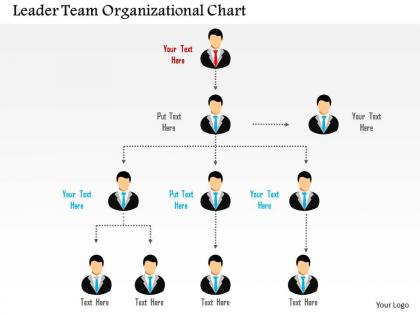
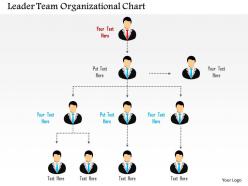
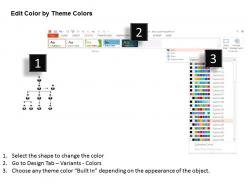
Leader team organizational chart flat powerpoint design




Try Before you Buy Download Free Sample Product
 Impress Your
 Audience
 100%
100% Editable
 Save Hours
 of Time


In order to better bifurcate the functions and associate the same with a hierarchical chart in a well depicted in PPT slide one can ensure that no task in left unattended or unallied thus with the help of PowerPoint design with leader team organizational chart the same can be achieved. One can give the business a boost with the help of structurally aligning the work practice and when it comes to delivering an idea and proposal no one in the organization is left unattended, thus a creative and effective presentation slide show comes to play especially to add and edit the data with ease. PPT layout not only helps to compile all the information in a single slide but also ensures to give a professional touch. Performance can be given a boost with timely application of security and protected measures which can be easily conveyed to the stakeholders with the help of creative, professional and colorful PPT slide show which is very handy to use. The exclusive display of our Leader Team Organizational Chart Flat Powerpoint Design will draw in the connoisseurs. You will become their fashion destination.
People who downloaded this PowerPoint presentation also viewed the following :
Leader team organizational chart flat powerpoint design with all 5 slides:
Our Leader Team Organizational Chart Flat Powerpoint Design help disclose facts. Every aspect becomes crystal clear.

FAQs for Leader team organizational chart
So flat structures cut out the middle management BS - decisions happen fast but everyone's juggling way too much. Traditional hierarchies are like that corporate pyramid thing where everything needs approval (ugh, so slow). Matrix is weird because you've got multiple bosses, which honestly sounds like a nightmare but works well for project teams since you get specialists plus project focus. Really depends on your company size and how fast you need to pivot. I'd start by just mapping who actually calls the shots right now - might surprise you how messy it already is.
So basically, how your company's set up totally changes how info gets around. Flat structures? Way faster communication since there aren't a million layers to go through. With hierarchies, everything slows down because messages have to travel up and down the chain - honestly feels like that telephone game we played as kids sometimes. Matrix structures let teams talk across departments more, but then nobody knows who their actual boss is lol. The trick is figuring out what works for how your people actually need to work together day-to-day.
Ok so here's the thing - how you set up your org chart literally shapes how people act at work. Flat structures? People collaborate more and decisions happen faster since there's less red tape. With traditional hierarchies, communication gets more formal and authority lines are super clear (which honestly isn't always terrible). The whole reporting chain thing matters too - it determines if your team feels comfortable speaking up or if they're constantly waiting for someone's approval. I learned this the hard way at my last job. Design it on purpose though, because your structure's gonna influence your culture no matter what.
First thing - figure out where you actually stand right now. Team size, how much runway you've got, where you think you'll be in the next year or so. Honestly? Most early startups should stay flat at first. Less bureaucracy, quicker decisions, people actually talk to each other. But don't get married to that idea if you're growing fast. Around 15-20 people, you'll probably need some managers or things get messy real quick. I'd look at what's causing you the biggest headaches operationally and build your structure around fixing those problems first.
Matrix structures are pretty cool - you get specialized expertise plus project flexibility since people report to both functional and project managers. But honestly? It's messy as hell. Dual reporting creates so much confusion about priorities, and you'll see power struggles between managers constantly. Employees get pulled in every direction and don't know who to listen to. Great for complex projects needing diverse skills, though I've seen it work best when communication is rock solid and roles are crystal clear. Just... be ready for the chaos if you go this route.
Honestly, it's all about how many layers you stack between people and decisions. Startups move fast because there's like three people total - the CEO literally sits next to you. Compare that to big corporations where you need approval from your manager's manager's manager just to order new pens (okay slight exaggeration). Fewer approval layers = faster choices. More hierarchy means everything gets stuck in committee hell, though I guess that catches mistakes better. If you want speed, cut out the middle management bottlenecks. Simple as that.
Break your teams into small cross-functional groups that can work async across time zones. Define roles clearly so people aren't stuck waiting for approvals all day. Flat hierarchies are your friend here - honestly, multi-level approvals are painful enough without adding timezone delays. Give teams autonomy over their workflows but set up regular check-ins. What really matters is measuring actual results instead of tracking hours. Oh, and map out your current processes first to see what actually needs real-time collaboration versus what doesn't.
Start with where things are actually broken - not just annoying, but genuinely failing. Your growth plans matter too because fixing today's mess might screw you over later. People are huge here (seriously, I've seen restructures tank because leadership forgot humans work there). Think about how info flows, how fast decisions get made, who controls what resources. Oh and define what winning looks like afterward - otherwise you're just moving problems around. My old boss did this once and... yeah, disaster.
Honestly, tech can totally transform how your team works - or make everything worse. Slack breaks down those annoying corporate walls and speeds things up. Project management tools? They're great for figuring out who's actually supposed to do what. But here's what I've learned the hard way: throwing fancy software at a mess just creates a digital mess. You need to figure out where stuff gets stuck first - like, where do emails go to die in your company? Then grab tools that fix those specific problems. Otherwise you're just making expensive mistakes.
Your org structure totally shapes how happy people are at work. Flat structures usually win because employees don't feel micromanaged and actually get heard. Rigid hierarchies? Yeah, those make people feel pretty disconnected from decisions. Honestly, I've watched this happen at like every company I've worked with. You want clear communication and reasonable management spans - oh, and actual growth opportunities. That's what keeps people around. Maybe survey your team about what changes would help? They'll probably have better ideas than you think.
So nonprofits are way more collaborative - flatter structure, mission comes first, board breathing down your neck but in a good way usually. Companies? Total opposite. Hierarchical as hell, profit drives everything, clear boss-to-employee chains. Government though... that's where things get wild with bureaucracy. Like, SO many layers and protocols for everything (honestly sometimes I think they overdo it but whatever). Your sector totally changes how fast decisions get made and how people actually talk to each other. Just think about what'll work for the actual job you're trying to do.
Honestly, Lucidchart and Visio are your best bets - super easy to use for basic org charts. Miro's pretty cool too if you want something more visual. I've been obsessed with Figma lately (probably using it way more than I should lol), but it makes everything look so clean. Excel works in a pinch if you're dealing with messy reporting structures. OrgMapper's good for data-heavy stuff. My take? Just use whatever your team already has. Don't overthink it. You can always switch later if you need fancier features.
Start with the "why" - nobody's buying into changes they don't get. Explain the business reason first, then break down what actually changes in their daily work. Don't just drop a new org chart and bounce (learned that one the hard way). Hit multiple channels since people absorb info differently - some need the town hall, others prefer their manager explaining it. Expect pushback and questions. That's normal. Address concerns but stay consistent with your core message. Follow up in a few weeks to see what's still confusing people.
Honestly, the worst thing you can do is not explain WHY you're changing everything - people freak out when they're left guessing. Most companies also rush it way too fast without getting buy-in from the people who actually matter. Communication just falls apart completely during these things. Oh, and here's what drives me crazy - they focus on drawing pretty org charts instead of thinking about how work actually gets done day-to-day. The cultural stuff hits way harder than anyone expects. Start talking early and often, give yourself more time than you think, and find those people who naturally get others excited about new ideas.
Honestly, your org structure makes or breaks how projects actually go. Flat companies? Quick decisions and people can just do their thing, but good luck figuring out who's responsible when stuff goes sideways. With traditional hierarchies you know exactly who does what - super clear - but waiting for approvals is like watching paint dry. Matrix structures are interesting because you can grab talent from wherever, though you'll probably deal with conflicting priorities and people not knowing who they really report to. Really depends on what you're building. Don't try running agile in some old-school corporate setup - it'll be painful.
-
Excellent design and quick turnaround.
-
Great quality product.