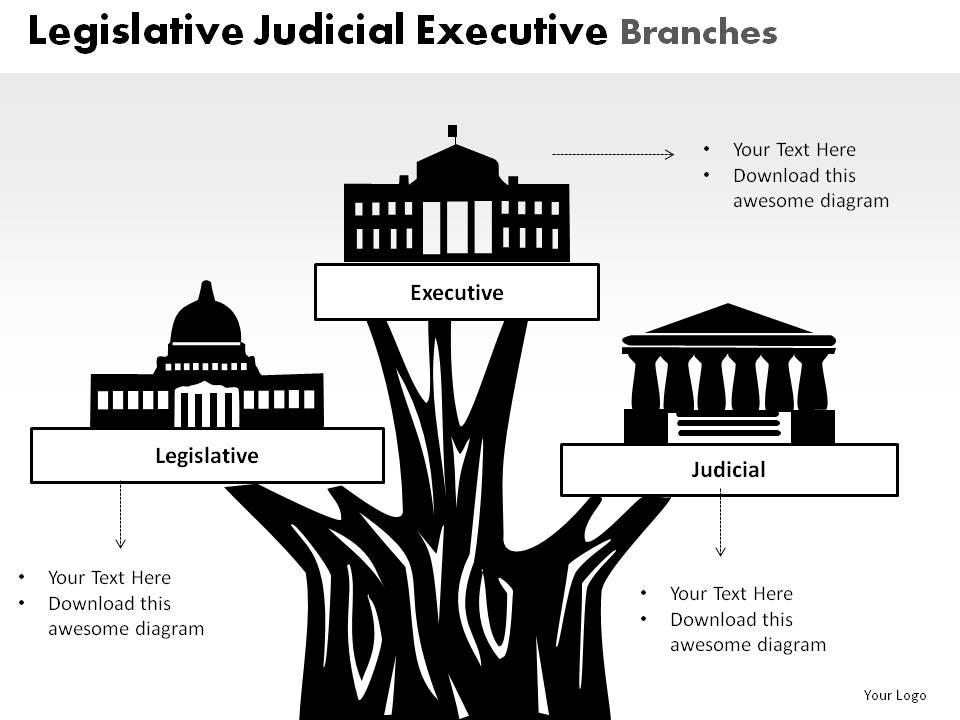
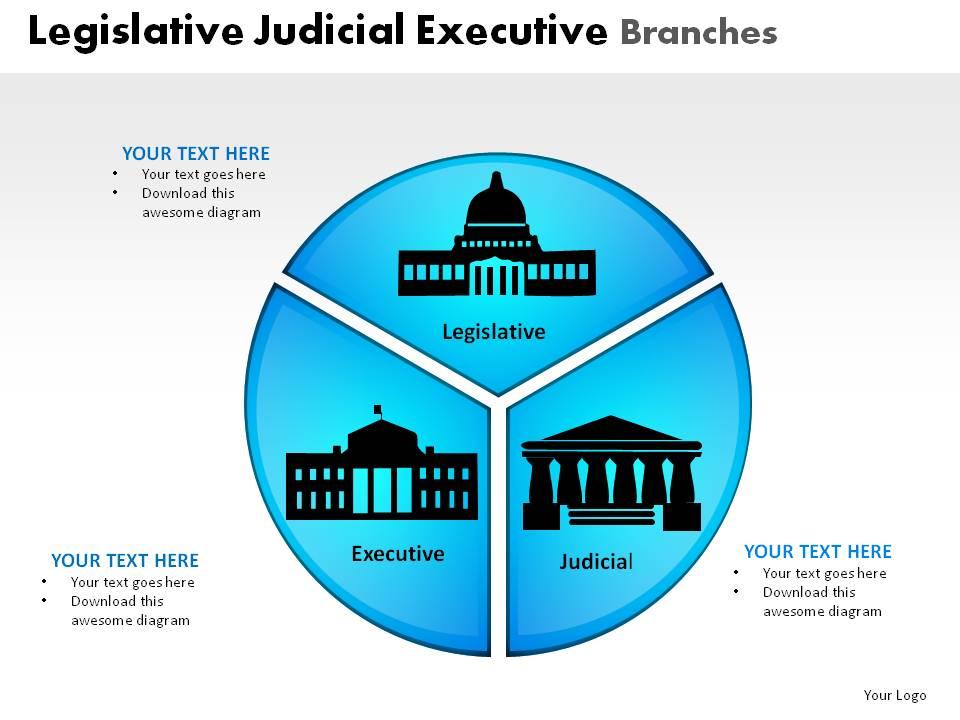
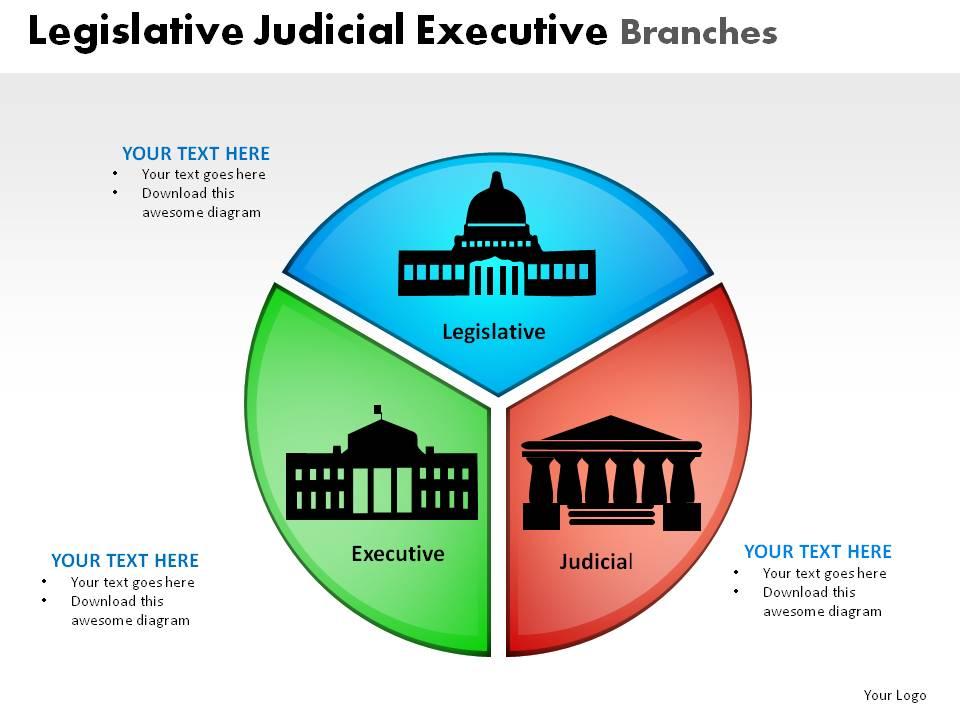
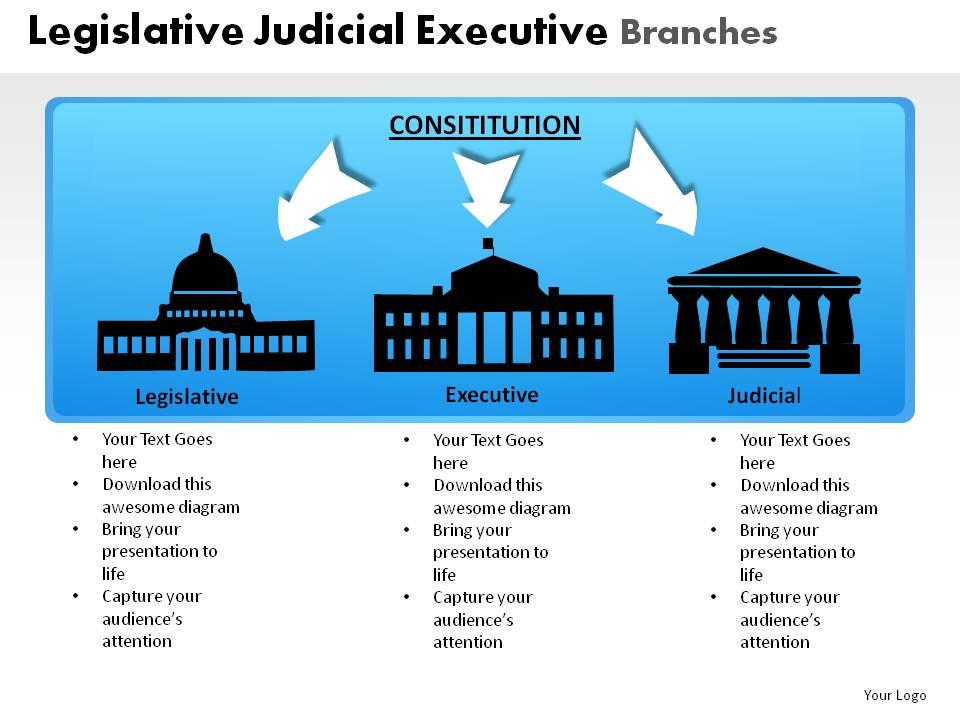
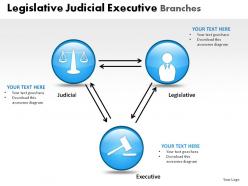
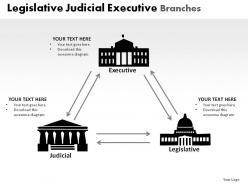
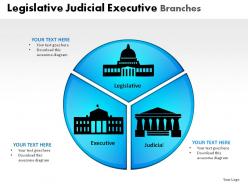
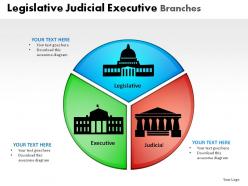
Legislative judicial executive powerpoint presentation slides

Rating:
90%
Legislative judicial executive powerpoint presentation slides
Slide 1 of 26
Favourites Favourites

Try Before you Buy Download Free Sample Product

Audience Impress Your
Audience
Editable 100%
Editable
Time Save Hours
of Time
The Biggest Sale is ending soon in
0
0
:
0
0
:
0
0
Rating:
90%
These high quality, editable pre-designed powerpoint slides and powerpoint templates have been carefully created by our professional team to help you impress your audience. Each graphic in every powerpoint slide is vector based and is 100% editable in powerpoint. Each and every property of any slide - color, size, shading etc can be modified to build an effective powerpoint presentation. Use these slides to convey complex business concepts in a simplified manner. Any text can be entered at any point in the powerpoint slide. Simply DOWNLOAD, TYPE and PRESENT!
People who downloaded this PowerPoint presentation also viewed the following :

FAQs for Legislative judicial executive

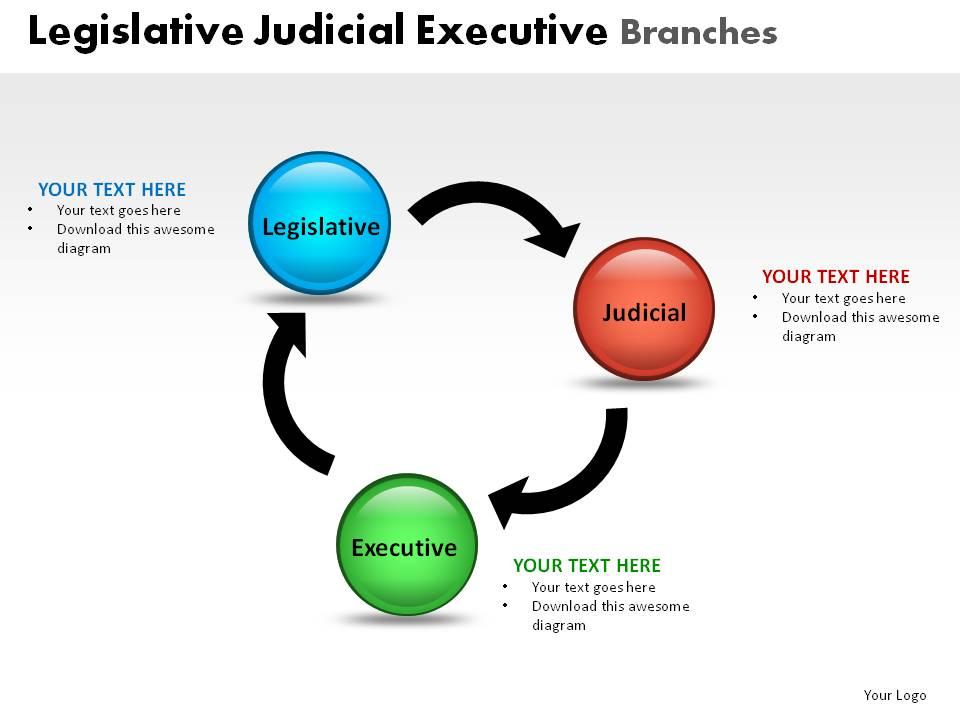
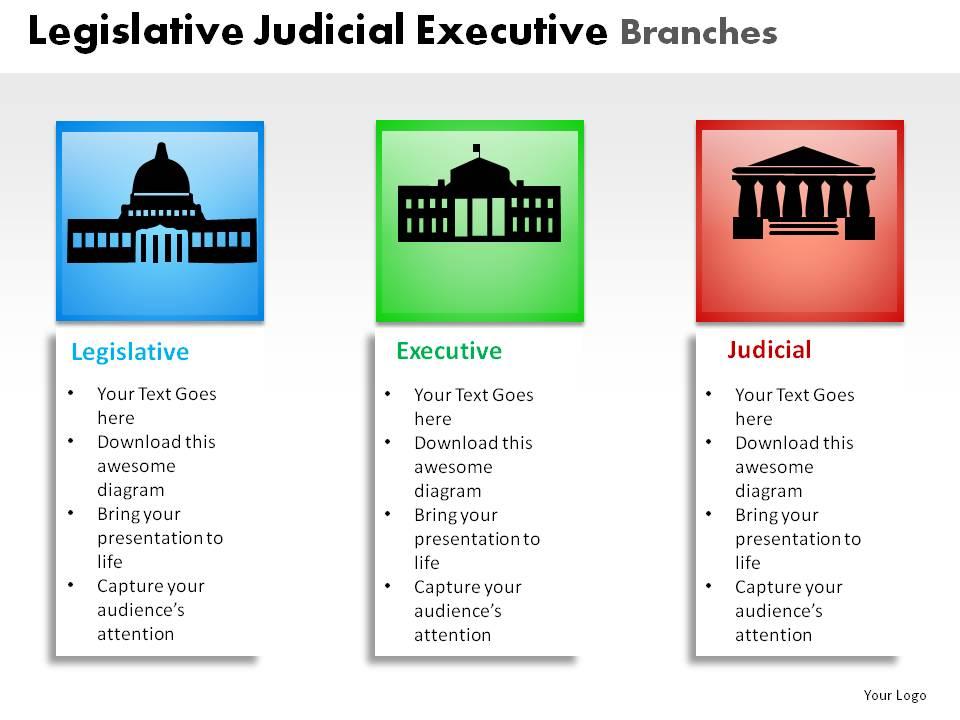
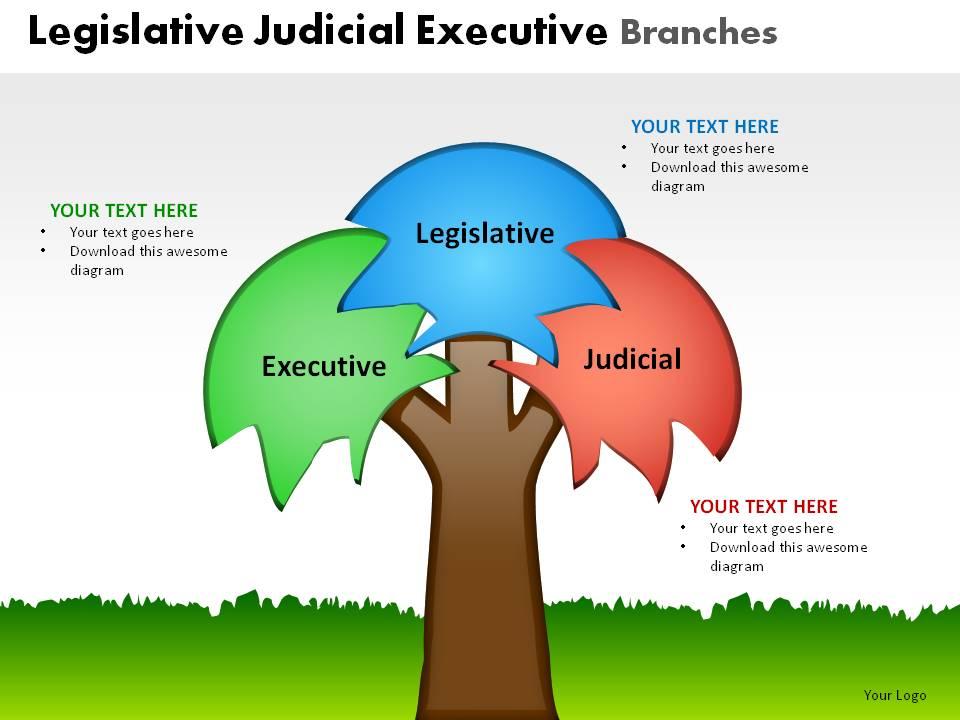
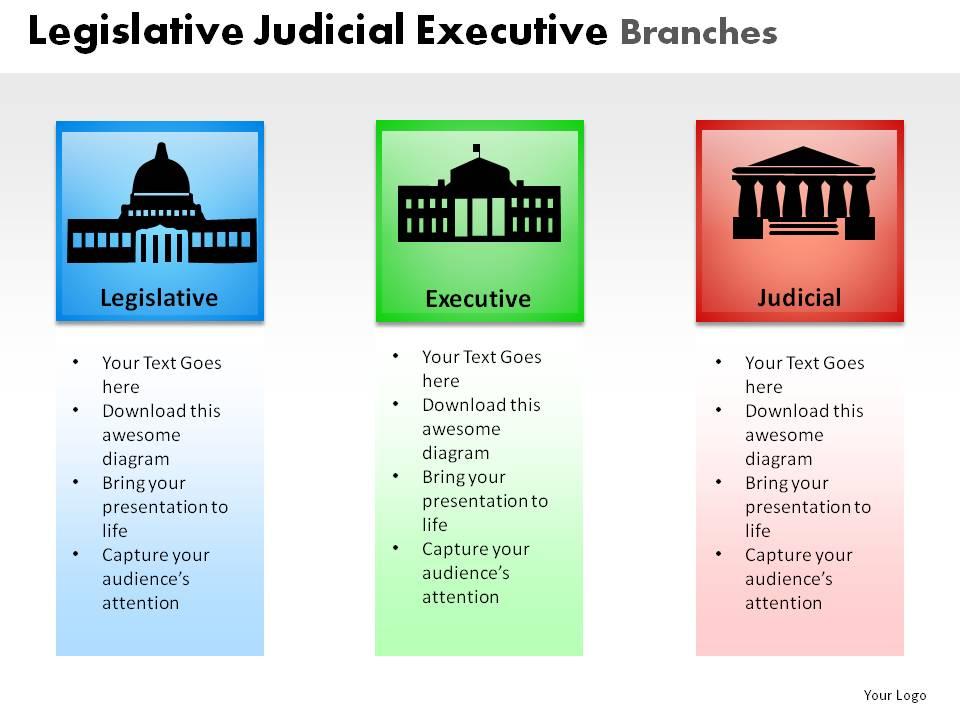
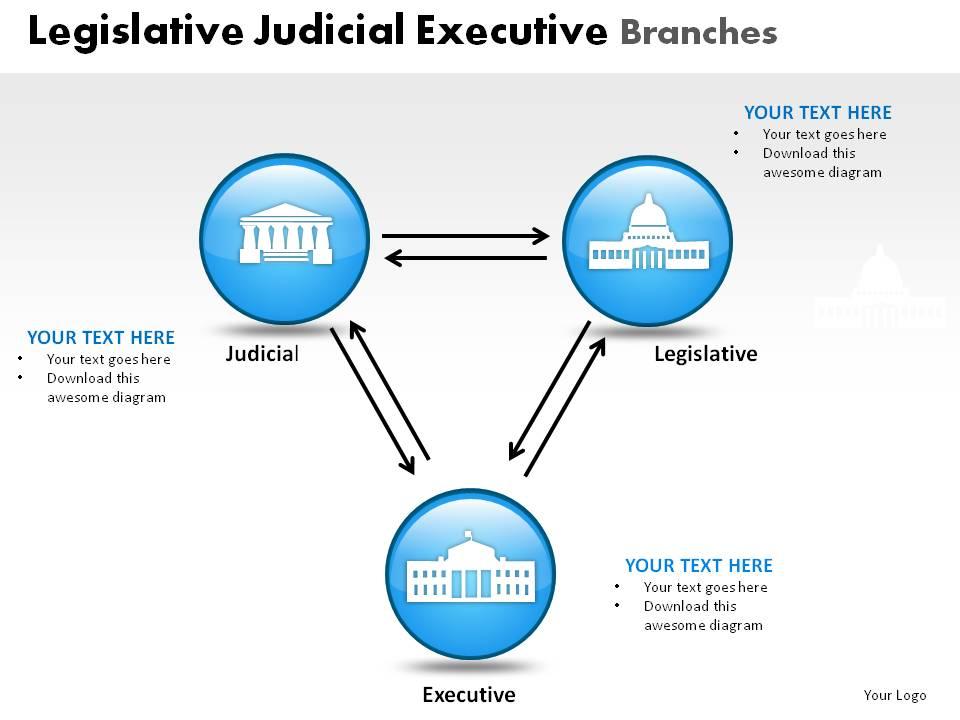
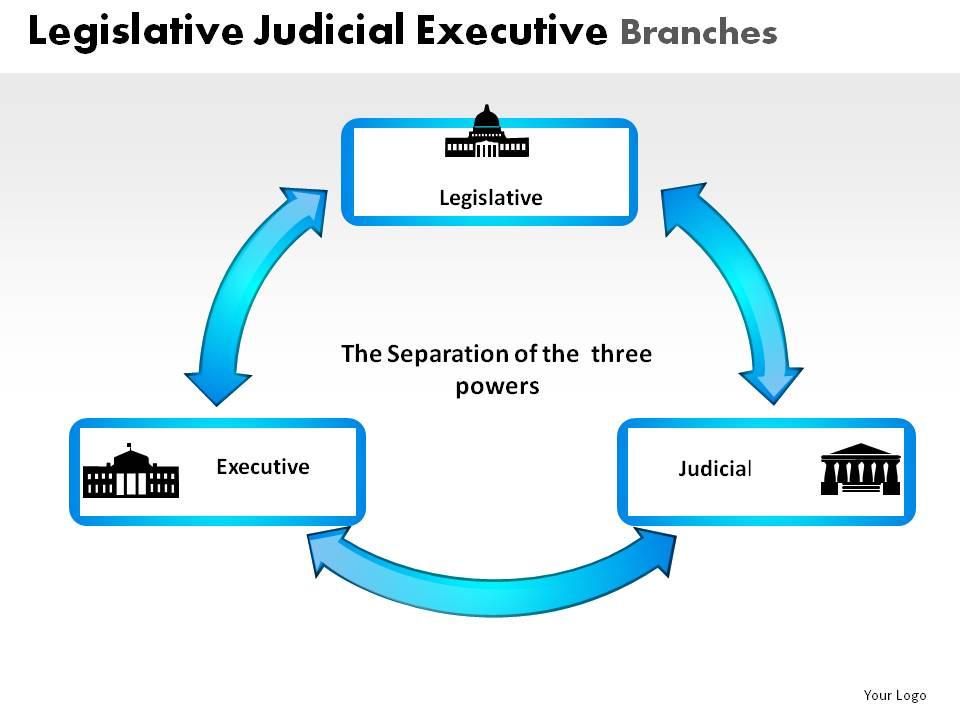
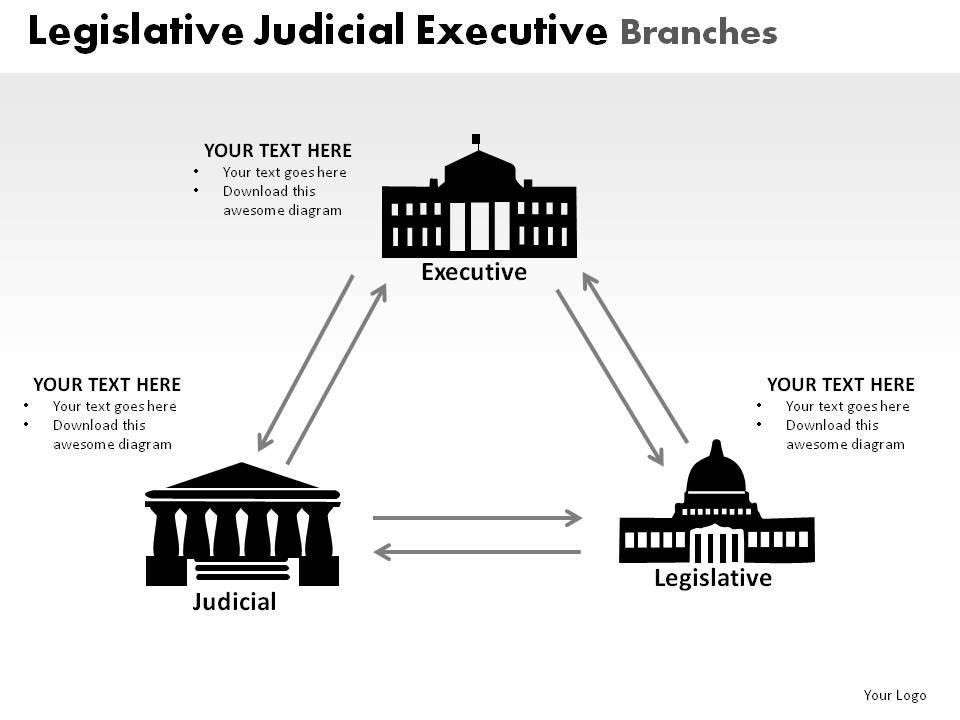
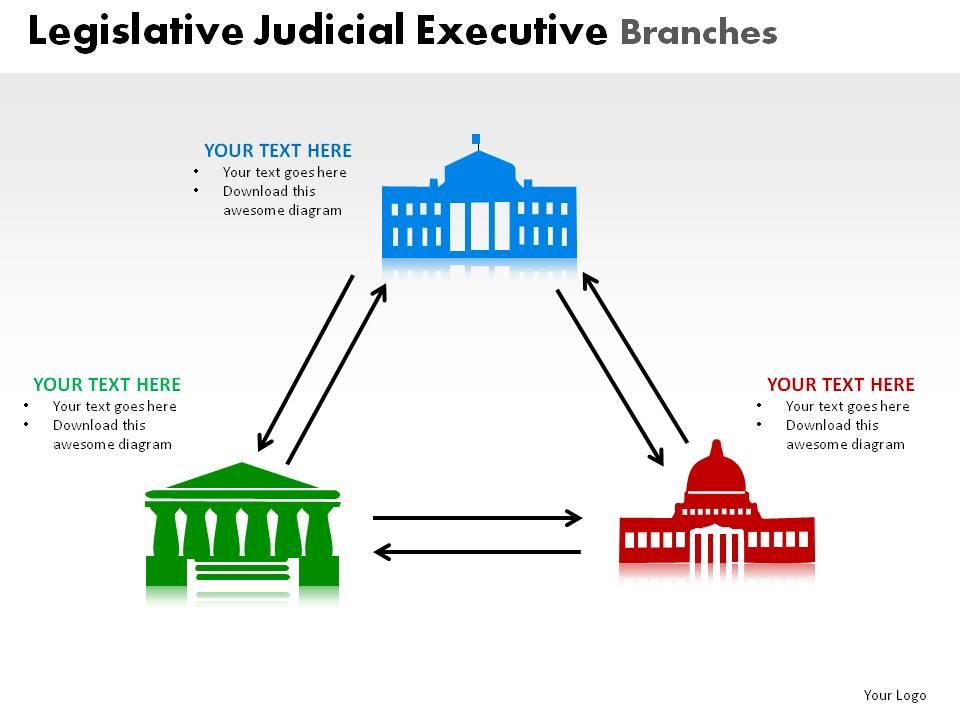
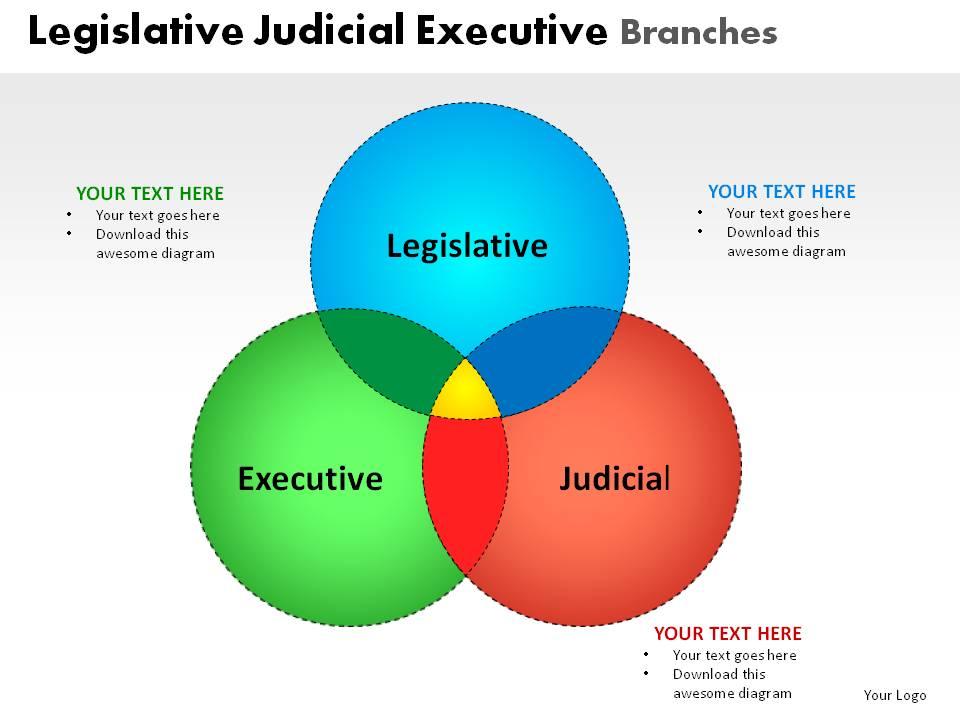
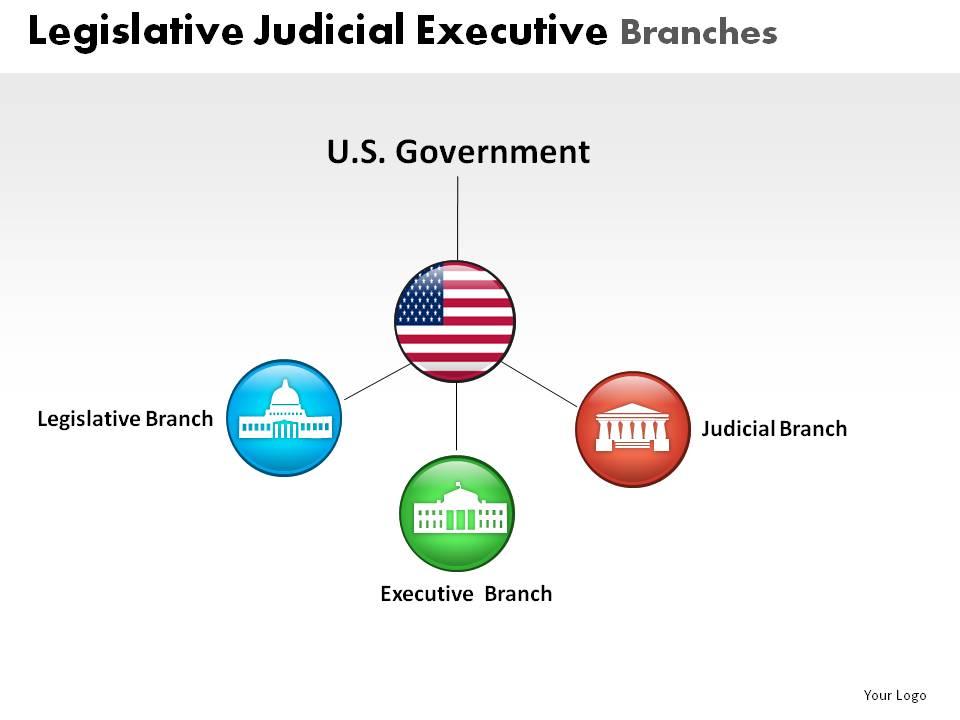
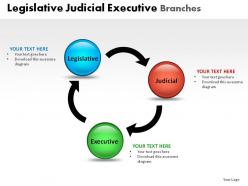
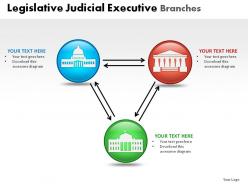
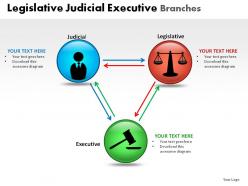
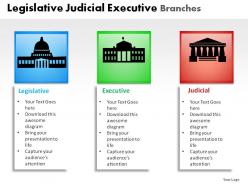
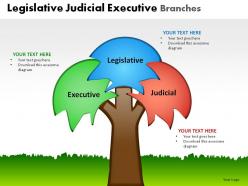
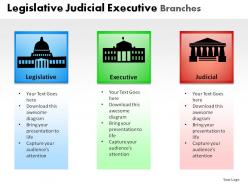
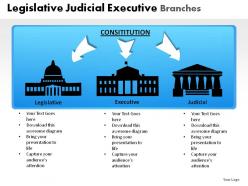
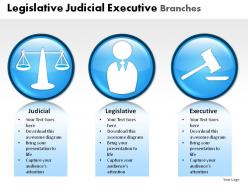
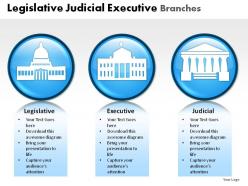
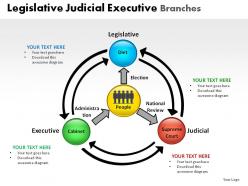
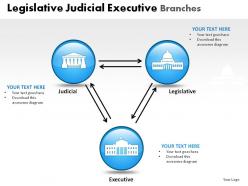
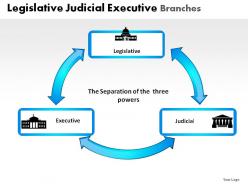
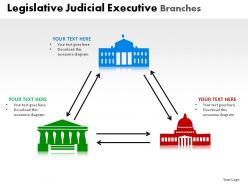
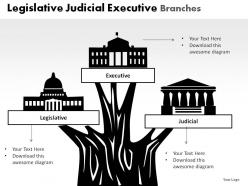
So there's three branches - legislative (Congress), executive (President), and judicial (courts). Congress makes the laws, President enforces them, courts interpret them. Pretty straightforward so far. But here's where it gets interesting: they all keep each other in check so nobody gets too powerful. Like Congress can override a presidential veto, President can veto bills, and courts can just say "nope, that law's unconstitutional." Honestly the whole system's kinda genius when you think about it. Focus on those check-and-balance relationships if you're studying - that's what usually confuses people.

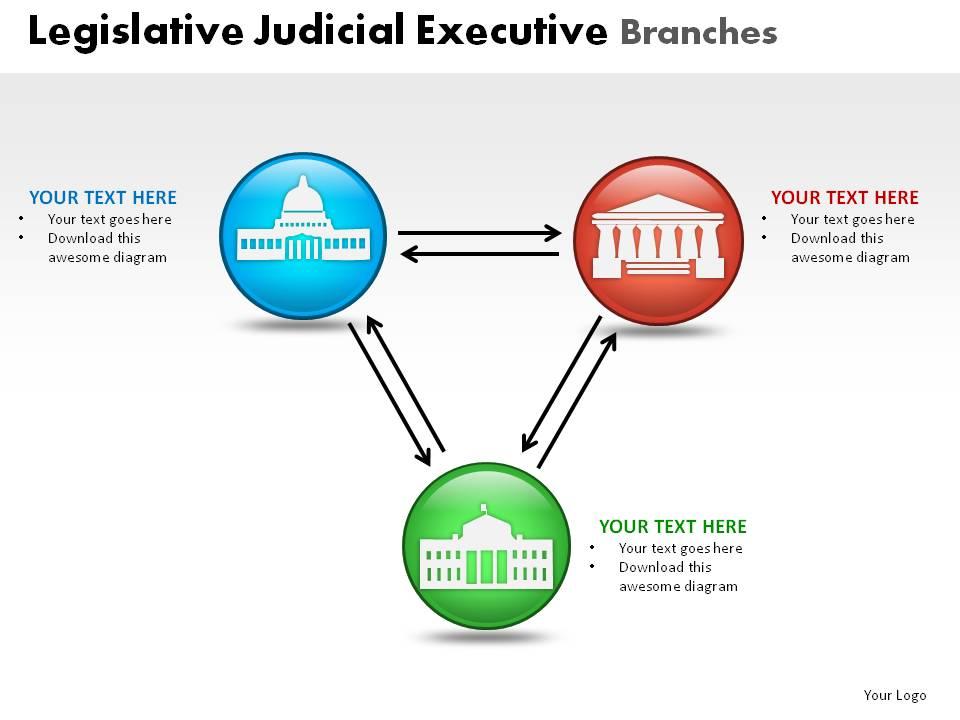
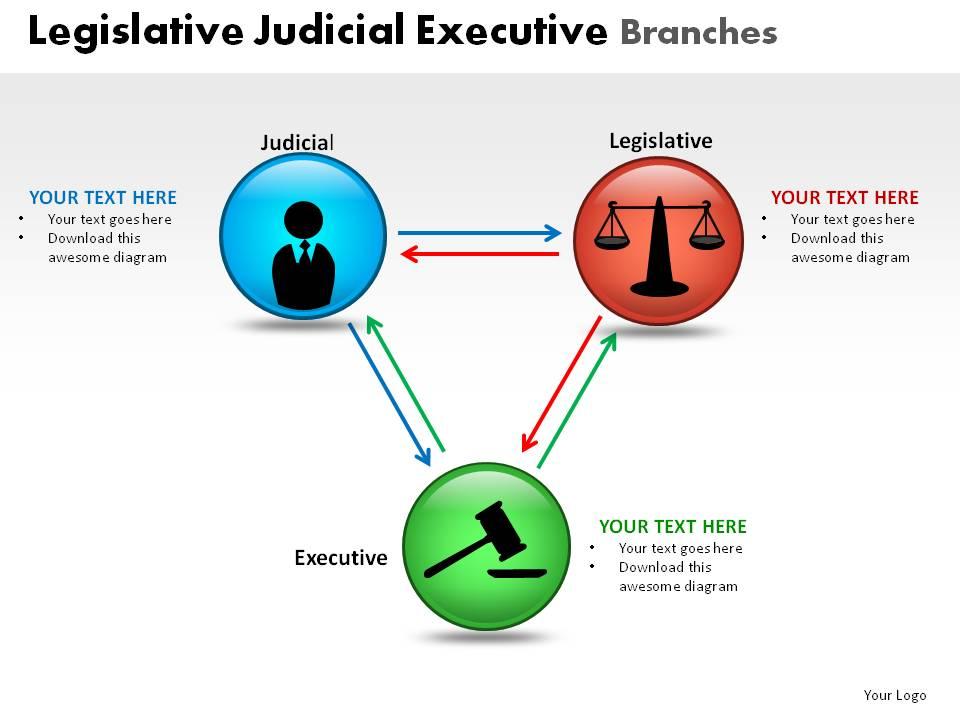
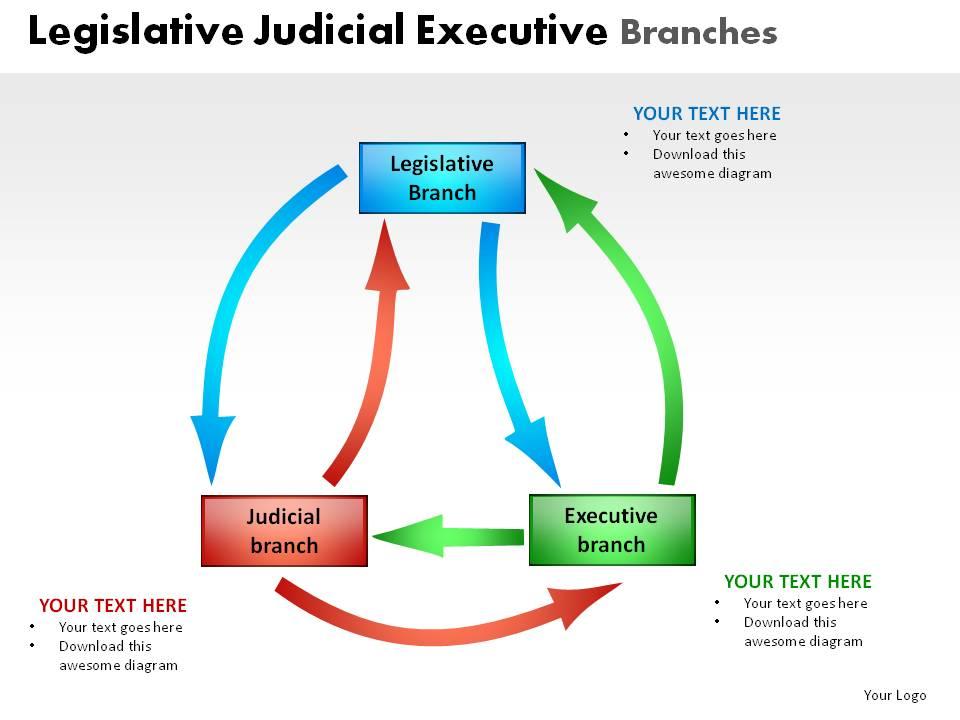
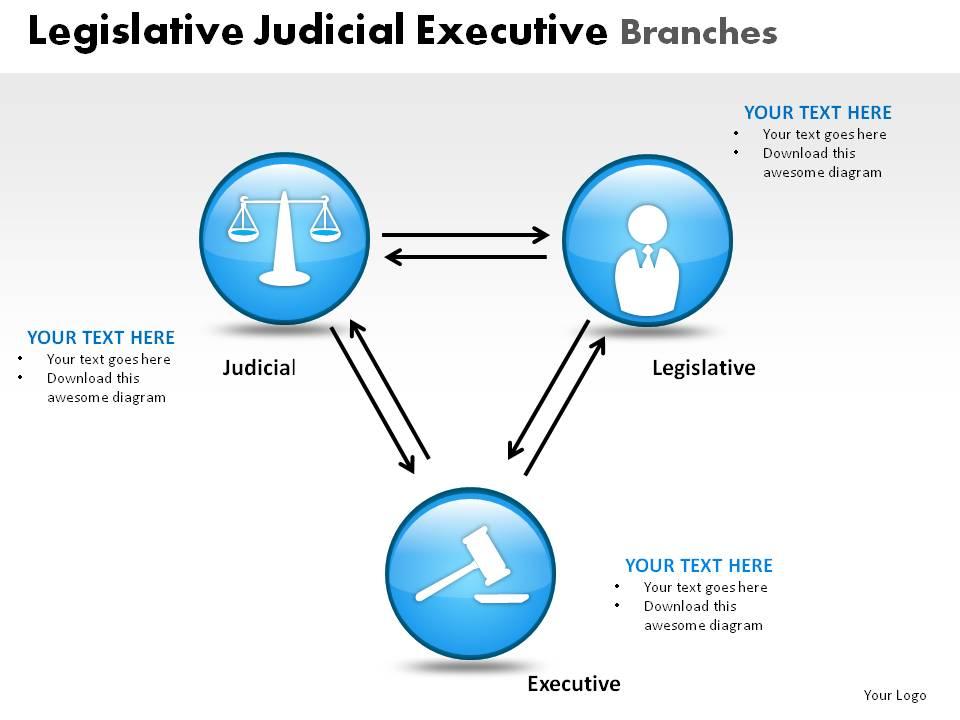
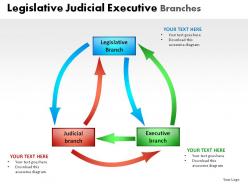
So basically each branch can check the others - Congress impeaches presidents and overrides vetoes, presidents veto laws and pick judges, courts can toss unconstitutional stuff. Pretty smart setup honestly. No single branch gets too powerful because they all need each other for big moves. The founders were kinda genius with this one. When you're studying it, look at real examples like specific veto battles or major Supreme Court cases - way easier to understand than just memorizing the theory. Those concrete examples actually stick in your head.

So the president can't actually make laws, but they've got tons of ways to drive policy anyway. They propose the federal budget, issue executive orders, and basically decide how aggressively to enforce existing laws. Federal agencies are huge here - they set regulatory priorities that actually affect people's daily lives. Foreign policy is another big one, though Congress has to sign off on treaties (which is honestly pretty annoying for presidents). But here's the thing - if you want to track real policy changes, don't just watch Congress. Look at what the agencies are doing because that's where you'll see the actual impact happening.

Congress writes all the federal laws - that's their main gig. But here's the thing most people miss: they don't just disappear after passing stuff. They've got oversight committees that can basically interrogate agencies about how they're actually enforcing these laws. Plus they control all the funding, which is huge leverage. You know that "I'm Just a Bill" song? Yeah, that's only half the story. The real action happens in those boring committee hearings afterward where they hammer out what the law actually means in practice. So watch both the votes AND the follow-up work.

Oh this one's actually pretty interesting! So judicial review is when the Supreme Court can knock down laws that break the Constitution. Wild thing is, this power isn't even written anywhere in the Constitution itself - they just gave it to themselves in 1803 with Marbury v. Madison (honestly kind of a power move). It's how the courts keep Congress and the President from going too far. Basically whenever you see headlines about courts ruling something "unconstitutional," that's judicial review doing its thing.
Yeah so most countries do separation of powers but they're all weird about it in different ways. Parliamentary systems like the UK basically have their PM come straight from parliament, so there's way more overlap. Presidential systems like ours keep the branches more separate - though honestly it just creates different headaches with all the gridlock. Some places do hybrid versions or throw in constitutional courts as like a fourth branch. Oh and if you're looking up a specific country, just check their constitution first since that's where they spell out how they divide everything up.

Honestly, separation of powers is kinda brilliant - it gives you way more ways to get stuff done. Got an issue? Hit up your rep, take it to court, or bug the executive branch. They're all checking each other so nobody gets too crazy with power. Downside though? When things go sideways, everyone just points fingers at the other branches. Super annoying. The trick is figuring out who actually handles your specific problem first. Like, don't waste time yelling at Congress about something the courts need to fix, you know?

So when Congress passes a bill, the president has a few moves. Obviously they can sign it or veto it - though Congress can still override with two-thirds in both houses, which is pretty rare honestly. But here's the sneaky part: they can literally do nothing. Wait 10 days while Congress is in session? Bill becomes law automatically. But if Congress goes home during those 10 days, it's called a "pocket veto" and the bill just dies. Politicians love these timing tricks way more than they should. Worth watching for when you're following any legislation!

So it totally depends on what kind of system you're dealing with. Federal countries like the US, Canada, Germany? State and provincial governments actually have real constitutional power that can't just be steamrolled by the feds. But places like France or the UK are completely different - local governments basically exist because the central government lets them, and that can change whenever. Then there's weird cases like South Africa that don't fit neatly into either box. Honestly, "federalism" means different things depending where you are, so you'll want to look up how your specific country actually divides things up.

So basically there's judicial review - courts can just toss out laws or executive stuff if they think it's unconstitutional. Then you've got impeachment, which honestly rarely happens but it's there. The whole checks and balances thing is messy as hell in real life. Presidents can veto bills, Senate has to confirm appointments, that kind of back-and-forth. Each branch can kinda mess with the others' power. Oh and if you're looking into some specific drama, check recent Supreme Court cases since they usually get the final say when everyone's fighting over who can do what.

Oh totally - when leadership flips, everything shifts. New presidents stack the courts with their picks and replace cabinet folks. Congress either plays nice or becomes a total roadblock depending on who's in charge. What's wild is how even smaller changes matter. Different Speaker of the House? Suddenly bills that were dead start moving again. I swear the Supreme Court timing is almost strategic - justices retire when they know their replacement will be similar. You can literally watch branches start repositioning themselves the second new leaders take over. It's like political chess.
So basically Congress feels public pressure the most since they're always worried about getting voted out. Presidents pay attention too, especially on big issues that could tank their approval ratings. Supreme Court justices pretend they don't care what people think, but come on - they're human. They definitely notice when the whole country's fired up about something. Your move? Actually call or email your reps when stuff matters to you. I know it feels pointless sometimes, but they legitimately count those messages. Worth a shot.

Yeah so all three branches are getting pretty tech-heavy these days. Courts do virtual hearings now (lifesaver during COVID honestly), Congress uses social media way more for connecting with people, and the executive branch has been pushing apps and online portals hard. Makes sense since they handle most citizen services. AI's helping with legal research too, which is wild. But here's what sucks - cybersecurity issues are everywhere now. Plus not everyone has good internet access, so there's this whole digital divide thing. Expect way more online processes but also annoying security steps when dealing with government stuff.

Yeah, presidents who overstep usually get burned eventually. FDR tried packing the Supreme Court in 1937 to get his way, but Congress and voters were like "absolutely not." Nixon's whole Watergate mess speaks for itself. Courts have smacked down recent presidents too - doesn't matter if they're Democrat or Republican - for going too far on immigration stuff, healthcare, war powers, whatever. The other branches always fight back eventually, which is honestly pretty fascinating when you think about the whole checks and balances thing. Short version: they might win temporarily, but it backfires.

So lobbying groups are basically trying to sway politicians through info, donations, and face-to-face meetings. They'll draft bills, testify at hearings, meet with reps - the whole nine yards. DC is crawling with these people, and honestly the access they get is kinda crazy. Sure, lawmakers benefit from their expertise on complicated stuff, but there's obvious problems when money talks louder than what's actually good for regular people. Oh, and if you're following policy in your field? Watch which groups are pushing what - it's a decent way to guess where things might head next.

Ratings and Reviews

90% of 100
Write a review
Most Relevant Reviews
  1. 80%

    by Dean Dixon

    Best way of representation of the topic.
  2. 100%

    by Li Stewart

    Great quality slides in rapid time.

2 Item(s)

per page: