


Loan Collection Process Improvement Plan Powerpoint Presentation Slides
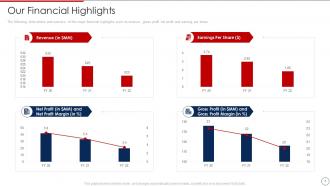
Collecting a debt can be a challenging task for any organization, as each organization requires a detailed process. Here is a professionally designed Loan Collection Process Improvement Plan template that highlights strategies that can help your organization recover debt from various organizations and debtors. The following presentation is helpful for the CFO or chief financial officers intending to analyze and understand the current debt of the organization and implement strategies that will help collect the same. Initially, this presentation helps understand the organizations key financial highlights by highlighting the revenues, gross profit margin, Earning per share, and Net profit margin. Once the current economic scenario is analyzed with the help of Balance Sheet and Income Statement KPIs, various debts that the organization has provided are to be highlighted. Once analyzed, new strategies for collecting debts are identified these can be getting better customer information through new forms, using proactive strategies, etc. Essential strategies are identified for optimizing the new debt collection process. In the end, key performance indicators or KPIs have identified measure success. Get access now.
Collecting a debt can be a challenging task for any organization, as each organization requires a detailed process. Here is..
















-

- Google Slides is a new FREE Presentation software from Google.
- All our content is 100% compatible with Google Slides.
- Just download our designs, and upload them to Google Slides and they will work automatically.
- Amaze your audience with SlideTeam and Google Slides.
-

Want Changes to This PPT Slide? Check out our Presentation Design Services
-

- WideScreen Aspect ratio is becoming a very popular format. When you download this product, the downloaded ZIP will contain this product in both standard and widescreen format.
-

- Some older products that we have may only be in standard format, but they can easily be converted to widescreen.
- To do this, please open the SlideTeam product in Powerpoint, and go to
- Design ( On the top bar) -> Page Setup -> and select "On-screen Show (16:9)” in the drop down for "Slides Sized for".
- The slide or theme will change to widescreen, and all graphics will adjust automatically. You can similarly convert our content to any other desired screen aspect ratio.
Compatible With Google Slides

Get This In WideScreen
You must be logged in to download this presentation.


Do you want to remove this product from your favourites?
PowerPoint presentation slides
Enthrall your audience with this Loan Collection Process Improvement Plan Powerpoint Presentation Slides. Increase your presentation threshold by deploying this well-crafted template. It acts as a great communication tool due to its well-researched content. It also contains stylized icons, graphics, visuals etc, which make it an immediate attention-grabber. Comprising fifty slides, this complete deck is all you need to get noticed. All the slides and their content can be altered to suit your unique business setting. Not only that, other components and graphics can also be modified to add personal touches to this prefabricated set.

People who downloaded this PowerPoint presentation also viewed the following :
Content of this Powerpoint Presentation
Slide 1: This slide introduces Loan Collection Process Improvement Plan. State Your Company Name and begin.
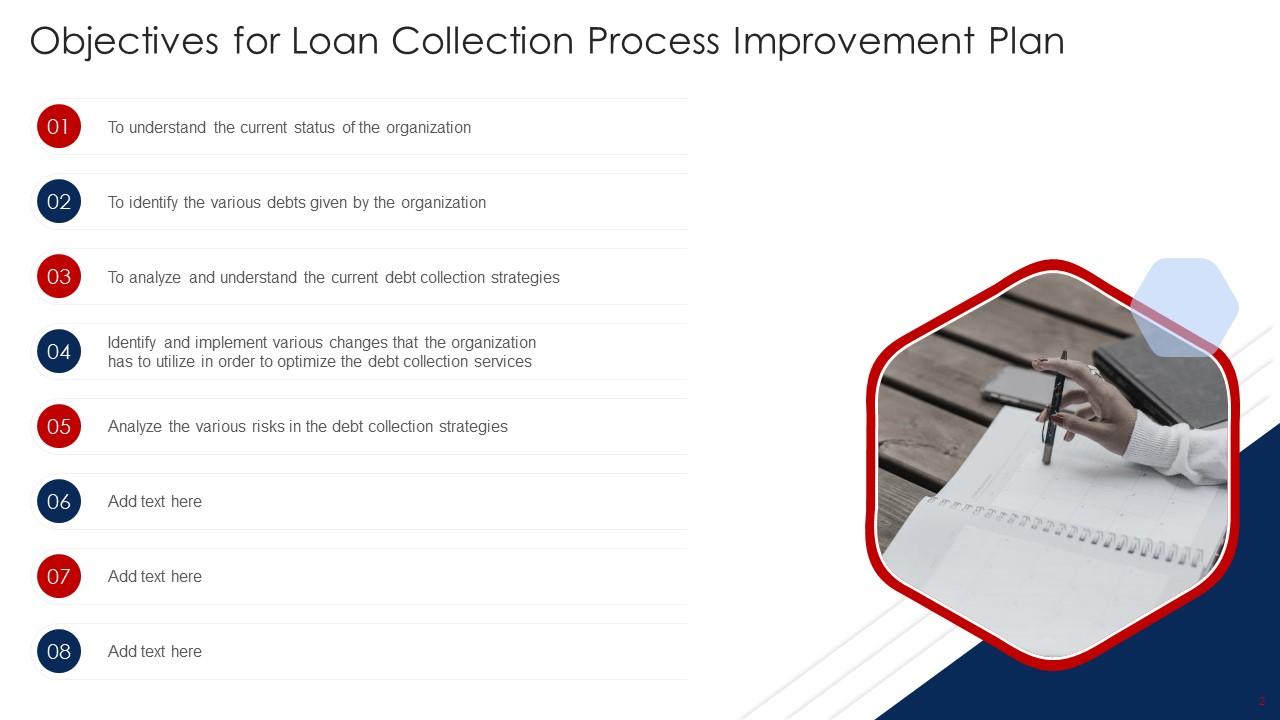
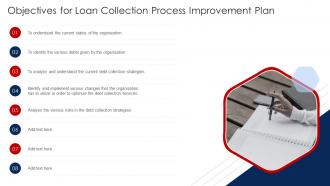
Slide 2: This slide shows Objectives for Loan Collection Process Improvement Plan.
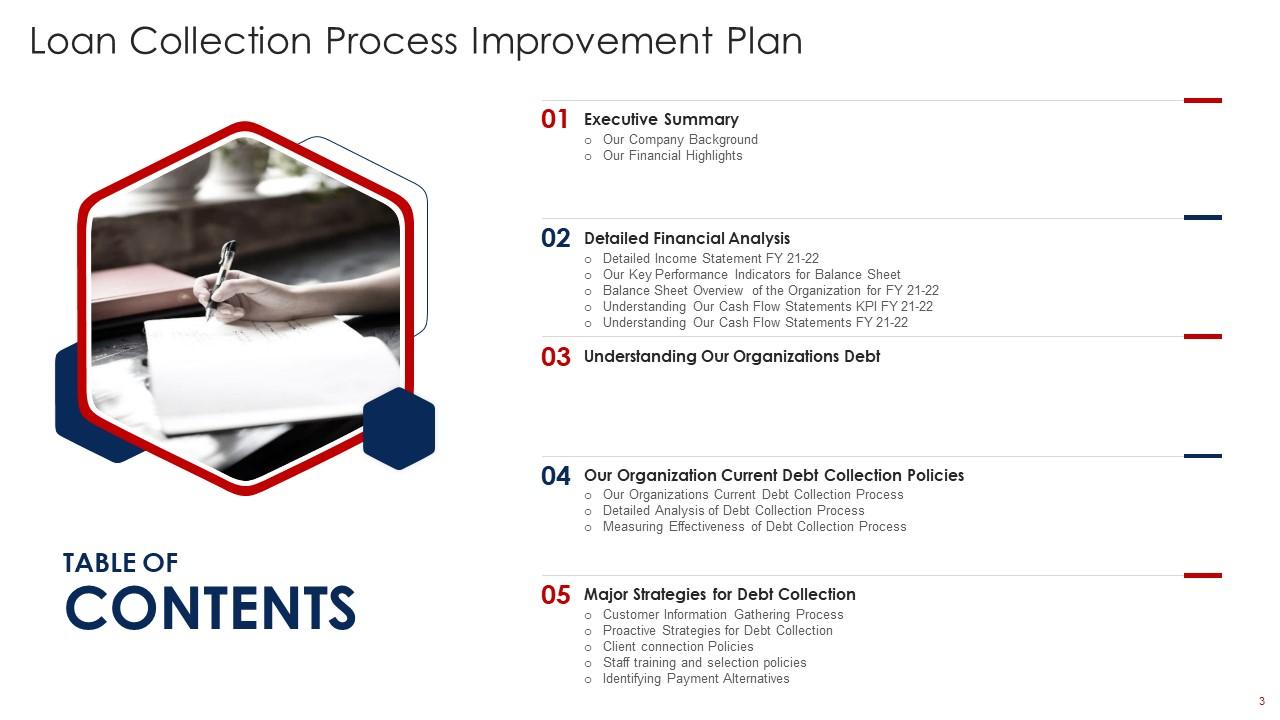
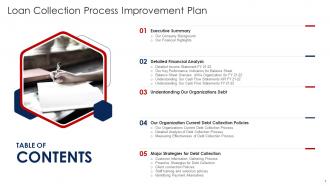
Slide 3: This slide presents Table of Content for the presentation.
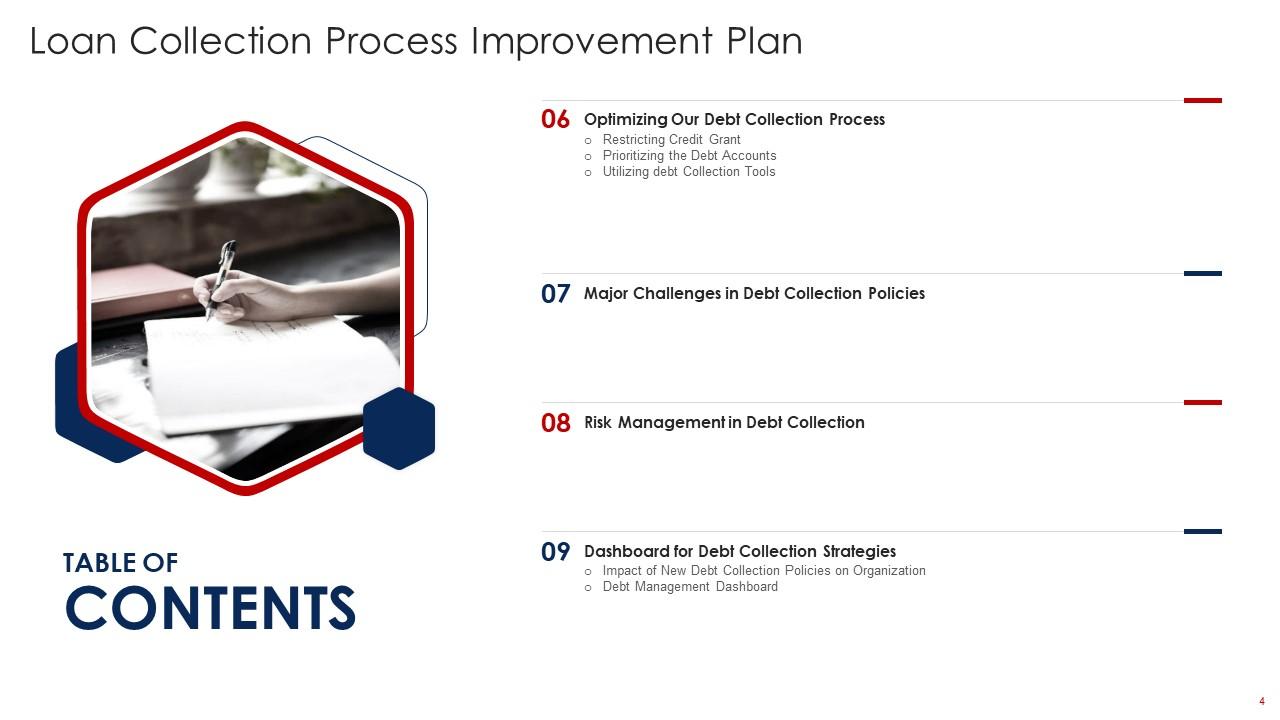
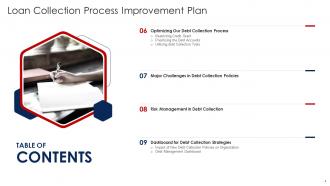
Slide 4: This is another slide continuing Table of Content for the presentation.
Slide 5: This slide shows title for topics that are to be covered next in the template.
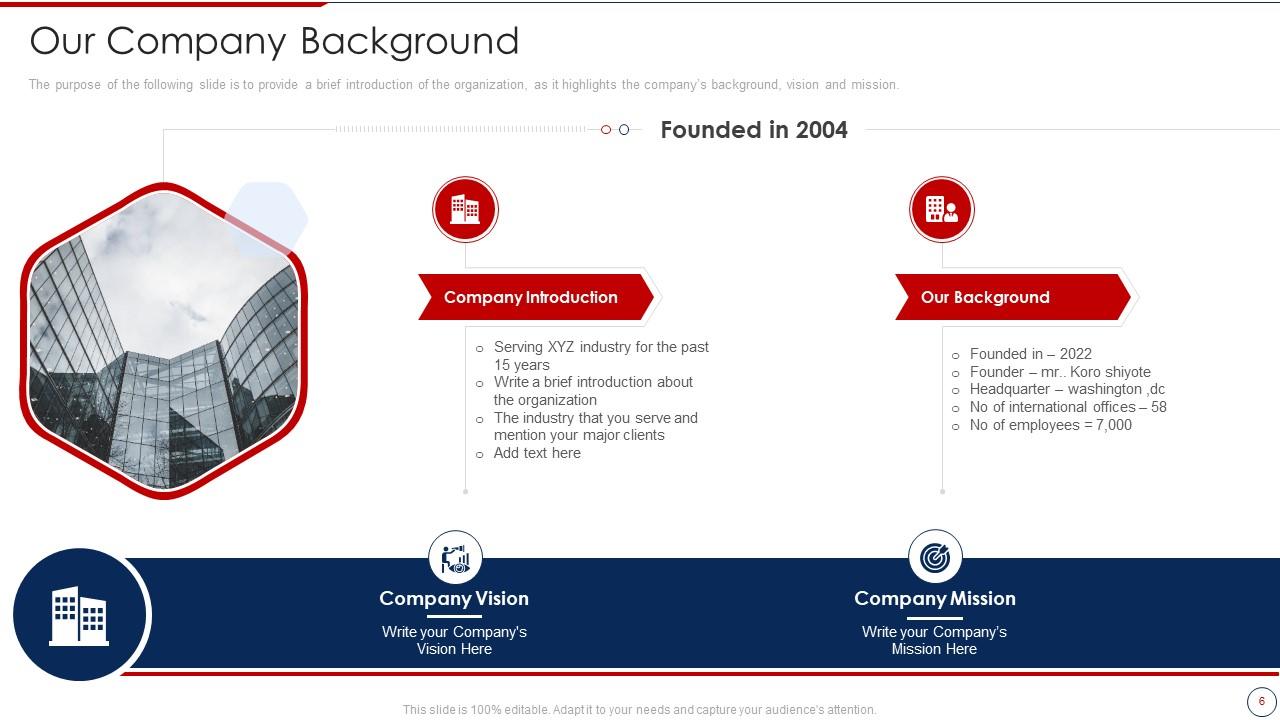
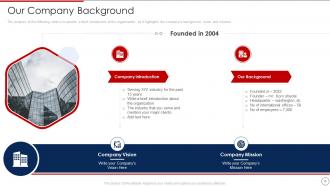
Slide 6 : This slide displays brief introduction of the organization, as it highlights the company’s background, vision and mission.
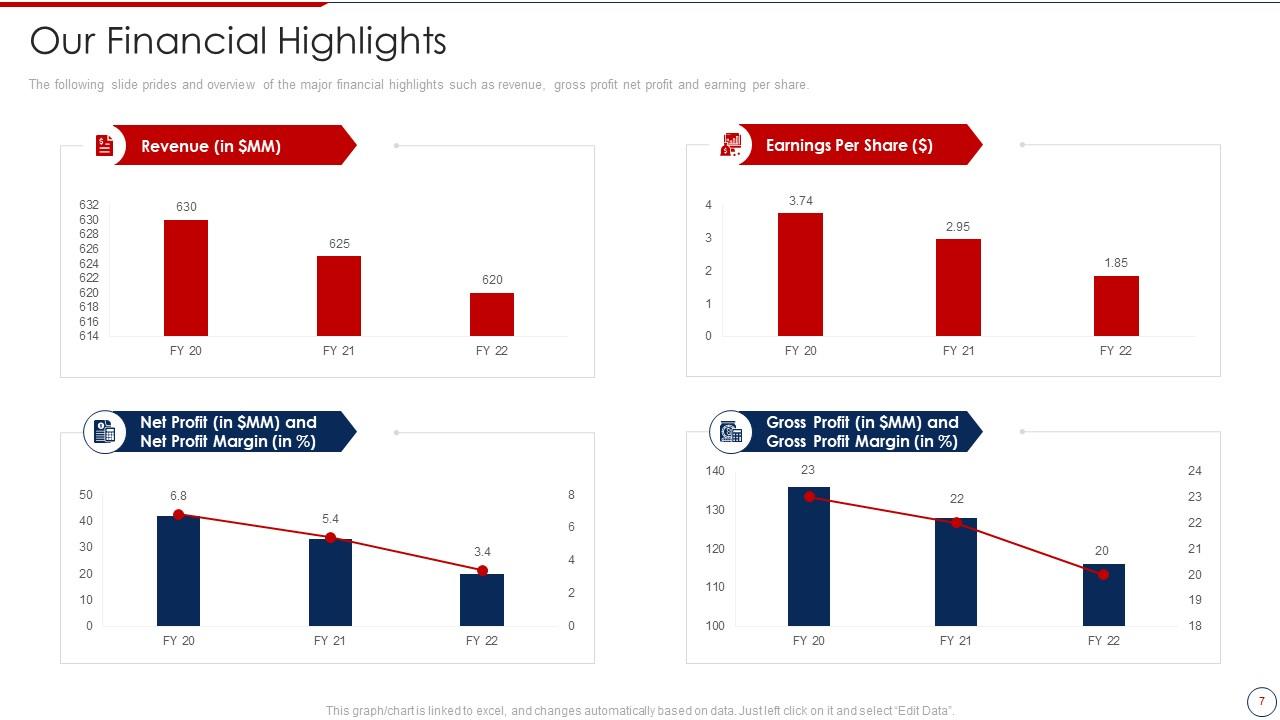
Slide 7: The following slide prides and overview of the major financial highlights such as revenue, gross profit, etc.
Slide 8: This slide shows title for topics that are to be covered next in the template.
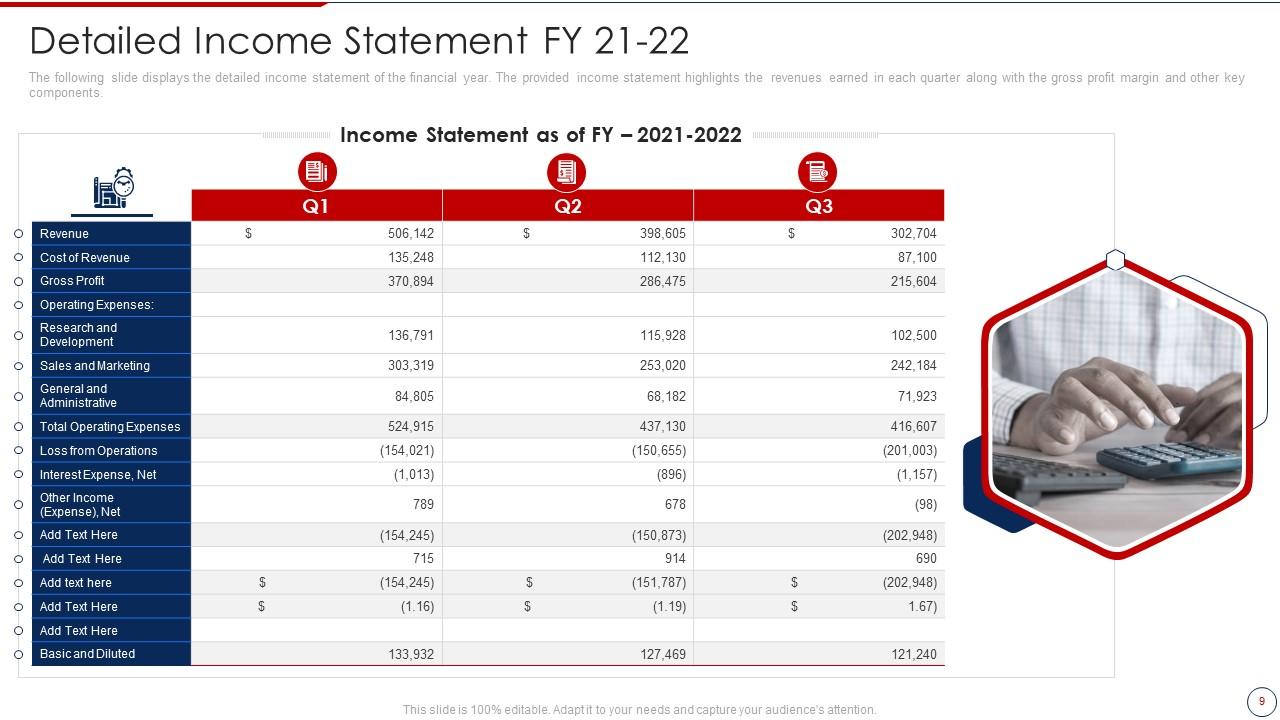
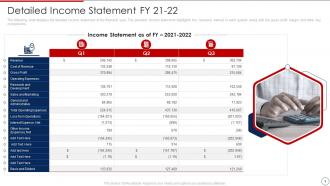
Slide 9: The following slide displays the detailed income statement of the financial year.
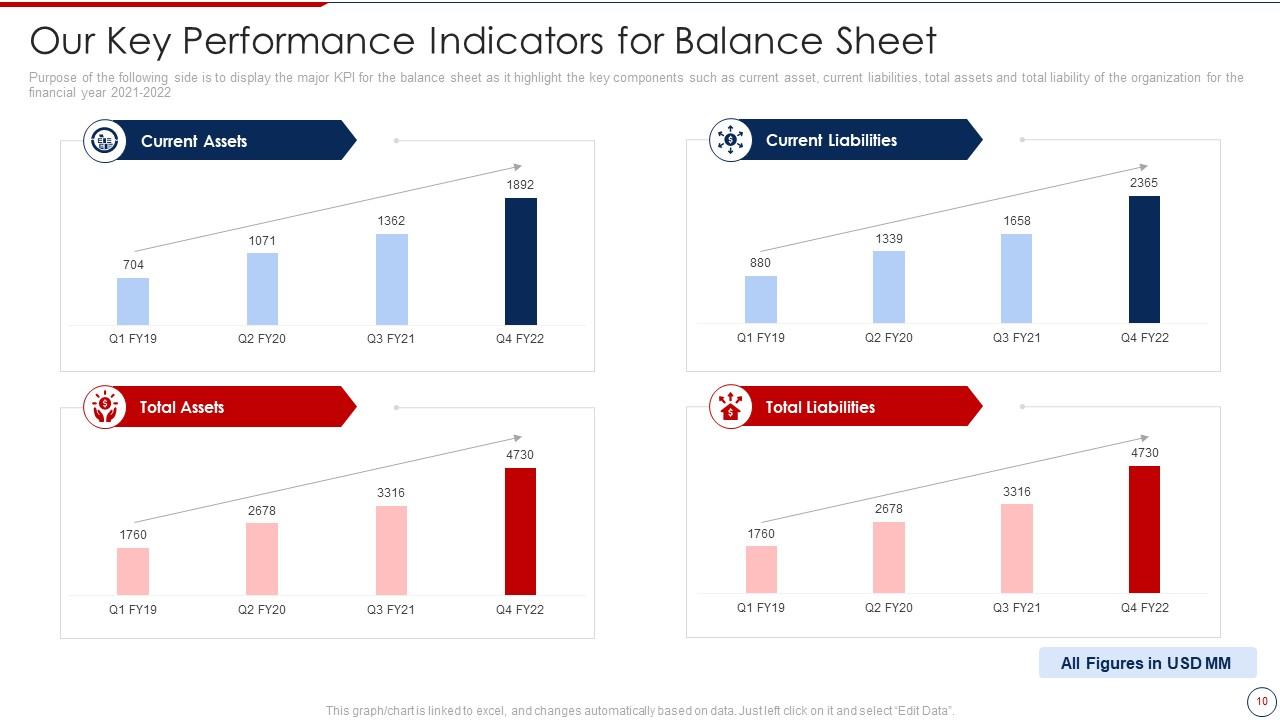
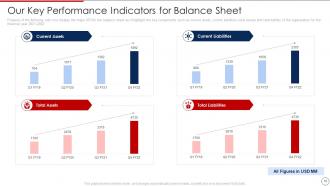
Slide 10: This slide represents Our Key Performance Indicators for Balance Sheet.
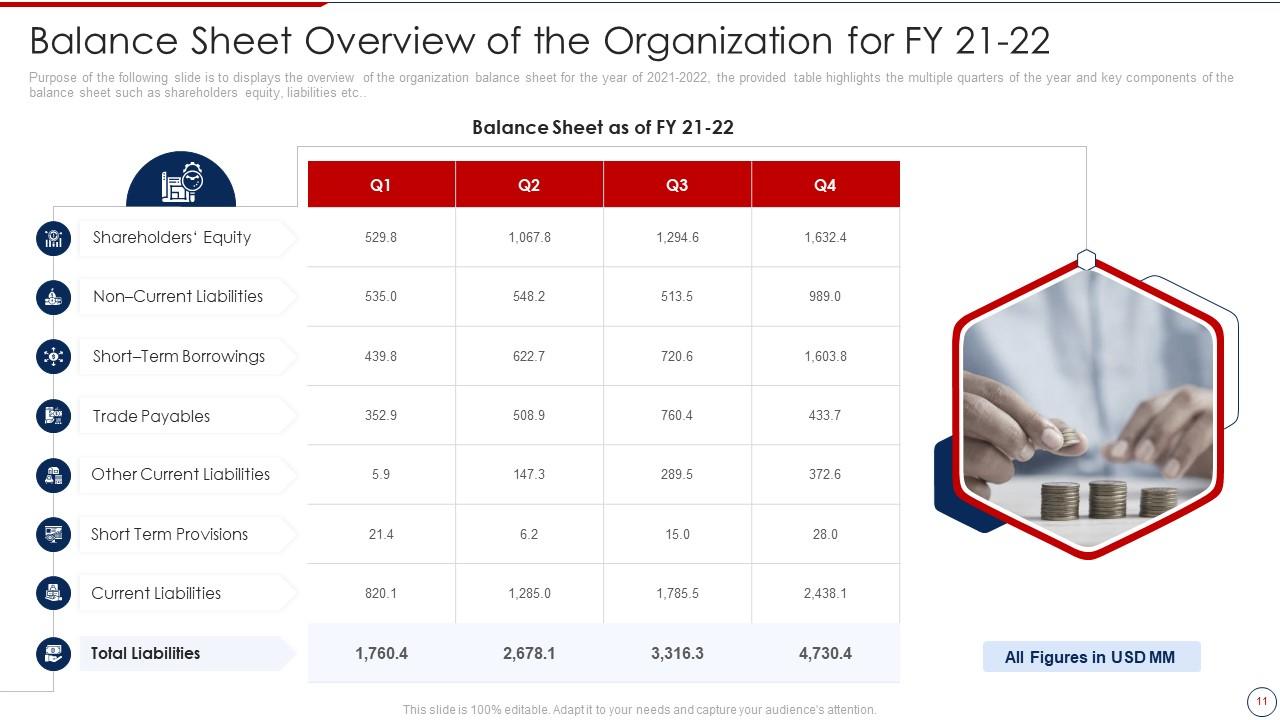
Slide 11: This slide showcases overview of the organization balance sheet for the year of 2020-2021.
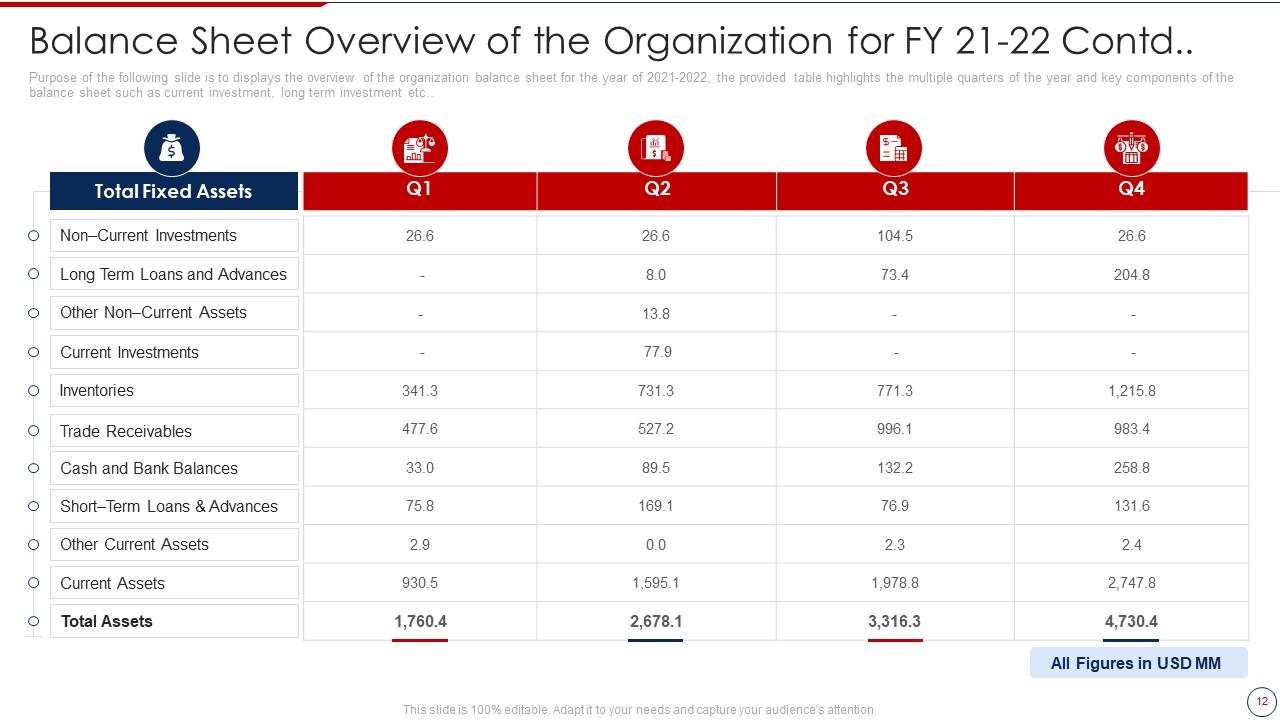
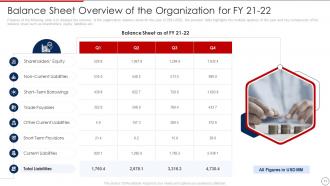
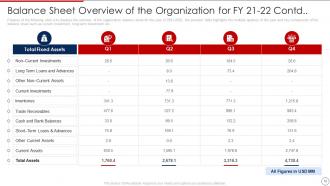
Slide 12: This is another slide continuing Balance Sheet Overview of the Organization for FY 21-22.
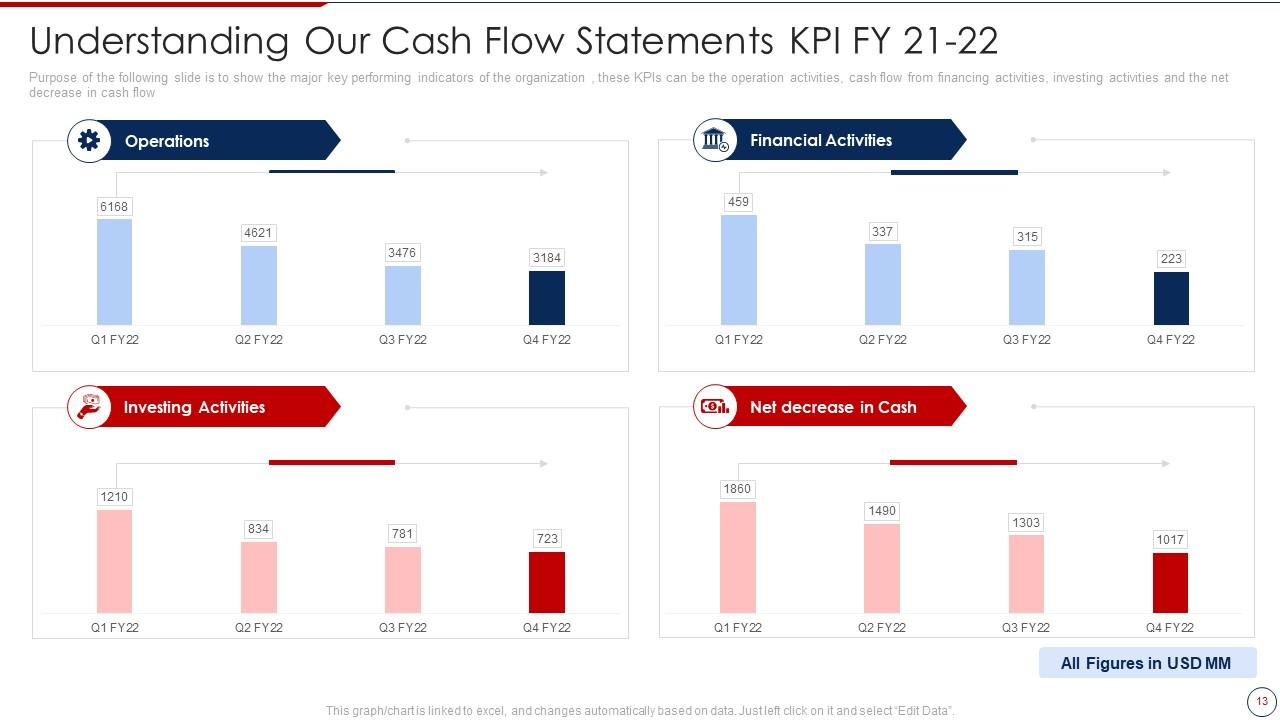
Slide 13: This slide presents major key performing indicators of the organization.
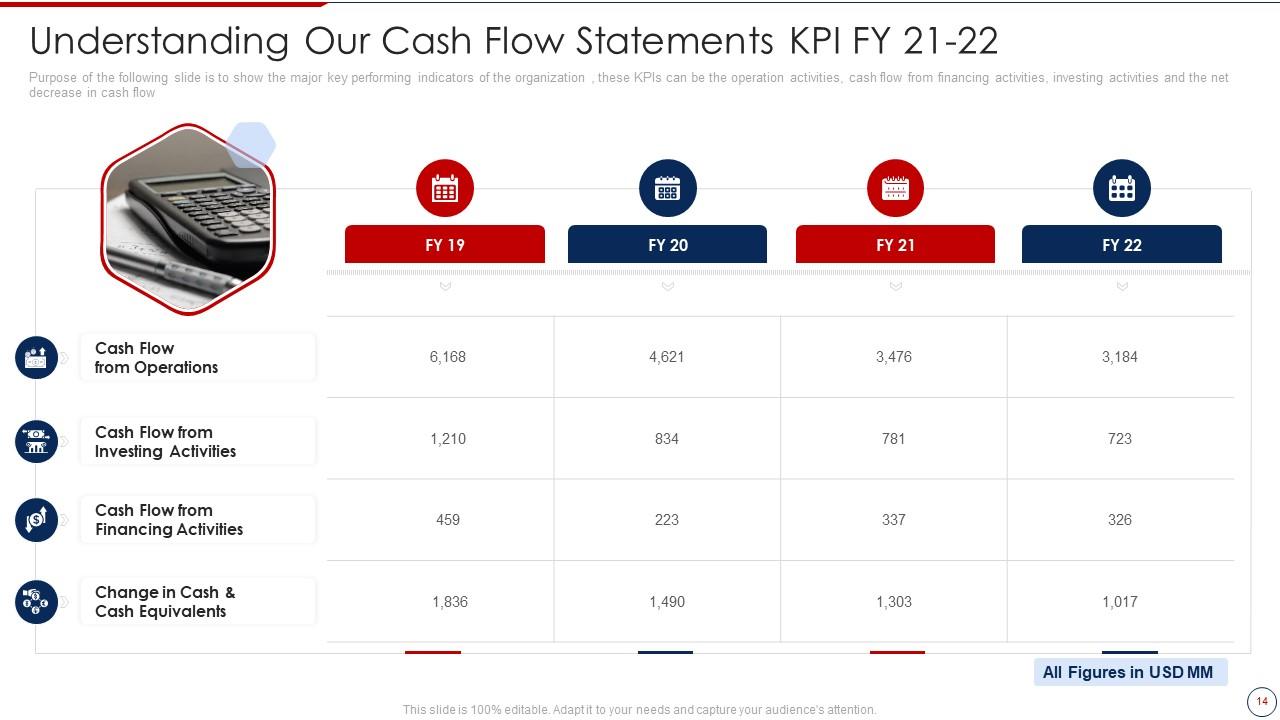
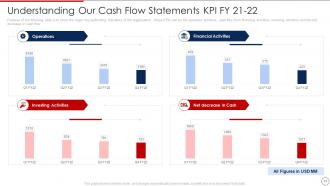
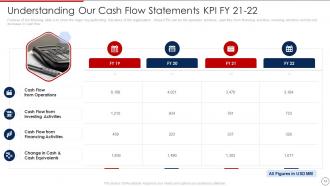
Slide 14: This slide displays Understanding Our Cash Flow Statements KPI FY 20-21.
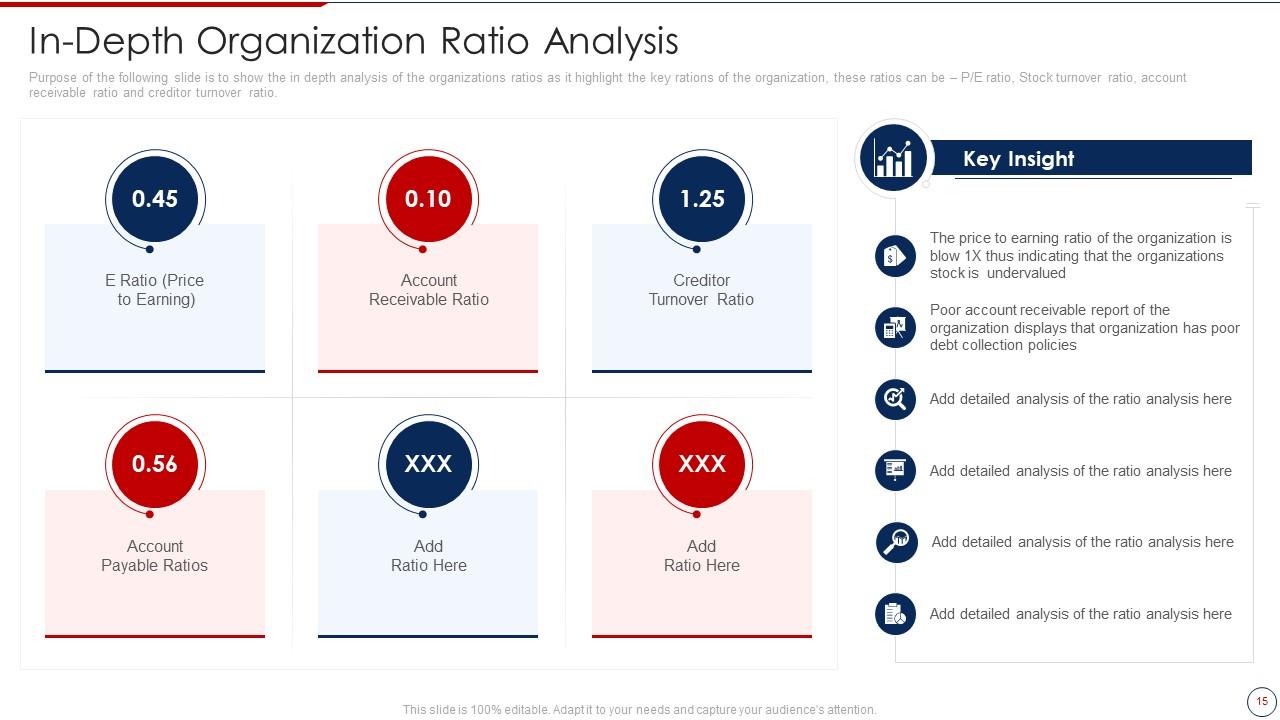
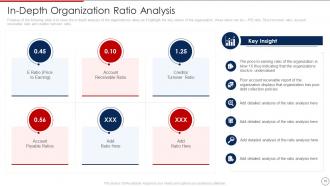
Slide 15: This slide highlight the key rations of the organization, these ratios can be – P/E ratio, Stock turnover ratio, account receivable ratio and creditor turnover ratio.
Slide 16: This slide shows title for topics that are to be covered next in the template.
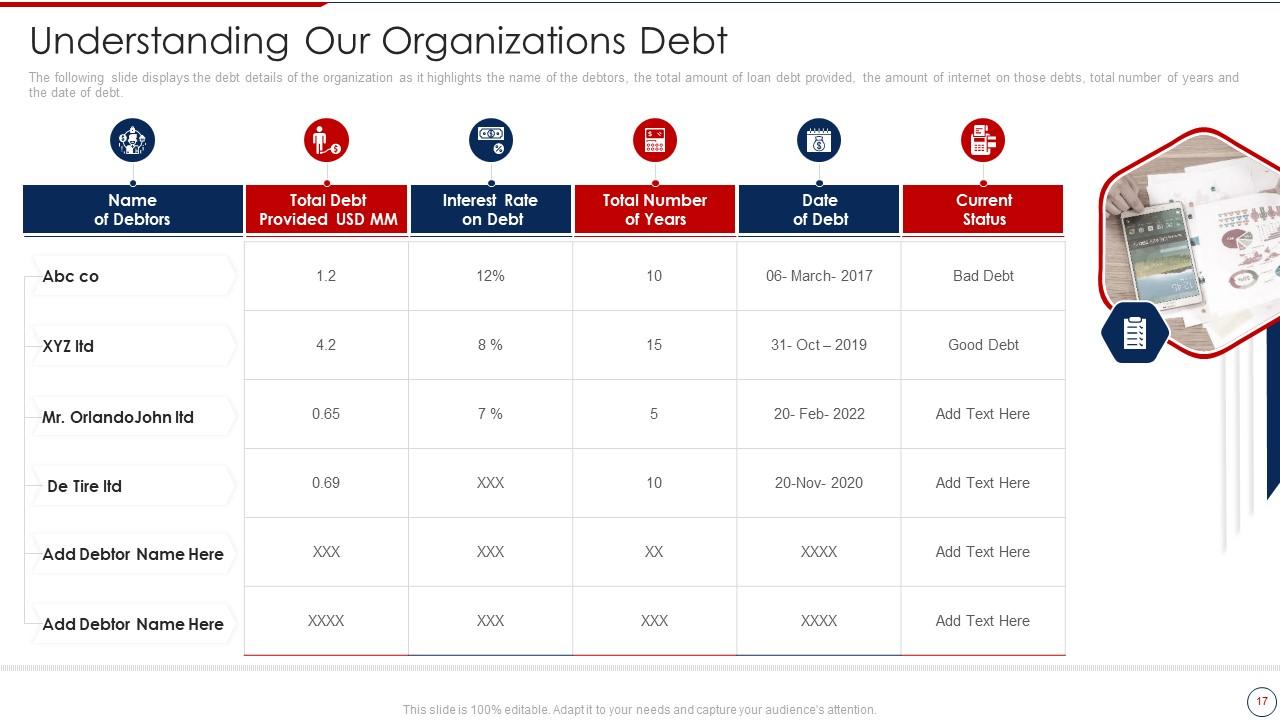
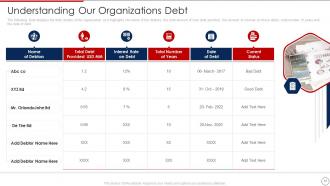
Slide 17: This slide presents debt details of the organization as it highlights the name of the debtors.
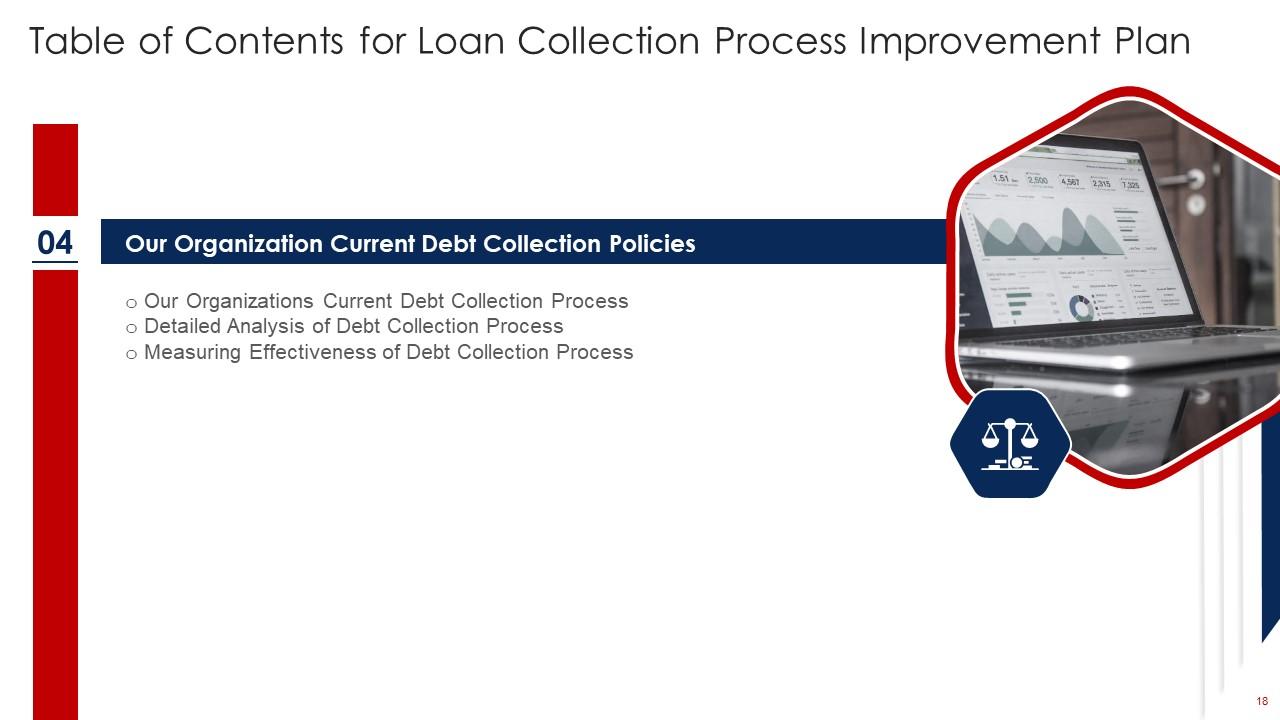
Slide 18: This slide shows title for topics that are to be covered next in the template.
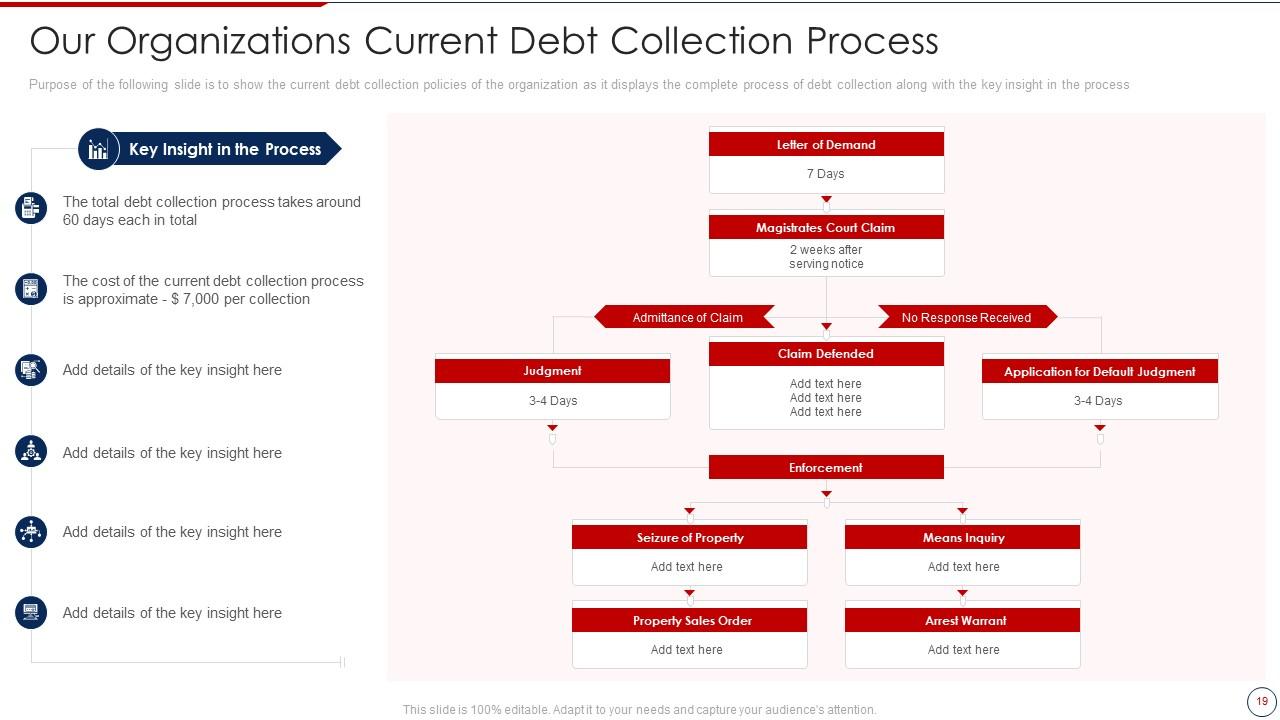
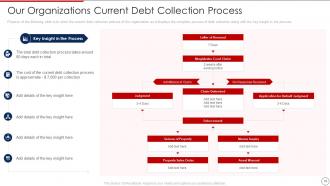
Slide 19: This slide presents Our Organizations Current Debt Collection Process.
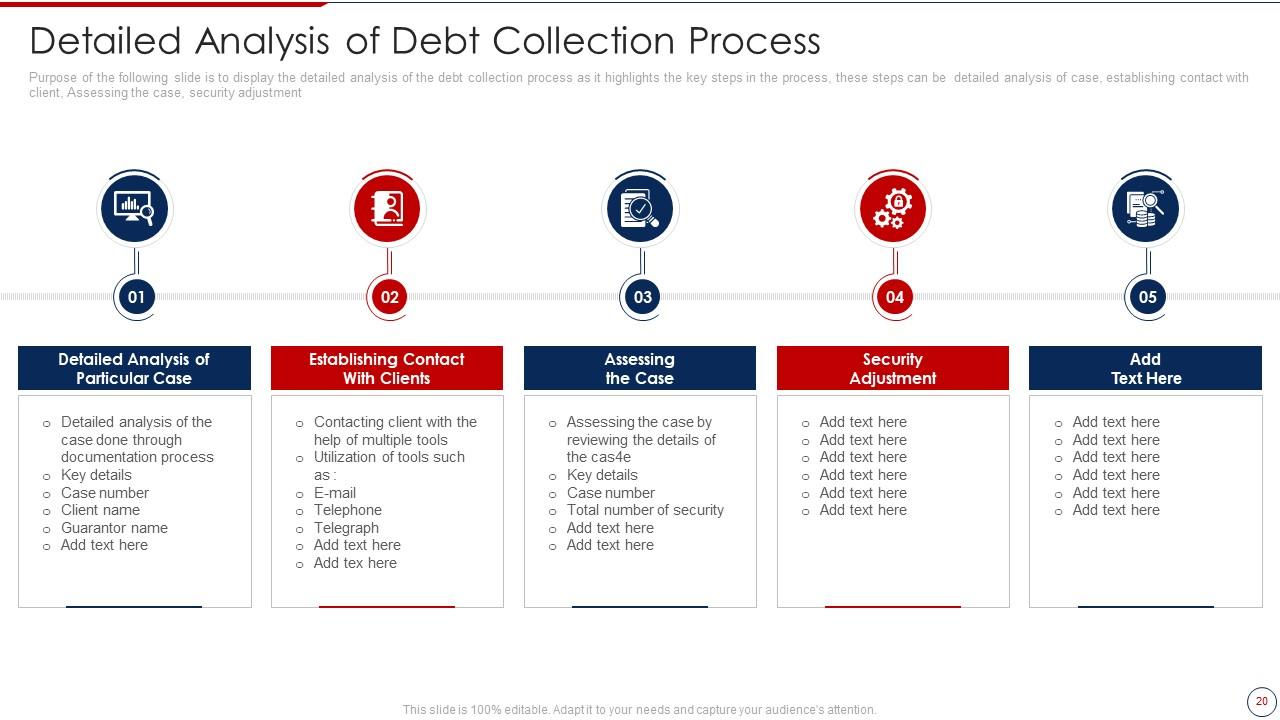
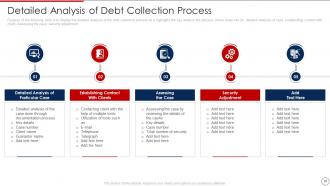
Slide 20: This slide displays detailed analysis of the debt collection process.
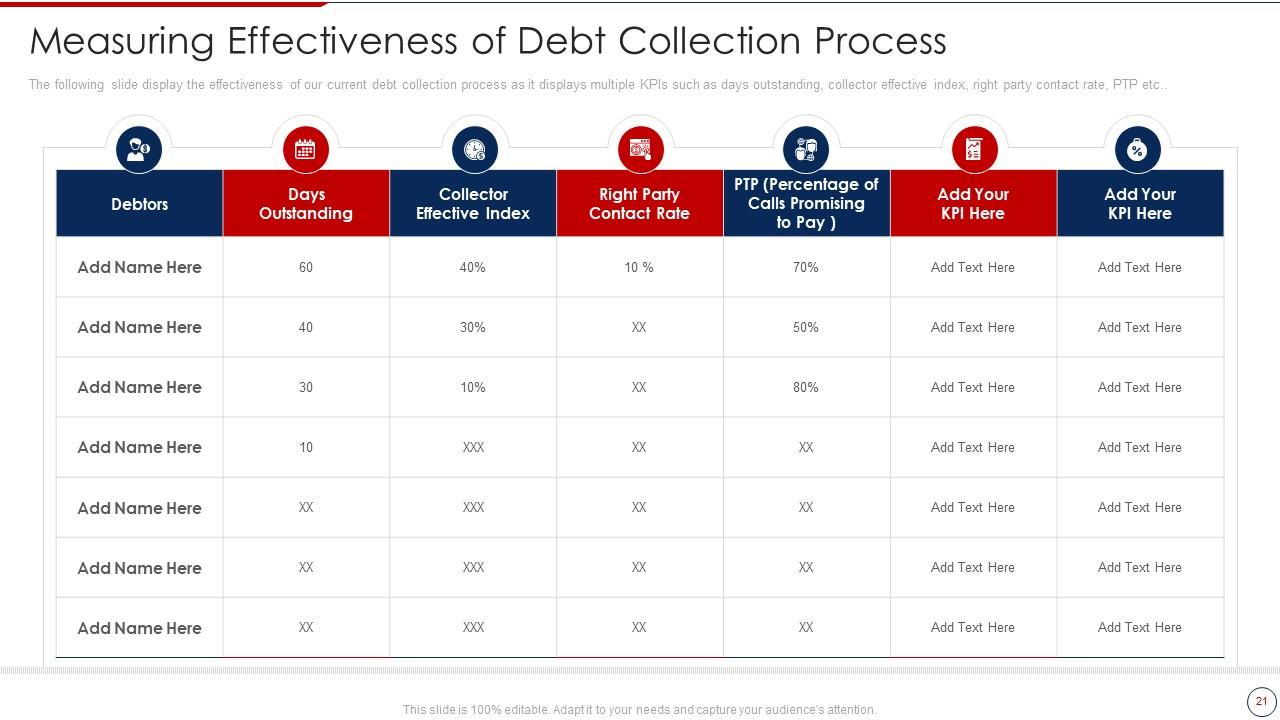
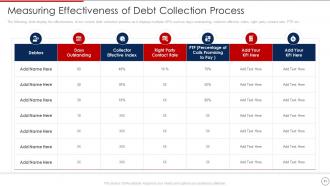
Slide 21: This slide represents Measuring Effectiveness of Debt Collection Process.
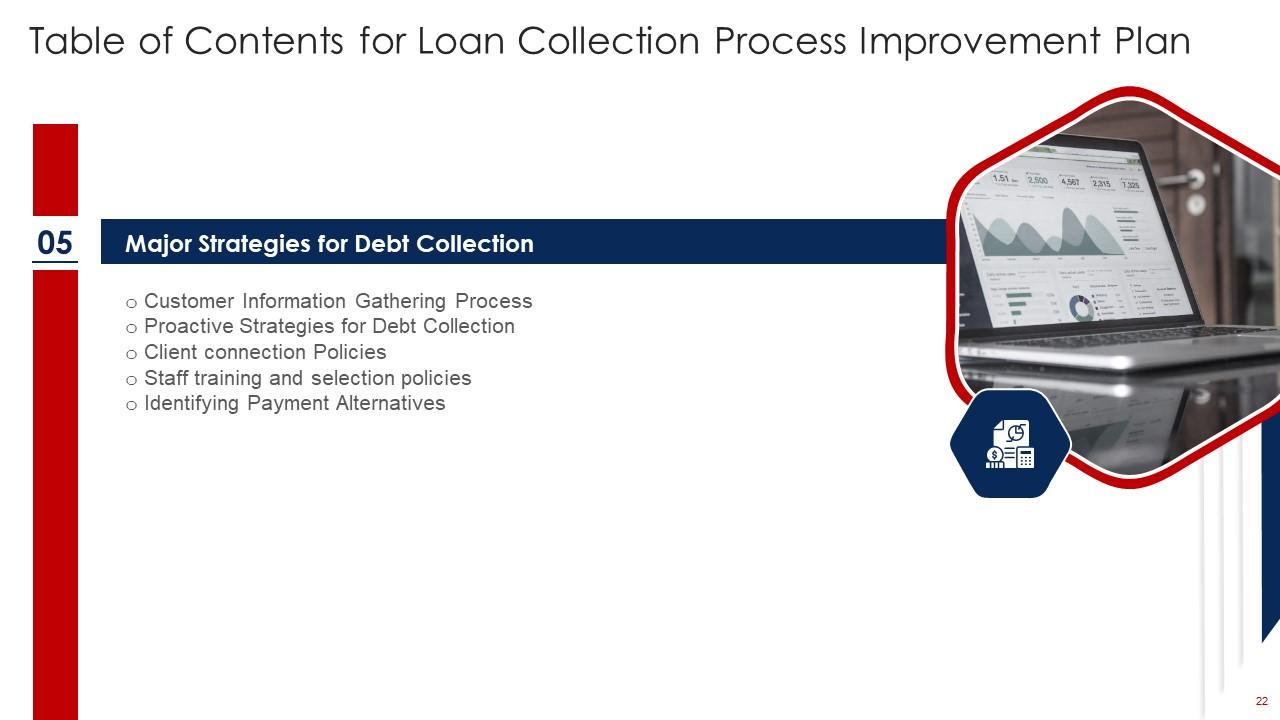
Slide 22: This slide shows title for topics that are to be covered next in the template.
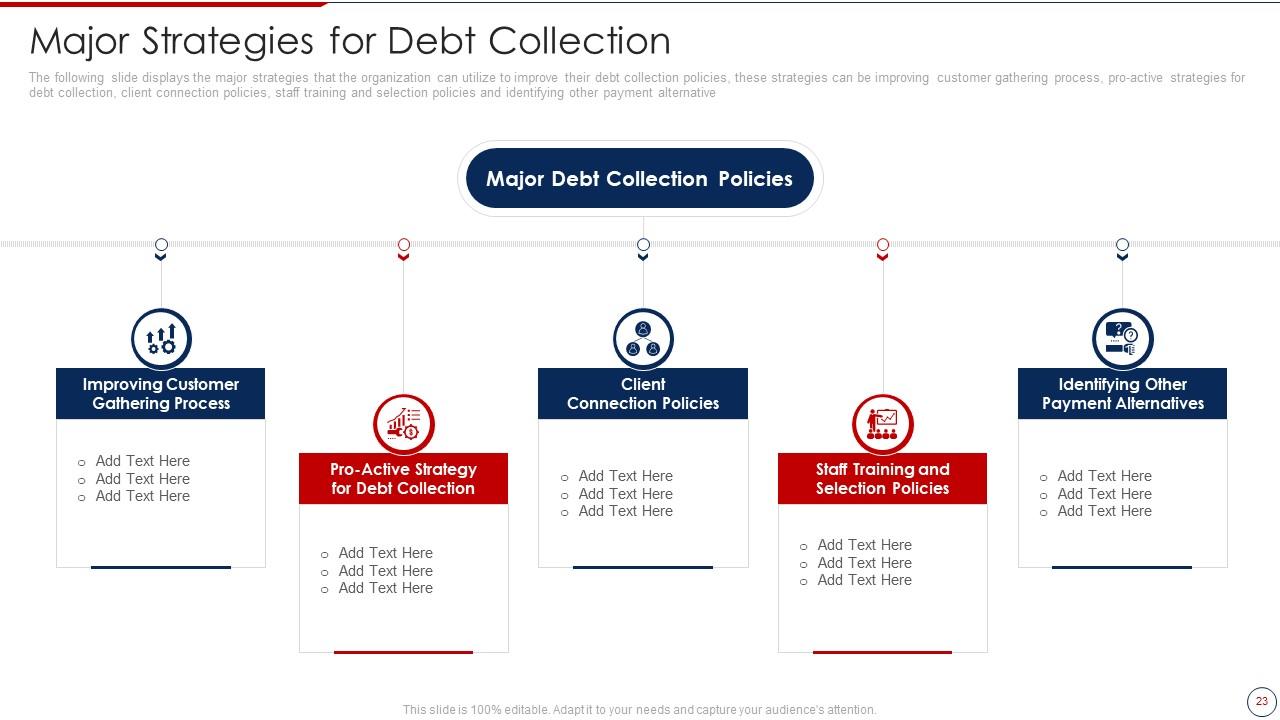
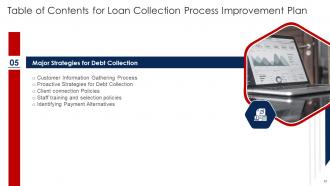
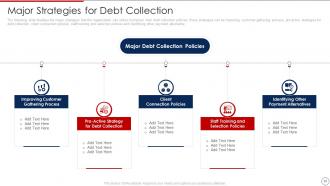
Slide 23: This slide presents major strategies that the organization can utilize to improve their debt collection policies.
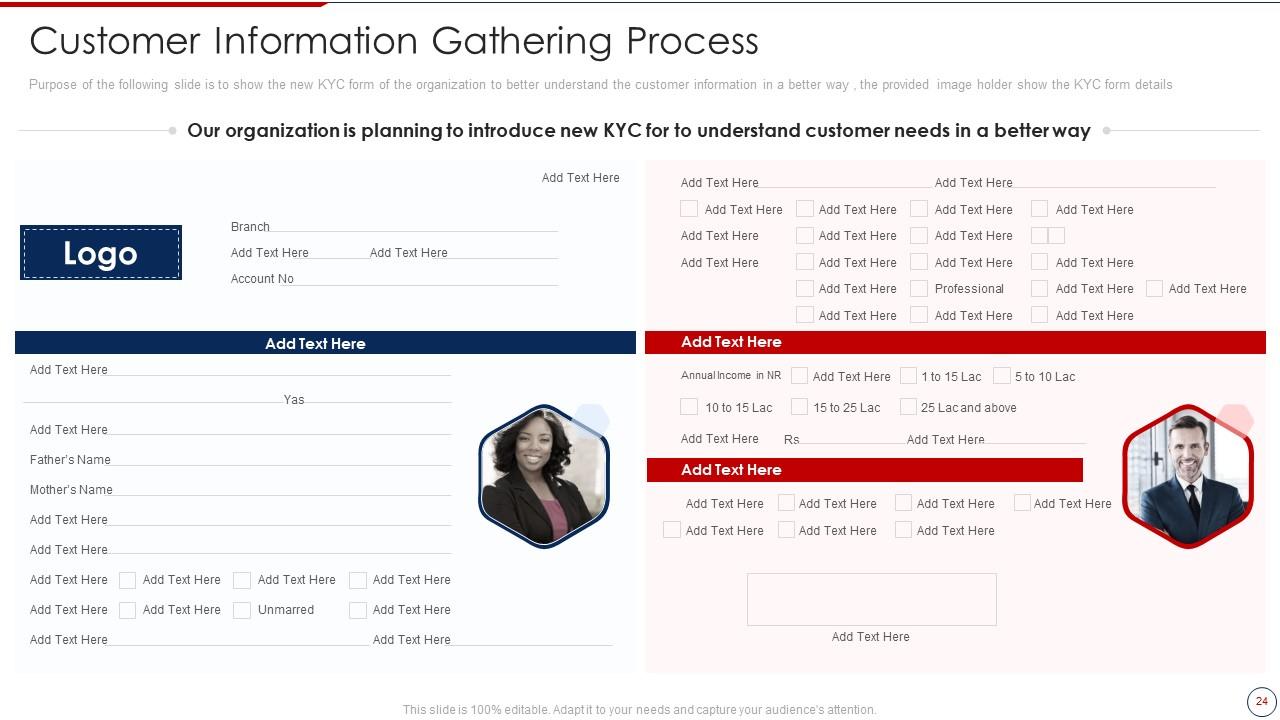
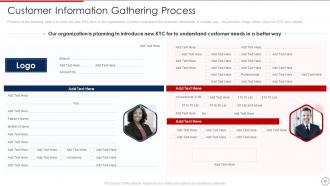
Slide 24: This slide displays new KYC form of the organization to better understand the customer information in a better way.
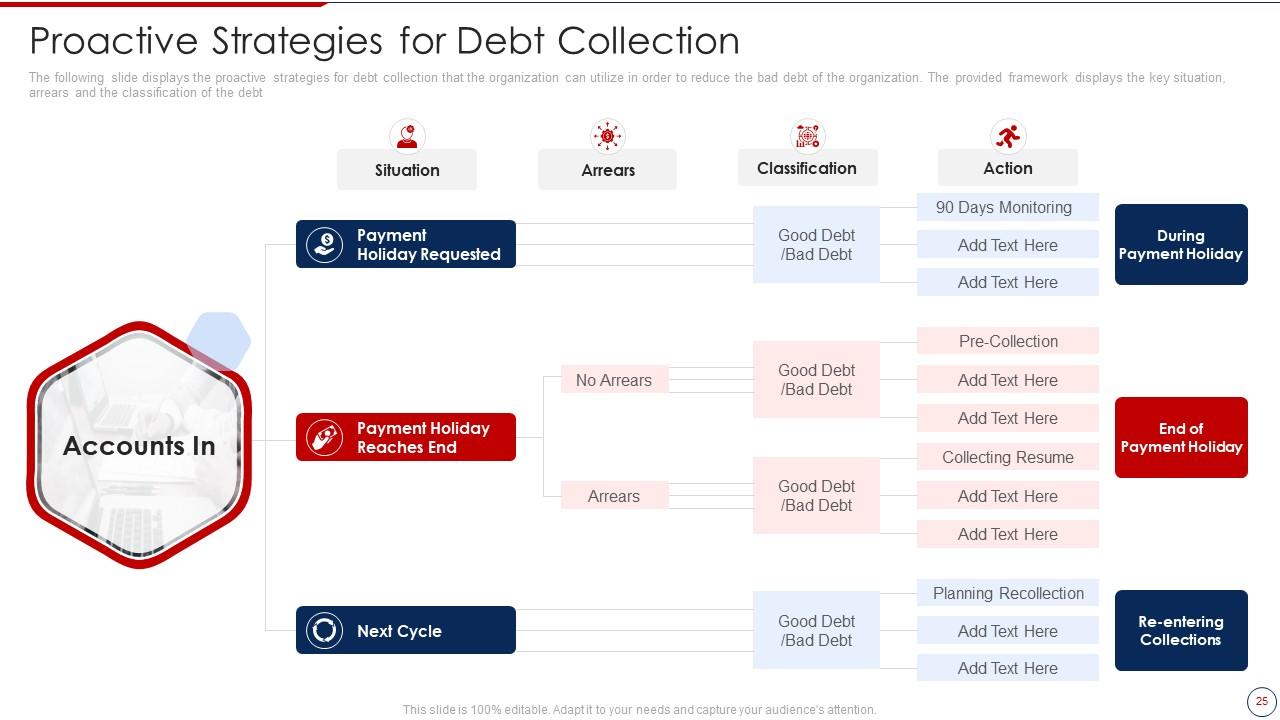
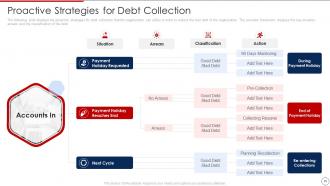
Slide 25: This slide presents proactive strategies for debt collection that the organization can utilize.
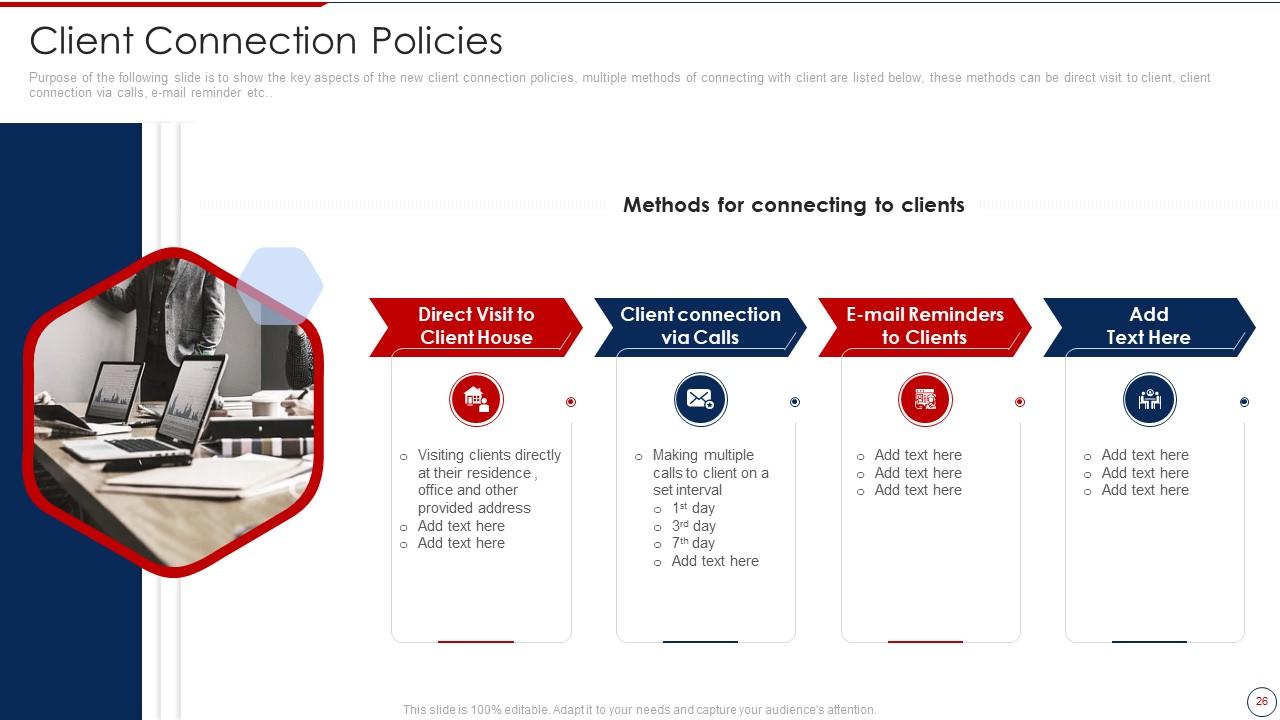
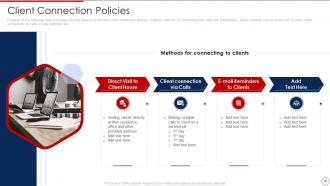
Slide 26: This slide displays key aspects of the new client connection policies.
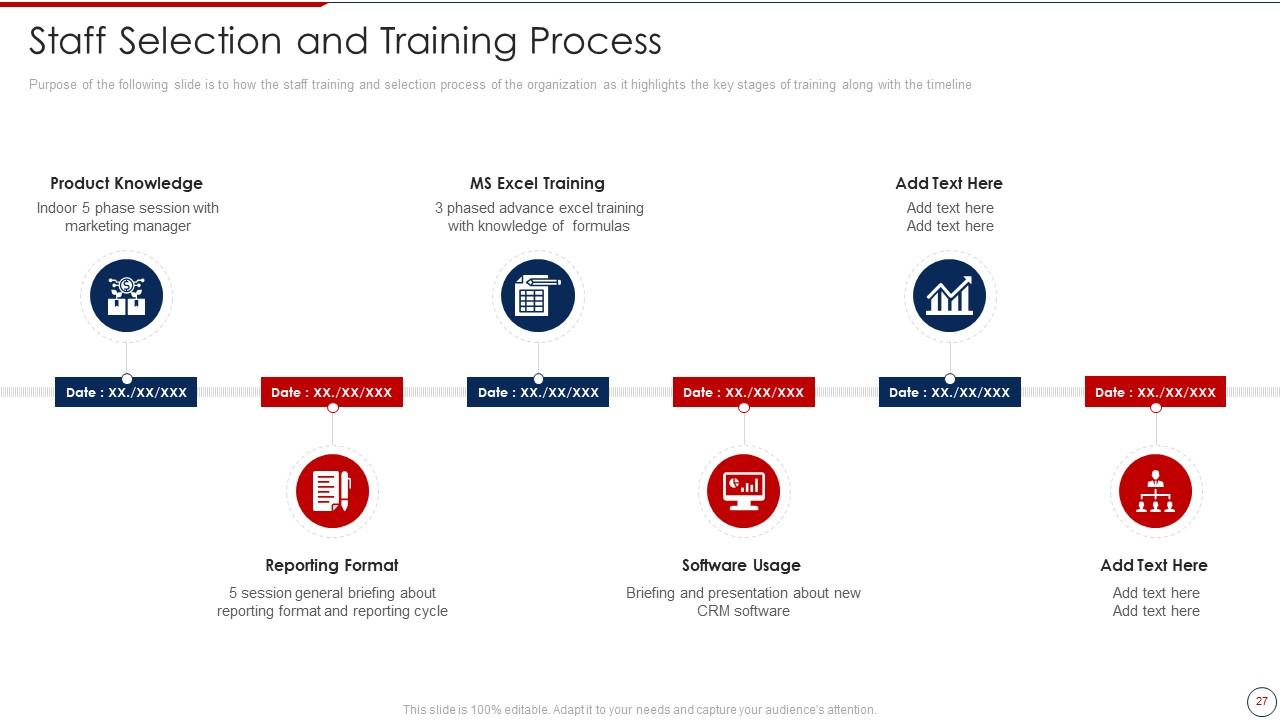
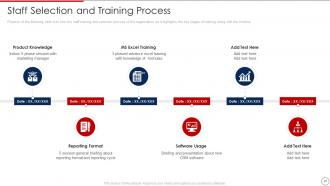
Slide 27: This slide represents how the staff traning and selection process of the organization.
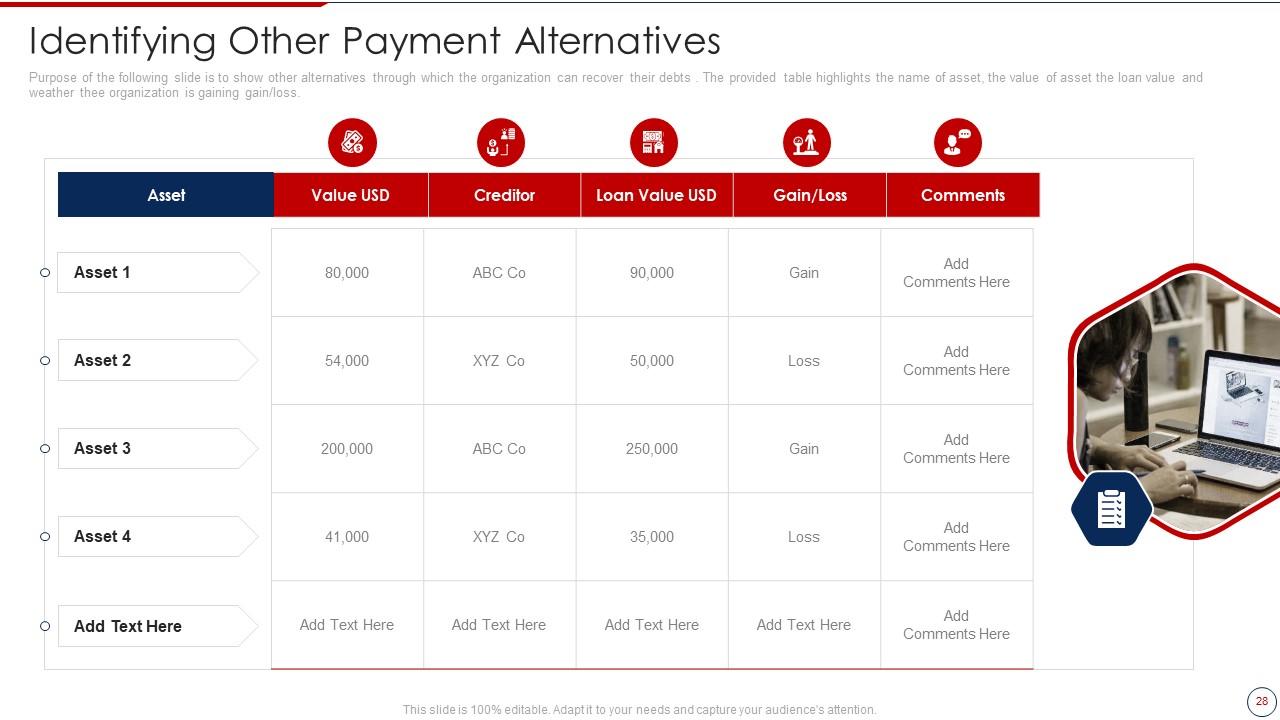
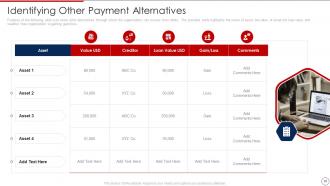
Slide 28: This slide showcases other alternatives through which the organization can recover their debts.
Slide 29: This slide shows title for topics that are to be covered next in the template.
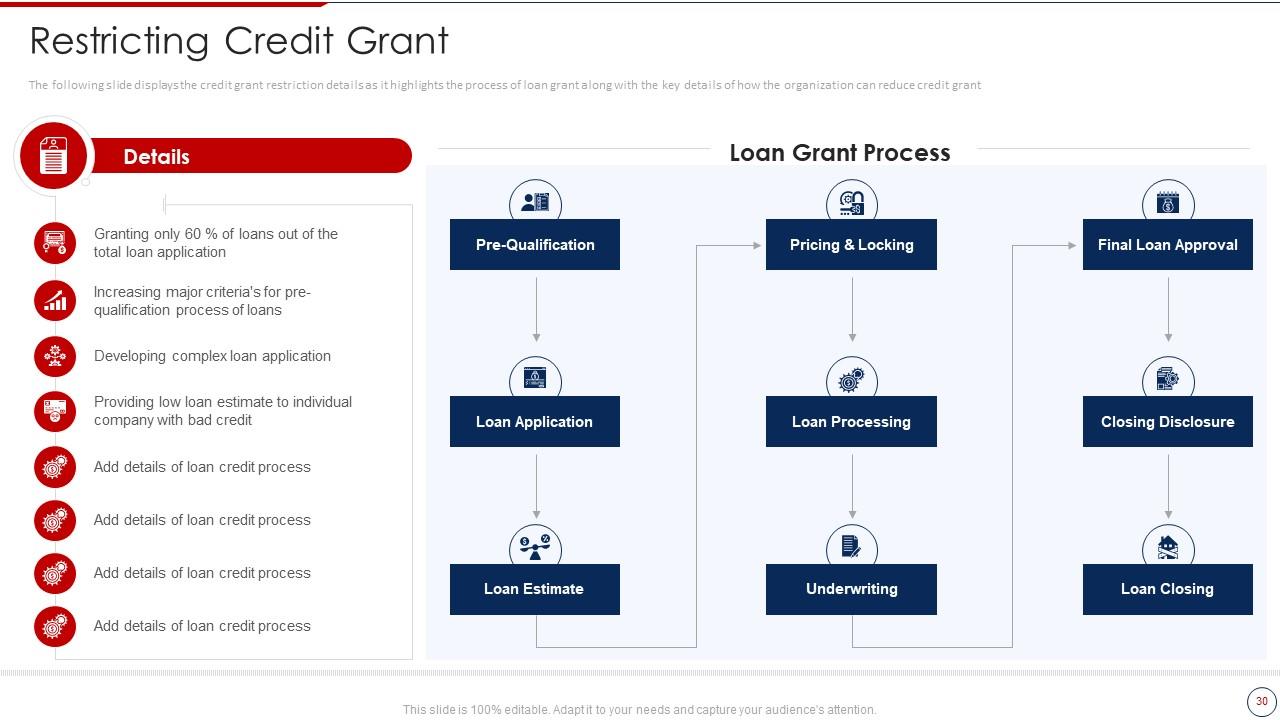
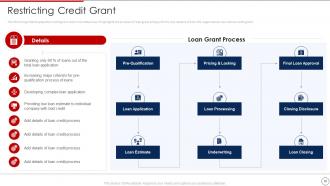
Slide 30: This slide presents credit grant restriction details as it highlights the process of loan grant.
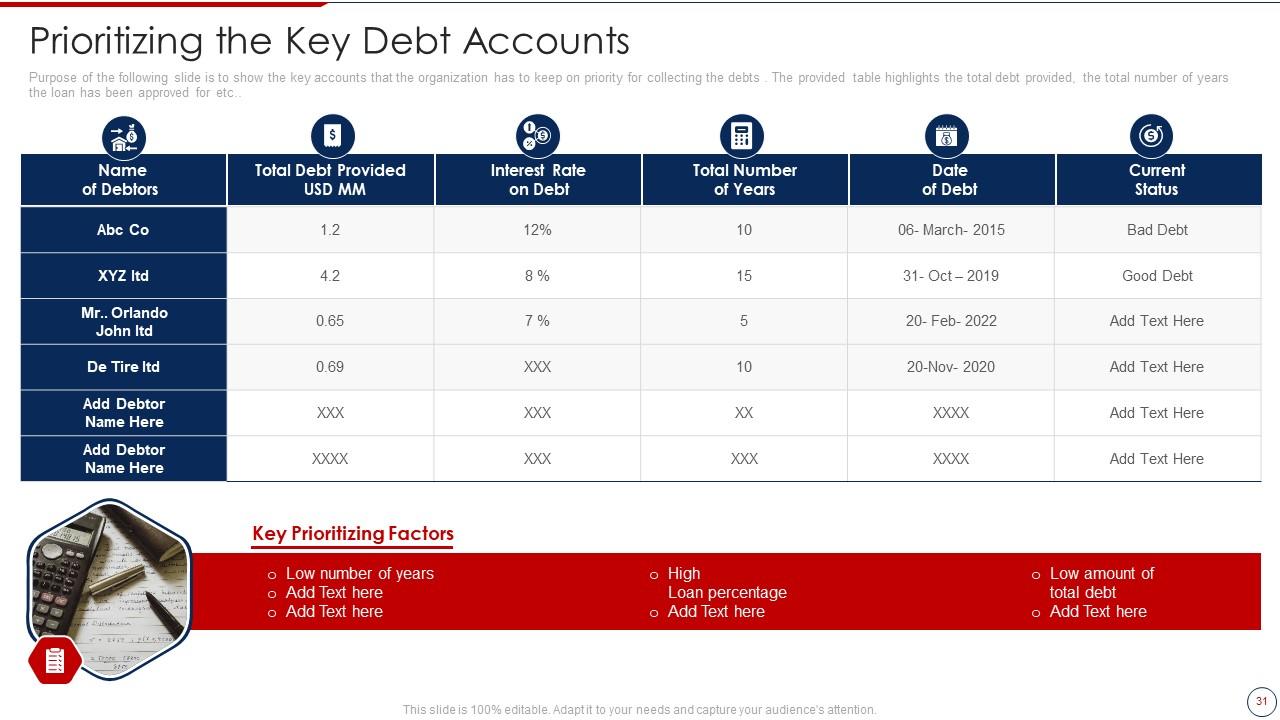
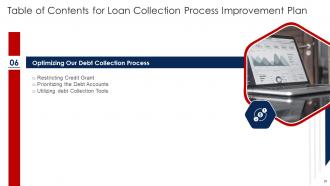
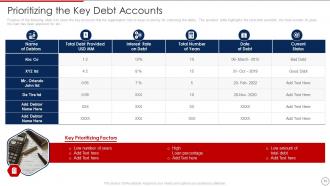
Slide 31: This slide displays key accounts that the organization has to keep on priority for collecting the debts.
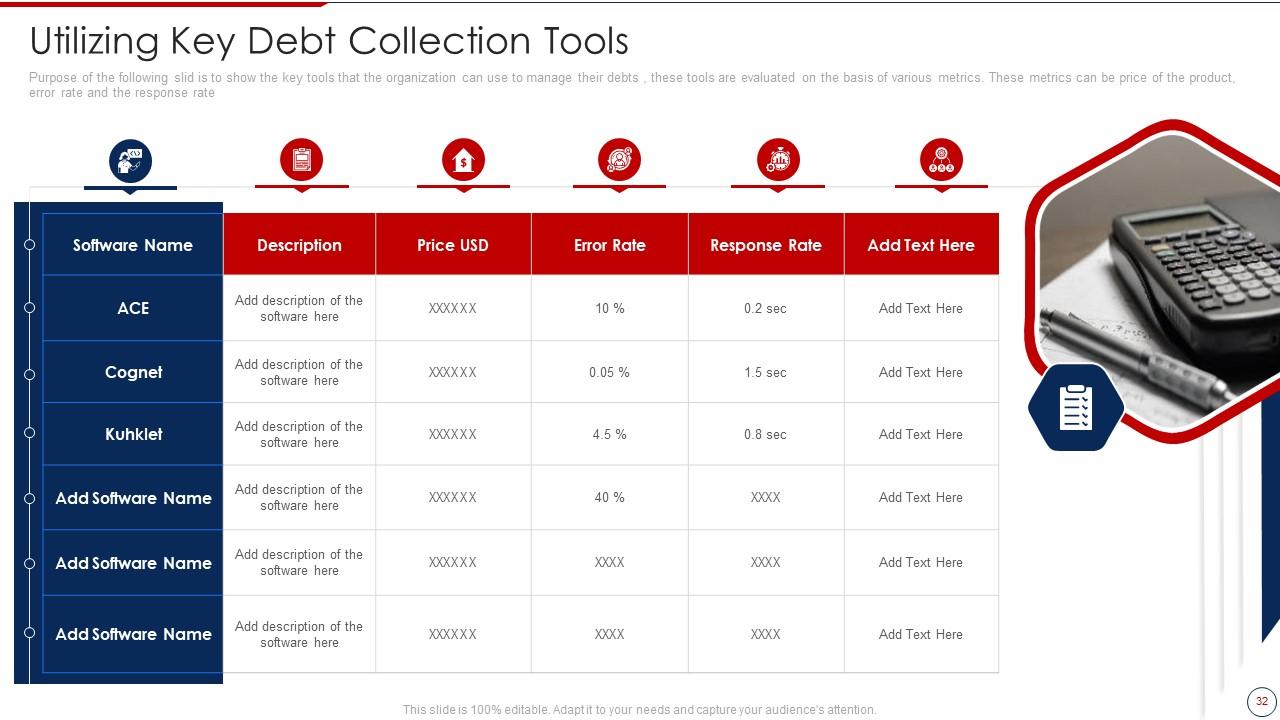
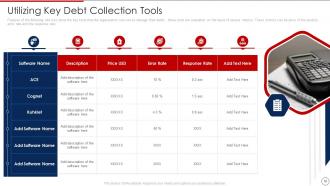
Slide 32: This slide represents key tools that the organization can use to manage their debts.
Slide 33: This slide shows title for topics that are to be covered next in the template.
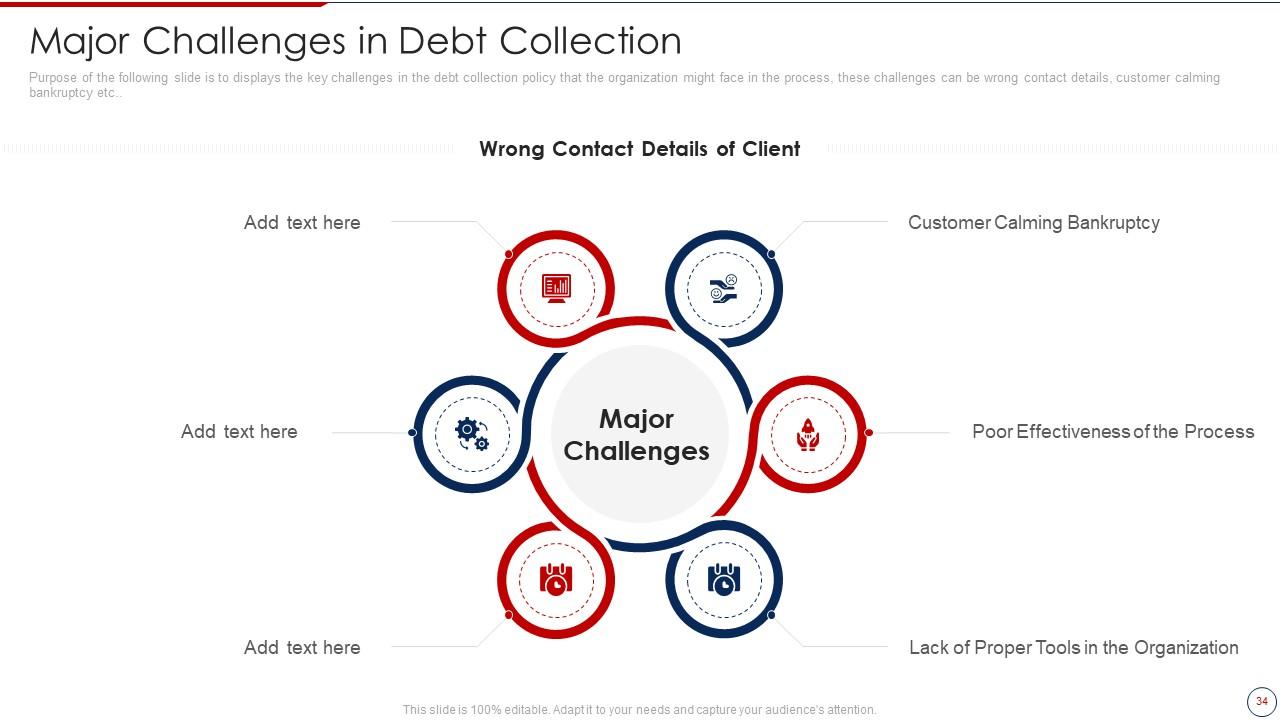
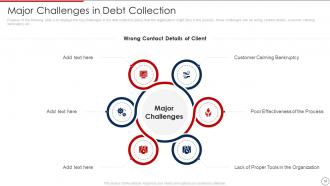
Slide 34: This slide presents key challenges in the debt collection policy that the organization might face in the process.
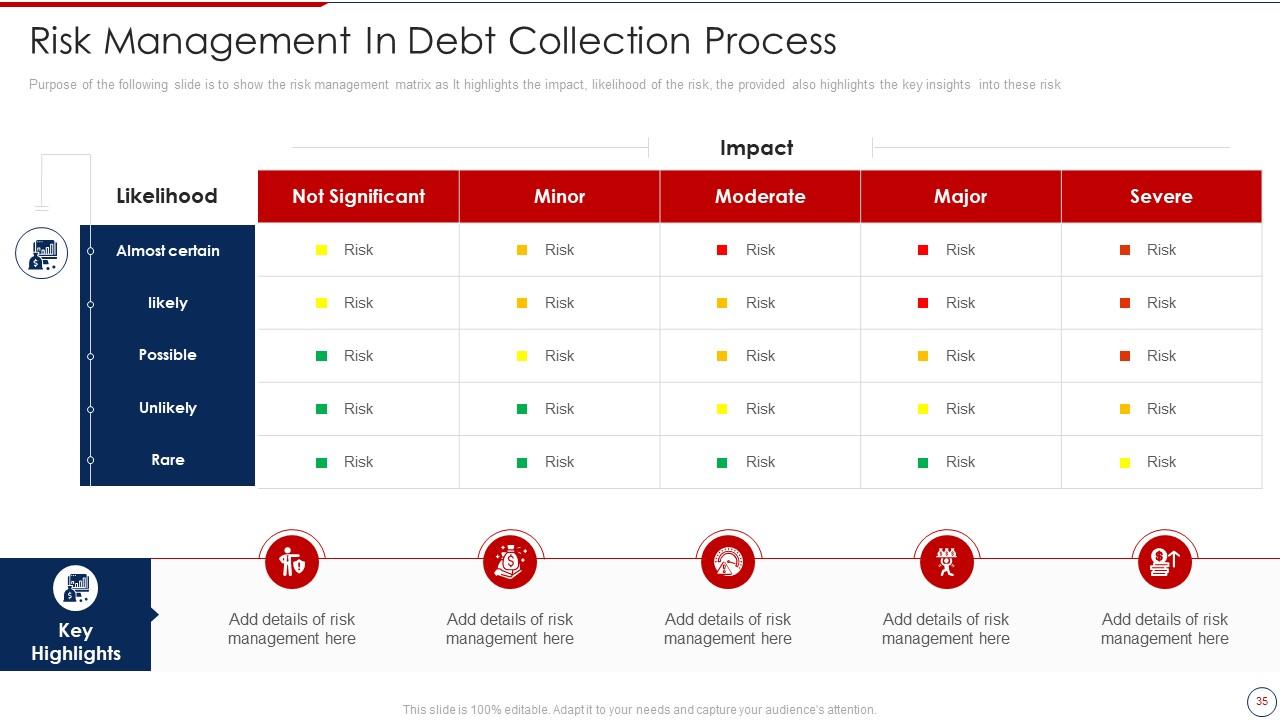
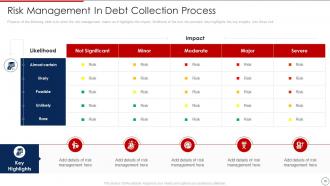
Slide 35: This slide displays Risk Management In Debt Collection Process.
Slide 36: This slide shows title for topics that are to be covered next in the template.
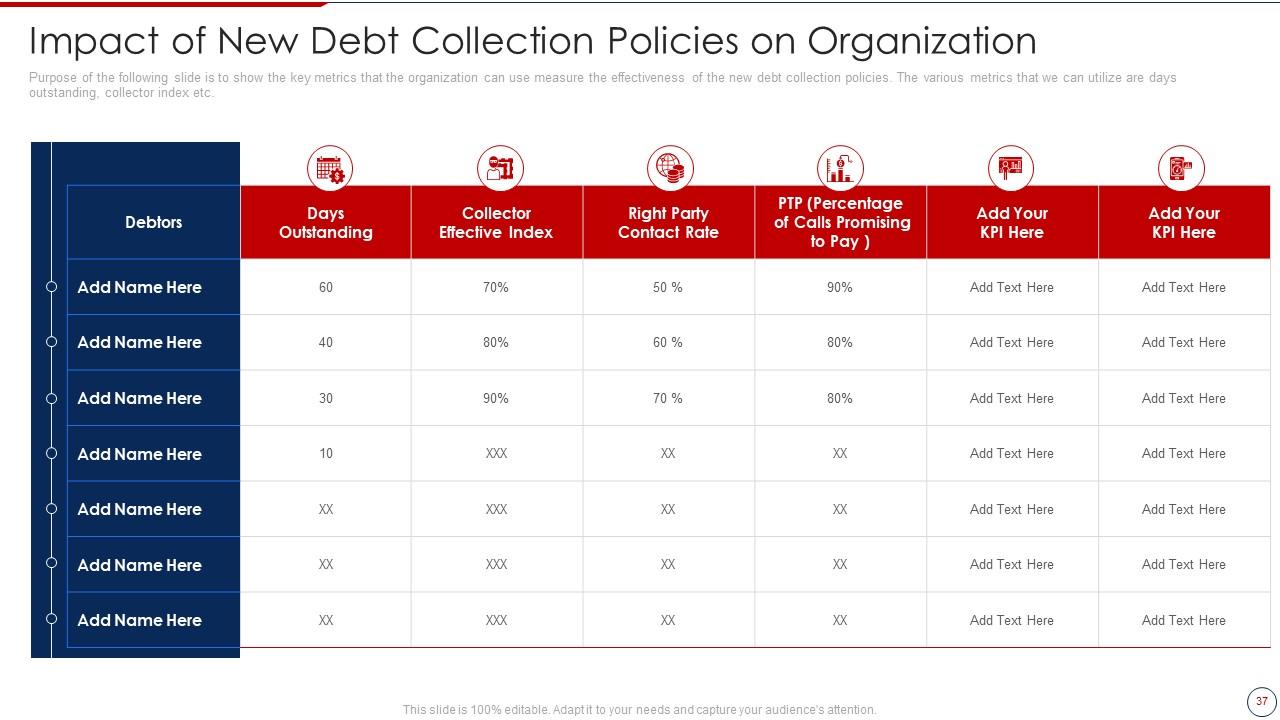
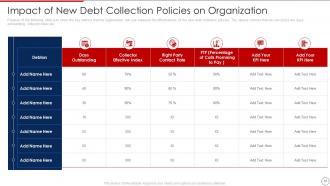
Slide 37: This slide presents Impact of New Debt Collection Policies on Organization.
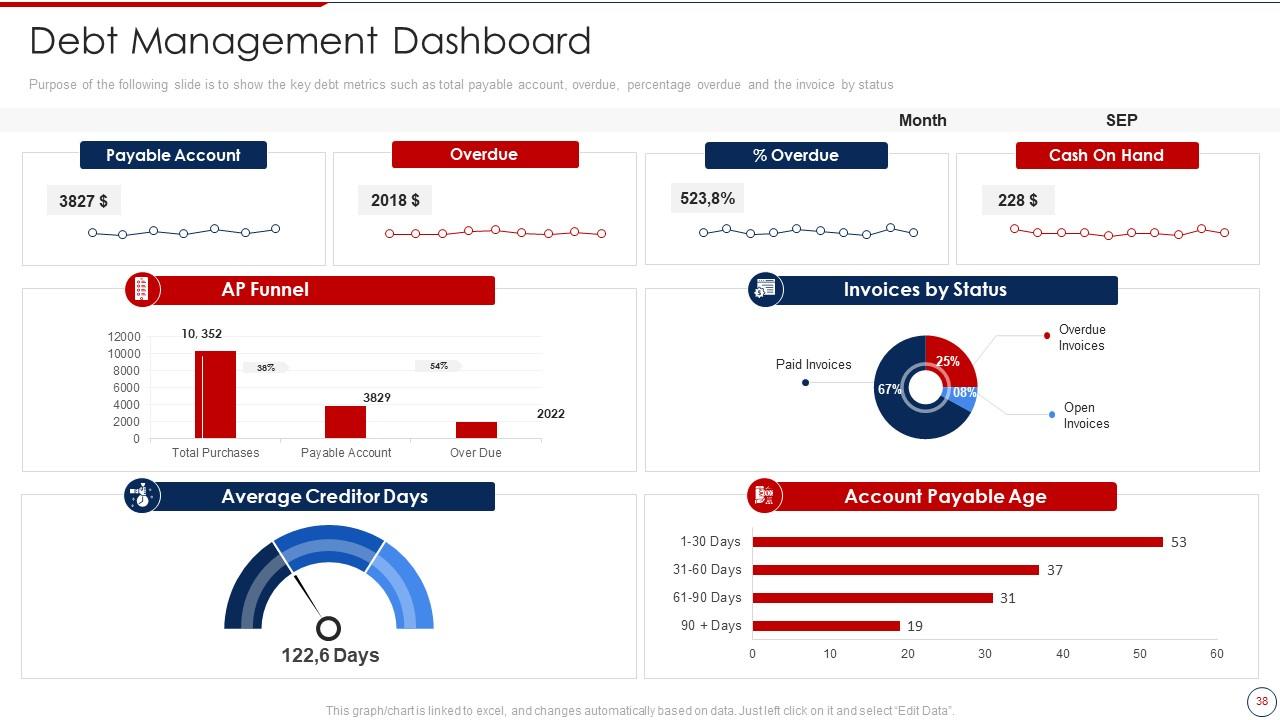
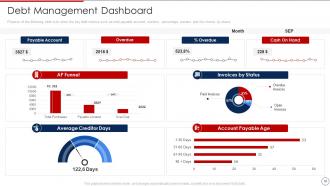
Slide 38: This slide displays key debt metrics such as total payable account, overdue, percentage overdue, etc.
Slide 39: This slide showcases Icons for Loan Collection Process Improvement Plan.
Slide 40: This slide is titled as Additional Slides for moving forward.
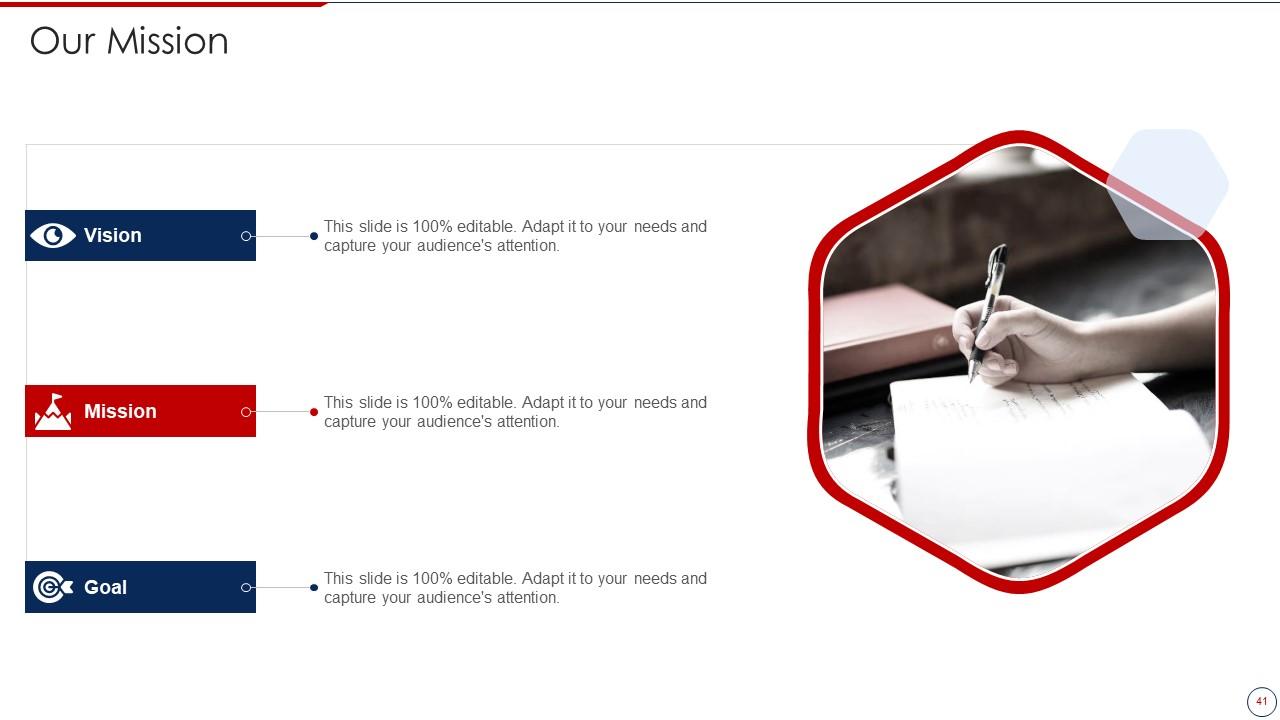
Slide 41: This is Our Mission slide with related imagery and text.
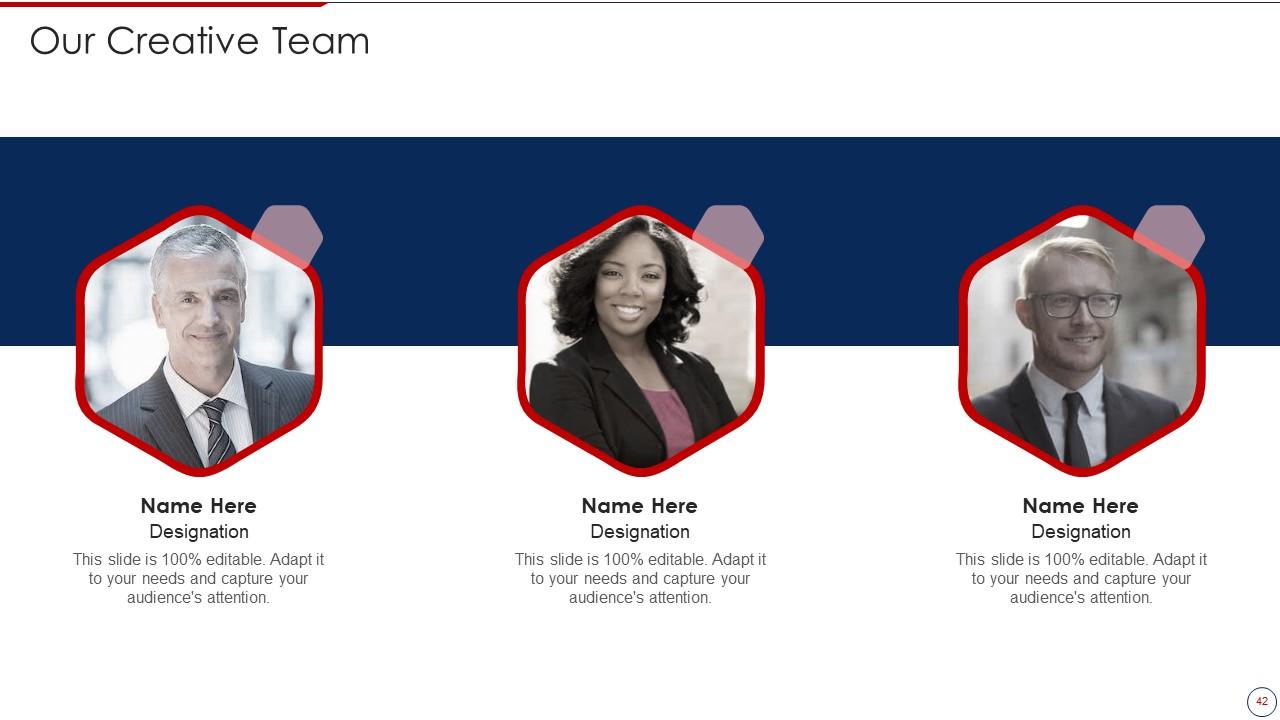
Slide 42: This is Our Team slide with names and designation.
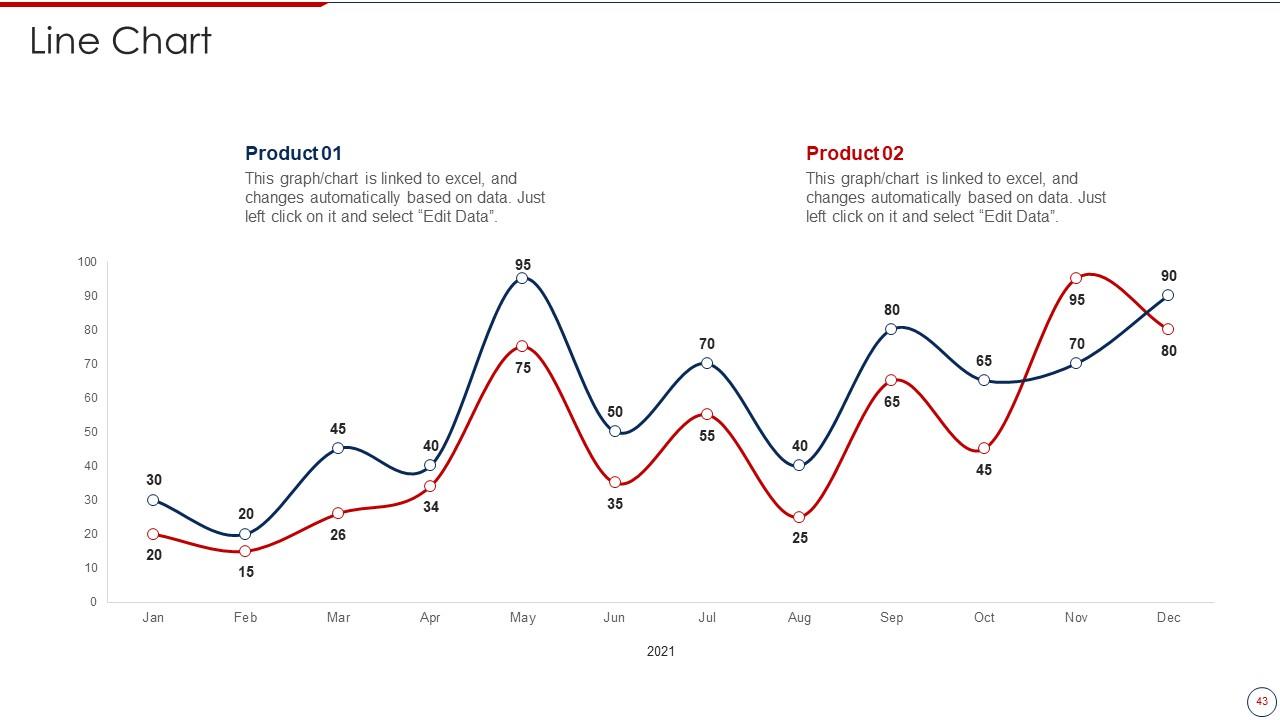
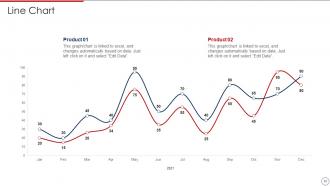
Slide 43: This slide describes Line chart with two products comparison.
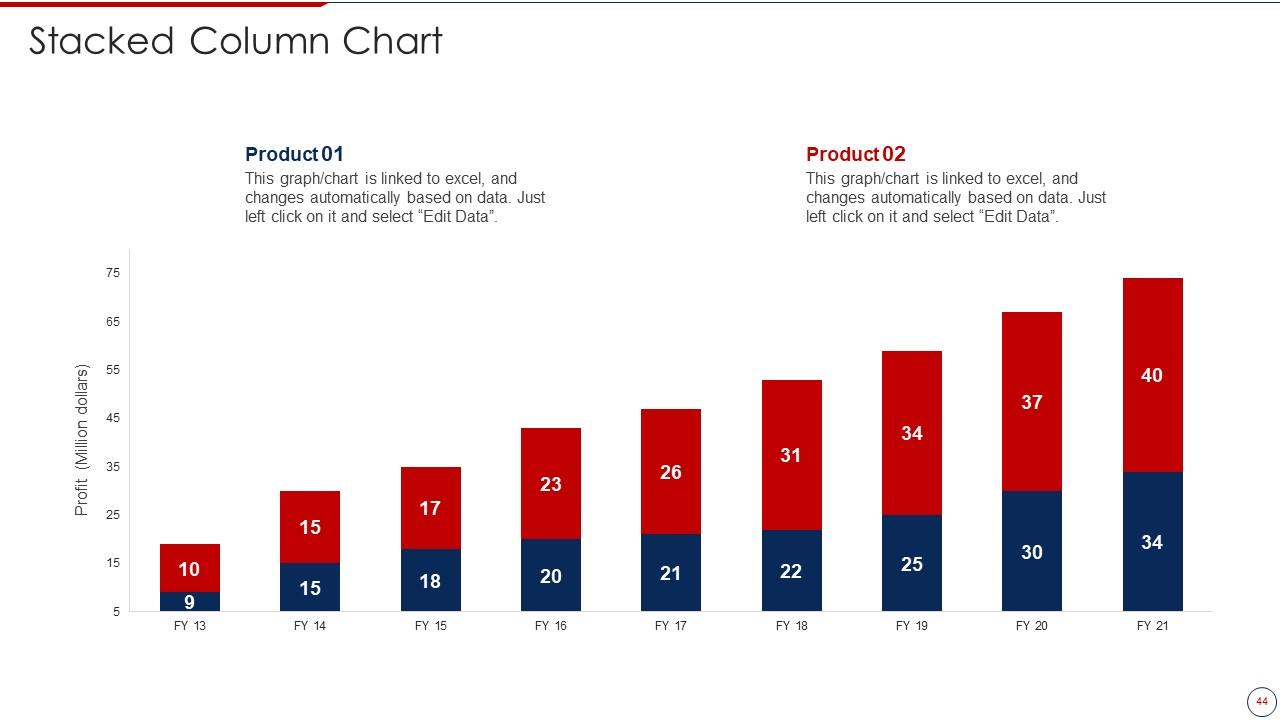
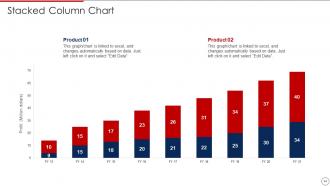
Slide 44: This slide represents Stacked Column chart with two products comparison.
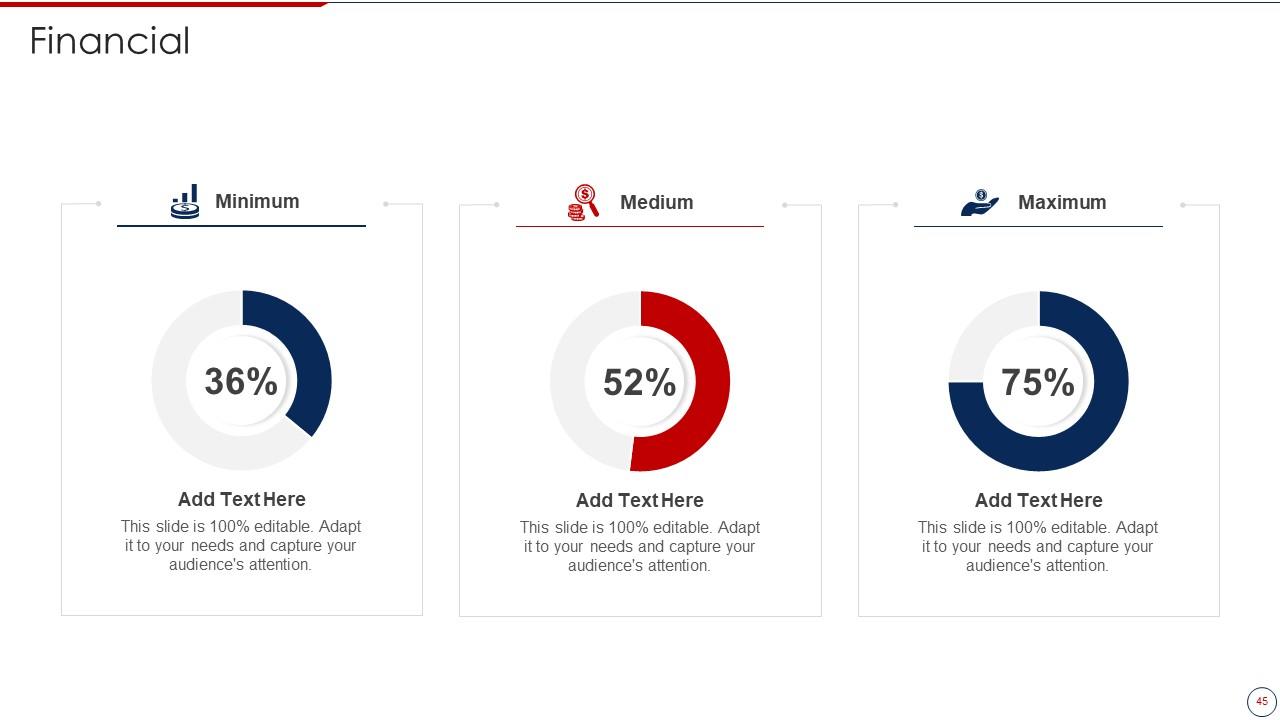
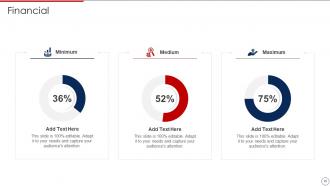
Slide 45: This is a Financial slide. Show your finance related stuff here.
Slide 46: This slide shows Post It Notes. Post your important notes here.
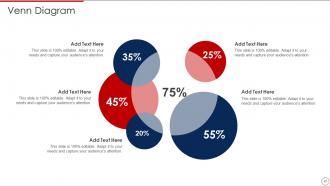
Slide 47: This slide depicts Venn diagram with text boxes.
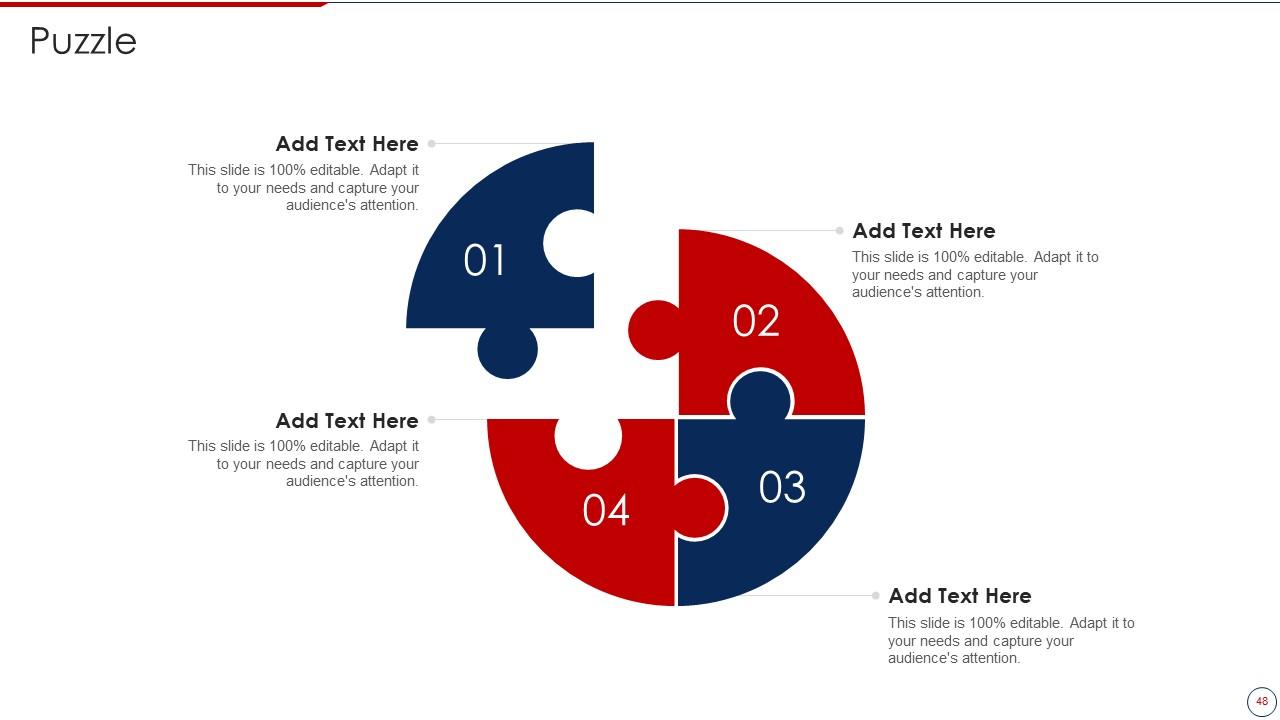
Slide 48: This slide contains Puzzle with related icons and text.
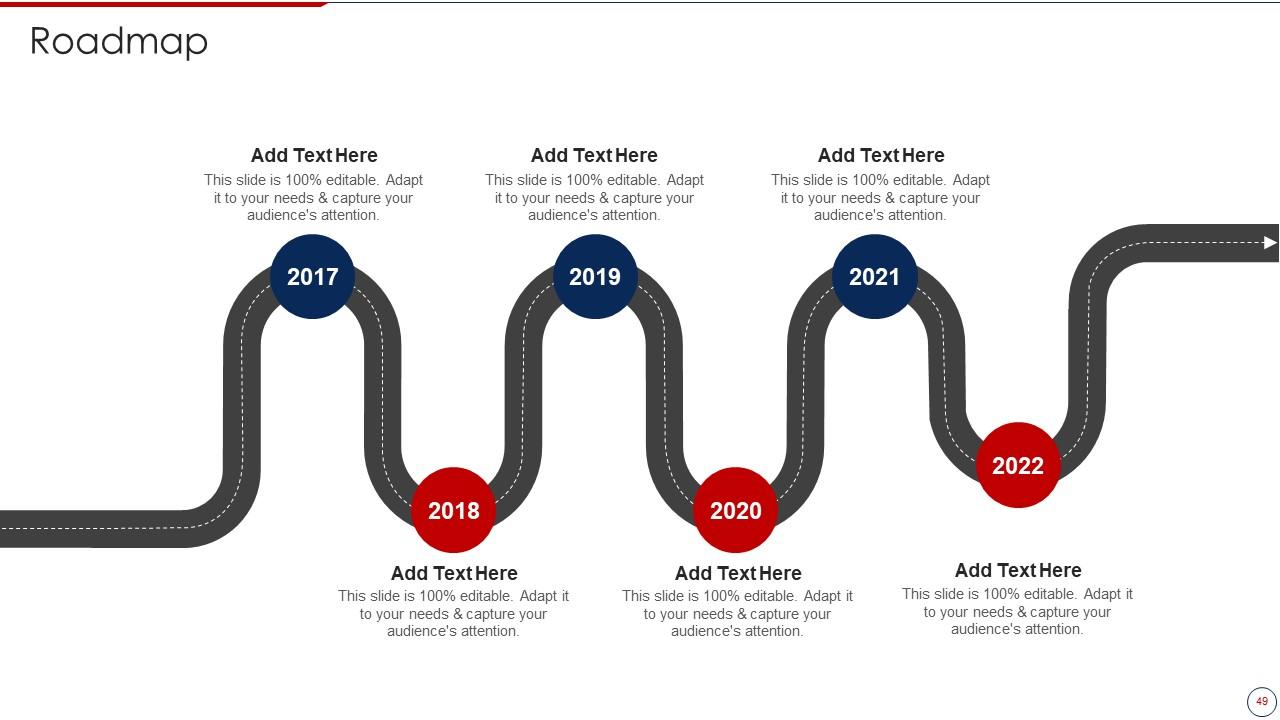
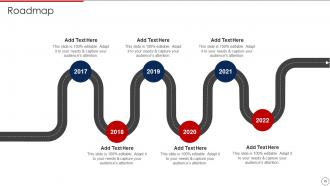
Slide 49: This slide presents Roadmap with additional textboxes.
Slide 50: This is a Thank You slide with address, contact numbers and email address.
Loan Collection Process Improvement Plan Powerpoint Presentation Slides with all 55 slides:
Use our Loan Collection Process Improvement Plan Powerpoint Presentation Slides to effectively help you save your valuable time. They are readymade to fit into any presentation structure.
-
Unique research projects to present in meeting.
-
I was never satisfied with my own presentation design but SlideTeam has solved that problem for me. Thank you SlideTeam!
