Manufacturing company performance analysis powerpoint presentation slides
Try Before you Buy Download Free Sample Product
Audience
Editable
of Time
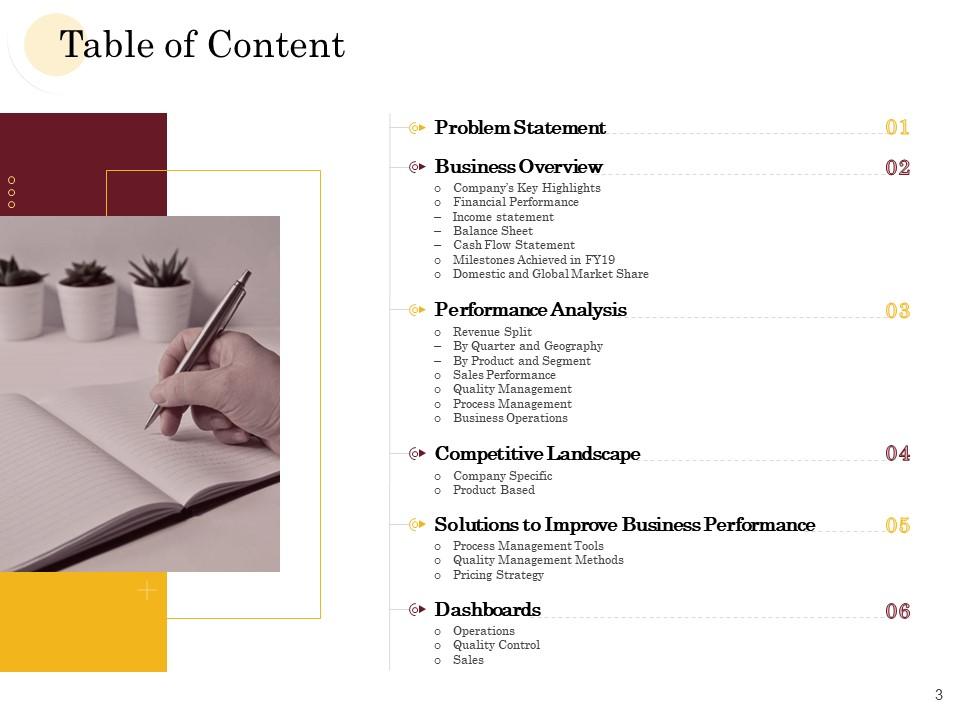
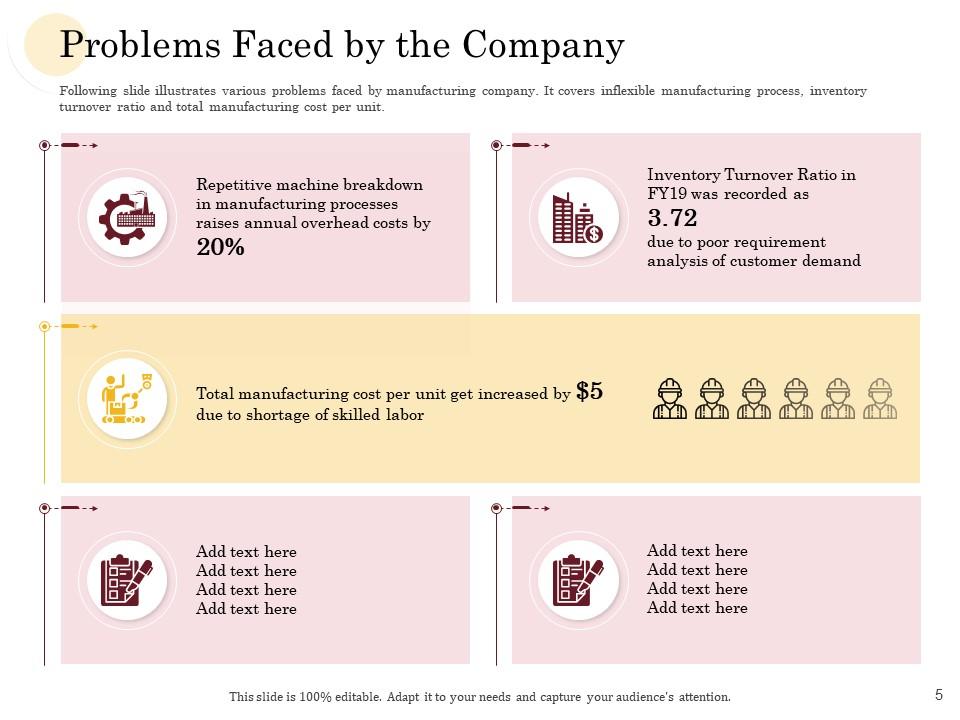
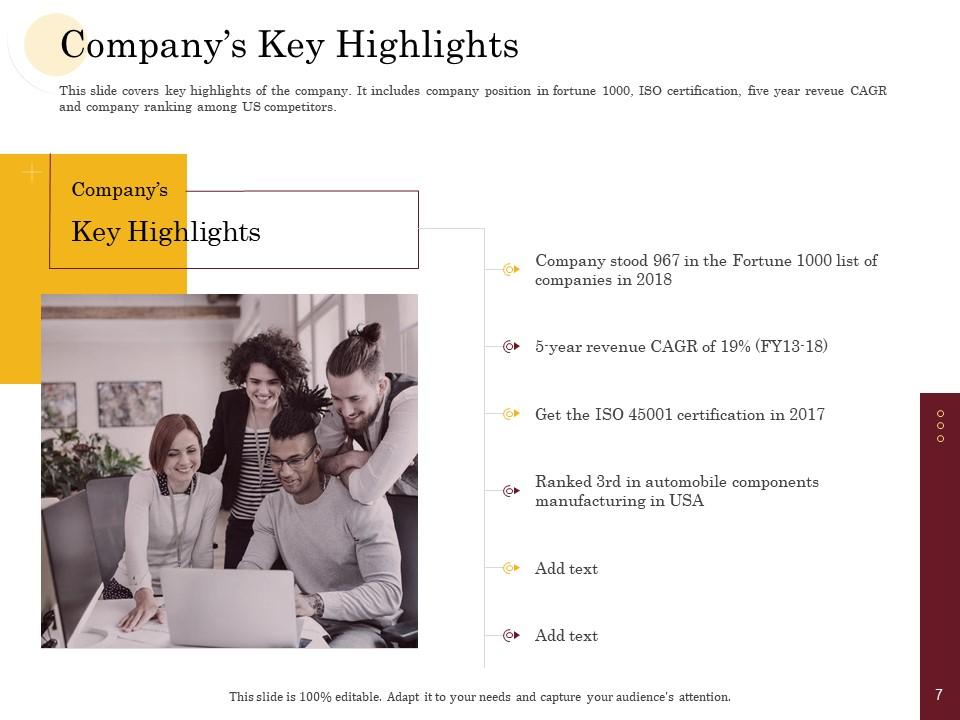
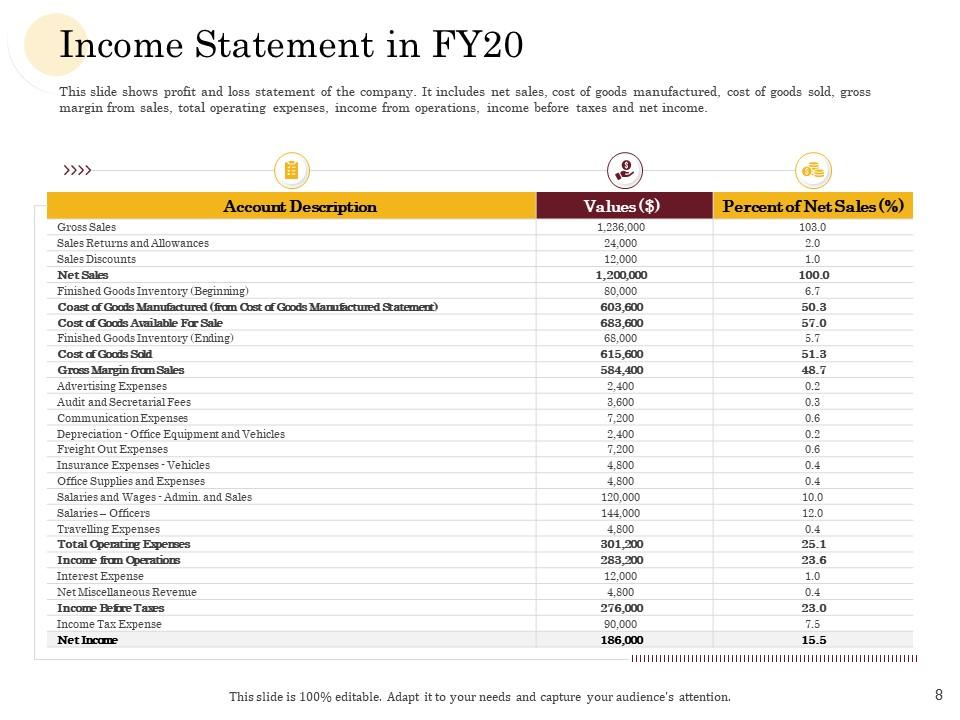
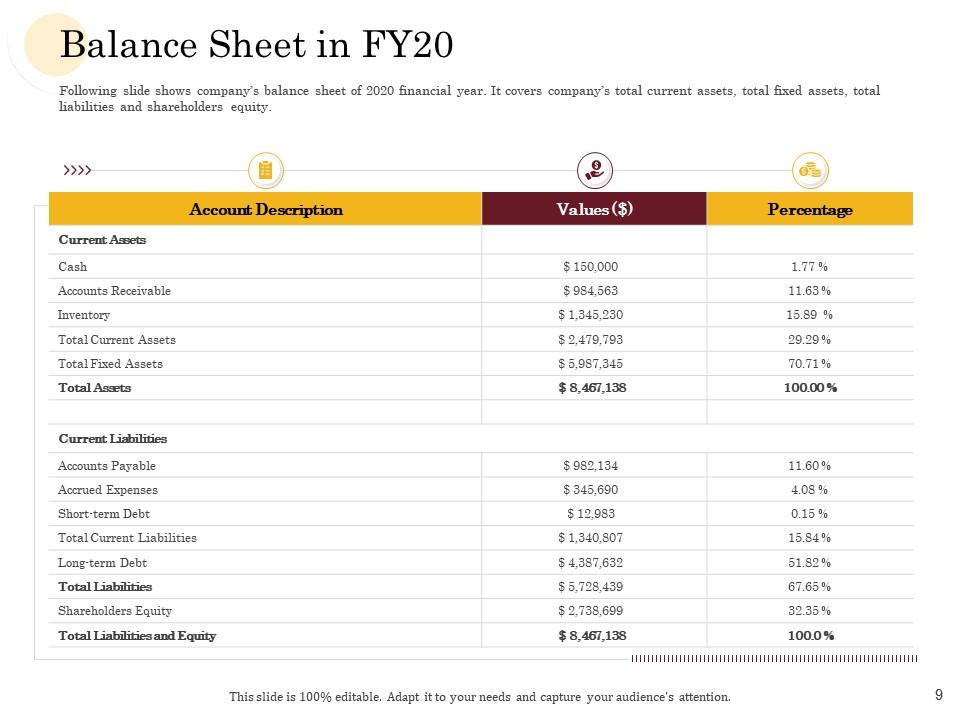
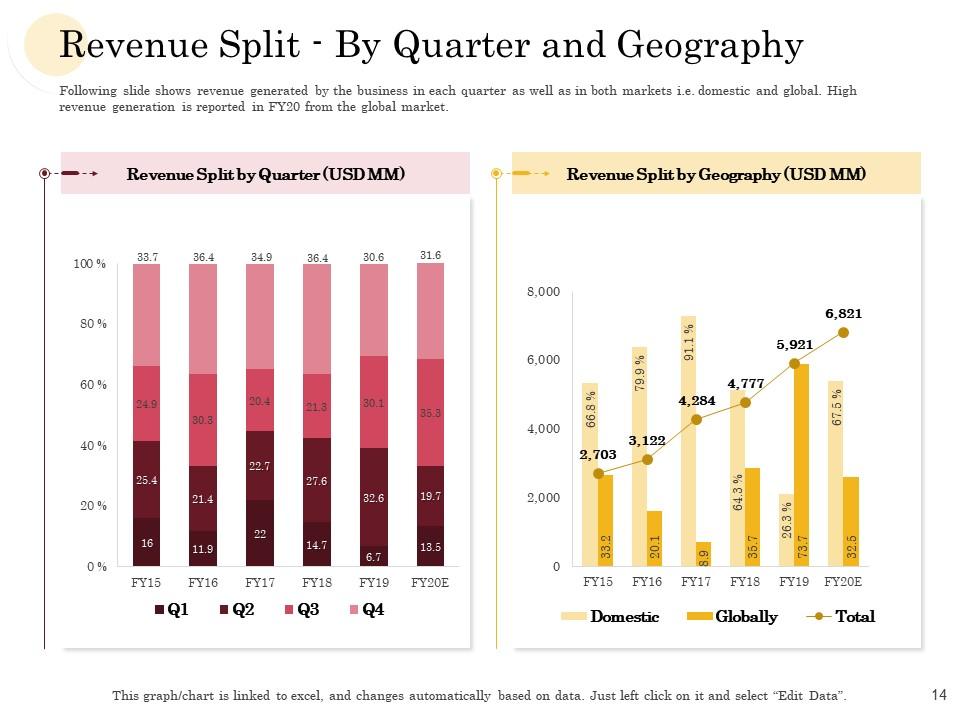
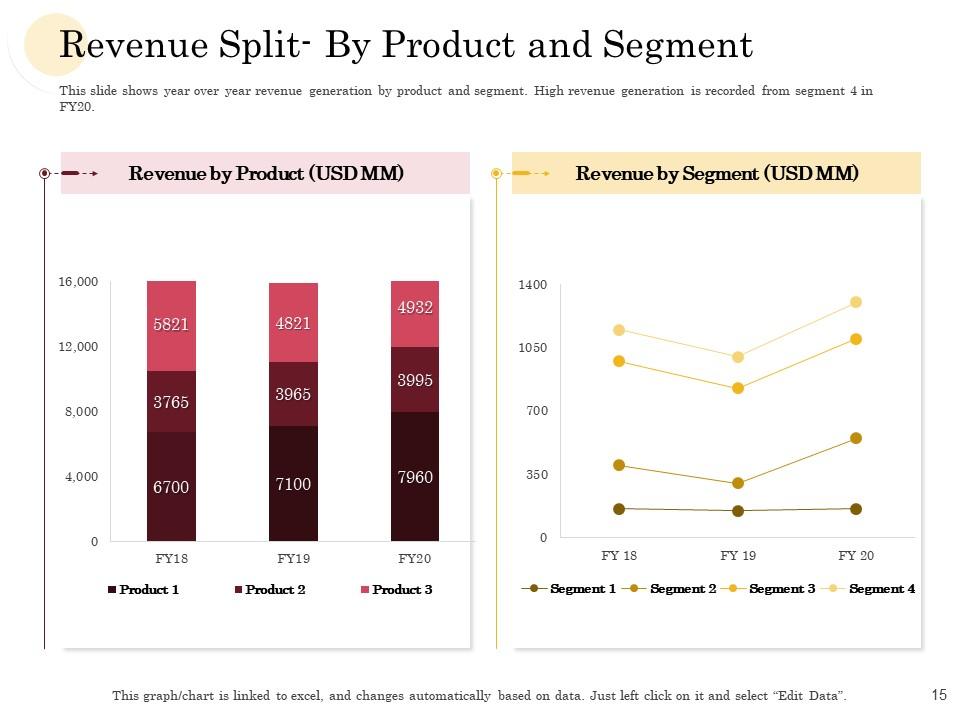
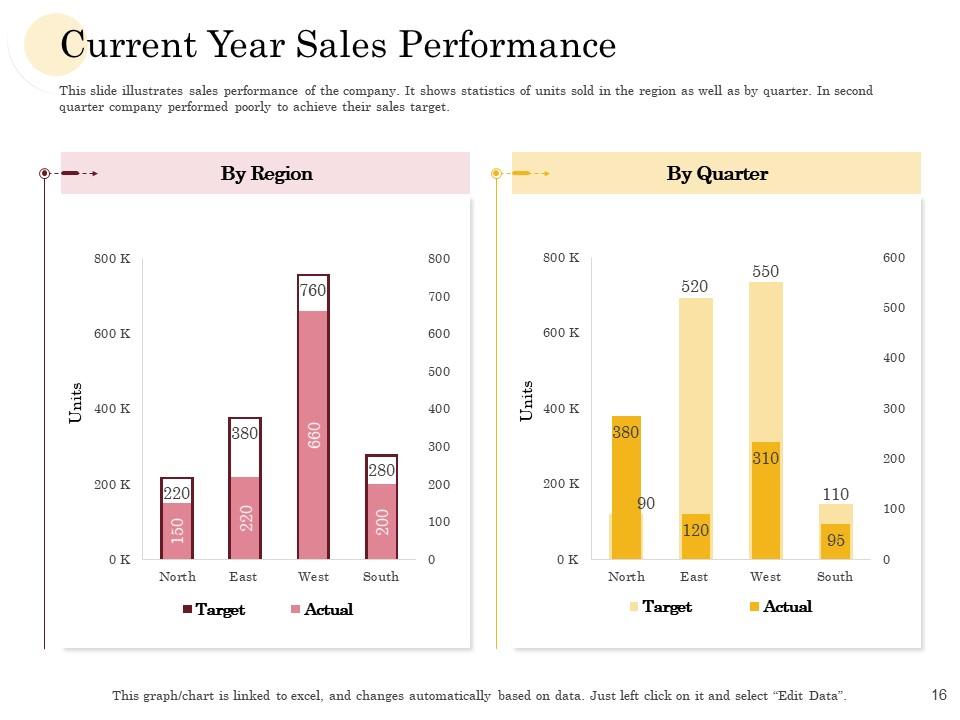
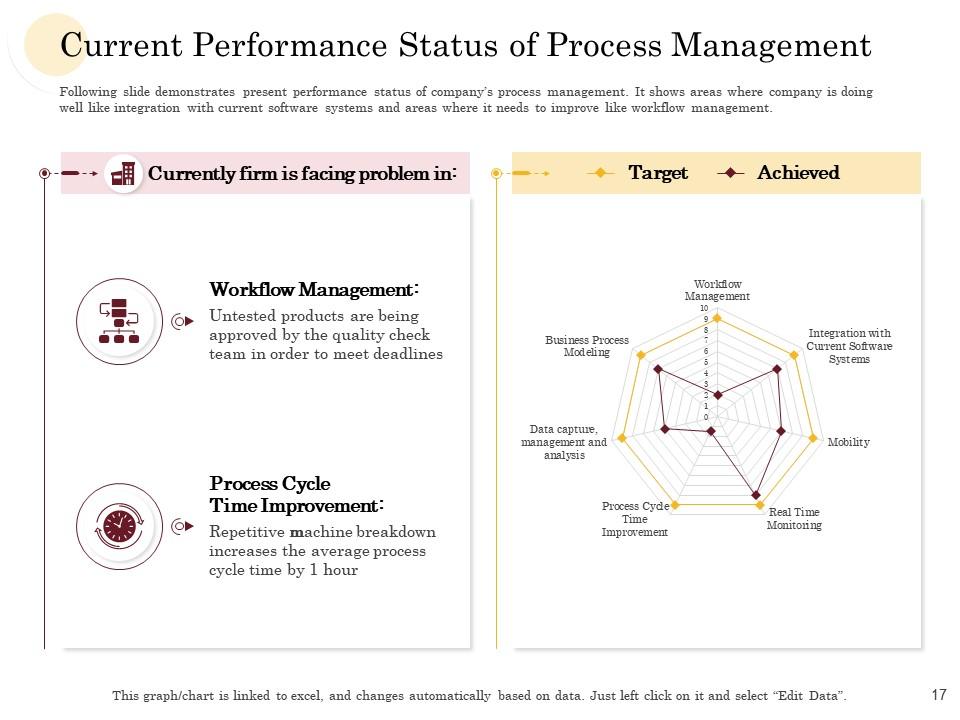
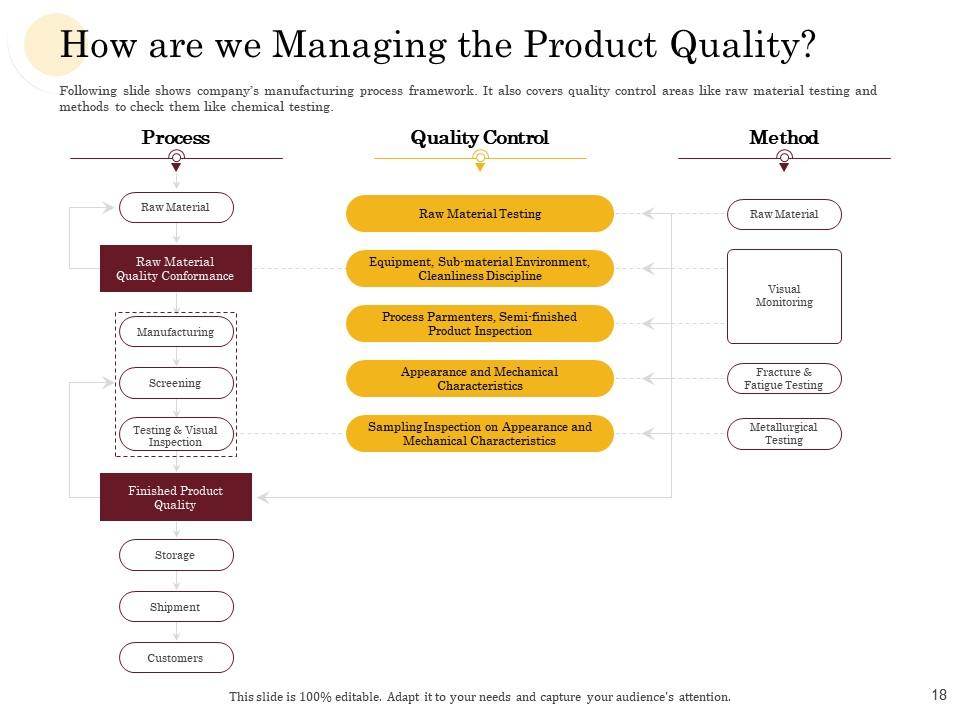
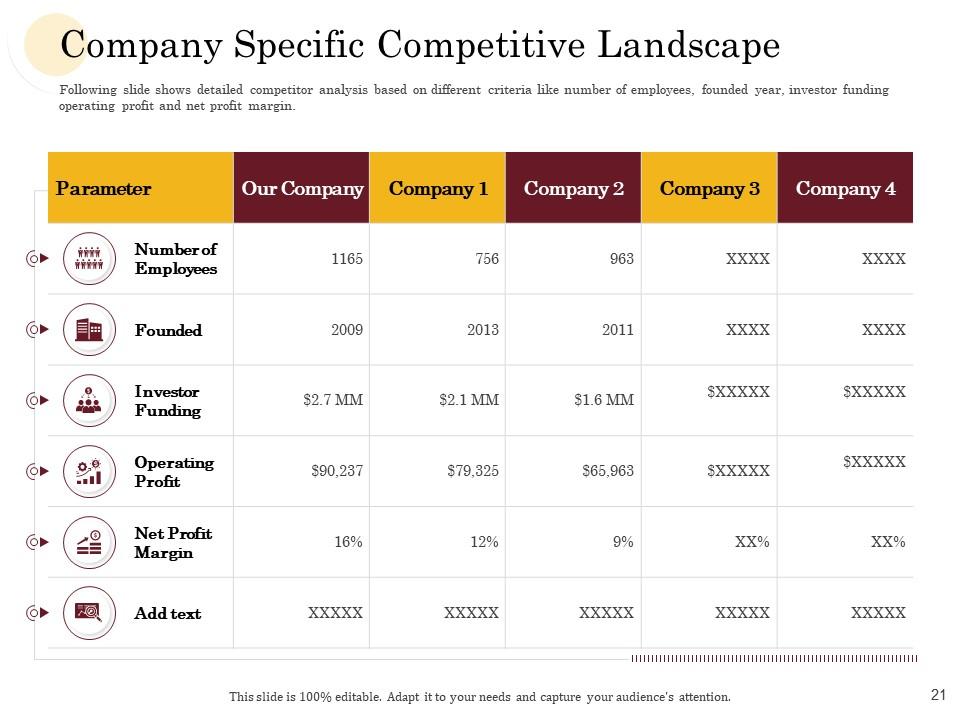
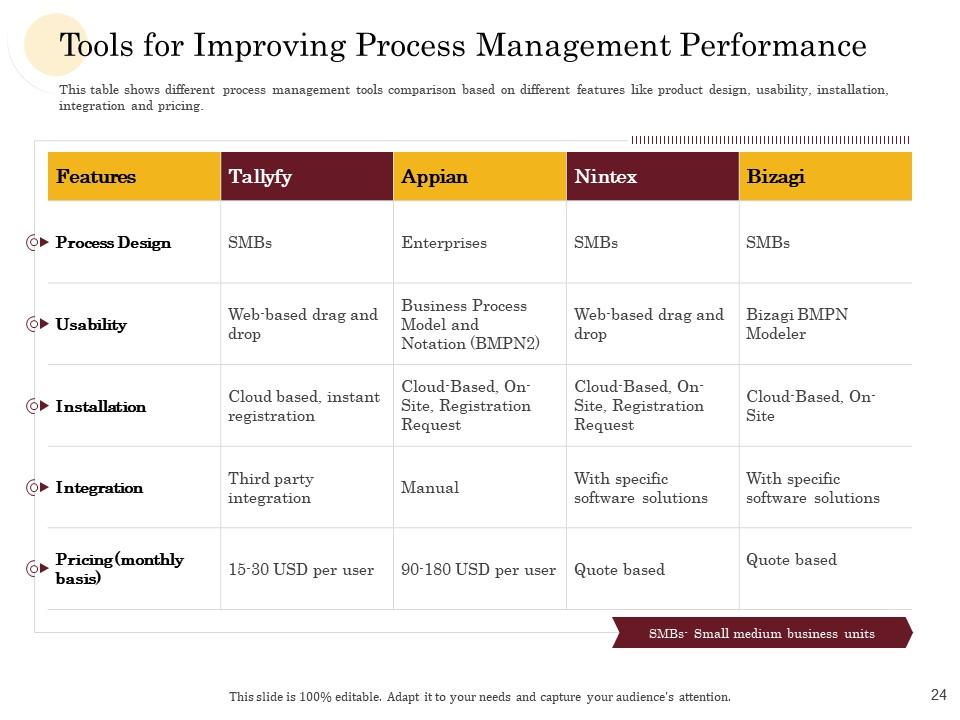
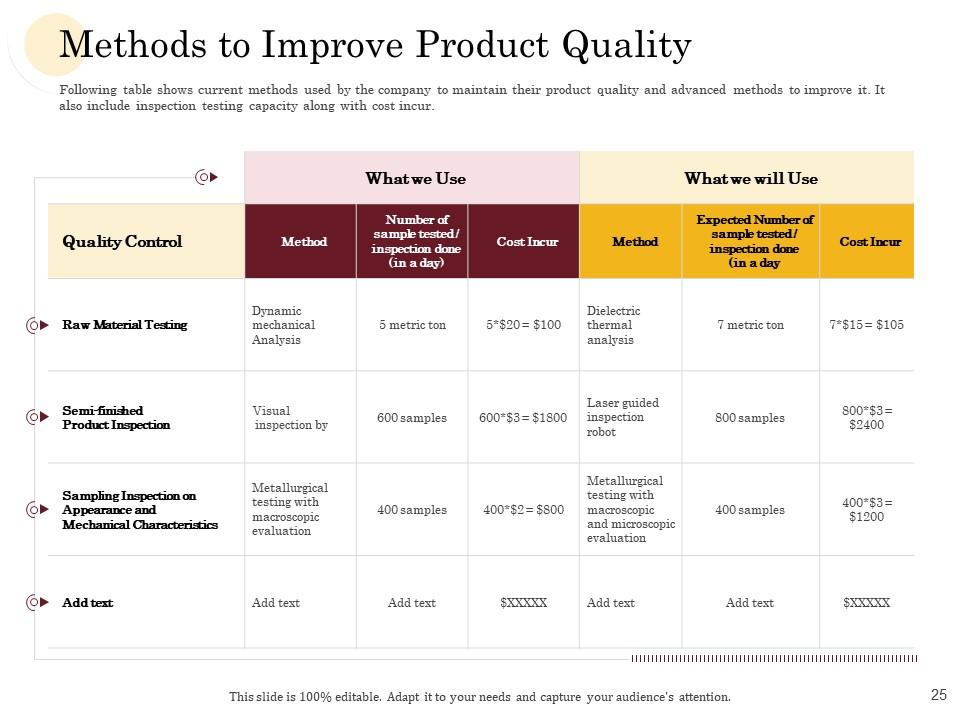
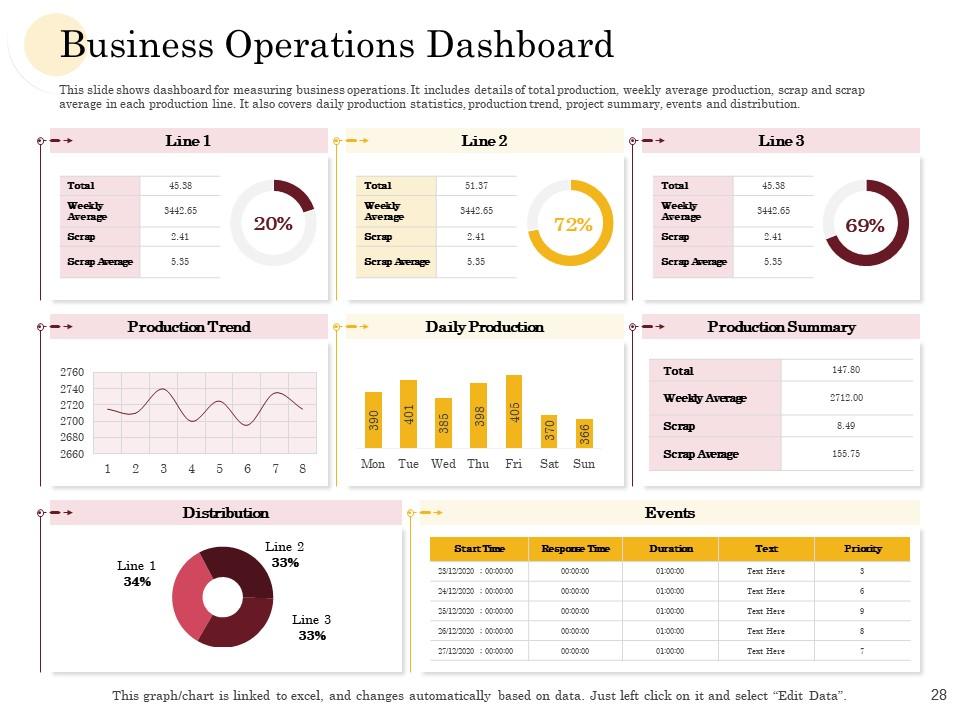
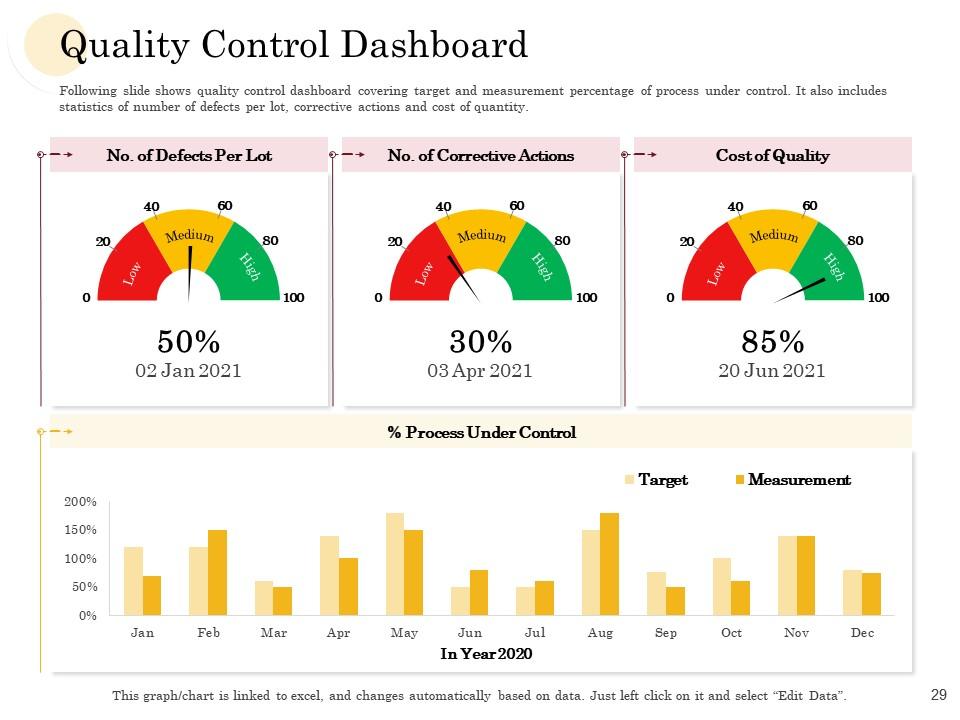
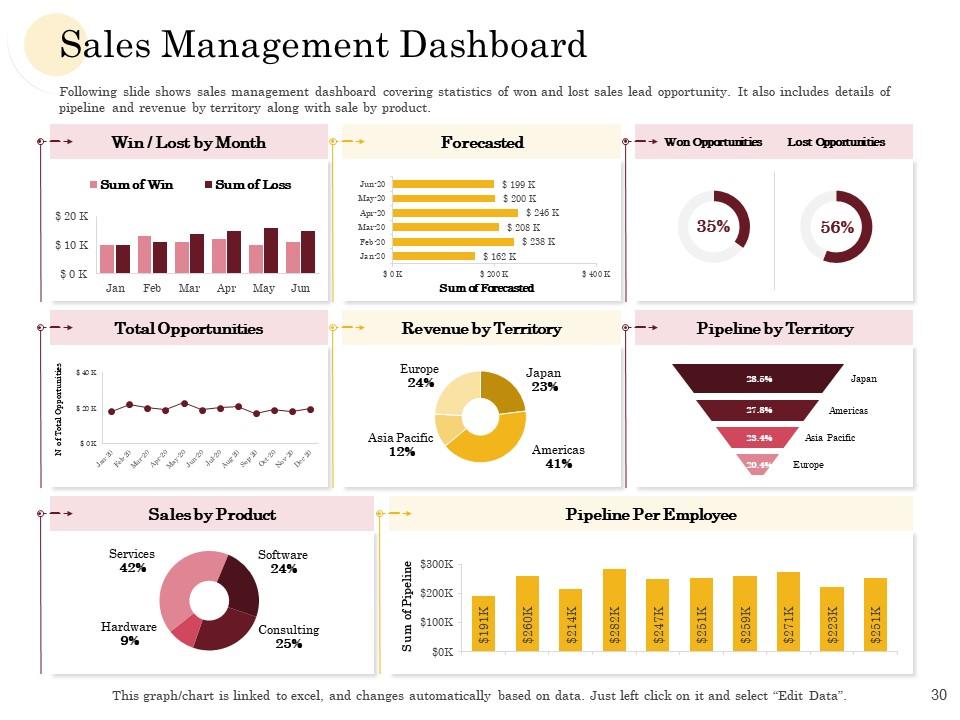
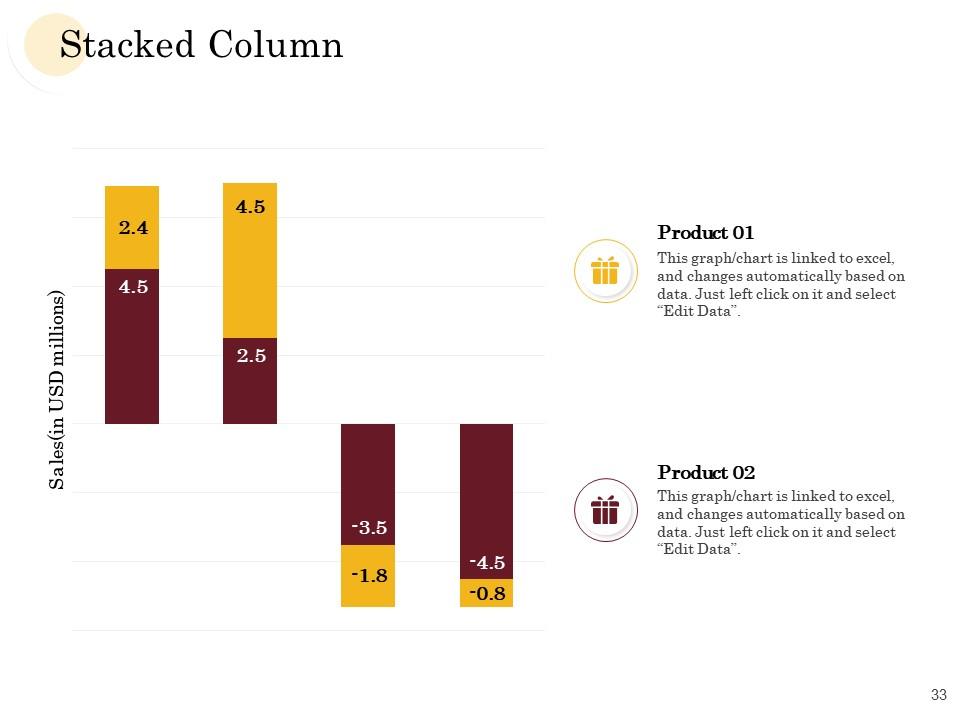
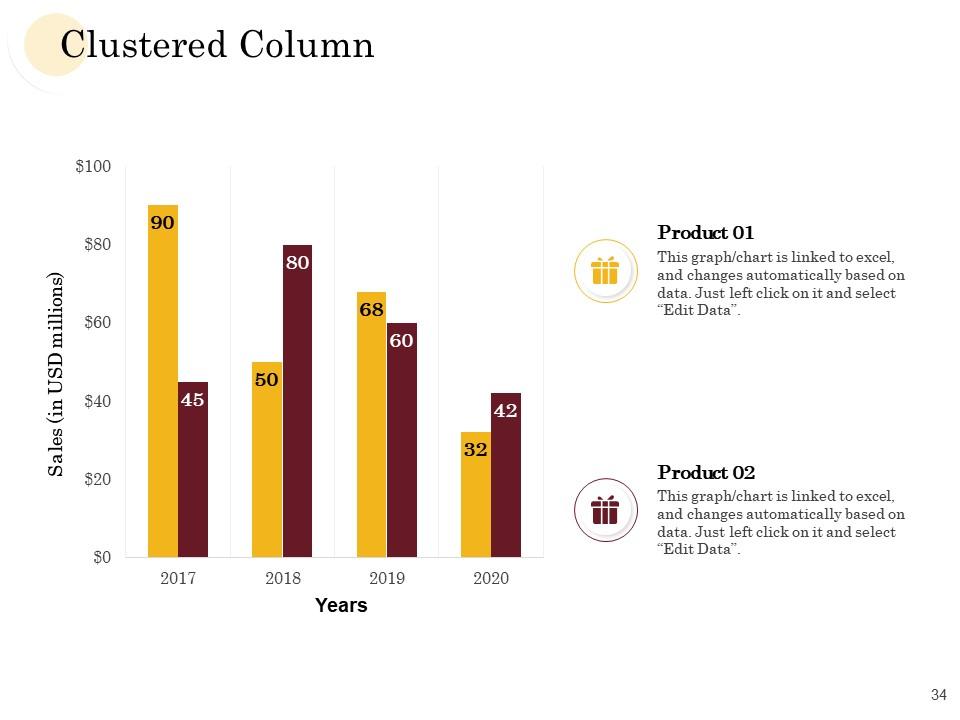
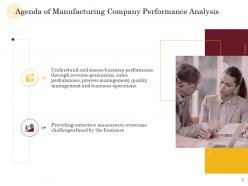
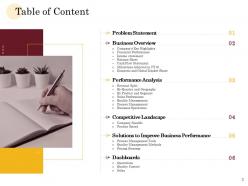
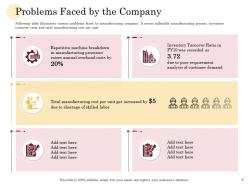
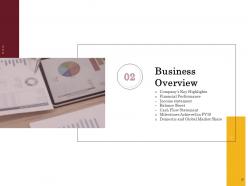
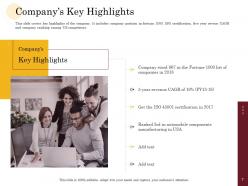
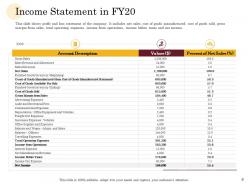
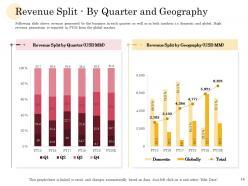
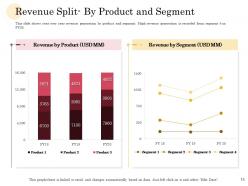
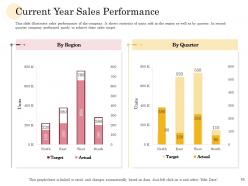
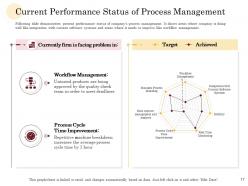
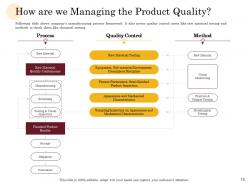
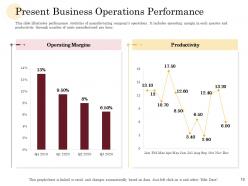
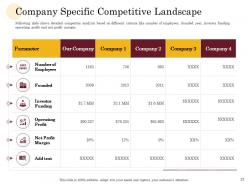
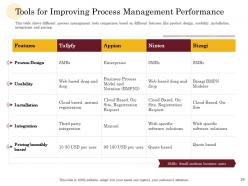
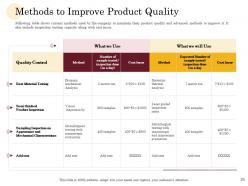
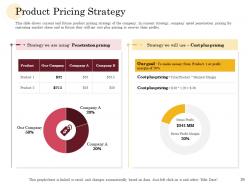
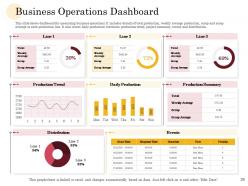
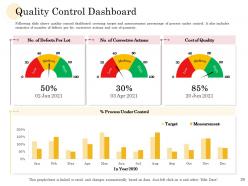
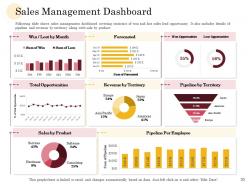
Understand and access the business performance through revenue generation and sales by using Manufacturing Company Performance Analysis PowerPoint Presentation Slides. The presentation illustrates the various problems faced by the manufacturing companies along with the solutions to overcome them. Take the assistance of these content-ready PPT themes to provide company key highlights, financial performance, and income statement. Graphically represent the revenue split of the company by quarter and geography. Depict the current sales performance of the company by utilizing this ready-to-use industrial performance analysis PPT layout. Demonstrate performance status of the company’s process management with the use of evaluation of manufacturing industry PPT infographics. You can also showcase the framework of the company by which it manages its product quality with this PPT slide deck. Showcase the details on competitor analysis based on the different criteria like the number of employees, founded year, net profit margin, and operating profit by downloading our PowerPoint presentation.
People who downloaded this PowerPoint presentation also viewed the following :
Manufacturing company performance analysis powerpoint presentation slides with all 43 slides:
Use our Manufacturing Company Performance Analysis Powerpoint Presentation Slides to effectively help you save your valuable time. They are readymade to fit into any presentation structure.
FAQs for Manufacturing company performance analysis
Honestly, just track these five and you'll be golden: OEE, throughput, quality rates, cycle time, and cost per unit. OEE is my favorite because it rolls availability, performance, and quality into one number - super clean. Cycle time will show you exactly where things are getting stuck. Throughput tells you if you're keeping up with orders. Quality rates? Well, nobody wants angry customers calling about defects. Cost per unit speaks for itself. I'd stick with these basics first - I've seen too many teams get lost in fancy dashboards when these fundamentals would've solved 80% of their headaches.
So lean manufacturing basically cuts out all the crap that doesn't add value, which makes your numbers look way better. You'll hit faster cycle times, spend less on inventory, and deal with fewer defects. Techniques like 5S and value stream mapping actually work - I know it sounds like corporate BS but it's legit. Focus on what customers actually want and ditch everything else. My advice? Pick one small area to test it out first. Measure your results before and after so you can see what's actually moving. Trust me, you'll figure out pretty quick which metrics matter most for your setup.
Look, you absolutely need tech for real-time monitoring - there's no way around it. Sensors and IoT devices grab data straight from your production lines, showing throughput, downtime, all that stuff instantly. Doing it by hand? Total nightmare and defeats the whole point. I'd start by figuring out what metrics actually matter to you first - don't just collect everything because you can. Then find systems that plug into your current equipment and spit out dashboards that make sense. The integration part is honestly where most people mess up, so don't rush that step.
Start by mapping out your whole process flow. Then time each station to see where stuff backs up. WIP inventory building up? That's probably your bottleneck. It's honestly like spotting traffic jams, but way more costly if you just ignore them. Value stream mapping works great for this - or just do simple throughput analysis. Measure what each step actually produces vs what it should. The station with the lowest throughput rate is your culprit. Once you find it, you can add capacity, make it more efficient, or completely redesign that step. Sometimes the fix is easier than you think.
Stick with the basics - OEE, cycle time, defect rates work across most industries. Just normalize your data first because comparing automotive to food processing is pretty useless without accounting for complexity. Industry benchmark reports exist but they're expensive as hell. Your ERP probably has benchmarking built in already. Manufacturing forums are goldmines though - people actually share real numbers there. Pick maybe 3-4 KPIs and track them monthly. Don't go crazy with too many metrics or you'll drown in data.
Tableau and Power BI are your best bets for dashboards that ops teams will actually use. Minitab's great for statistical stuff if you're into Six Sigma. Excel still works fine for basic tracking - though it gets messy with big datasets, obviously. Real-time monitoring? Look at MES systems like Wonderware or Ignition that pull live equipment data. Honestly, I'd start with whatever plays nice with your current data sources. The coolest tool won't help if you can't feed it data easily.
Dude, your floor workers are goldmines of info that most managers totally ignore. They spot machine problems before they break, know exactly where workflows get stuck, and have ideas that could save you tons of time. Management sits up high but misses all the real details. When people feel like you actually listen to them, they'll care way more about hitting numbers - it's crazy how much that matters. Start doing regular check-ins, even quick informal chats work. Then actually do something with what they tell you. Seriously, your production will improve fast.
Real-time dashboards are your best bet - track OEE, throughput, and downtime with gauges and time series charts. Color-code everything red/yellow/green so problems pop out instantly. Pro tip: make sure operators can actually see the screens from where they work (learned that one the hard way). Pareto charts help you figure out which fires to fight first. Trend analysis is solid for catching patterns over time. Don't go overboard though. Cluttered dashboards just get ignored. Pick your top 3-5 metrics and expand only when your team's actually using what you've got.
Honestly, predictive analytics is pretty wild once you get it working. Your machines basically tell you when they're about to break down, so you can fix stuff before everything goes to hell. The algorithms catch patterns in performance data and spot quality issues coming. Plus you can actually forecast demand instead of just guessing - way better than the old methods we used to rely on. Energy consumption gets optimized too, which is nice for the budget. Oh, and inventory planning becomes so much easier since you're working with actual trends instead of hunches. I'd start with just one production line though. Prove it works before going crazy with it.
So TPM basically gives you way cleaner data to actually work with. Your machines run better with proactive maintenance, which means less random breakdowns messing up your numbers. Makes tracking everything so much simpler, honestly. You'll be able to see real capacity issues and bottlenecks that were hidden before when stuff kept failing. Start with OEE as your main metric - I'd track availability, performance rate, and quality separately so you know exactly where you're losing efficiency. It's kinda like having a clear picture instead of trying to analyze through static, if that makes sense.
Your supply chain basically controls how well your manufacturing runs. Late deliveries from suppliers? You're screwed - production slows down and costs go up. Bad quality materials just create more defects later, which honestly is the worst part to deal with. But here's the thing - when you've got solid supplier relationships and can actually see what's happening in your supply chain, everything flows better. You'll cut inventory costs and react way faster when demand shifts. Really focus on finding reliable suppliers you can partner with, then get some tracking tools so you know how everyone's performing.
Don't treat quality and speed like enemies - measure them together instead. Track first-pass yield and defect rates per hour, stuff like that. The goal is finding that sweet spot where you're not inspecting every tiny thing (which kills your timeline) but you're still catching problems before they blow up later. Honestly, I've watched companies ping-pong between being too strict and too loose, both suck. Start with your worst quality bottlenecks and see if you can automate those checks. That way you keep standards up without everyone standing around waiting.
After you figure out where the waste is coming from, go after the worst offenders first - that's usually overproduction or too much inventory sitting around. Just-in-time production works really well for cutting inventory waste. Set up some monitoring so you catch quality problems before they snowball. Cross-train people too, since fresh eyes spot problems others miss. Honestly, I've worked with companies that slashed waste by 30% just fixing their main bottleneck. Pick one area, see what happens, then roll it out from there.
Just fold them right into your current KPIs - track stuff like energy per unit, waste reduction %, water usage next to your usual throughput and quality numbers. Some companies get pretty creative with it, measuring carbon footprint per product or making recycling rates a core metric. Honestly, the trick is putting these sustainability numbers right up there with production data on your dashboards. Don't hide them in separate reports or whatever. Pick maybe 2-3 environmental metrics that actually match what you're already trying to do, then build them into your regular performance reviews. Makes it way easier to sell to leadership too.
Honestly, culture makes or breaks whether anyone actually uses your performance data. Blame-heavy workplaces? People just hide problems and fudge numbers to save their ass. But when there's real trust and psychological safety, teams actually share what's broken and fix things together. Same exact metrics can either help or hurt depending on how leadership uses them - as learning tools vs punishment sticks. I've watched this play out so many times. You gotta build trust first, then bring in the analysis as a way to solve problems together. Otherwise you're just creating fancy spreadsheets nobody believes.
-
I discovered this website through a google search, the services matched my needs perfectly and the pricing was very reasonable. I was thrilled with the product and the customer service. I will definitely use their slides again for my presentations and recommend them to other colleagues.
-
Nice and innovative design.
-
Graphics are very appealing to eyes.
-
Wonderful templates design to use in business meetings.
-
Great quality slides in rapid time.