

Market drivers powerpoint presentation slides




Try Before you Buy Download Free Sample Product
 Impress Your
 Audience
 100%
100% Editable
 Save Hours
 of Time


Market drives make markets develop and grow, use our Market Drivers PowerPoint Presentation Slides to showcase key market drivers. Business success depends on these key market drivers. Get your audience focus on key business drivers, key business restraints and key technology restraints. The business drivers PowerPoint complete deck contains slides such as key market drivers and restraints, forecast, internet of things market drivers, food industry market drivers, business and technology market drivers, global business market, challenges, etc. With the help of these visual designs, you’ll be able to present the latest trends in the market. The content given in this PPT has been researched by our team of experts. All slides are easy to customize. Users can edit these templates as per their requirements. Industry drivers Presentation layout assists in identifying the market drivers and challenges. Download this content ready market trends and business drivers PPT slides to measure and manage market drivers. Your thoughts will grow at a faster pace. Fertilize them with our Market Drivers Powerpoint Presentation Slides.
People who downloaded this PowerPoint presentation also viewed the following :
Content of this Powerpoint Presentation
Slide 1: This slide introduces Market Drivers. State Your Company Name and begin.
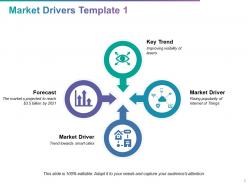
Slide 2: This is the first slide as Market Drivers Template displaying- Forecast, Key Trend, Market Driver.
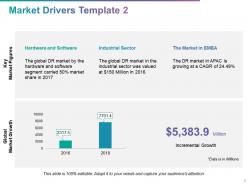
Slide 3: This is the second slide as Market Drivers Template displaying- Key Market Figures, Global Market Growth, Incremental Growth.
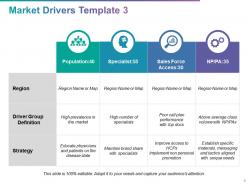
Slide 4: This slide showcases the third slide as Market Drivers Template displaying- Region, Driver Group Definition and Strategy.
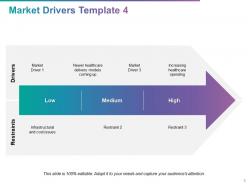
Slide 5: This slide showcases the fourth slide as Market Drivers Template displaying- Drivers and Restraints.
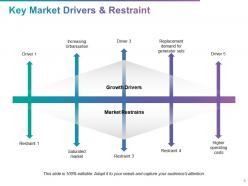
Slide 6: This slide presents Key Market Drivers & Restraint showcasing- Growth Drivers, Market Restrains.
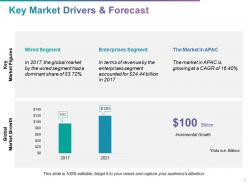
Slide 7: This slide showcases Key Market Drivers & Forecast displaying- Key Market Figures, Global Market Growth.
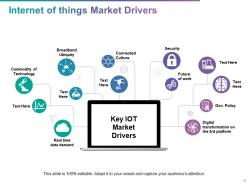
Slide 8: This slide showcases Internet of things Market Drivers showing- Real time data demand, Broadband Ubiquity, Connected Culture, Future of work, Security, Digital transformation on the 3rd platform, Gov. Policy, Commodity of Technology as Key IOT Market Drivers
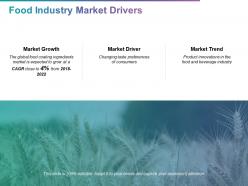
Slide 9: This slide shows Food Industry Market Drivers displaying- Market Growth, Market Driver, Market Trend.
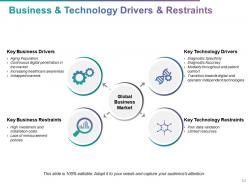
Slide 10: This slide presents Business & Technology Drivers & Restraints categorized as- Key Business Drivers, Key Technology Drivers, Key Business Restraints, Key Technology Restraints.
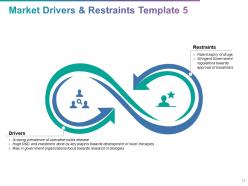
Slide 11: This slide showcases Market Drivers & Restraints Template displaying- Restraints and Drivers.
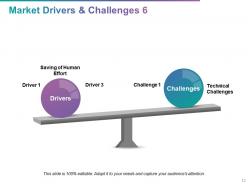
Slide 12: This slide presents Driver Market Drivers & Challenges.
Slide 13: This slide is titled Additional Slides. You may change content as per your need.
Slide 14: This is Our Mission slide. State company mission here.
Slide 15: This is Our Team slide with name, designation and image boxes.
Slide 16: This is an About Us slide. State team/company specifications here.
Slide 17: This is Our Goal slide. State goals etc. here.
Slide 18: This is a Venn diagram image slide to show information, specifications etc.
Slide 19: This is a Comparison slide for comparing entities/products etc. here.
Slide 20: This is a Financial score slide. State financial aspects etc. here.
Slide 21: This is a Post It slide to mark events, important information etc.
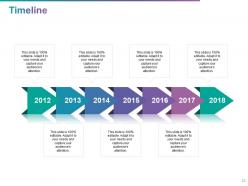
Slide 22: This is a Timeline slide to show evolution, growth, milestones etc.
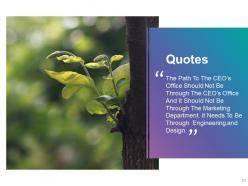
Slide 23: This is a Quotes slide to convey company messages, beliefs etc. You can change the slide contents as per need.
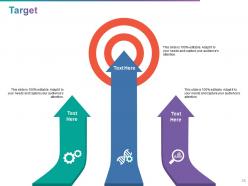
Slide 24: This is a Target image slide. State targets, etc. here.
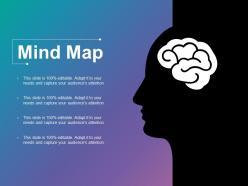
Slide 25: This is a Mind map image slide to show segregation, information, specifications etc.
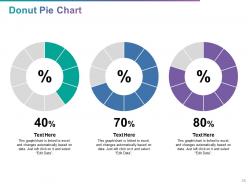
Slide 26: This slide shows a Donut Pie Chart for two product/entity comparison, information, specifications etc.
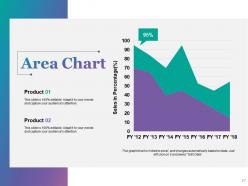
Slide 27: This is an Area Chart slide to show product/entity comparison, specifications etc.
Slide 28: This is a Thank You slide with Address# street number, city, state, Contact Numbers, Email Address.
Market drivers powerpoint presentation slides with all 28 slides:
Generate good emotions with our Market Drivers Powerpoint Presentation Slides. They will feel like gushing over you.


FAQs for Market drivers
Look, consumer spending power is huge right now - if people don't feel secure financially, they'll cut non-essentials fast. Interest rates and supply chains are the other big ones dictating everything. Tech habits from the pandemic aren't going anywhere (which honestly makes sense), and this whole sustainability thing is actually changing what people want to buy. Labor costs can flip everything overnight though. Energy prices too - they're total wildcards. Oh, and track consumer confidence indexes monthly. They'll give you a heads up before demand shifts hit your sector. Trust me on that one.
New tech doesn't just upgrade what we have - it creates totally new markets. Look at smartphones. They didn't just make better phones, they spawned entire industries around apps, mobile payments, Uber, you name it. Same thing's happening now with AI in healthcare and customer service. Manufacturing? Completely different thanks to automation. Here's the thing though - sometimes I think we get so caught up tracking the flashy stuff that we miss the boring innovations that actually matter. But yeah, definitely stay tuned to whatever's brewing in your field. That's usually where the next big shake-up starts.
Dude, consumer preferences basically drive everything in the market. People start wanting sustainable stuff or remote work tools? Companies scramble to meet that demand super fast. It's wild how entire industries can flip overnight just because we all changed our minds about something. Your buying choices - plus everyone else's - literally create new markets and destroy old ones. Honestly, I think the best way to spot opportunities is just paying attention to what people are bitching about or going crazy for. That's where the smart money goes. The whole thing moves faster than you'd expect.
So globalization basically throws your business into this massive arena where you're suddenly competing with companies from everywhere. Your local coffee shop? Now it's up against Starbucks AND some incredible café concept from Seoul. More players means different cost structures, fresh innovation ideas - the whole thing just cranks up the pressure. Companies have to move faster now, optimize everything, find new ways to stand out. Honestly, it's kind of wild how quickly things can shift. You've got to stay aware of global trends and watch for competitors you didn't even know existed yet.
New regulations can totally flip entire markets - what's profitable one day might be illegal the next. Companies either get lucky and end up ahead of competitors, or they're scrambling to catch up. GDPR was brutal, basically wiped out tons of smaller ad companies overnight. Pricing changes, supply chains get disrupted, investment money flows differently. Here's the thing though - most regulatory changes don't just appear out of nowhere. There's usually months of signals if you're paying attention. Smart move is tracking those early warning signs so you can adjust before everyone else figures it out.
GDP growth, unemployment, and inflation are your bread and butter - they show the overall health. Consumer confidence matters a ton since people actually need to spend money. Fed meetings? Yeah, those can send everything sideways in minutes. Manufacturing PMI is solid too, plus housing starts and retail sales. Honestly, yield curve stuff sounds boring but it's weirdly good at calling recessions. Just set up alerts for when this data drops so you're not playing catch-up while everyone else is already trading on it.
Dude, social media is wild - it makes everything blow up way faster, good or bad. People check reviews and comments before buying literally anything now (I'm guilty of this too). Your customers can basically shout directly at you on these platforms, so you've gotta actually respond and be real about it. Honestly, I think one bad tweet can spread faster than any expensive ad campaign. The crazy part? People are already talking about your brand whether you're listening or not. Just keep an eye on what they're saying and jump into conversations when it makes sense. Don't be that brand that ignores everyone.
Demographics basically reshape entire industries by changing who's buying what and who's working where. Aging boomers? Healthcare and retirement services boom. Fewer kids being born means trouble for schools and daycares. Millennials hitting their prime earning years are totally flipping housing markets and how we pay for stuff digitally. These changes creep up slowly, then hit all at once - honestly caught me off guard how fast it happened with my own industry. Watch census data and consumer surveys to spot shifts 3-5 years early. Track where your customers are moving, what life stage they're entering, income changes. Then pivot your strategy before everyone else catches on.
Honestly, get out of your industry bubble - that's where the good stuff is. I track social media trends and watch what's happening in adjacent industries since they usually signal what's coming next. Google alerts are your friend, just actually read them weekly instead of letting them pile up (guilty as charged). Research firm reports are fine but tbh some of my best insights come from random conversations with people outside my usual work crowd. Also keep an eye on regulatory changes - they create demand shifts before anyone realizes it. The trick is catching patterns early while your competitors are still sleeping.
Dude, sustainability isn't just trendy anymore - it's literally make-or-break for businesses. Young consumers especially will ditch brands that don't care about the environment. Companies are losing serious market share over this stuff. Plus regulations keep getting stricter, investors want that ESG compliance, and even supply chains demand green standards now. My neighbor's hardware store started carrying all eco-friendly paint just to keep up! Look, if you're not building sustainability into your products and marketing, you're already playing catch-up. The shift happened faster than most people realized.
Dude, supply chain hits are brutal - they mess up everything like dominoes falling. Prices spike immediately because stuff gets scarce, then people panic and start hoarding random things. One chip shortage suddenly means you can't buy a car OR a PS5, which is honestly insane when you think about it. Markets stop following normal rules and instead run on pure fear. Demand patterns go completely haywire as everyone scrambles for alternatives. The whole system shifts from regular economics to crisis mode. My advice? Build backup suppliers now, not when you're already screwed.
Seasonal stuff is like clockwork once you get it. Retail stocks always pump before Christmas, utilities spike when everyone's cranking AC in summer. Weather changes everything - energy use, construction slows down in winter, tourism ebbs and flows. Agriculture cycles mess with commodity prices too. Consumer behavior shifts are huge - people buy different things at different times of year. Honestly, it's one of the easier patterns to spot if you're paying attention. Track what happens in your sector each season and you can usually see moves coming before they happen. Pretty useful for timing your plays.
So basically, people buy stuff because everyone else is doing it - social proof is wild like that. Scarcity works too, creates this panic buying thing. But here's what's crazy: customers hate losing out on deals way more than they care about getting something good. It's called loss aversion. Even in boring B2B sales, emotions beat logic every time. People want products that make them look successful or whatever. Oh, and I always forget about identity stuff - buyers need things that fit their self-image. Skip the feature lists. Hit those emotional buttons instead.
Honestly, you probably already have most of this data just sitting there unused. Start by tracking customer behavior and competitor prices - that's your bread and butter. Then throw in some social media sentiment analysis if you're feeling ambitious. Mix your internal sales numbers with outside stuff like search trends or industry reports. I'd focus on maybe 2-3 sources max at first because otherwise you'll drown in information. Look for patterns when your sales jump or tank. Most people overcomplicate this, but really you just need to connect the dots between what's happening externally and how it hits your bottom line. Set up some basic dashboards so you're not flying blind.
Honestly, it's wild how different things are region to region. Like in Asia, people buy stuff for status and what others think. But go to Scandinavia? They're all about being eco-friendly and not owning too much crap. Your pricing that kills it in emerging markets will probably annoy the hell out of developed countries. Income levels matter too, plus infrastructure and what governments are doing. I learned this the hard way - you really can't just copy what works at home. Do your homework first because assumptions will bite you.
No Reviews