Market idea ppt powerpoint presentation ideas graphics download cpb

Market idea ppt powerpoint presentation ideas graphics download cpb
Slide 1 of 5
Favourites Favourites

Try Before you Buy Download Free Sample Product

Audience Impress Your
Audience
Editable 100%
Editable
Time Save Hours
of Time
The Biggest Sale is ending soon in
0
0
:
0
0
:
0
0
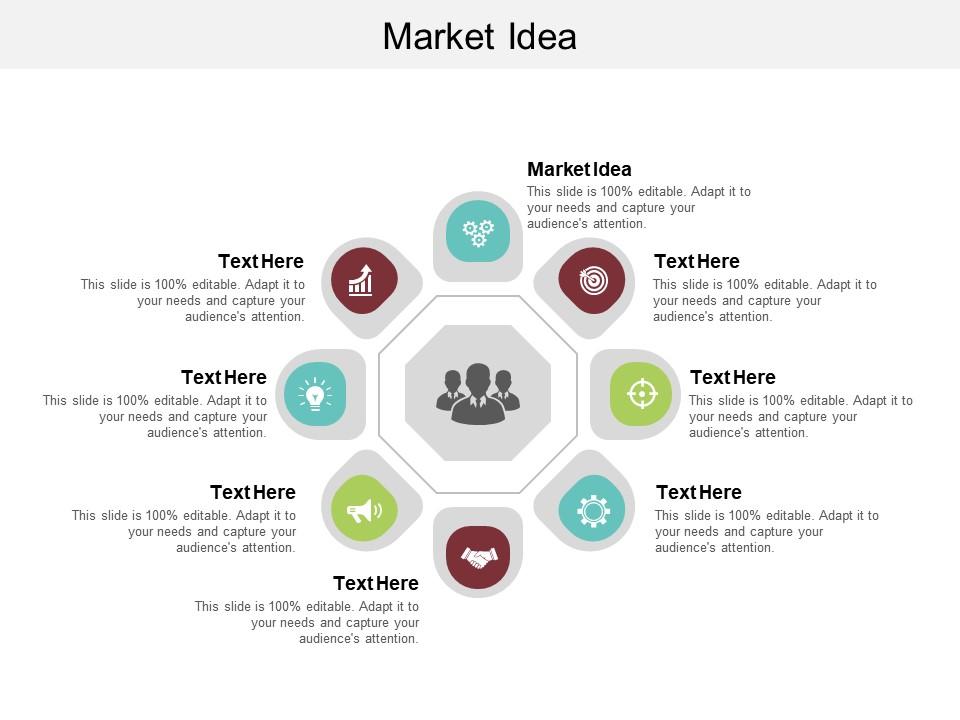
Presenting this set of slides with name Market Idea Ppt Powerpoint Presentation Ideas Graphics Download Cpb. This is an editable Powerpoint eight stages graphic that deals with topics like Market Idea to help convey your message better graphically. This product is a premium product available for immediate download, and is 100 percent editable in Powerpoint. Download this now and use it in your presentations to impress your audience.

People who downloaded this PowerPoint presentation also viewed the following :

FAQs for Market idea ppt powerpoint presentation ideas

Honestly? Just find problems people already have and will pay to fix. Don't build anything yet - talk to actual humans first. Surveys work, but I like just calling people or grabbing coffee if you can. Check what folks are bitching about on Twitter or Reddit too. That's where the real pain points live. I see way too many people chase "cool" ideas that nobody actually wants to pay for. Find a tiny niche where people are already throwing money at crappy solutions, then make something better. You can always expand later once you've got that locked down.

Honestly? Do the research first or you'll kick yourself later. I've watched so many people build stuff nobody actually wants - it's brutal. Talk to maybe 10-15 people in your target market, just casual interviews or surveys. You'll figure out what pain points are real vs what you think they are. Plus you might stumble onto features or use cases you never even considered. The whole point is testing your assumptions before you blow money on development. Even simple conversations can totally change your perspective on the market gaps out there.

Dude, you HAVE to get customer feedback before diving deep into any idea. I've watched so many people (myself included tbh) get obsessed with their brilliant concept without actually asking if anyone wants it. Talk to potential customers super early - like, uncomfortably early when you're still figuring things out. Simple surveys work, or just grab coffee and pick their brains about their problems. You'll discover whether your solution actually hits the mark or if you need to pivot completely. Beta tests come later. Trust me, finding out nobody cares about your product after launch is brutal.

Honestly, I'm always lurking in comment sections - that's where people actually say what they think. TikTok is dangerous though, I'll go on "for research" and suddenly it's 2am. But seriously, track hashtags and what's blowing up in your space AND related industries. Sometimes the best ideas come from weird connections. Pain points are everything - when people complain about gaps in current solutions, that's your opening. I use social listening tools to catch sentiment shifts before they're obvious. The timing thing is brutal though. Once everyone's talking about a trend, you've already missed it.

Honestly, just nail these three things first: figure out your market size (TAM/SAM stuff), then get real about customer acquisition cost vs lifetime value. That second one is where I see people crash and burn all the time - they think they can just figure it out later. Also track actual validation signals like pre-orders or beta signups, not just people saying "yeah that sounds cool." Market size shows if there's enough money to make this worth it. The validation part proves people will actually pay, not just give you fake encouragement. Get rough numbers on all three before you build anything serious. Trust me, you'll dodge so many expensive mistakes.

Partnerships are honestly a cheat code for validation. You get direct access to real customers without having to build an audience from scratch. Test your idea with their users, get actual feedback from people facing the problem you're solving. If a solid partner wants to work with you, that's basically them saying your idea doesn't suck - which matters more than you'd think. Find partners whose customers match your target market, then pitch small pilot tests together. Way better than throwing stuff at the wall and hoping it sticks.

Dude, cultural trends are basically crystal balls for business ideas. People start caring about wellness? Boom - meditation apps everywhere. My Instagram feed is literally 50% plant-based recipes now, which is wild. You'll spot the next big thing by watching how people's habits shift - what they're buying, sharing, obsessing over. Social media's your best friend here. Kids on TikTok are usually doing something weird that'll be mainstream in two years. Stay tuned into lifestyle changes and you'll catch opportunities before they blow up.

Okay so four things you absolutely can't mess up: nail the problem first (most people skip this and wonder why investors look confused), show how your solution is actually different, prove people want it with real traction - doesn't matter if it's tiny, and have financials that make sense. The problem part is where everyone screws up honestly. They think it's obvious why their thing matters but it's not. Tell a story that goes: here's the pain → here's how we fix it differently → here's proof it works. Practice until you don't need notes and keep slides super clean.

So competitive analysis is basically checking out what everyone else is doing to find the gaps they missed. I'd map out maybe 5-10 competitors first - look at their pricing, features, what customers complain about. The real money is usually in what they're NOT doing at all, you know? Don't just copy though, that's boring and pointless. Instead, use all that info to spot underserved areas or needs nobody's addressing properly. Find one clear gap you could actually fill better than the rest and go from there.

Tech has absolutely supercharged how fast market ideas can evolve now. We're talking weeks instead of months to test stuff through digital prototyping and A/B testing. Social media feedback loops are crazy fast too. AI brainstorming tools help a ton, though honestly sometimes there are almost too many options to sort through. Here's the thing though - your competition is moving at this same breakneck speed. If you're still doing traditional development cycles, you're toast. Get some rapid prototyping tools and figure out faster ways to get feedback from your actual target market.

Start with the basics - age, location, that stuff. But honestly, the behavioral data is way more useful than demographics. How do they actually use your product? What's frustrating them? Surveys and customer interviews are gold for this. Social media insights too, if you're not already diving into those. The psychographic stuff always surprises me more than the surface-level data anyway. Build out maybe 3-4 personas with real specific needs. Then you can craft messaging that actually speaks to each group instead of some generic blob. Test one segment first, see what hits, then scale from there.

Honestly, the hardest part is that nobody will understand what you're doing. Customers think it's pointless, investors get confused, potential hires look at you like you're crazy. Building from zero means constant trial and error - there's literally no roadmap to steal from lol. Getting funding sucks because VCs can't figure out market size for something that doesn't exist. Oh, and you're asking people to change how they do things, which is basically impossible even when your solution is better. Start tiny though. Prove one small thing works, then expand from there.

Think of it like pitching a mini movie trailer - that's honestly the best way I've found to do this. Start with the specific problem your customers are dealing with, make it super relatable. Then your solution becomes the hero that fixes everything. Real scenarios work way better than vague concepts, so grab actual customer stories if you can. The whole thing should show this clear transformation from messy "before" to amazing "after." I'd map it out in three parts first, then add the details. It's basically storytelling but for business stuff.

Pay attention to what customers are actually telling you, not what you want to hear. Figure out what's broken first - the problem, your solution, or how you're explaining it? Most founders screw this up by changing everything at once instead of testing one thing at a time. Look for patterns in the feedback, don't just react to random complaints. Give yourself like 30-60 days max to see if small tweaks work before going nuclear. And honestly? Focus on real metrics that matter - sales, engagement, stuff like that. Not follower counts or whatever.

Don't lead with the environmental stuff - that's backwards. Focus on what people actually want: saving cash, feeling healthier, making life easier. Tesla's genius wasn't screaming "we're green!" but making electric cars that were genuinely cooler and cheaper to run. Check out what's working now - subscription services cutting waste, products built to last forever, anything helping people consume less without thinking about it. Honestly, sustainability should feel like a nice side effect, not your main pitch. Find one solid environmental win that also fixes something annoying in people's lives.

Ratings and Reviews

0% of 100
Write a review
Most Relevant Reviews

No Reviews