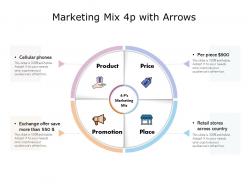
Marketing mix 4p with arrows
Try Before you Buy Download Free Sample Product
Audience
Editable
of Time
Our Marketing Mix 4p With Arrows are explicit and effective. They combine clarity and concise expression.
People who downloaded this PowerPoint presentation also viewed the following :
Marketing mix 4p with arrows with all 2 slides:
Give your audience a fulfilling experience. They will find our Marketing Mix 4p With Arrows elevating.
FAQs for Marketing mix
So you've got the 4 Ps - Product, Price, Place, and Promotion. They're all connected, which is kinda the tricky part. Like if you're selling something premium, you can't just slap a cheap price on it and sell it everywhere, you know? Your product basically drives everything else. Premium stuff needs higher prices, pickier distribution, and fancier marketing. Change one thing and you'll probably have to tweak the others. I learned this the hard way in my last job lol. But yeah, just make sure they all match your target customers and brand vibe so it doesn't feel random.
The 4 Ps work together, not as separate things to check off. Figure out your target customer first - everything flows from what they actually need. Match your product features to that. Price it right for their budget AND your brand position (this is where most people screw up honestly). Put it where they already shop - seems obvious but you'd be surprised. Promotion just amplifies all of this by getting your message to the right spots. If sales aren't happening, maybe you're pricing wrong or advertising in weird places. Test small changes and see what actually works.
Honestly, digital just makes everything in your marketing mix way more powerful. You can get instant feedback on products through social media instead of waiting months for surveys. Pricing becomes super flexible - adjust it based on what competitors are doing or how much demand you're seeing. E-commerce basically lets you sell anywhere, which is wild when you think about it. But promotion is where things get really interesting with targeted ads and influencer stuff that actually reaches people who care. My advice? Pick whatever's not working well right now and add some digital elements there first. Don't try to overhaul everything at once.
Your customers basically decide what you can charge, not your spreadsheets. Price-sensitive people? You're stuck with competitive pricing even when your costs suck. But luxury buyers are different - they actually want to pay more because expensive = good quality in their minds. Pretty weird psychology but whatever works, right? You gotta think about their income, how they shop around, and what makes them finally hit "buy." Short answer: figure out how your specific customers react to different price points, then build your strategy around that instead of the other way around.
Look, packaging isn't just some afterthought you deal with later – it's literally part of your product. Customers judge quality based on how stuff looks when they get it. Apple figured this out ages ago with those clean white boxes, right? Your packaging has to protect things obviously, but it also needs to tell people what makes your product special. Plus the whole unboxing thing matters way more than I thought it would. Premium packaging can even justify charging more money. So yeah, when you're planning your product, think of the packaging as part of the actual experience people are buying.
Social media's honestly a game-changer for promotion - it's where people are scrolling anyway, so why not meet them there? You can show off products through posts and videos, chat directly with customers, and build awareness without spending a fortune. The targeting is crazy good now too. Pick maybe 1-2 platforms your customers actually use (don't spread yourself too thin). Focus on creating stuff people genuinely want to see instead of constant sales pitches - that gets old fast. Being real and consistent beats being perfect. I mean, people can smell fake content from a mile away.
Honestly, start with where your customers already hang out and buy stuff. Are they online shoppers or do they still hit physical stores? Your product type matters too - selling luxury watches is totally different from everyday basics. Budget's huge obviously, plus how much you want to control the whole experience. I learned this the hard way with a friend's business actually. Geographic scope comes into play - local, national, whatever. Check what your competitors are doing because customers expect certain things now. Short version: match your distribution to where your people are and what you can actually handle. Map out their shopping habits first, then work backwards from there.
So market research basically helps you nail all four P's without shooting in the dark. You can test which product features people actually want (not what you think they want). Pricing research shows what they'll pay and how much sticker shock affects buying decisions. Distribution gets easier when you know where your customers shop - are they Amazon addicts or still hitting physical stores? And for promotion, you'll figure out which messages don't make them roll their eyes and where they're scrolling daily. Honestly, just ask better questions upfront and let the data do the heavy lifting.
You gotta tweak all four Ps for different cultures, which honestly gets pretty complicated. Product changes are huge - like McDonald's doing rice burgers in Asia because of local tastes and dietary stuff. Pricing has to match what people can actually afford in that country. For promotion, some cultures want direct "buy now!" messaging while others prefer subtle approaches. Distribution channels are totally different too - maybe people shop online vs. in-store depending on the region. I'd start by really digging into cultural values and buying habits first, then adjust from there. Way easier than guessing!
New tech totally disrupts your whole marketing mix - you'll have to rethink everything. Products need digital upgrades or smart features just to compete now. Pricing gets weird because automation might cut costs, but then you're also charging premium for innovation. It's honestly exhausting keeping up. Distribution completely changes with direct sales, social platforms, global shipping options. Oh, and forget traditional ads - everything's moved to influencer collabs and targeted data stuff. I'd say check your strategy every quarter and spot where tech might screw you over or actually help. The pace is just insane these days.
Honestly, mixing digital and old-school stuff works best. Social media and content marketing are where people spend their time now. Email and SEO aren't flashy but they're solid for staying visible. PR events and community stuff build real relationships that ads can't touch - way more genuine. I'd probably avoid going all-in on just one thing though. Pick maybe 2-3 strategies based on where your people actually are. Influencer partnerships can be gold too if you find the right fit.
Honestly, you don't need to outspend them - just outthink them. Pick products the big guys ignore because they're too niche. Price higher instead of competing on cost - people associate higher prices with better quality anyway. Distribution is tricky, but local partnerships work great. Or go direct to customers online. Social media is where small businesses actually have an advantage though. You can respond to comments personally while they're stuck with corporate speak. I know it sounds obvious, but most people still don't do this right. My advice? Master one area first instead of trying to fix everything at once.
So for each P you'll need different ways to measure success. Sales volume, customer satisfaction, and return rates work great for product tracking. Profit margins and how customers react to price changes tell you if your pricing's working. Distribution is all about channel performance and inventory turnover - basically are you getting products where they need to be? Promotion's honestly the easiest now since everything's digital. ROI, conversion rates, brand awareness - tons of data available. Don't go overboard though. Pick like 2-3 key metrics per P or you'll drown in spreadsheets. Figure out what winning looks like first, then find the numbers that actually matter for your situation.
Seasonal pricing is pretty straightforward - charge more when everyone wants your stuff, less when they don't. Winter coats cost way more in December than July, obviously. The key is getting your timing right though. You'll want to bump prices up before demand actually peaks, not after. Same with discounts - start cutting prices before you're drowning in leftover inventory. I learned this the hard way once, waited too long to markdown summer stuff. Anyway, follow whatever seasonal patterns your industry typically sees, but keep an eye on what competitors are doing too. Their moves can totally mess with your timing.
Honestly, you'll know it's time when the market totally shifts under you - new demographics, competitors flipping everything upside down, that kind of chaos. Economic crashes are huge red flags too (luxury brands learned this the hard way in 2008). Product lifecycle changes matter a lot. Customer behavior shifts? That's your cue. Brand pivots definitely need the full treatment. My advice - audit what's most screwed up first, then fix based on what'll actually move the needle. Don't try changing everything at once though, you'll go crazy.
No Reviews