People And Culture Strategy Powerpoint Ppt Template Bundles

Rating:
100%
People And Culture Strategy Powerpoint Ppt Template Bundles
Slide 1 of 22
Favourites Favourites

Try Before you Buy Download Free Sample Product

Audience Impress Your
Audience
Editable 100%
Editable
Time Save Hours
of Time
The Biggest Sale is ending soon in
0
0
:
0
0
:
0
0
Rating:
100%
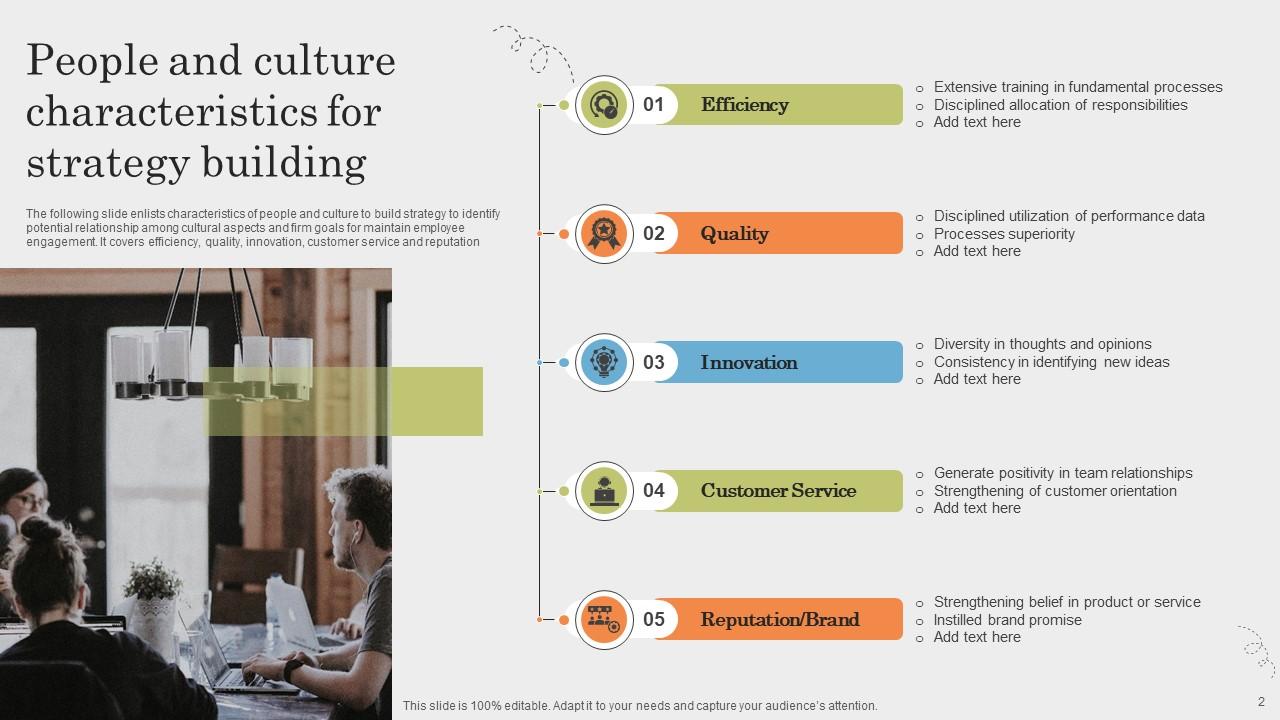
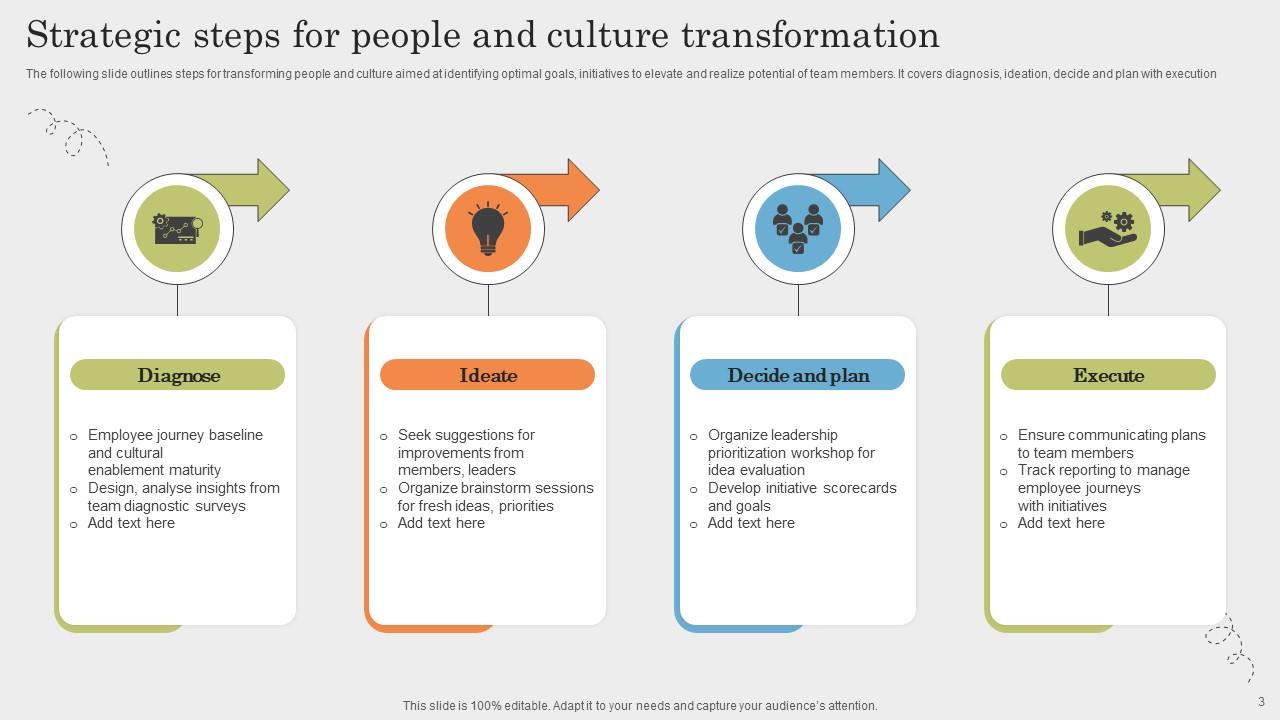
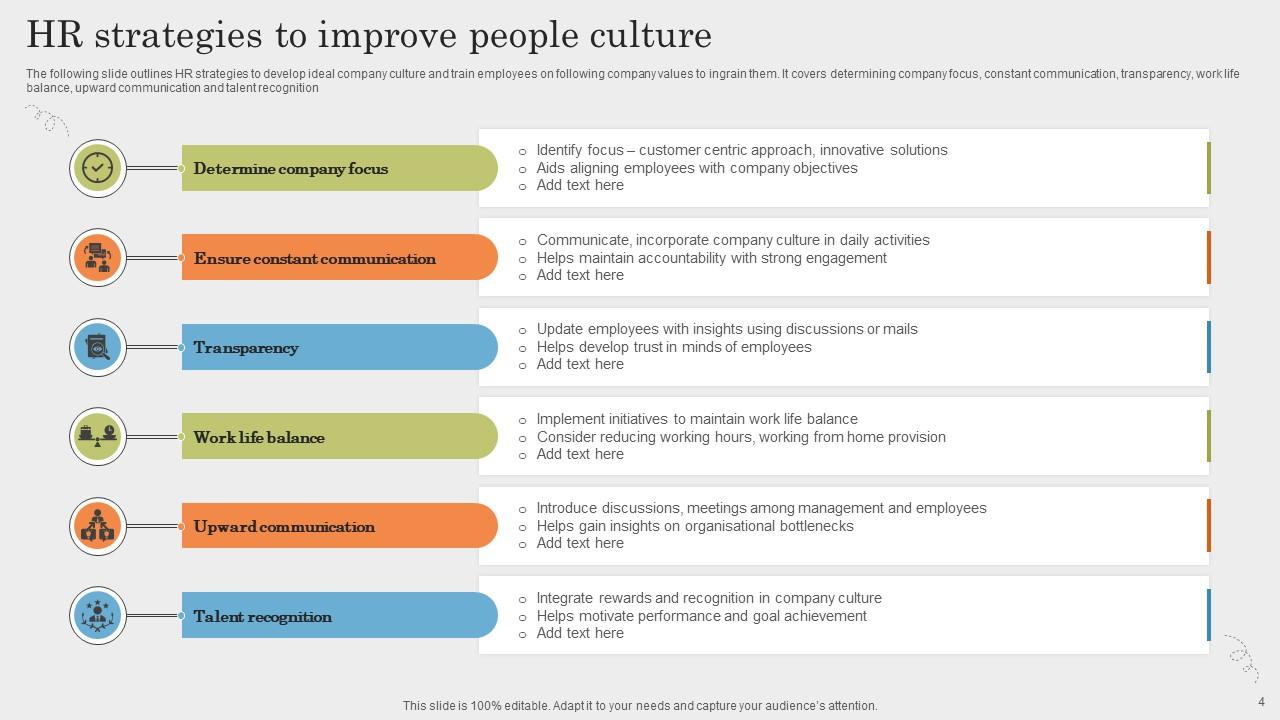
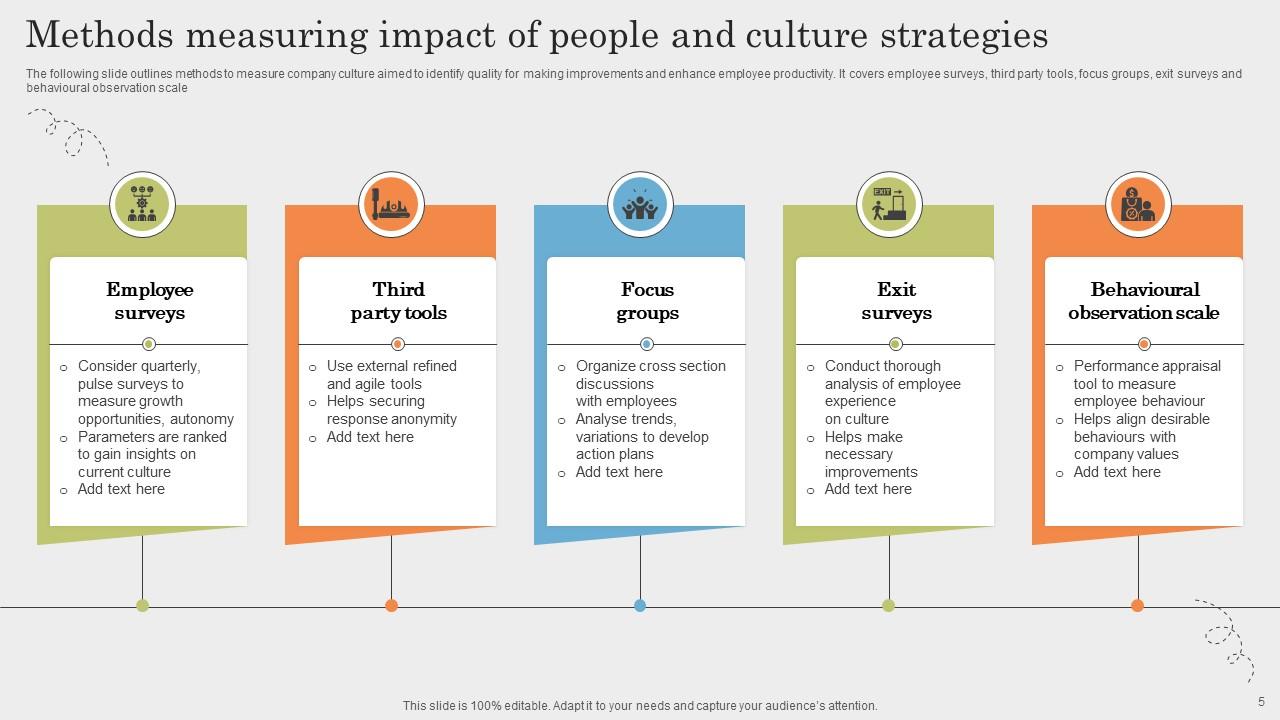
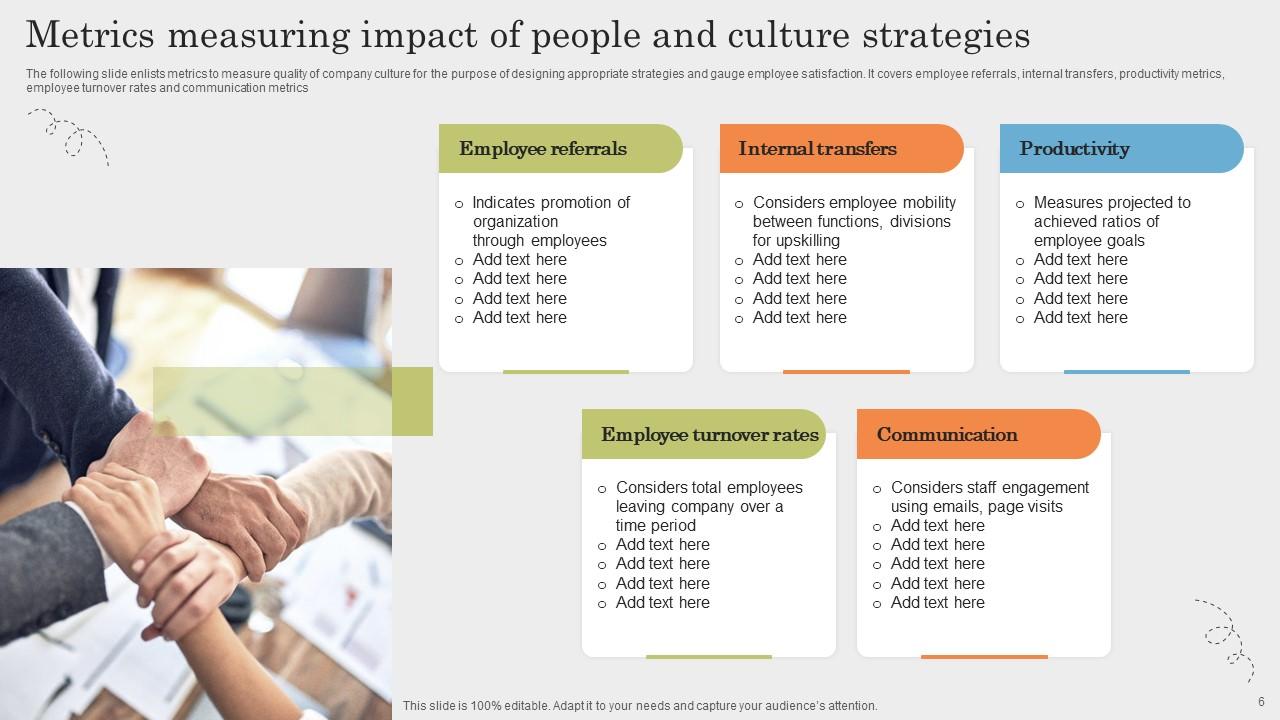
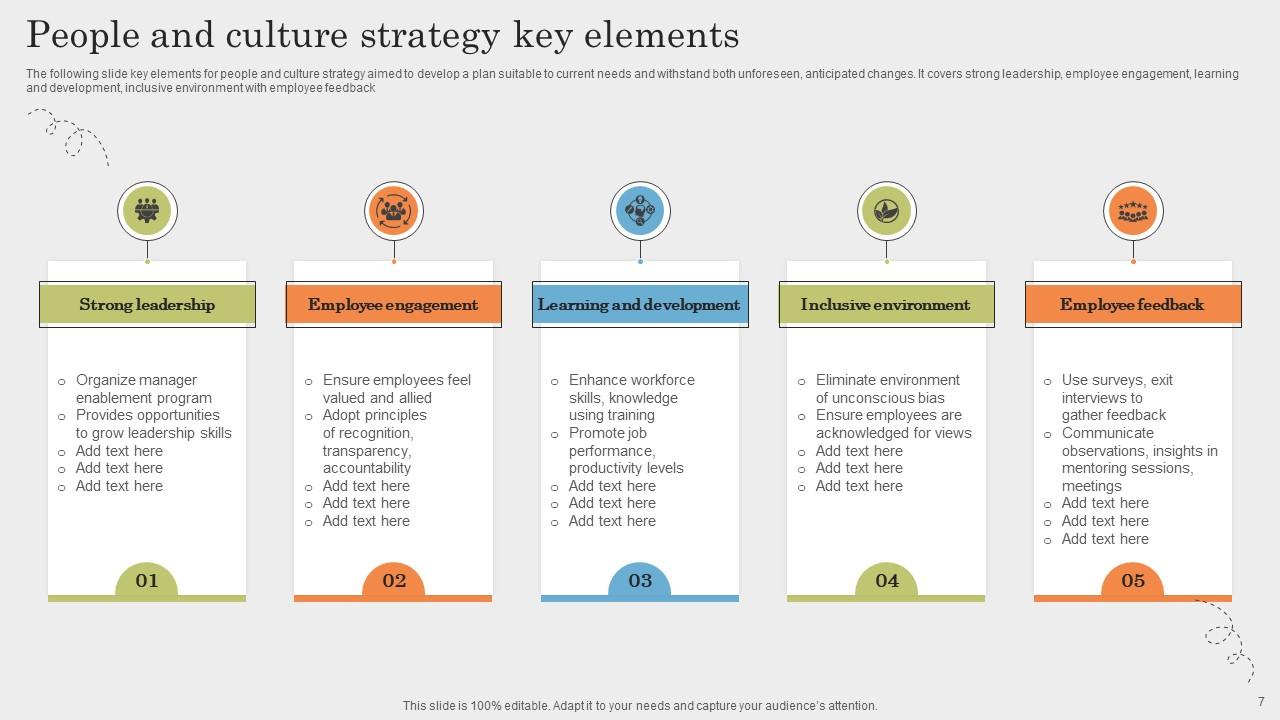
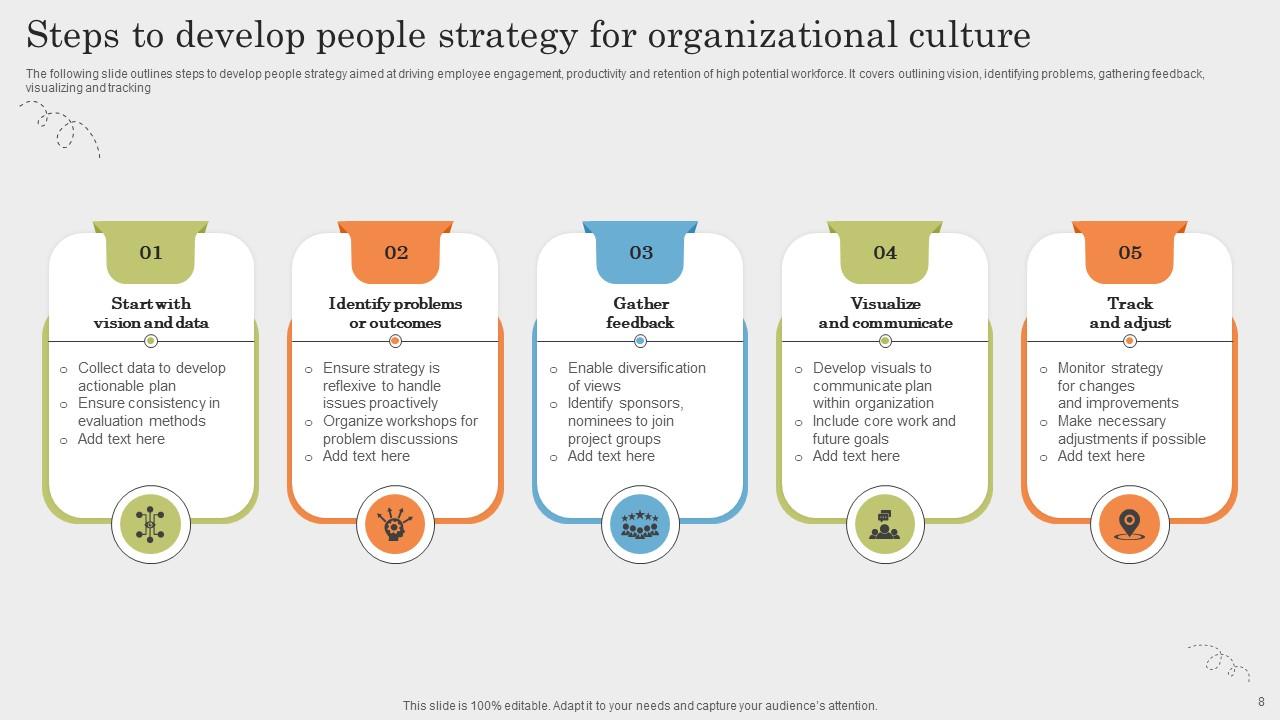
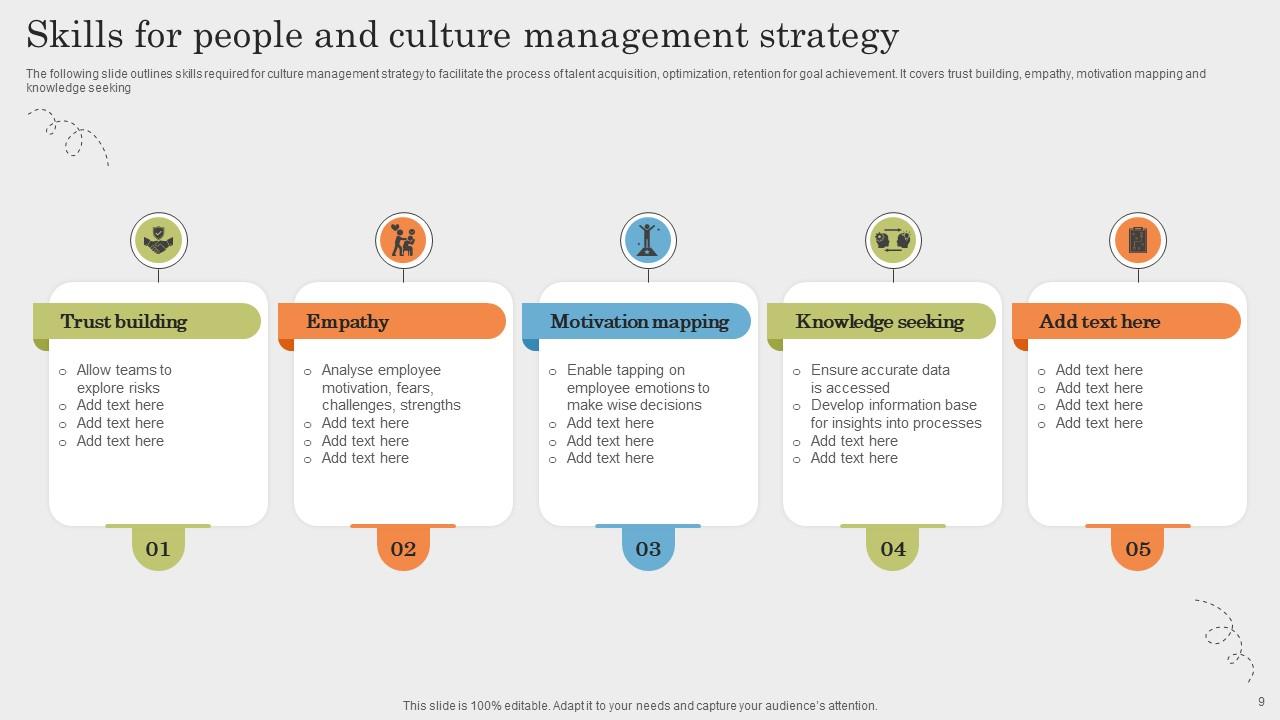
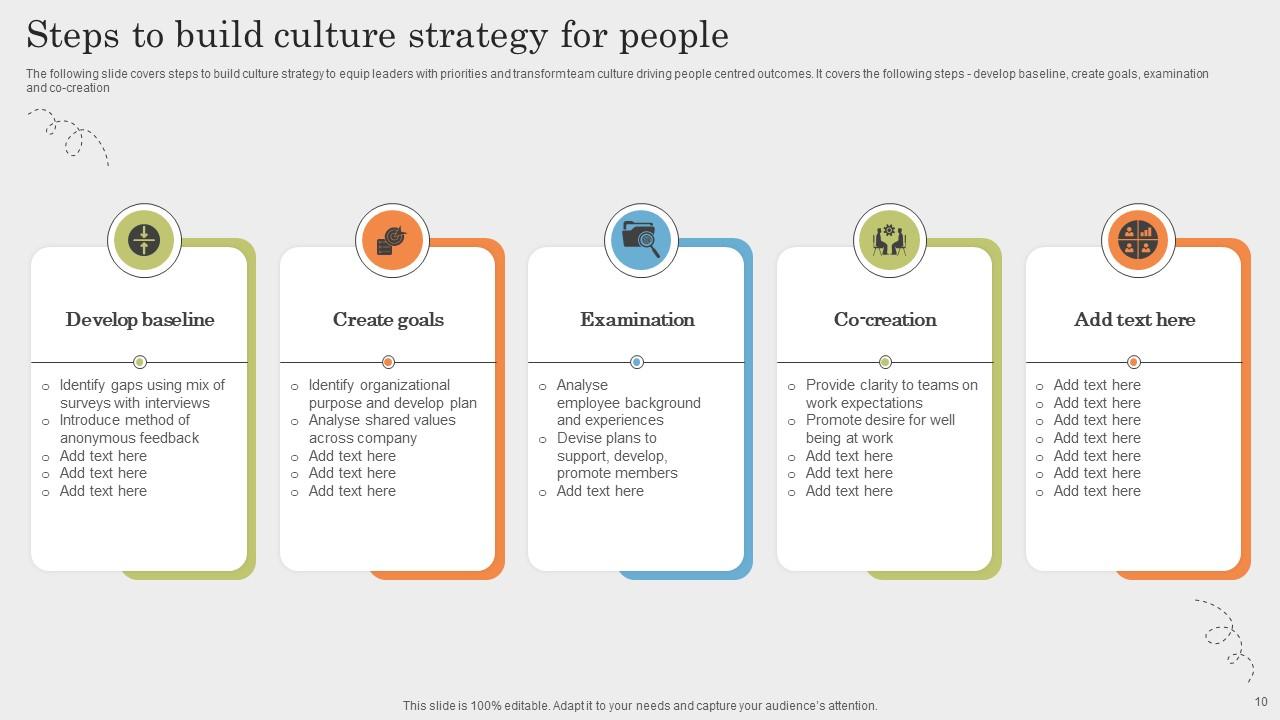
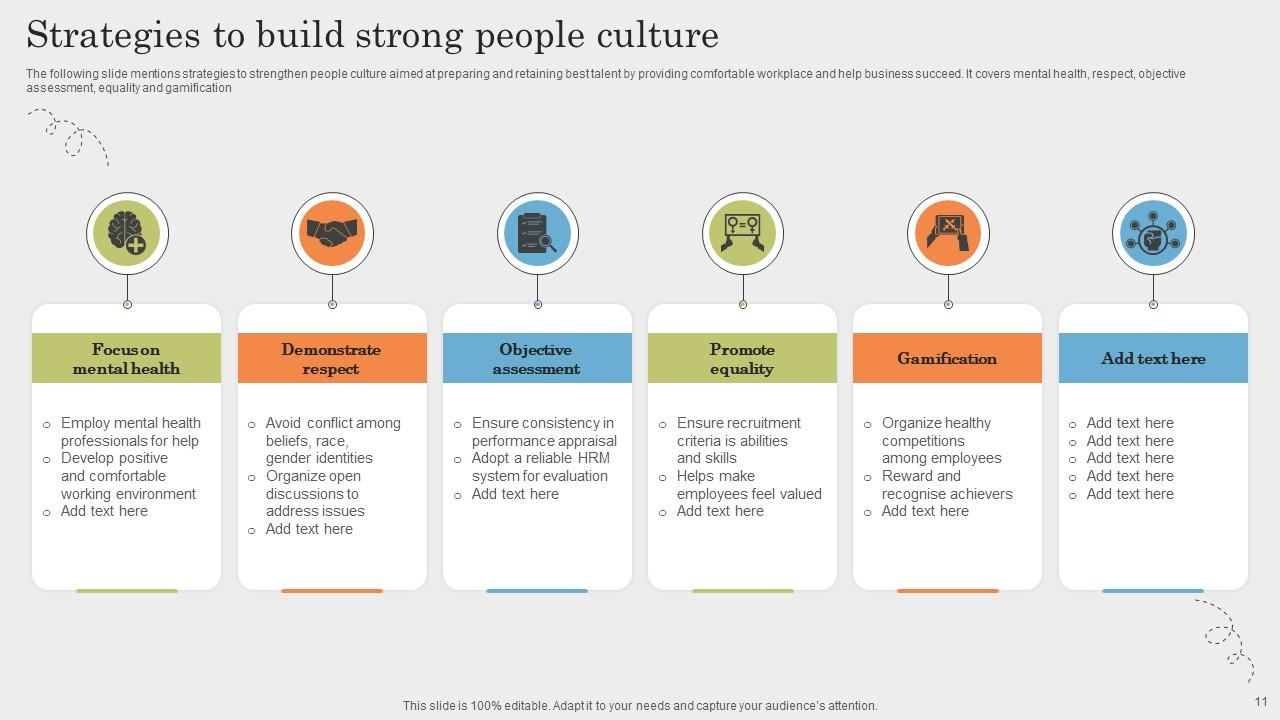
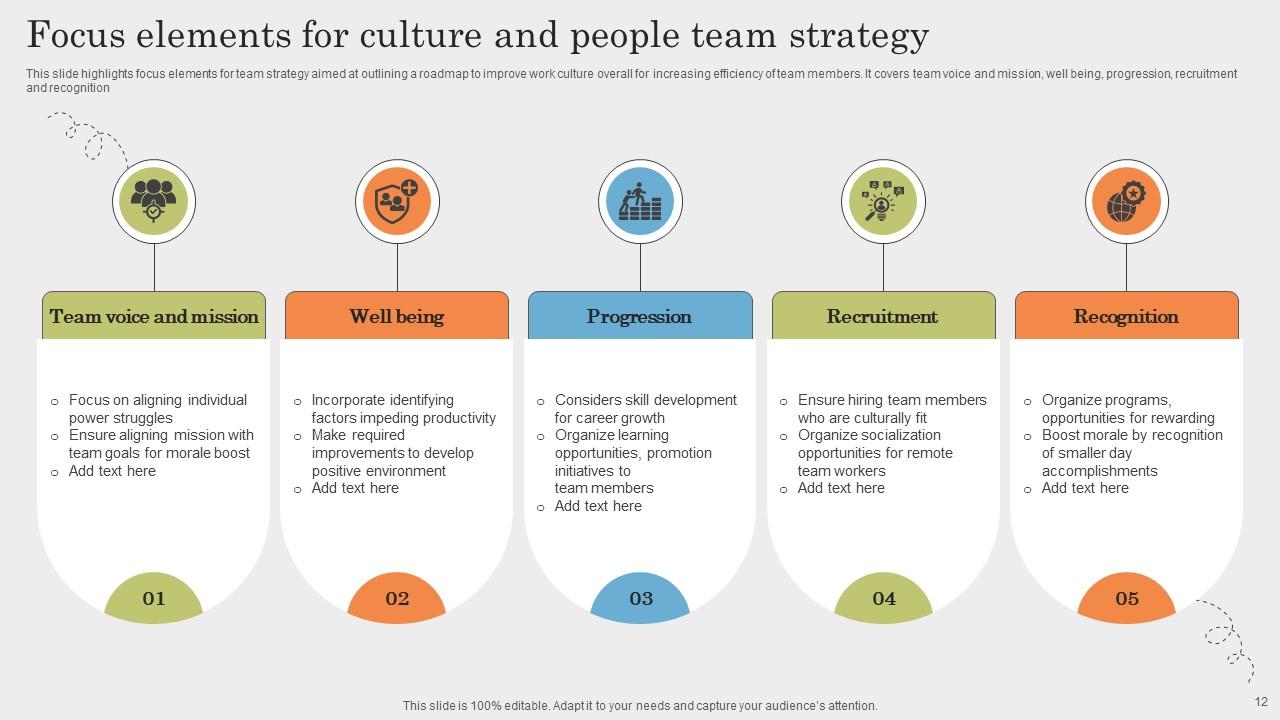
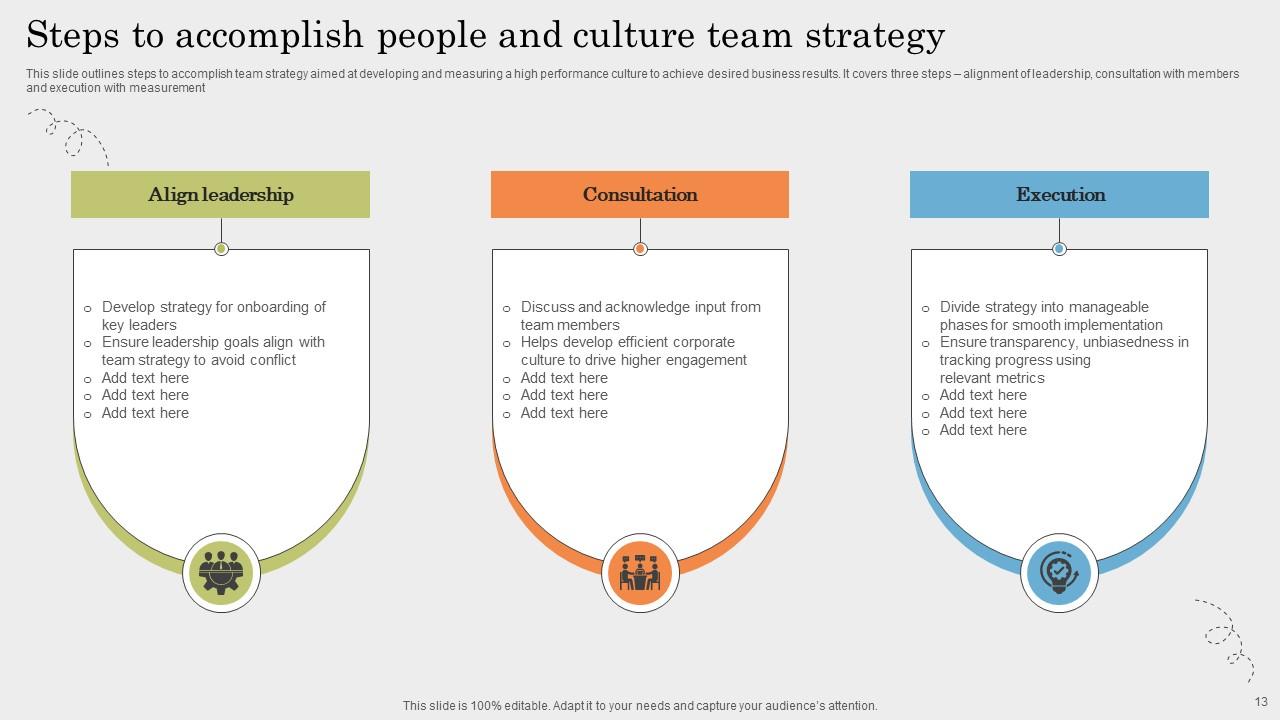
Introduce your topic and host expert discussion sessions with this People And Culture Strategy Powerpoint Ppt Template Bundles. This template is designed using high-quality visuals, images, graphics, etc, that can be used to showcase your expertise. Different topics can be tackled using the seventeen slides included in this template. You can present each topic on a different slide to help your audience interpret the information more effectively. Apart from this, this PPT slideshow is available in two screen sizes, standard and widescreen making its delivery more impactful. This will not only help in presenting a birds-eye view of the topic but also keep your audience engaged. Since this PPT slideshow utilizes well-researched content, it induces strategic thinking and helps you convey your message in the best possible manner. The biggest feature of this design is that it comes with a host of editable features like color, font, background, etc. So, grab it now to deliver a unique presentation every time.

FAQs for People And Culture Strategy Powerpoint

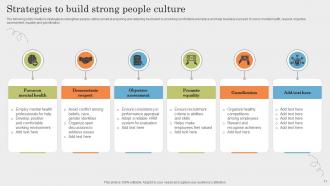
Honestly, start with the basics - hiring good people and keeping them around. Performance management matters, but so does actually developing your team instead of just expecting them to figure it out. Culture alignment sounds fancy but it's really just "does everyone understand what we're trying to do here?" Pay people fairly - the whole "we're a family" thing doesn't pay rent. Good communication and HR policies that aren't total garbage help too. Oh, and diversity initiatives that actually mean something. The real trick? Don't let these things exist in separate bubbles. Look at what's broken first, then fix whatever's making people miserable or underperforming.
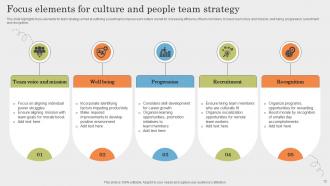
Honestly, culture can't be some side project you tackle later - build it into your strategy right away. Define the specific behaviors that'll actually move your business forward. Like, if you need innovation, reward people for taking smart risks instead of punishing every mistake (I've watched companies totally mess this up). Measure cultural stuff just like you track revenue. Make sure hiring and promotions actually reflect what you claim to value - don't be that company preaching teamwork while only rewarding solo performers. Oh, and leadership has to walk the walk. People notice everything you do way more than your fancy mission statements.

Honestly, leaders are like walking billboards for company culture - people watch what you do way more than what you say. When you actually live those values day-to-day, others pick up on it and start doing the same. The tricky part? Keeping it going long-term. You can't just do some culture workshop and call it done (learned that the hard way). Instead, weave it into everyday stuff - team meetings, how you celebrate wins, even hiring decisions. Oh, and don't underestimate how much influence you have without realizing it. People notice everything.

Honestly, you gotta look at both the hard data and how people actually feel. Turnover rates and internal promotions are obvious ones. But those exit interviews? Pure gold - people finally tell you what's really going on when they're walking out the door. I'd also do pulse surveys every few months to catch issues early. Track your engagement scores before and after you roll out new stuff so you can see what's actually moving the needle. Oh, and don't go crazy trying to measure everything - pick like 3 or 4 things you really care about. Time-to-hire is another good one if you're struggling to fill roles.

Honestly, start with your hiring - diversify where you're posting jobs and clean up those job descriptions because half of them sound like they're from 1995. Build some employee resource groups so people actually have a voice. I'd also do unconscious bias training, but skip the boring slideshow format - make it hands-on or people will just zone out. Here's the thing though: you need real accountability. Tie D&I goals to performance reviews, otherwise it's just talk. Oh, and get leadership to actually listen when people speak up about this stuff. Maybe do a quick assessment first to see where you're starting from?

Honestly, engagement is like the secret sauce for culture. When people actually care about their work, they become walking billboards for your values - they'll naturally do the right things and call out BS when they see it. But man, even a few checked-out employees can poison the whole atmosphere. I've seen it happen so fast. Good teams just click better when everyone's invested. They've got each other's backs and create this energy that makes other people want to join. It's this weird cycle where strong culture makes people more engaged, which makes the culture even stronger. Definitely worth measuring.

Honestly, you've gotta make learning feel exciting instead of like homework. Give your team actual time for it - maybe 10% of their week? People need to feel safe screwing up and asking dumb questions without getting judged. I swear, half the workplace problems come from everyone pretending they know stuff they don't! Try setting up mentoring or those lunch-and-learn things. Shadow other teams too. But here's the thing - you need to do it yourself first. Share what you're learning, celebrate when people grow. Oh, and have career talks regularly, not just during those awkward annual reviews.

Honestly, focus on onboarding first - that's where it counts most. Don't do the whole "here's our culture deck" dump though. Instead, weave stories and examples throughout those first weeks. Pair them with someone who genuinely lives your values, not just whoever talks a good game in meetings (you know the type). Your leaders need to actually model the behaviors since newbies are watching everything like hawks. Oh, and give them real moments to experience it - team decisions, how you handle screwups, daily interactions. A culture buddy helps too for those random questions that pop up.

Honestly, feedback from your team is everything when it comes to understanding what's really going on. Leadership often has this rose-colored view of how things are working, but employees? They'll tell you the truth about terrible managers, burnout, pay issues - all of it. You can't solve problems you don't even know exist. Regular surveys help, but exit interviews are where people *really* open up (probably because they're already out the door). Even casual conversations matter. The key is creating space where people feel safe being honest, then - and this is crucial - you've got to follow through. Otherwise it's just performative nonsense.

So I'd definitely lean into tech for this stuff - it makes such a huge difference. Start with an HR platform that actually tracks engagement and retention data instead of just winging it. LMS systems are clutch too because people genuinely prefer learning on their own schedule (I mean, who doesn't?). Slack or Teams help build those connections, especially if you've got remote folks. The analytics piece is probably most important though - you'll get real insights about culture health instead of just going with your gut. Pick whatever area feels most chaotic right now and find something that gives you visibility there first.

Oh man, you're gonna hit some serious roadblocks. Employees will dig their heels in because change is scary - honestly, who can blame them? Leadership saying one thing but doing another is probably the worst part though. Don't try changing everything at once either, that's a recipe for disaster. Inconsistent messaging between teams will drive you nuts too. Start with small wins that people can actually see working. Get your leaders to visibly buy in, not just talk about it. Keep explaining the "why" behind changes - like, constantly. Focus on getting people to act differently first. The attitude shift usually happens once they realize the new way isn't terrible.

Get your team leads some cultural intelligence training first - seriously helps them figure out different work styles. Set super clear communication rules because some cultures are way more indirect than others. I've watched projects completely fall apart over "flexible" deadlines that nobody understood the same way. Make sure people feel safe asking questions or explaining their cultural perspective without judgment. Oh, and rotate meeting times! Nobody should always get screwed with 6am calls just because they're in the wrong timezone. That builds resentment fast.

Dude, yes - recognition totally works! I mean, who doesn't want to feel appreciated, right? The thing is, you can't just say "nice work" and call it a day. Be specific about what they did well. Mix it up too - sometimes do the formal award thing, other times just give them props in front of the team. What I've noticed is people start doing it to each other once you get the ball rolling. Just don't be that manager who only remembers to do it once a quarter lol. Consistency is everything here.

Look, you've gotta tackle this stuff directly - open conversations are everything. Set up spaces where people can actually talk without feeling judged. Cultural awareness training helps tons, especially for managers since they need to catch problems early. Honestly, I've watched so many teams implode because leadership just crossed their fingers and hoped things would magically fix themselves. Pretty frustrating to see. Get clear communication rules that work for everyone's style. For the really messy situations? Bring in outside help. Just don't wait around - small misunderstandings snowball fast.

Honestly, it comes down to making people actually want to stick around. Career development paths and recognition programs show employees they have a future there - psychological safety matters too. I've seen so many companies completely ignore this stuff then act shocked when everyone quits. Inclusive practices and decent manager training create that sense of belonging, which is huge for retention. Oh, and survey your team first about what they actually care about culturally. Don't just guess. Build your whole strategy around what they tell you matters most.

Ratings and Reviews

100% of 100
Review Form
Write a review
Most Relevant Reviews
  1. 100%

    by Kyle Anderson

    Informative design.
  2. 100%

    by John Walker

    A beautiful, professional design paired with high-quality images and content that is sure to impress. It is a must-use PPT template in my opinion. 

2 Item(s)

per page: