


PMO Change Management Strategy Initiative Powerpoint Presentation Slides
A project management office PMO is a group or department inside a corporation, agency, or enterprise that establishes and maintains project management standards within the organization. A PMO leader is in charge of consolidating projects into a single portfolio, implementing governance and protocols, and prioritizing projects based on strategic goals. Here is an efficiently designed template on PMO Change Management Strategy Initiative that explains the requirement to reshape the role of the PMO in the digital era, focus on supporting digital transformation, etc. This presentation provides the details on the Traditional Roles of the PMO leaders, the organizational structure, and significant issues in the traditional roles of PMO. Also, this template provides details on new roles of PMO leaders, strategy related PPM capability support, significant challenges in the implementation of new roles, portfolio management maturity model, etc. This presentation also covers critical elements of an effective change management plan and change management plan implementation. This template also provides information on change management communication plans for stakeholders and the benefits of shifting PMO priorities. Download the 100 percent editable template now.
A project management office PMO is a group or department inside a corporation, agency, or enterprise that establishes and m..














-

- Google Slides is a new FREE Presentation software from Google.
- All our content is 100% compatible with Google Slides.
- Just download our designs, and upload them to Google Slides and they will work automatically.
- Amaze your audience with SlideTeam and Google Slides.
-

Want Changes to This PPT Slide? Check out our Presentation Design Services
-

- WideScreen Aspect ratio is becoming a very popular format. When you download this product, the downloaded ZIP will contain this product in both standard and widescreen format.
-

- Some older products that we have may only be in standard format, but they can easily be converted to widescreen.
- To do this, please open the SlideTeam product in Powerpoint, and go to
- Design ( On the top bar) -> Page Setup -> and select "On-screen Show (16:9)” in the drop down for "Slides Sized for".
- The slide or theme will change to widescreen, and all graphics will adjust automatically. You can similarly convert our content to any other desired screen aspect ratio.
Compatible With Google Slides

Get This In WideScreen
You must be logged in to download this presentation.


Do you want to remove this product from your favourites?
PowerPoint presentation slides
Enthrall your audience with this PMO Change Management Strategy Initiative Powerpoint Presentation Slides. Increase your presentation threshold by deploying this well crafted template. It acts as a great communication tool due to its well researched content. It also contains stylized icons, graphics, visuals etc, which make it an immediate attention grabber. Comprising fourty six slides, this complete deck is all you need to get noticed. All the slides and their content can be altered to suit your unique business setting. Not only that, other components and graphics can also be modified to add personal touches to this prefabricated set.

People who downloaded this PowerPoint presentation also viewed the following :
Content of this Powerpoint Presentation
Slide 1: This slide introduces PMO Change Management Strategy Initiative. State Your Company Name and begin.
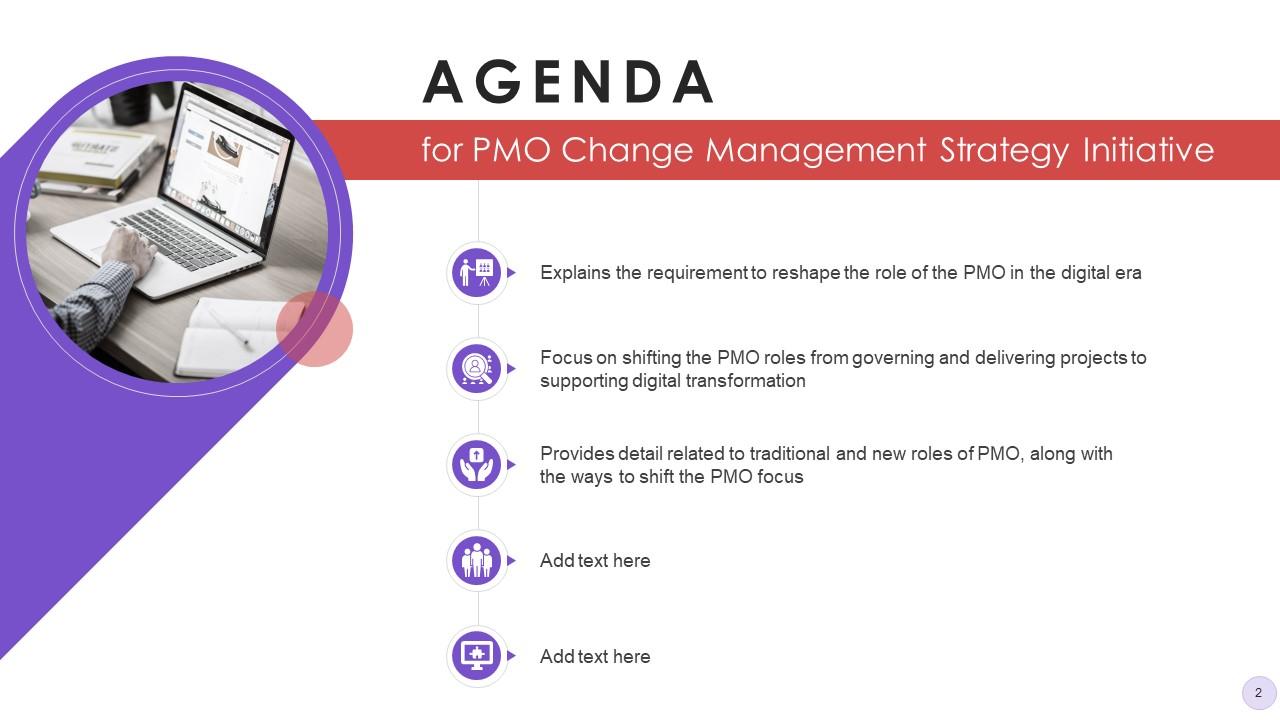
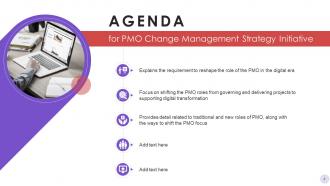
Slide 2: This slide states Agenda of the presentation.
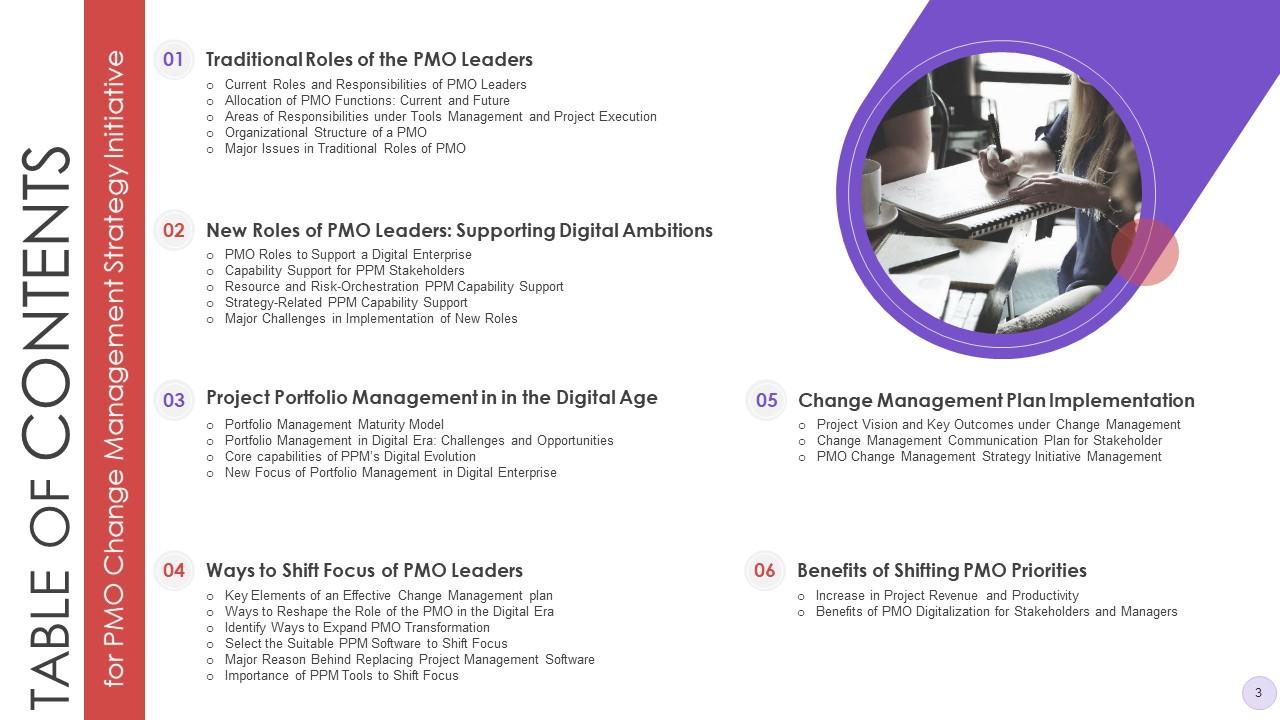
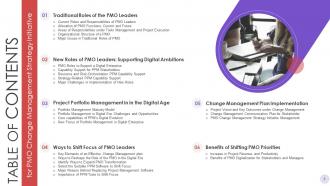
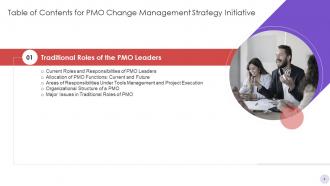
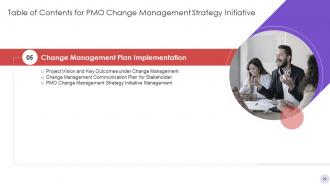
Slide 3: This slide presents Table of Content for the presentation.
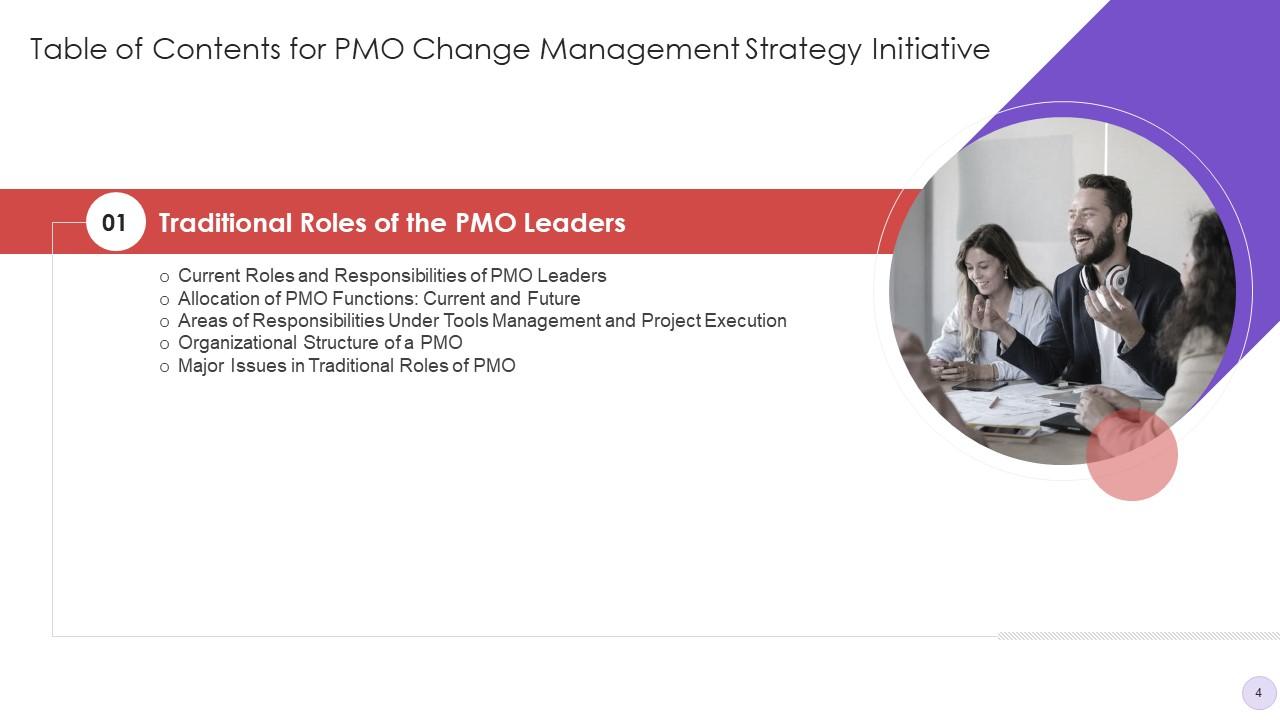
Slide 4: This slide highlights title for topics that are to be covered next in the template.
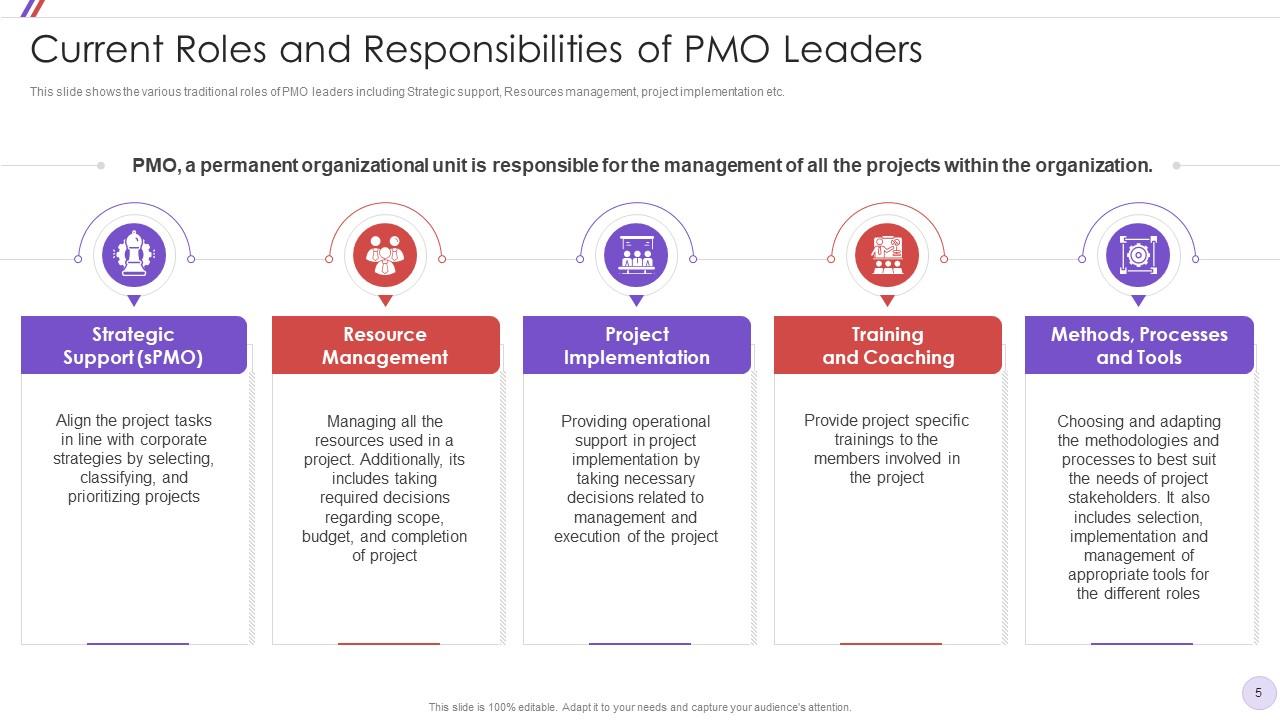
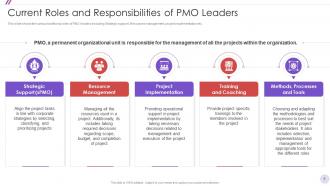
Slide 5: This slide displays Current Roles and Responsibilities of PMO Leaders.
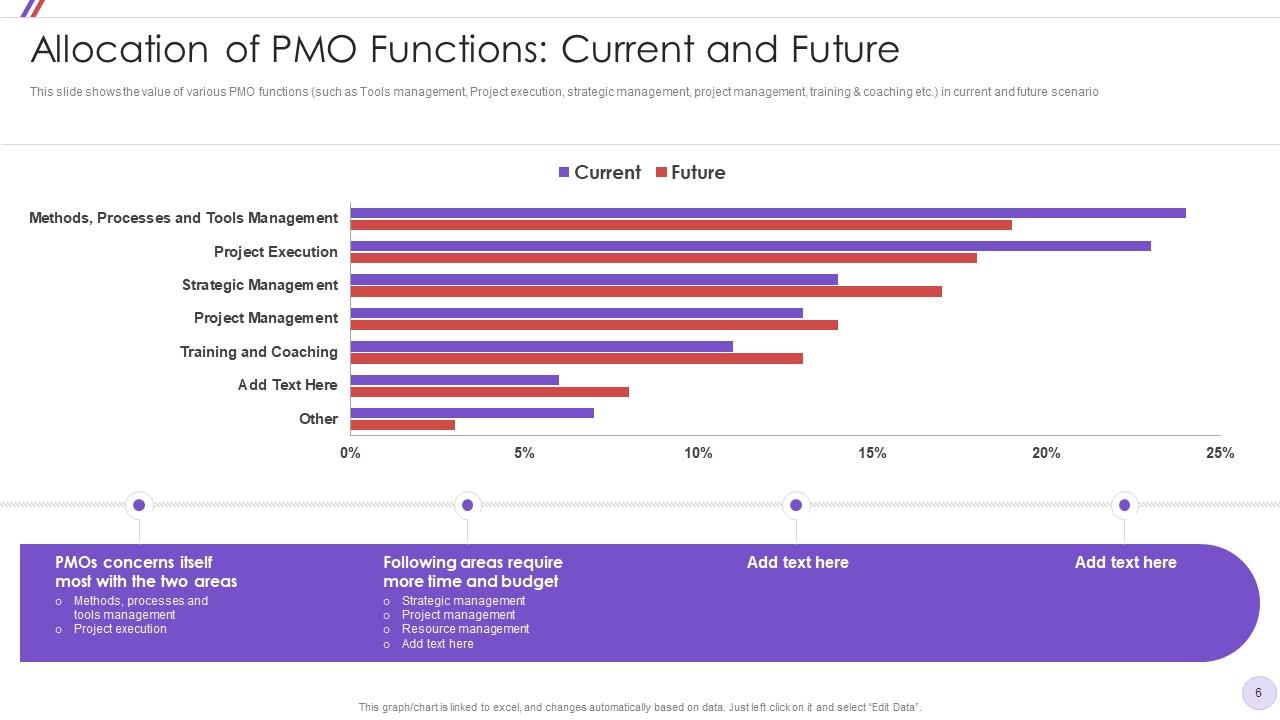
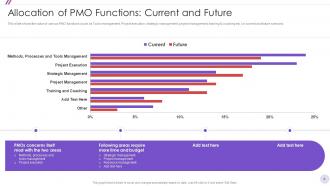
Slide 6: This slide represents Allocation of PMO Functions: Current and Future.
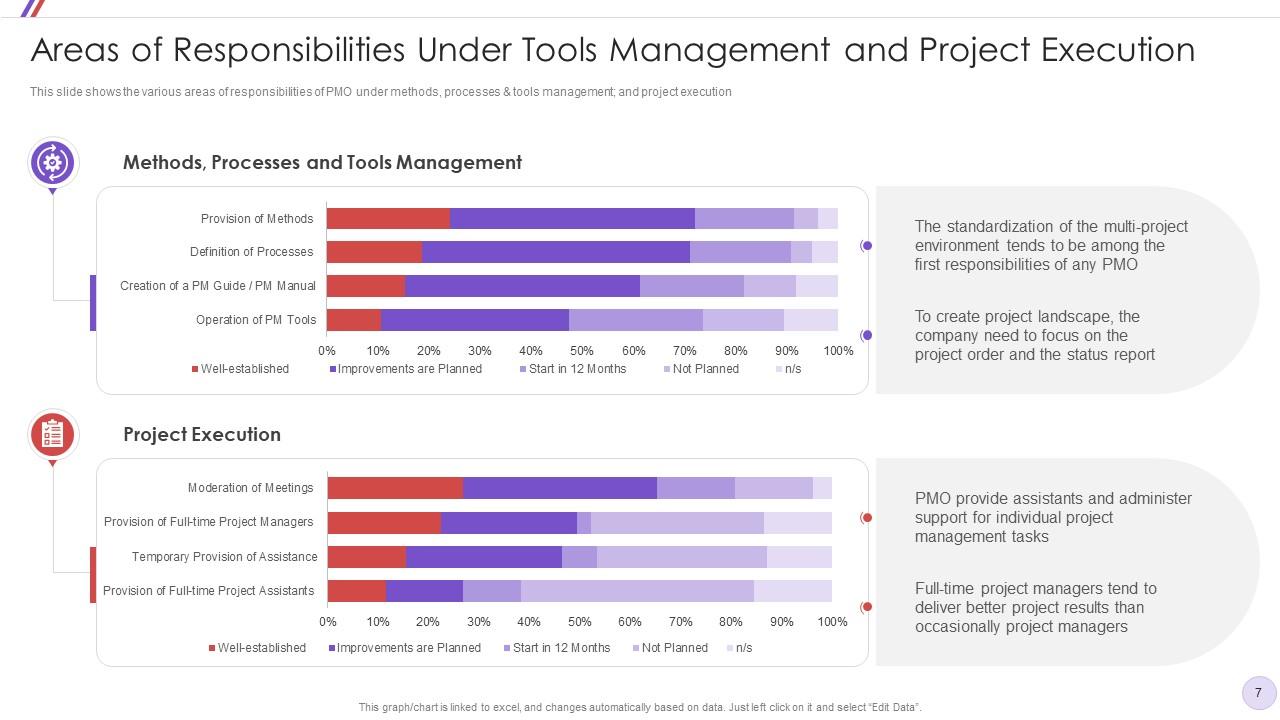
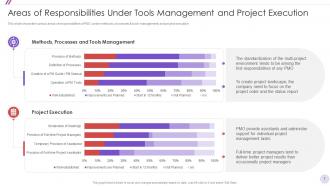
Slide 7: This slide shows Areas of Responsibilities under Tools Management and Project Execution.
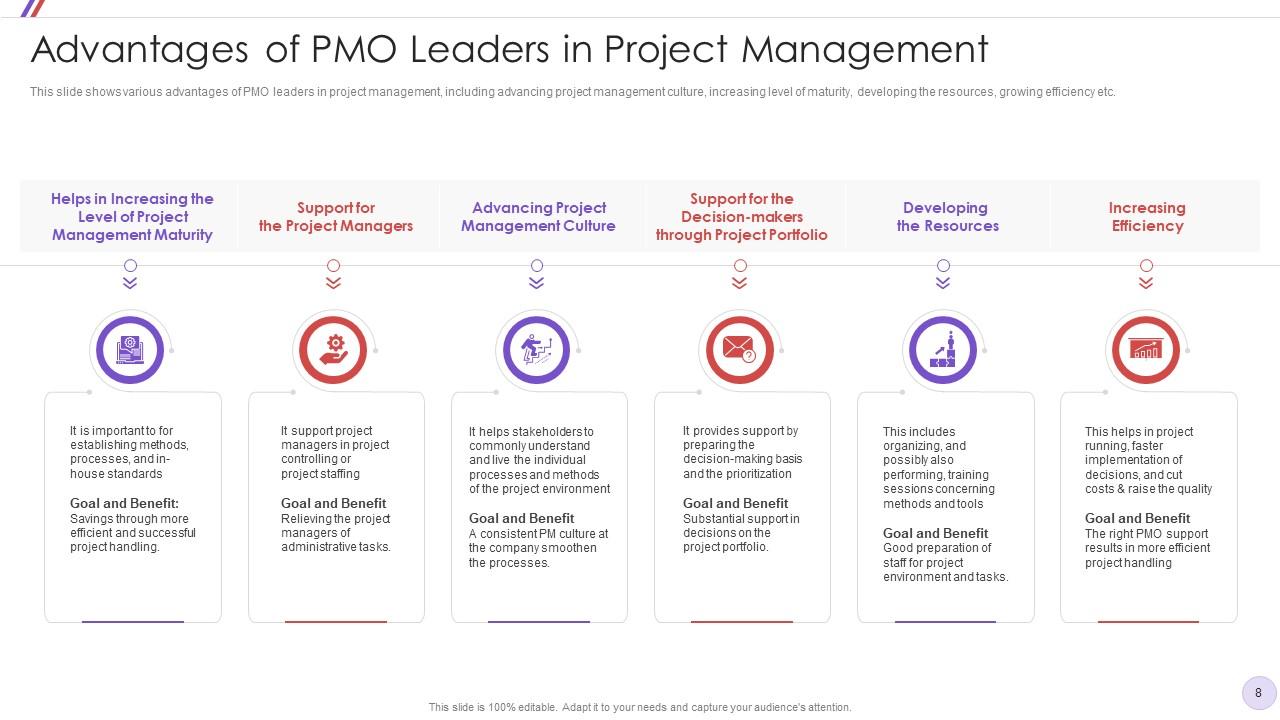
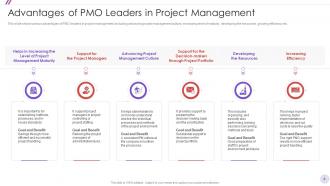
Slide 8: This slide presents various advantages of PMO leaders in project management, including advancing project management culture, increasing level of maturity, etc.
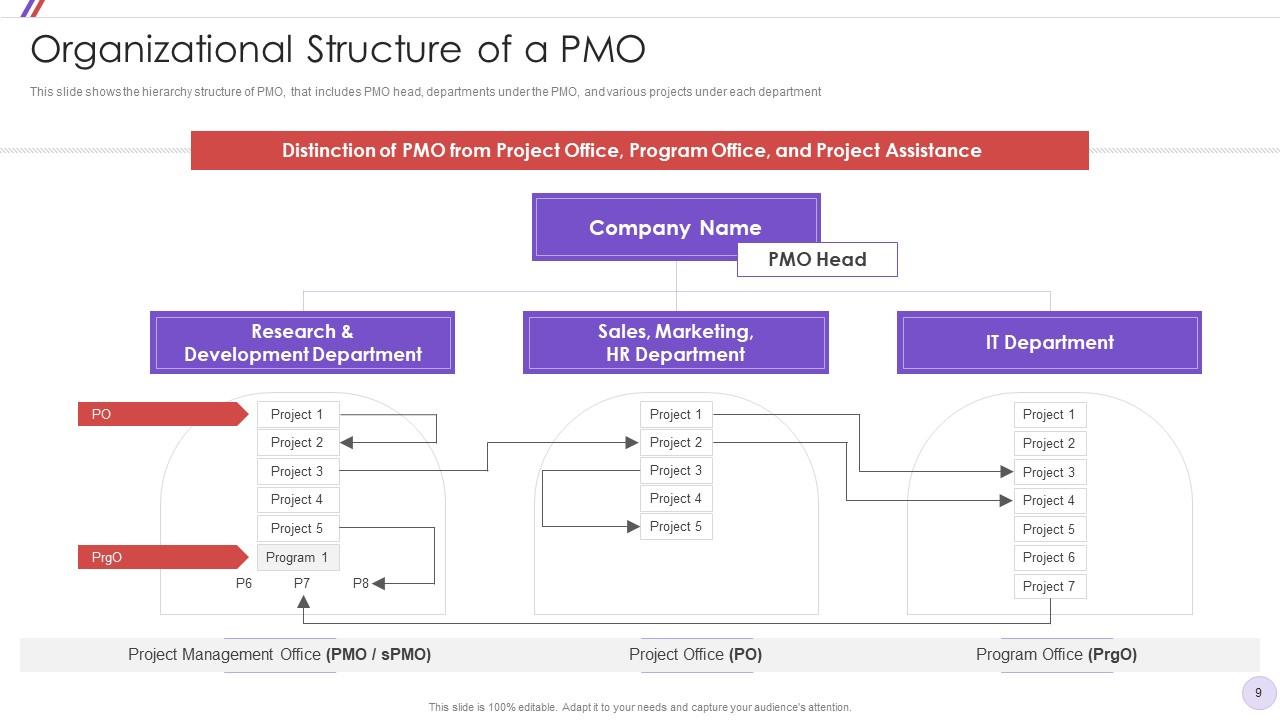
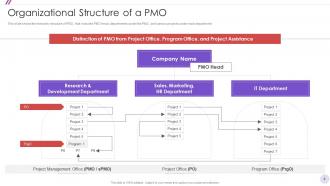
Slide 9: This slide shows hierarchy structure of PMO, that includes PMO head, departments under the PMO, and various projects under each department
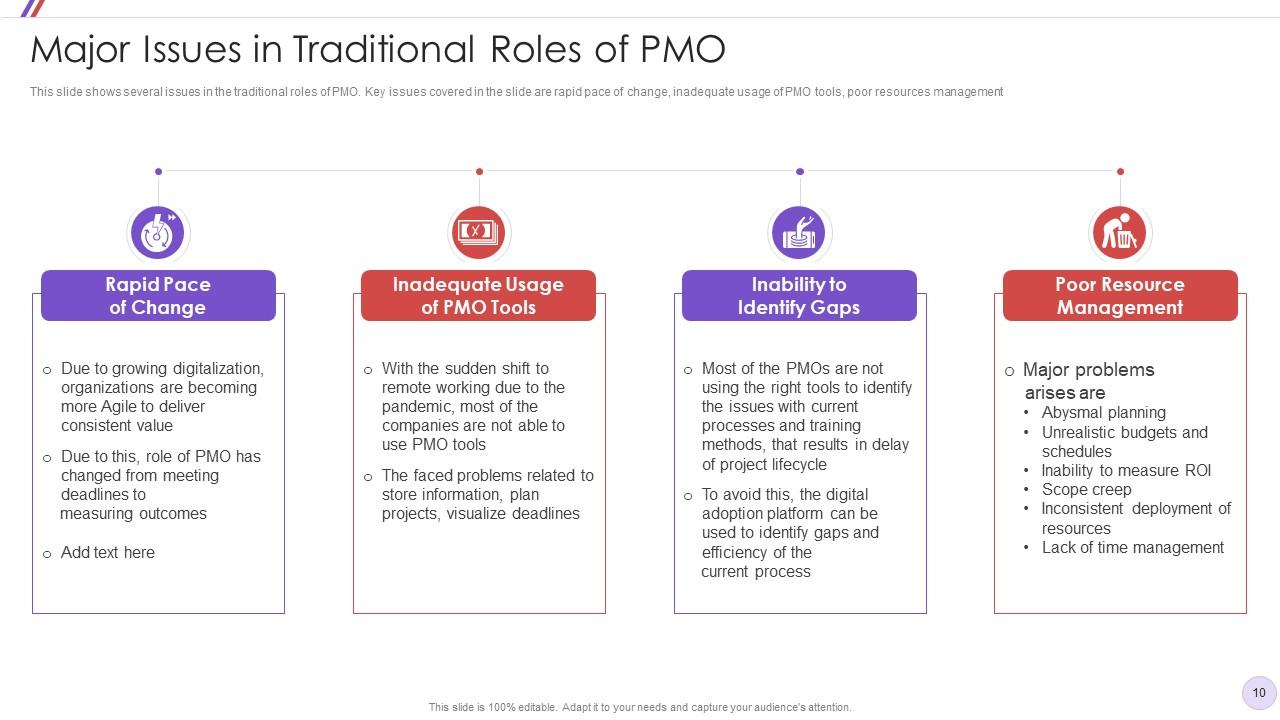
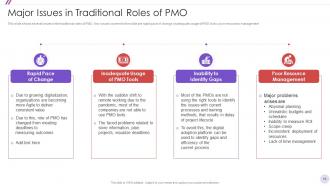
Slide 10: This slide displays several issues in the traditional roles of PMO.
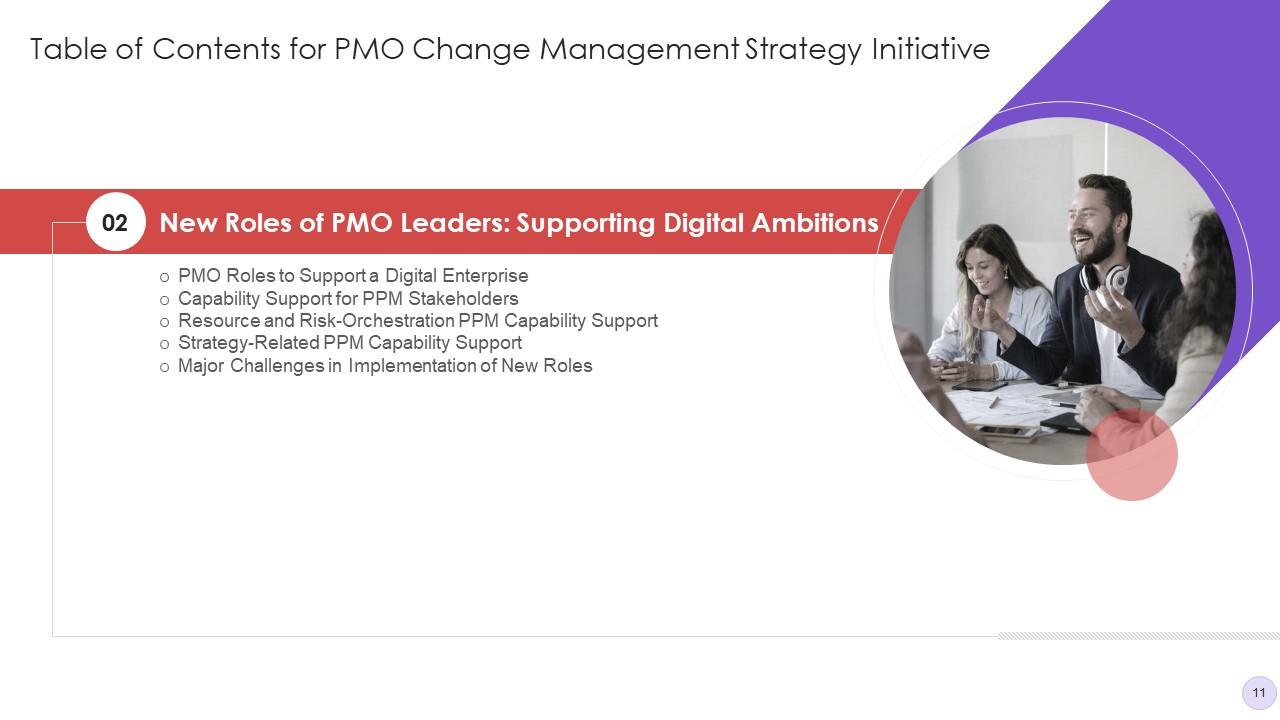
Slide 11: This slide highlights title for topics that are to be covered next in the template.
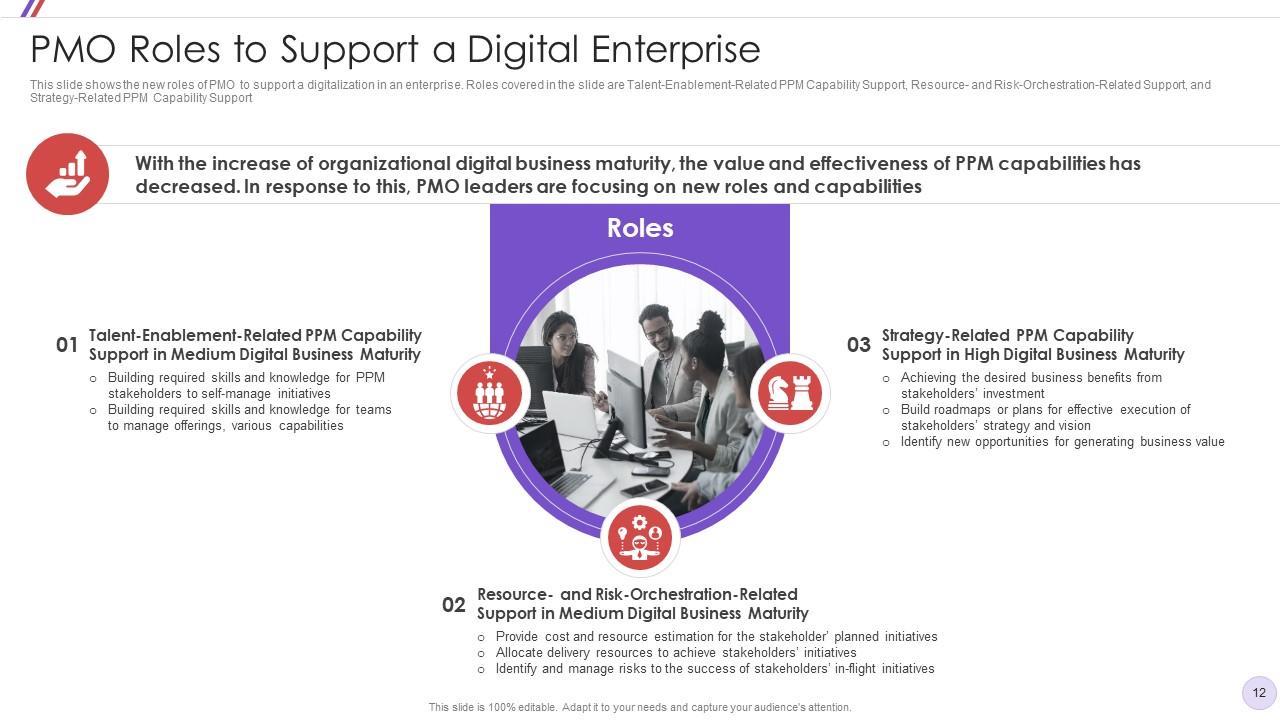
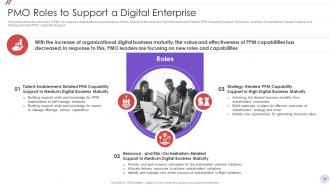
Slide 12: This slide shows PMO Roles to Support a Digital Enterprise.
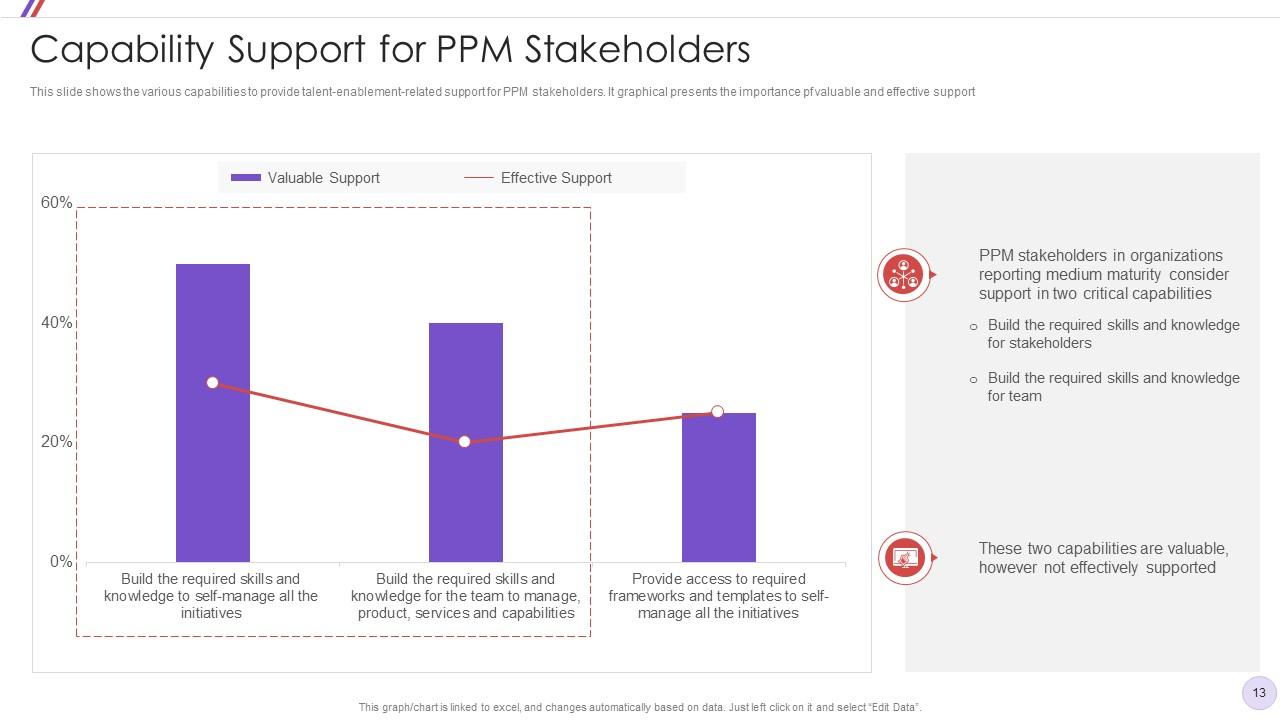
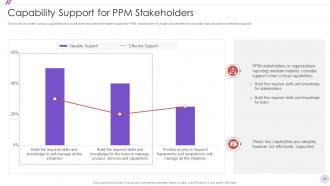
Slide 13: This slide presents the various capabilities to provide talent-enablement-related support for PPM stakeholders.
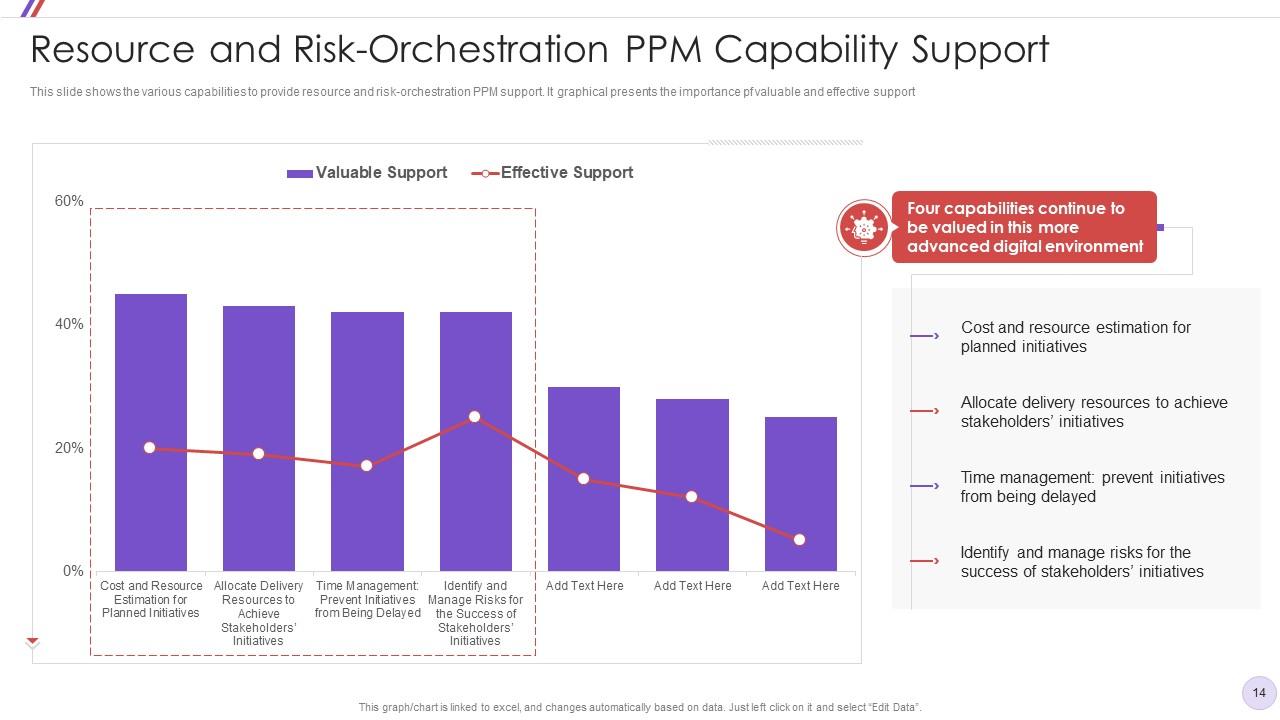
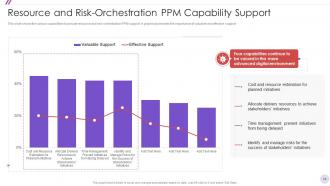
Slide 14: This slide shows Resource and Risk-Orchestration PPM Capability Support.
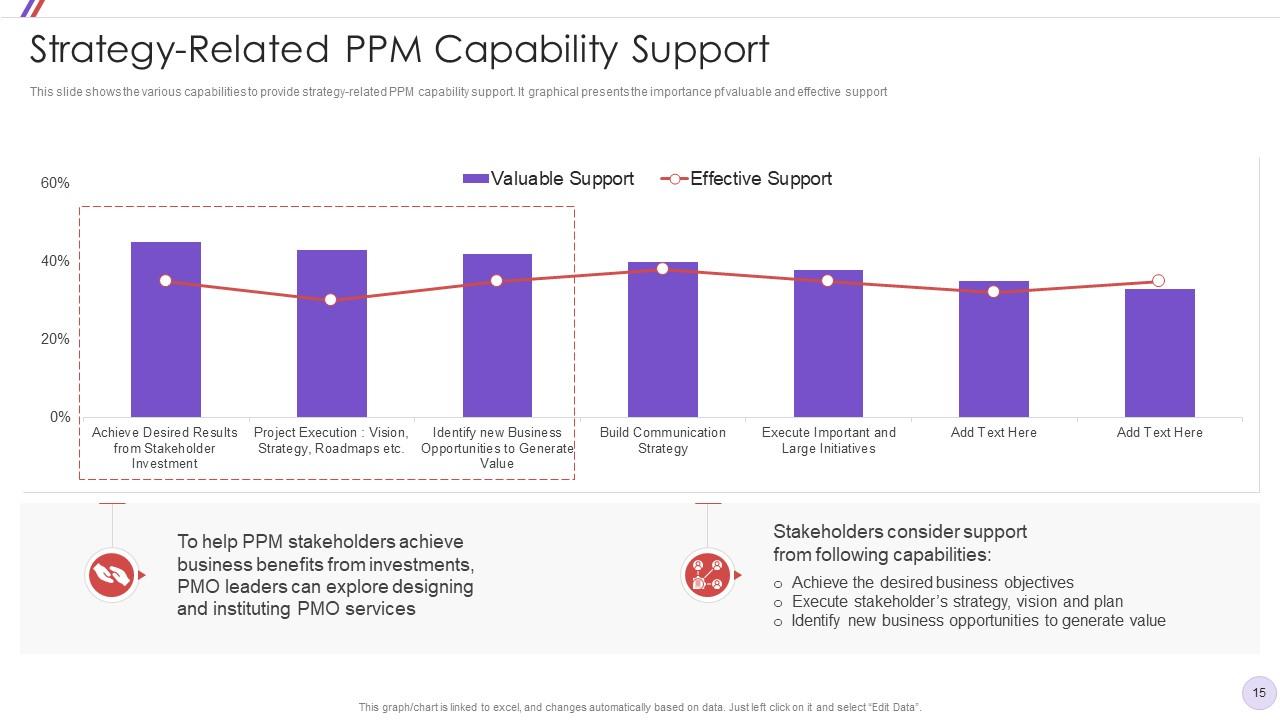
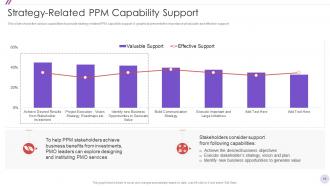
Slide 15: This slide displays the various capabilities to provide strategy-related PPM capability support.
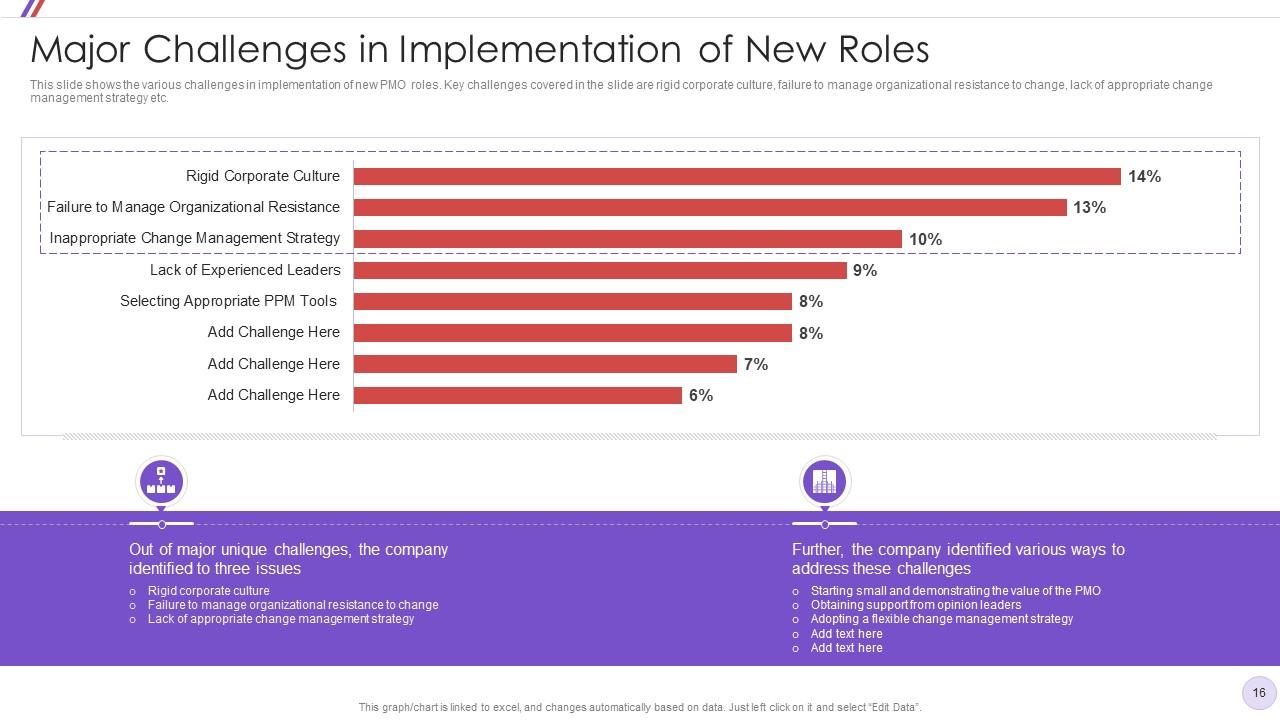
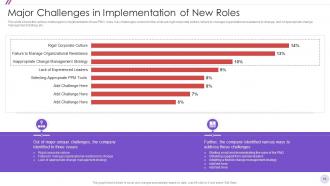
Slide 16: This slide represents Major Challenges in Implementation of New Roles.
Slide 17: This slide highlights title for topics that are to be covered next in the template.
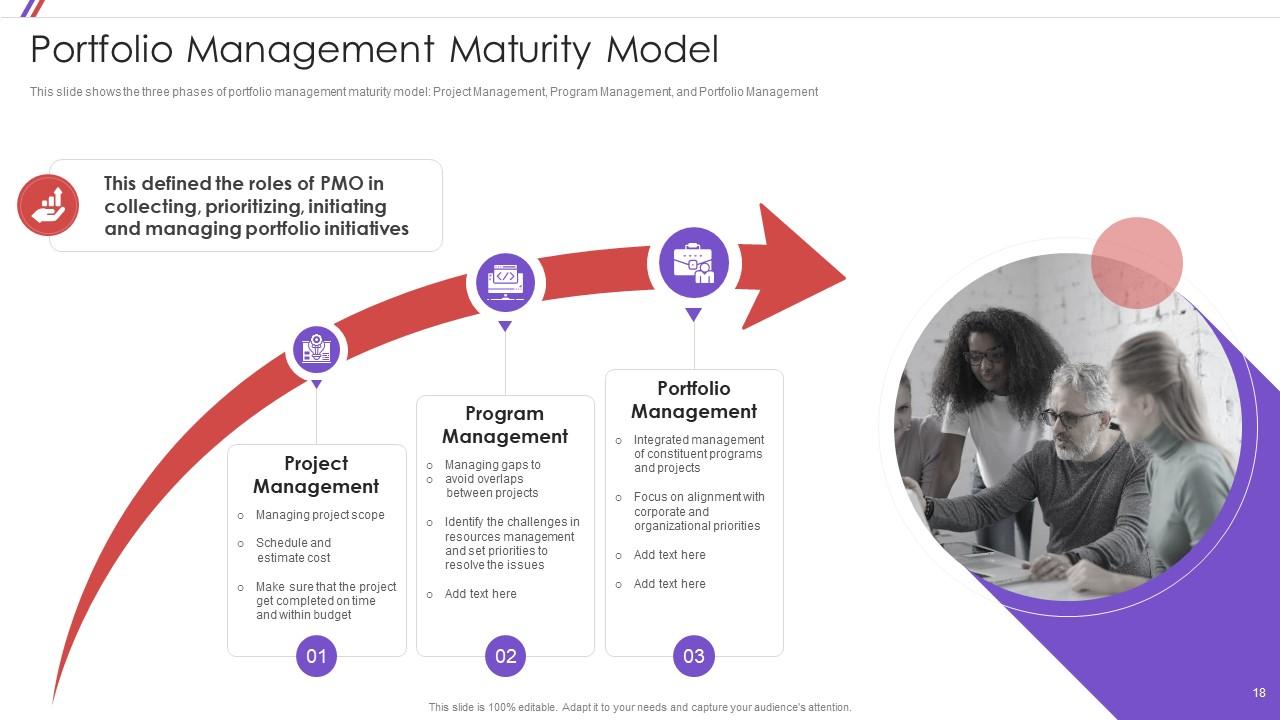
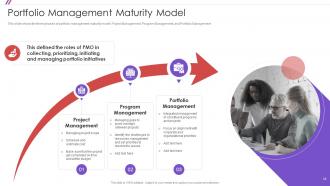
Slide 18: This slide presents the three phases of portfolio management maturity model.
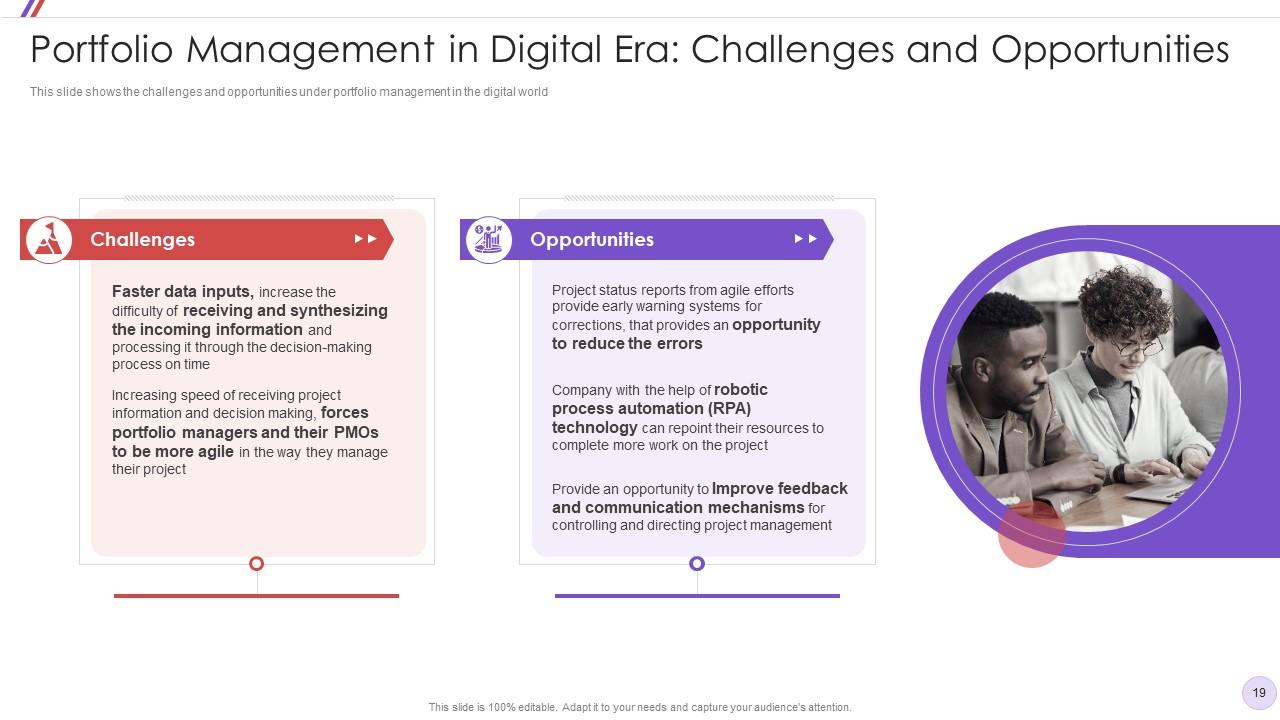
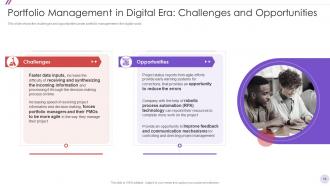
Slide 19: This slide shows Portfolio Management in Digital Era: Challenges and Opportunities.
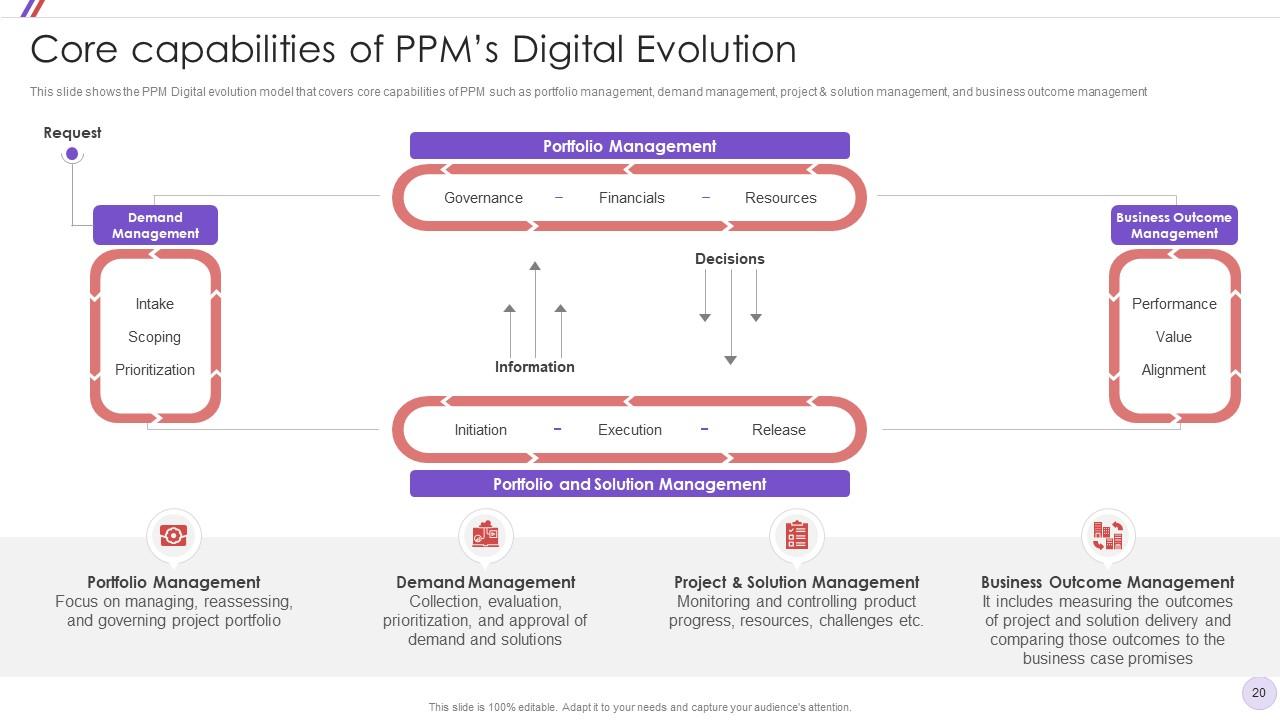
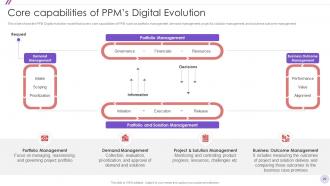
Slide 20: This slide displays Core capabilities of PPM’s Digital Evolution.
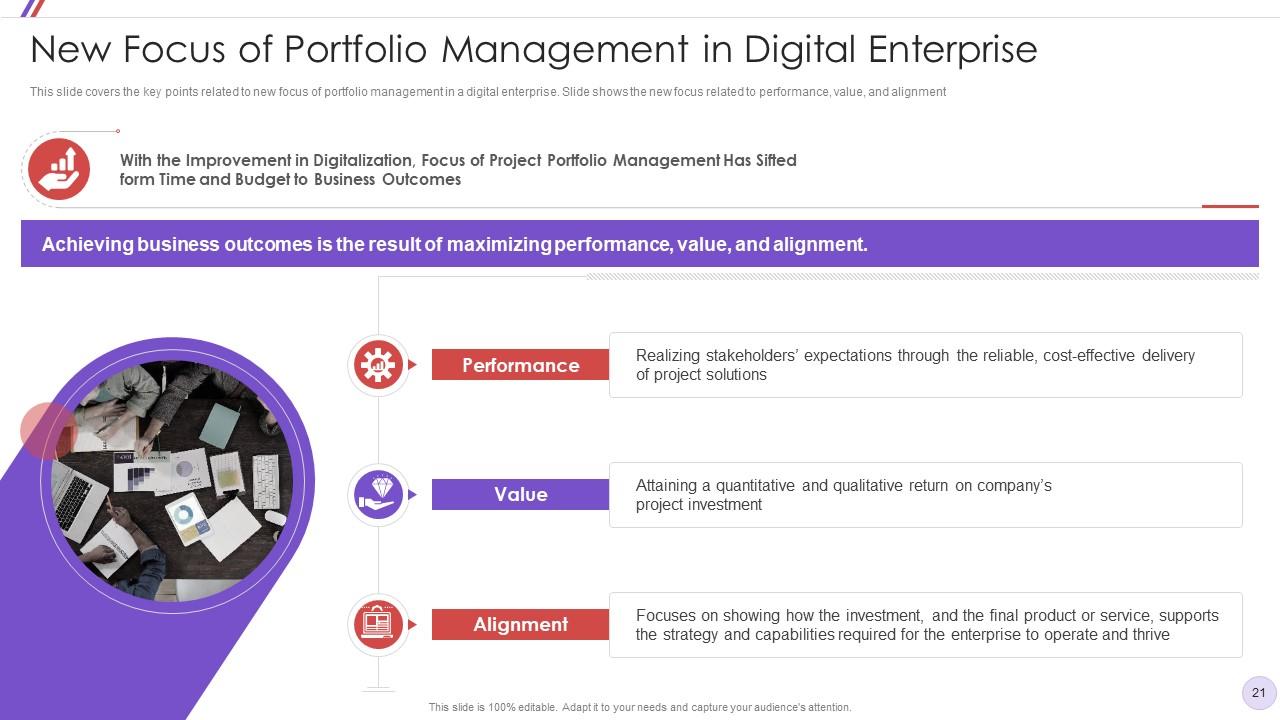
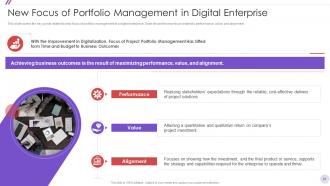
Slide 21: This slide represents New Focus of Portfolio Management in Digital Enterprise.
Slide 22: This slide highlights title for topics that are to be covered next in the template.
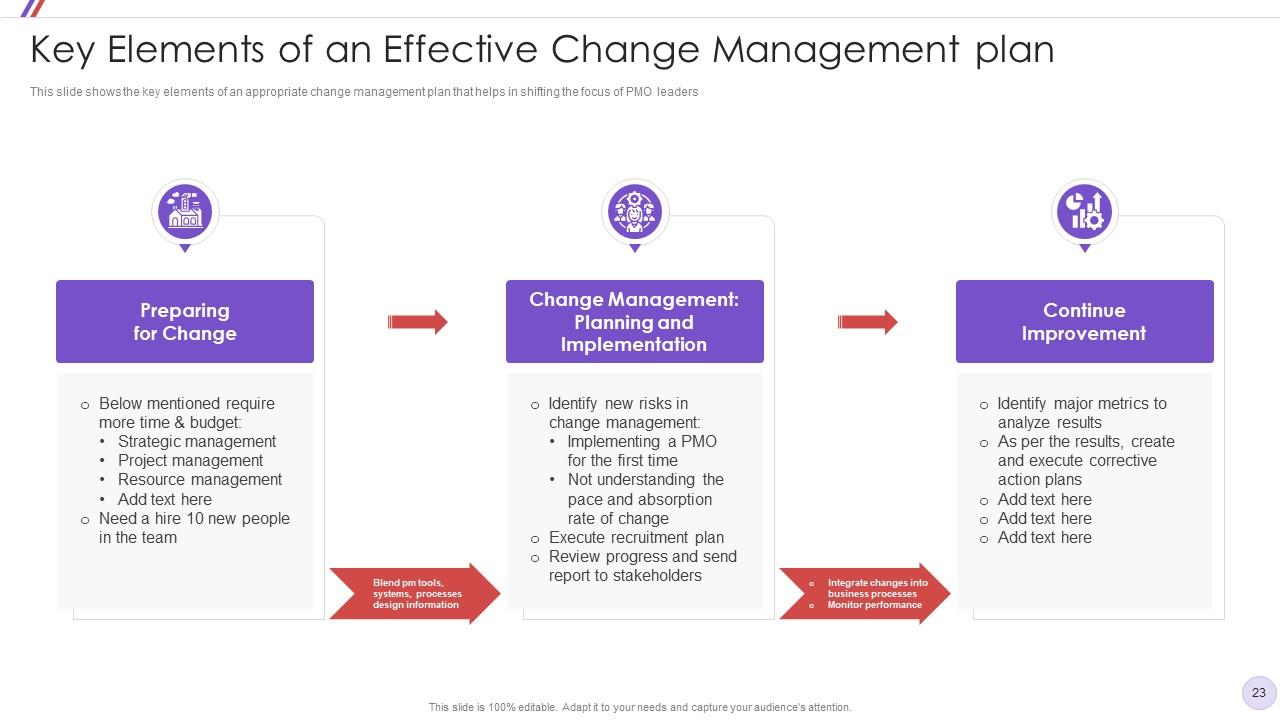
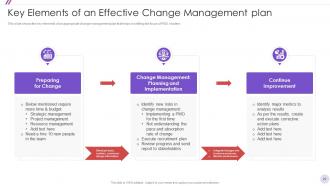
Slide 23: This slide presents Key Elements of an Effective Change Management plan.
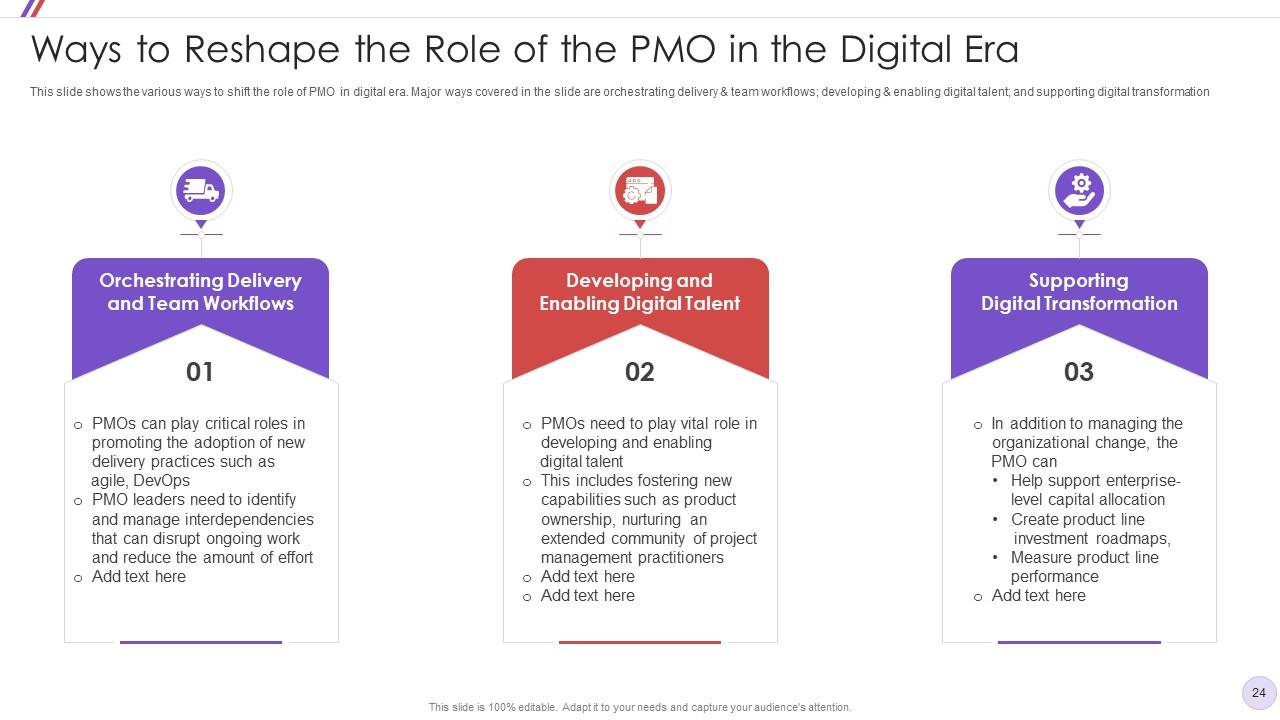
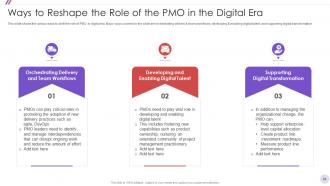
Slide 24: This slide shows Ways to Reshape the Role of the PMO in the Digital Era.
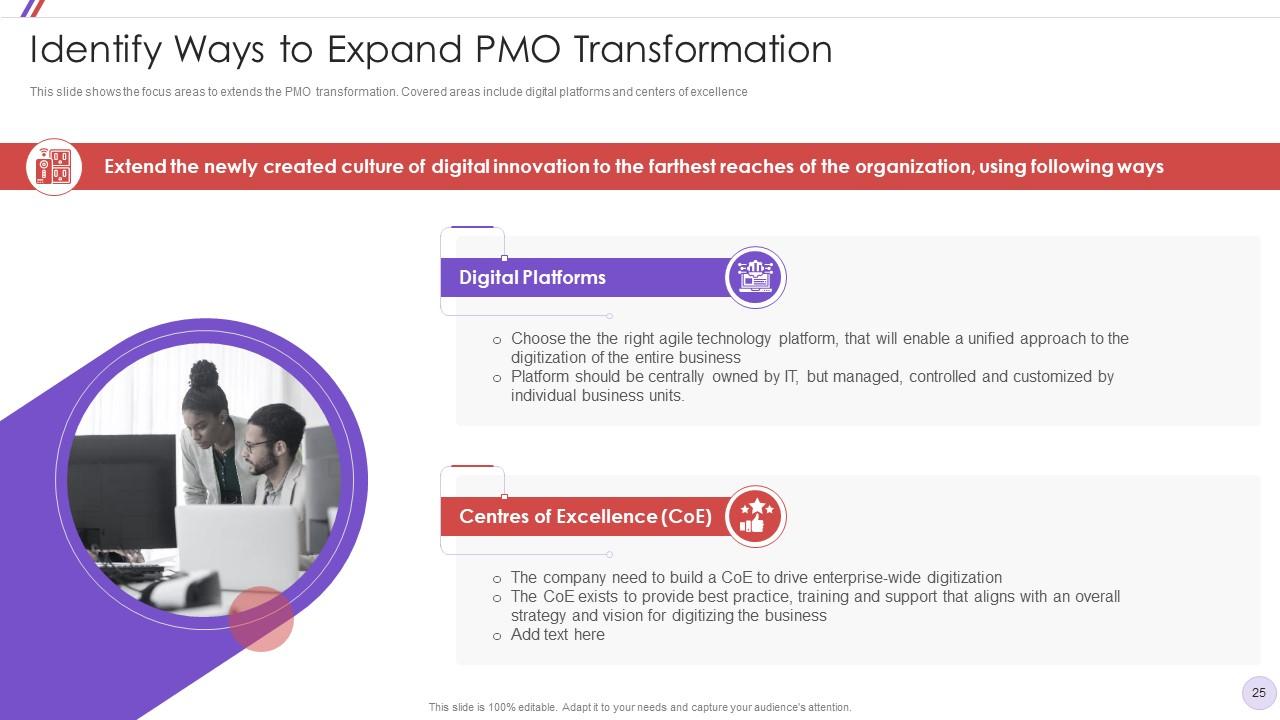
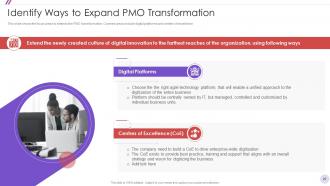
Slide 25: This slide displays focus areas to extends the PMO transformation.
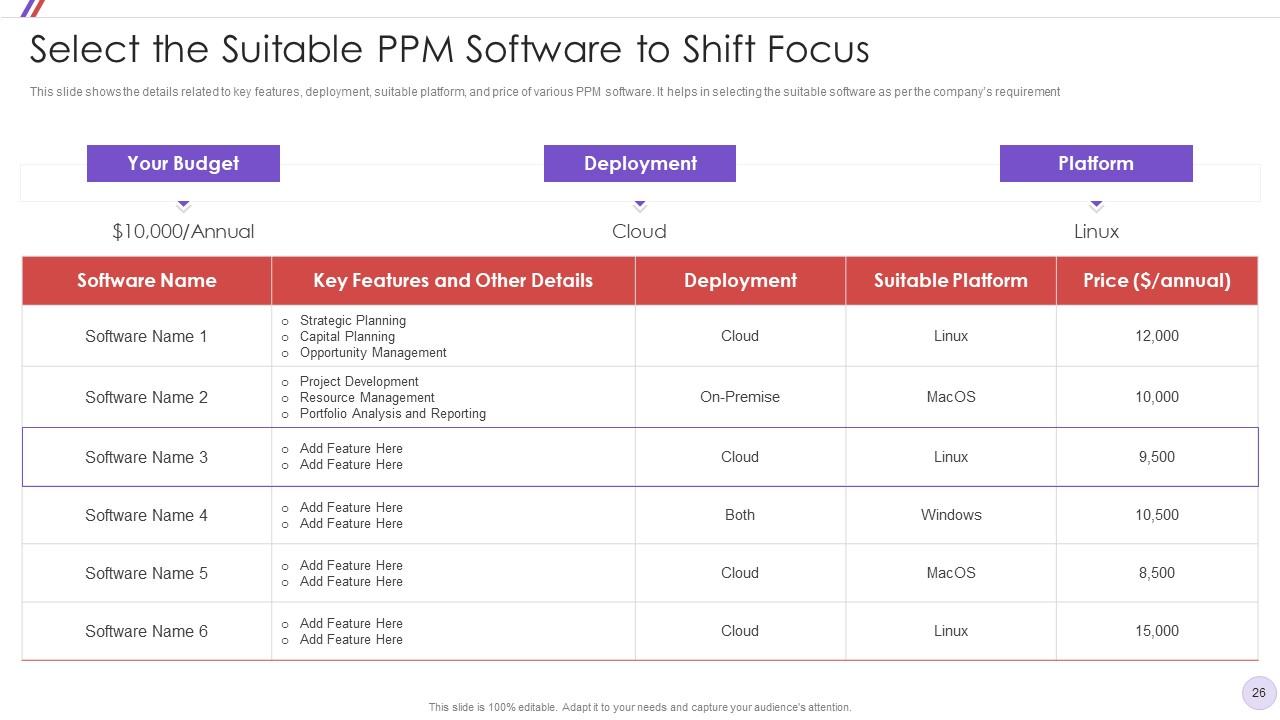
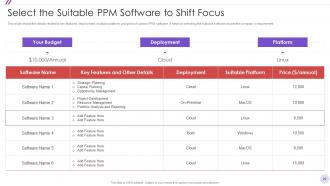
Slide 26: This slide represents the details related to key features, deployment, suitable platform, etc.
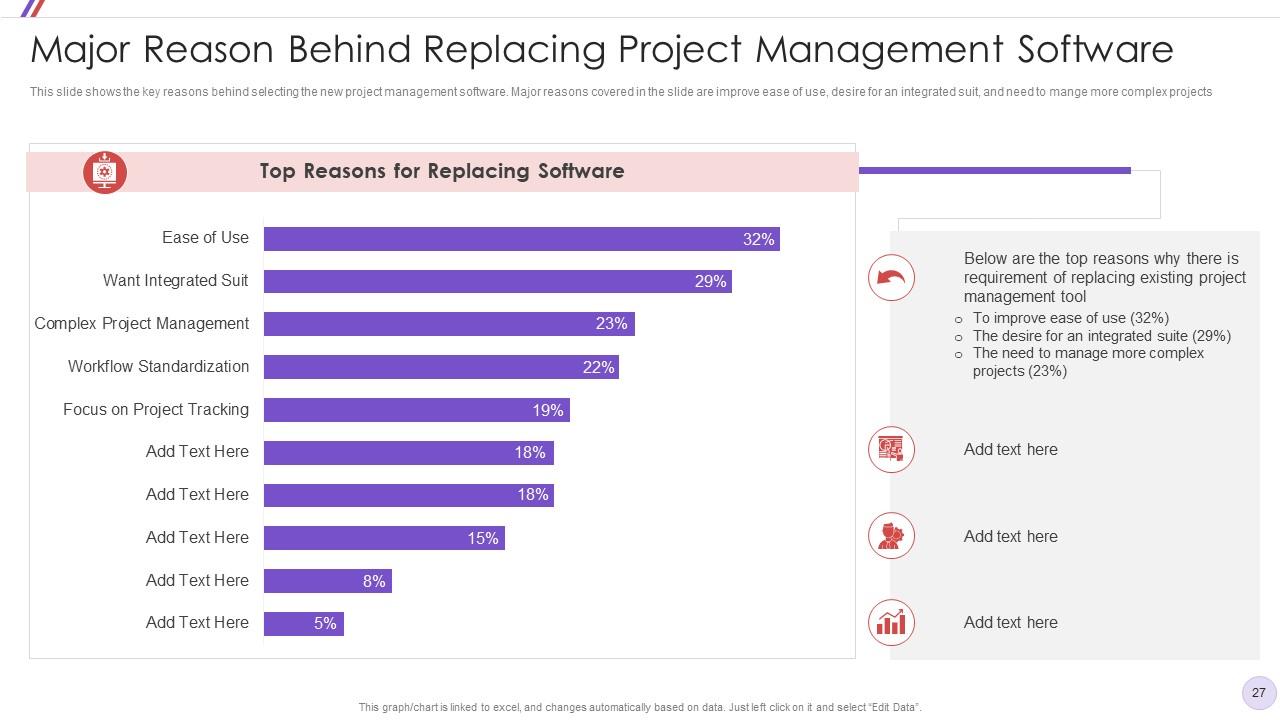
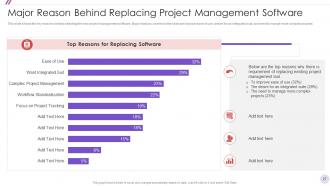
Slide 27: This slide shows Major Reason Behind Replacing Project Management Software.
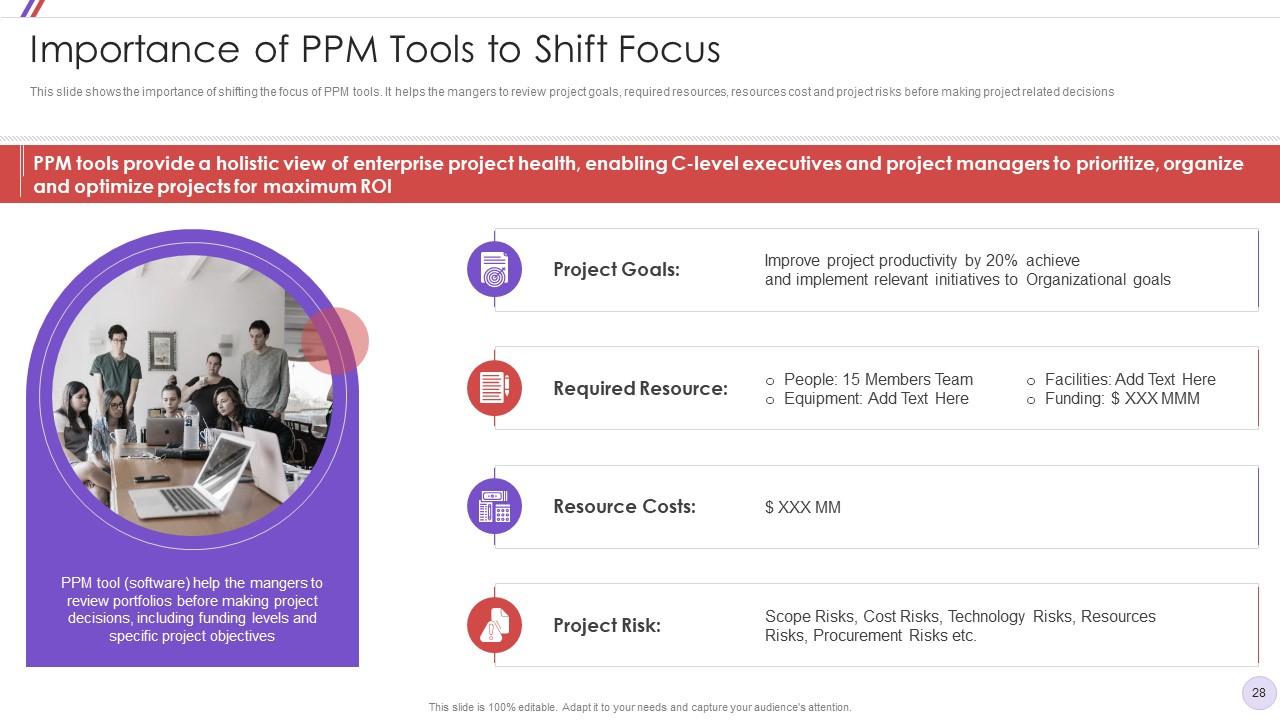
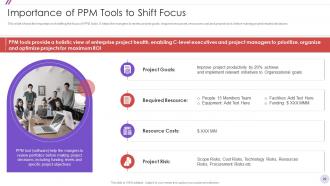
Slide 28: This slide presents the importance of shifting the focus of PPM tools.
Slide 29: This slide highlights title for topics that are to be covered next in the template.
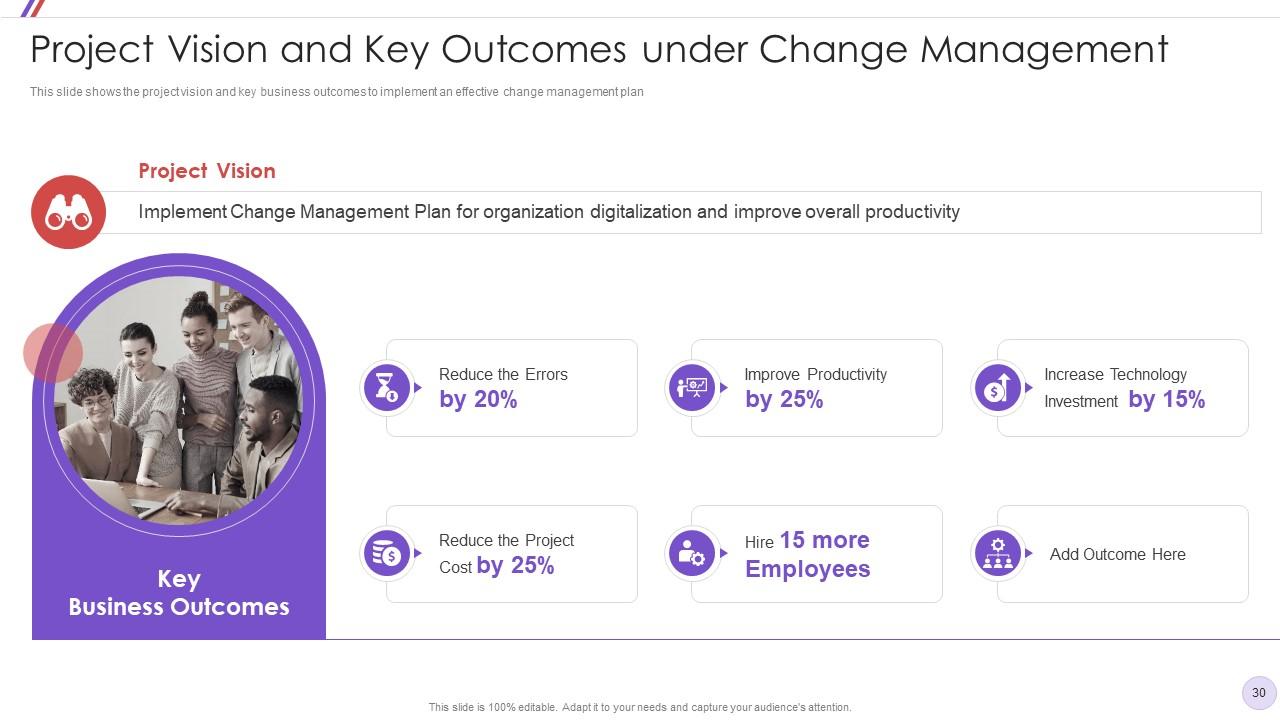
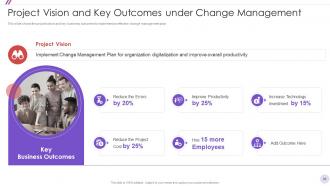
Slide 30: This slide displays Project Vision and Key Outcomes under Change Management.
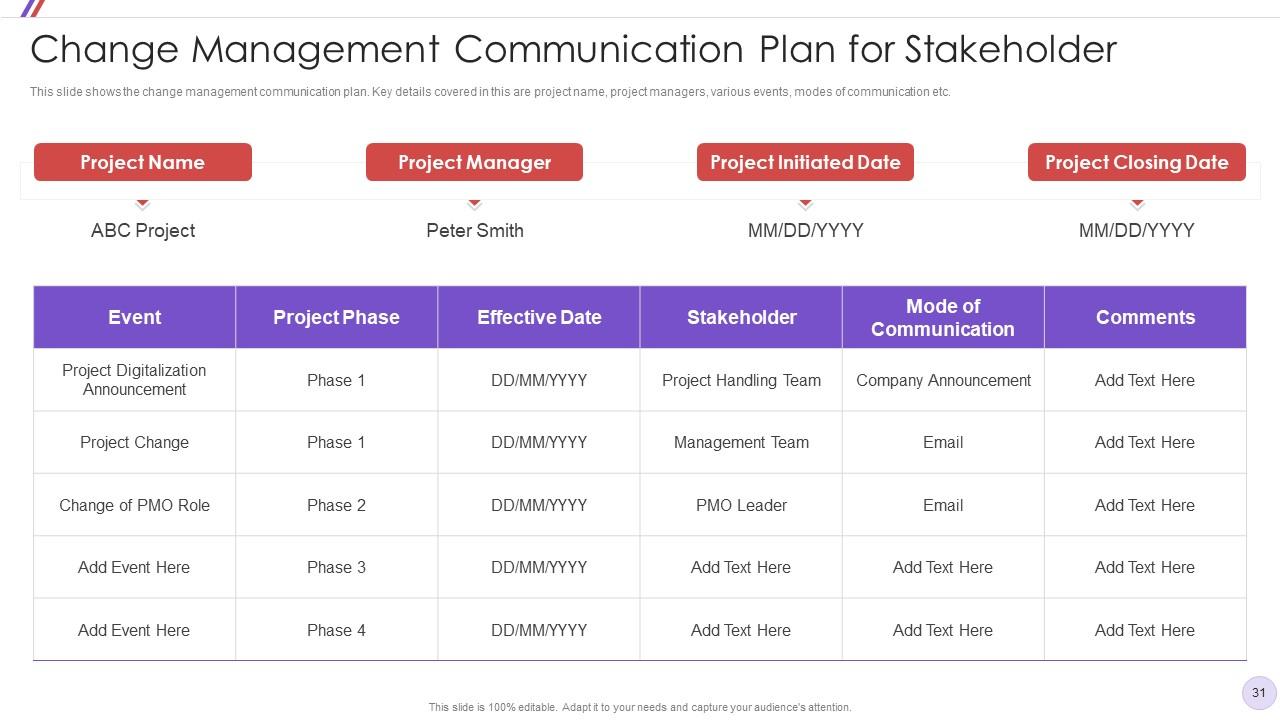
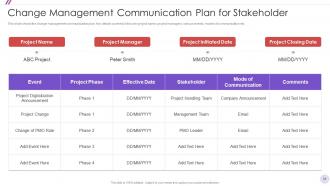
Slide 31: This slide represents Change Management Communication Plan for Stakeholder.
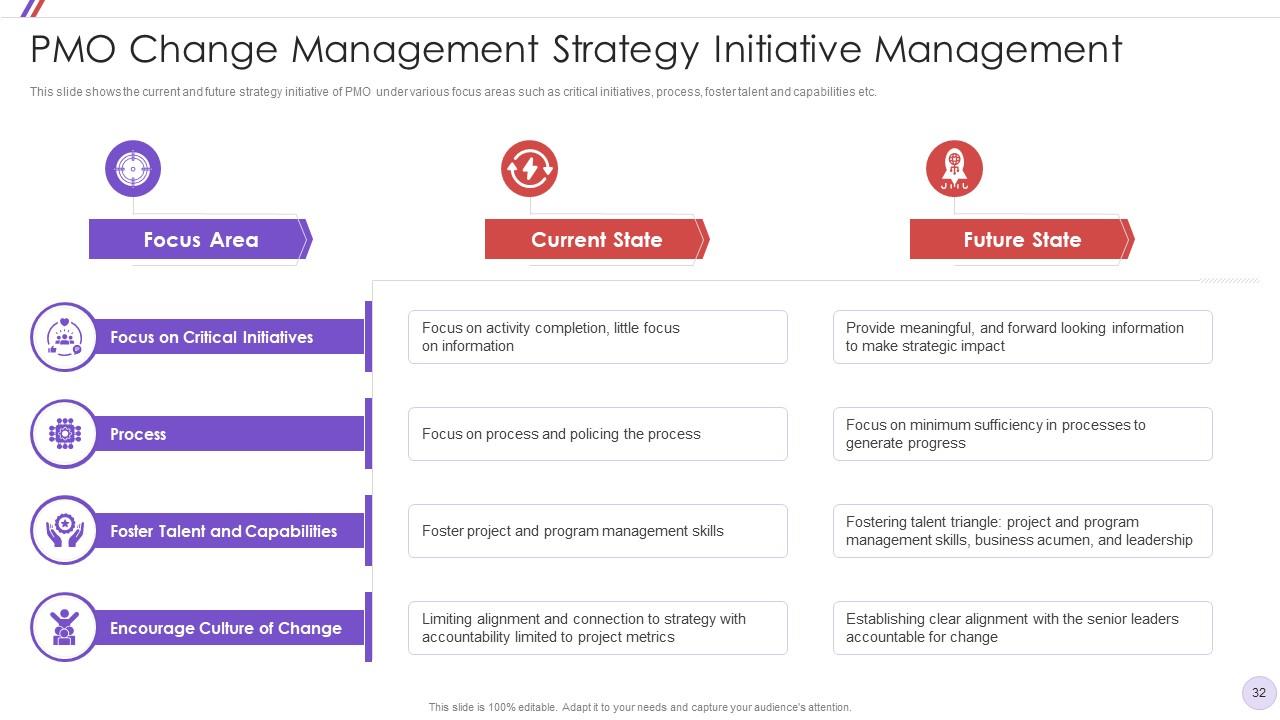
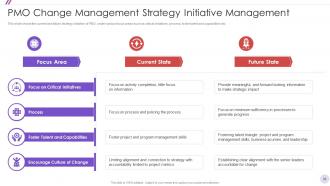
Slide 32: This slide shows the current and future strategy initiative of PMO under various focus areas such as critical initiatives, process, etc.
Slide 33: This slide highlights title for topics that are to be covered next in the template.
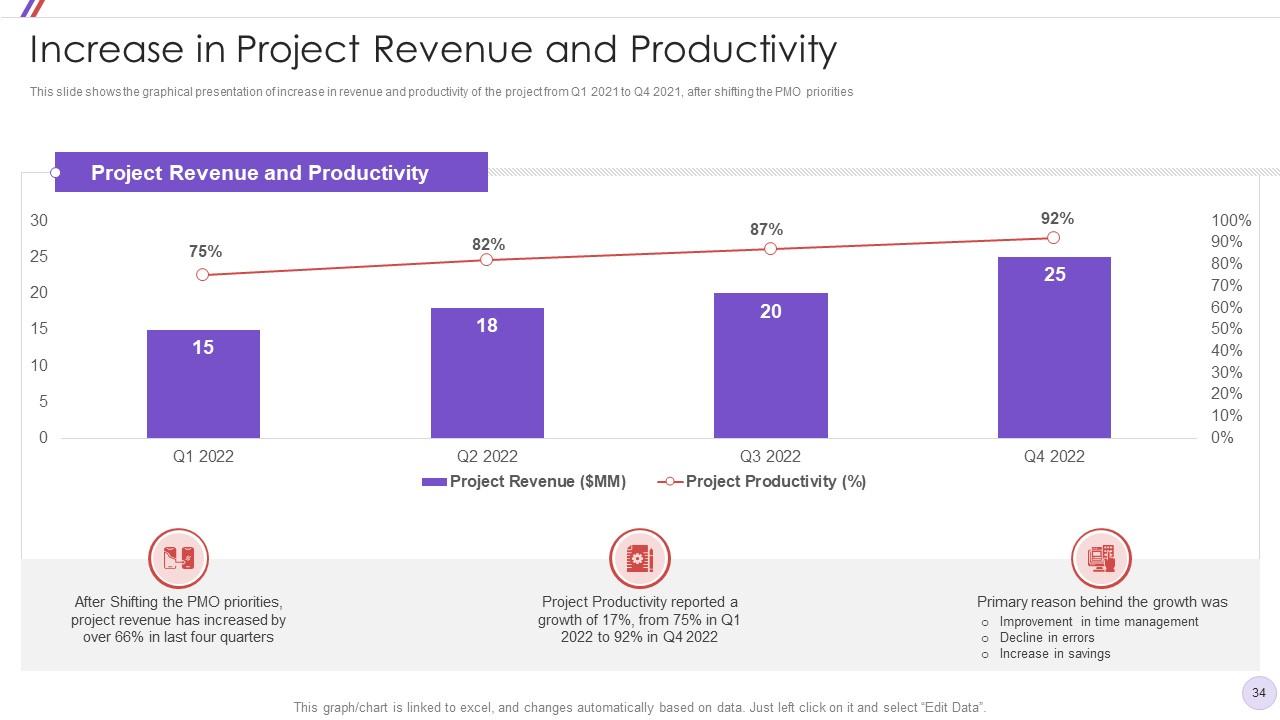
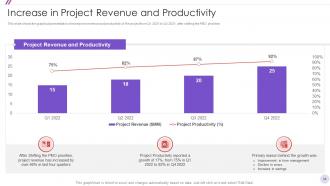
Slide 34: This slide shows the graphical presentation of increase in revenue and productivity of the project.
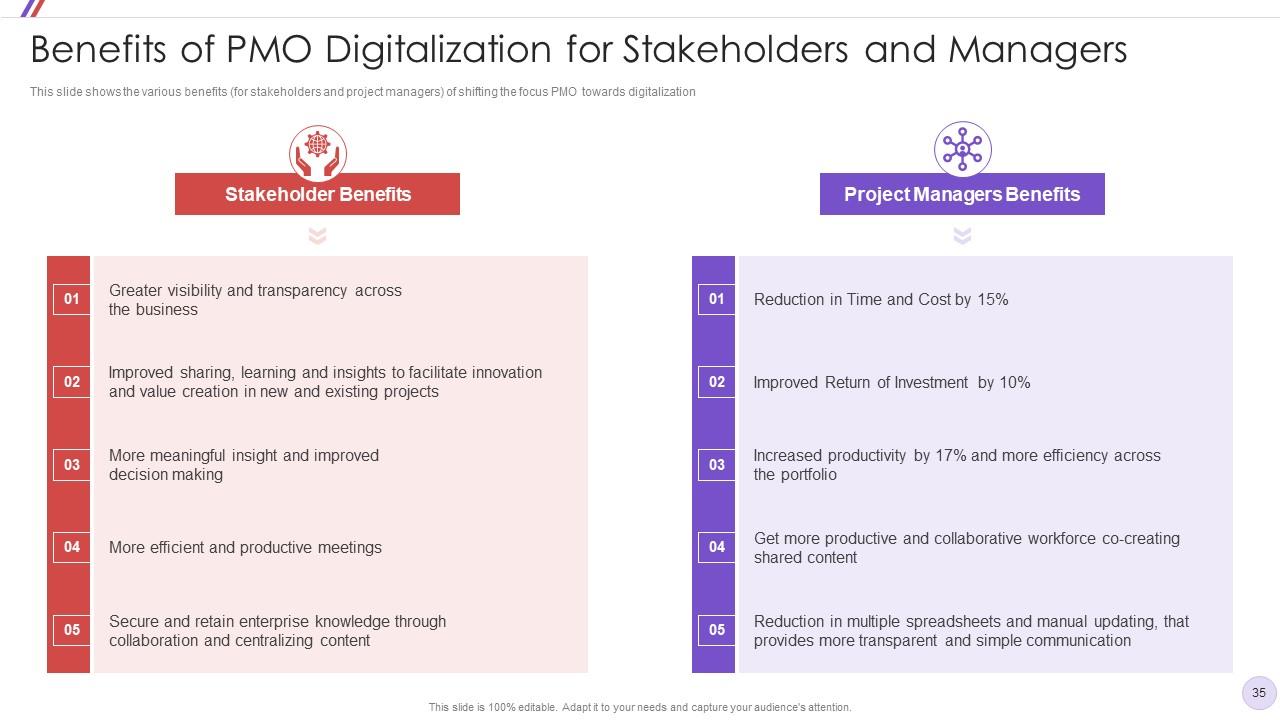
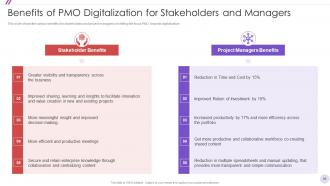
Slide 35: This slide displays the various benefits (for stakeholders and project managers) of shifting the focus PMO towards digitalization.
Slide 36: This slide showcases Icons for PMO Change Management Strategy Initiative.
Slide 37: This slide is titled as Additional Slides for moving forward.
Slide 38: This is About Us slide to show company specifications etc.
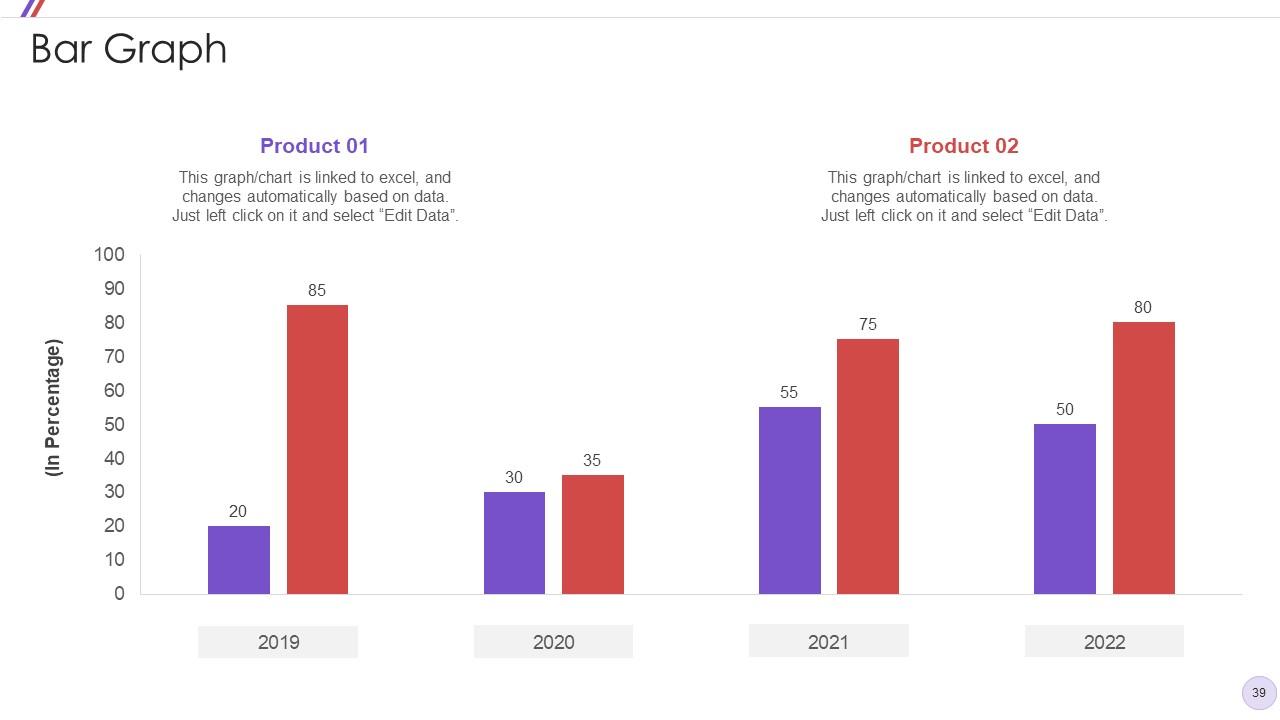
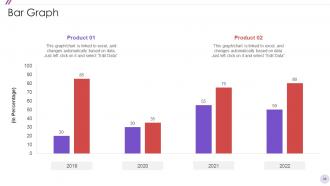
Slide 39: This slide presents Bar chart with two products comparison.
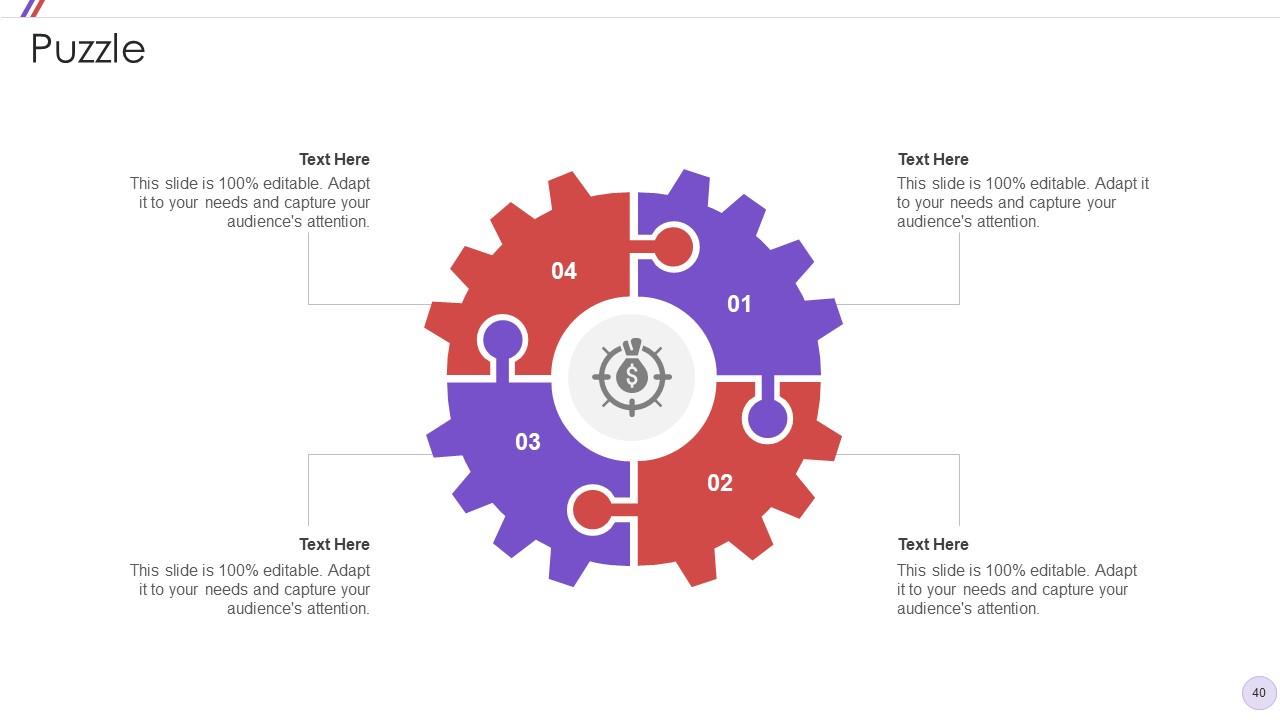
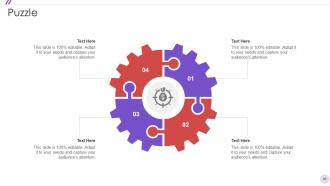
Slide 40: This slide contains Puzzle with related icons and text.
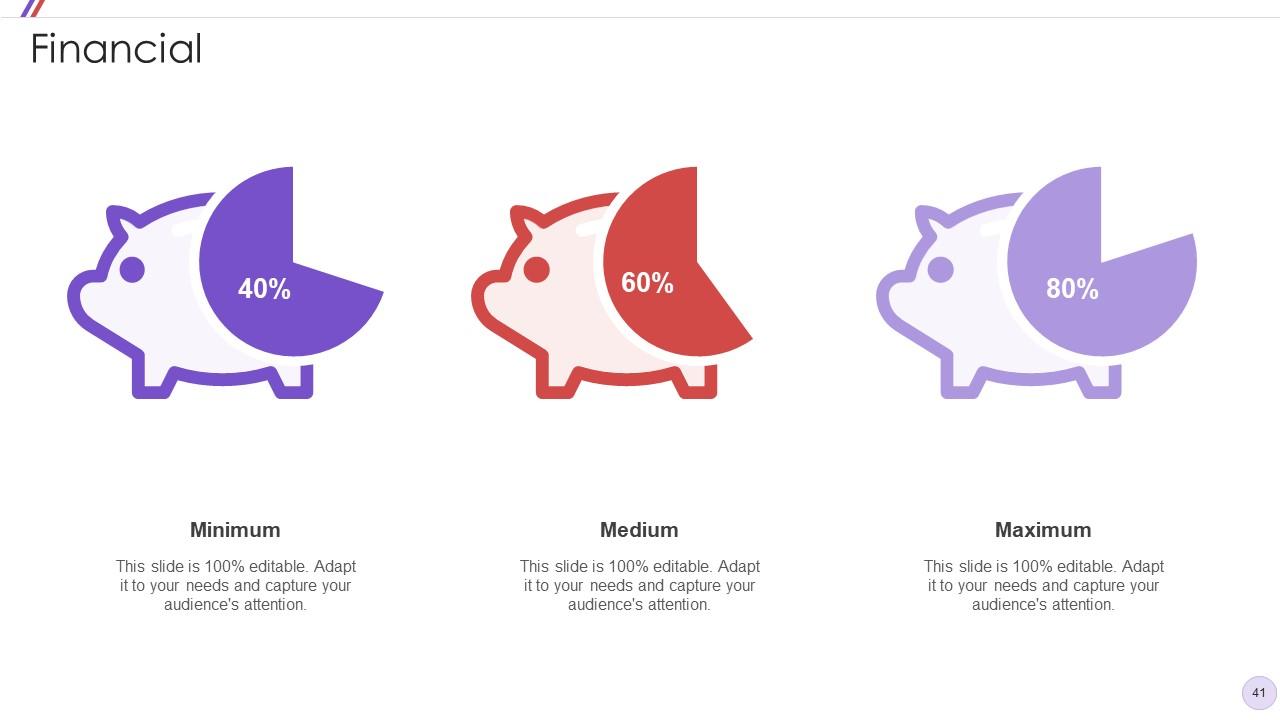
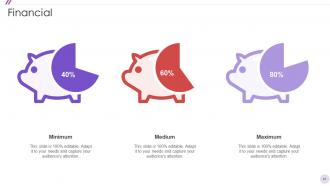
Slide 41: This is a Financial slide. Show your finance related stuff here.
Slide 42: This slide shows Post It Notes. Post your important notes here.
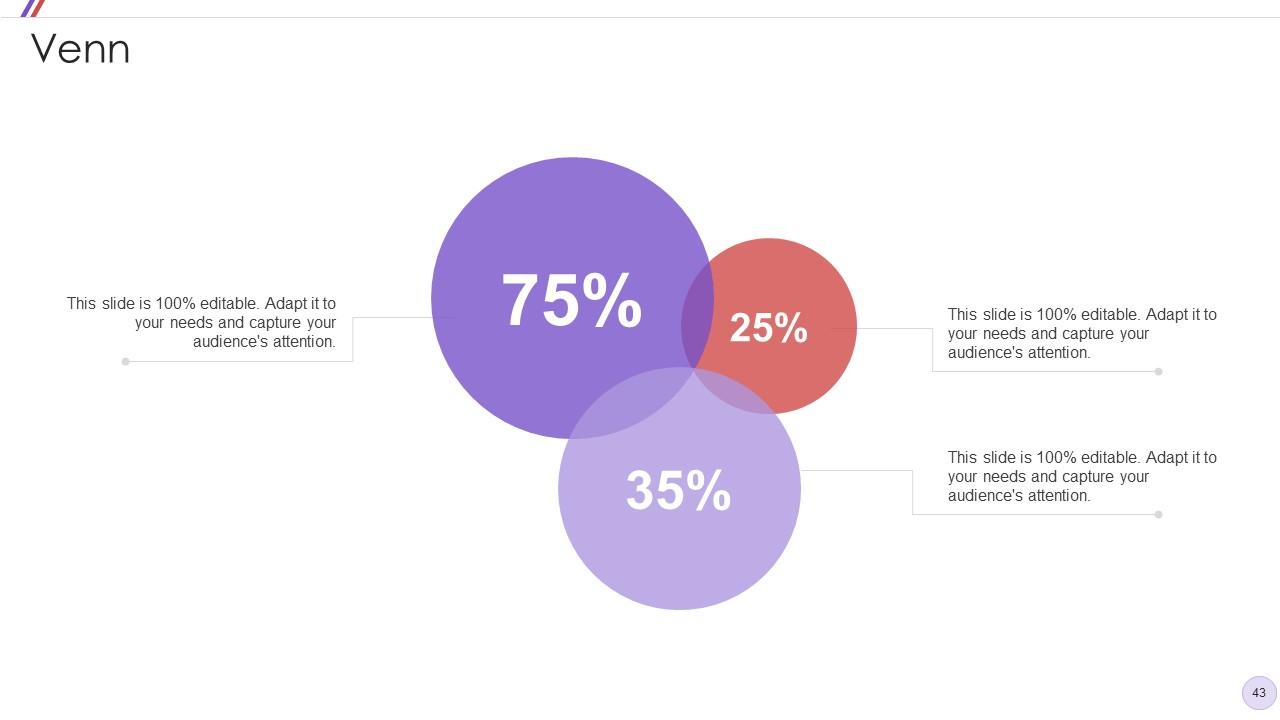
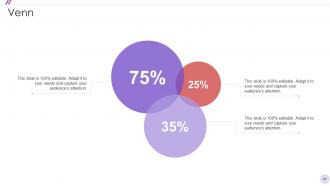
Slide 43: This slide depicts Venn diagram with text boxes.
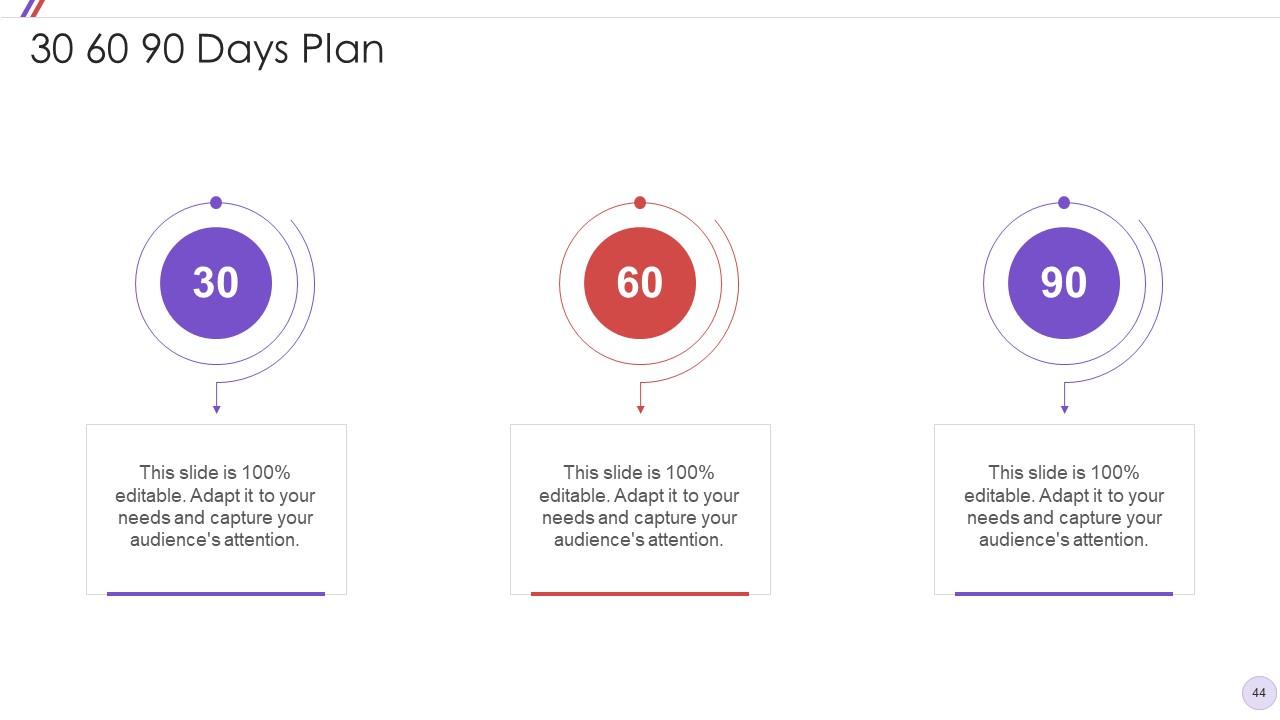
Slide 44: This slide provides 30 60 90 Days Plan with text boxes.
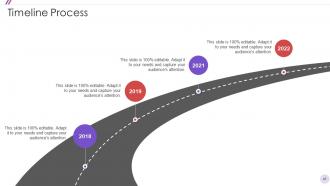
Slide 45: This is a Timeline slide. Show data related to time intervals here.
Slide 46: This is a Thank You slide with address, contact numbers and email address.
PMO Change Management Strategy Initiative Powerpoint Presentation Slides with all 51 slides:
Use our PMO Change Management Strategy Initiative Powerpoint Presentation Slides to effectively help you save your valuable time. They are readymade to fit into any presentation structure.
-
Exclusive and extensive collection of templates. Really helped me create a professional presentation in just no time.
-
The PPT layout is great and it has an effective design that helps in presenting corporate presentations. It's easy to edit and the stunning visuals make it an absolute steal!
