Portfolio Roadmap Powerpoint Presentation Slides

Slide 1 of 17
Favourites Favourites

Try Before you Buy Download Free Sample Product

Audience Impress Your
Audience
Editable 100%
Editable
Time Save Hours
of Time
The Biggest Sale is ending soon in
0
0
:
0
0
:
0
0
Presenting this set of slides with name - Portfolio Roadmap Powerpoint Presentation Slides. TPresenting portfolio roadmap PowerPoint Presentation Slides. This deck comprises total of 17 slide designs. PPT templates are completely editable. Modify the colour, text and background colors as per your requirement. Add or delete the content as per your convenience. Easy to download. Presentation is downloaded in both widescreen and standard screen aspect ratio. Superior quality graphics and patterns to impress the audience. East to save the PowerPoint presentation in PDF or JPG format. These templates are compatible with Google slides too.

People who downloaded this PowerPoint presentation also viewed the following :

Content of this Powerpoint Presentation


Slide 1: This slide showcases Portfolio Roadmap.State your company name and get started.
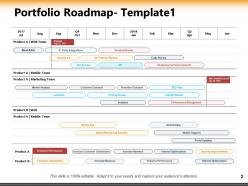
Slide 2: This slide showcases Portfolio Roadmap- Template1.
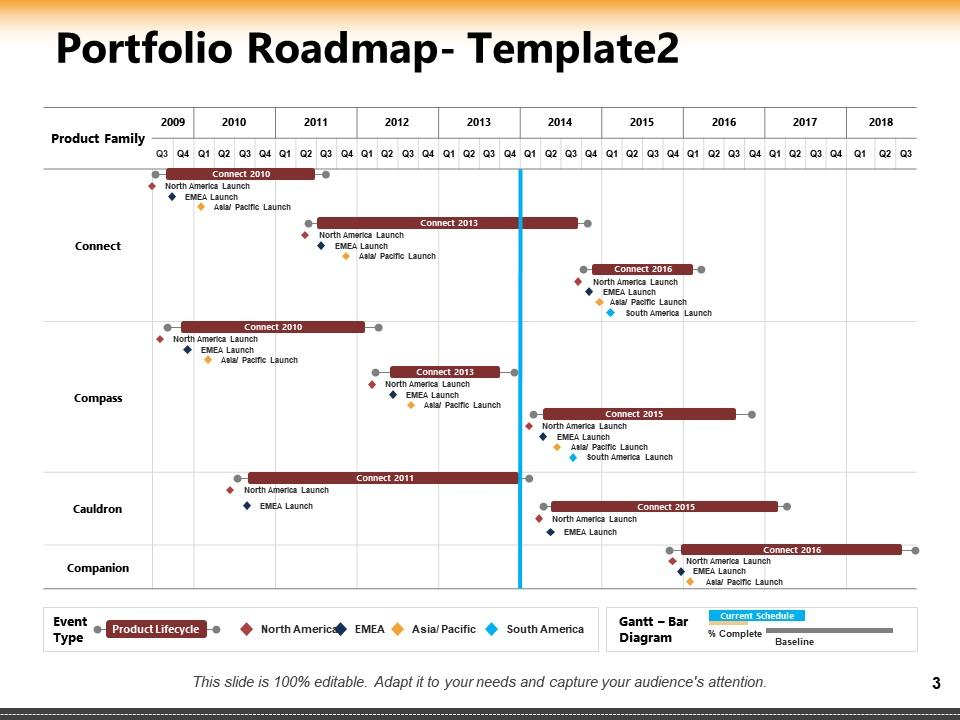
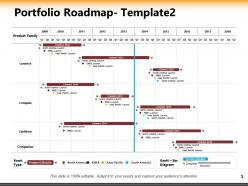
Slide 3: This slide shows Portfolio Roadmap- Template2.
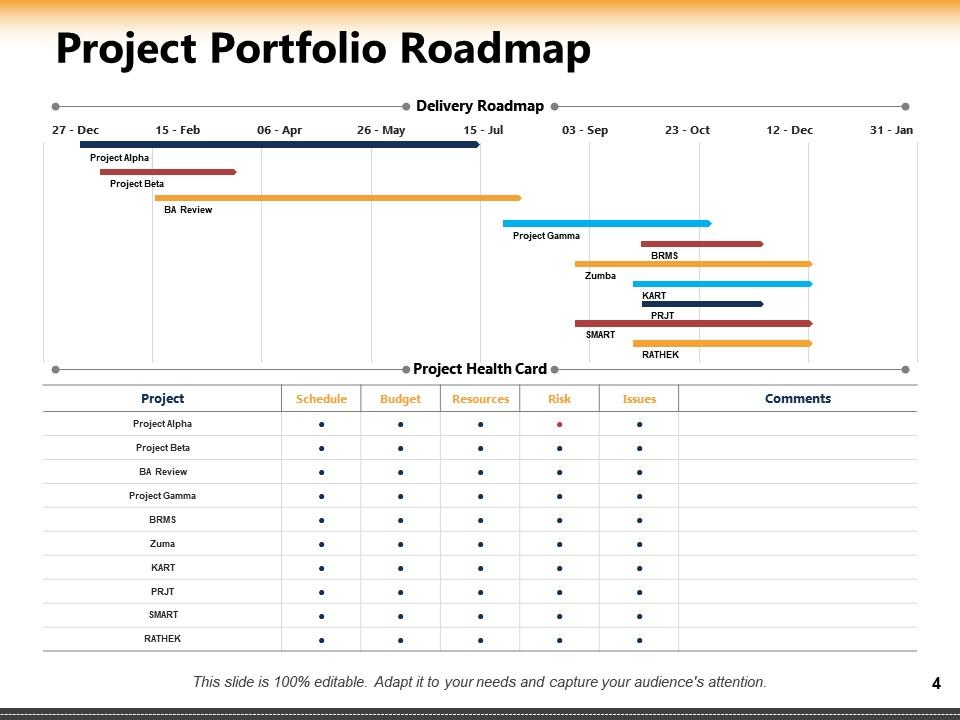
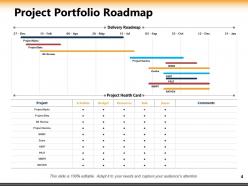
Slide 4: This slide showcases Project Portfolio Roadmap.
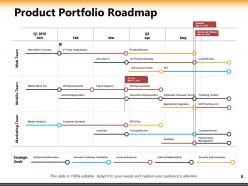
Slide 5: This slide presents Product Portfolio Roadmap. Add in this as per requirement.
Slide 6: This slide showcases Portfolio Roadmap Icons Slide.
Slide 7: This slide presents Additional Slides.
Slide 8: This slide is titled Mission for moving forward.
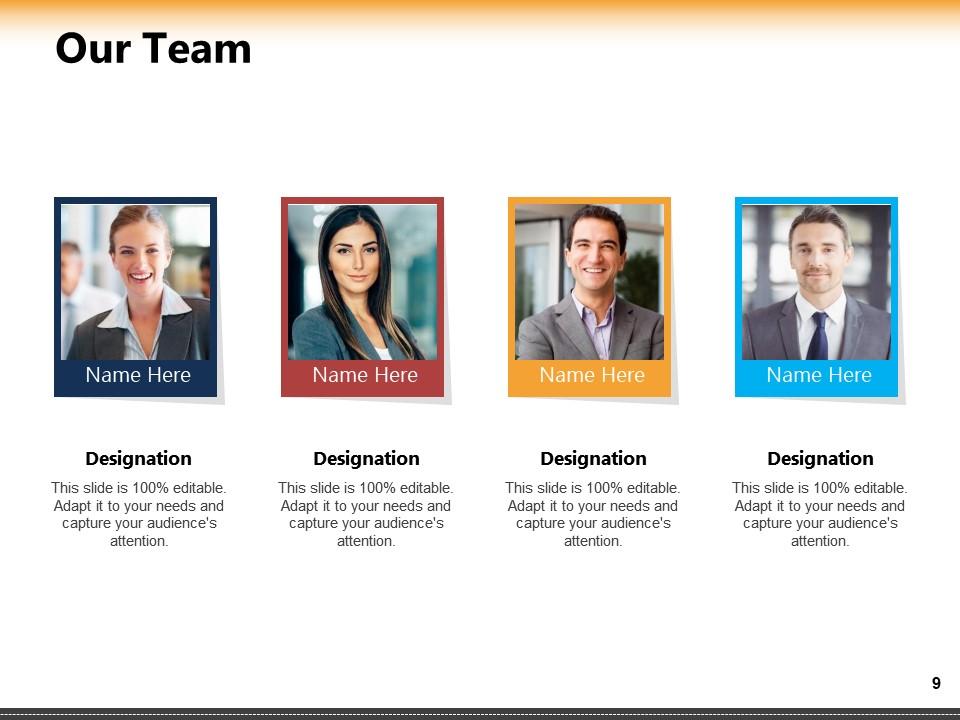
Slide 9: This is Our team slide with names and designation.
Slide 10: This is an About us slide to state company specifications etc.
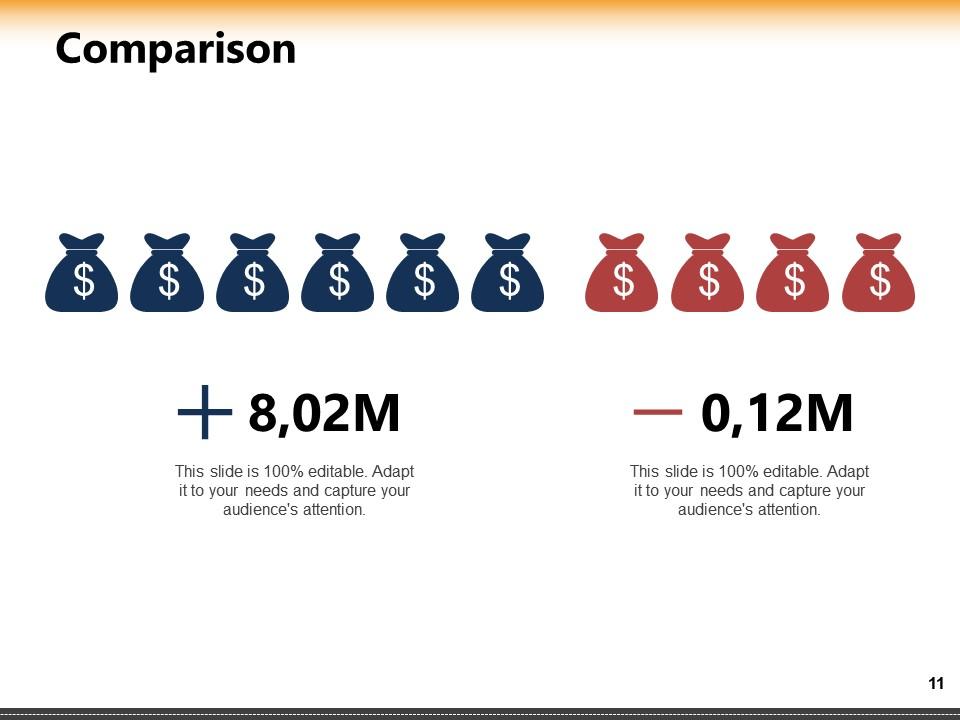
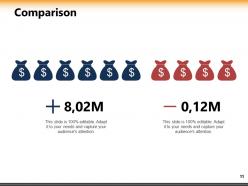
Slide 11: This slide shows Comparison of Positive Factors v/s Negative Factors with thumbs up and thumb down imagery.
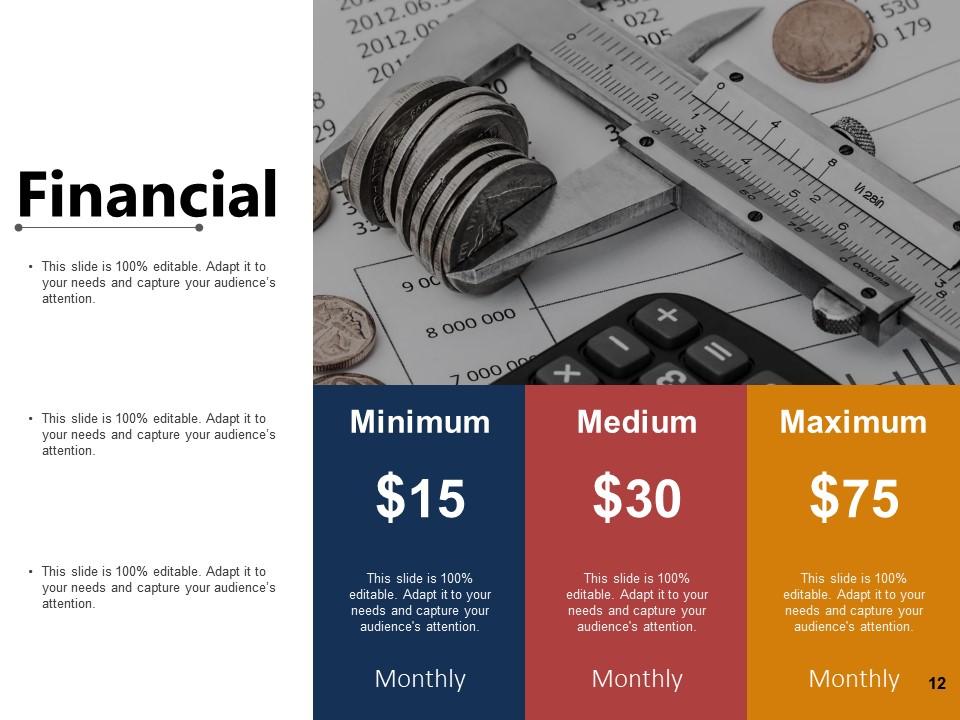
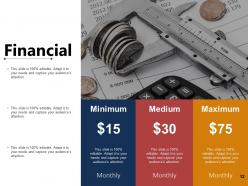
Slide 12: This is a Financial Score slide to show financial aspects here.
Slide 13: This is a Bulb Or Idea image slide to show information, innovative aspects etc.
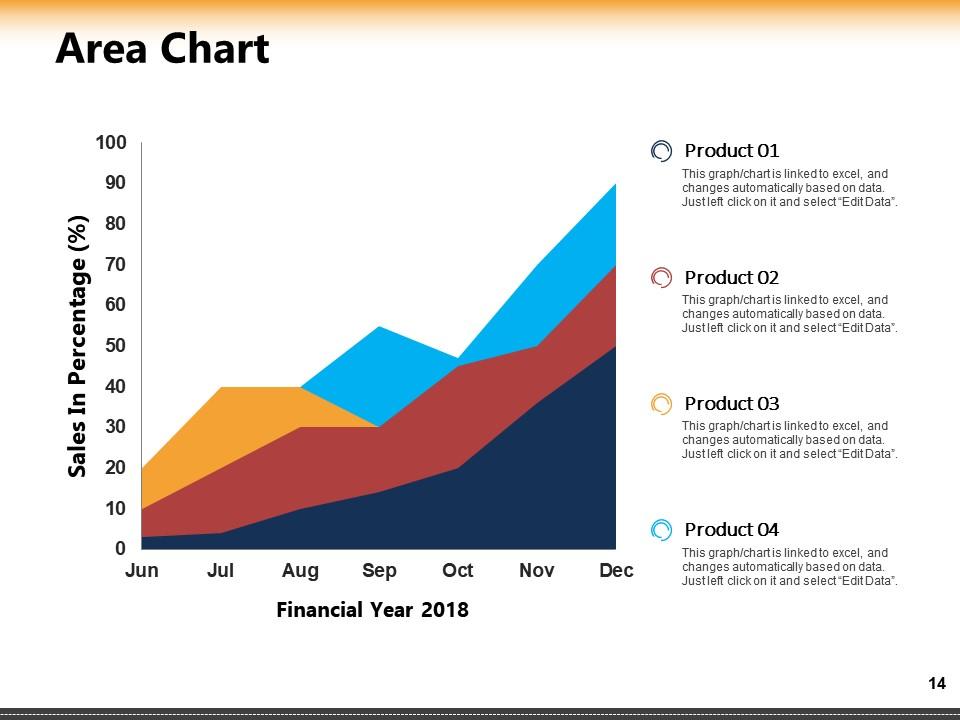
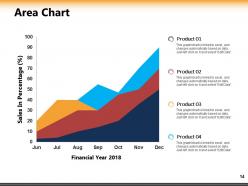
Slide 14: This slide shows Critical areas to be assessed and worked on.
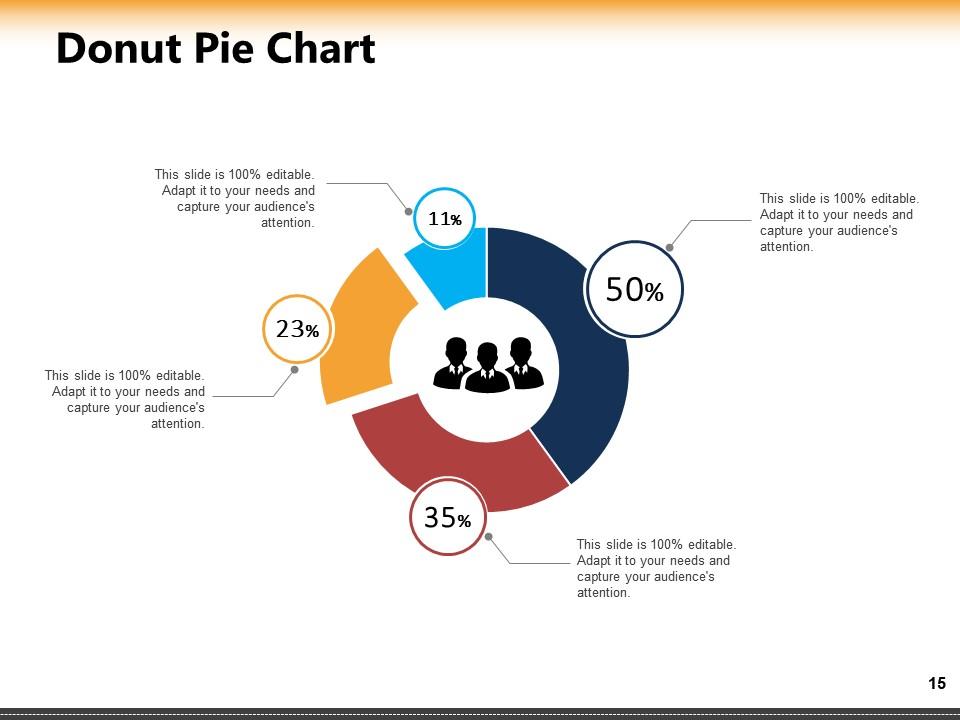
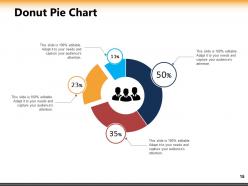
Slide 15: This slide presents Donut Pie Chart.
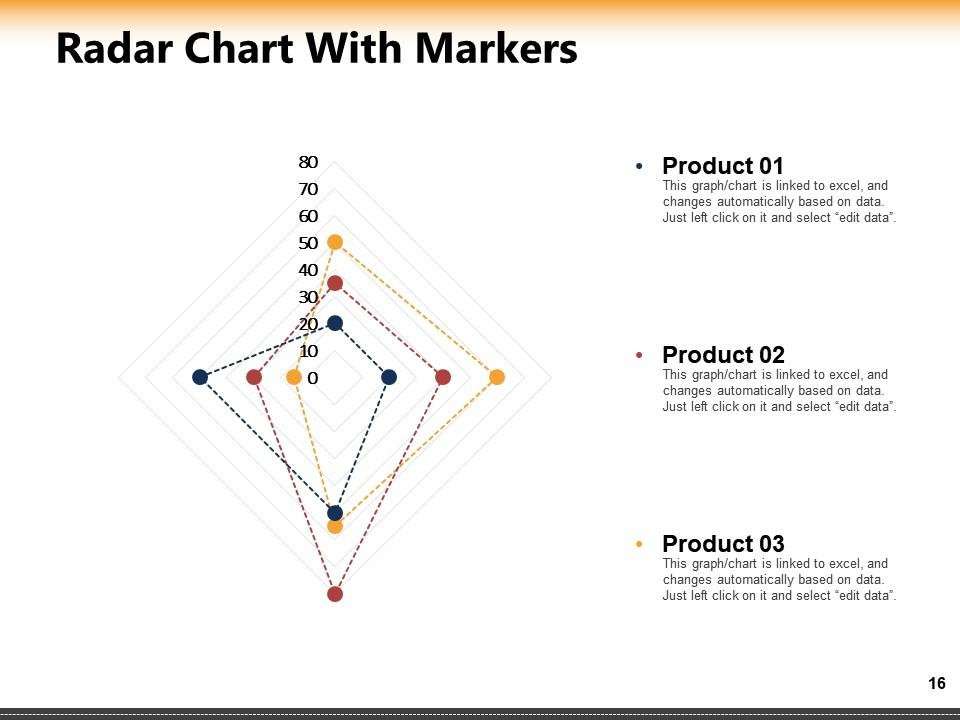
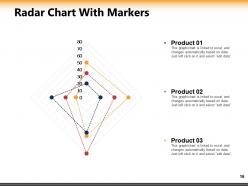
Slide 16: This slide showcases Radar Chart With Markers.
Slide 17: This slide is for showing Thanks.

FAQs for Portfolio Roadmap

Key components of an effective portfolio roadmap include strategic alignment, resource allocation frameworks, timeline visualization, dependency mapping, and performance metrics. These elements streamline portfolio management by prioritizing high-impact initiatives, optimizing resource distribution, and tracking progress across multiple projects, with many organizations finding that comprehensive roadmaps enhance decision-making and deliver measurable competitive advantage.

A portfolio roadmap aligns with business strategy by mapping strategic initiatives to specific timelines, resource allocations, and measurable outcomes that support overarching organizational goals. Through strategic prioritization and cross-functional coordination, companies streamline decision-making processes, optimize resource distribution across multiple projects, and ensure portfolio investments directly contribute to competitive positioning, ultimately delivering enhanced operational efficiency and accelerated strategic execution.

Tools for creating visual portfolio roadmaps include Microsoft Project, Roadmunk, ProductPlan, Aha!, and Smartsheet, along with design platforms like Lucidchart and Visio. These technologies streamline portfolio visualization by enabling drag-and-drop timeline creation, real-time collaboration, and automated progress tracking, with many organizations finding that integrated dashboards ultimately deliver enhanced stakeholder communication and strategic alignment.

Stakeholder feedback should be integrated through regular review cycles, structured feedback sessions, priority assessment workshops, and continuous alignment meetings with key decision-makers. This collaborative approach ensures the portfolio roadmap reflects business realities, addresses evolving market demands, and maintains strategic focus, with many organizations finding that systematic stakeholder engagement enhances buy-in and accelerates implementation success.

Key metrics include strategic alignment percentage, resource utilization efficiency, time-to-market acceleration, ROI across initiatives, stakeholder satisfaction scores, and milestone achievement rates. These measurements enable organizations to track portfolio performance by monitoring financial returns, operational efficiency, and strategic progress, with many enterprises finding that balanced scorecards ultimately deliver comprehensive visibility and competitive advantage.

Portfolio roadmaps should be reviewed quarterly and updated whenever significant strategic shifts, market changes, or resource constraints emerge. This regular cadence enables organizations to maintain alignment with business objectives, respond to competitive pressures, and optimize resource allocation across initiatives, with many enterprises finding that flexible quarterly reviews ultimately deliver better strategic outcomes and faster adaptation.

Common pitfalls include inadequate stakeholder alignment, unrealistic timelines, insufficient resource allocation, lack of regular reviews, and poor risk assessment. These challenges often emerge when organizations fail to balance strategic vision with operational constraints, with many finding that successful portfolio roadmaps require continuous stakeholder engagement, flexible timeline management, and robust dependency tracking to deliver sustainable competitive advantage.

A portfolio roadmap facilitates resource allocation by providing visual clarity across multiple projects, enabling strategic prioritization based on business value, timeline dependencies, and available capacity. Through centralized planning, organizations can identify resource conflicts, optimize talent deployment, and align investments with strategic objectives, while financial services and manufacturing companies find that systematic roadmapping reduces project delays and enhances operational efficiency.

Market research provides critical insights into customer needs, competitive landscapes, market trends, and emerging opportunities that directly inform portfolio prioritization and strategic direction. Through comprehensive market analysis, organizations can identify high-potential segments, validate product concepts, and anticipate industry shifts, ultimately enabling data-driven portfolio decisions that maximize resource allocation and competitive advantage in increasingly dynamic markets.

Balancing short-term projects with long-term objectives requires strategic resource allocation, milestone alignment, and continuous portfolio evaluation against business goals. Organizations achieve this balance by implementing phased delivery approaches, maintaining buffer capacity for urgent initiatives, and regularly reassessing project priorities, with many finding that quarterly portfolio reviews enable tactical flexibility while preserving strategic momentum and competitive advantage.

Best practices for communicating a portfolio roadmap include establishing clear visual frameworks, conducting regular stakeholder briefings, maintaining transparent progress tracking, ensuring cross-functional alignment, and providing accessible documentation platforms. These approaches streamline coordination by fostering shared understanding, enabling proactive decision-making, and maintaining strategic focus, with many organizations finding that consistent communication cadences ultimately deliver enhanced project visibility and improved resource allocation across teams.

A portfolio roadmap supports innovation by aligning diverse projects with strategic objectives, facilitating resource allocation across experimental initiatives, and creating visibility into emerging opportunities and market trends. Through systematic portfolio management, organizations can balance incremental improvements with breakthrough innovations, accelerate time-to-market for new products, and optimize investment decisions, ultimately delivering competitive advantage in increasingly dynamic business environments.

A portfolio roadmap provides strategic oversight across multiple projects and initiatives, focusing on resource allocation, interdependencies, and organizational priorities, while a project roadmap details specific deliverables, timelines, and milestones for individual projects. Portfolio roadmaps enable executives to balance competing priorities and optimize resource distribution across entire business units, while project roadmaps guide tactical execution, with many organizations finding that combining both approaches enhances strategic alignment and operational efficiency.

Visual design enhances portfolio roadmap presentations by improving clarity, engagement, and comprehension through strategic color coding, consistent typography, intuitive layouts, and clear hierarchical structures. These design elements streamline complex information processing, enable faster stakeholder decision-making, and facilitate better strategic alignment, with many organizations finding that well-designed roadmaps significantly improve executive buy-in and cross-functional collaboration.

Ensuring stakeholder buy-in requires transparent communication, collaborative planning sessions, and clear alignment with business objectives and expected ROI. Through regular stakeholder workshops, detailed impact assessments, and phased implementation approaches, organizations can address concerns proactively while demonstrating value, with many finding that early involvement and continuous feedback loops ultimately deliver stronger commitment and smoother execution.

Ratings and Reviews

0% of 100
Review Form
Write a review
Most Relevant Reviews

No Reviews