


Product Life Cycle In Marketing Management Powerpoint Presentation Slides




Try Before you Buy Download Free Sample Product
 Impress Your
 Audience
 100%
100% Editable
 Save Hours
 of Time


Have a look at our content-ready 62 slides Product Life Cycle In Marketing Management PowerPoint Presentation Slides. Our PLM PPT sample file will help your business to introduce a new product to the market. Additionally, this product lifecycle PowerPoint deck sample will let you define the advertisement options in terms of product, price, promotion, and place. Our product life cycle management PPT slides will enable you to define system lifecycle stages, extension strategies, pricing tactics, distribution channel, ATL and BTL promotions, online marketing and 4 C’s. If you must give a presentation on similar topics in future such as brand strategy, explore new market, digital marketing, PLC, new product introduction, go to market, product management, brand awareness, market segmentation, product differentiation, then this amazing pre-made visual PPT presentation will come in handy. Consider our product life cycle strategies PowerPoint Presentation Slides and forget the roadblocks you may face while making a PLM presentation. Just click “download this presentation” and boost the extent of your performance. In your time of need we're here to help you add world class design to your presentation. Our thousands of Product Life Cycle In Marketing Management Powerpoint Presentation Slides are ready for your next project.
People who downloaded this PowerPoint presentation also viewed the following :
Content of this Powerpoint Presentation
Slide 1: This slide introduces Product Lifecycle in Marketing Management. State your company name and continue further.
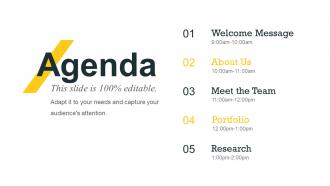
Slide 2: This is an Agenda slide presenting- Welcome Message, About Us, Meet the Team, Research, Portfolio.
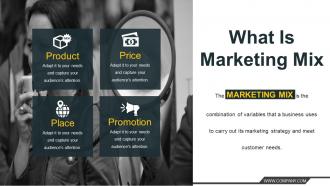
Slide 3: This slide states What Is Marketing Mix with respect to the following factors- Product, Price, Place, Promotion.
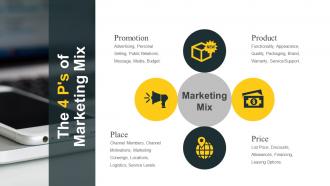
Slide 4: This slide states The 4 P's of Marketing Mix- Product, Price, Place, Promotion.
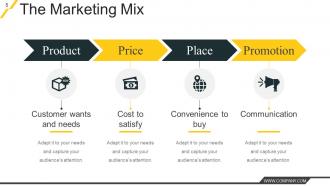
Slide 5: This is The Marketing Mix slide showing- Product- Customer wants and needs, Price- Cost to satisfy, Place- Convenience to buy, Promotion- Communication.
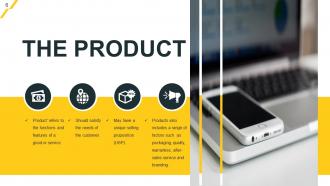
Slide 6: This is The Product slide with icon imagery. Present a brief introduction of your product here.
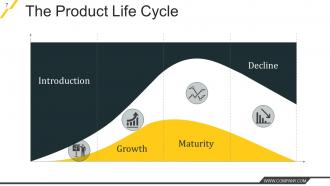
Slide 7: This slide showcases The Product Life Cycle with the following stages- Introduction, Growth, Maturity, Decline.
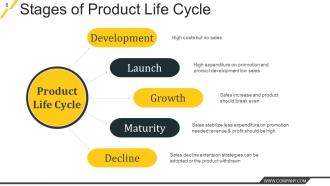
Slide 8: This slide showcases the Stages of Product Life Cycle involving- Development, Launch, Growth, Maturity, Decline.
Slide 9: This slide presents Extension Strategies with the following stages- Launch, Growth, Maturity, Saturation, Decline.
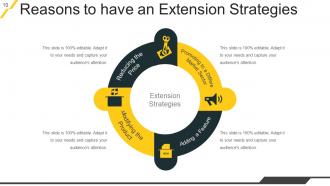
Slide 10: This slide states Reasons to have an Extension Strategies such as- Reducing the Price, Promoting to a Different Market Sector, Adding a Feature, Modifying the Product.
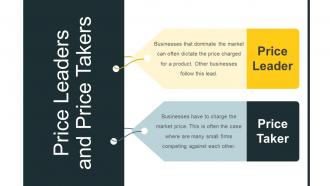
Slide 11: This is Price Leaders and Price Takers slide. Use it to state- Price Leader, Price Taker.
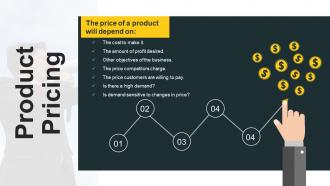
Slide 12: This is Product Pricing slide. Use it to state the factors on which the price of the product will depend.
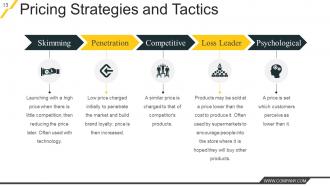
Slide 13: This slide states Pricing Strategies and Tactics with- Skimming, Penetration, Competitive, Loss Leader, Psychological.
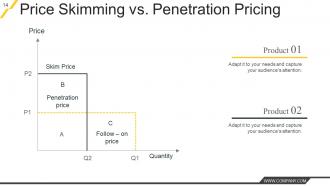
Slide 14: This is Price Skimming vs. Penetration Pricing slide to state.
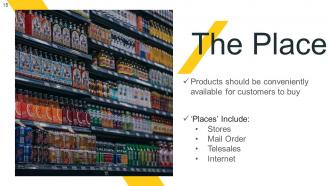
Slide 15: This is The Place slide. Use it to show the places where your products are avalilable such as- Stores, Mail Order, Telesales, Internet.
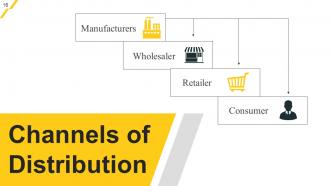
Slide 16: This slide showcases Channels of Distribution- Manufacturers, Wholesaler, Retailer, Consumer.
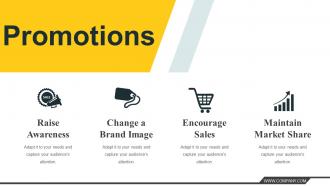
Slide 17: This is Promotions slide showing- Raise Awareness, Change a Brand Image, Encourage Sales, Maintain Market Share.
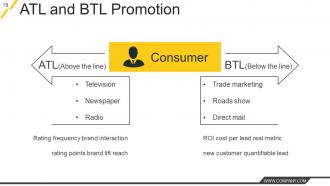
Slide 18: This slide states four Types of Promotion namely- Above-the-line (ATL), Push Promotion, Pull Promotion, Below-the-line (BTL).
Slide 19: This slide showcases ATL and BTL Promotion with respect to CONSUMER.
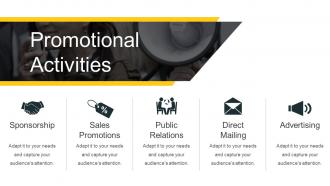
Slide 20: This slide showcases Promotional Activities such as- Sponsorship, Sales Promotions, Direct Mailing, Public Relations, Advertising.
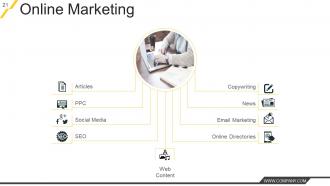
Slide 21: This is Online Marketing slide showing- Web Content, Copywriting, Email Marketing, Online Directories, News, SEO, Articles, Social Media, PPC.
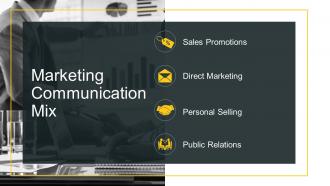
Slide 22: This is Marketing Communication Mix slide showing the following points- Sales Promotions, Direct Marketing, Personal Selling, Public Relations.
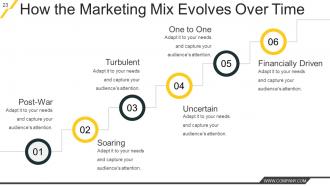
Slide 23: This slide shows How the Marketing Mix Evolves Over Time. Its steps include- Post-War, Soaring, Turbulent, Uncertain, One to One, Financially Driven.
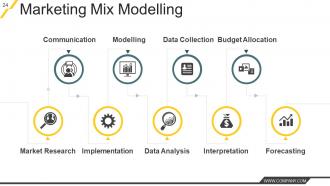
Slide 24: This is Marketing Mix Modelling slide. It consists of the following points- Market Research, Implementation, Data Analysis, Interpretation, Forecasting, Communication, Modelling, Data Collection, Budget Allocation.
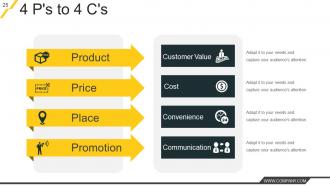
Slide 25: This is 4 P's to 4 C's slide showing- Product- Customer Value, Price- Cost, Place- Convenience, Promotion- Communication.
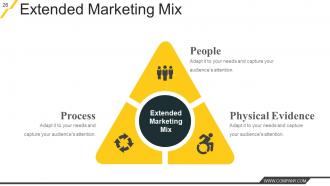
Slide 26: This slide showcases Extended Marketing Mix with three main components- People, Process, Physical Evidence.
Slide 27: This is Icons Slide for Product Life Cycle. Add/ alter icons on the basis of your requirement.
Slide 28: This slide is titled Additional Slides to move forward. You can change the slide content as per need.
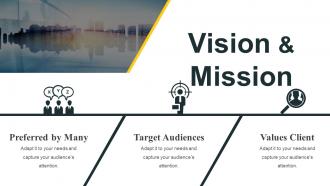
Slide 29: This is Vision & Mission slide. State your vision, mission, goals etc. here.
Slide 30: This is an Our Team slide with name, image & text boxes to put the required information.
Slide 31: This is an About Us slide showing Preferred by Many, Target Audiences, Values Client and Premium services as examples.
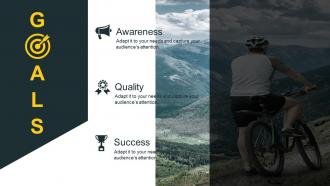
Slide 32: This is Goals slide. State them here.
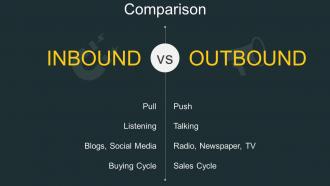
Slide 33: This is a Comparison slide to state comparison etc.
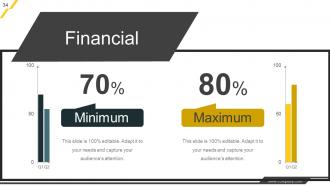
Slide 34: This is a Financial score slide. State financial aspects etc. here.
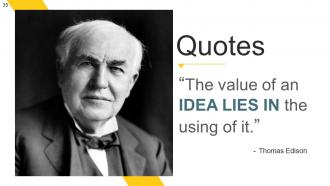
Slide 35: This is a Quotes slide to convey messages, beliefs etc. You can change the slide content as per need.
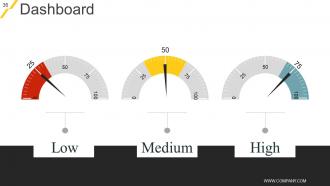
Slide 36: This is a Dashboard slide to show growth factors in terms of High, Low, Medium.
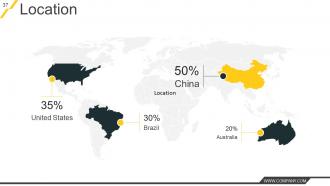
Slide 37: This is a Location slide to show global segregation, presence etc. on a world map and text boxes to make it explicit.
Slide 38: This is a Timeline slide to present important dates, journey, evolution, milestones etc.
Slide 39: This is a Coffee Time slide . Can be altered as per requirement.
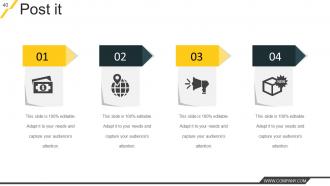
Slide 40: This is a Post it slide to mark reminders, events etc.
Slide 41: This slide displays Newspaper image to flash company event, news or anything to highlight. You may change the content as per need.
Slide 42: This is a Puzzle image slide to show information, specification etc.
Slide 43: This is a Target Achievement slide with imagery. State your achievements, targets etc. here.
Slide 44: This is a Circular image slide to show information, specifications etc.
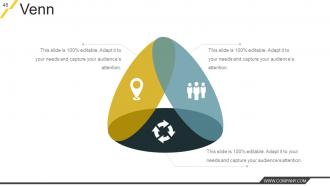
Slide 45: This is a Venn diagram image slide to show information, specifications etc.
Slide 46: This is a Mind map image slide to show information, specifications etc.
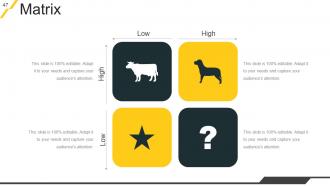
Slide 47: This is a Matrix slide to show information, specifications etc.
Slide 48: This is a Lego image slide to show information, specifications etc.
Slide 49: This is a Silhouettes image slide to show information, specifications etc.
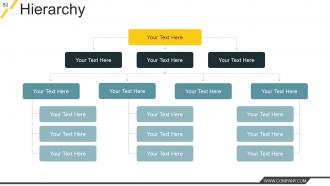
Slide 50: This is a Hierarchy image slide to show information, specifications etc.
Slide 51: This is Generate Idea slide to showcase creative, innovative aspects etc.
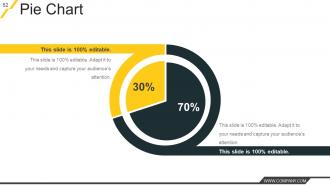
Slide 52: This slide presents Pie Chart. Add text as per need.
Slide 53: This is a Magnifying glass image slide to show information, scoping aspects etc.
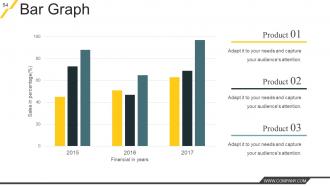
Slide 54: This is a Bar Graph image slide to show product comparison, growth etc.
Slide 55: This is a Funnel image slide to show information, funneling aspects, specifications etc.
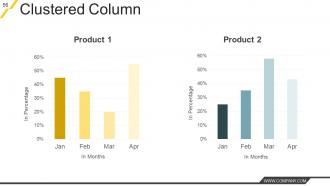
Slide 56: This slide showcases Clustered Column with two product comparison.
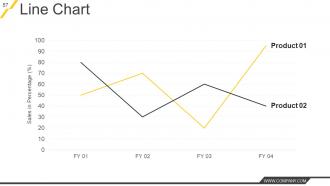
Slide 57: This slide showcases Line Chart with two product comparison.
Slide 58: This is an Area Chart slide to present product/ entity comparison, specifications etc.
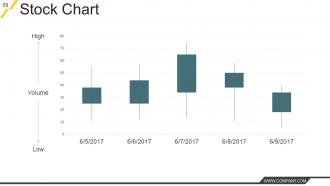
Slide 59: This is a Stock Chart slide to present product/ entity comparison, specifications etc.
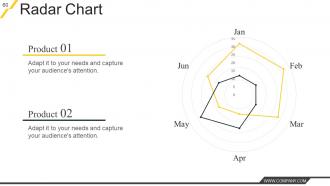
Slide 60: This is a Radar Chart to present product/ entity comparison, specifications etc.
Slide 61: This is a Contact Us slide with Email, Address# street number, city, state, Contact Numbers.
Slide 62: This is a Thank You slide for acknowledgement or to end the presentation.
Product Life Cycle In Marketing Management Powerpoint Presentation Slides with all 62 slides:
Cut down on frivolous expenditure with our Product Life Cycle In Marketing Management Powerpoint Presentation Slides. They help display financial discipline.









FAQs for Product Life Cycle In Marketing Management
So there are four stages to think about: introduction, growth, maturity, and decline. When you're introducing something, you'll burn through cash on promotion and educating people about what the hell your product even does. Growth is honestly the sweet spot - demand takes off, you can expand where you sell it, maybe try some variations. Maturity gets tricky because everyone's competing hard. You need to differentiate somehow or defend your turf with better pricing. Decline means you're either squeezing out whatever profit you can or figuring out your exit. Oh, and match your marketing budget to where you actually are in this cycle, not where you think you should be.
So here's the thing - your customers totally change as your product ages. Early on, you're dealing with risk-takers who need tons of explanation about what you're even selling. Growth phase brings those early adopters (love those people) who actually tell their friends about you. Maturity hits and suddenly everyone wants proven results plus cheap prices. The decline phase though? Those laggards are honestly kind of a pain - they'll only buy when they absolutely have to and they're super price-conscious. My advice: match your messaging to where your customers' heads are at, not just where your product lifecycle says you should be.
Depends on where your product's at, honestly. Early stage? Track how fast you're getting customers and what it's costing you. Growth phase is all about revenue bumps and keeping people around. Maturity gets weird - profit margins become everything since growth basically flatlines. That's the tough part. If you're declining, just focus on cutting costs and figuring out if it's worth saving. Pro tip: set up your dashboards to switch metrics automatically based on your stage. Trust me, you don't want to be staring at useless numbers all day.
Hey! So basically you wanna find ways to refresh your product without starting from scratch. Add new features or improve what you've got. Different versions for specific groups work well too. Also think about expanding to new markets or customers you haven't hit yet - geographic stuff especially. Some of the most successful old products are honestly just masters at reinventing themselves slightly. Oh, and repositioning is huge - same product, different use cases. The trick is staying relevant while using your existing brand power (which you've already built up anyway). Start small with whatever approach feels right, then scale from there.
When your product's failing, innovation can totally save it. Listen to why customers are bailing first - that's your roadmap. Maybe you need better features, new packaging, or completely different uses for the same thing. Arm & Hammer basically turned baking soda into every household product imaginable, which is pretty genius if you ask me. Sometimes it's major overhauls. Other times just smart tweaks work. Get customer feedback and scope out competitors. Then brainstorm how to make your product matter again. Don't overthink it though - just focus on fixing what's actually broken.
So basically your pricing needs to change as your product ages. When you're just launching, go either super low to grab market share or really high if you've got something premium that early adopters will pay for. Growth phase? That's when you can start tweaking prices upward since demand's picking up. Maturity gets rough - everyone's competing on price because honestly, most products look pretty similar by then. Then decline hits and you've got two choices: slash prices to move inventory or keep them high for your die-hard customers. Just don't fool yourself about which stage you're actually in.
Honestly, the biggest mistake I see is companies getting way too cozy when things are going well - then suddenly their product's dying and they're freaking out. Classic move is milking those mature products forever instead of putting money toward what's next. Oh, and pulling marketing budgets the second there's a dip? Terrible idea, that's when you need it most. Most businesses suck at tracking the right metrics too, so they totally miss when things are shifting. My take? Do regular product check-ins and always have your next version cooking before you actually need it.
Honestly, timing is everything with this stuff. Jump in during growth phase - demand's picking up but you're not fighting everyone yet. Introduction phase? Too risky and expensive, trust me. Maturity can work if you've got something really different to offer, but man it gets crowded fast. For getting out, don't wait until things tank. Late maturity is your sweet spot - still decent money to be made. Keep an eye on your market share and margins though. When those start slipping, that's your cue to either switch things up or get out completely.
You know how we learned about that classic product lifecycle curve? Digital stuff totally breaks those rules. Companies skip the maturity phase because there's always some new update or competitor popping up. Growth can happen insanely fast with social media and global reach - like, viral fast. But then products die just as quickly when something better drops. I swear, it's exhausting keeping up sometimes. The whole rise-peak-decline thing? Forget it. Now you've got to plan for way shorter cycles and stay flexible. Products iterate constantly instead of following that predictable pattern we studied.
Honestly, customer feedback is everything at this stage - you can still fix stuff before it becomes a nightmare later. Set up surveys, monitor social media, do direct interviews, whatever gets people talking. The complaints are actually where you'll find the best info (I know, sounds backwards but trust me). Focus on usability problems, pricing issues, and missing features since pivoting is way easier now than down the road. Act quickly on what you discover though. People really notice when companies actually listen and make changes based on their input.
Look, you've gotta bake this stuff into your whole process from day one. Start with materials - are they ethically sourced? Will your product actually last or break in six months? Manufacturing gets messy fast with labor issues and emissions. Then there's how people use it - energy consumption, safety, whether it's accessible to everyone. Don't even get me started on disposal. Can it be recycled or refurbished, or will it just sit in a landfill forever? The trick is thinking about all this upfront instead of scrambling to fix things later.
Seasonal stuff is weird because you're basically cramming a whole product lifecycle into just a few months, then doing it all over again. Track each season separately - your Christmas decorations might be doing great while Easter stuff is tanking. Honestly, it's exhausting how fast you cycle from launch to decline! The trick is getting your inventory and marketing timed perfectly around those predictable peaks. Use the dead months to figure out what worked and what didn't. Then prep for the next season's rush.
Dude, global markets totally mess with your product's life cycle timeline. Like, your product could be dying in the US but absolutely crushing it in Brazil or something - the timing differences are crazy. Launch strategically in new regions when domestic sales start flatlining to keep the money flowing. You'll have to tweak features, pricing, and marketing for each culture though. Different economic situations mean different stages everywhere. Honestly, I'd map out which markets are where in the cycle so you don't waste resources or kill something that's still profitable somewhere else.
Yeah absolutely! Track customer adoption and revenue instead of physical sales numbers. Services hit the same stages - intro, growth, maturity, decline. Netflix is a perfect example, going from DVDs to streaming to making their own shows. Pretty smart evolution if you ask me. You can predict when to innovate or pivot, which is super helpful for planning. Services are way easier to update than physical products though - you're not stuck with inventory sitting in warehouses. Map out where your services are on that curve right now. Then figure out what's next before you hit decline mode.
So for tracking product life cycles, you've got a few solid options. Siemens Teamcenter and PTC Windchill are the big enterprise PLM tools - they're pretty comprehensive but kinda pricey. Smaller companies usually do fine with Airtable or Monday.com since you can customize workflows. Honestly, I started with just Excel and it worked better than expected. Google Analytics and Mixpanel are great for tracking how things perform at each stage too. My advice? Start with whatever you already have access to, then upgrade when you actually need the fancy features. No point overcomplicating it from day one.
-
Great product with effective design. Helped a lot in our corporate presentations. Easy to edit and stunning visuals.
-
Attractive design and informative presentation.