


Project governance proposal template powerpoint presentation slides
Project Governance is the ultimate part of the project within which some critical decisions about the project are made. It is an extremely critical element of a project since the liabilities and responsibilities accompanying an organization are laid down in this framework, and none of the framework is equivalent to what project governance provides. Therefore, if your company has a well-defined approach which is project governance, you will be able to take far better and effective decisions. In such a case project proposal ppt comes in very handy. Without a project proposal in place you will not be able to coordinate your resources, equipment and other materials within the timeframe decided. This will make it difficult for you to meet your project objectives. Here we have provided an informative project governance PPT template to help you present your proposal so that you don’t go off track. This template will help you in remaining inline with your goals and objectives, and it will also help you in focusing on the aspects that make a project successful. Define your project content and key deliverables using this PPT. You can also describe the various stages, and the steps involved such as initial consultation, solution design, and modelling, implementation, etc. It is also imperative that you cite your services that are unique to your organization. This PPT slideshow has been designed after conducting thorough research on the topic and so it entails all the key elements like project summary, project timeline, fee structure, about us, etc. that you can easily use to propose your services in front of your clients. Therefore download this Project Governance Proposal PowerPoint Presentation Slides now to professionally and effectively demonstrate your expertise with a proposal that shines.
Project Governance is the ultimate part of the project within which some critical decisions about the project are made. It ..










-

- Google Slides is a new FREE Presentation software from Google.
- All our content is 100% compatible with Google Slides.
- Just download our designs, and upload them to Google Slides and they will work automatically.
- Amaze your audience with SlideTeam and Google Slides.
-

Want Changes to This PPT Slide? Check out our Presentation Design Services
-

- WideScreen Aspect ratio is becoming a very popular format. When you download this product, the downloaded ZIP will contain this product in both standard and widescreen format.
-

- Some older products that we have may only be in standard format, but they can easily be converted to widescreen.
- To do this, please open the SlideTeam product in Powerpoint, and go to
- Design ( On the top bar) -> Page Setup -> and select "On-screen Show (16:9)” in the drop down for "Slides Sized for".
- The slide or theme will change to widescreen, and all graphics will adjust automatically. You can similarly convert our content to any other desired screen aspect ratio.
Compatible With Google Slides

Get This In WideScreen
You must be logged in to download this presentation.


Do you want to remove this product from your favourites?
PowerPoint presentation slides
If your company needs to submit a Project Governance Proposal Template Powerpoint Presentation Slides look no further.Our researchers have analyzed thousands of proposals on this topic for effectiveness and conversion. Just download our template, add your company data and submit to your client for a positive response.

People who downloaded this PowerPoint presentation also viewed the following :
Content of this Powerpoint Presentation
Slide 1: This slide introduces Project Governance Proposal Template. Mention Company address, Proposal name and Delivered date.
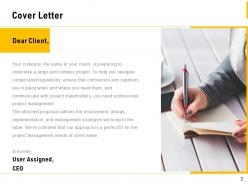
Slide 2: This slide displays the Cover Letter.
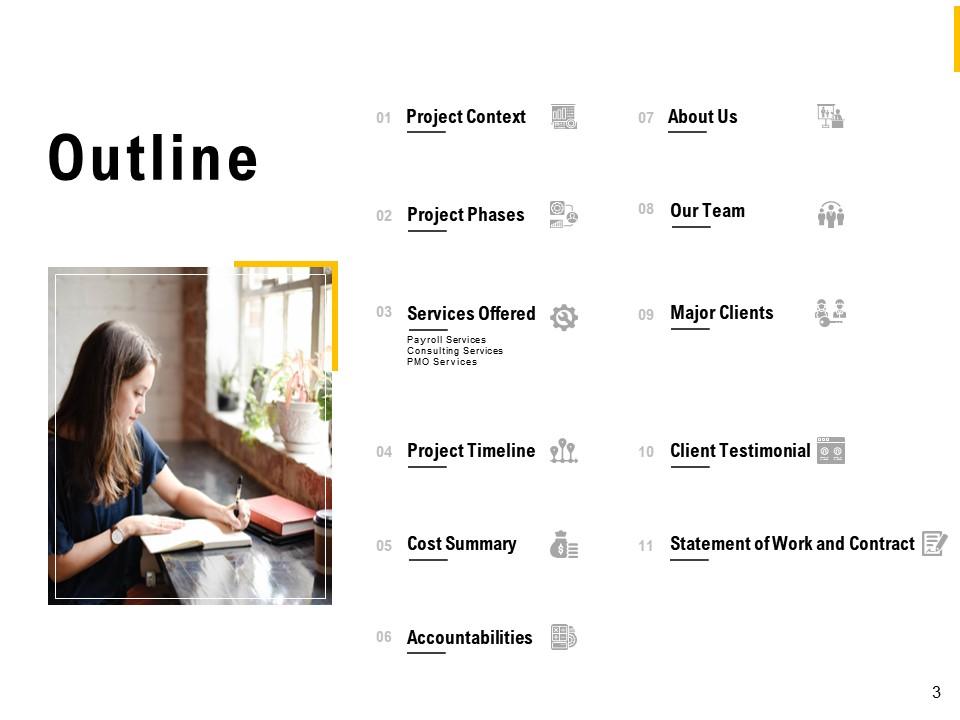
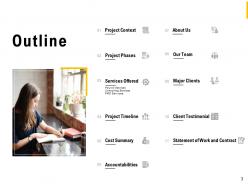
Slide 3: This slide displays Outline of the presentation.
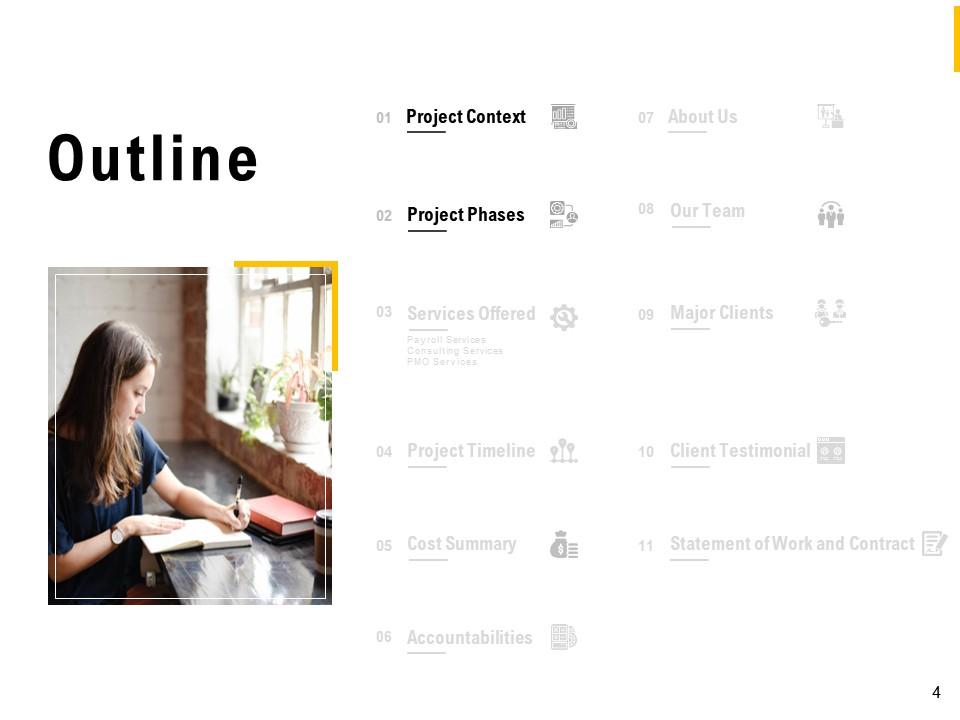
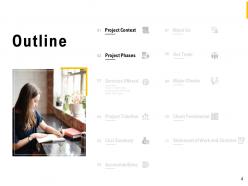
Slide 4: This slide displays the Outline of the presentation.
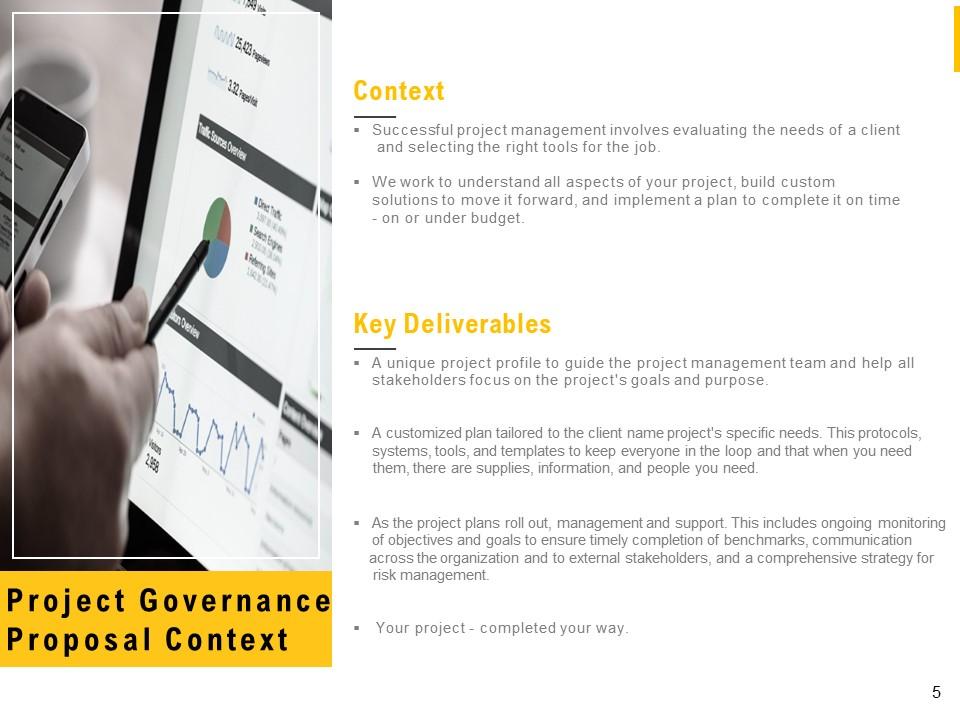
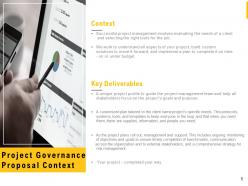
Slide 5: This slide depicts Project Governance Proposal Context with- Key Deliverables.
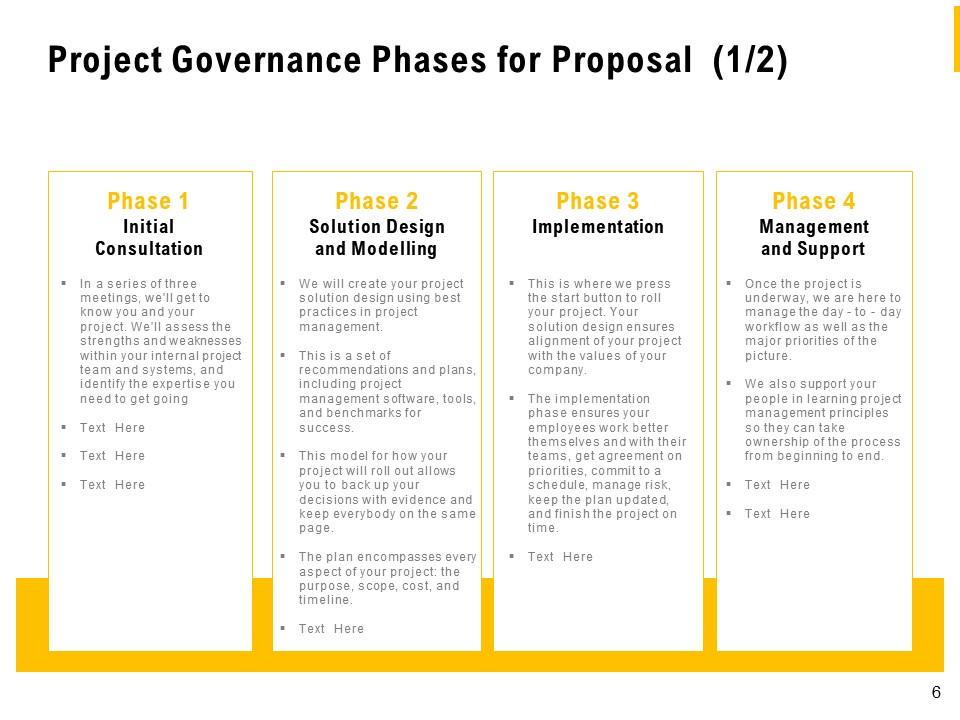
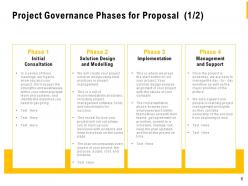
Slide 6: This slide showcases Project Governance Phases for Proposal.
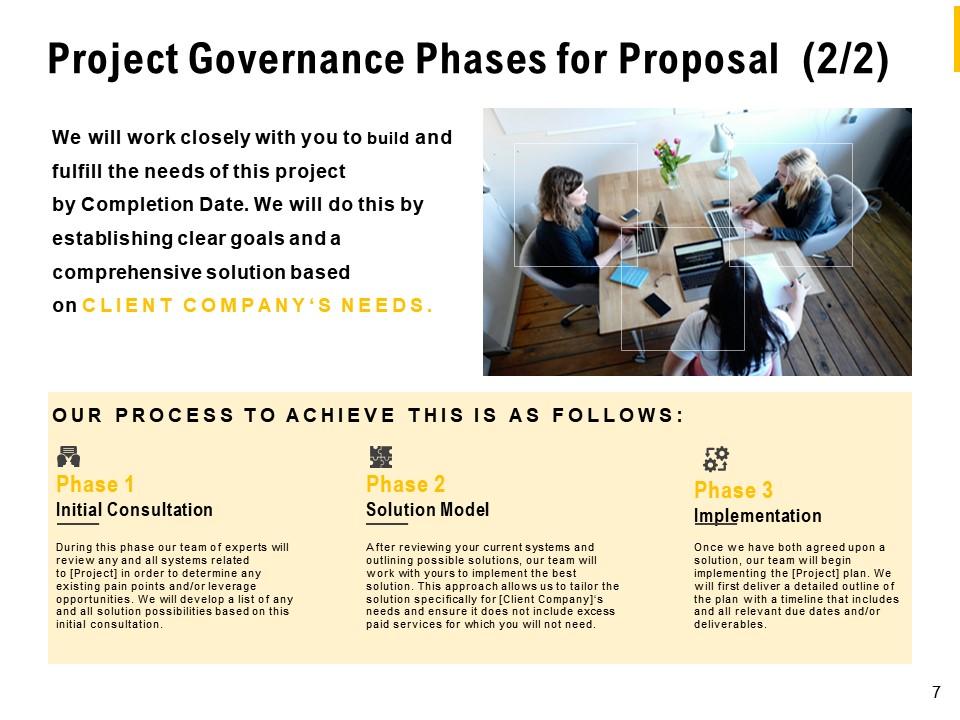
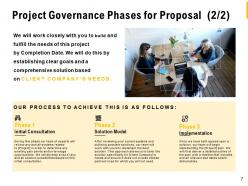
Slide 7: This slide depicts Project Governance Phases.
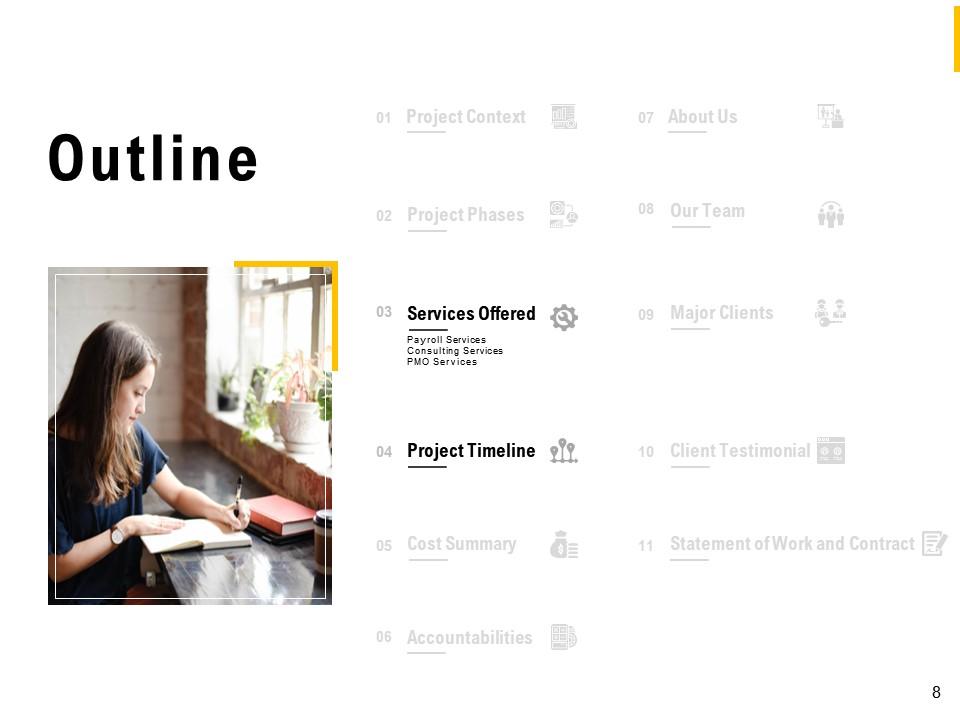
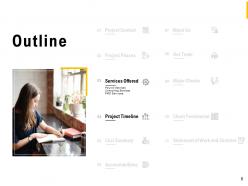
Slide 8: This slide displays the Outline containing- About Us, Client Testimonial, Statement of Work and Contract, Major Clients, Our Team, Accountabilities, Project Context, Project Timeline, Cost Summary, Services Offered, Payroll Services, Consulting Services, PMO Services, Project Phases.
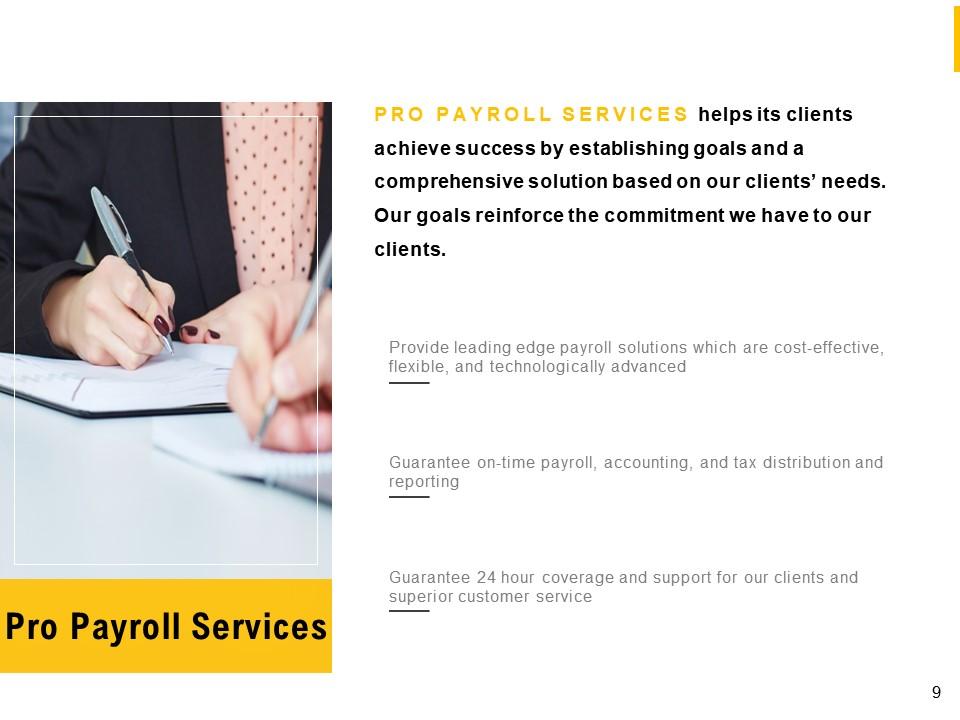
Slide 9: This slide showcases Pro Payroll Services.
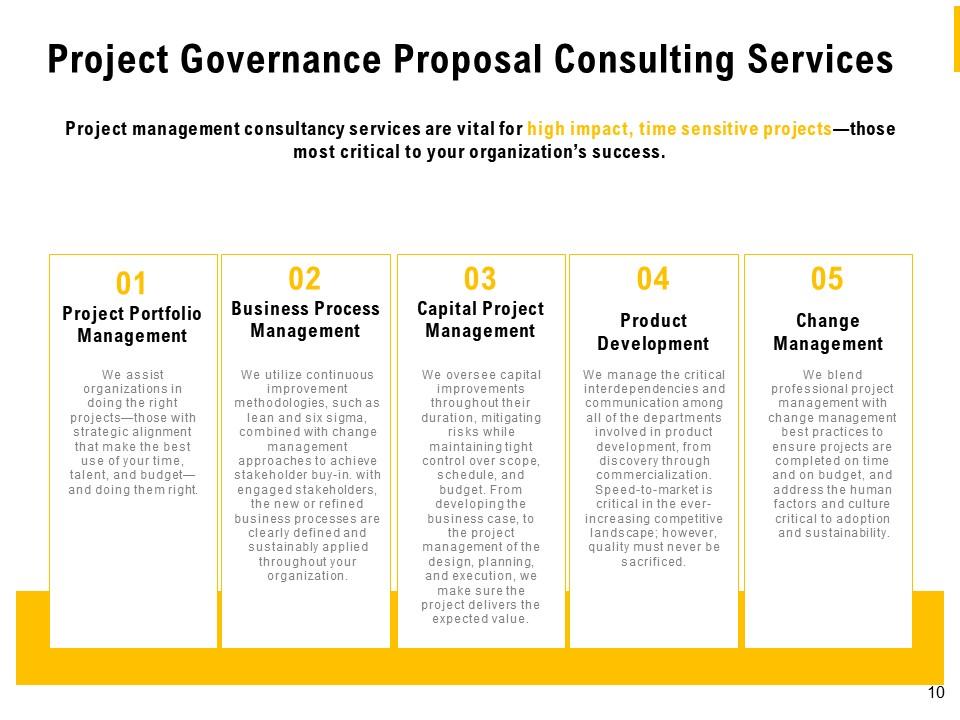
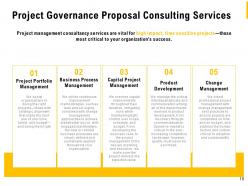
Slide 10: This slide displays Project Governance Proposal Consulting Services containing- Project Portfolio Management, Product Development, Business Process Management, Change Management, Capital Project Management.
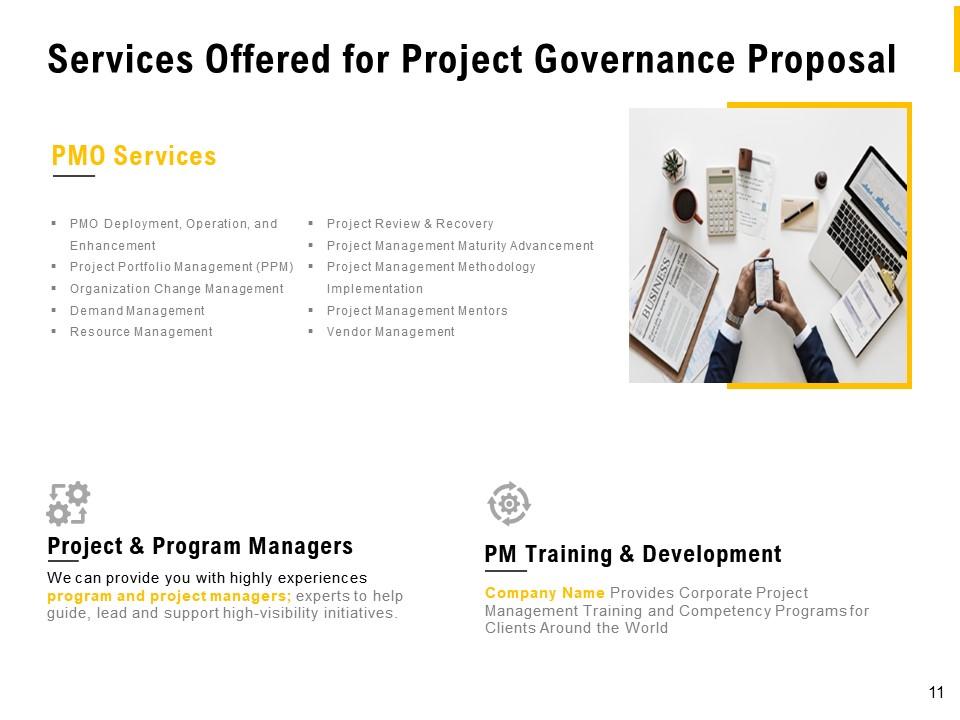
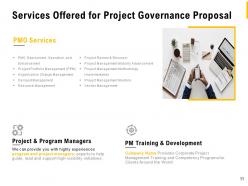
Slide 11: This slide showcases Services Offered for Project Governance Proposal.
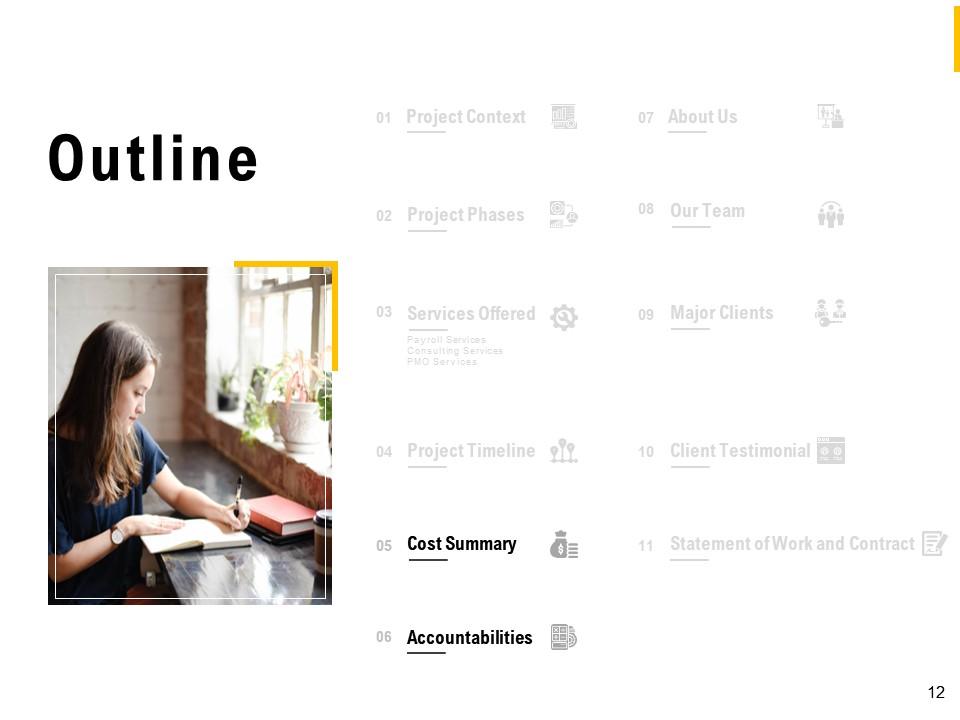
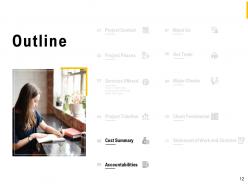
Slide 12: This slide displays the Outline of the presentation.
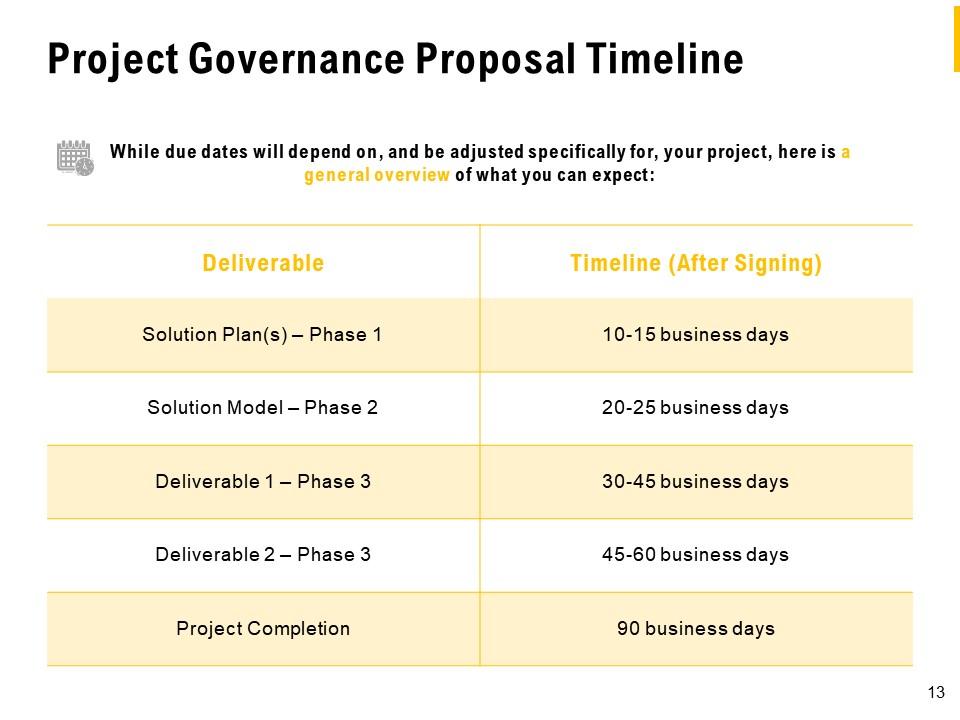
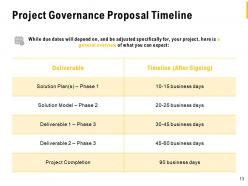
Slide 13: This slide showcases Project Governance Proposal Timeline.
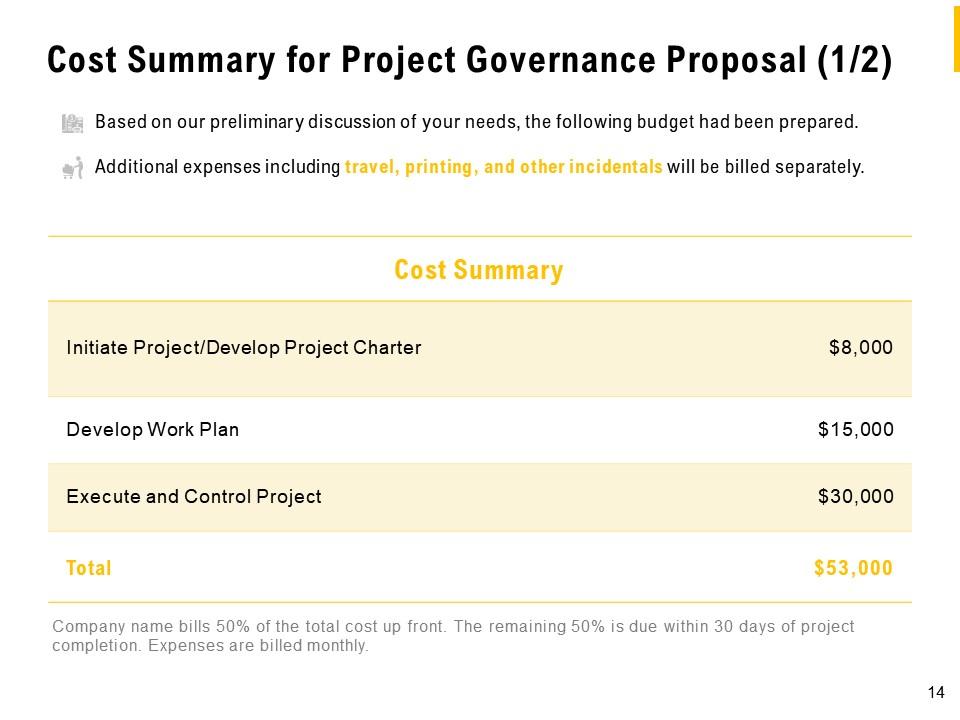
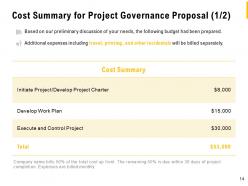
Slide 14: This slide displays Cost Summary for Project Governance Proposal.
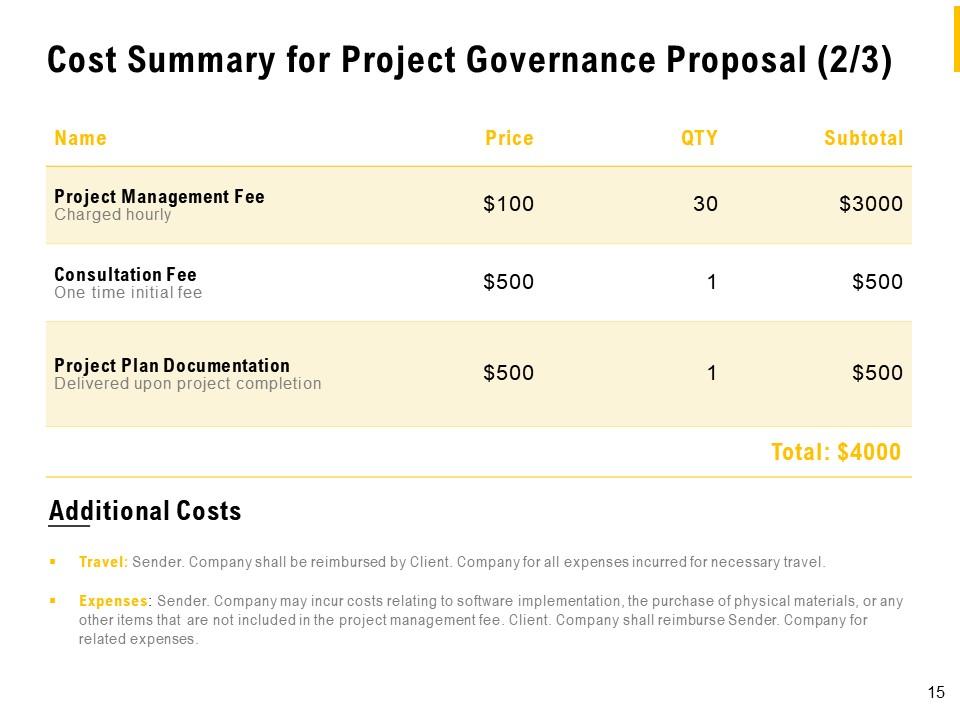
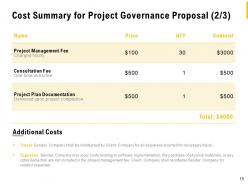
Slide 15: This slide depicts Cost Summary for Project Governance Proposal.
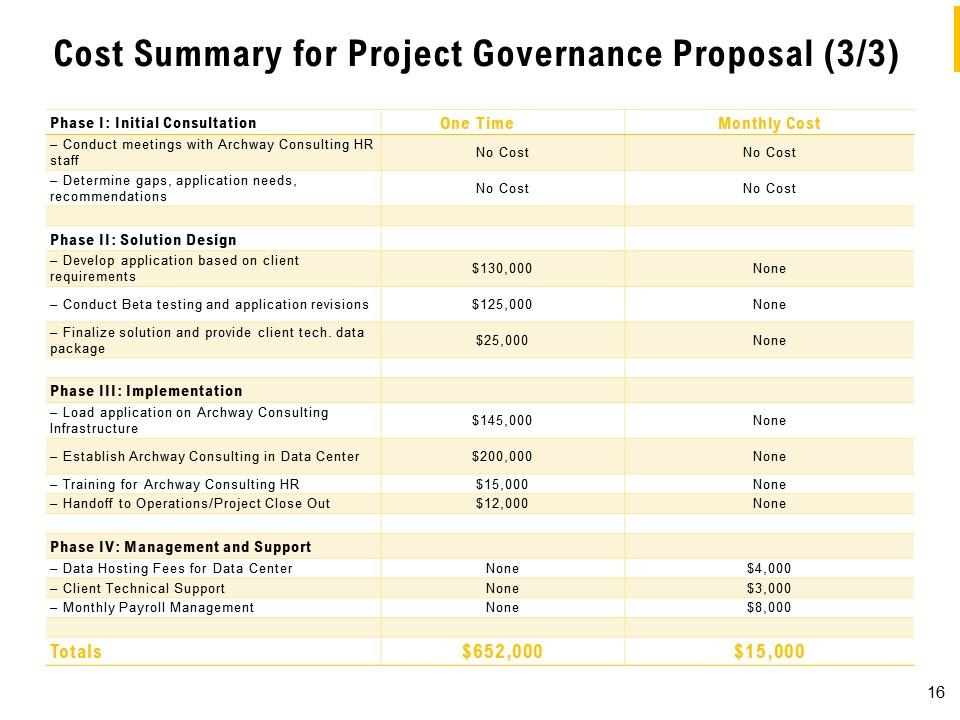
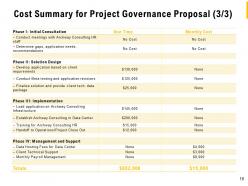
Slide 16: This slide presents Cost Summary for Project Governance Proposal
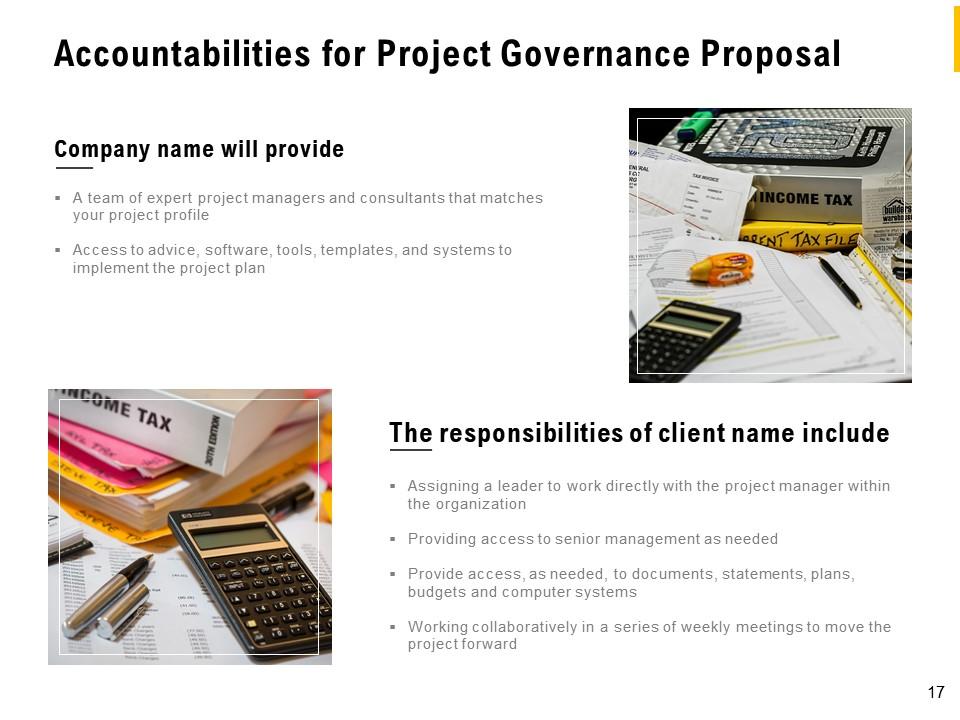
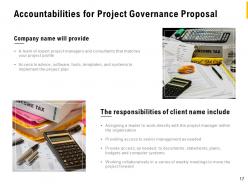
Slide 17: This slide showcases Accountabilities.
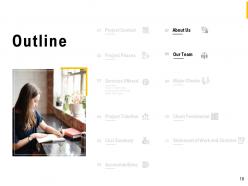
Slide 18: This slide showcases the Outline of the presentation.
Slide 19: This is About Us slide with company specifications.
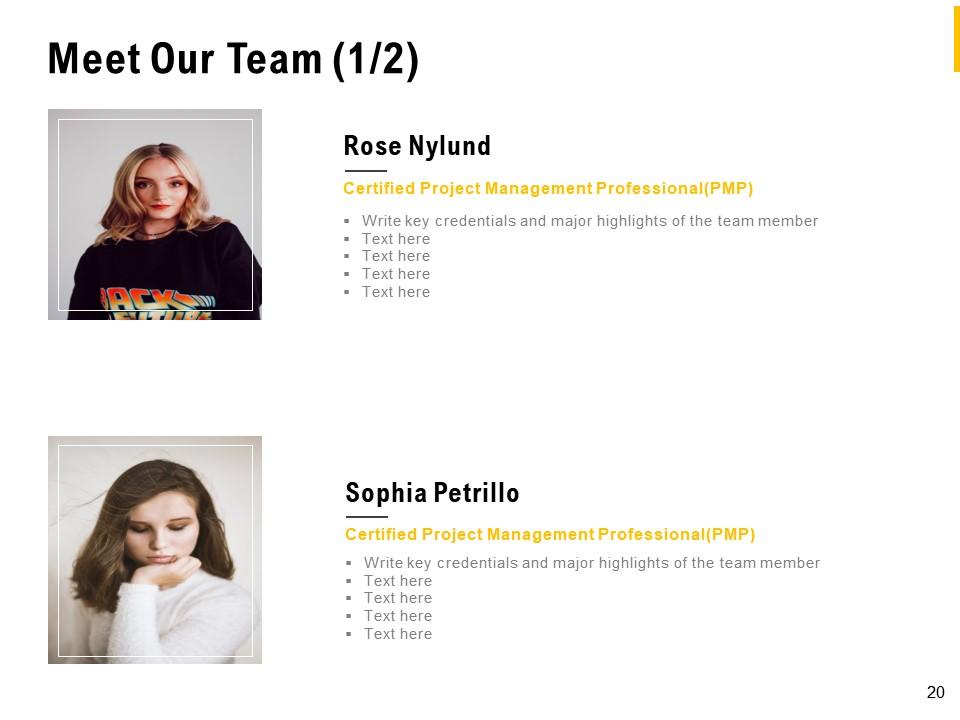
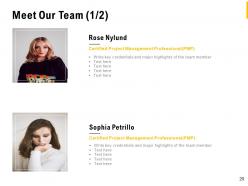
Slide 20: This is Meet Our Team slide with key credentials and major highlights of the team member.
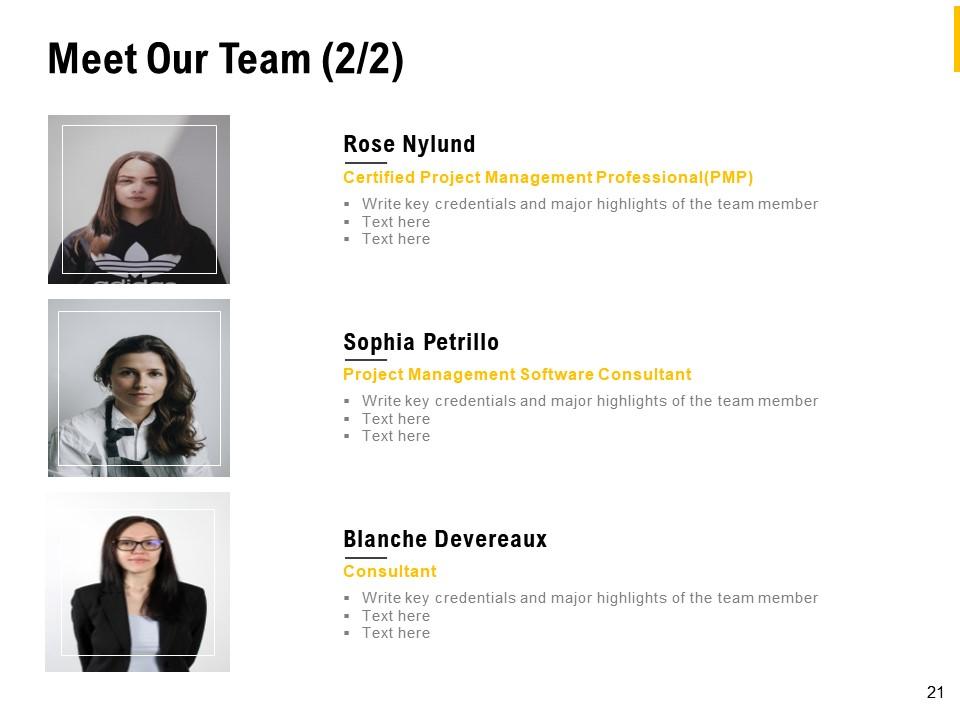
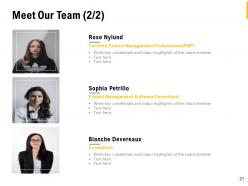
Slide 21: This is also Meet Our Team slide with key credentials and major highlights of the team member.
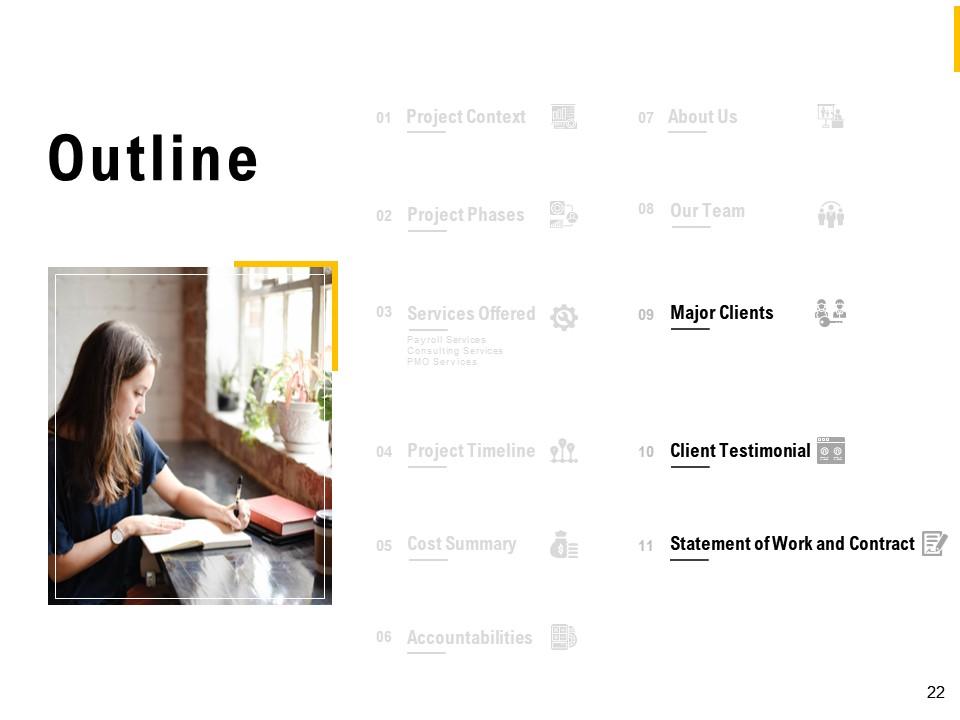
Slide 22: This slide displays the Outline of the presentation.
Slide 23: This slide depicts Major Client with Company logo.
Slide 24: This slide displays Client Testimonials with client names and designations.
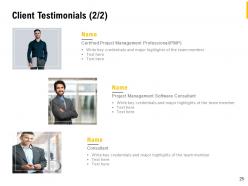
Slide 25: This slide also displays Client Testimonials Client Testimonials with client names and designations.
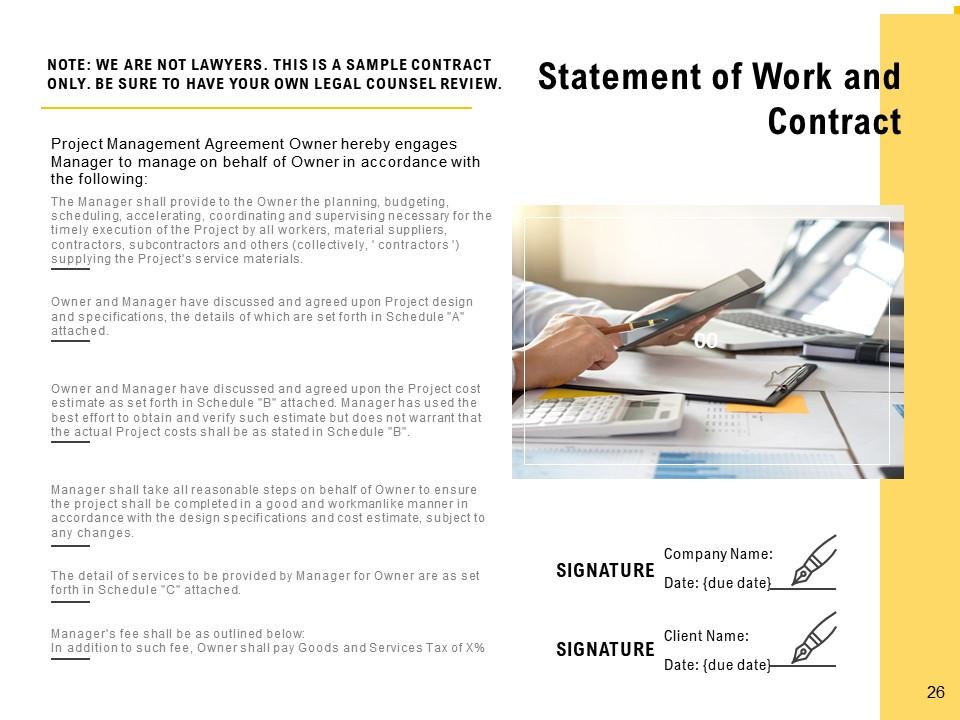
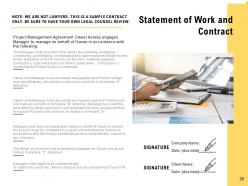
Slide 26: This slide showcases Statement of Work and Contract.
Slide 27: This is Contact Us slide with Email address, Contact numbers, and address.
Slide 28: This slide is titled as Additional Slides for moving forward.
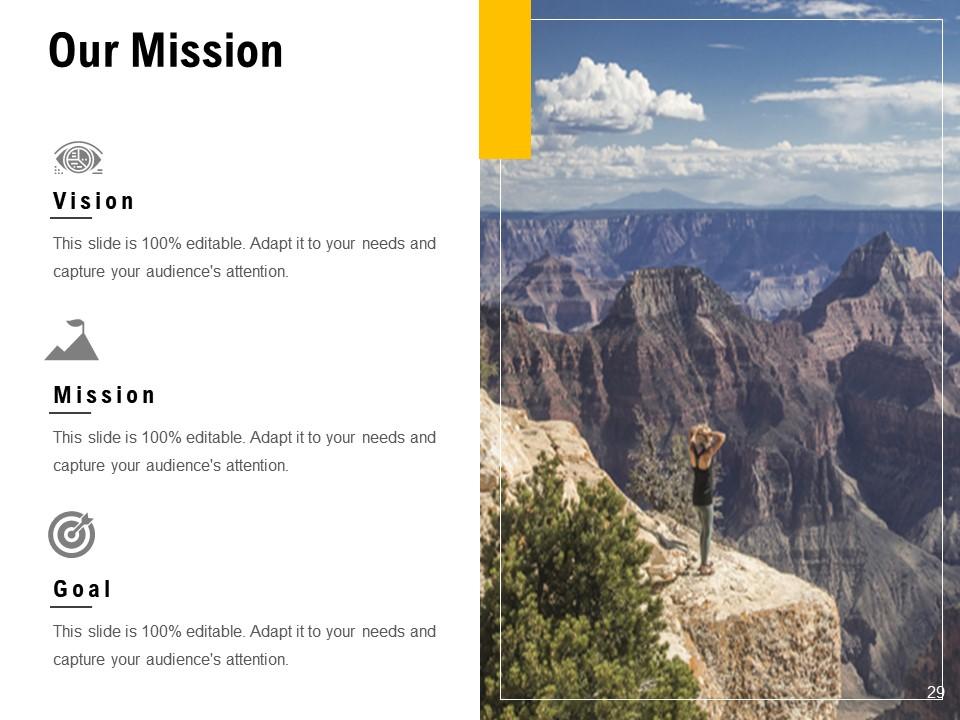
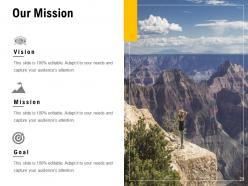
Slide 29: This is Our Mission slide Vision, Mission and Goals.
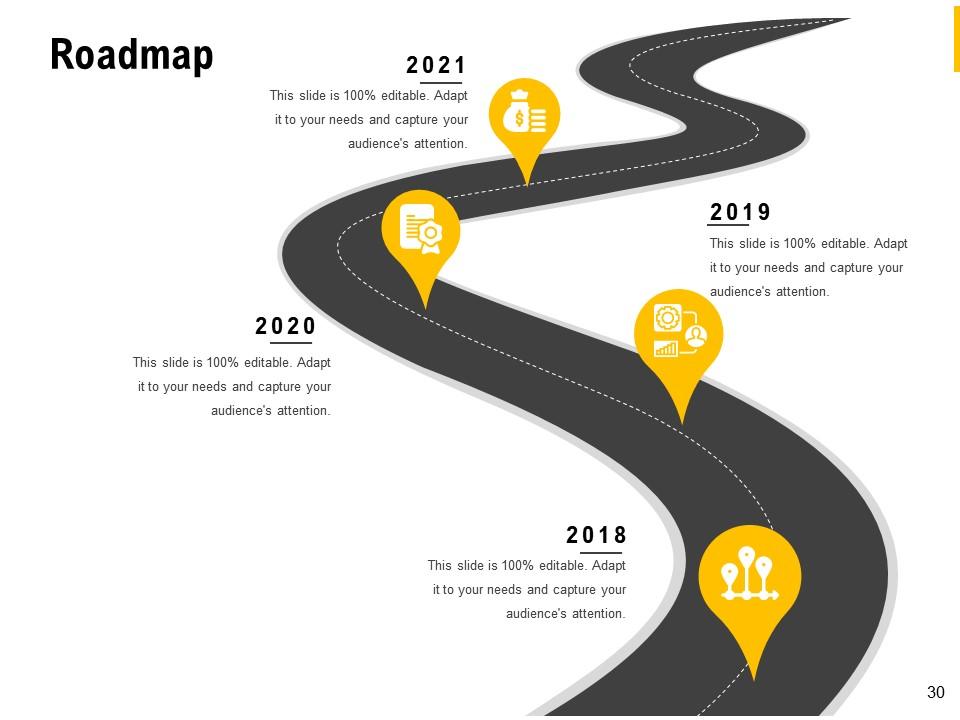
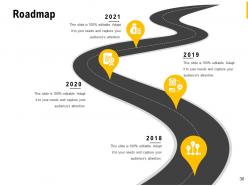
Slide 30: This slide showcases Roadmap process.
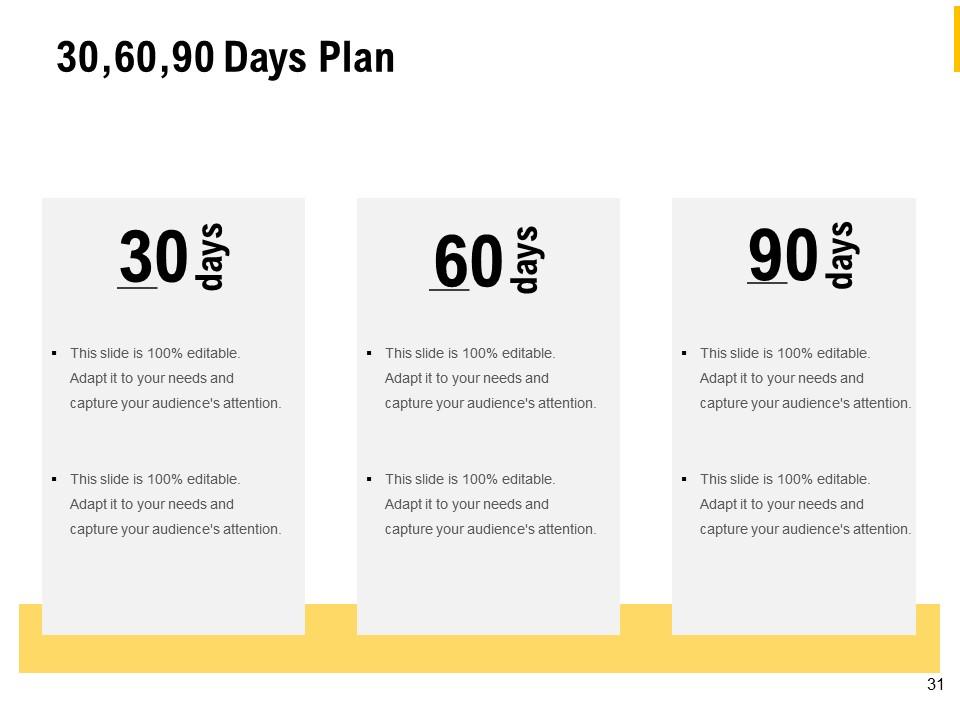
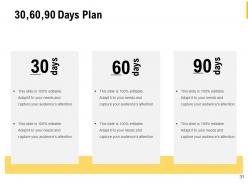
Slide 31: This is 30,60,90 Days Plan slide.
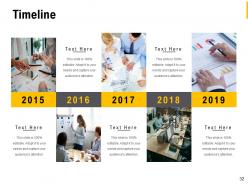
Slide 32: This is five years Timeline slide.
Project governance proposal template powerpoint presentation slides with all 32 slides:
Use our Project Governance Proposal Template Powerpoint Presentation Slides to effectively help you save your valuable time. They are readymade to fit into any presentation structure.
-
Unique and attractive product design.
