Project introduction powerpoint slide templates

Rating:
90%
Project introduction powerpoint slide templates
Slide 1 of 5
Favourites Favourites

Try Before you Buy Download Free Sample Product

Audience Impress Your
Audience
Editable 100%
Editable
Time Save Hours
of Time
The Biggest Sale is ending soon in
0
0
:
0
0
:
0
0
Rating:
90%
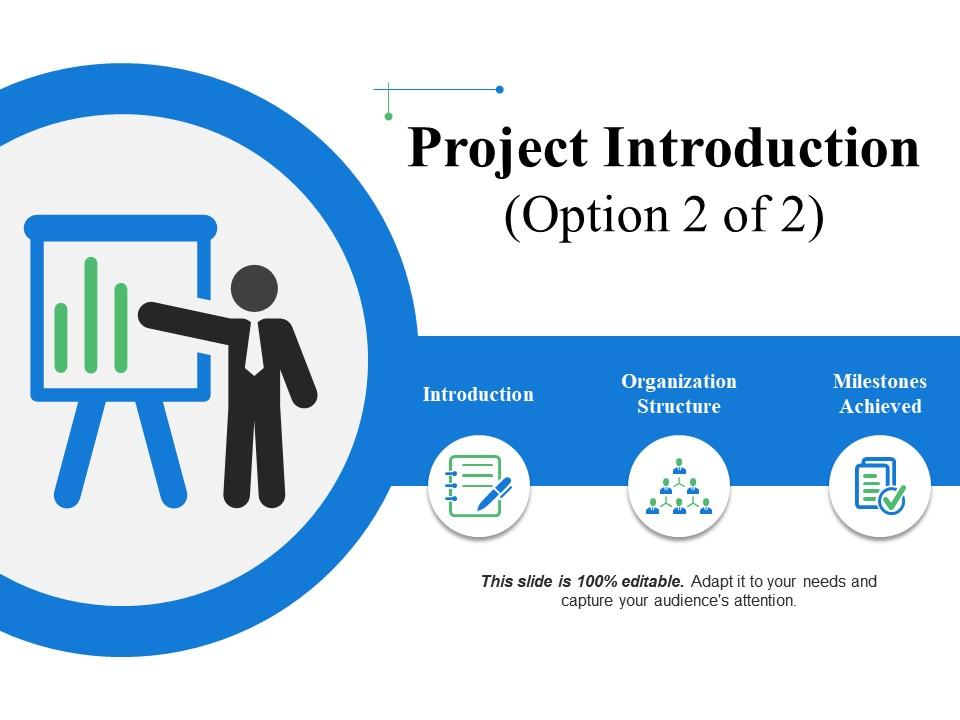
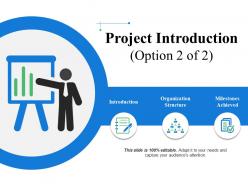
Presenting this set of slides with name - Project Introduction Powerpoint Slide Templates. This is a three stage process. The stages in this process are Introduction, Organization Structure, Milestones Achieved.

FAQs for Project introduction

Okay so for your intro slide, you'll want the project title, problem statement, your solution, who's involved, and timeline/milestones. Most people mess this up by diving straight into tech stuff - huge mistake. Start with what problem you're actually solving and why anyone should care. Keep that problem statement short, like one sentence tops. Don't skip the stakeholders part either. Shows you're not just winging it. Then wrap up with your timeline so people know what comes next. I swear, half the project presentations I sit through leave me confused about the basic "what" and "why" - yours shouldn't be one of them.

So basically you want to grab them right away with something they actually give a shit about. I'd start with a real example or crazy stat that makes them go "wait, what?" Skip all that boring corporate speak—nobody wants to hear another presentation about "optimizing synergies" or whatever. Quick story works too if it's relatable. Then connect it to what you're actually doing. The key is making them care about whether you succeed or fail. Oh and definitely spell out what winning looks like upfront. Trust me, if they're not hooked in the first 30 seconds, you've already lost them.

So basically, the project background is like telling people "here's why this matters" before you dive into everything else. It explains what problem you're trying to fix or what opportunity you spotted. Without it, you're just throwing solutions at people without context - super confusing honestly. Think of it as your foundation that everything builds from. Start with the problem, then naturally flow into your objectives and scope. Creates this logical story arc from "here's what's wrong" to "here's how we'll fix it." Pretty straightforward once you get the hang of it.

Honestly, just pick something that instantly shows your problem/solution. Before/after shots work amazingly well. Process diagrams are solid too. Whatever you do, skip the cheesy stock photos - they're presentation suicide. Your visual needs to hook people right away, like within 3 seconds of them seeing it. Charts are fine if you've got data, but make them stupidly simple and highlight one main point. I learned this the hard way after boring people to death with cluttered slides. Also make sure it's huge - people in the back shouldn't be squinting.

Don't write some boring generic intro that could be slapped onto any project ever - those are the worst. Start with the actual problem you're solving instead of jumping into technical stuff right away. I see people do this constantly and their audience just gets lost. You're not writing for yourself, remember? Make it clear why anyone should care about your project from the get-go. Focus on the impact first, then give just enough background to hook them. Oh, and don't info-dump everything at once or you'll lose them before they even understand what you built.

Figure out your main goal first - like, what's the actual point of this whole thing? Write it in one sentence that makes sense. After that, break it down into 3-4 smaller goals you can actually measure. The SMART goals thing is annoying but it works. Each one should answer "what will we accomplish?" not "how are we gonna do it" - that's process stuff. Don't use fancy words that'll confuse people. I always write mine as bullet points first, then run them by someone who has zero clue about the project. If they're confused, you need to simplify more.

Match your audience, honestly. Tech people want straight facts and data - skip the fancy stuff. Creative projects? Go for storytelling vibes. Executives need you to sound confident and authoritative, but team meetings can be way more chill. I totally crashed a client pitch once by being too casual - learned that lesson fast! Academic stuff requires formal language, obviously. Here's what actually works: pay attention to how they normally communicate in emails or meetings, then copy that energy. It's like code-switching but for presentations. Works every time.

Honestly, I used to overthink this so much. Just figure out what each person actually cares about. Executives want to see ROI and business impact right up front - they're busy and need the bottom line fast. Your technical team? They want implementation details and potential roadblocks. End users care about what's in it for them personally. Before writing anything, I literally ask myself "what's this person's biggest headache right now?" Then I lead with that pain point and show how my project fixes it. Same info, different angles. Works way better than trying to make one presentation fit everyone.

Honestly, just watch how people react in those first few meetings. Are they asking smart questions or looking totally lost? Team members should start contributing pretty quickly if your intro actually landed. I've learned the hard way that early goal alignment is everything - way better than scrambling later when everyone's confused about scope. Track how fast the "wait, what are we doing again?" questions drop off. Also, do your original timelines still make sense after a few weeks? That's usually a dead giveaway. Oh, and people showing up to meetings consistently is actually a decent sign too. Start measuring this stuff from day one so you can course-correct before things go sideways.

Dude, you absolutely have to nail the problem statement first. I can't tell you how many projects I've seen crash and burn because people jumped straight into their brilliant solution without explaining why anyone should give a damn. Stakeholders need that "why" upfront - what's broken, who's affected, why should they care? It's like telling a story without the setup. Actually, think of it more like you're building a case. Short version: if you don't hook them with a solid problem, they'll tune out before you get to the good stuff. Always start there.

Okay so first thing - hit them with something that makes them go "wait, what?" Right off the bat. Could be a crazy stat or just a question that gets under their skin. Then I'd do the whole problem-solution-benefit thing, but throw in a quick story because honestly? Pure numbers are boring as hell. Talk like you're having coffee with them, not giving some corporate speech. Oh and pause after your big points - people need a second to process. Here's the key though: everything you say needs to answer "so what?" for THEM specifically. What's their headache you're solving? End with a little cliffhanger so they don't zone out halfway through.

Okay so three things max for your project scope: what you're building, who it's for, and what problem it fixes. Honestly, people's attention spans are trash - you've got like 30 seconds before they're scrolling their phone. Start with the main thing you're making, then quickly hit who needs it and why it sucks without your solution. Don't dump the whole backstory or get technical yet. Save that stuff for later sections. You just want them to get why this project matters without their eyes glazing over from too much detail.

Start with the problem you're fixing - something they'll actually relate to. Concrete numbers work way better than vague stuff, so say "cuts 40 hours per week" instead of just "more efficient." I always include some quick story people can visualize. Compare it to something they already know, or honestly just paint the picture of what happens if they do nothing (yikes). Connect it back to whatever company goals or trends they're obsessing over right now. Then finish with the one benefit that'll make them go "okay yeah, we definitely need this."

Right after you introduce what the project's about, jump into why each person's perfect for it. Don't dump their whole career history though - just the stuff that actually matters for what you're building. Show how this specific mix of people makes sense together. Like if Sarah's doing both design and user research, mention that flexibility since it's honestly pretty valuable. Keep it short but sound confident about your choices. The whole point is making stakeholders think "yeah, these are definitely the right people for this." You want them feeling good about the team before you even get to the details.

Get feedback early - like, way earlier than you think. I used to wait until I had this "perfect" draft, but that's just asking for pain. Last year I had to scrap an entire project brief because I waited too long to get input. Ask specific questions too. Instead of "what do you think?" try "does this actually nail the problem we're solving?" Way more useful. Quick review sessions are your friend. Don't get too attached to your first version either - honestly, the best intros come from tweaking things multiple times. Write down what feedback you use and why, otherwise you'll be having the same conversations over and over.

Ratings and Reviews

90% of 100
Review Form
Write a review
Most Relevant Reviews
  1. 80%

    by Denver Fox

    Professional and unique presentations.
  2. 100%

    by David Wright

    Much better than the original! Thanks for the quick turnaround.

2 Item(s)

per page: