


Project quality assurance and control management plan powerpoint presentation slides
A project quality assurance and control management plan is a formal document that outlines how quality assurance and control will be managed for a project. The plan should include the Project Manager's quality objectives, as well as the roles and responsibilities of each team member in relation to quality assurance and control. Furthermore, the plan should identify the tools and techniques that will be used to monitor and report on project quality. SlideTeam’s technology quality assurance ppt templates will help you create a top-notch project quality assurance and control management plan. Our templates are easy to use and customizable, so you can make them fit your specific needs. Plus, they’re already pre-loaded with all the slides you need to get started. So download our templates now and start creating a winning project quality assurance and control management plan today.
A project quality assurance and control management plan is a formal document that outlines how quality assurance and contro..









-

- Google Slides is a new FREE Presentation software from Google.
- All our content is 100% compatible with Google Slides.
- Just download our designs, and upload them to Google Slides and they will work automatically.
- Amaze your audience with SlideTeam and Google Slides.
-

Want Changes to This PPT Slide? Check out our Presentation Design Services
-

- WideScreen Aspect ratio is becoming a very popular format. When you download this product, the downloaded ZIP will contain this product in both standard and widescreen format.
-

- Some older products that we have may only be in standard format, but they can easily be converted to widescreen.
- To do this, please open the SlideTeam product in Powerpoint, and go to
- Design ( On the top bar) -> Page Setup -> and select "On-screen Show (16:9)” in the drop down for "Slides Sized for".
- The slide or theme will change to widescreen, and all graphics will adjust automatically. You can similarly convert our content to any other desired screen aspect ratio.
Compatible With Google Slides

Get This In WideScreen
You must be logged in to download this presentation.


Do you want to remove this product from your favourites?
PowerPoint presentation slides
It has PPT slides covering wide range of topics showcasing all the core areas of your business needs. This complete deck focuses on Project Quality Assurance And Control Management Plan Powerpoint Presentation Slides and consists of professionally designed templates with suitable graphics and appropriate content. This deck has total of fifty four slides. Our designers have created customizable templates for your convenience. You can make the required changes in the templates like colour, text and font size. Other than this, content can be added or deleted from the slide as per the requirement. Get access to this professionally designed complete deck PPT presentation by clicking the download button below.

People who downloaded this PowerPoint presentation also viewed the following :
Content of this Powerpoint Presentation
Slide 1: This slide introduces Project Quality Assurance and Control Management Plan. State your Company name and begin.
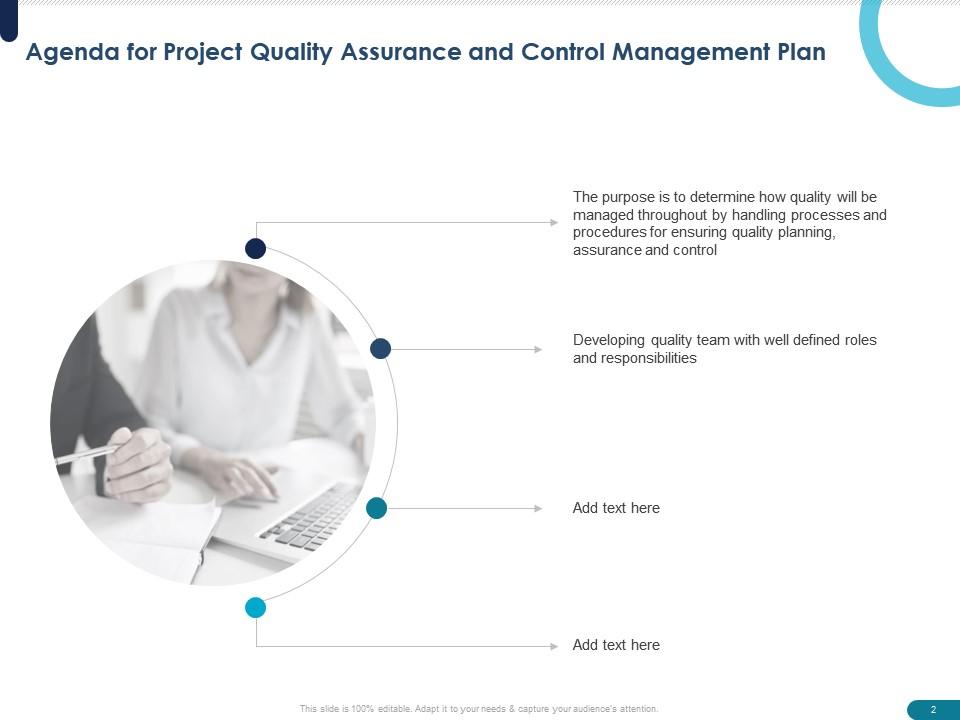
Slide 2: This slide showcases Agenda for Project Quality Assurance and Control Management Plan
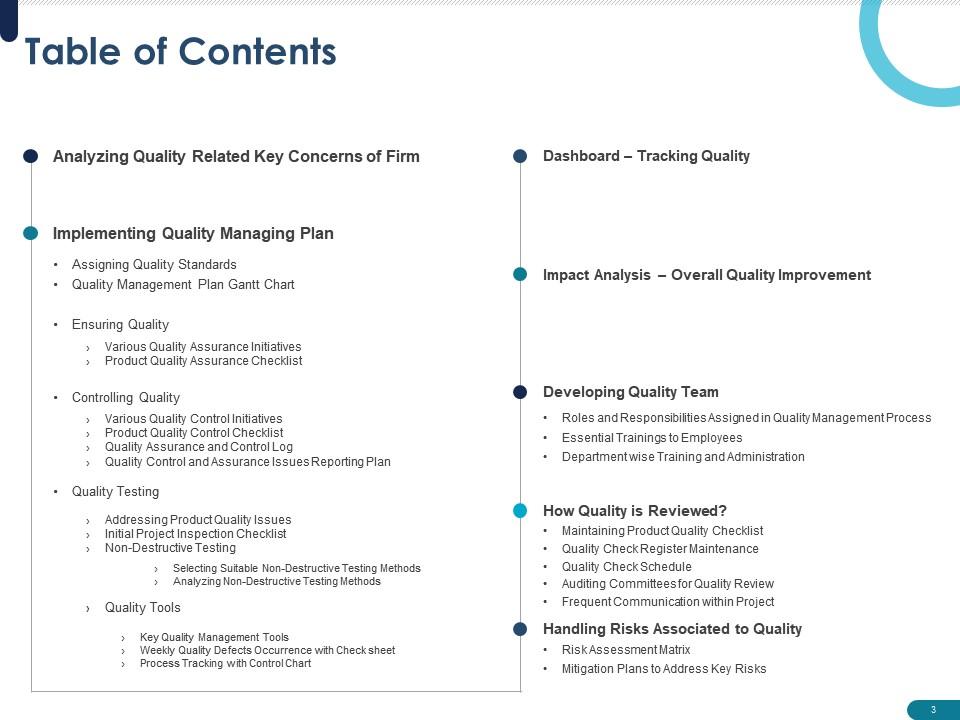
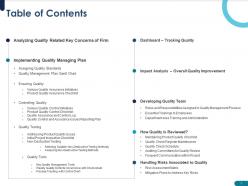
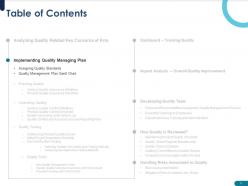
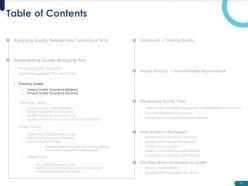
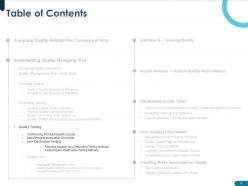
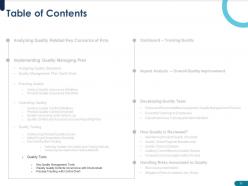
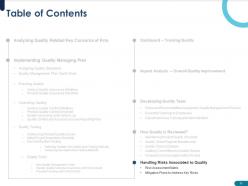
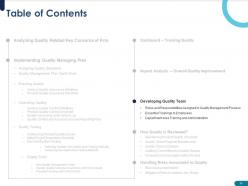
Slide 3: This slide displays Table of Contents.
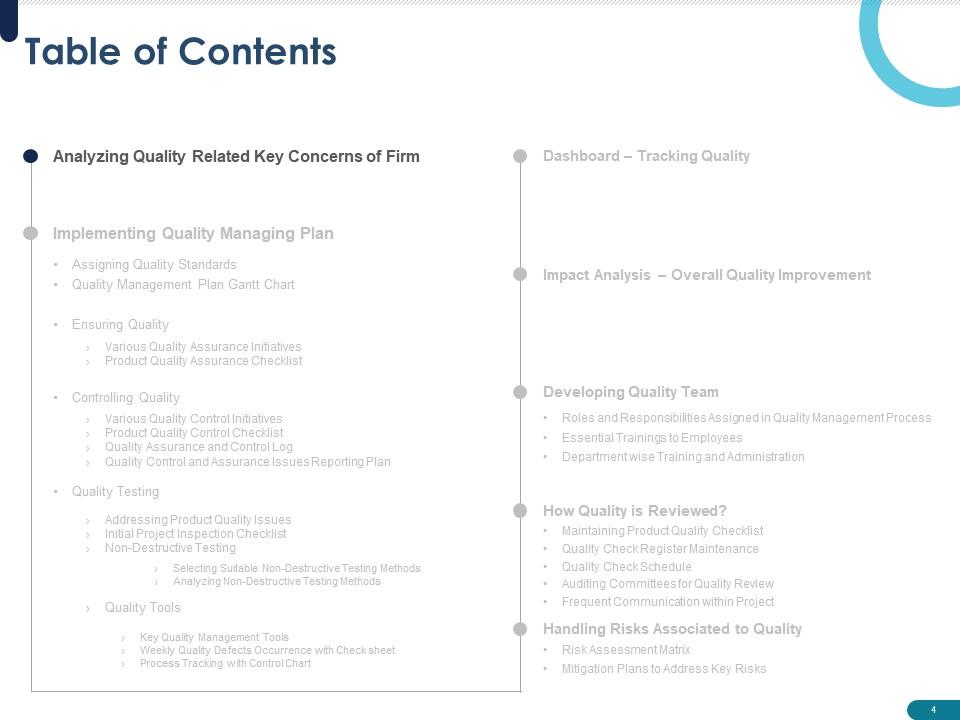
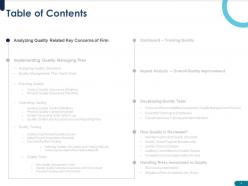
Slide 4: This slide displays Table of Contents of the presentation.
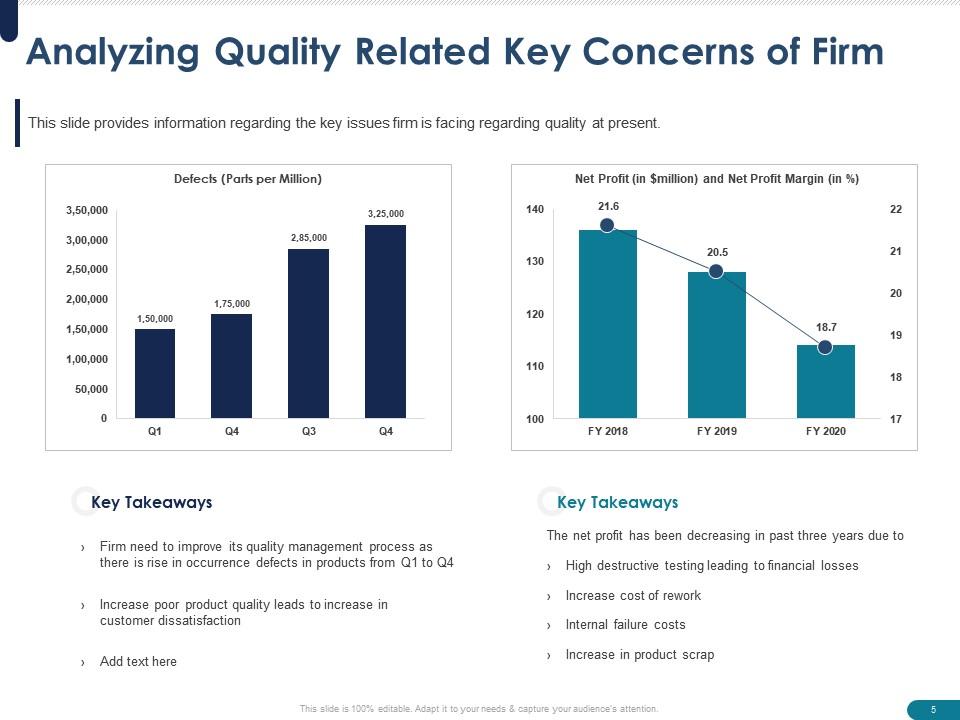
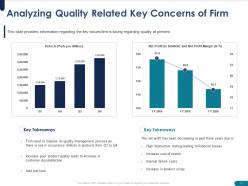
Slide 5: This slide provides information regarding the key issues firm is facing regarding quality at present.
Slide 6: This slide showcases Table of Contents.
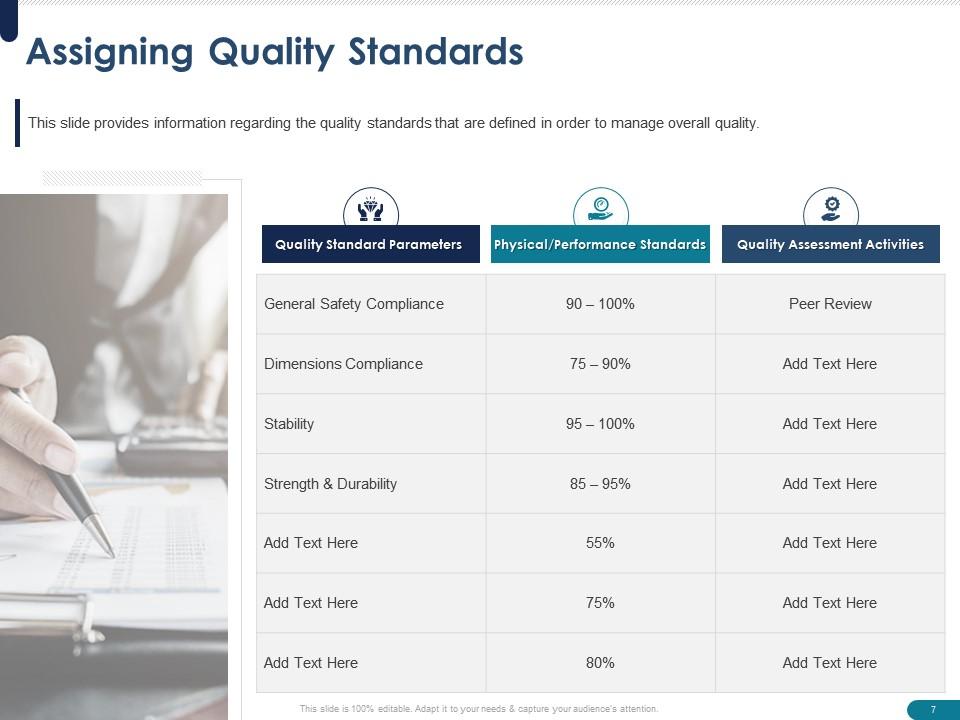
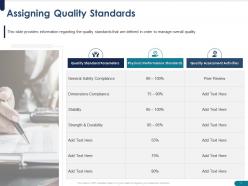
Slide 7: This slide provides information regarding the quality standards that are defined in order to manage overall quality.
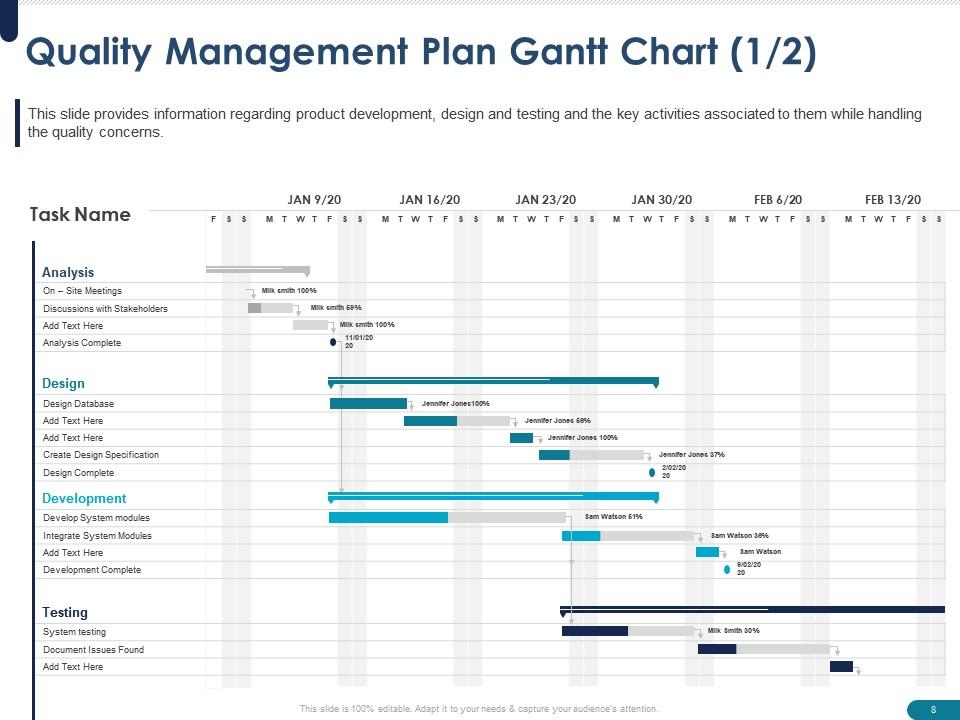
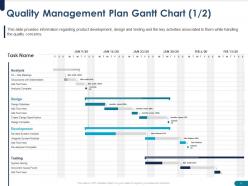
Slide 8: This slide provides information regarding product development, design and testing and the key activities associated to them while handling the quality concerns.
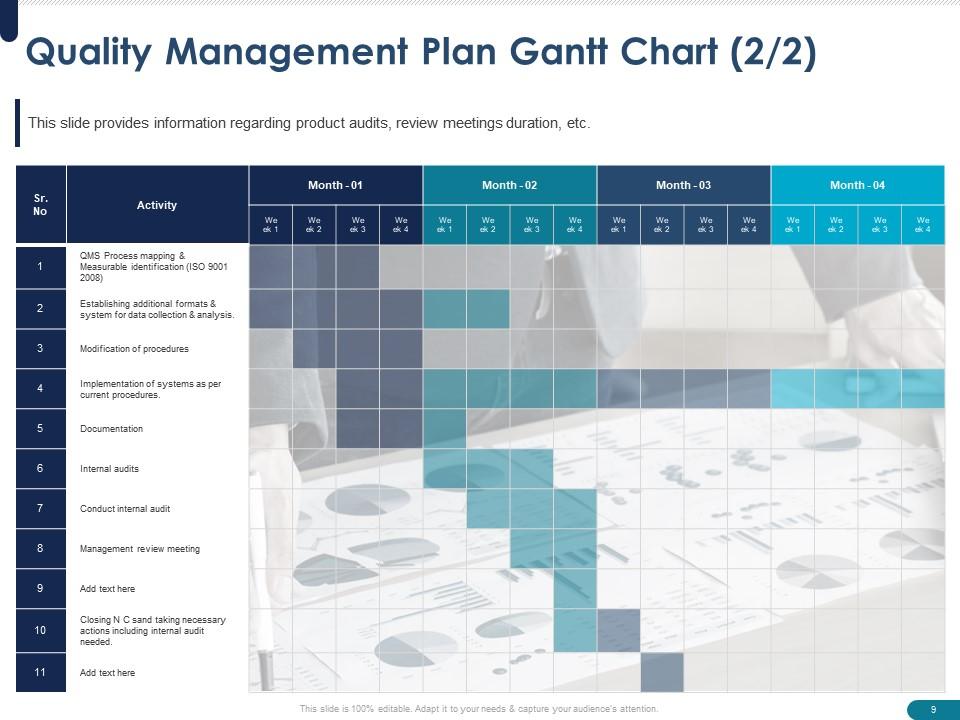
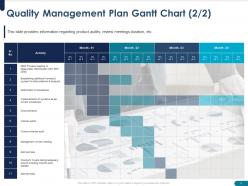
Slide 9: This slide provides information regarding product audits, review meetings duration, etc.
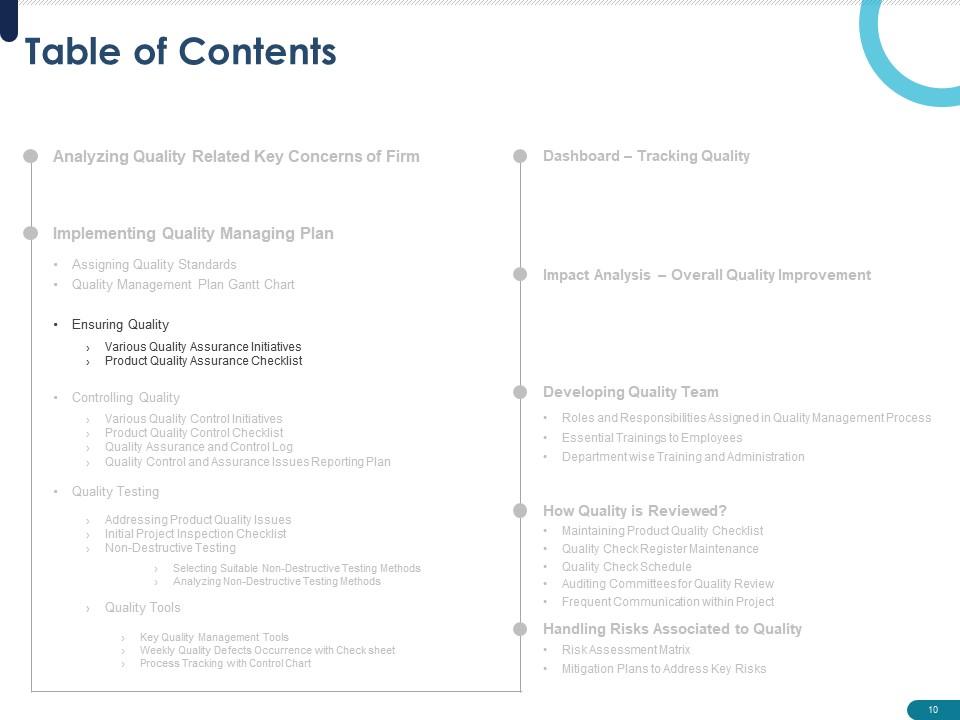
Slide 10: This slide displays Table of Contents
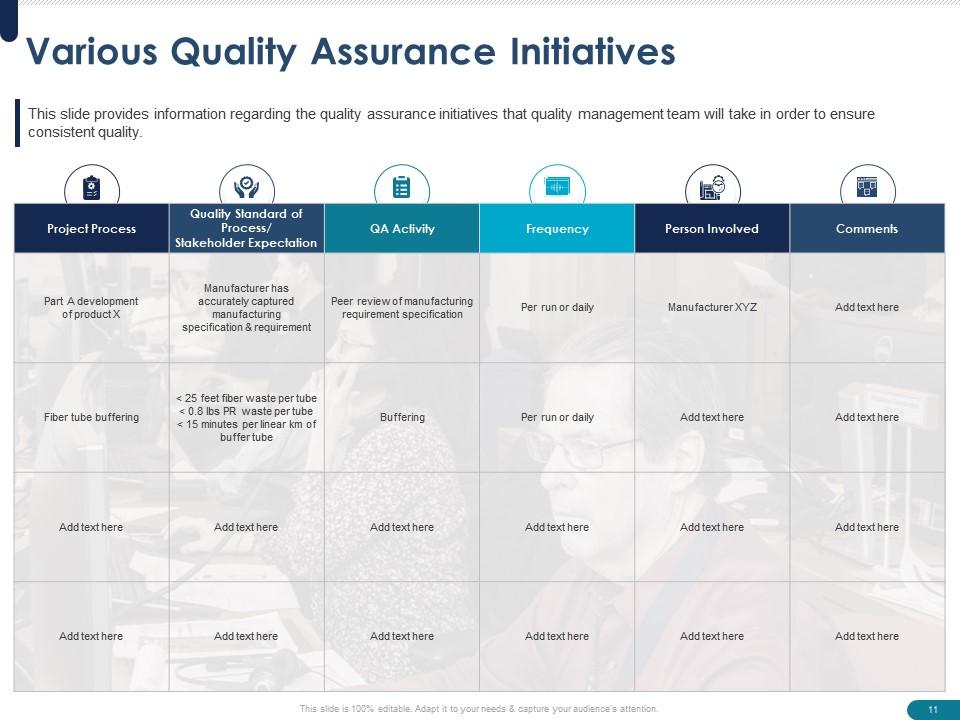
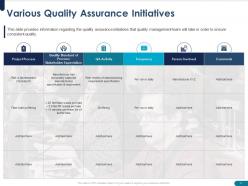
Slide 11: This slide provides information regarding the quality assurance initiatives that quality management team will take in order to ensure consistent quality.
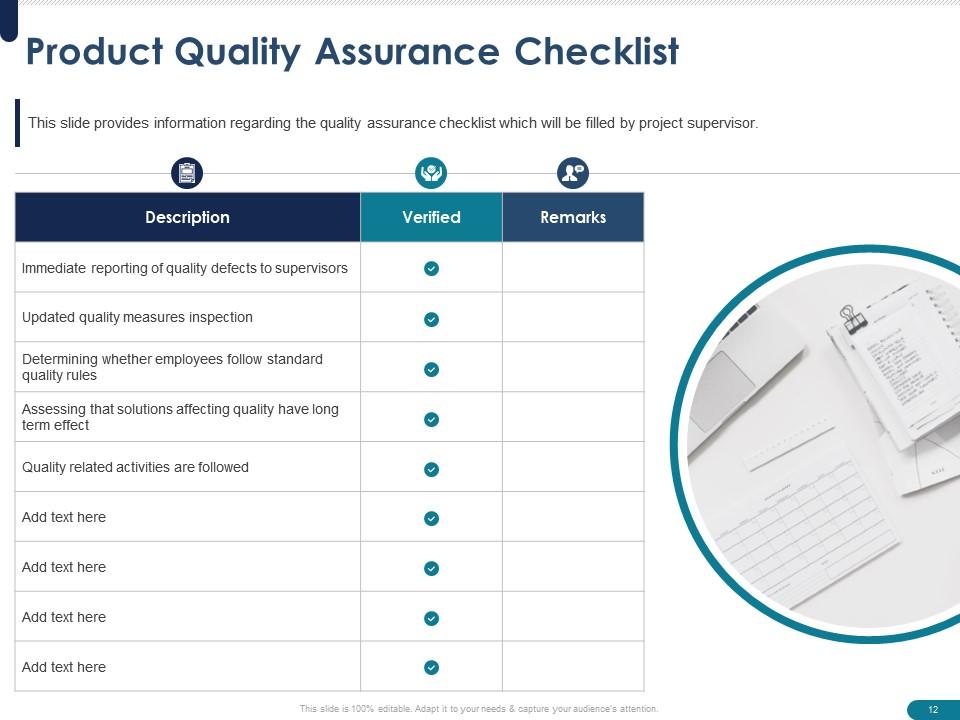
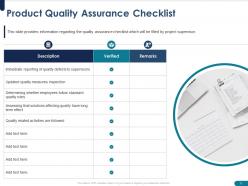
Slide 12: This slide provides information regarding the quality assurance checklist which will be filled by project supervisor.
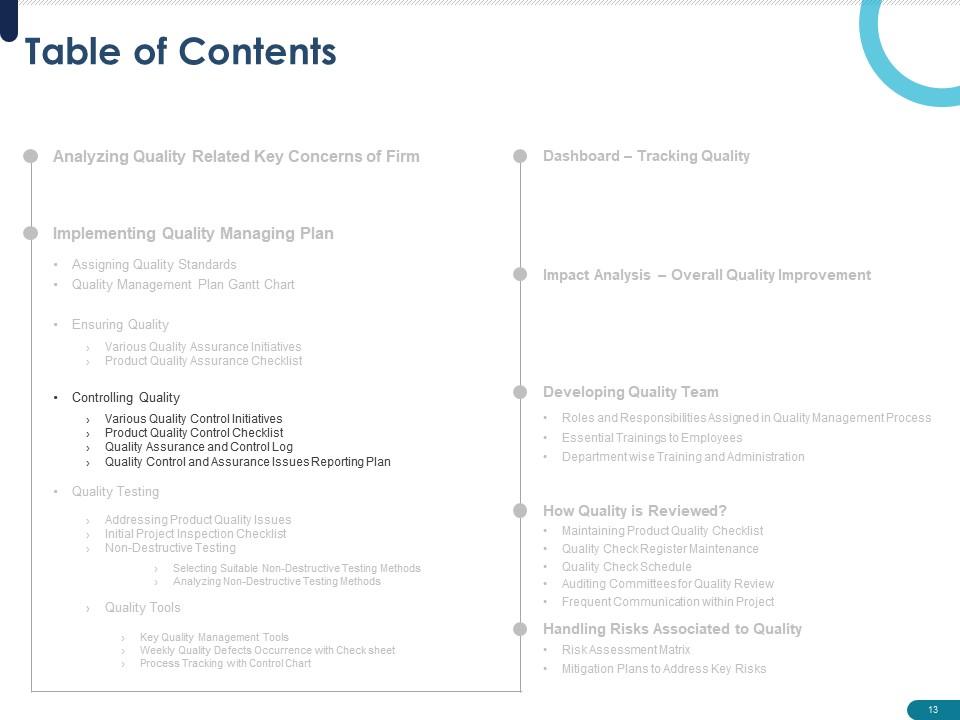
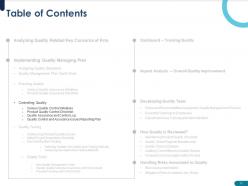
Slide 13: This slide shows Table of Contents.
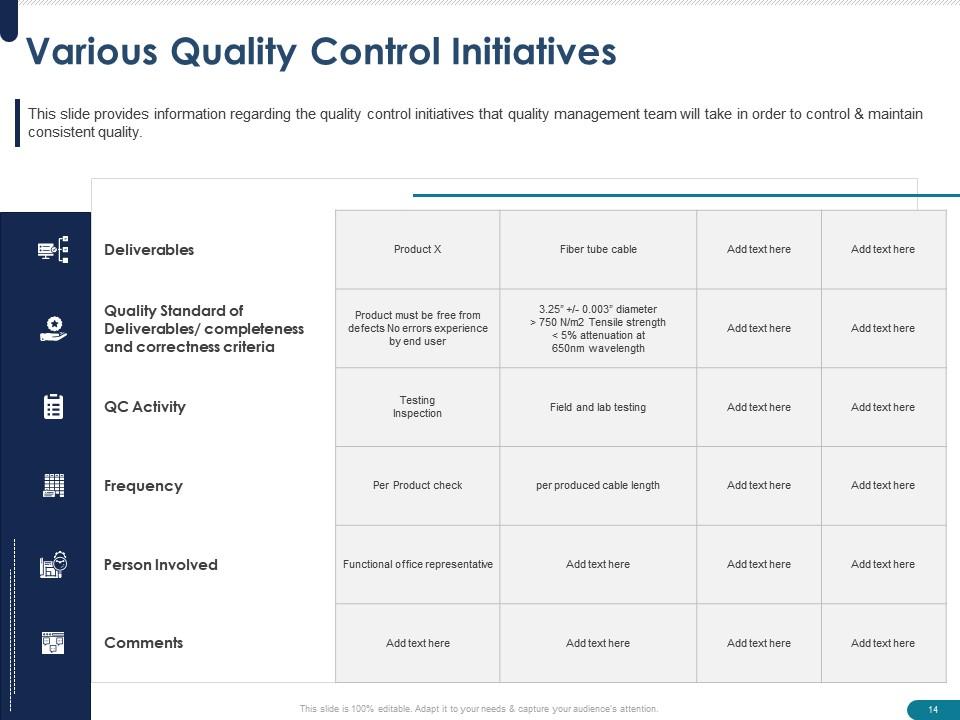
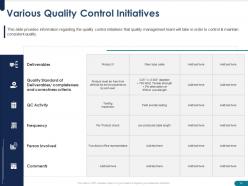
Slide 14: This slide provides information regarding the quality control initiatives that quality management team will take in order to control & maintain consistent quality.
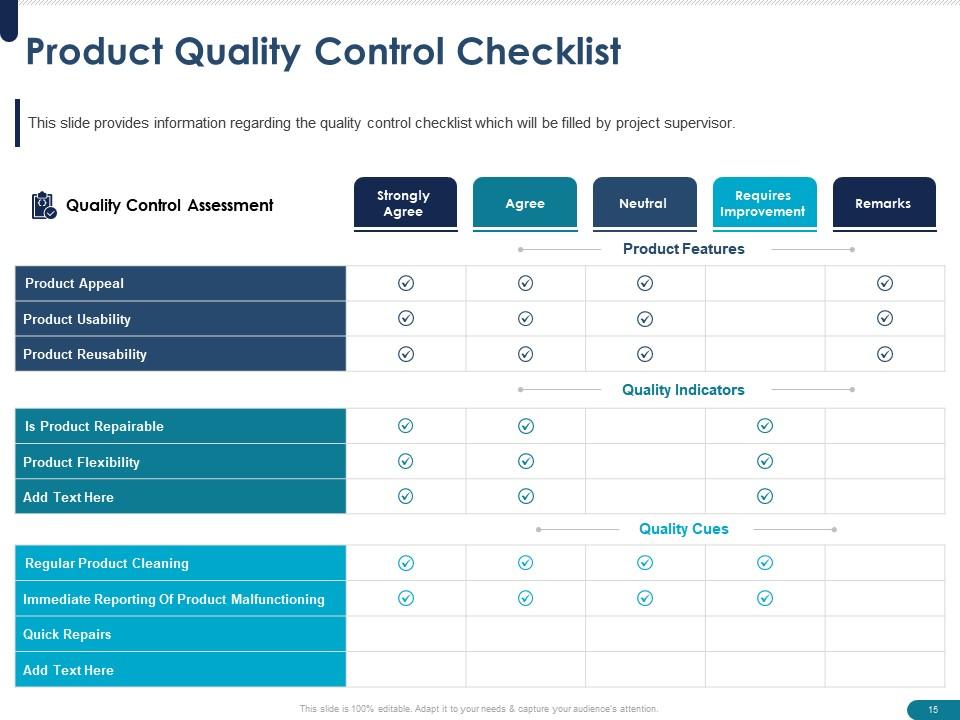
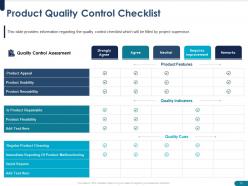
Slide 15: This slide provides information regarding the quality control checklist which will be filled by project supervisor.
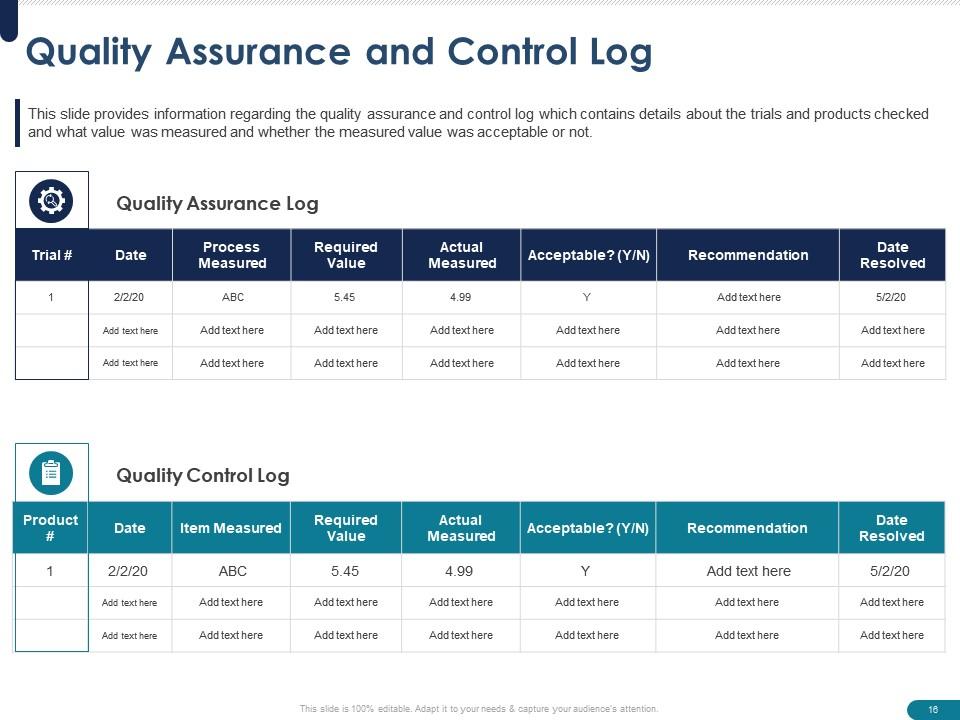
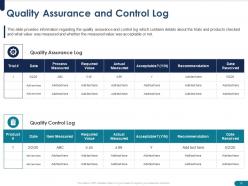
Slide 16: This slide provides information regarding the quality assurance and control log which contains details about the trials and products checked and what value was measured and whether the measured value was acceptable or not.
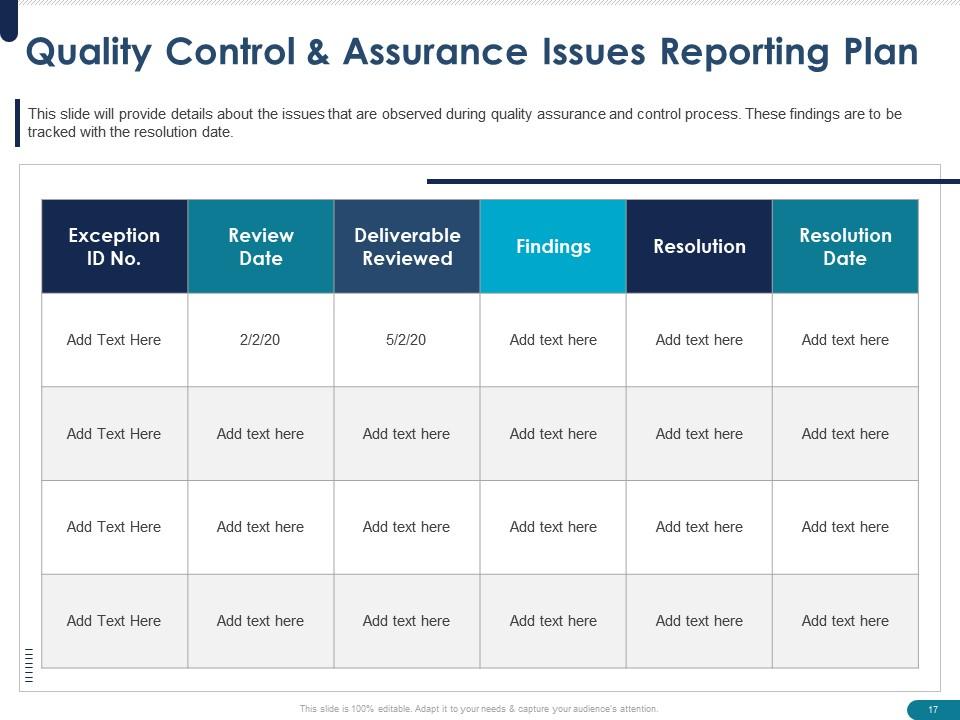
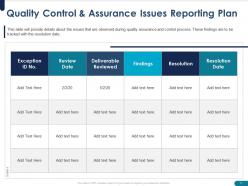
Slide 17: This slide will provide details about the issues that are observed during quality assurance and control process. These findings are to be tracked with the resolution date.
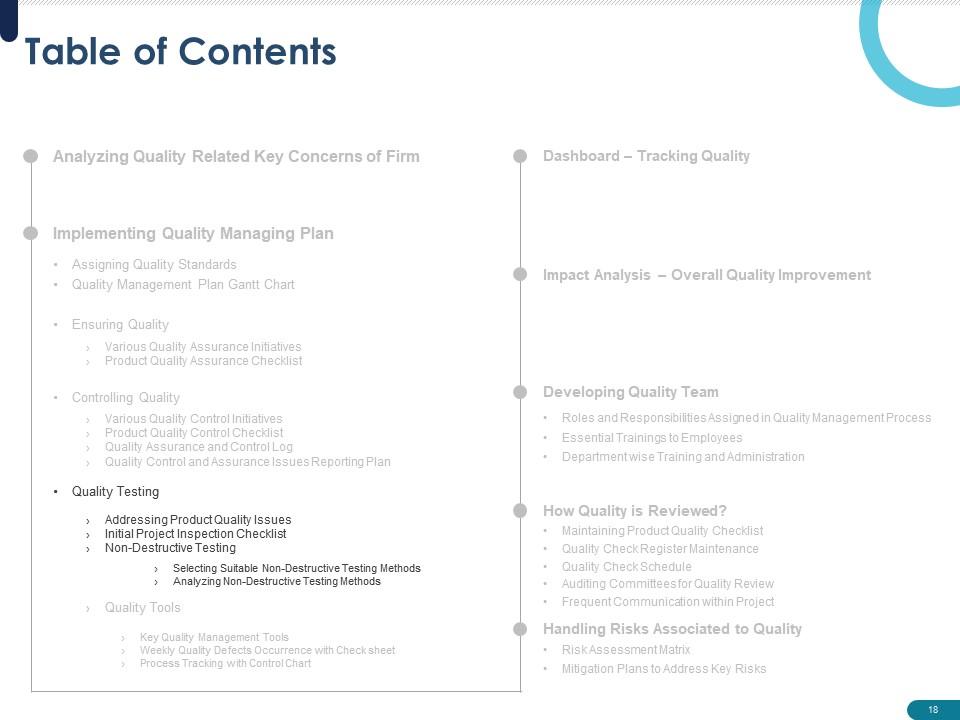
Slide 18: This slide displays Table of Contents.
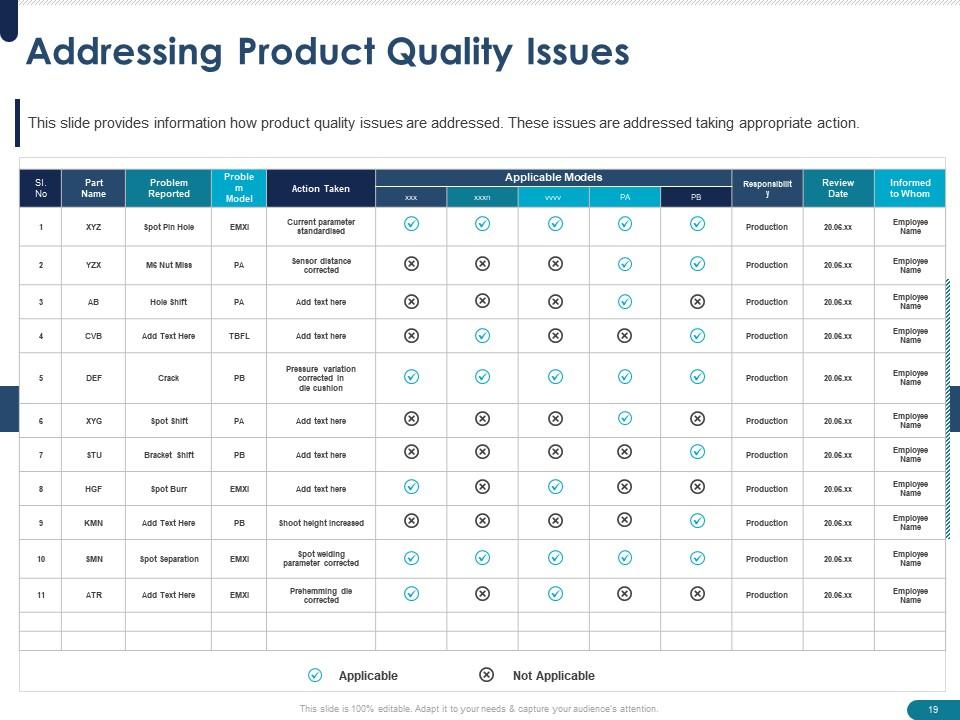
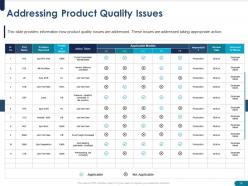
Slide 19: This slide provides information how product quality issues are addressed. These issues are addressed taking appropriate action.
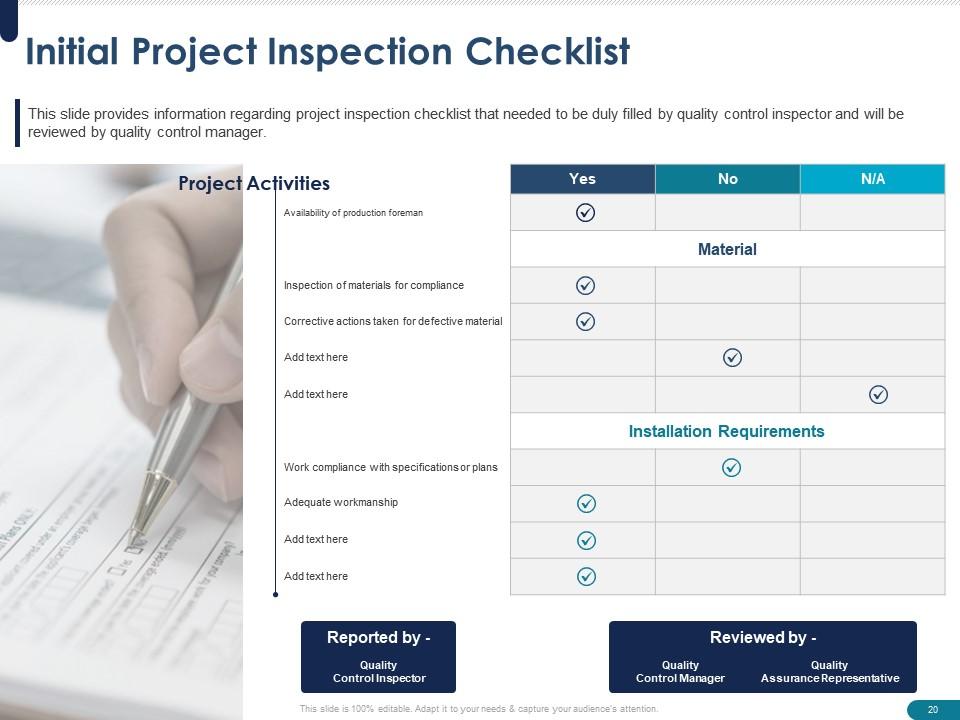
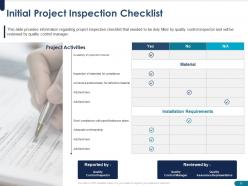
Slide 20: This slide provides information regarding project inspection checklist that needed to be duly filled by quality control inspector and will be reviewed by quality control manager.
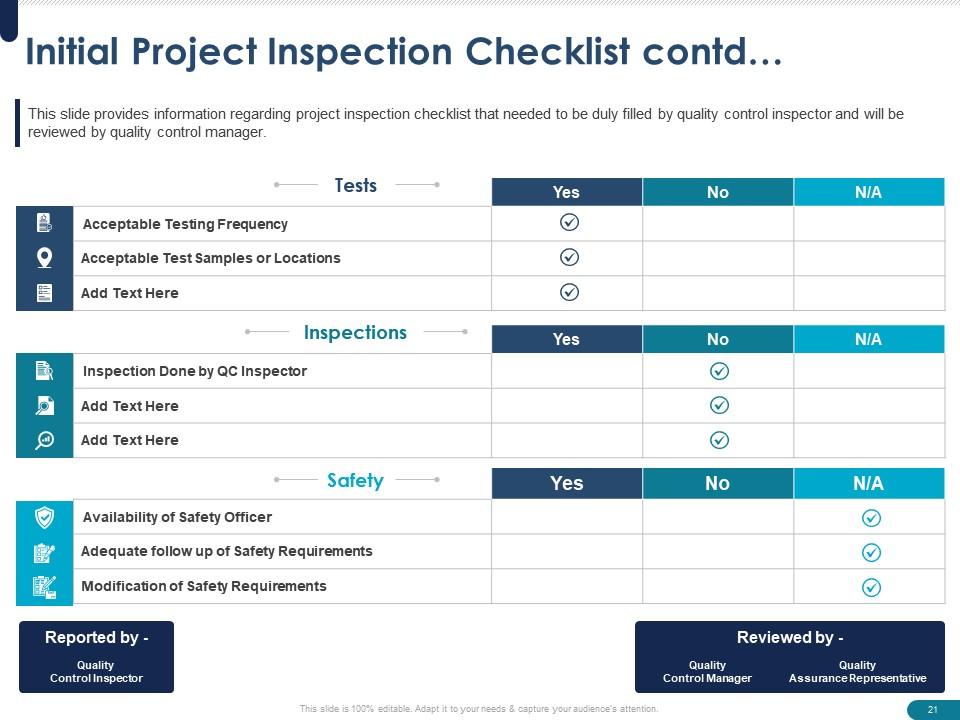
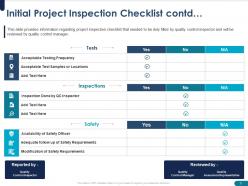
Slide 21: This slide provides information regarding project inspection checklist that needed to be duly filled by quality control inspector and will be reviewed by quality control manager.
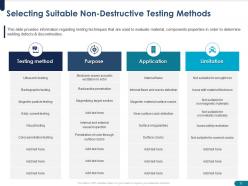
Slide 22: This slide provides information regarding testing techniques that are used to evaluate material, components properties in order to determine welding defects & discontinuities.
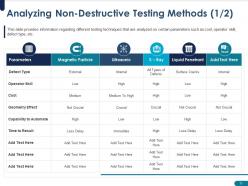
Slide 23: This slide provides information regarding different testing techniques that are analyzed on certain parameters such as cost, operator skill, defect type, etc.
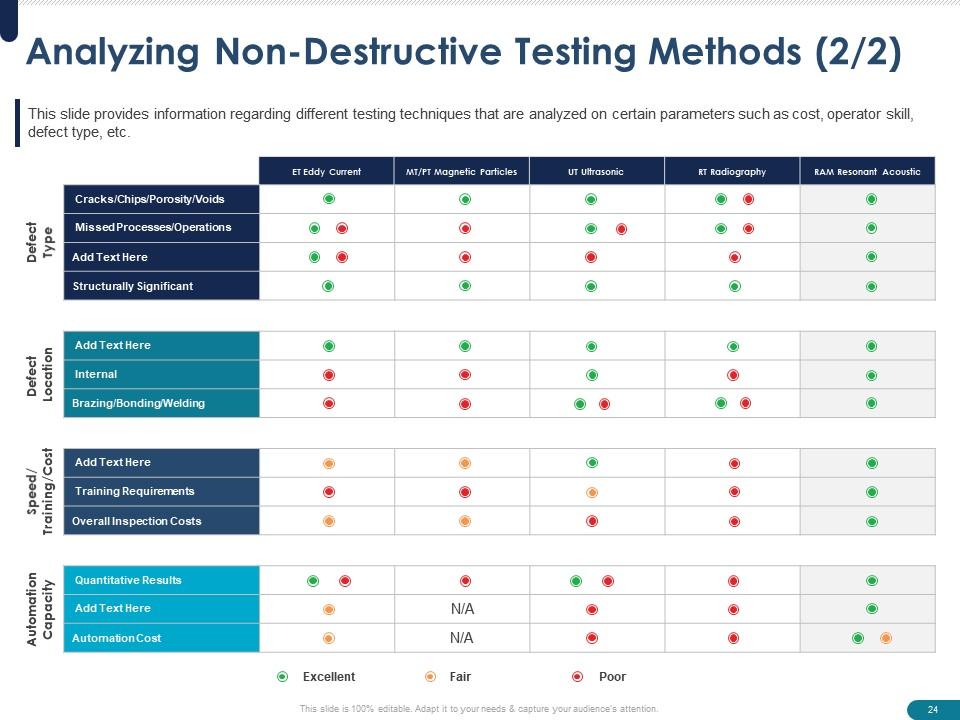
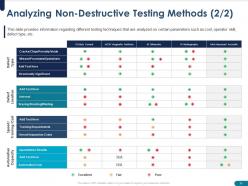
Slide 24: This slide provides information regarding different testing techniques that are analyzed on certain parameters such as cost, operator skill, defect type, etc.
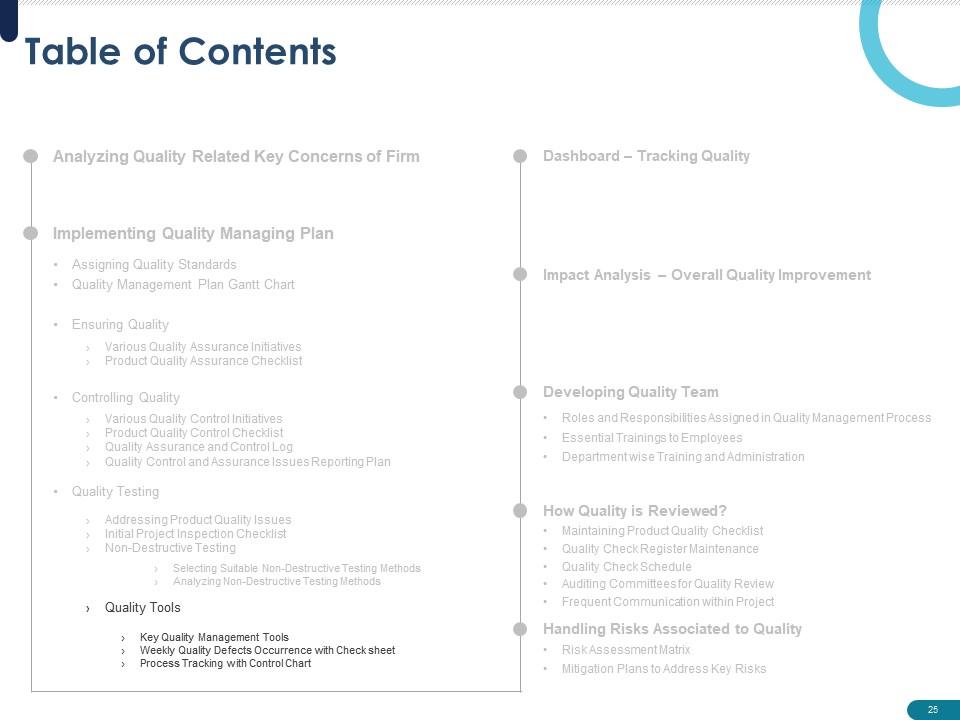
Slide 25: This slide displays Table of Contents.
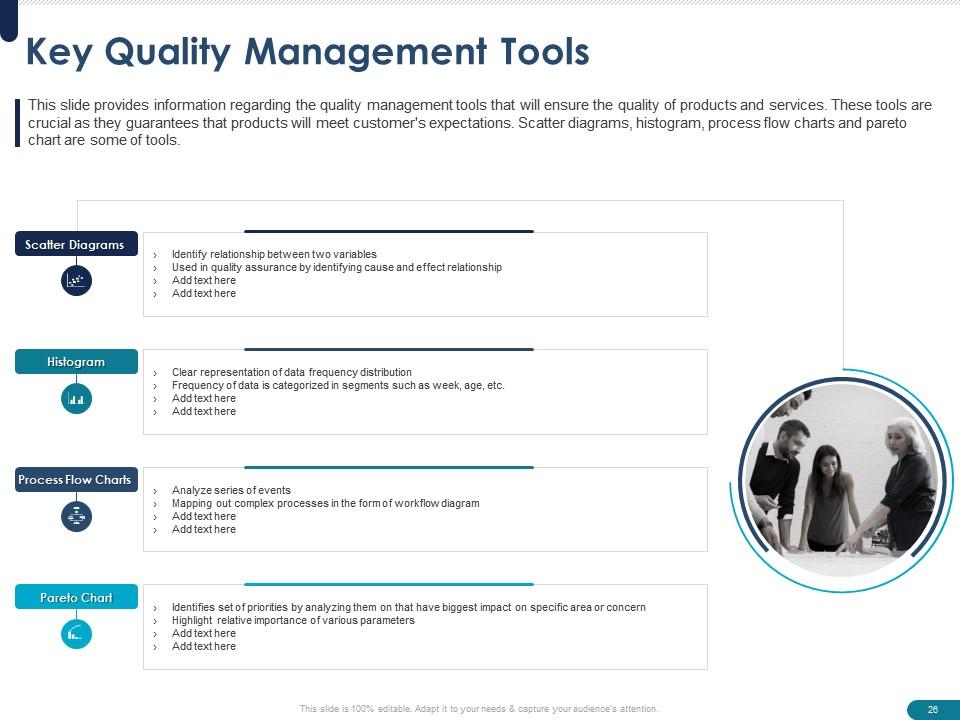
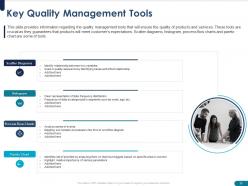
Slide 26: This slide provides information regarding the quality management tools that will ensure the quality of products and services. These tools are crucial as they guarantees that products will meet customer's expectations. Scatter diagrams, histogram, process flow charts and pareto chart are some of tools.
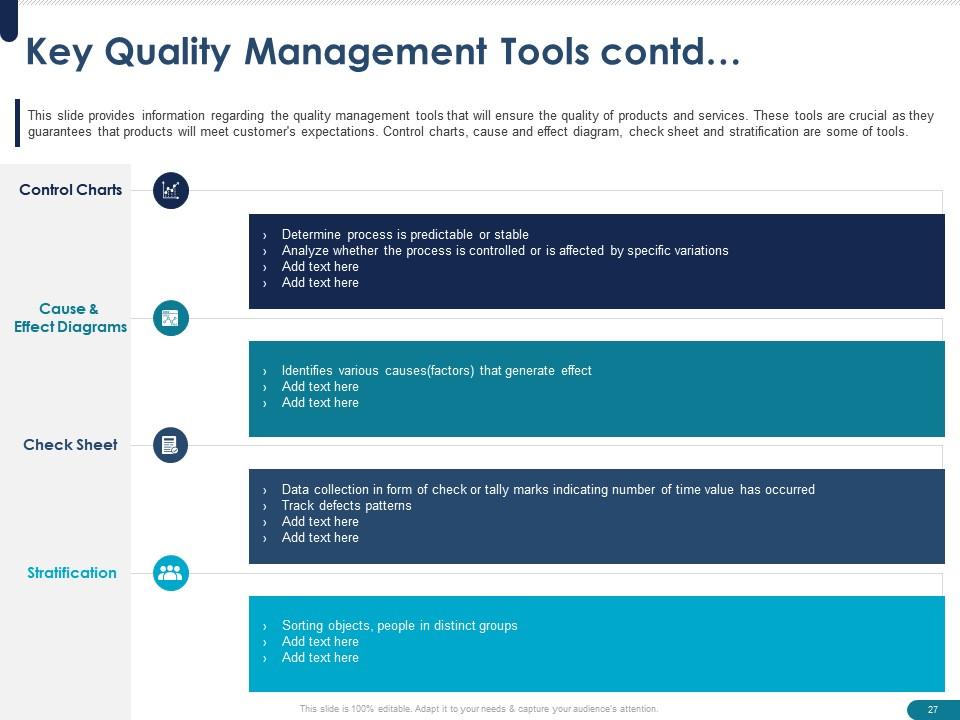
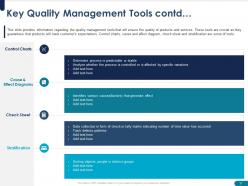
Slide 27: This slide provides information regarding the quality management tools that will ensure the quality of products and services.
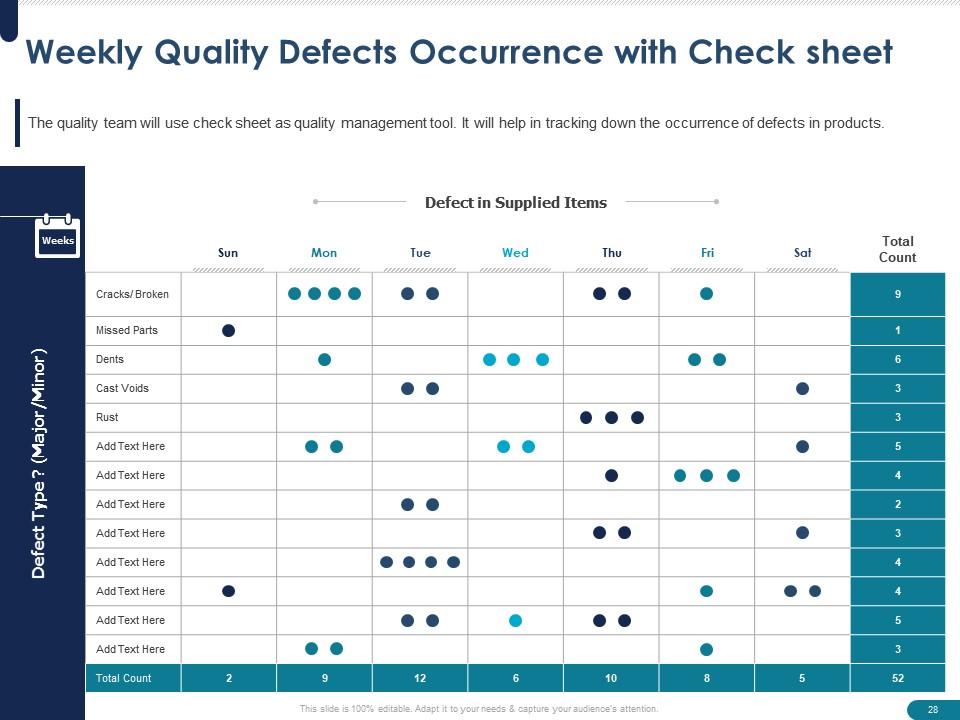
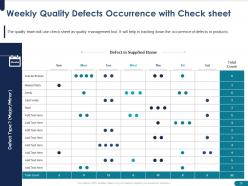
Slide 28: This slide presents Weekly Quality Defects Occurrence with Check sheet
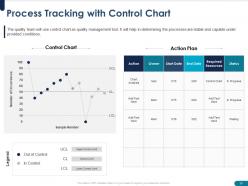
Slide 29: This slide depicts Process Tracking with Control Chart
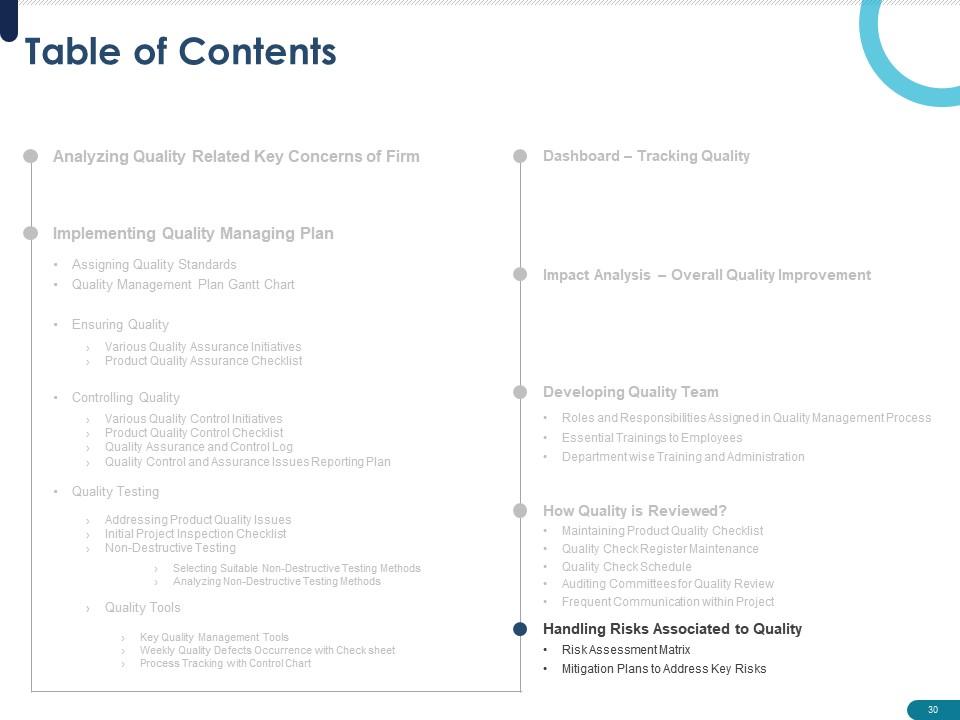
Slide 30: This slide displays Table of Contents.
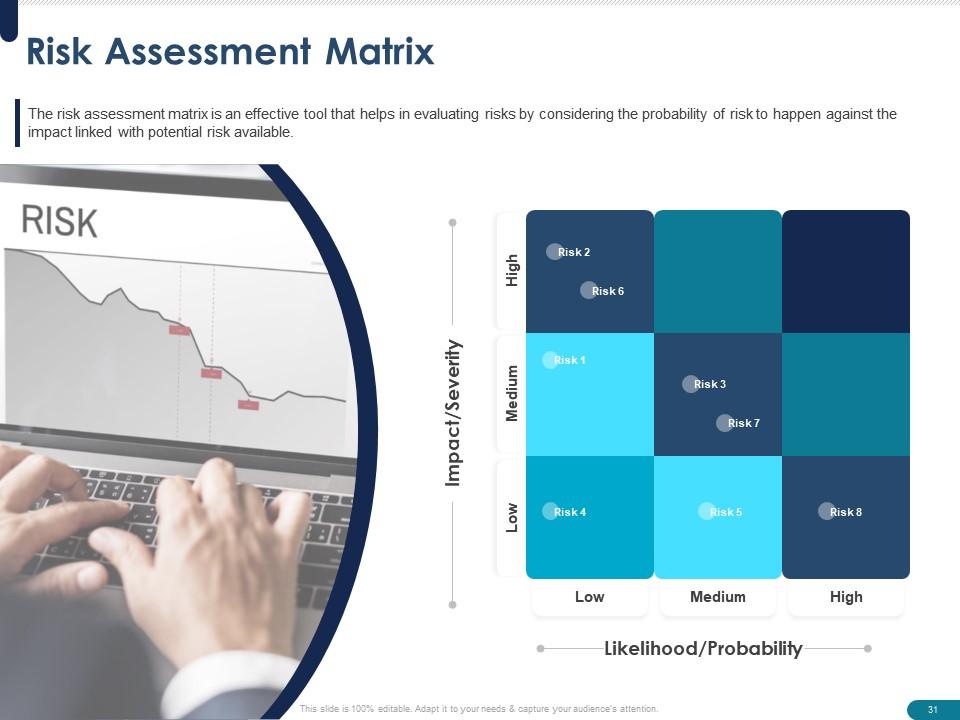
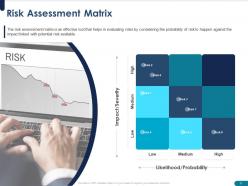
Slide 31: This slide showcases Risk Assessment Matrix.
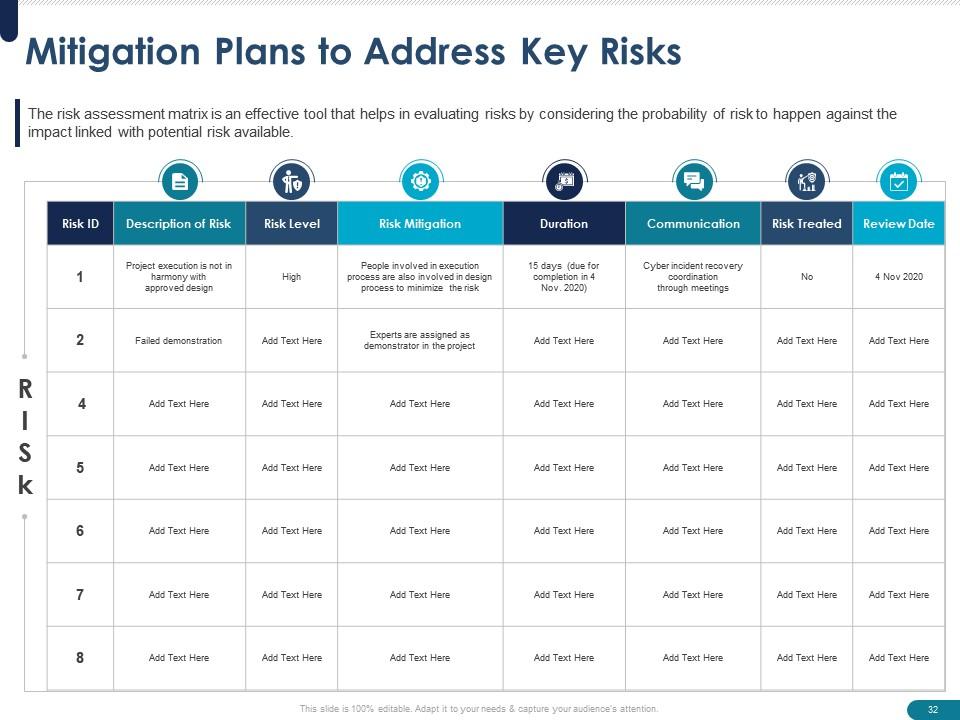
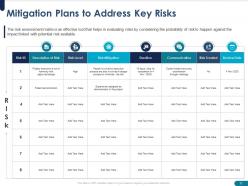
Slide 32: This slide provides information regarding the identified risks that are needed to be addressed. The plan will help in keeping the track of potential risks that are existing and what are the resources required to handle them.
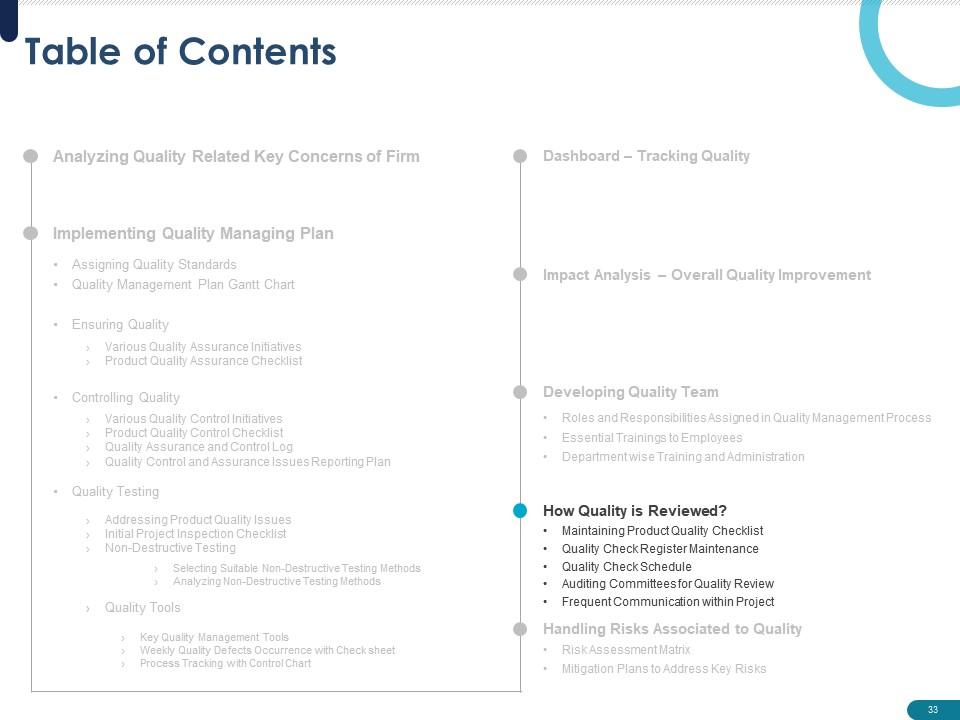
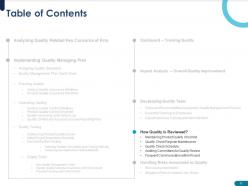
Slide 33: This slide shows Table of Contents.
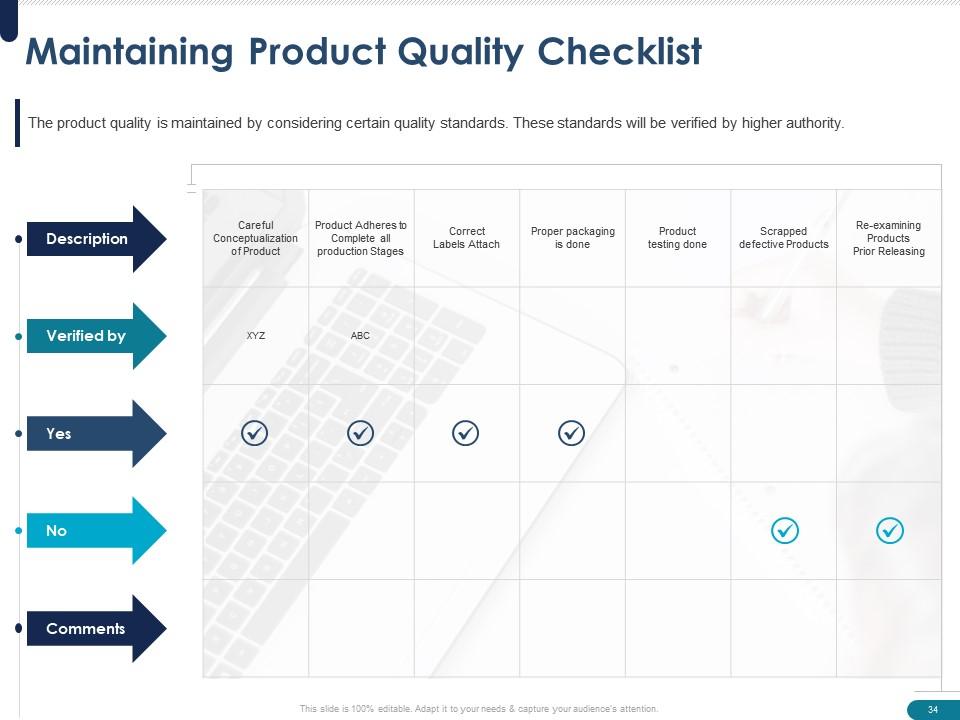
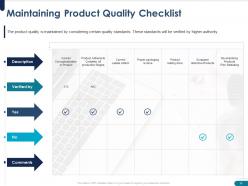
Slide 34: This slide provides information regarding Maintaining Product Quality Checklist.
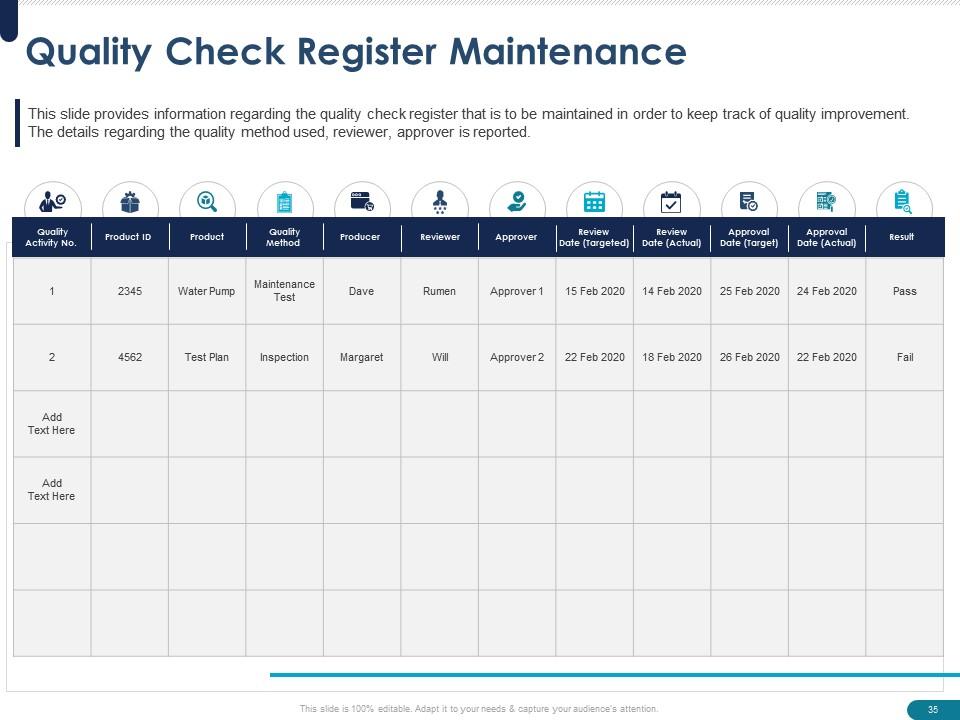
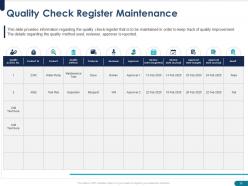
Slide 35: This slide provides information regarding the quality check register that is to be maintained in order to keep track of quality improvement. The details regarding the quality method used, reviewer, approver is reported.
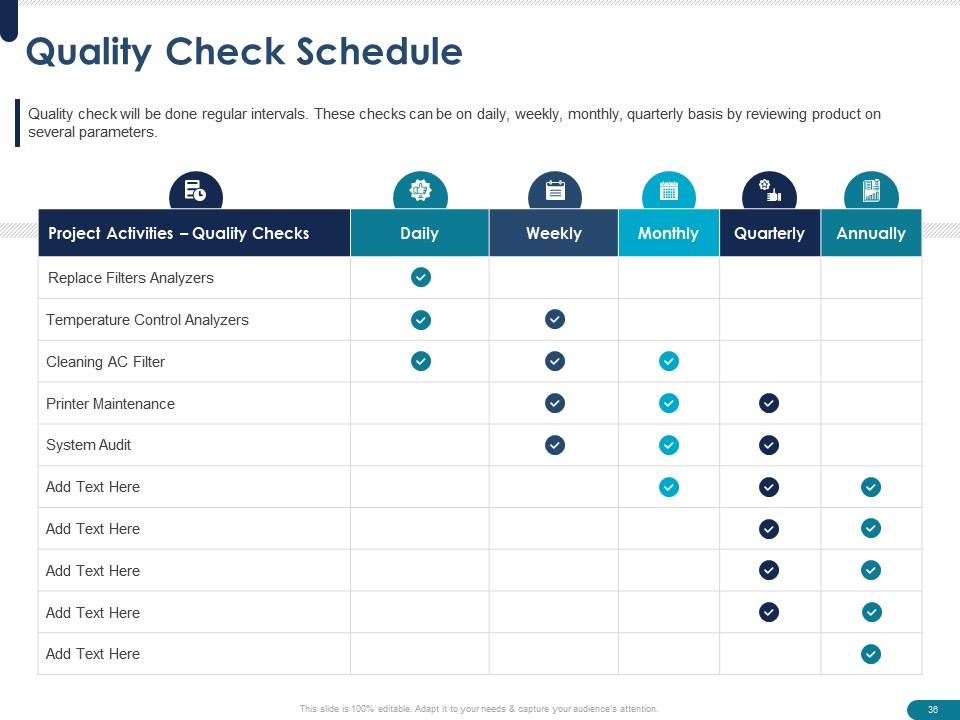
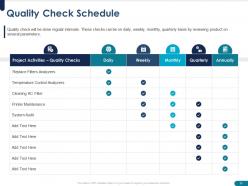
Slide 36: This slide represents Quality Check Schedule.
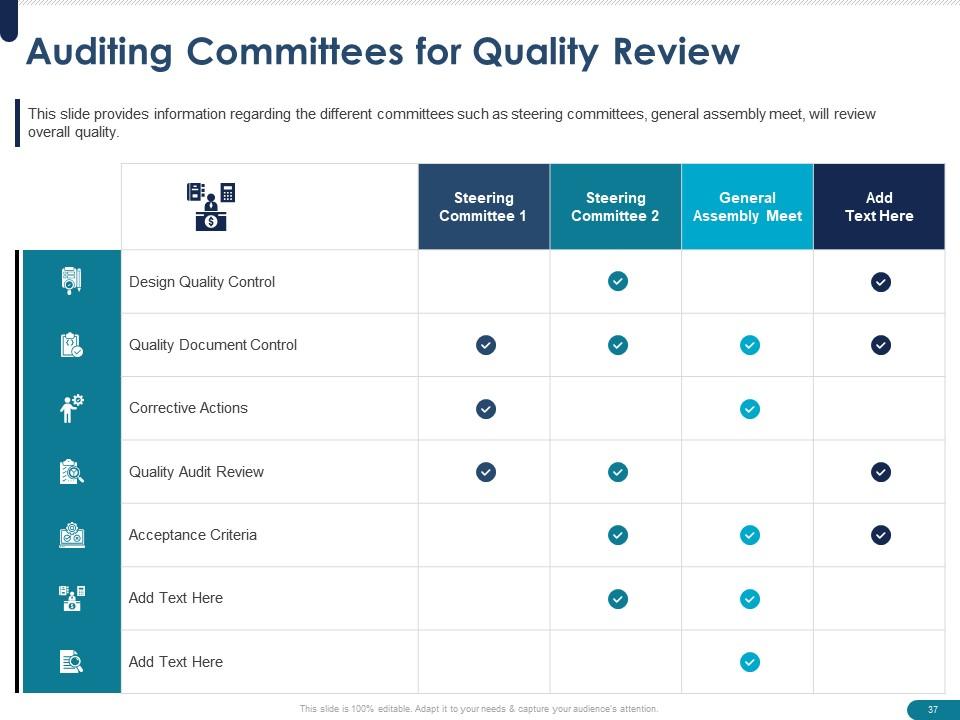
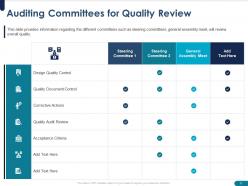
Slide 37: This slide provides information regarding the different committees such as steering committees, general assembly meet, will review overall quality.
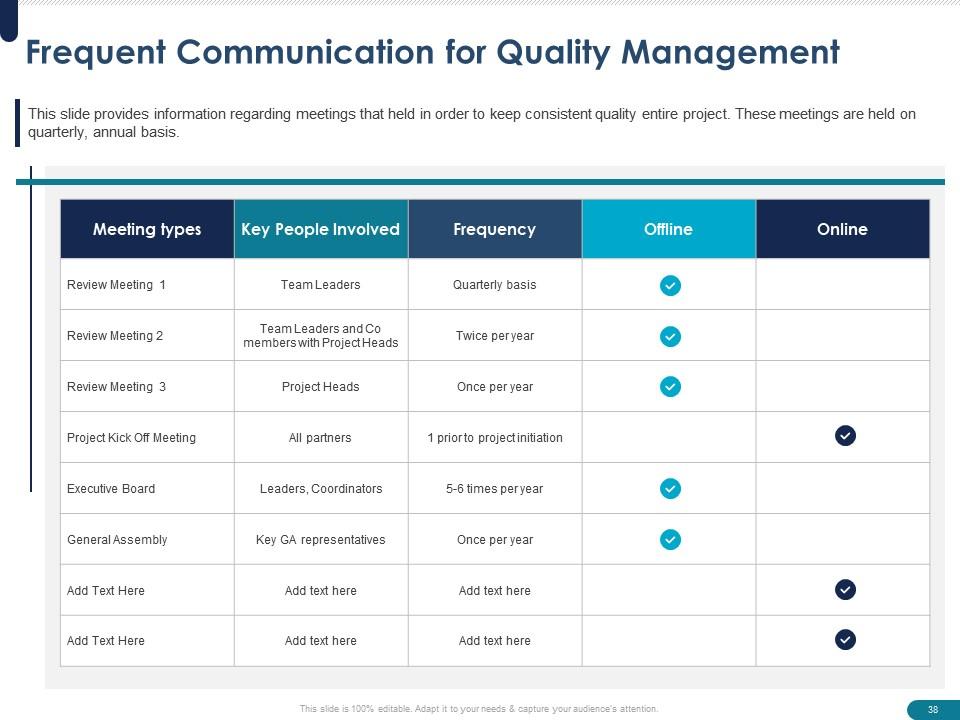
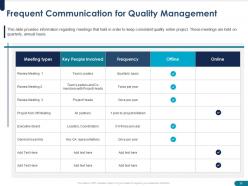
Slide 38: This slide provides information regarding meetings that held in order to keep consistent quality entire project. These meetings are held on quarterly, annual basis.
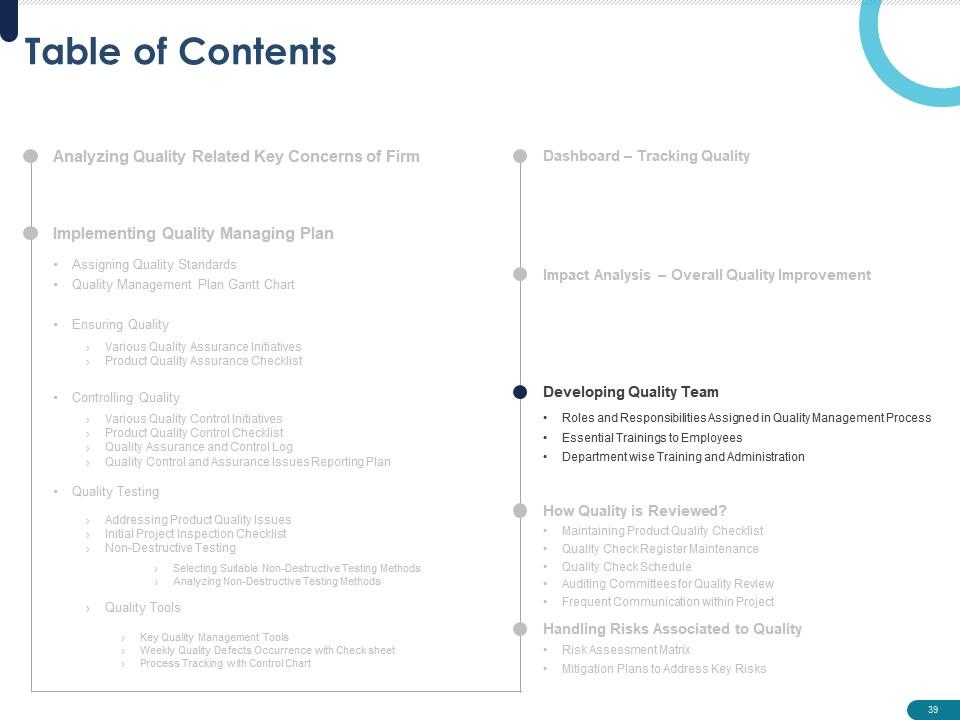
Slide 39: This slide showcases Table of Contents.
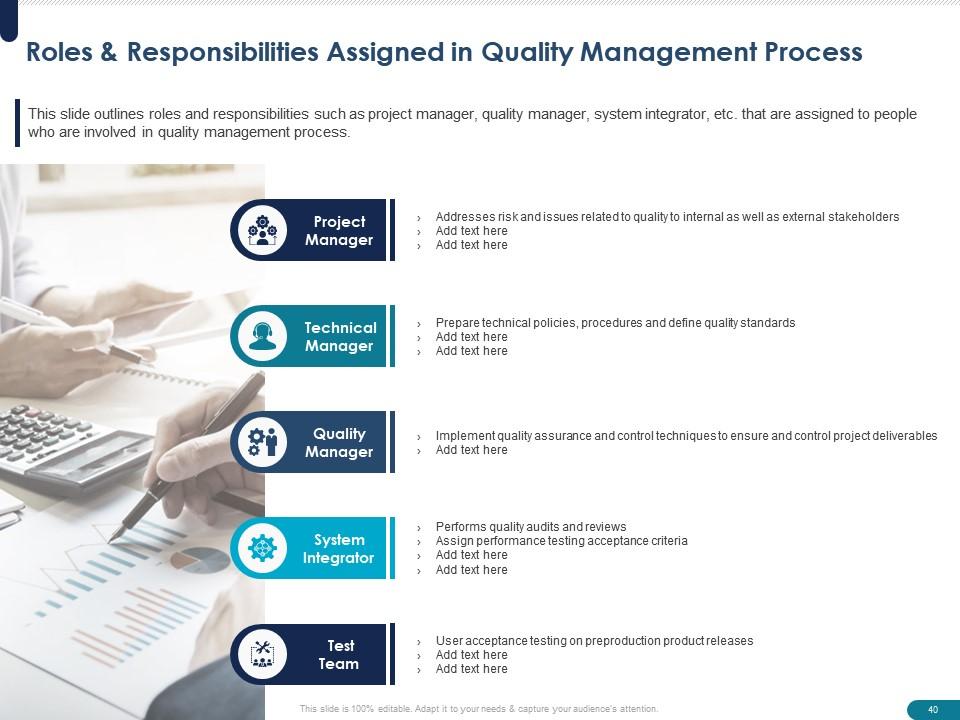
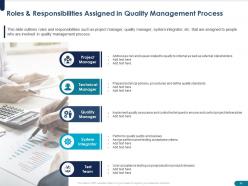
Slide 40: This slide outlines roles and responsibilities such as project manager, quality manager, system integrator, etc. that are assigned to people who are involved in quality management process.
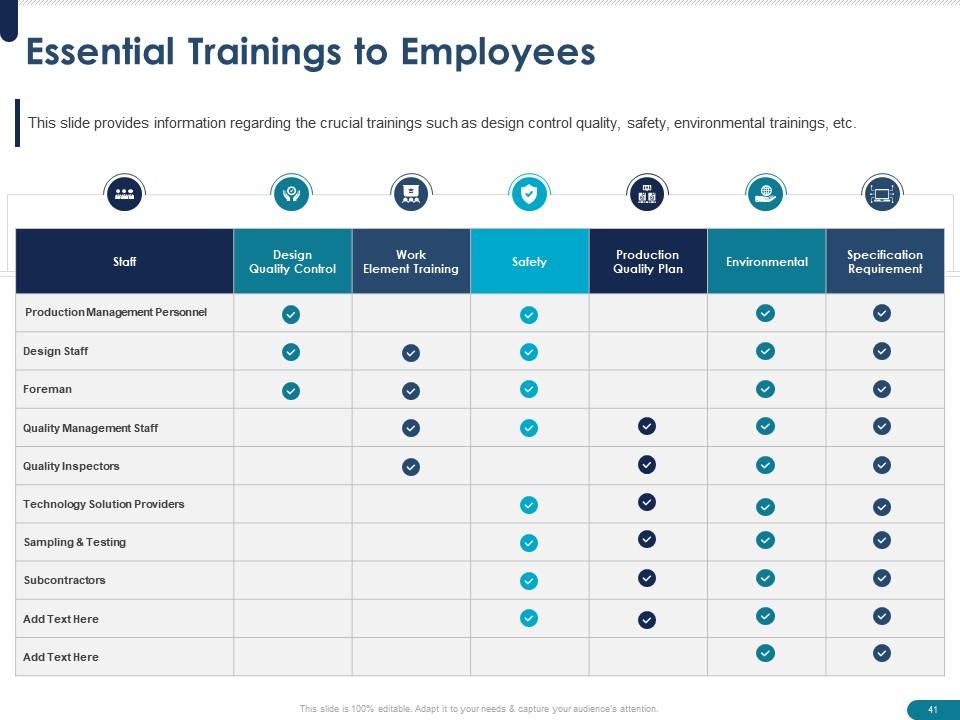
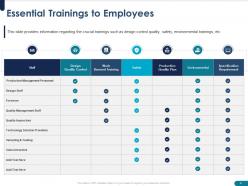
Slide 41: This slide provides information regarding the crucial trainings such as design control quality, safety, environmental trainings, etc.
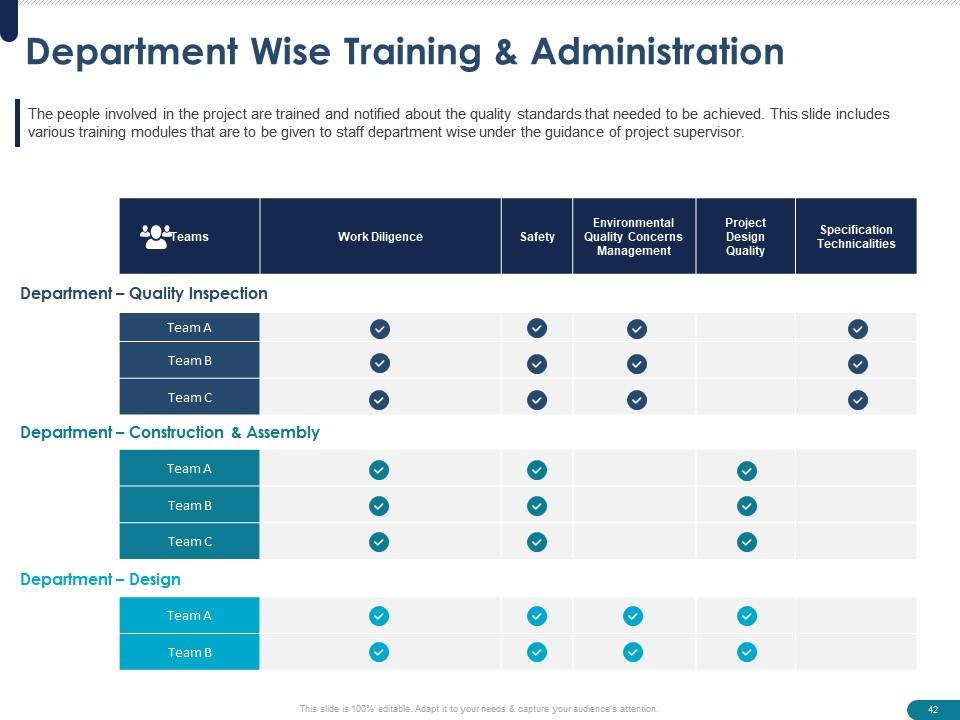
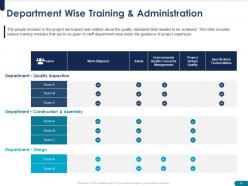
Slide 42: This slide shows Department Wise Training & Administration.
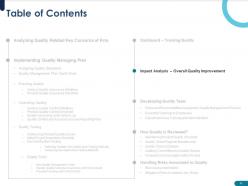
Slide 43: This slide displays Table of Contents.
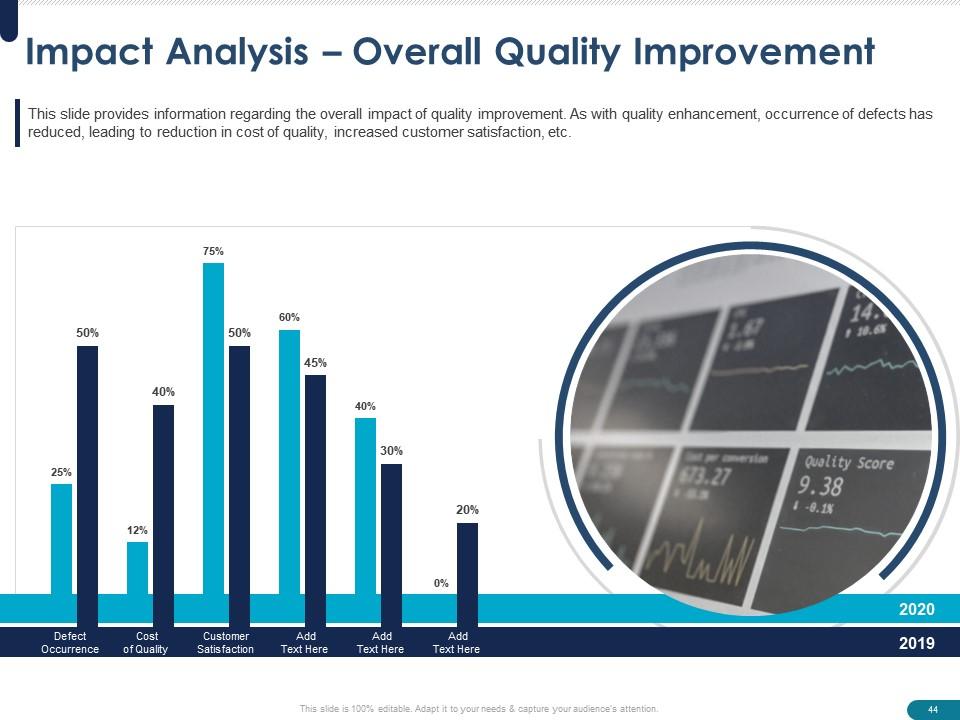
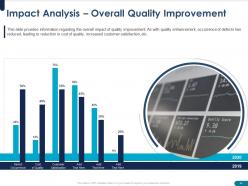
Slide 44: This slide provides information regarding the overall impact of quality improvement. As with quality enhancement, occurrence of defects has reduced, leading to reduction in cost of quality, increased customer satisfaction, etc.
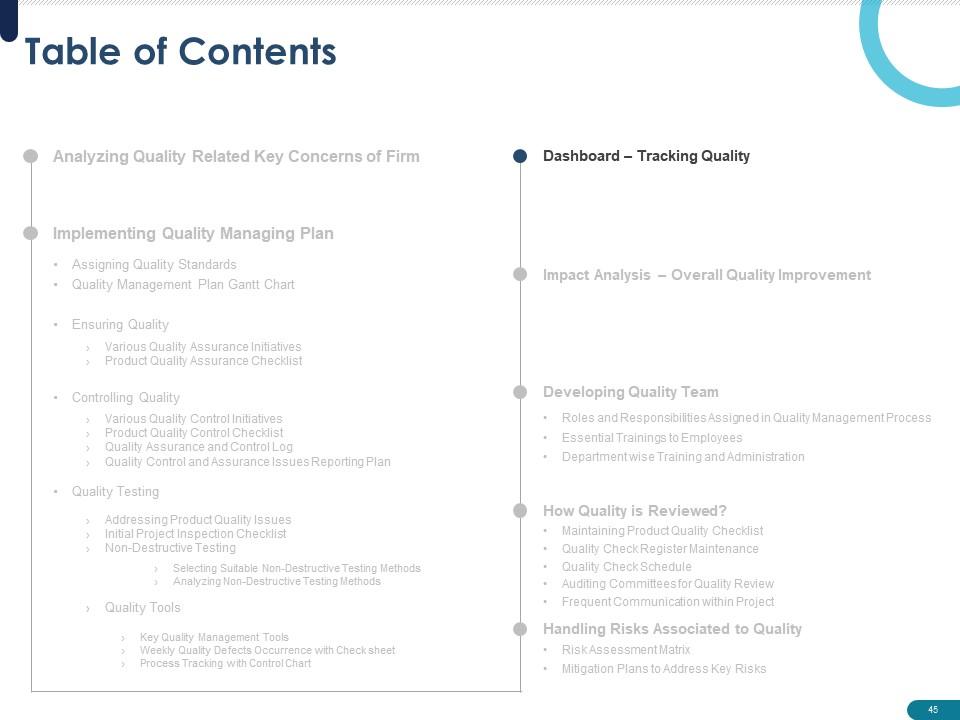
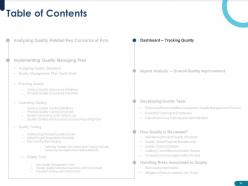
Slide 45: This slide displays Table of Contents.
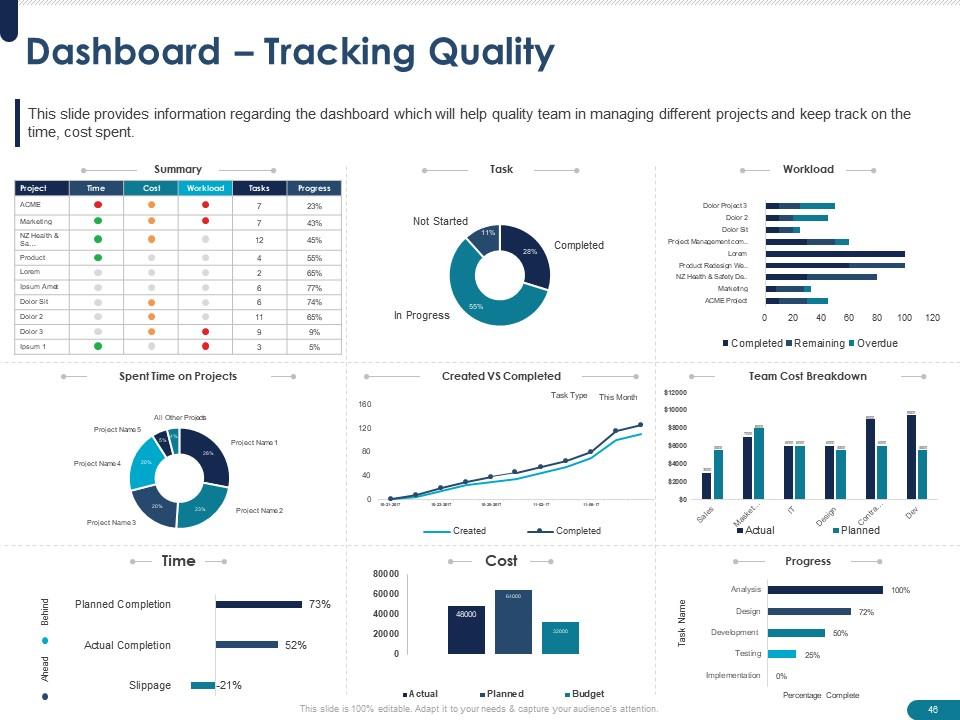
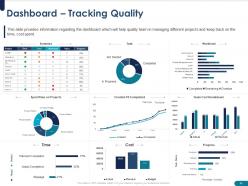
Slide 46: This slide provides information regarding the dashboard which will help quality team in managing different projects and keep track on the time, cost spent.
Slide 47: This is Project Quality Assurance and Control Management Plan for Icons Slide
Slide 48: This slide is titled as Additional Slides for moving forward.
Slide 49: This is About Us slide to showcase Company specifications.
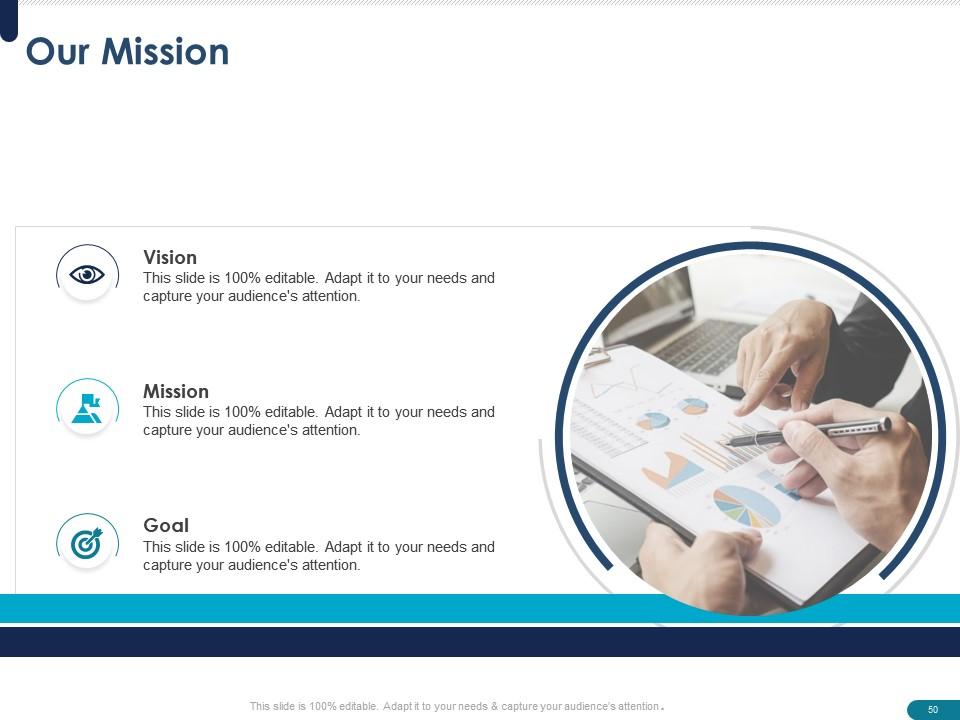
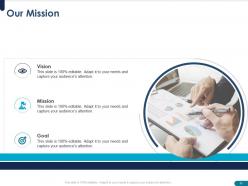
Slide 50: This is Our Mission slide with Vision, Mission and Goal.
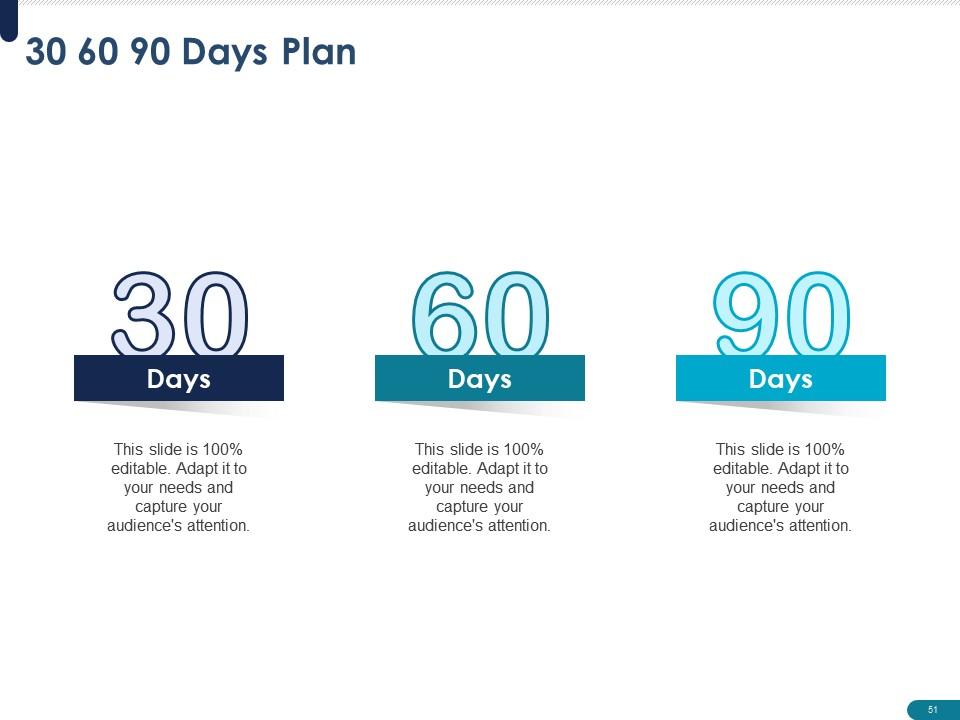
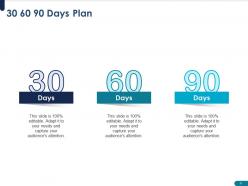
Slide 51: This is 30 60 90 Days Plan slide.
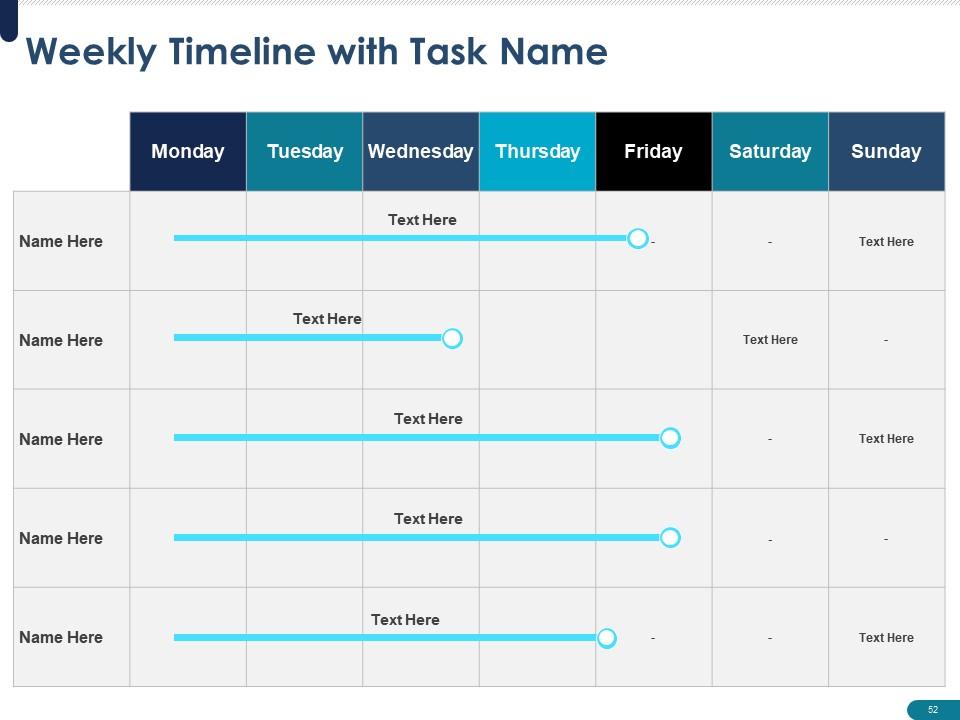
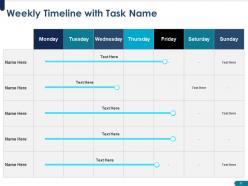
Slide 52: This slide displays Weekly Timeline with Task Name
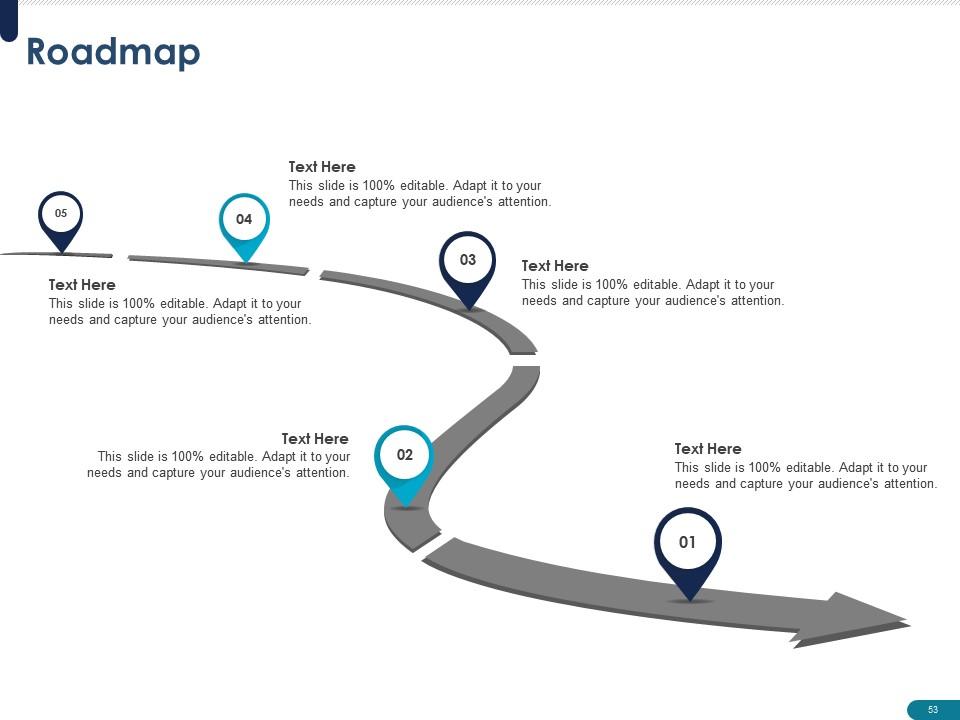
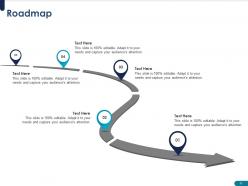
Slide 53: This slide depicts Roadmap process.
Slide 54: This Thank You slide with Contact details.
Project quality assurance and control management plan powerpoint presentation slides with all 54 slides:
Use our Project Quality Assurance And Control Management Plan Powerpoint Presentation Slides to effectively help you save your valuable time. They are readymade to fit into any presentation structure.
-
Excellent design and quick turnaround.
-
Thanks for all your great templates they have saved me lots of time and accelerate my presentations. Great product, keep them up!
-
Informative presentations that are easily editable.
