Recruitment Planning Powerpoint Presentation Slides
Try Before you Buy Download Free Sample Product
Audience
Editable
of Time
Visualize your hiring process with our easy to understand Recruitment Planning PowerPoint Presentation Slides. The content ready recruiting and hiring PowerPoint complete deck includes editable PPT templates such as executive summary, key management, departments and teams, services, current vacancies, recruitment process, job description, recruitment funnel, tracker and budget, etc. All templates are 100 % editable in PowerPoint so that users can enter text in the placeholders, change colors if they wish to and present in the shortest possible time. Build a recruitment plan that helps you to hire the best employees for your company. Identify hiring vacancy and establish a timeline using professional-looking employee’s selection process PPT visuals. Additionally, recruitment and selection plan presentation design can also be used to exhibit subjects like an application tracking system, employment strategy plan, recruiting solutions, HR consulting and recruitment plan, etc. Download custom made recruiting solutions presentation deck to identify the right candidates Make a fresh beginning with our Recruitment Planning Powerpoint Presentation Slides. Make the event an auspicious one.
People who downloaded this PowerPoint presentation also viewed the following :
Content of this Powerpoint Presentation
Slide 1: This slide introduces Recruitment Planning. State Your Company Name and begin.
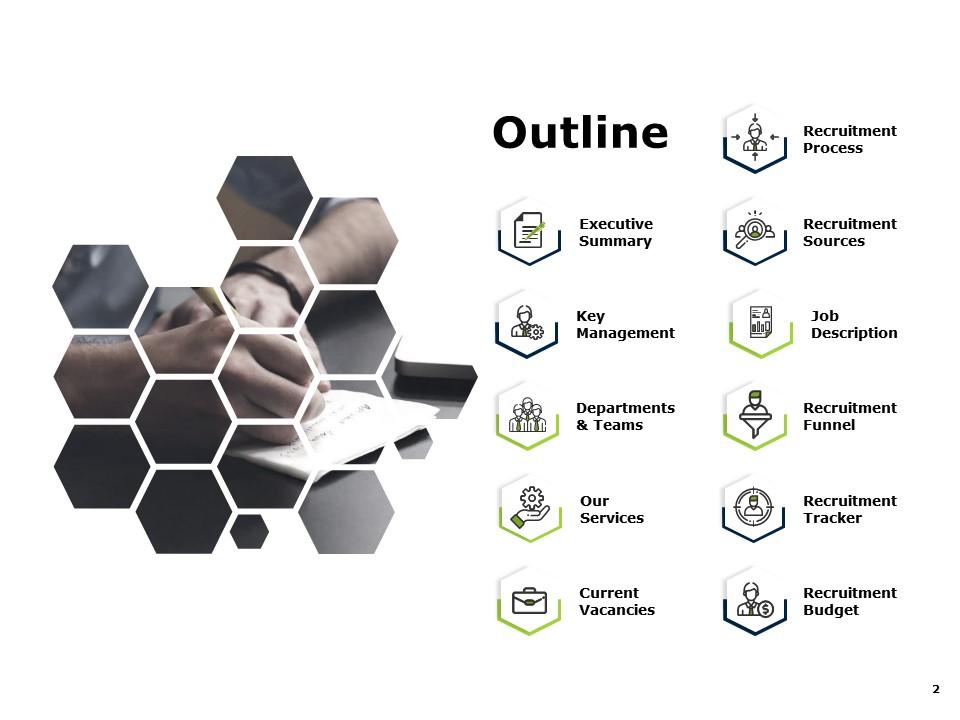
Slide 2: This slide shows Outline with these important storyline- Executive Summary, Key Management, Our Services, Current Vacancies, Recruitment Tracker, Recruitment Sources, Departments & Teams, Recruitment Process, Job Description, Recruitment Funnel, Recruitment Budget.
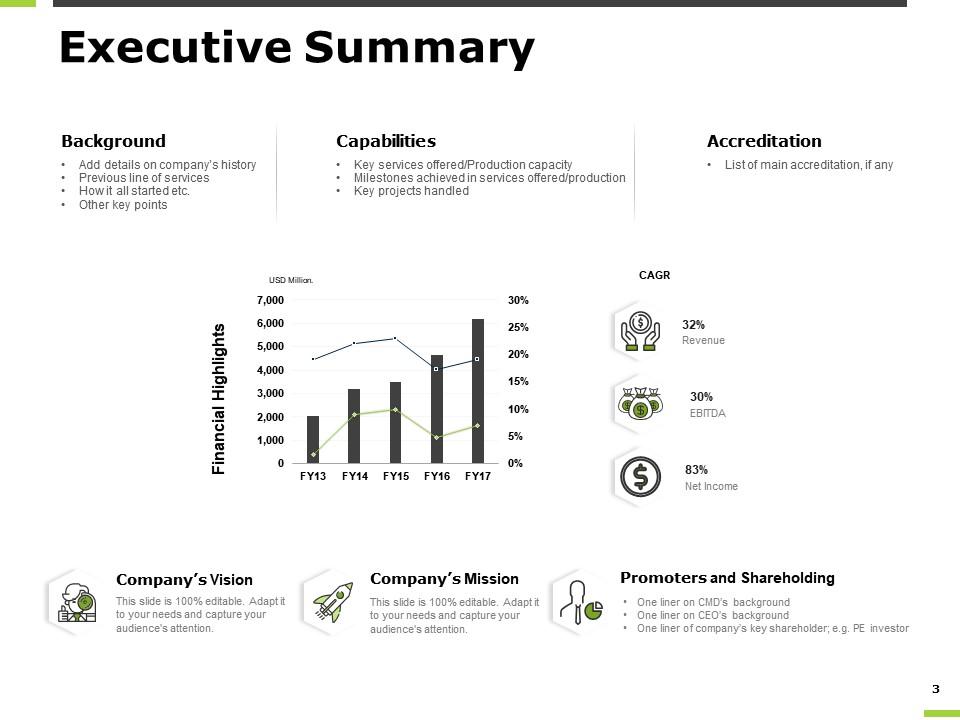
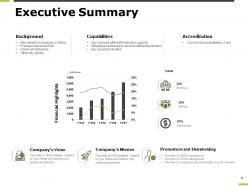
Slide 3: This slide presents Executive Summary showing these amin headings- Background, Capabilities, Accreditation, Financial Highlights, Promoters and Shareholding, Company’s Mission, Company’s Vision.
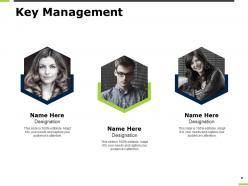
Slide 4: This slide shows Key Management. You can add your comapany management names with designations.
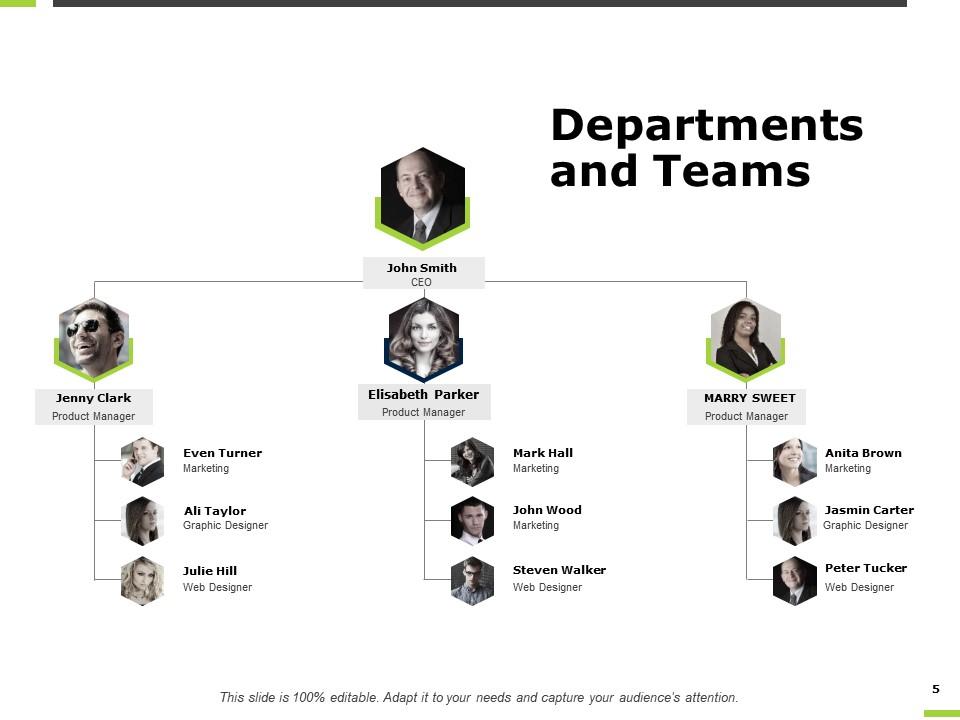
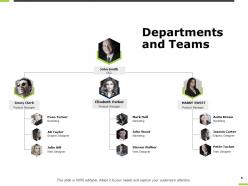
Slide 5: This slide presents Departments And Teams. You can add the information of your company.
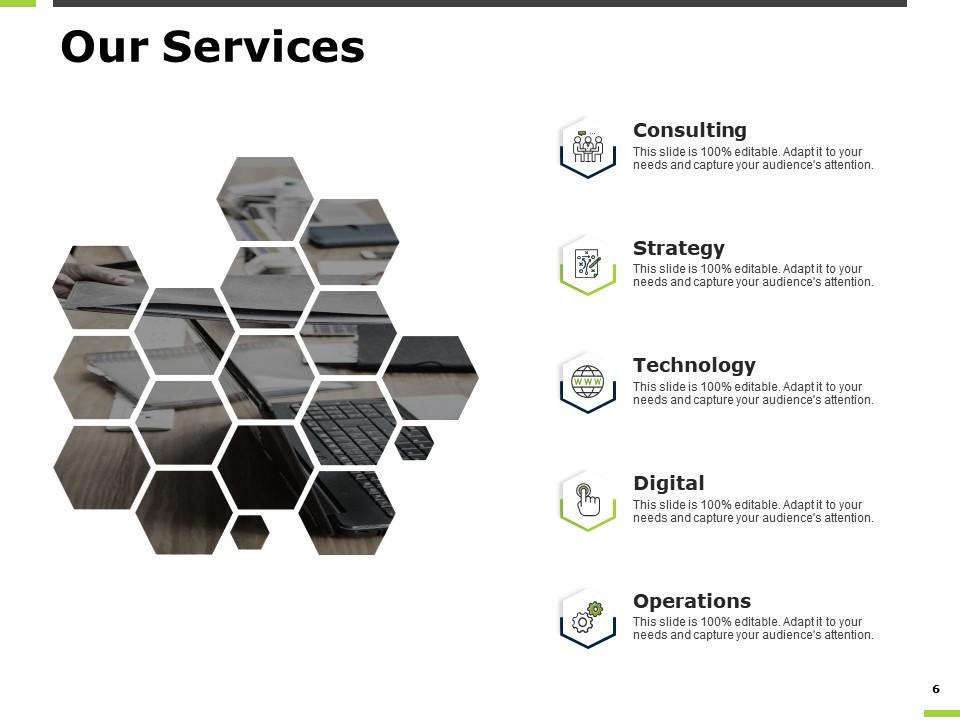
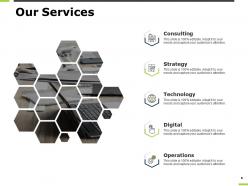
Slide 6: This slide shows Our Services with these categories- Consulting, Strategy, Technology, Digital, Operations.
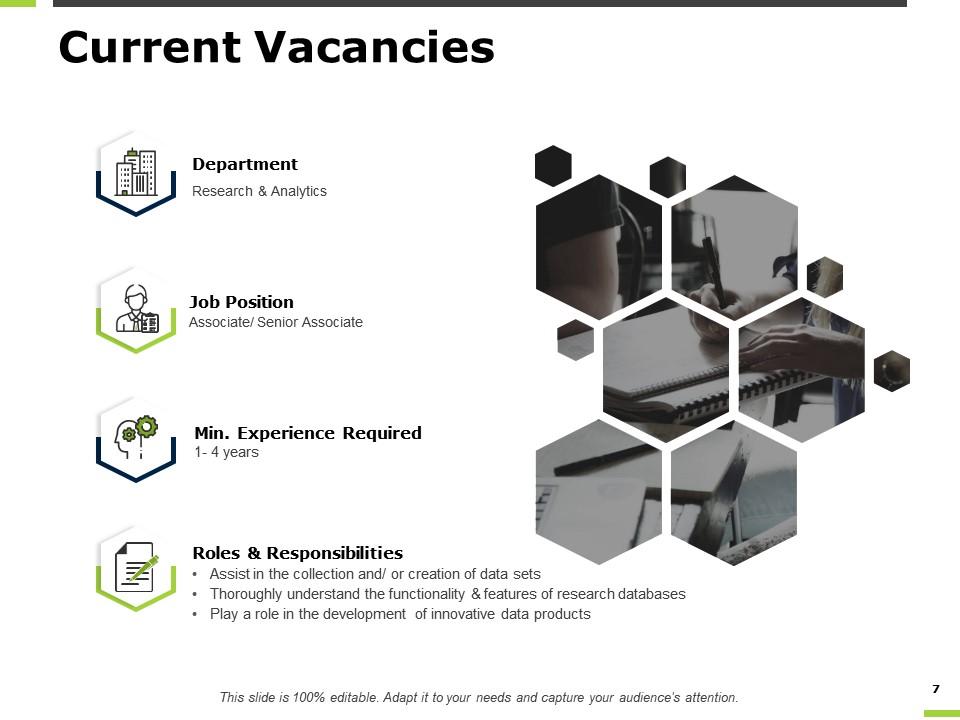
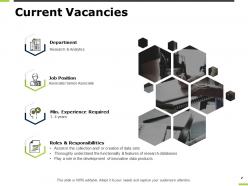
Slide 7: This slide showcases Current Vacancies and also includes these parameters- Department, Min. Experience Required, Roles & Responsibilities, Job Position.
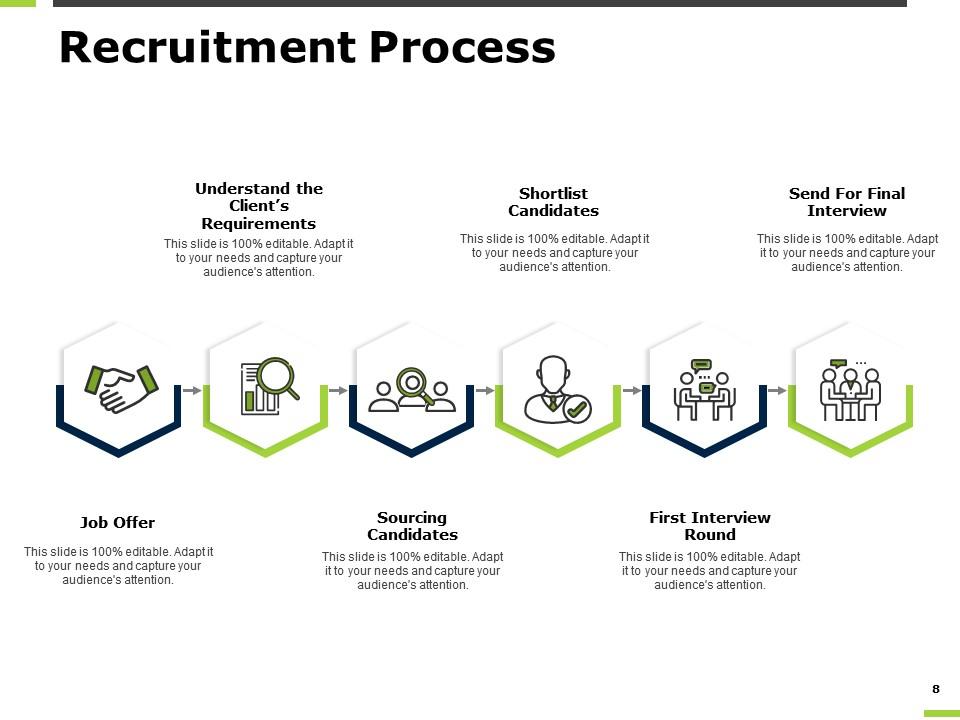
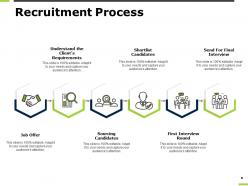
Slide 8: This slide shows Recruitment Process with these mentioned parameters- Understand the client’s requirements, Sourcing candidates, Shortlist candidates, First interview round, Send for final interview, Job offer.
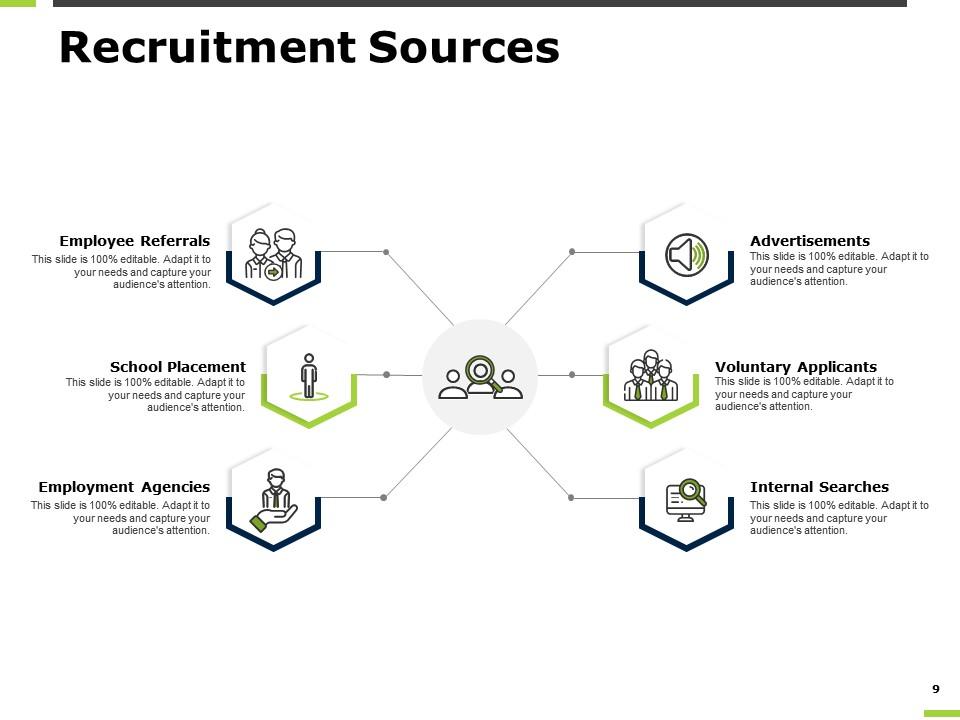
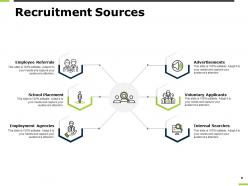
Slide 9: This slide presents Recruitment Sources with these six stages- Internal Searches, Voluntary Applicants, Employment Agencies, School Placements, Employee Referrals, Advertisements.
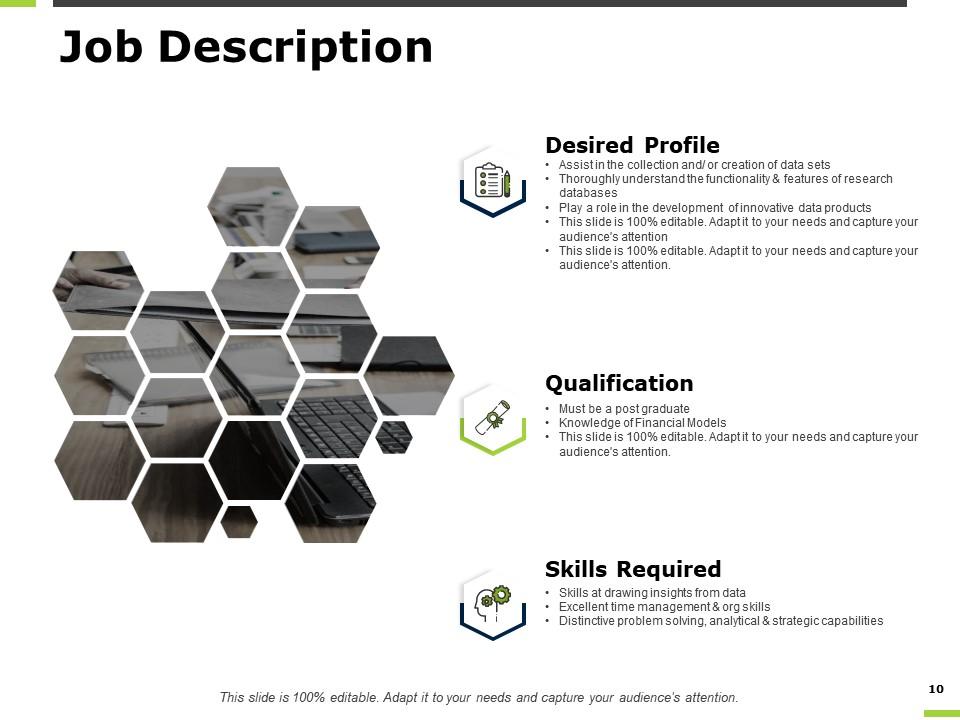
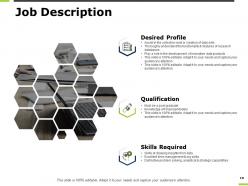
Slide 10: This slide presents Job Description which further guide you to add more information about- Desired Profile, Qualification, Skills Required.
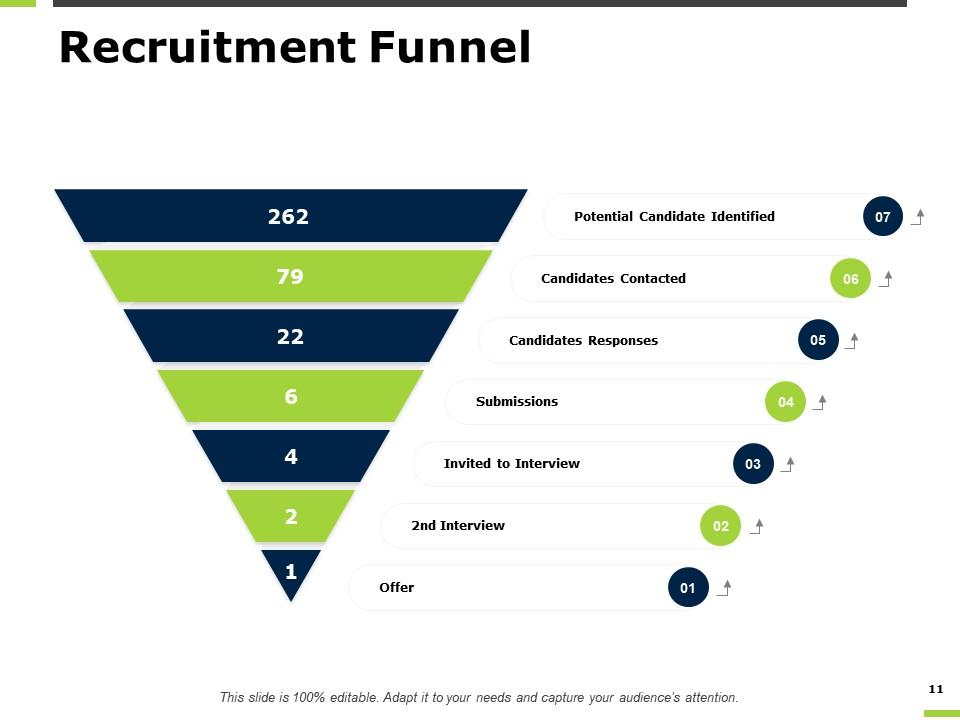
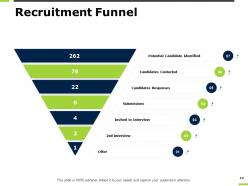
Slide 11: This slide shows Recruitment Funnel with these important factors to note- Potential Candidate Identified, Candidates Contacted, Candidates Responses, Submissions, Invited to Interview, Offer, 2nd Interview.
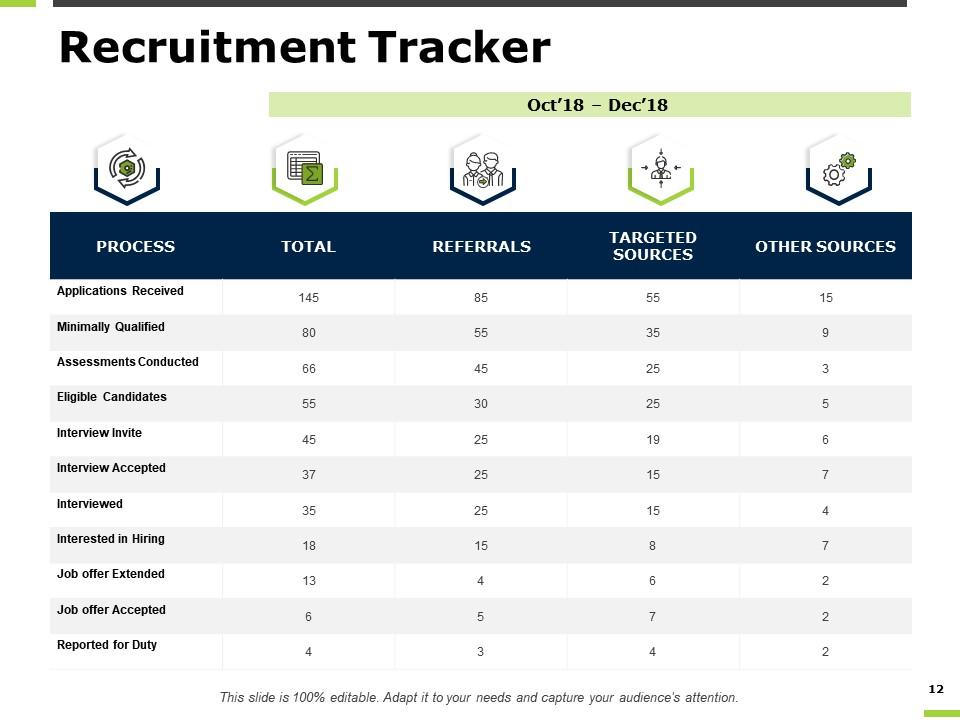
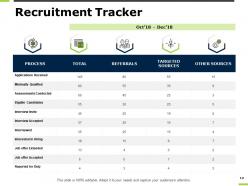
Slide 12: This slide shows Recruitment Tracker. You can add the data for the requirement or hiring processes.
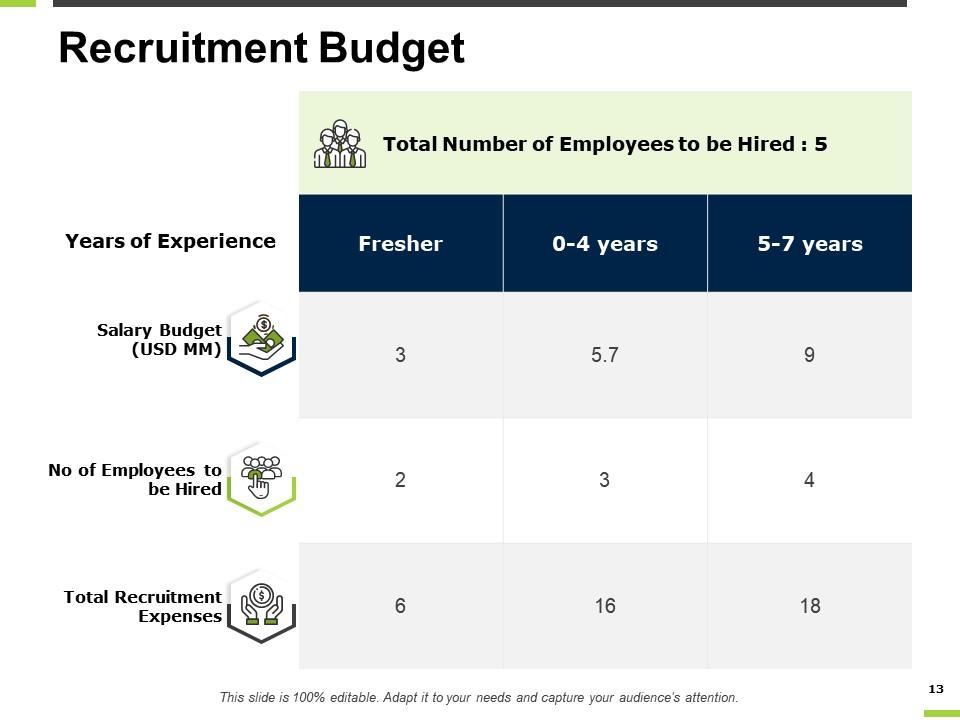
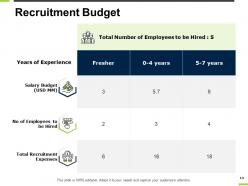
Slide 13: This slide guide you to add the Recruitment Budget and also add the data as per your requirement.
Slide 14: This slide displays Recruitment Planning Icons.
Slide 15: This slide is titled as Additional Slides for moving forward.
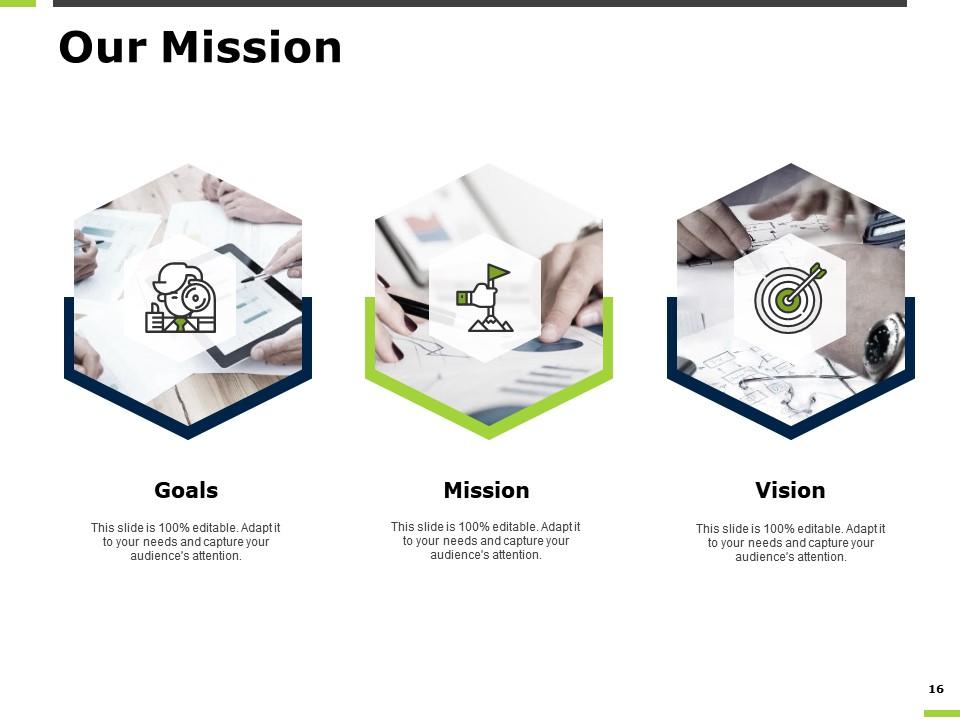
Slide 16: This is Our Mission slide with related imagery and text.
Slide 17: This is Our Target slide. State your targets here.
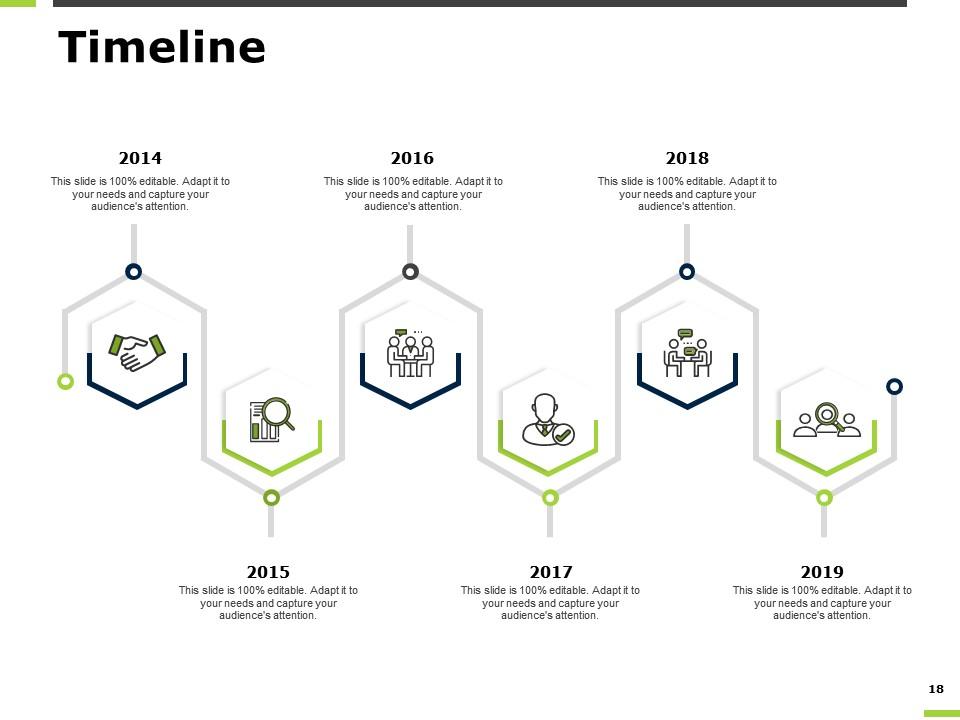
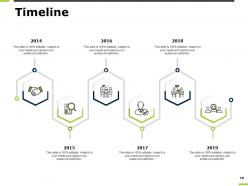
Slide 18: This is a Timeline slide to show information related with time period.
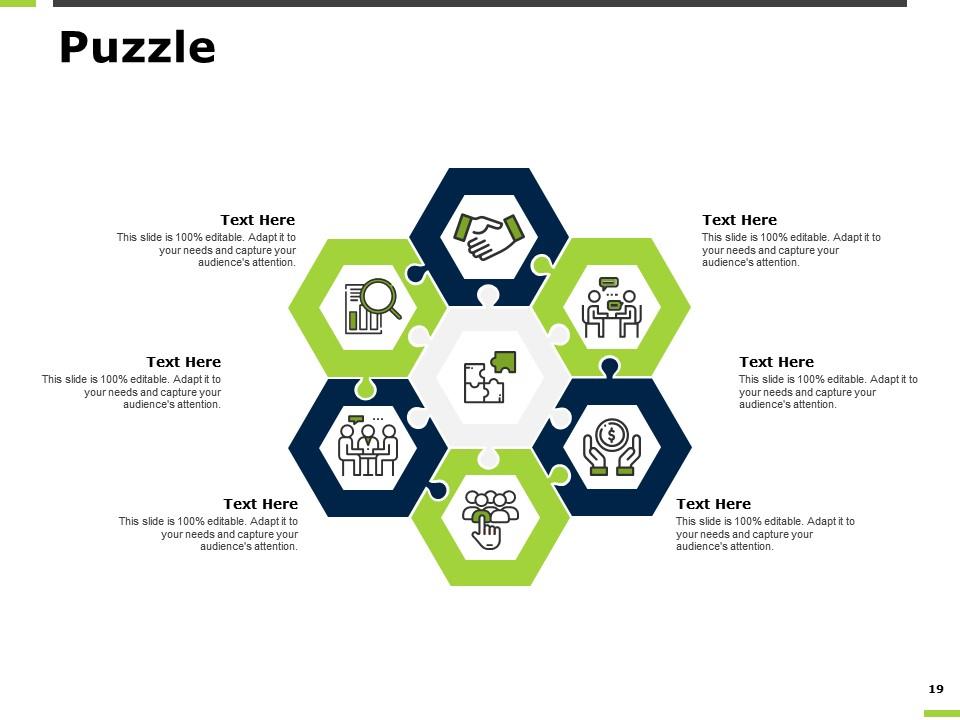
Slide 19: This is a Puzzle slide with text boxes.
Slide 20: This slide is titled as Post it. Post your important notes here.
Slide 21: This is a Venn slide with additional text boxes to show information.
Slide 22: This is a Quotes slide to convey message, beliefs etc.
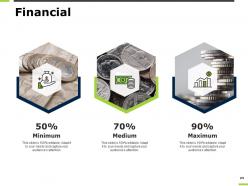
Slide 23: This is a Financial slide. Show your finance related stuff here.
Slide 24: This is a Bulb or Idea slide to state a new idea or highlight information, specifications etc.
Slide 25: This is Our Target slide. State your targets here.
Slide 26: This slide shows Mind Map for representing entities.
Slide 27: This is a Thank you slide with address, contact numbers and email address.
Recruitment Planning Powerpoint Presentation Slides with all 27 slides:
Argue for expansion with our Recruitment Planning Powerpoint Presentation Slides. Build a case for greater capacity.
FAQs for Recruitment Planning
Honestly, start by getting crystal clear on what you actually need in this role. Map out where you'll find candidates and be realistic about timing - rushing never works out. Figure out your evaluation criteria before you start, not after you've seen 20 resumes. Oh, and definitely nail down who's doing what in the process. I learned this the hard way when three people were all "managing" the same hire. Plan the whole candidate journey too - how you'll communicate, what the interview flow looks like. If you're using recruiters or paid job boards, factor that into your budget. Create a simple template you can reuse because you'll thank yourself later.
Start with your 1-3 year business goals and work backwards from there. Expanding into new markets? You'll need different people than if you're cutting costs or switching products. Most companies just copy-paste the same boring job posts without thinking strategically - it drives me crazy! Figure out which roles actually move the needle on your big objectives. Those get priority in your hiring plan. Make sure job requirements match the skills you really need to hit those targets. Oh, and track what matters - quality of hire and retention for key positions, not just how fast you fill seats.
Your employer brand is basically how people see you as a workplace, and honestly? It makes or breaks your hiring. Good reputation means talented people actually want to work for you - they'll even reach out first. Makes everything so much easier. But if your brand's trash, you're screwed even with amazing positions. I've watched companies burn through recruitment budgets because nobody trusts them as an employer. My advice? Fix your reputation first, then worry about posting jobs. Way less painful that way, trust me.
Honestly, data analytics is a game changer for recruitment planning - no more throwing darts in the dark. Look at your past hiring patterns to predict when roles will open up. Track which sourcing channels actually deliver quality candidates (hint: that pricey job board might be trash). You'll spot bottlenecks in your process and see where good hires come from vs. the duds. Budget planning gets way easier too. Start simple - just track your basics for a few months to build a baseline. Then you can make real decisions instead of just winging it with headcount and spending.
Look at your past hiring patterns and turnover first - that's your baseline. Then grab those business growth projections and see what projects are coming down the pipeline. Honestly, workforce analytics tools are clutch for catching trends you'd totally miss otherwise. Chat with department heads about their expansion plans too. Are any big retirements happening soon? I always do a 6-12 month rolling forecast and update it every quarter. The real magic happens when you mix hard numbers with casual hallway conversations - managers usually know they'll need people way before they officially tell you.
So first off, write a job title that actually makes sense and a summary explaining what they'd do every day. Skip the laundry list of requirements - instead, talk about the real impact they'll make. And please, for the love of god, stop calling roles "entry-level" when you want 5 years experience. That's just annoying. Throw in salary ranges if you can swing it. Your culture section should feel real, not like some marketing person wrote it. Use bullet points so people can scan quickly. Oh, and definitely have someone outside your team read it first - they'll spot the confusing parts you're blind to.
Dude, start with whatever's eating up most of your time - probably resume screening, right? ATS systems are game-changers for tracking candidates, and AI can knock out the initial resume filtering so you're not drowning in applications. For interviews, those scheduling tools save your sanity (seriously, no more email tennis). Analytics help predict when you'll need to hire based on past patterns and turnover. Oh, and chatbots handle basic candidate questions around the clock. I'd honestly just pick one problem area first and find a tool that fixes it, then build from there.
Honestly, diverse hiring just opens up way more talent pools - you're not limiting yourself to the same circles everyone else recruits from. Teams with different backgrounds actually catch problems others miss and come up with solutions I wouldn't have thought of. The money side is real too - companies with diverse teams consistently outperform others financially. Your company reputation matters more now since good candidates research culture before applying. I'd expand where you post jobs first, then maybe mix up your interview panels so it's not all similar people evaluating. Really though, even small tweaks make a difference.
Honestly, you've got to completely overhaul how you're finding and vetting people. Geographic limits are dead now - cast a way wider net. During interviews, dig deep into their digital communication skills and self-motivation because I swear, some candidates who crush it face-to-face are terrible at remote collab. Make sure your job posts are crystal clear about remote vs hybrid vs office requirements. Your onboarding needs a total virtual makeover too. Here's the thing though - audit what you're currently measuring. Does it actually predict remote success or just how well someone performs in an office? Big difference.
So start with the basics - time-to-fill, cost-per-hire, and quality of hire. Source effectiveness is massive though, like which job boards actually work vs. just drain your budget. Also track offer acceptance rates and how candidates felt about interviews. Honestly, retention after 90 days and a year is probably the most telling metric - shows if you're hiring right or just fast. I'd focus on getting these down solid first. My old boss used to obsess over way too many metrics at once and it was chaos. Once you've got good tracking for these, then you can add the fancy stuff.
Honestly, start by looking at your current job posts and interview questions - you'll probably cringe at some of them. Build the compliance stuff right into your hiring process from day one. Standardized job descriptions help a ton, and train everyone on what they can't ask (seriously, people still think asking about kids is okay?). Document everything the same way each time. Your application process needs to be accessible too, or you might accidentally exclude people without realizing it. Having clear policies is great, but you also need to actually check if people are following them. Red flags are easier to spot than you'd think.
Dude, onboarding is everything for recruitment planning. Here's the thing - hiring doesn't stop when someone says yes to your offer. That's literally just the beginning. Poor onboarding will kill even your best hires, which is honestly so frustrating to watch happen. The numbers are wild too - good onboarding cuts turnover by 82% and bumps productivity over 70%. So when you're mapping out recruitment, factor in those first 90 days. Timeline, resources, costs - all of it matters. Your hiring managers need to own that whole period, not just bounce after the interviews. Trust me on this one.
Start with candidate experience on day one - don't just tack it on later. Map every touchpoint from job posting to onboarding and spot the friction points. Most companies honestly suck at this part (learned that the hard way). Your hiring managers probably need interview training too. Build in feedback buffers, streamline the process, and set communication rules like 48-hour response times. The trick is walking through your current process as if you're the candidate. You'll catch the obvious problems pretty fast once you flip perspectives.
Your hiring managers are honestly your best allies in recruitment planning - they know their team needs better than anyone. They'll help nail down job requirements, realistic timelines, and what the budget actually looks like. Since they're making the final call anyway, get them involved early. Here's the thing though - they almost always think you can fill roles way faster than reality allows. I've learned this the hard way! Start those planning conversations upfront so you're both on the same page. It'll save you from those frantic "we needed someone yesterday" moments that always seem to pop up.
Start posting about your company culture way before you actually need people. Employee stories work really well - way better than generic job posts honestly. LinkedIn groups are obvious but don't sleep on Twitter and Instagram for finding passive candidates. Most people aren't actively job hunting but they're definitely scrolling through feeds. Figure out where your ideal hires hang out online first. Then create content showing what working there is actually like, not just the polished stuff. Oh and respond to comments fast when people engage - that part's huge for keeping interest.
No Reviews