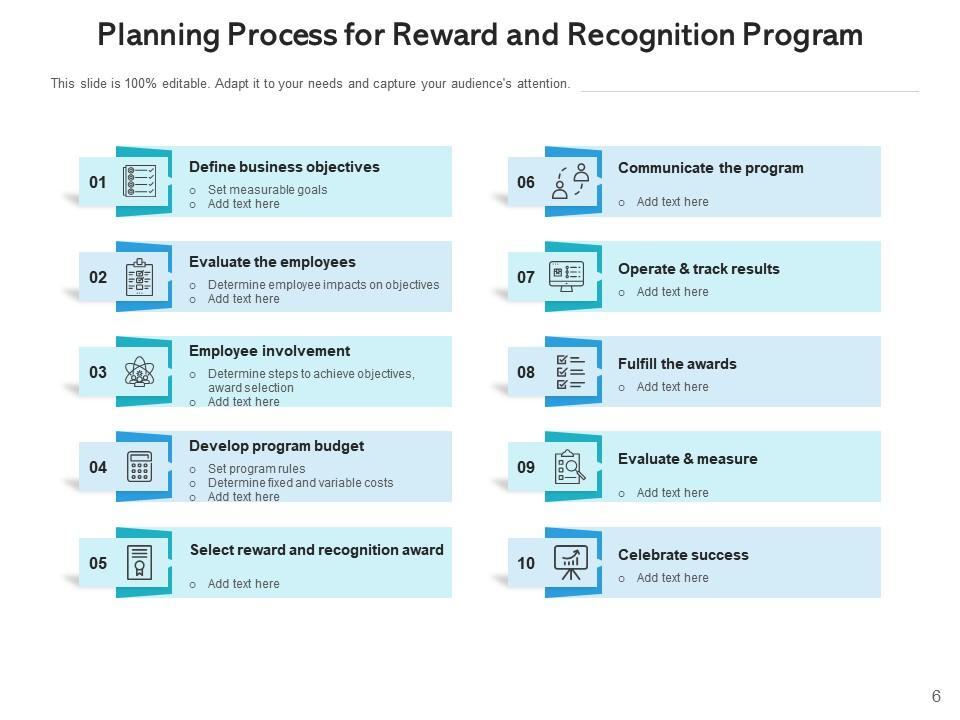
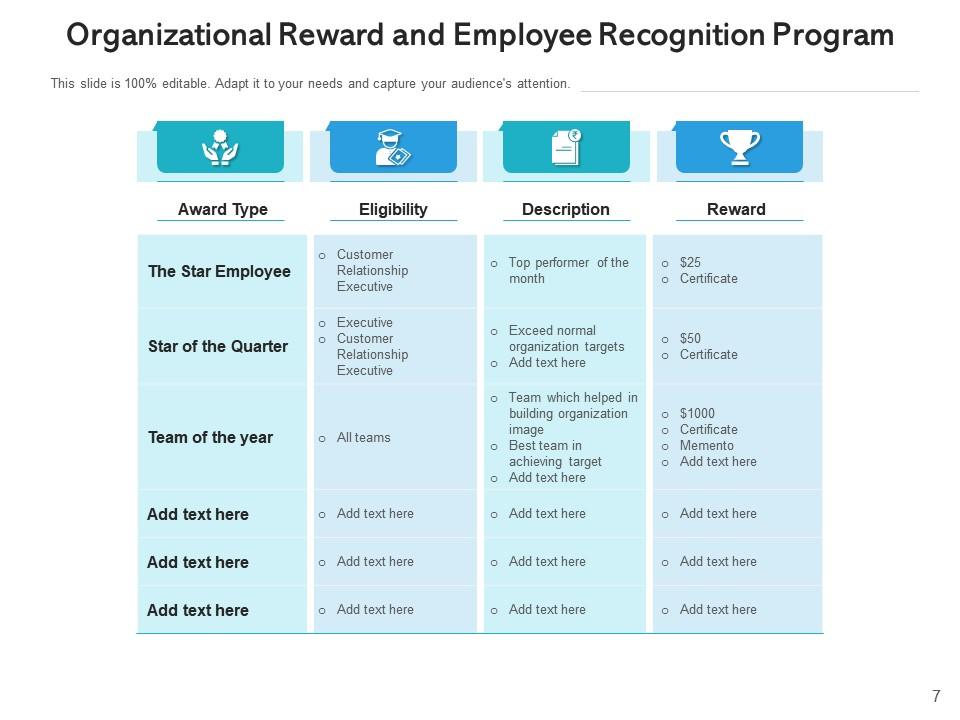
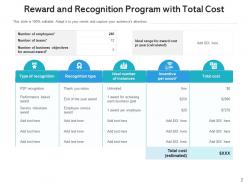
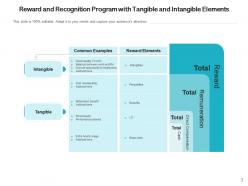
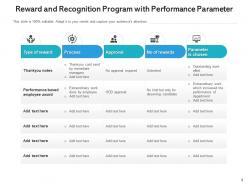
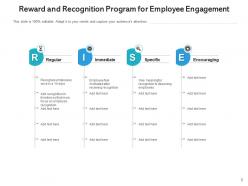
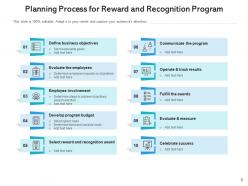
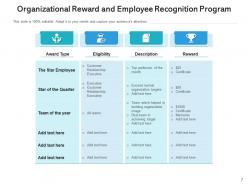
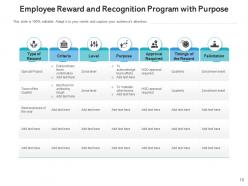
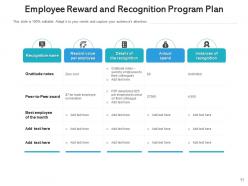
Reward And Recognition Program Performance Engagement Process Organizational
Try Before you Buy Download Free Sample Product
Audience
Editable
of Time
Our Reward And Recognition Program Performance Engagement Process Organizational are topically designed to provide an attractive backdrop to any subject. Use them to look like a presentation pro.
People who downloaded this PowerPoint presentation also viewed the following :
Reward And Recognition Program Performance Engagement Process Organizational with all 12 slides:
Use our Reward And Recognition Program Performance Engagement Process Organizational to effectively help you save your valuable time. They are readymade to fit into any presentation structure.
FAQs for Reward And Recognition Program Performance
Look, purpose is everything - people need to feel like their work actually matters. Recognition comes next because honestly, who doesn't want their boss to notice when they crush it? Growth opportunities are massive too. Don't micromanage either, it's so outdated. Fair pay is obviously expected but won't wow anyone. What really works? Managers who genuinely care about their team's careers. Oh and psychological safety - your people have to feel safe speaking up without you losing your mind. Just ask them directly what would make work more meaningful, you'd be surprised what they tell you.
Start with monthly pulse surveys - they're super easy to set up. Track engagement scores and watch how they change over time. Also keep an eye on retention rates, sick days, and who's actually getting promoted internally. Exit interviews are honestly where you get the real tea about what's broken. I'd say numbers matter, but you need the actual stories behind them too. Oh, and make sure you have baseline data before you change anything - otherwise you're just guessing if stuff's working. Productivity metrics help, but don't go overboard tracking everything at first.
Oh man, leadership makes or breaks everything when it comes to keeping people engaged. I've literally watched one solid manager flip a whole team's attitude around - but the opposite happens too when you get stuck with someone who just doesn't get it. The thing is, when leaders actually listen and recognize good work, that energy spreads fast. Your managers need to master the basics first: giving regular feedback and making people feel heard. Also creating real growth opportunities, not just empty promises. Honestly, if you can nail active listening and transparent communication, you're already ahead of most places.
Honestly, feedback stuff works because people want to feel like their opinions matter. When you actually listen to what they're saying and do something about it, they'll care way more about their job. One-on-ones are solid, anonymous boxes too. But here's the thing - you gotta close the loop. Show them how their ideas changed something, even small stuff. Can't fix everything? Just tell them why not. They'll respect the honesty. Start with monthly check-ins, ask what's bugging them or what's going well. Pretty simple but it works.
Honestly, remote work is such a mixed bag for engagement. Your flexible, independent people will probably love it - better work-life balance, feeling trusted, all that good stuff. Others? They're gonna feel super isolated and miss those random hallway chats that somehow fix everything. I swear some of my best ideas came from bumping into someone by the printer. Anyway, you gotta be really deliberate about staying connected. Set up regular check-ins, get decent tools, and don't let remote folks feel forgotten. Survey your team often to see what's actually working for them specifically.
Honestly, it's all about figuring out what each generation actually wants. Boomers love face-to-face feedback and stability - they're big on recognition too. Gen X? They just want work-life balance and to be left alone to do their thing. Millennials are total feedback addicts who need constant development opportunities and want their work to mean something. Gen Z moves fast - they prefer quick digital communication and clear paths for moving up. Don't try the same approach with everyone, it'll backfire. Survey your teams first to see what motivates them, then customize everything from how you communicate to your recognition programs. Start by checking which generations you've got the most of.
Honestly, skip the pizza parties - they're so overdone at this point. What about letting people spend like 10% of their time on passion projects that actually help the company? Or set up peer recognition where teammates can nominate each other for small rewards. Summer Fridays are clutch if you can swing it. Monthly learning stipends work great too - people can expense books, courses, whatever. But here's the thing: just ask your team what they'd actually want instead of guessing. Send out an anonymous survey first. You'll probably be surprised by what they say.
Dude, engaged employees are seriously your secret weapon. They're way more focused and creative, plus they actually want to put in extra effort. Quality goes up, mistakes drop, customers are happier. And here's the kicker - they don't bail on you constantly, which saves a fortune on hiring and training (ugh, that process is the worst). Companies with engaged teams see like 23% better profits on average. Honestly, most managers overcomplicate this stuff. Just listen when your people give feedback and actually do something about it.
Most companies mess this up by assuming everyone's motivated the same way - they're not. Big flashy programs get launched without anyone actually asking what employees want first. That's backwards. Annual surveys are pretty useless too since people's needs change constantly. Pizza parties won't fix a toxic manager, you know? What actually works is training managers consistently and giving people multiple ways to give feedback throughout the year. Oh, and maybe stop trying to solve everything with one grand solution.
Honestly, getting departments to work together is a game-changer for keeping people engaged. Breaks down those stupid silos that make everyone miserable. People get bored doing the same thing with the same faces all the time, you know? When your team collaborates with other departments, they're suddenly learning new skills and seeing how their work actually fits into the big picture. It's pretty cool watching employees get excited about projects when they feel real ownership over them. Start small - maybe some cross-department project teams or even just casual coffee meetups. Trust me, it works.
Track your eNPS and retention rates first - those numbers don't lie. Survey people quarterly about job satisfaction and manager relationships, not just annually when it's too late to fix anything. Absenteeism and internal promotion rates tell you a lot too. Participation in company stuff matters, though honestly some employees will complain no matter what you do. Career development opportunities are massive for engagement. Oh, and pulse surveys work way better than those long annual ones nobody wants to fill out.
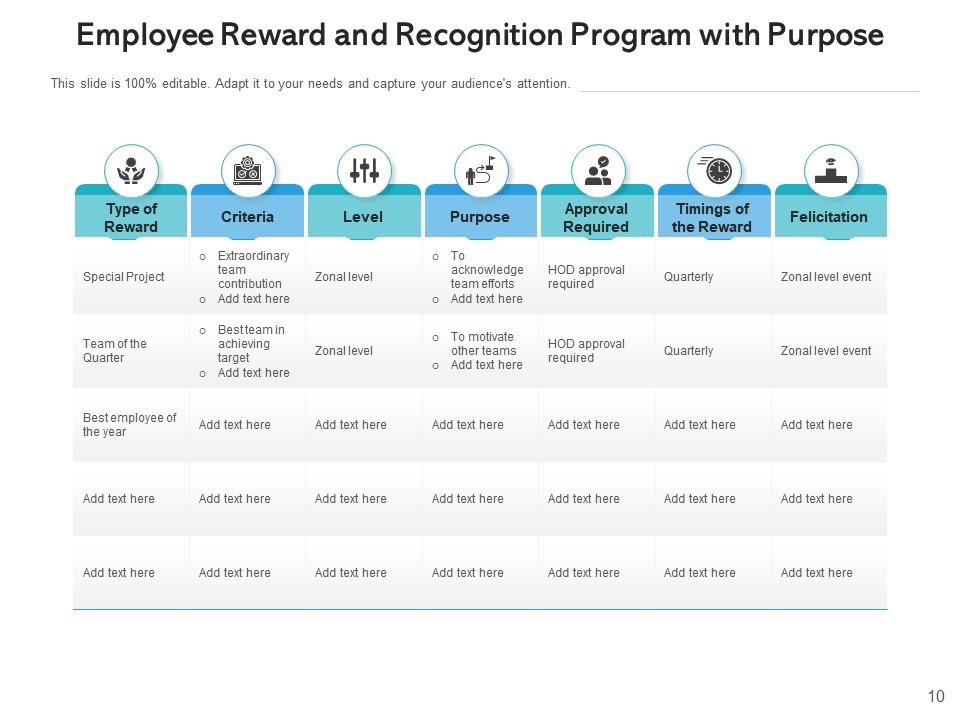
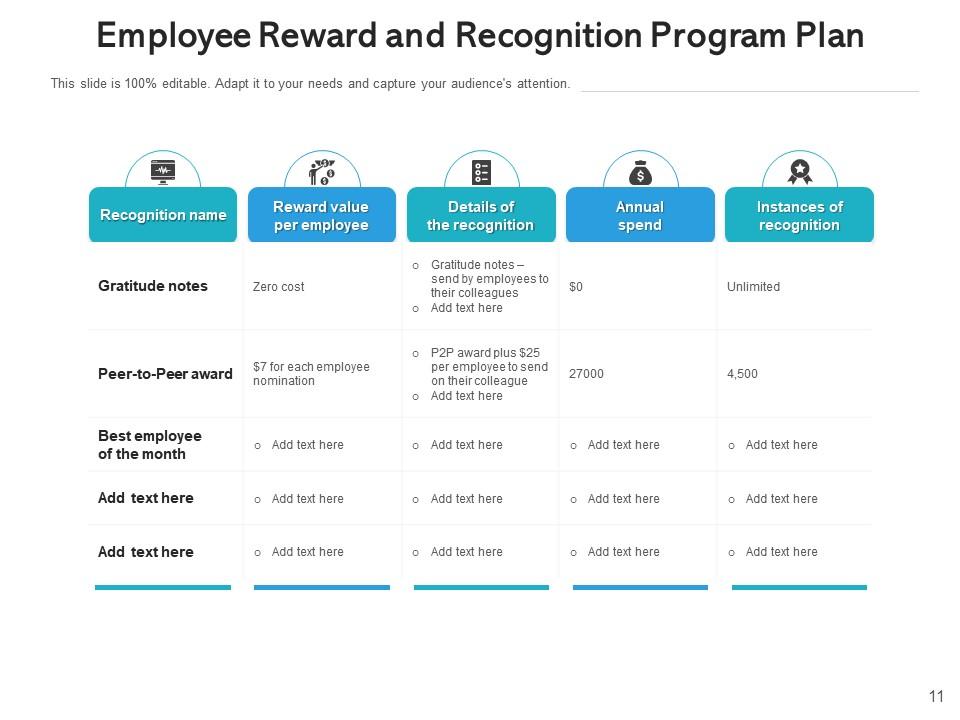
Honestly, recognition programs work because people just want to feel appreciated - it's pretty basic psychology. You've got to be specific though, not that lame "employee of the month" garbage everyone sees through. Timing matters too. If someone kills it on a project, don't wait three weeks to say something. I'd start with peer-to-peer recognition since that's usually easier to implement. The whole thing should connect back to what your company actually cares about. Even small acknowledgments can shift how engaged people feel daily. It's wild how much difference a genuine "thanks for handling that client situation" makes versus generic praise.
Honestly, investing in your team's growth is one of the best moves you can make. People hate feeling trapped in the same position forever - been there myself. Show them you care about where they're headed, not just what they can do for you right now. They'll stick around way longer and actually give a damn about the work. Fresh skills come back to help you too, which is nice. Just make sure you're listening to what THEY want to develop, not pushing whatever training budget you need to spend. Nobody wants mandatory Excel workshops when they're dreaming of leadership roles.
Stop putting values on posters and actually live them. Leadership has to go first - people smell fake from miles away. Build values into the real stuff: who you hire, how you give feedback, what gets rewarded. Honestly, most companies totally blow this part. Your managers need to explain decisions through a values lens, not just wing it. Hit people from all angles - onboarding, team meetings, even how you handle screwups. The magic happens when values show up in actual work situations instead of some separate "culture thing." Repetition across different touchpoints is what makes it stick.
Okay so first thing - just be straight with people about what's going on. Even if you don't know everything yet, tell them that. Radio silence is the worst thing you can do right now, trust me on this one. Set up regular check-ins or town halls where you actually listen, not just talk. Get people involved too - ask what they think about how to roll things out. And honestly? Celebrate the small stuff as you go. People need to feel like they're making progress. Oh, and pick one way to communicate better this week. Don't try to fix everything at once.
-
Very unique and reliable designs.
-
Unique design & color.