

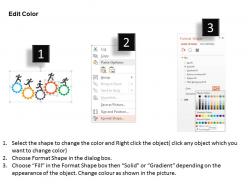
Rm peoples on gears teamwork strategy flat powerpoint design




Try Before you Buy Download Free Sample Product
 Impress Your
 Audience
 100%
100% Editable
 Save Hours
 of Time


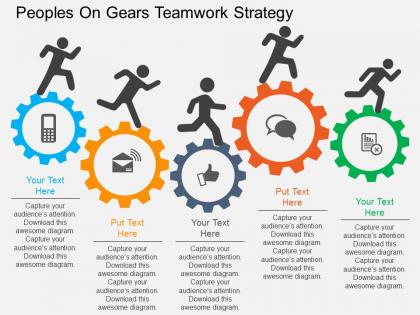
Teamwork in the workplace is an asset that helps a business soar new heights. You are sure to achieve your business goals if your colleagues or employees know the importance of teamwork in the workplace. The reality is, most of the time, the team members are not in consonance with company strategies leading to low production. Avoid this situation by gearing up your team by downloading and presenting our peoples on gears teamwork strategy PPT examples professional slide. Our beautifully designed icons with rich colors are sure to grasp your audience’s attention and let them focus on the task at hand. The human representations on the slide will have a positive effect and your viewers will understand the firm’s objectives more swiftly. The concisely drawn PPT infographics are amendable and can be changed for shape/size/orientation and color. Add colors from the color palette for more vibrancy. Download this PPT images slide and achieve maximum benefits by saving time and effort. Our Rm Peoples On Gears Teamwork Strategy Flat Powerpoint Design celebrate diversity. They excel in any environment.
People who downloaded this PowerPoint presentation also viewed the following :
Rm peoples on gears teamwork strategy flat powerpoint design with all 4 slides:
Heighten the flavor of your thoughts. Add a dash of our Rm Peoples On Gears Teamwork Strategy Flat Powerpoint Design.
FAQs for Rm peoples on gears teamwork strategy
Ok so Rm Peoples Gears does this thing where everyone rotates roles instead of being stuck in one position. Pretty cool setup honestly. They call it "gear synchronization" - basically people watch each other's workload and help out before anyone crashes. Most teams just scramble after things go wrong, you know? The feedback thing is constant too, not saved up for some boring weekly meeting. Oh and their 15-minute daily check-ins are solid - you just share what's blocking you and if you've got bandwidth to help others. Sounds simple but it actually prevents so many headaches.
So basically RM Peoples Gears is like your team's main communication spot. You can create shared workspaces where everyone sees project updates as they happen. The threaded conversations are tied to specific tasks, which honestly saves so much time - no more scrolling through a million emails to find one decision. You can tag people, share files right away, and jump on video calls without opening another app. Everything gets stored in one searchable place too. Oh, and definitely set up separate channels for each big project from the start. Trust me on that one - it'll keep you way more organized.
So Rm Peoples Gears does a few things to track teamwork. They look at project completion rates and how often teams actually work together across departments. Plus they run quarterly satisfaction surveys - honestly those are probably your best starting point if you're trying to copy this. They've got this peer feedback thing going too where teammates rate each other on collaboration stuff. Kind of like those 360 reviews but just for teamwork. Oh, and they track communication patterns to see who's sharing resources. The satisfaction surveys will tell you what's actually clicking with your team though.
So Rm Peoples Gears does this thing where they intentionally mix different skill sets on every project team - like pairing tech people with the creative types. They rotate who leads based on what phase the project's in, not just who's been around longest. Smart, right? During brainstorming, they make sure the quiet people get heard too, not just whoever talks loudest. Oh, and they actually write down everyone's ideas during planning so it's not just empty gestures. You should check out their next kickoff meeting - they assign roles based on what people are good at, not who's free.
Look, without solid leadership backing it, this whole teamwork thing at Rm Peoples Gears will crash and burn. Leaders need to actually communicate the vision clearly and break down those annoying department walls. The psychological safety piece is huge too - people won't share ideas if they're scared. I've watched this approach completely tank when leadership just talks the talk but doesn't walk the walk. Your best bet? Find the leaders who already collaborate naturally and get them fired up about it. They'll model the right behavior and knock down whatever's blocking teams from actually working together. Oh, and make sure they're not just giving it lip service.
So Rm Peoples Gears does this whole structured thing where they get your team together and work through the mess systematically. Everyone gets to say their piece without getting interrupted, which is honestly pretty smart. Then their facilitator digs into what's actually causing the problems - not just the surface drama but like, communication breakdowns and who's supposed to do what. It feels formal at first but it works. They don't just slap a band-aid on it either. Oh, and definitely ask for their conflict toolkit thing if your team's struggling.
Oh man, so we're all over Slack for random chats and quick updates. Asana's where the real project tracking happens - you'll want to figure that out first since it's where your deadlines live. Zoom for calls obviously, though I still miss being able to just walk over to someone's desk sometimes. All our docs are in Google Workspace which is pretty convenient. Miro boards pop up whenever we need to brainstorm or map things out visually. Honestly the whole setup works way better than our old system.
So Rm Peoples Gears basically makes everything visible - like who's working on what and when stuff's due. Game changer, honestly. They do these check-ins where people actually talk about what's blocking them instead of pretending everything's fine. The accountability part isn't some manager breathing down your neck - it's more peer feedback and everyone owning the results together. They're good about celebrating wins too, both individual and team stuff. Oh, and if you want to try this? Start with weekly meetings where everyone just shares their priorities and asks for help. Simple but it works.
Oh nice timing - we actually have some decent stuff going on! There are these monthly workshops where different teams work through real problems together, which is pretty cool. The peer mentoring thing pairs you with someone from another department too. Honestly, the communication training sessions are way better than the old boring ones we had before. Oh and there's quarterly team building stuff plus an online platform with collaboration modules - though I haven't tried that one yet. I'd definitely start with the workshops since you can actually use what you learn right away on your current projects.
So Rm Peoples Gears basically went all-in on async work for their remote teams. They do this rotating thing where different people lead project phases - honestly works way better than having one person stuck with everything. Daily 15-minute "sync gears" meetings too (I know, more meetings, but apparently they're actually short). Everything gets documented in shared spaces now instead of those random hallway chats we used to rely on. Oh, and each team member gets clear ownership windows during their "gear" phase. If you're gonna try this, definitely start with the rotation system first.
Rm Peoples Gears uses the usual stuff - project completion rates, quality scores, meeting deadlines. Collaboration gets weighted pretty heavily though, like how well your team actually talks to each other and helps out. They do 360 feedback every quarter which honestly can be brutal but you learn a lot. What's nice is they balance individual work with team results, so you're not constantly trying to one-up everyone. Oh and the weightings change by department I think? Definitely ask your team lead about specifics for your area.
So basically we do this cascading thing where your personal OKRs roll up to team goals. Pretty simple setup. Every quarter you sit down with your manager and map out how your stuff connects to the bigger picture - no guessing games about what actually matters. Those "why am I even doing this" moments? Yeah, we hash those out upfront instead of three months later when everyone's frustrated. Monthly check-ins keep things on track too. Honestly the whole thing works because we're really explicit about those connections from day one. Can't just cross your fingers and hope alignment happens naturally - learned that the hard way!
So they've got this cool system at RM Peoples Gears. Monthly shoutouts happen during all-hands meetings, plus there's these "Gear Champion" awards that come with small bonuses. Quarterly team lunches when you hit big milestones too - honestly, way better than most places I've worked. They don't just focus on huge wins either. Daily stuff gets recognized which keeps everyone pumped during those endless projects. You should totally nominate people when you see good teamwork happening. It actually makes a difference and isn't just some fake corporate thing, you know?
At RM Peoples Gears, feedback runs through everything they do. Daily check-ins and peer reviews happen constantly - way more than just formal reviews. Everyone's giving and getting input, which honestly keeps small problems from turning into disasters later. The whole system works because people actually talk to each other regularly instead of waiting months between conversations. You'll want to jump into both sides of it right away. Quick feedback sessions are where the real work gets done, not those lengthy annual reviews. Trust me, once you get used to it, your team will run so much smoother.
Oh man, Rm Peoples Gears hit the usual walls - people stuck in their department bubbles and tons of resistance from the lone wolves. Daily cross-team check-ins helped break down those silos, plus they added shared dashboards so everyone could actually see what was happening elsewhere. Smart move was pairing the resistant folks with their most enthusiastic team players as mentors. Honestly, that mentor thing probably made the biggest difference. If you're dealing with pushback, don't go big right away. Start with just one or two pilot teams first - way easier to manage and you won't freak everyone out at once.
-
good
-
Super
-
Excellent and raliable design
-
Very unique and reliable designs.
-
Excellent design and quick turnaround.