

Rm Road Mapping With Year Based Achievement Graph Powerpoint Template






Try Before you Buy Download Free Sample Product
 Impress Your
 Audience
 100%
100% Editable
 Save Hours
 of Time


To achieve success and high growth rate, it becomes important to track our activities and to keep in loop the same a presentable PowerPoint template with a year-based achievement road mapping graph works wonders. To communicate the direction and process all you need is colourful and graphic loaded PPT layout which not only serves short term objectives but also helps to keep a track of long term objectives. Because there is a continuous life cycle process associated with the day to day business management thus the same can be handled with ease, by putting to use presentation slide show at the right time and place with all the relevant facts in it. With realization of need of road mapping tool to reinforce and build on the stated facts, the appropriately designed presentation slide show works wonders as it serves as a healthy way to communicate and put across the ideas in an appealing and more presentable way, without compromising on the quality of PPT. Gauge their feelings with our Rm Road Mapping With Year Based Achievement Graph Powerpoint Template. The audience will automatically respond.
People who downloaded this PowerPoint presentation also viewed the following :
Rm Road Mapping With Year Based Achievement Graph Powerpoint Template with all 9 slides:
Our Rm Road Mapping With Year Based Achievement Graph Powerpoint Template enable clear channels of communication. They aim for good connectivity.
-
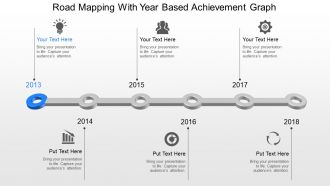
Road Mapping With Year Based Achievement Graph
-
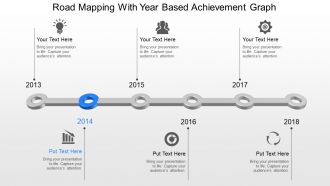
Road Mapping With Year Based Achievement Graph
-

Road Mapping With Year Based Achievement Graph
-
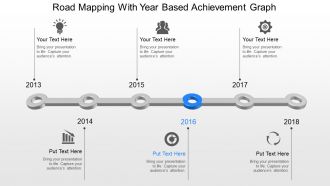
Road Mapping With Year Based Achievement Graph
-
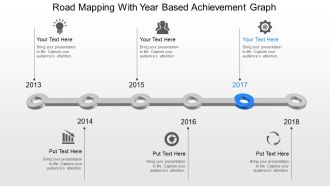
Road Mapping With Year Based Achievement Graph
-

Road Mapping With Year Based Achievement Graph
-
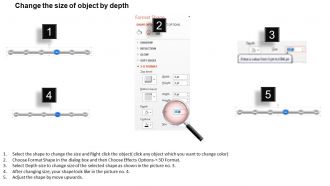
Change the size of object by depth
-
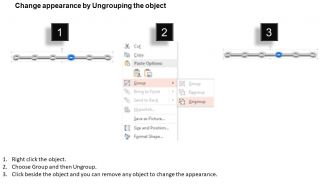
Change appearance by Ungrouping the object
-
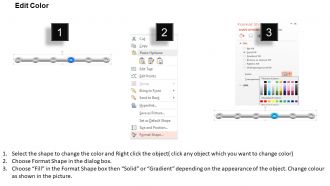
Edit Color
FAQs for Rm Road Mapping With Year Based Achievement
Honestly, most teams mess this up by skipping the basics. Map out where you are now vs where you want to go - sounds dumb but it's crucial. Get stakeholder buy-in first because roadmaps made in isolation always fail. Build in regular checkpoints and realistic milestones (not fantasy dates). You'll need clear success metrics and resource planning from the start. Risk mitigation too, though that's kinda obvious. The timeline thing is huge - I've seen so many projects crash because someone thought they could do 6 months of work in 3. Oh, and involve the right people early.
Don't make stakeholder input an afterthought - weave it right into your process from day one. Figure out who actually matters: PMs, engineers, sales folks, support, customers. Monthly one-on-ones work great, plus I throw quarterly workshops where people can duke it out over priorities. Those sessions get messy but honestly that's where the good stuff happens. Use some kind of feedback template so you're not comparing apples to oranges. The real trick? Make it ongoing, not just a box you check once. Set up a dashboard where people can see their input actually moved the needle and keep commenting as things change.
Don't try to map out every single risk scenario right away - you'll burn months on stuff that doesn't matter. Focus on your top 5-10 critical ones first. Getting stakeholder buy-in early is huge too. I've seen so many teams create these perfect documents that just collect dust because nobody was actually involved in making them. Oh, and here's the thing - your roadmap can't be set in stone. Risks change constantly, so you need something that evolves with your business. Start small, get the right people involved from the beginning, and set up regular check-ins to keep it useful.
Start with your biggest customers and sales/support teams - they know what's actually breaking vs what just sounds nice. Score everything on business impact, effort, and whether it fits your vision. I throw it all in a simple matrix because honestly, spreadsheets just make sense for this stuff. Dependencies matter too, plus any technical debt you're carrying. The hardest part? Being brutal about killing good ideas so the great ones can breathe. You can't build everything, even when it all seems important.
So for RM roadmaps, I'd definitely check out ProductPlan or Aha! first - they're built for exactly this kind of thing. Roadmunk's solid too. Budget tight? Miro works in a pinch, though you'll hit walls pretty fast when things get complex. The dedicated tools are honestly worth it because they connect features to your bigger strategy and handle those annoying dependency chains. Plus when priorities inevitably shift (and they will), you won't be rebuilding everything. Oh and stakeholder updates become way less painful. Start with free trials of ProductPlan and Aha! - see which one your team actually wants to use.
Honestly, just tie everything directly to what the business actually wants - revenue goals, expanding into new markets, whatever they're obsessing over this quarter. Each roadmap item needs a clear connection to something measurable that leadership gives a damn about. I've watched so many teams create these gorgeous roadmaps that look impressive but don't actually help hit targets. Add business impact columns right next to your initiatives - sounds boring but it works. If you can't explain how your RM work connects to a real business goal, maybe it shouldn't be there. Oh, and review this stuff regularly because priorities shift constantly.
Honestly, market research is like your BS detector for roadmap planning. It shows you what customers genuinely need instead of what you're guessing they want. Use it to check your feature priorities and figure out where competitors are falling short. I can't tell you how many roadmaps I've seen tank because teams just winged it. The data helps you sequence stuff based on actual demand - plus it's great ammo when leadership questions your choices. Oh, and don't forget to update your research regularly. Markets change way faster than most people realize, and stale data will bite you.
Quarterly reviews are the bare minimum, but honestly? Monthly check-ins work way better. Do the big strategic stuff quarterly - reprioritizing, timeline shifts, making sure you're not totally off track from what the business actually needs. Monthly meetings catch the small stuff before it snowballs. Markets move stupid fast these days. Your roadmap has to keep up or you'll be planning for problems that don't exist anymore. Just block out time on your calendar now for both - otherwise you'll keep pushing them off and suddenly it's been six months since you looked at anything.
Track your stakeholder stuff first - adoption rates, feedback scores, whether teams actually use the roadmap when making decisions. Then look at the delivery side: hitting dates, staying on budget, meeting those business goals you set. Also measure how accurate your predictions are (spoiler: they won't be great, but don't stress). Honestly, the roadmap's more about having a plan than nailing every detail. Set up quarterly check-ins to review these numbers and tweak your process. That's really the only way to get better at this roadmapping thing.
Honestly, just throw some visuals on that roadmap and you'll thank me later. Color code different phases, add icons for big milestones - whatever makes it less boring to look at. Your brain processes pictures way faster than text anyway, so stakeholders won't zone out trying to figure out what's happening when. I always use swimlanes to separate different workstreams too. Keep your colors and shapes consistent though, otherwise people get confused about what means what. Progress bars and arrows showing how phases connect are clutch. Trust me, spending like 20 minutes making it look decent beats sitting through endless "wait, what does this mean?" meetings.
Short-term RM roadmapping is basically your next 3-6 months - bug fixes, quick wins, stuff that'll make users stop complaining right now. Long-term is the big picture, like 1-3 year vision with major features and platform changes that actually matter. Here's the thing though - you can't just do one or the other. Short-term keeps everyone from losing their minds while long-term is where you build something people actually want. Run them together, but don't let your quick fixes mess up the bigger strategy. I've seen teams do that and it's painful to watch.
Honestly, just get everyone talking early - whether that's in person or on Zoom. Before anyone touches code, make sure you're all aligned on what customers actually want and what the business cares about. I'd create some kind of template that forces each team to explain how their work translates to real roadmap impact. Like "this dev work gets us X outcome by Y date." Half the problems are literally just miscommunication - everyone's using the same words but meaning totally different things. Set up regular check-ins with product, engineering, sales, marketing. That way people can actually flag dependencies before they become disasters. Oh, and someone needs to make the final call when teams can't agree.
Dude, these new techs are totally flipping RM roadmapping on its head. AI and IoT move so ridiculously fast that your old sequential planning is basically useless now. You've gotta build way more flexibility in and think quarterly updates, not yearly ones. Here's the thing though - don't just map tech adoption anymore. Focus on how capabilities actually evolve instead. Treat your roadmaps like they're alive, because honestly? These emerging techs will pivot when you least expect it. Always have backup plans ready. Oh, and shorter iteration cycles are your friend now.
Quarterly reviews are your best bet here - don't skip them even when things get crazy. Set up those "decision points" where you actually pause and ask if you're still heading the right direction. Track market stuff and customer complaints religiously because that's where you'll spot the red flags first. Honestly, I've watched so many teams just bulldoze ahead while missing massive shifts happening around them. Keep about 40% of your resources loose for when opportunities pop up - learned that one the hard way. The meetings sound boring but they'll save your ass later.
Lead with the big picture - where you're going before getting into the weeds. Visuals are your best friend here since most people's eyes glaze over during timeline talks. Three-part structure works well: where we are now, where we want to be, and how we get there. Skip the tech jargon and talk business impact instead. Someone's definitely gonna ask about changing direction mid-stream, so have that answer ready. Oh, and don't forget clear next steps with actual names attached - otherwise you'll get that awkward "so... who's doing what?" silence at the end.
-
Thanks for all your great templates they have saved me lots of time and accelerate my presentations. Great product, keep them up!
-
Great product with effective design. Helped a lot in our corporate presentations. Easy to edit and stunning visuals.