Salary benchmarking business expenses monthly business expenses management cpb

Salary benchmarking business expenses monthly business expenses management cpb
Slide 1 of 5
Favourites Favourites

Try Before you Buy Download Free Sample Product

Audience Impress Your
Audience
Editable 100%
Editable
Time Save Hours
of Time
The Biggest Sale is ending soon in
0
0
:
0
0
:
0
0
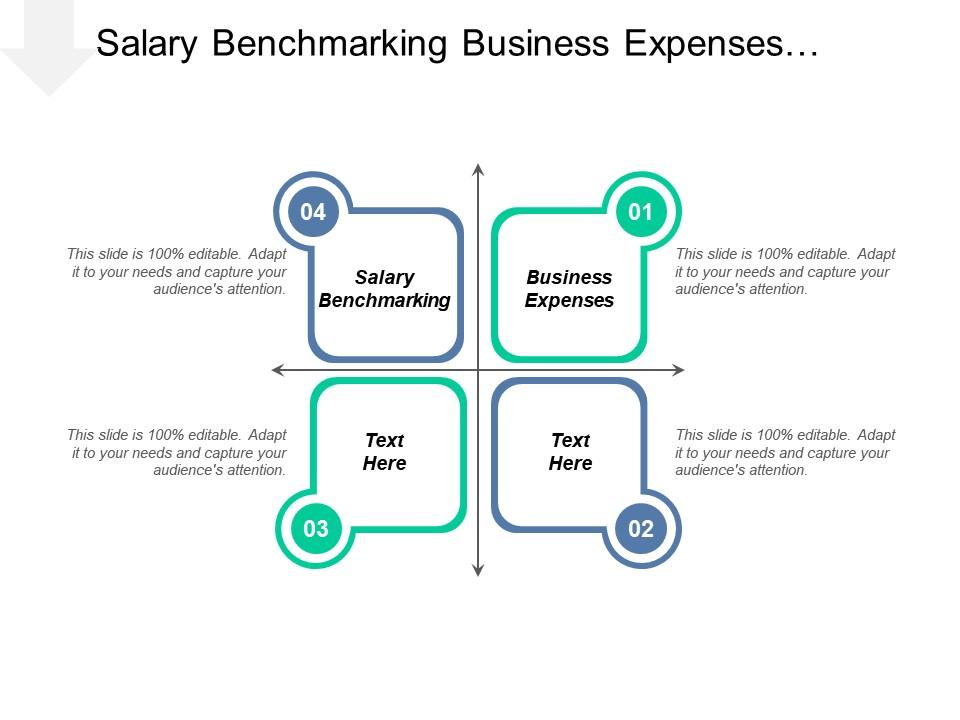
Presenting this set of slides with name - Salary Benchmarking Business Expenses Monthly Business Expenses Management Cpb. This is an editable four graphic that deals with topics like Salary Benchmarking, Business Expenses, Monthly Business Expenses Management to help convey your message better graphically. This product is a premium product available for immediate download, and is 100 percent editable in Powerpoint. Download this now and use it in your presentations to impress your audience.

FAQs for Salary benchmarking business expenses monthly business

Key factors include job role complexity, geographic location, company size, industry growth trends, and required skill levels. These benchmarking elements enable organizations to attract top talent while maintaining competitive positioning, with many companies finding that comprehensive salary analysis across manufacturing, healthcare, and technology sectors ultimately delivers improved retention rates and strategic workforce planning advantages.

Geographic location significantly influences salary benchmarks through cost of living variations, local talent supply and demand, regional economic conditions, and industry concentration levels. Companies in major metropolitan areas like San Francisco, New York, and London typically offer higher compensation packages to attract talent, while organizations in smaller markets can leverage lower living costs for competitive positioning, ultimately requiring strategic salary adjustments based on location-specific market dynamics.

Benefits and perks significantly impact total compensation value during salary benchmarking, including health insurance, retirement contributions, paid time off, flexible work arrangements, and professional development opportunities. Organizations increasingly recognize that comprehensive benefits packages can offset lower base salaries, with many companies finding that strategic benefits offerings enhance employee retention and recruitment competitiveness while optimizing overall compensation costs.

Companies ensure fair, transparent salary benchmarking by establishing clear methodologies, using multiple reliable data sources, involving diverse stakeholders in the review process, and regularly auditing for bias. Through comprehensive market analysis and transparent communication, organizations minimize pay disparities, enhance employee trust, and maintain competitive positioning, with many finding that open dialogue about compensation criteria ultimately strengthens retention and organizational credibility.

Companies can access various salary benchmarking tools including market research platforms like PayScale and Glassdoor, industry-specific compensation surveys, government labor statistics databases, professional association reports, and specialized HR consulting services. These resources enable organizations to gather comprehensive market data, compare compensation packages across different sectors, and make strategic salary decisions, with many companies finding that combining multiple data sources delivers the most accurate benchmarking insights.

Organizations should update salary benchmarks annually at minimum, with quarterly reviews for critical roles in competitive markets like technology, healthcare, and financial services. This strategic approach enables companies to respond to market fluctuations, retain top talent, and maintain competitive positioning, while many organizations find that regular benchmarking reduces turnover costs and enhances recruitment effectiveness.

Common pitfalls include using outdated or irrelevant data, comparing dissimilar roles across different industries, relying on limited sample sizes, and ignoring geographic variations in compensation. These oversights can lead to inaccurate benchmarking that results in talent retention issues, budget misallocations, and competitive disadvantages, ultimately undermining organizational compensation strategies.

Salary benchmarking varies significantly across career levels, with entry-level positions focusing on market rates and skill premiums, mid-level roles emphasizing performance differentials and specialized expertise, and executive positions weighing total compensation packages, equity, and strategic value creation. These variations enable organizations to attract talent at each level while maintaining competitive positioning, with many companies finding that nuanced benchmarking approaches ultimately deliver better retention and strategic hiring outcomes.

Industry growth significantly elevates salary benchmarks as expanding companies compete for talent, driving up compensation packages, bonuses, and benefits across all levels. Conversely, declining industries experience compressed salary ranges and hiring freezes, with sectors like renewable energy seeing 15-20% salary premiums while traditional manufacturing faces stagnation, ultimately reshaping competitive talent acquisition strategies.

Organizations leverage salary benchmarking data to improve retention by identifying compensation gaps, adjusting pay structures to market standards, and demonstrating competitive positioning to employees. This strategic approach enables companies to proactively address underpayment issues, reduce turnover costs, and enhance employee satisfaction, with many finding that transparent, market-aligned compensation significantly strengthens retention rates.

Ethical considerations include transparency versus privacy protection, ensuring data accuracy and context, preventing wage discrimination, and maintaining employee trust through fair communication practices. Organizations must balance openness with confidentiality, provide comprehensive context to avoid misinterpretation, and ensure benchmarking data supports equitable compensation decisions, with many companies finding that strategic disclosure enhances retention while building workplace trust.

Salary benchmarking reveals pay gaps across demographic groups, enabling companies to identify disparities, establish equitable compensation frameworks, and track progress toward inclusive practices. Through systematic analysis of internal data against market standards, organizations can address wage inequities, enhance transparency in compensation decisions, and demonstrate measurable commitment to DEI goals, ultimately attracting diverse talent while strengthening workplace equity.

**INPUT**: What metrics or data points should be prioritized for a robust salary benchmarking analysis? **OUTPUT**: Priority metrics include base salary ranges, total compensation packages, geographic pay differentials, industry-specific premiums, and role complexity indicators. These data points enable organizations to assess competitive positioning, identify retention risks, and optimize compensation strategies, with many companies finding that comprehensive benchmarking ultimately delivers improved talent acquisition and reduced turnover costs. **Word count: 55 words**

Small businesses can leverage free salary surveys, industry association reports, government data sources, networking with peer companies, and online compensation platforms like Glassdoor or PayScale. These cost-effective approaches enable resource-constrained organizations to gather competitive salary intelligence through strategic partnerships, industry connections, and publicly available datasets, ultimately delivering market-aligned compensation while maintaining operational efficiency and talent retention.

Global salary benchmarks reflect international market rates and currency variations across countries, while local benchmarks focus on regional competition, cost of living, and domestic talent supply within specific markets. For multinational companies, understanding these differences enables strategic compensation planning across locations, helps maintain internal equity while respecting local market dynamics, and supports talent retention in competitive global markets, ultimately delivering cost-effective workforce management.

Ratings and Reviews

0% of 100
Review Form
Write a review
Most Relevant Reviews

No Reviews