


Sales process outline powerpoint presentation slides
Use this professionally designed content-ready Sales Process Outline PowerPoint Presentation Slides to showcase sales best practices to the sales people. Let your sales team know what they should be doing in different scenarios. This ready-made sales process complete PowerPoint presentation will help you do it. Give your sales team some valuable insights that will enhance their marketing and sales skills to crack tough deals. A ready-to-use sales process outline PPT slideshow covers topics like our customers, ideal customer profile, value proposition, customer journey mapping, buying/ sales process, and content & sales tools. These PPT slides are completely customizable. You can edit color, text, icon and font size as per your need. Add or delete content from the slides if required. Incorporate easy-to-understand templates from sales playbook to get a thumbs up from the customers. Download sales process outline PowerPoint templates to hone your marketing skills to pitch your product with great confidence. Make your ideas clearly understood. Elaborate on your logic with our Sales Process Outline Powerpoint Presentation Slides.
Use this professionally designed content-ready Sales Process Outline PowerPoint Presentation Slides to showcase sales best ..









-

- Google Slides is a new FREE Presentation software from Google.
- All our content is 100% compatible with Google Slides.
- Just download our designs, and upload them to Google Slides and they will work automatically.
- Amaze your audience with SlideTeam and Google Slides.
-

Want Changes to This PPT Slide? Check out our Presentation Design Services
-

- WideScreen Aspect ratio is becoming a very popular format. When you download this product, the downloaded ZIP will contain this product in both standard and widescreen format.
-

- Some older products that we have may only be in standard format, but they can easily be converted to widescreen.
- To do this, please open the SlideTeam product in Powerpoint, and go to
- Design ( On the top bar) -> Page Setup -> and select "On-screen Show (16:9)” in the drop down for "Slides Sized for".
- The slide or theme will change to widescreen, and all graphics will adjust automatically. You can similarly convert our content to any other desired screen aspect ratio.
Compatible With Google Slides

Get This In WideScreen
You must be logged in to download this presentation.


Do you want to remove this product from your favourites?
PowerPoint presentation slides
Presenting sales process outline PowerPoint deck with slides. This complete presentation comprises of total of 19 PPT slides. It covers all the aspects of the topic and includes all the major elements such as graphs and charts to make the work easy. This presentation has been crafted with an extensive research done by the research experts. Our PowerPoint professionals have incorporated appropriate diagrams, layouts, templates and icons related to the topic. The best part is that these templates are completely editable. Customize the color, text and icon as per your need. Click the download button below to grab this sales process outline presentation deck.

People who downloaded this PowerPoint presentation also viewed the following :
Content of this Powerpoint Presentation
Slide 1: This slide introduces Sales Process Outline. State Your Company Name and get started.
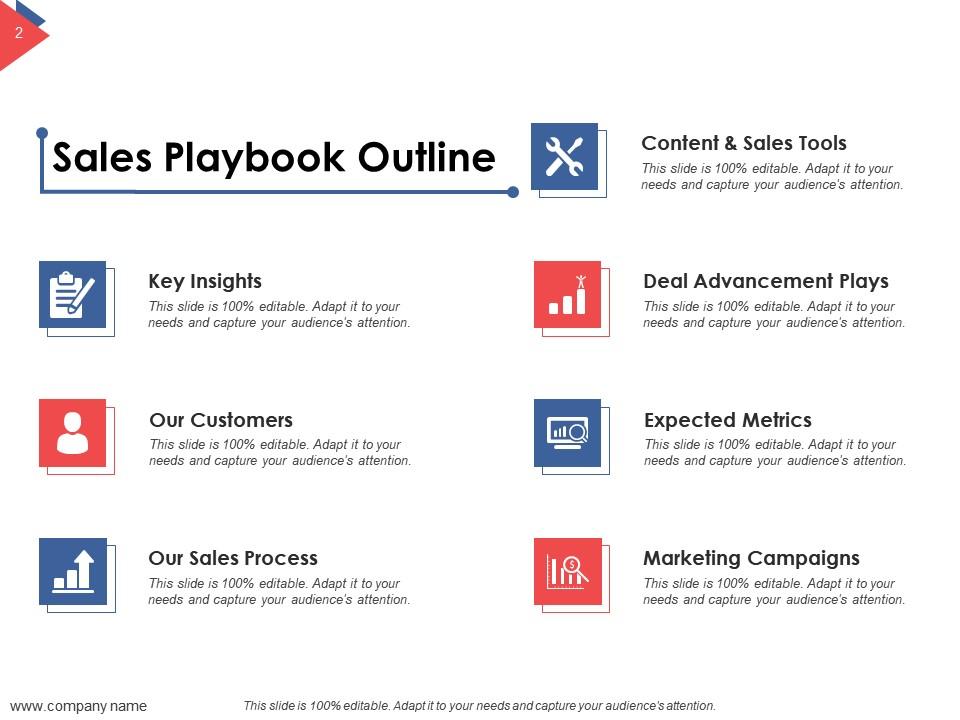
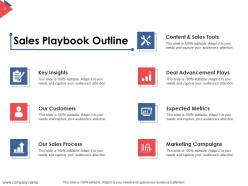
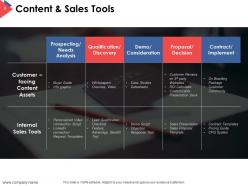
Slide 2: This slide presents Content & Sales Tools with these seven stages- Sales Playbook Outline, Deal Advancement Plays, Key Insight, Our Sales Process, Marketing Campaigns, Expected Metrics, Our Customers.
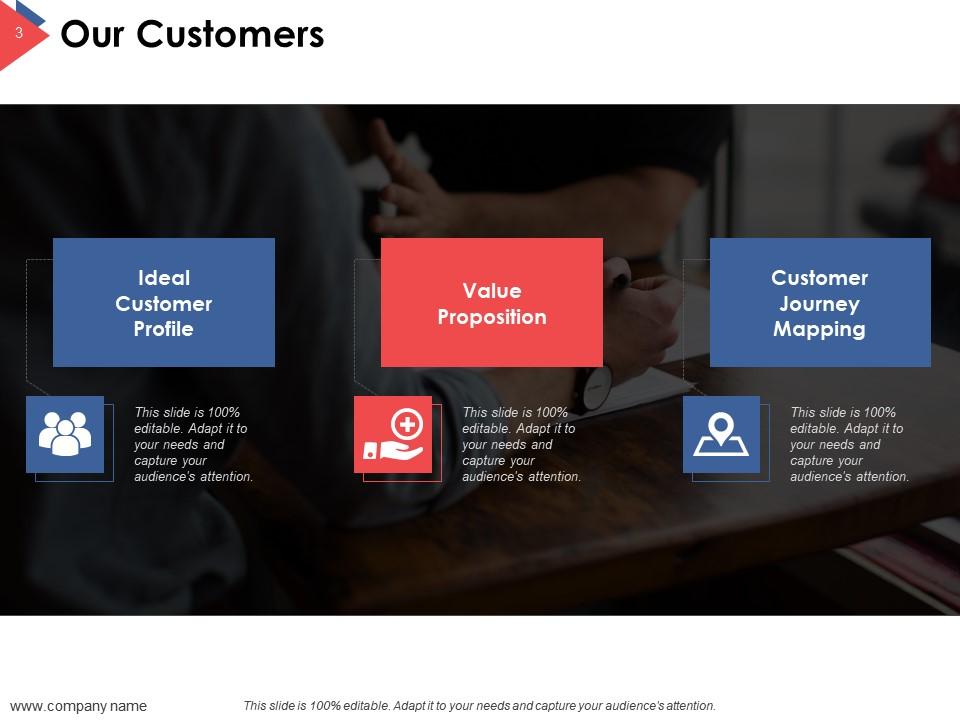
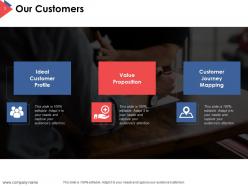
Slide 3: This slide presents Our Customers with these three parameters- Ideal Customer Profile, Value Proposition, Customer Journey Mapping.
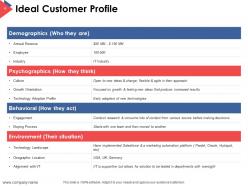
Slide 4: This slide shows Ideal Customer Profile with these customer profile.
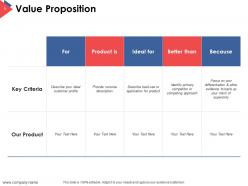
Slide 5: This slide presents Value Proposition with key criteria and our product.
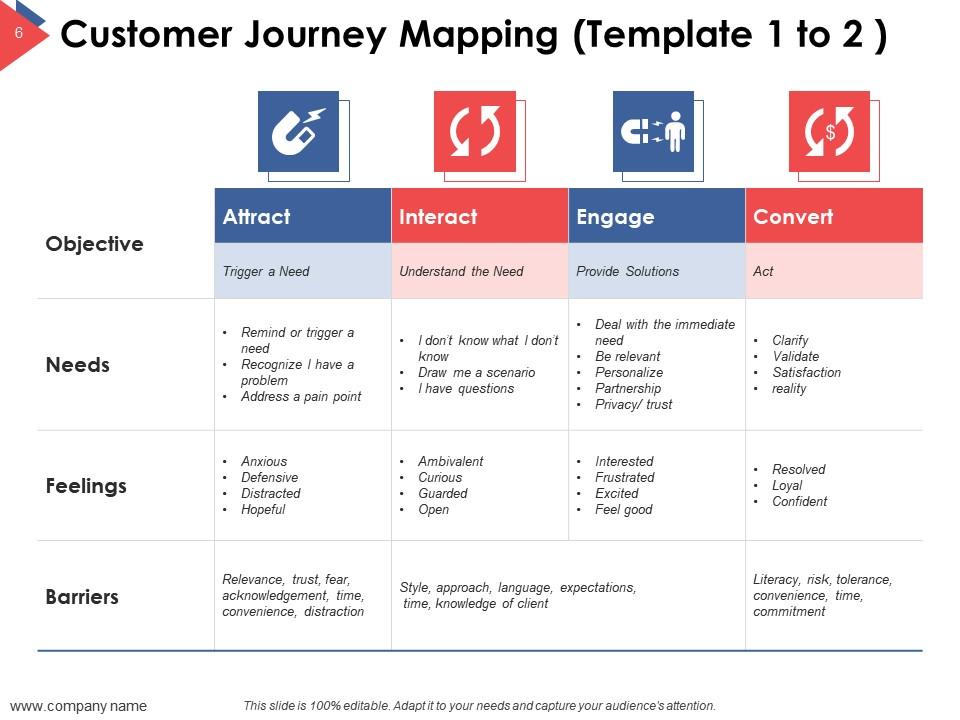
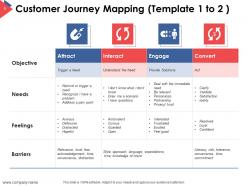
Slide 6: This slide showcases Customer Journey Mapping (Template 1 to 2 ). Add your data and make the use of it.
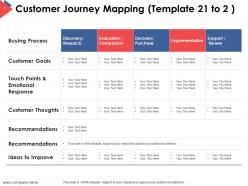
Slide 7: This slide presents Customer Journey Mapping (Template 21 to 2 ). Show your mapping journey and make the use of it.
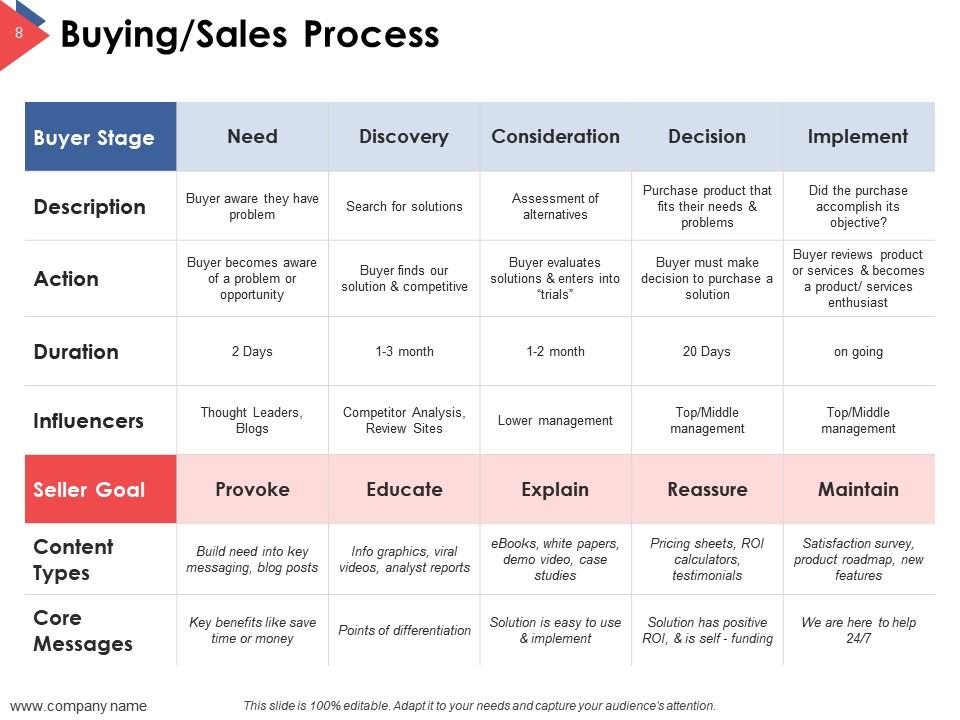
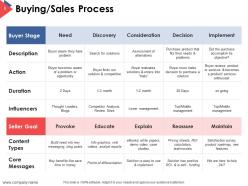
Slide 8: This slide displays Buying/Sales Process table. You can add the data as per your requirement.
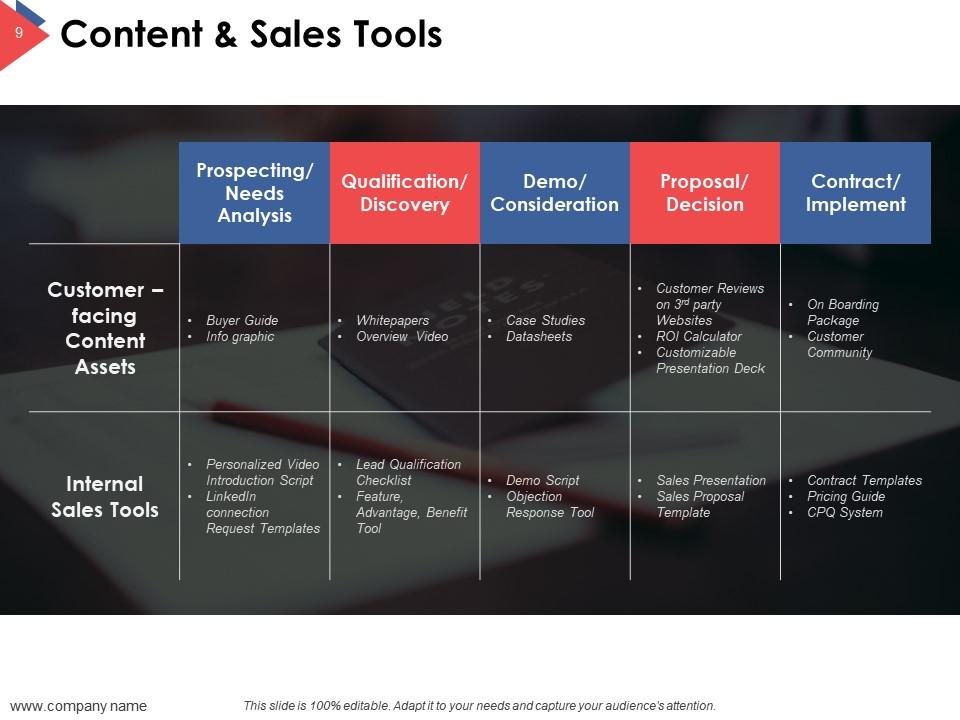
Slide 9: This slide shows Content & Sales Tools with this you can add your information and make the use of it.
Slide 10: This slide is titled Additional Slides to move forward. You can alter the slide content as per need.
Slide 11: This slide presents Sales Process Outline Icon Slide.
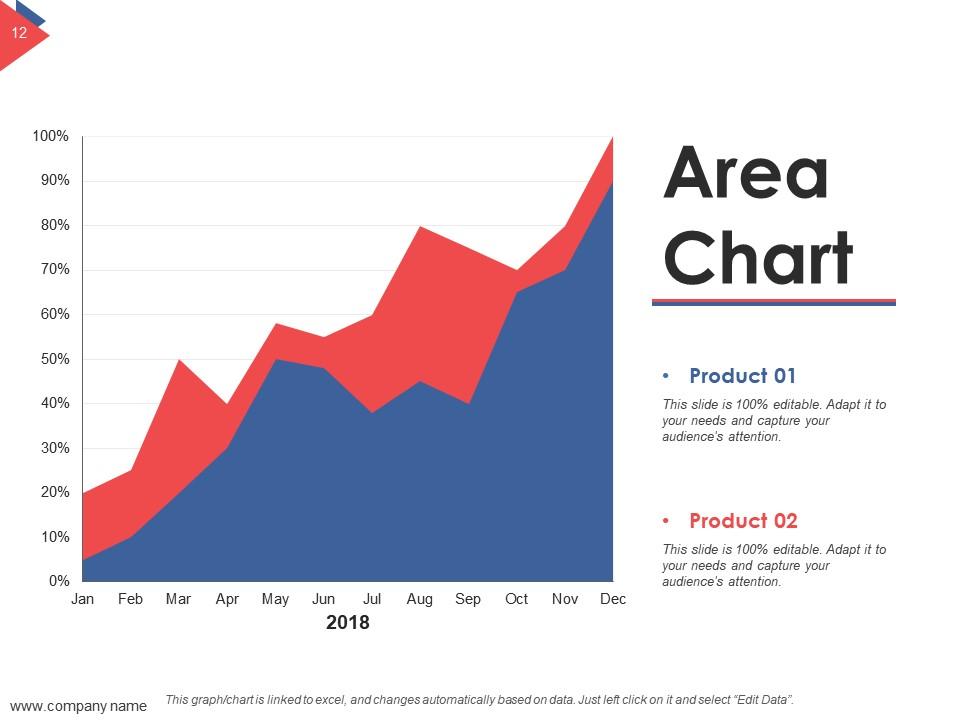
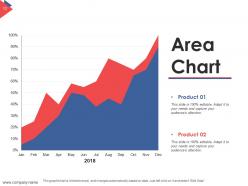
Slide 12: This slide showcases Area Chart. You can add the details and use it.
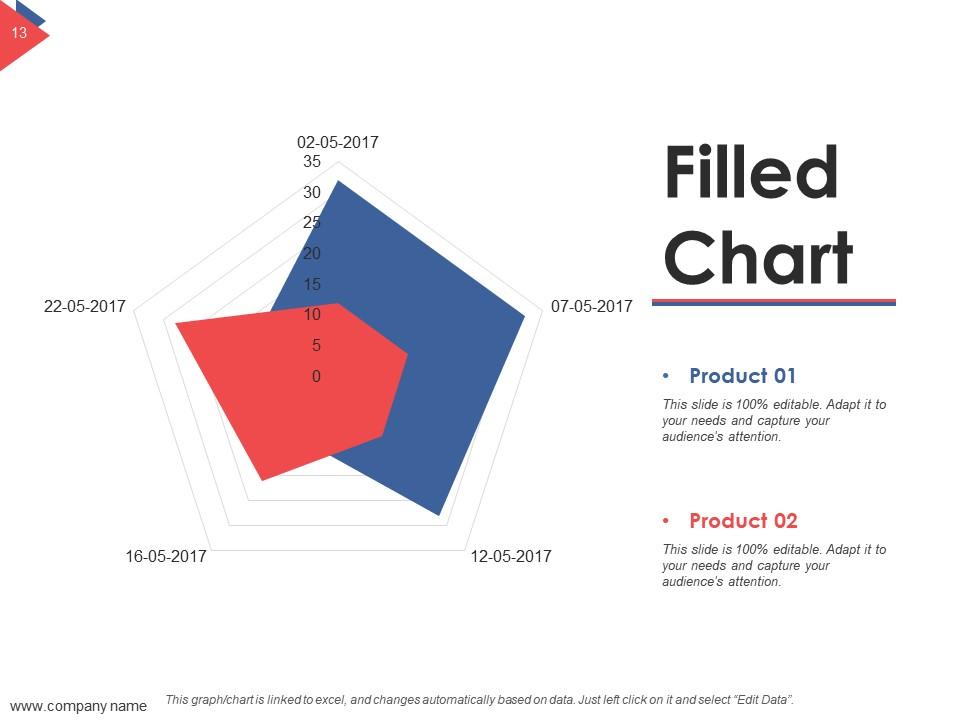
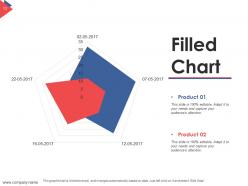
Slide 13: This slide presents Filled Radar. Add the data and make use of it.
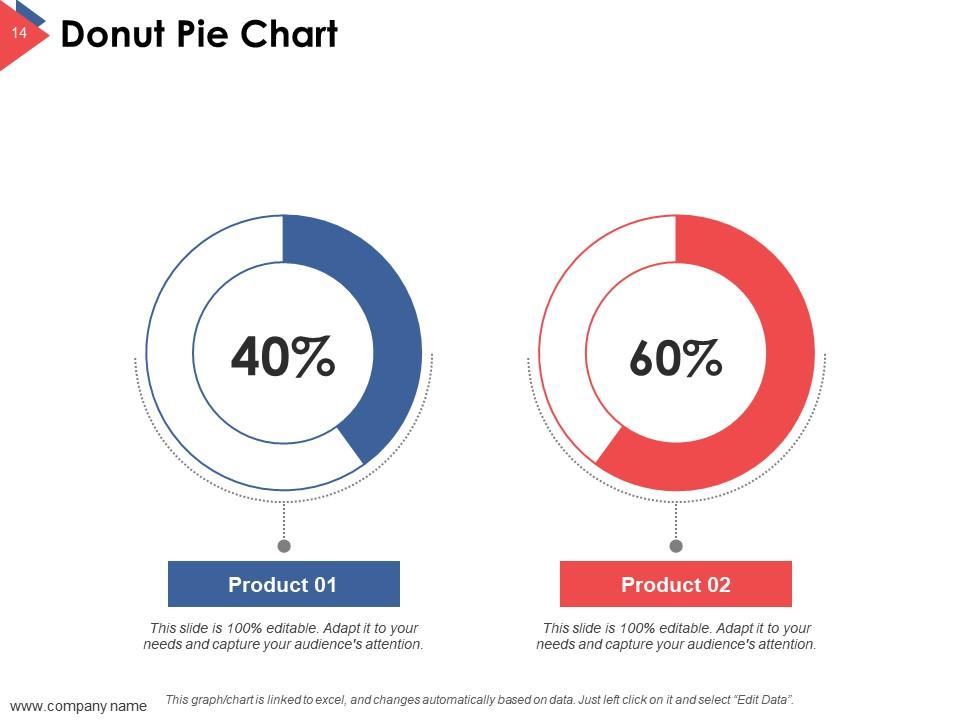
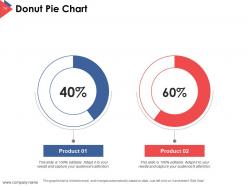
Slide 14: This slide shows Donut Pie Chart. Add the data and make it usable.
Slide 15: This is Our Mission slide with Vision, Mission and Goal. State them here.
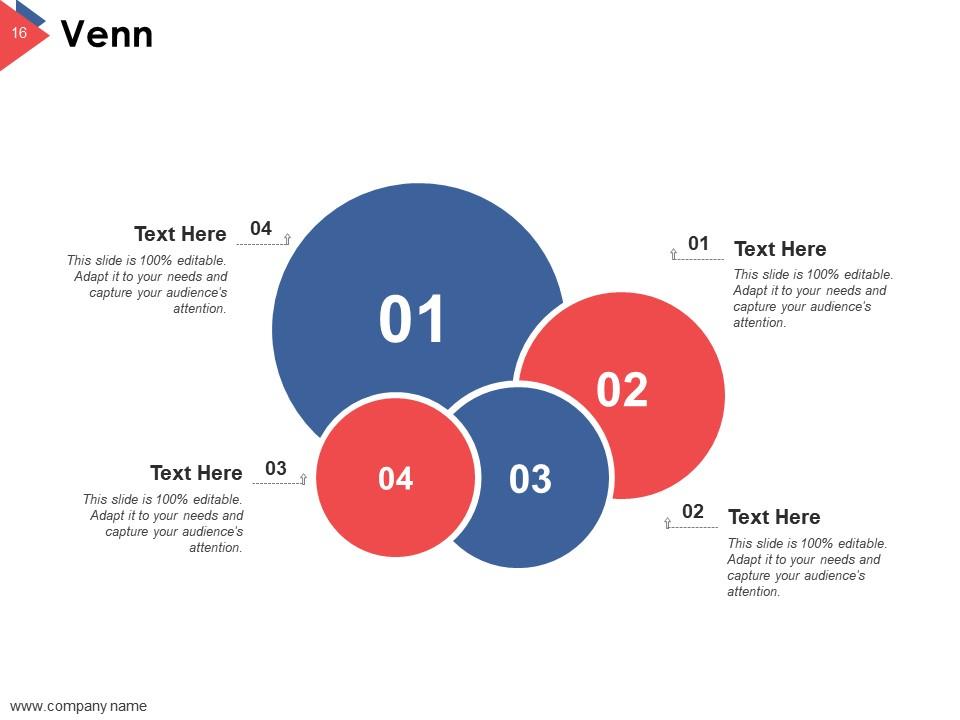
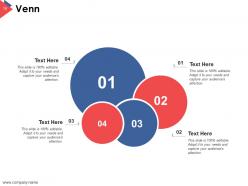
Slide 16: This is a Venn diagram image slide. State information, specifications etc. here.
Slide 17: This is a Magnifying Glass image slide to show information, specifications etc. ention.
Slide 18: This is a Post It Notes slide to mark reminders, events or anything important.
Slide 19: This is a Thank You slide with Address# street number, city, state, Contact Number, Email Address.
Sales process outline powerpoint presentation slides with all 19 slides:
Give greater power to your elbow. Make your thoughts more effective with our Sales Process Outline Powerpoint Presentation Slides.
No Reviews
