


Startup-Pitch-Deck Geldbeschaffung von Investoren Powerpoint-Präsentationsfolien
Download Startup-Pitch-Deck Geldbeschaffung von Investoren Powerpoint-Präsentationsfolien, um das perfekte Pitch-Deck für Ihr neues Unternehmen zu erstellen. Bieten Sie den Angel-Investoren und Risikokapitalgebern eine kurze, aber aussagekräftige Vorstellung Ihres Startups. Stellen Sie Ihr Startup mit einer Elevator-Pitch-Vorlage vor, die eine kurze Beschreibung des Werts Ihres Unternehmens darstellt. Folgen Sie als Nächstes dem 10-Folien-Ansatz, um eine klare und effektive Pitch-Deck-Präsentation für Startups zu erstellen. Beginnen Sie mit dem Problem, mit dem die Kunden konfrontiert sind. Nutzen Sie diese Marktlücke, um Ihre einzigartige Lösung zu präsentieren. Teilen Sie Investoren die Marktgröße Ihrer Zielgruppe mit, um ihnen den Umfang Ihres Geschäfts und die Rentabilität bewusst zu machen, die es für die Stakeholder generieren kann. Die wichtigste Folie in Ihrem Startup Pitch Deck Raising Money From Investors PPT ist die Geschäftsmodellfolie, die zeigt, wie Sie Geld verdienen werden. Beleuchten Sie Ihr Know-how oder Ihren Wettbewerbsvorteil, der Sie von Mitbewerbern unterscheidet. Verwenden Sie Wettbewerbsanalysematrix- und Wettbewerbspositionierungs-PPT-Vorlagen zusammen mit dem Verkaufs- und Marketingplan, um Ihre umfassende Marktforschung und -planung hervorzuheben. Machen Sie den Investoren bewusst, wie viel Geld Sie benötigen, um Ihr Startup erfolgreich am Markt zu starten und welche Dividenden Sie kurz- und langfristig erwarten. Erstellen Sie ein überzeugendes Investoren-Deck, das Ihnen das Geld einbringt, das Sie brauchen, um Ihr Startup zu einem kommerziellen Erfolg zu machen. Ermöglichen Sie ihnen, sich zu jubeln.




































You must be logged in to download this presentation.


Do you want to remove this product from your favourites?
Merkmale dieser PowerPoint-Präsentationsfolien:
Präsentation von Startup-Pitch-Decks, um Geld von Investoren zu sammeln Powerpoint-Präsentationsfolien. Das PPT umfasst einen Satz von 59 Präsentationsfolien. Alle Folien sind in PowerPoint vollständig bearbeitbar. Bearbeiten Sie Schriftart, Text und Farbe gemäß den Branding-Anforderungen Ihres Startups. Wenn Sie auf die Download-Schaltfläche klicken, erhalten Sie das PPT sowohl im Breitbild- (16:9) als auch im Standard- (4:3)-Bildschirmseitenverhältnis. Enthält professionelle PPT-Layouts, Designs und Symbole für Unternehmen. Die Präsentation ist kompatibel mit Google Slides, PDF- und JPG-Formaten.

People who downloaded this PowerPoint presentation also viewed the following :
Inhalt dieser Powerpoint-Präsentation
Folie 1 : Diese Folie stellt StartUp Pitch Deck vor. Geben Sie den Firmennamen an und legen Sie los.
Folie 2 : Dies ist eine Agenda-Folie. Geben Sie hier Ihre Agenden an.
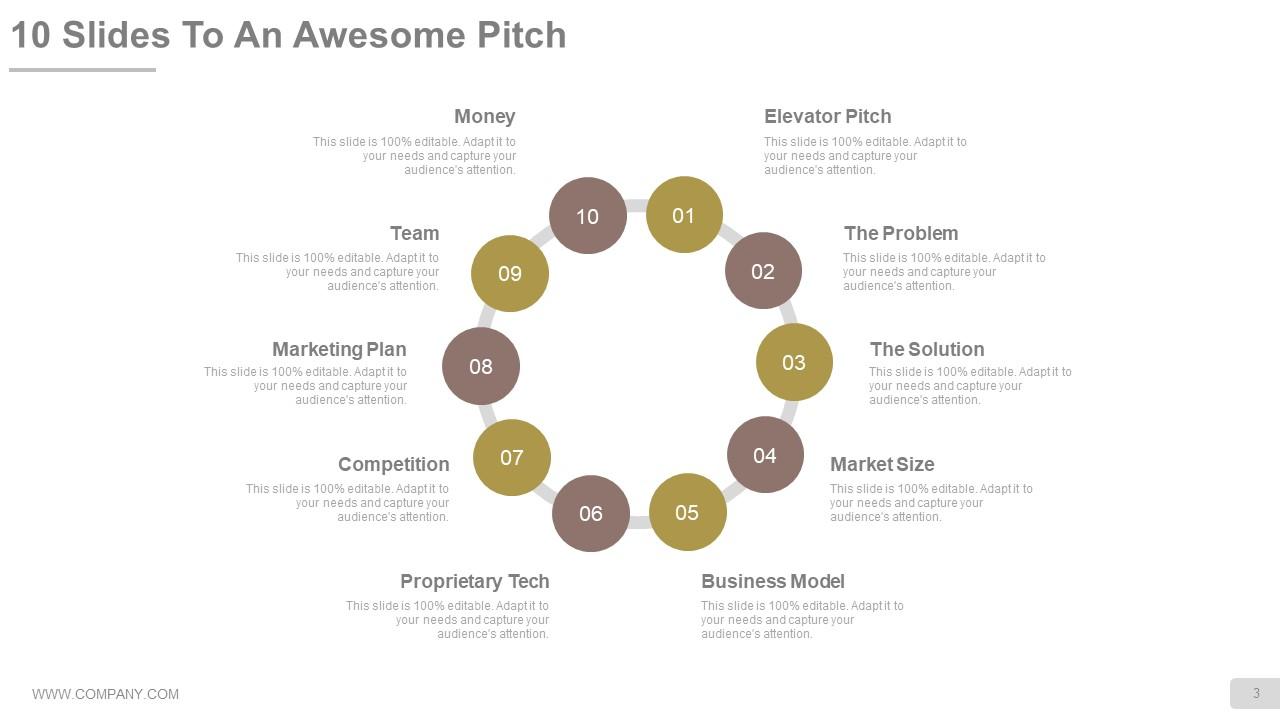
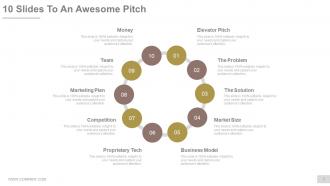
Folie 3 : Dies sind 10 Folien zu einer fantastischen Präsentationsfolie, die Folgendes enthält: Elevator Pitch, Das Problem, Marktgröße, Die Lösung, Geschäftsmodell, Proprietäre Technologie, Wettbewerb, Team, Marketingplan, Geld.
Folie 4 : Diese Folie trägt den Titel TEASER SLIDE. Sie können den Inhalt nach Bedarf ändern.
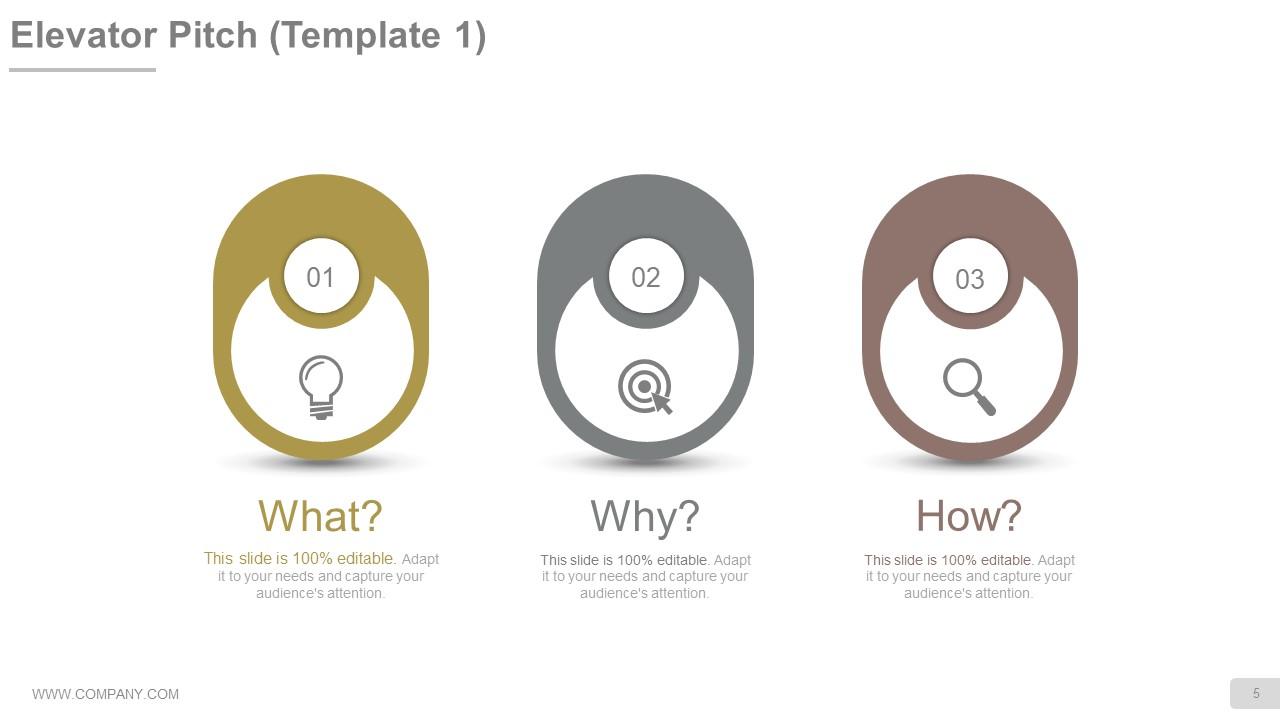
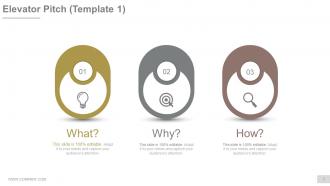
Folie 5 : Diese Folie präsentiert die erste Vorlage für Elevator Pitch.
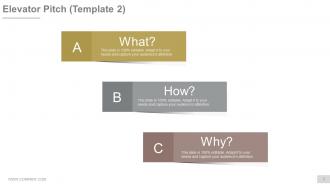
Folie 6 : Diese Folie präsentiert die zweite Vorlage für Elevator Pitch.
Folie 7 : Diese Folie zeigt die dritte Vorlage auf Elevator Pitch.
Folie 8 : Dies ist das Problem beim Anzeigen der Folie. Nennen Sie hier Aspekte von geschäftlichen Problemen etc.
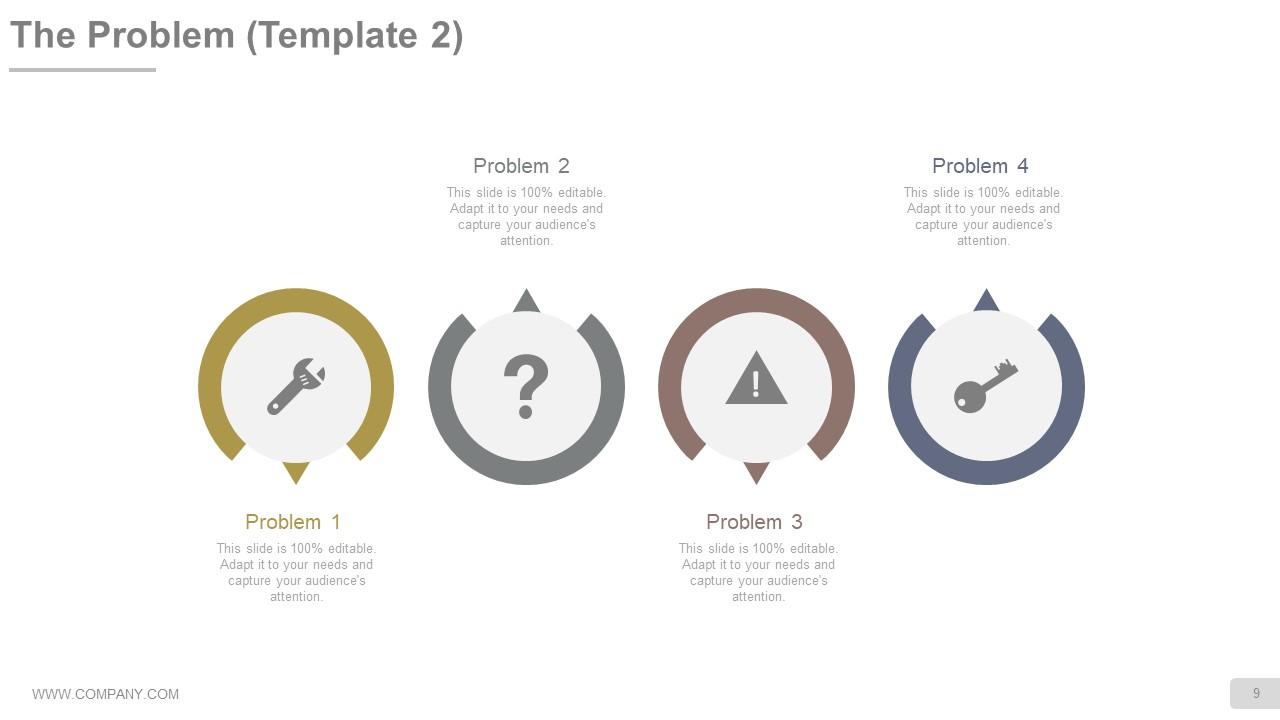
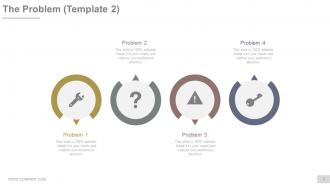
Folie 9 : Dies ist eine zweite Folie, die das Problem zeigt.
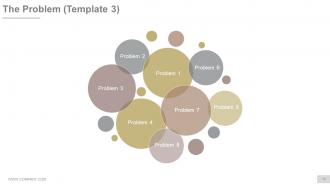
Folie 10 : Dies ist eine dritte Folie, die das Problem zeigt.
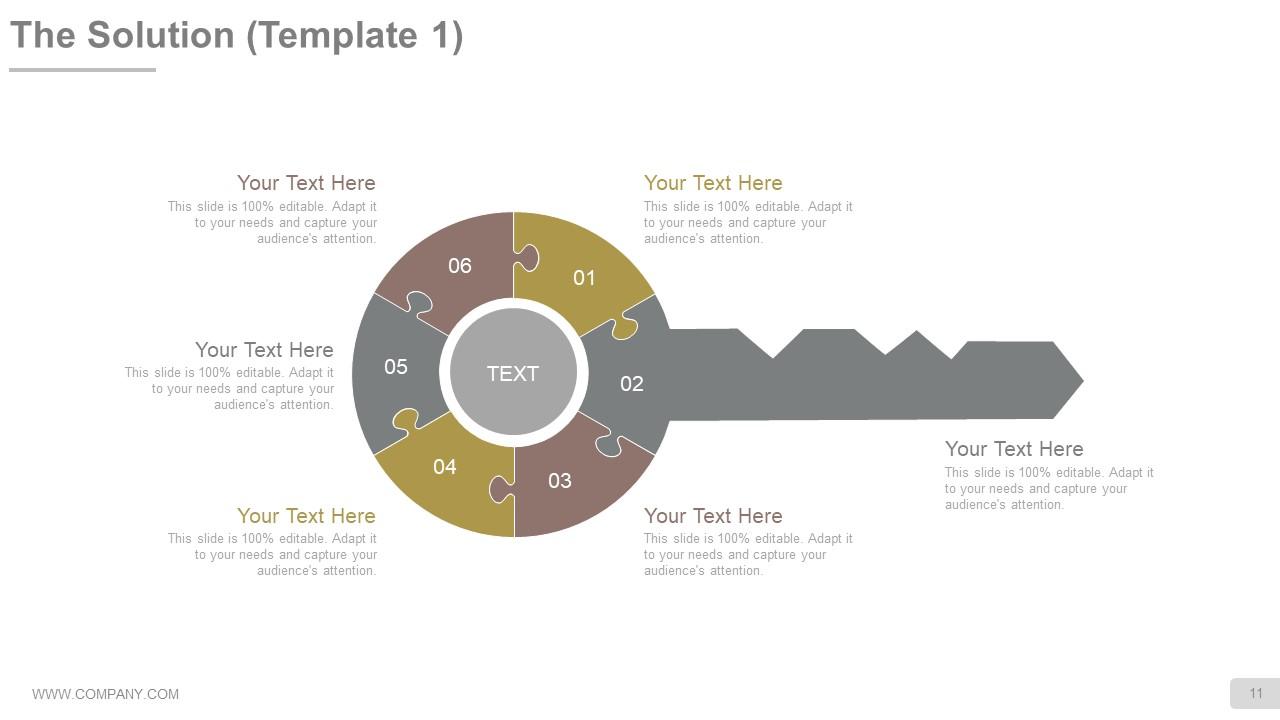
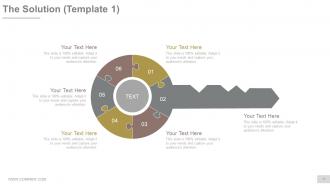
Folie 11 : Dies ist die erste Folie mit der Lösung.
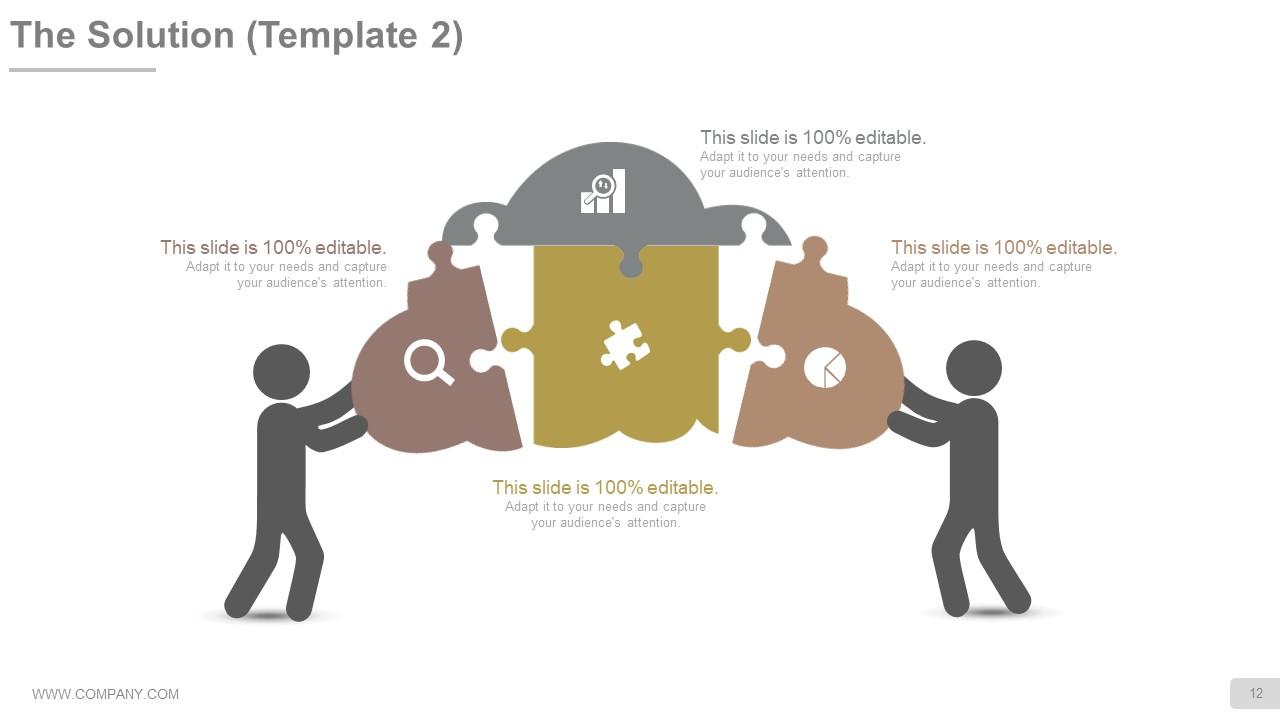
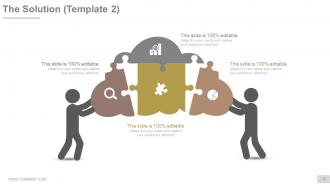
Folie 12 : Dies ist die zweite Folie, die The Solution zeigt.
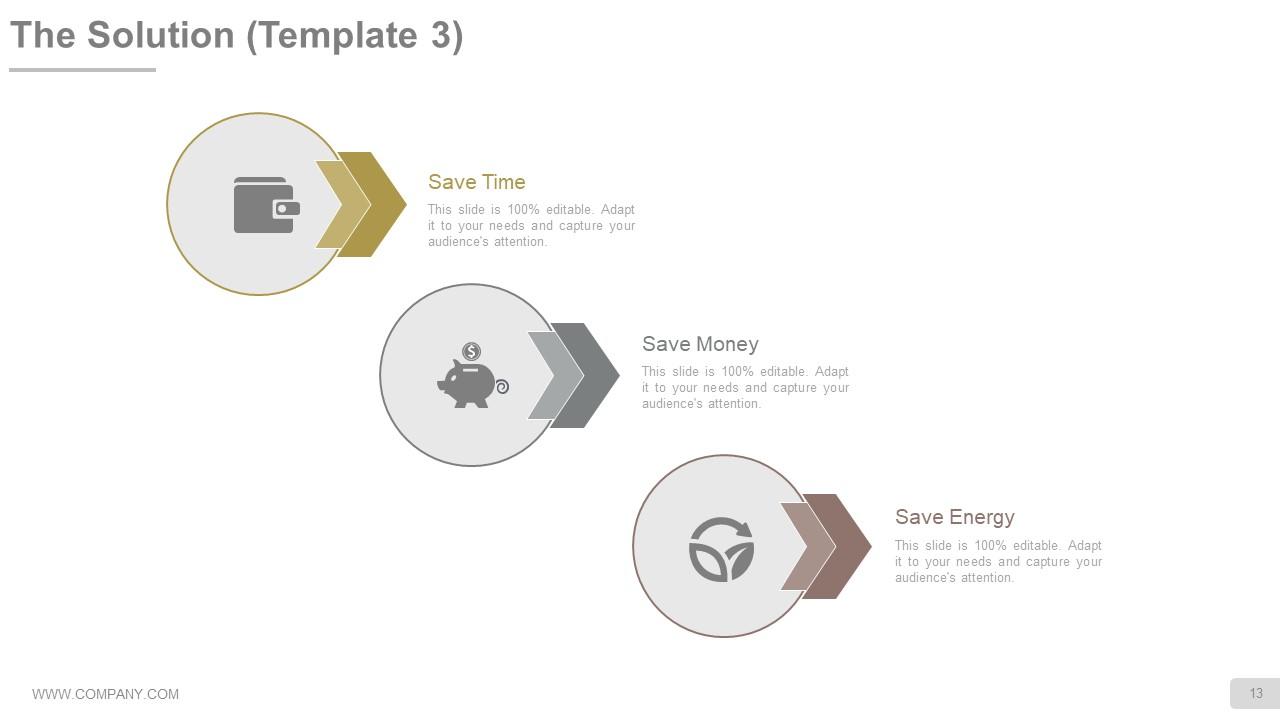
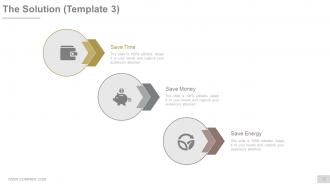
Folie 13 : Dies ist die dritte Folie, die die Lösung zeigt, z. B. Zeit sparen, Geld sparen, Energie sparen.
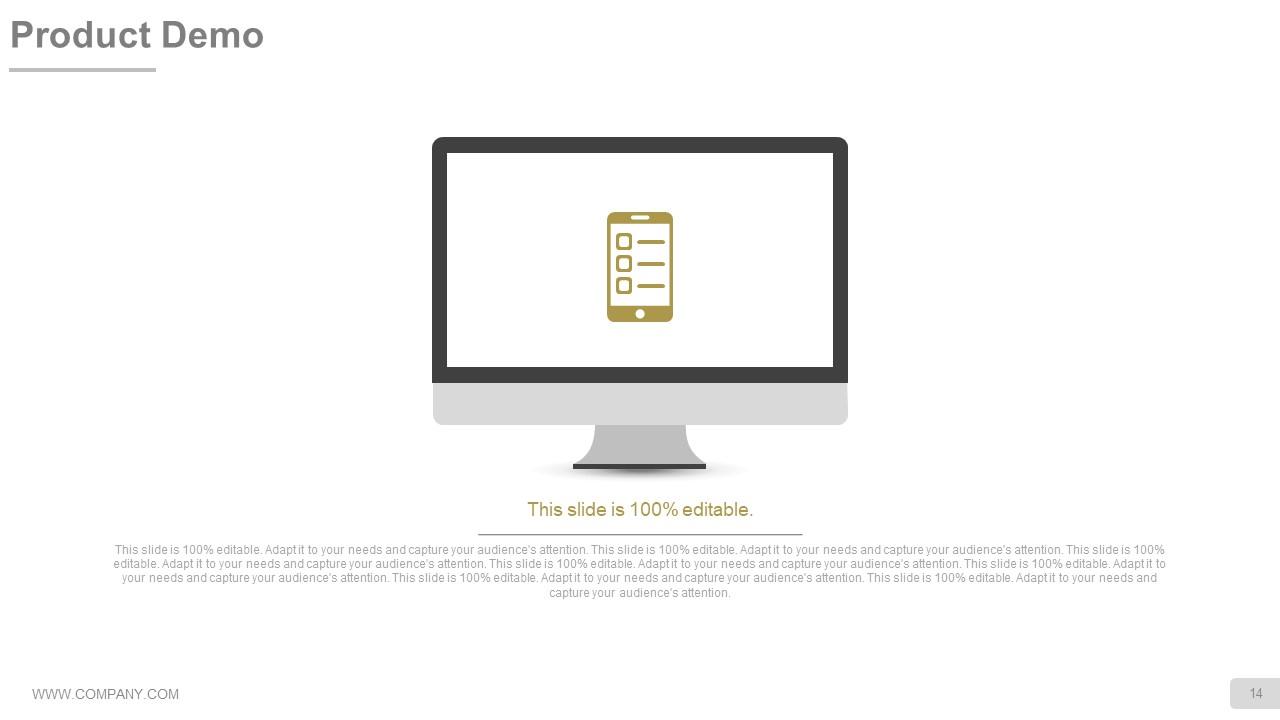
Folie 14 : Dies ist eine Produktdemo-Folie. Geben Sie hier Produktaspekte an.
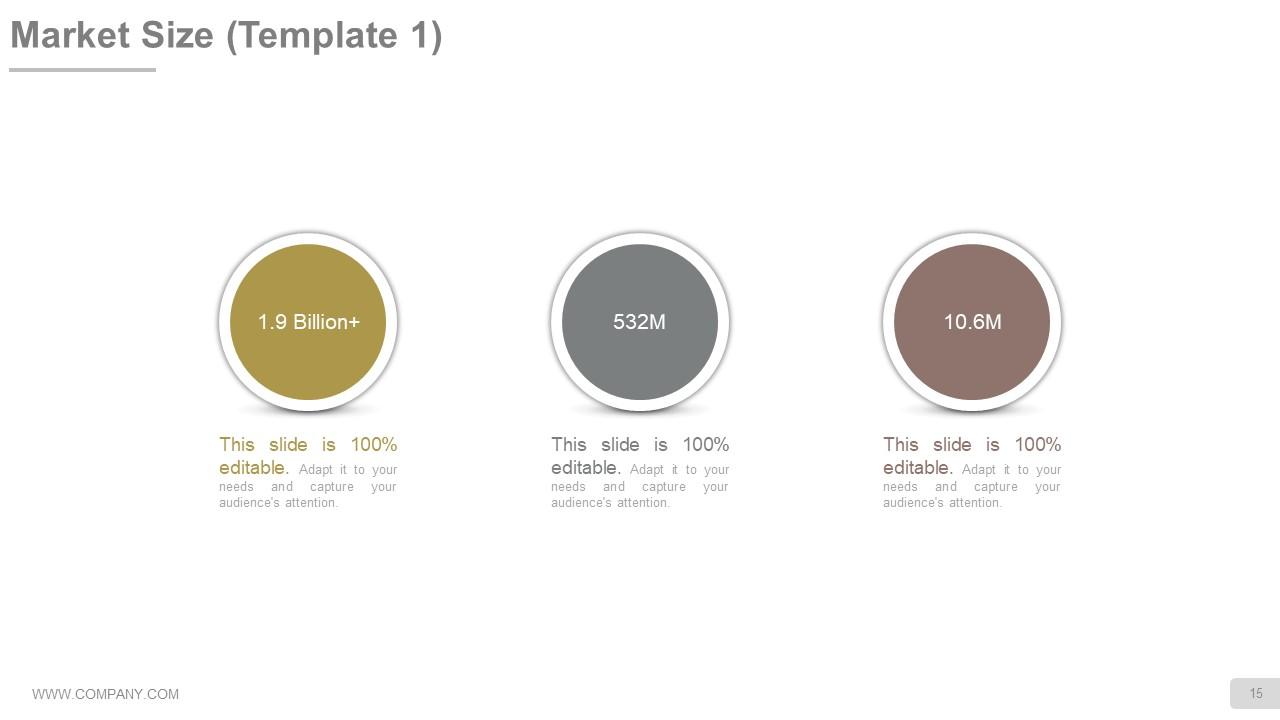
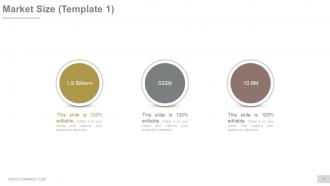
Folie 15 : Dies ist die erste Folie zur Marktgröße.
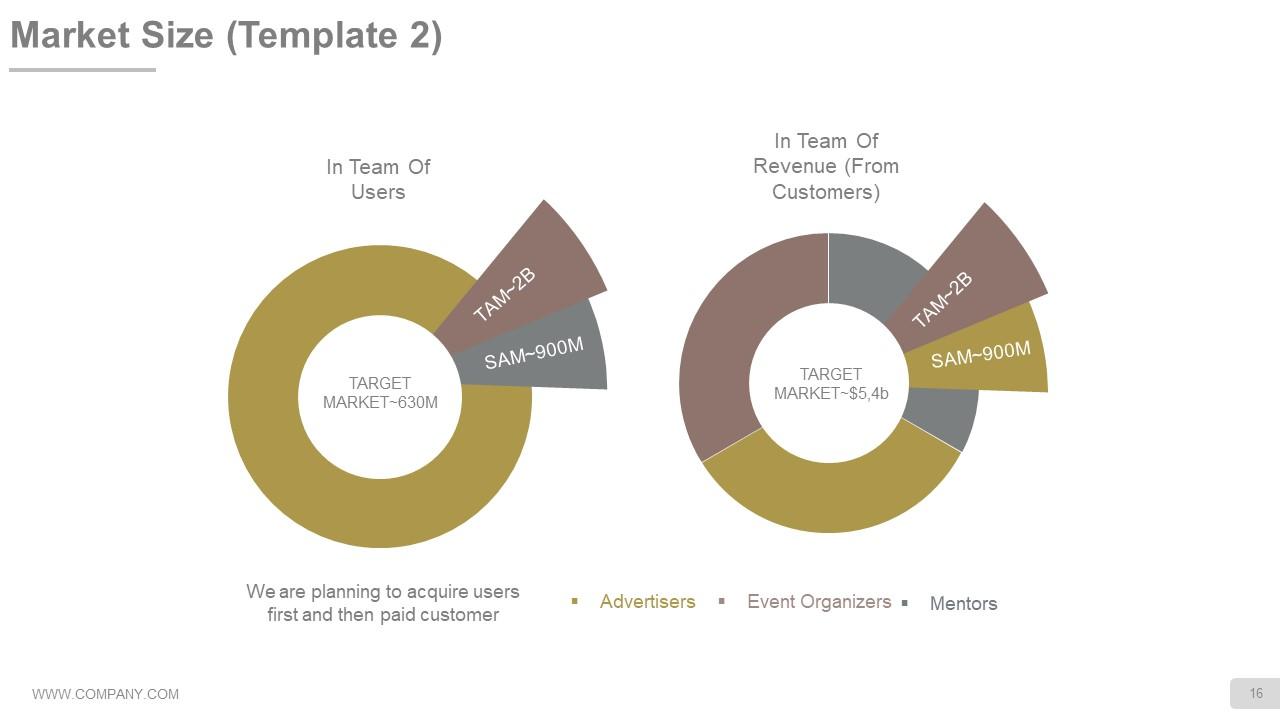
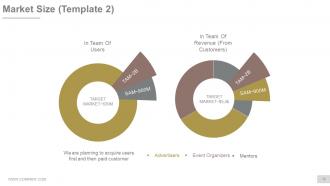
Folie 16 : Dies ist die zweite Folie zur Marktgröße, die TAM, SAM, ZIELMARKT, TAM, SAM, Zielmarkt, Werbetreibende, Mentoren von Eventorganisatoren anzeigt.
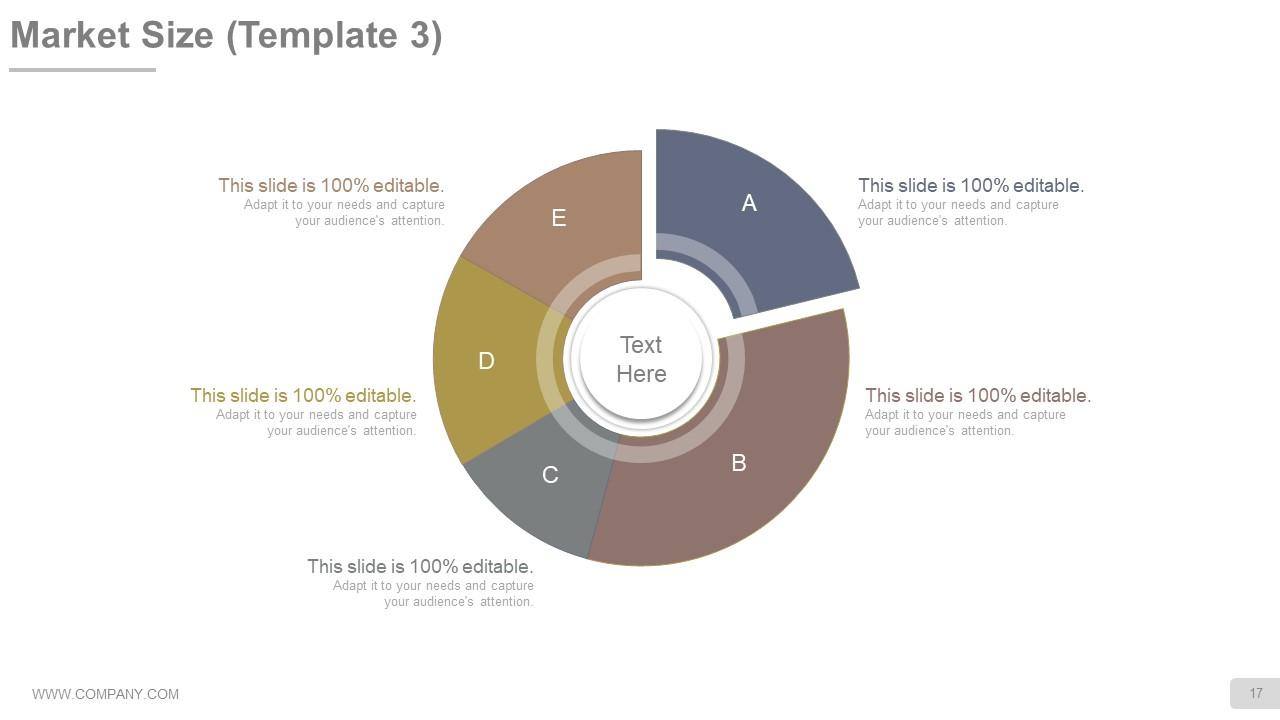
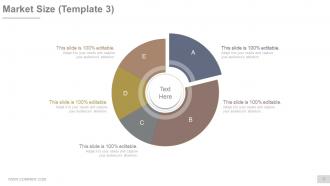
Folie 17 : Dies ist die dritte Folie zur Marktgröße.
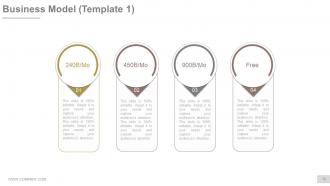
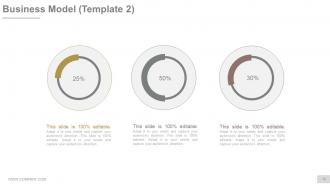
Folie 18 : Dies ist die erste Folie zum Geschäftsmodell. Zeigen Sie, wie Ihr Geschäftsmodell aussehen würde, wie es funktioniert, etc.
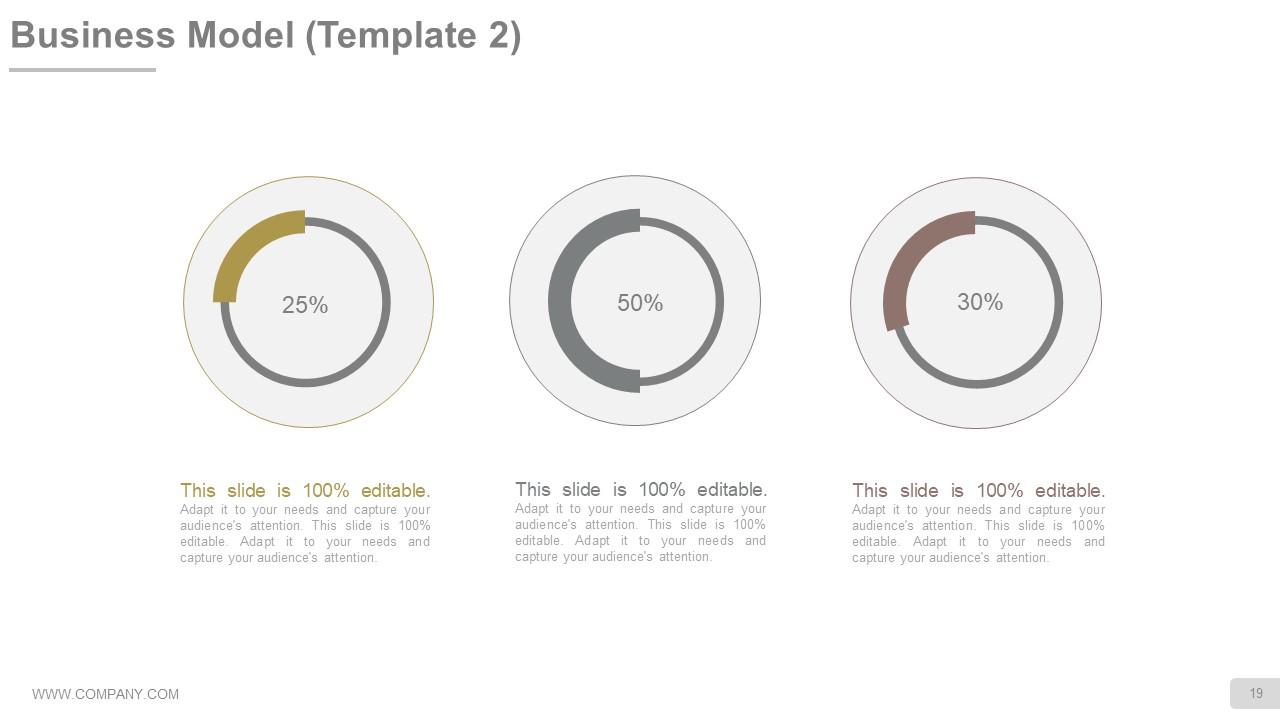
Folie 19 : Dies ist die zweite Folie zum Geschäftsmodell. Zeigen Sie, wie Ihr Geschäftsmodell aussehen würde, wie es funktioniert, etc.
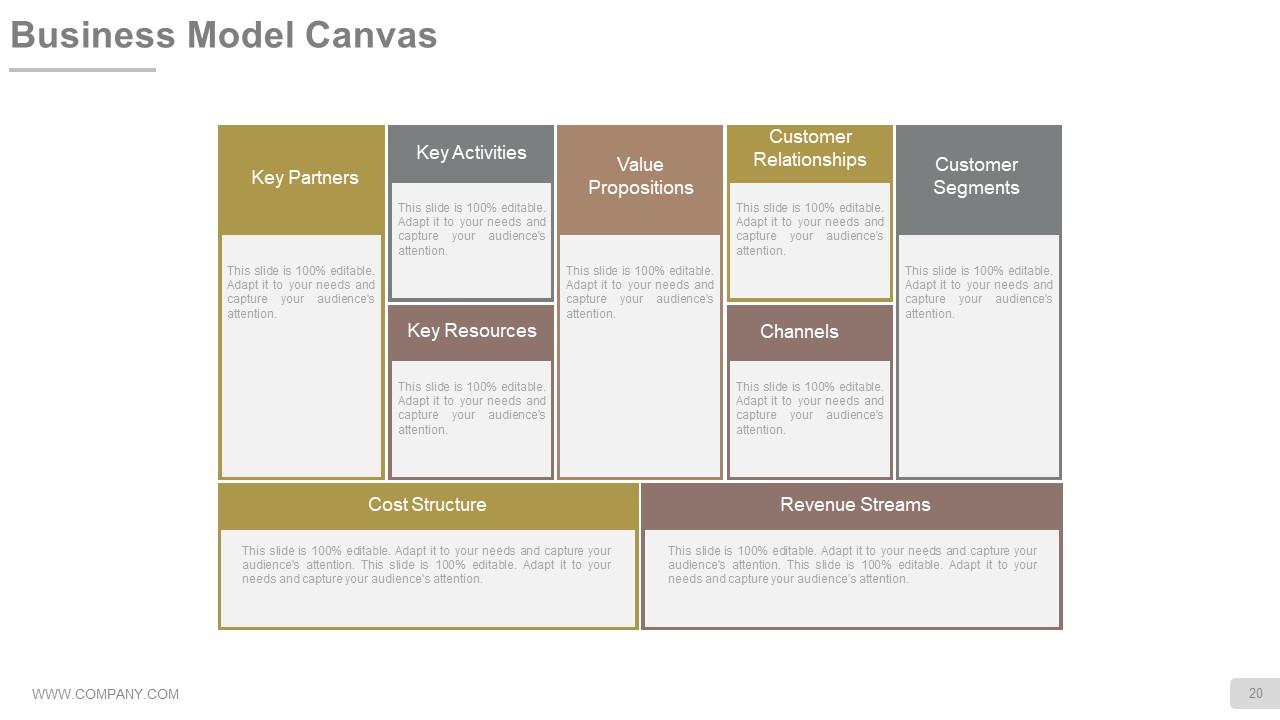
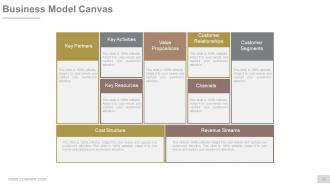
Folie 20 : Diese Folie präsentiert einen Business Model Canvas mit den wichtigsten Partnern, Schlüsselaktivitäten, Schlüsselressourcen, Kundenbeziehungen, Kanälen, Kundensegmenten, Kostenstruktur, Einnahmequellen, Wertversprechen.
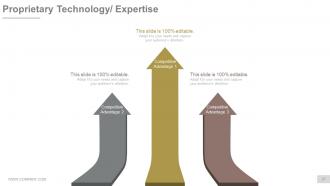
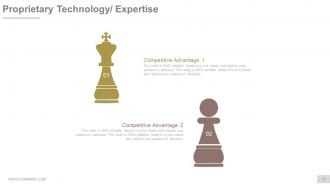
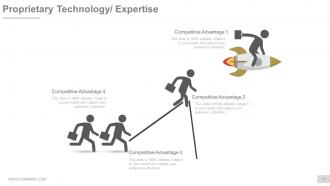
Folie 21 : Diese Folie präsentiert proprietäre Technologie/Expertise mit Wettbewerbsvorteilen.
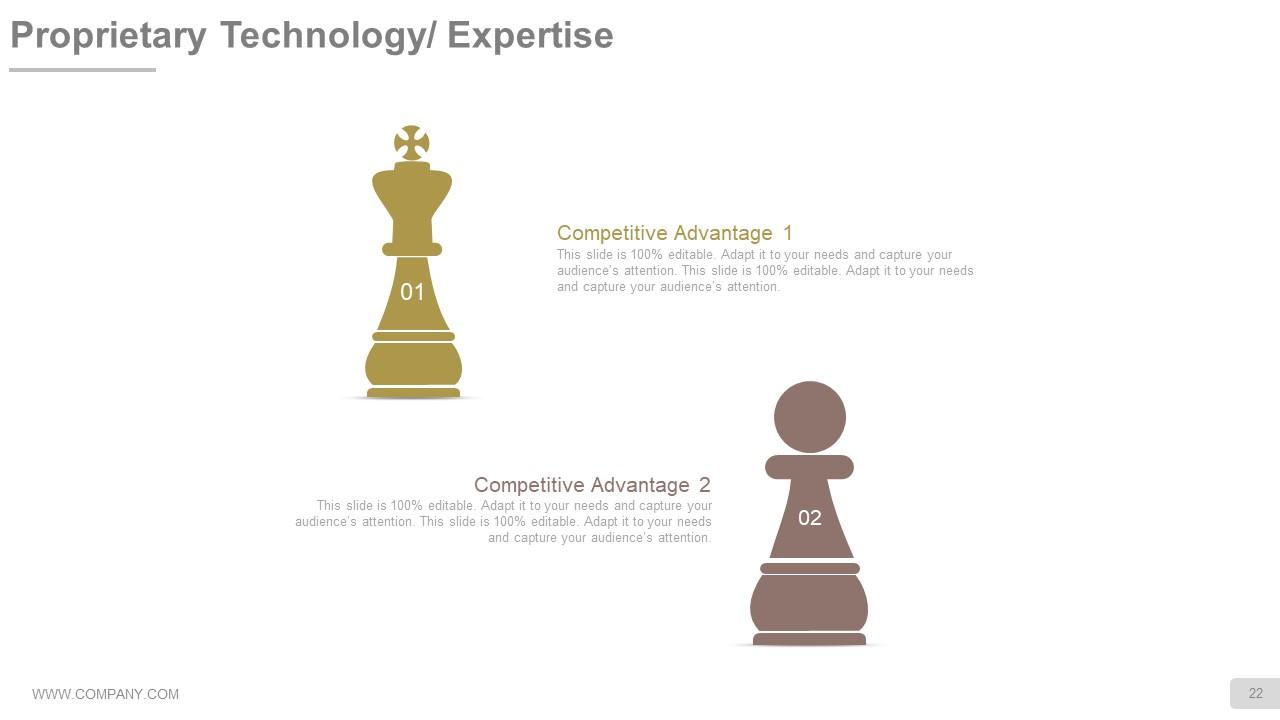
Folie 22 : Diese Folie präsentiert proprietäre Technologie/Expertise mit Wettbewerbsvorteilen.
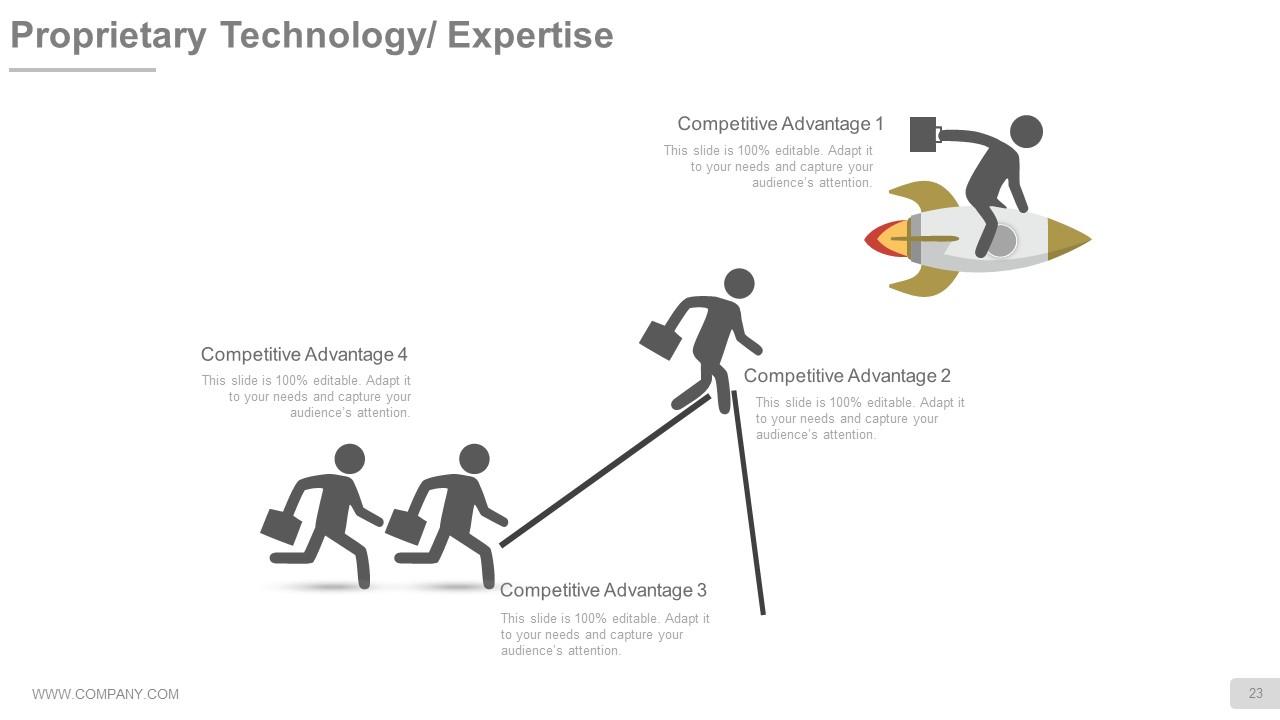
Folie 23 : Diese Folie präsentiert proprietäre Technologie/Expertise mit Wettbewerbsvorteilen.
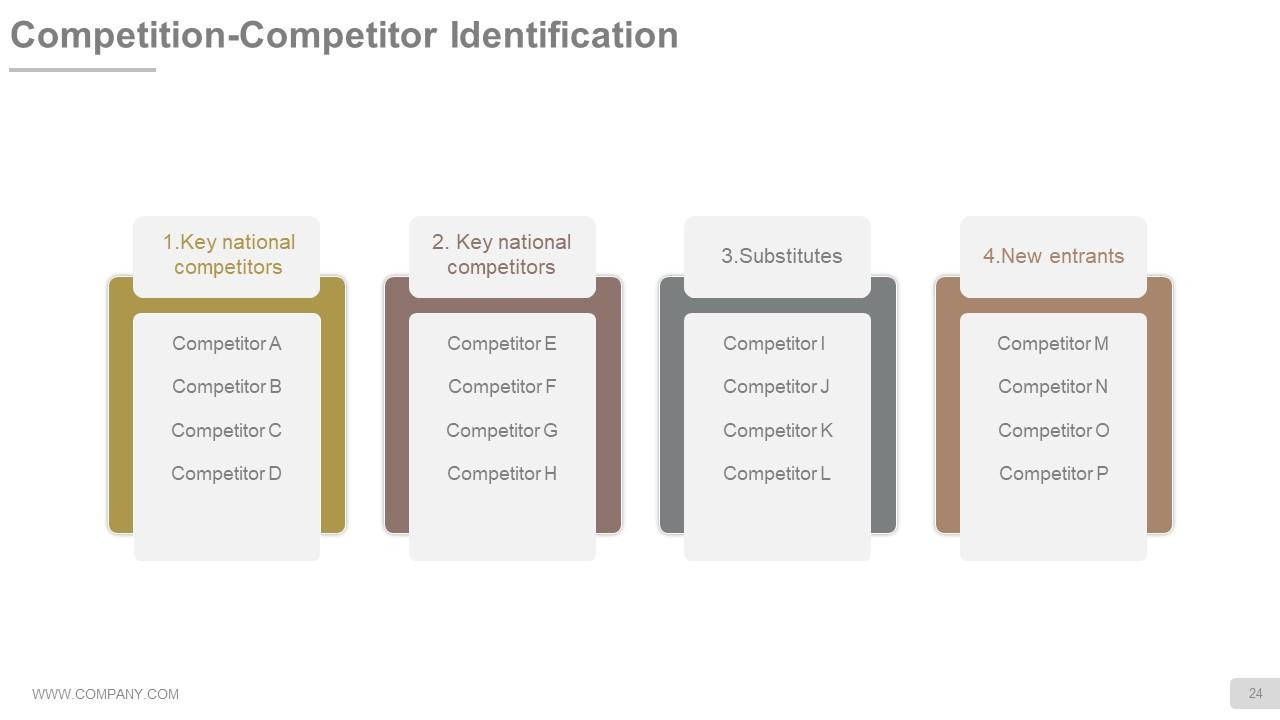
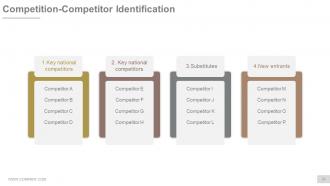
Folie 24 : Dies ist eine Wettbewerbs-Wettbewerbs-Identifizierungstabelle, die Stellvertreter, Neueinsteiger, nationale Hauptwettbewerber und nationale Hauptwettbewerber zeigt.
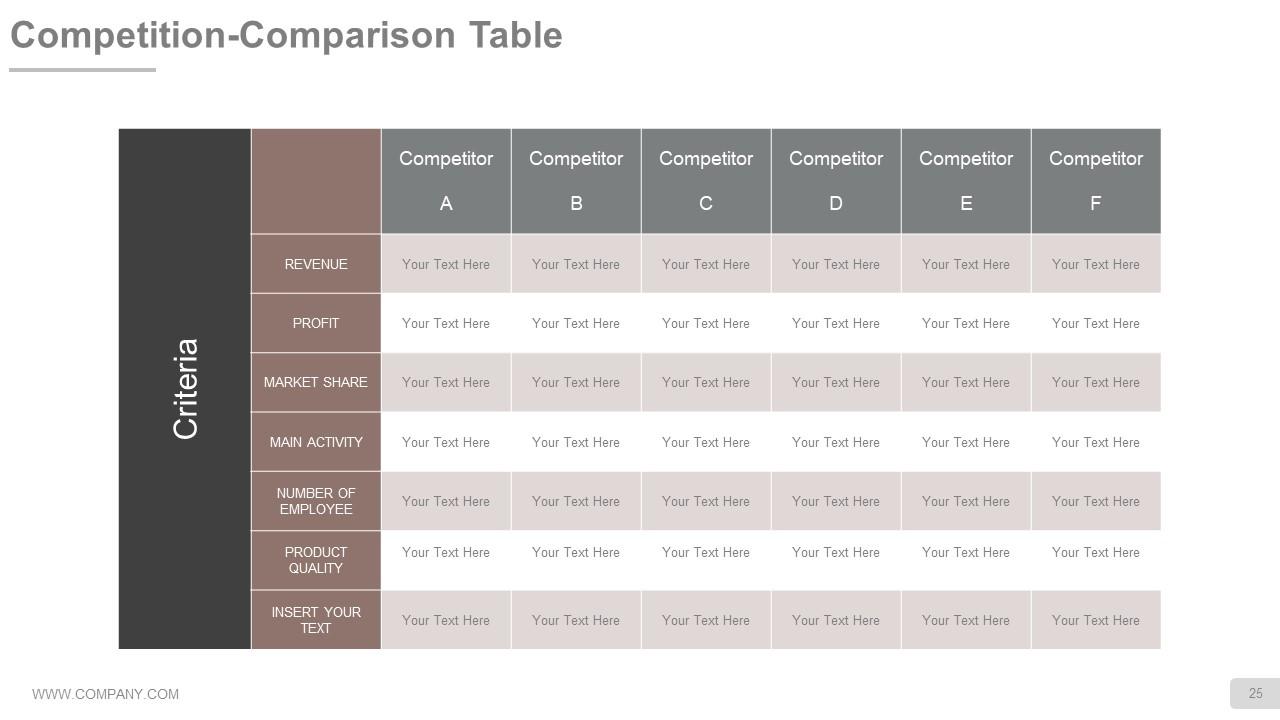
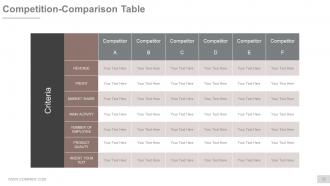
Folie 25 : Diese Folie zeigt eine Wettbewerbs-Vergleichstabelle mit Kriterien, Umsatz, Gewinn, Marktanteil, Hauptaktivität, Mitarbeiterzahl, Produktqualität.
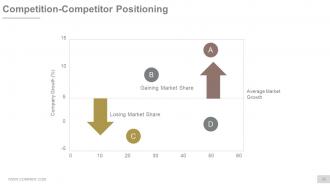
Folie 26 : Dies ist eine Folie zur Wettbewerbspositionierung, die das durchschnittliche Marktwachstum, das Unternehmenswachstum (%), den Gewinn von Marktanteilen und den Verlust von Marktanteilen zeigt.
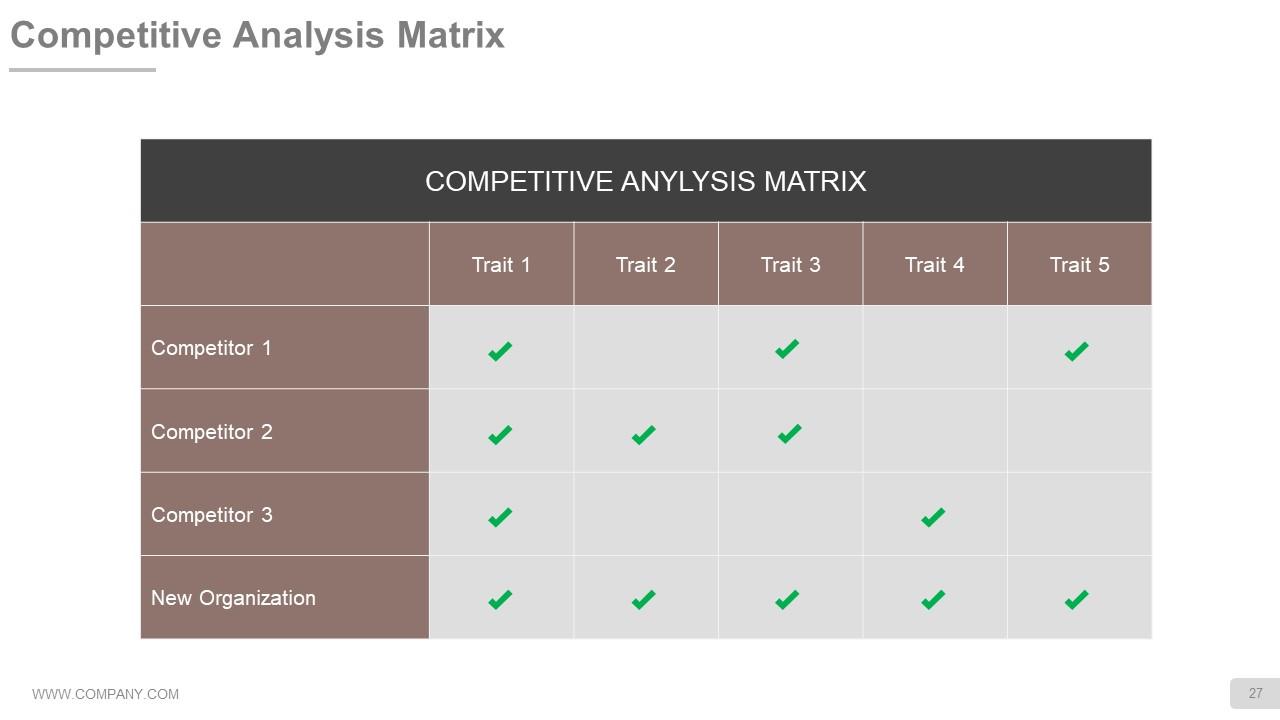
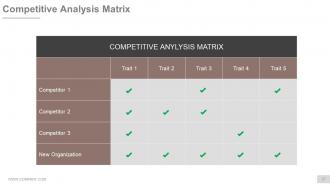
Folie 27 : Diese Folie zeigt eine Wettbewerbsanalysematrix.
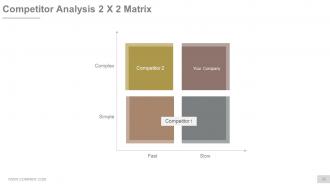
Folie 28 : Diese Folie zeigt eine Wettbewerbsanalyse 2 X 2 Matrix, um Ihr Unternehmen mit Wettbewerbern zu vergleichen.
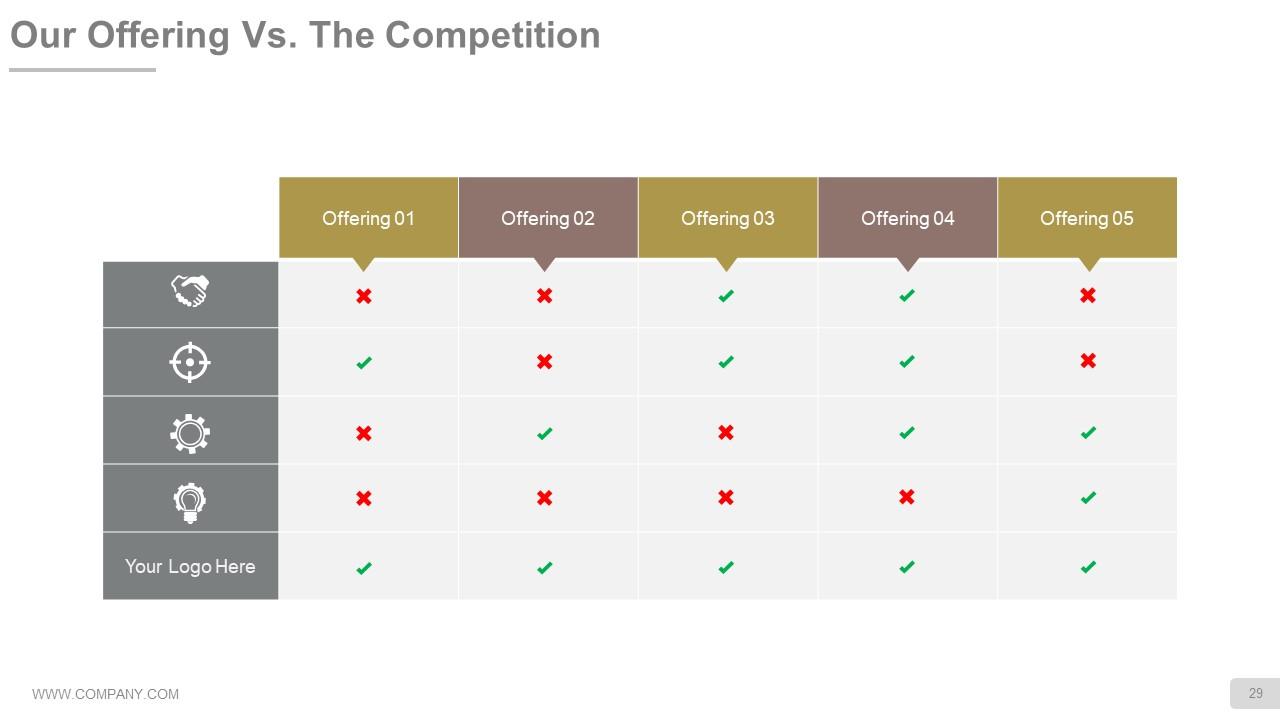
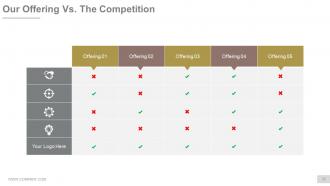
Folie 29 : Das ist unser Angebot vs. Die Wettkampftischrutsche.
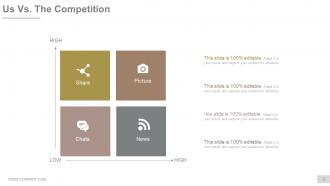
Folie 30 : Diese Folie zeigt Us vs. Der Wettbewerb in Matrixform mit Anzeige von Share, Picture, Charts, News.
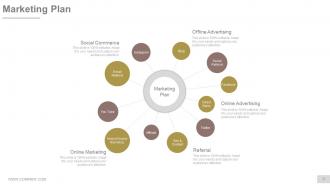
Folie 31 : Diese Folie stellt einen Marketingplan vor, bestehend aus Facebook, Social Referral, You Tube, Suchmaschinenmarketing, SEO & Content, Instagram, Blog, Twitter, E-Mail-Empfehlung, Affiliate, Direktverkauf, Online-Werbung, Offline-Werbung, Social Commerce.
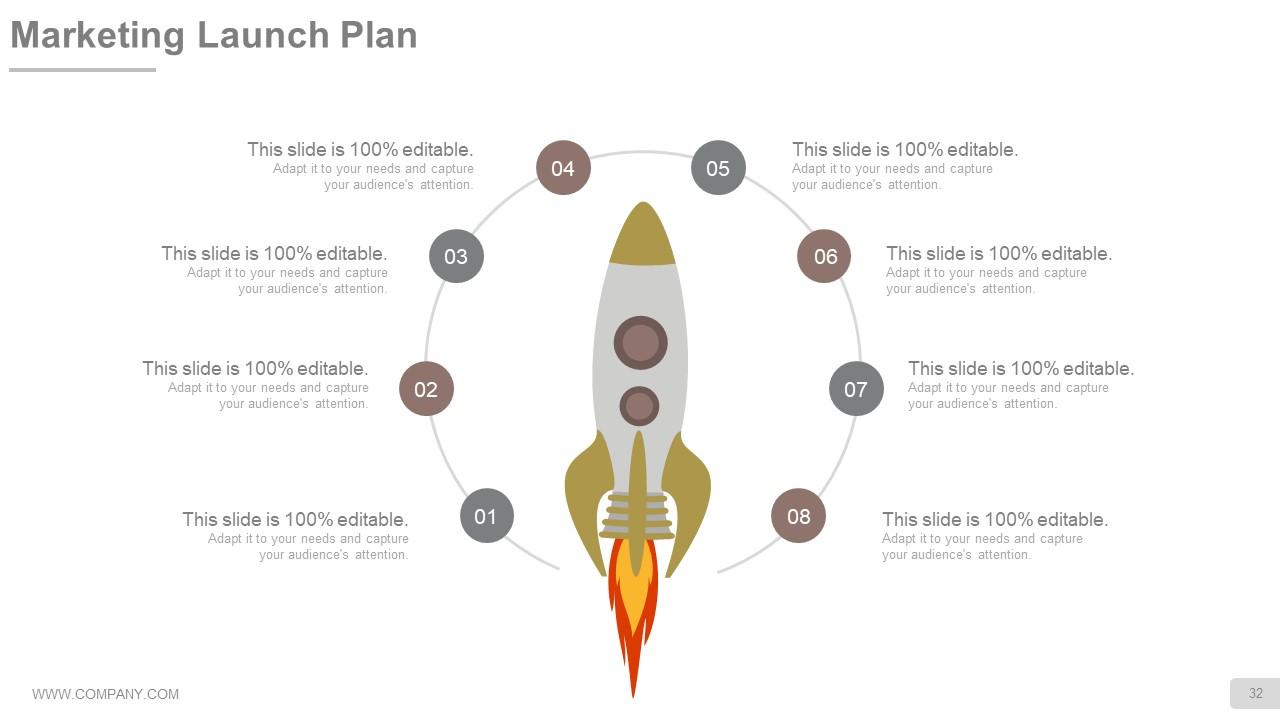
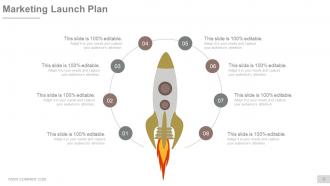
Folie 32 : Diese Folie zeigt den Marketing-Startplan mit kreativen Bildern zum Raketenstart.
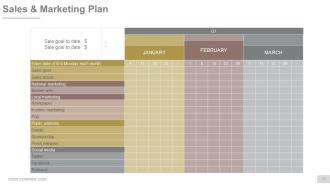
Folie 33 : Dies ist eine Folie für den Verkaufs- und Marketingplan in Tabellenform.
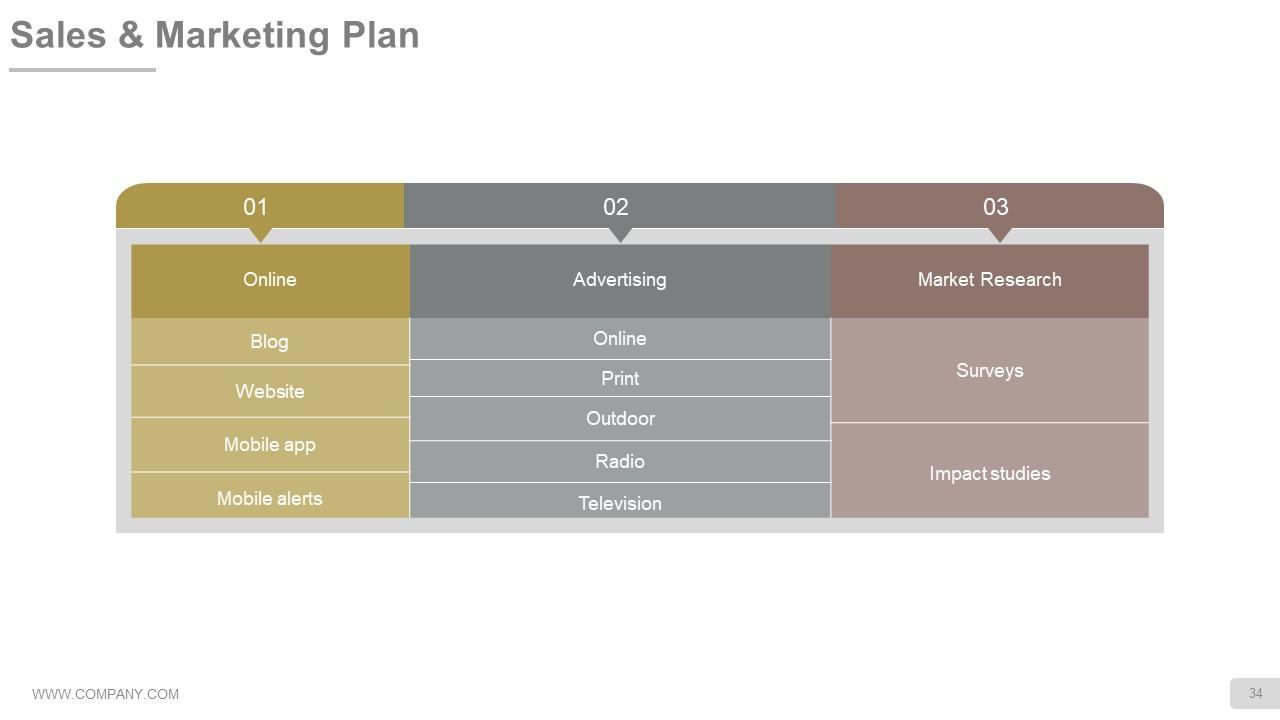
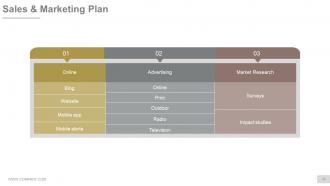
Folie 34 : Diese Folie präsentiert den Vertriebs- und Marketingplan mit Online, Marktforschung, Werbung.
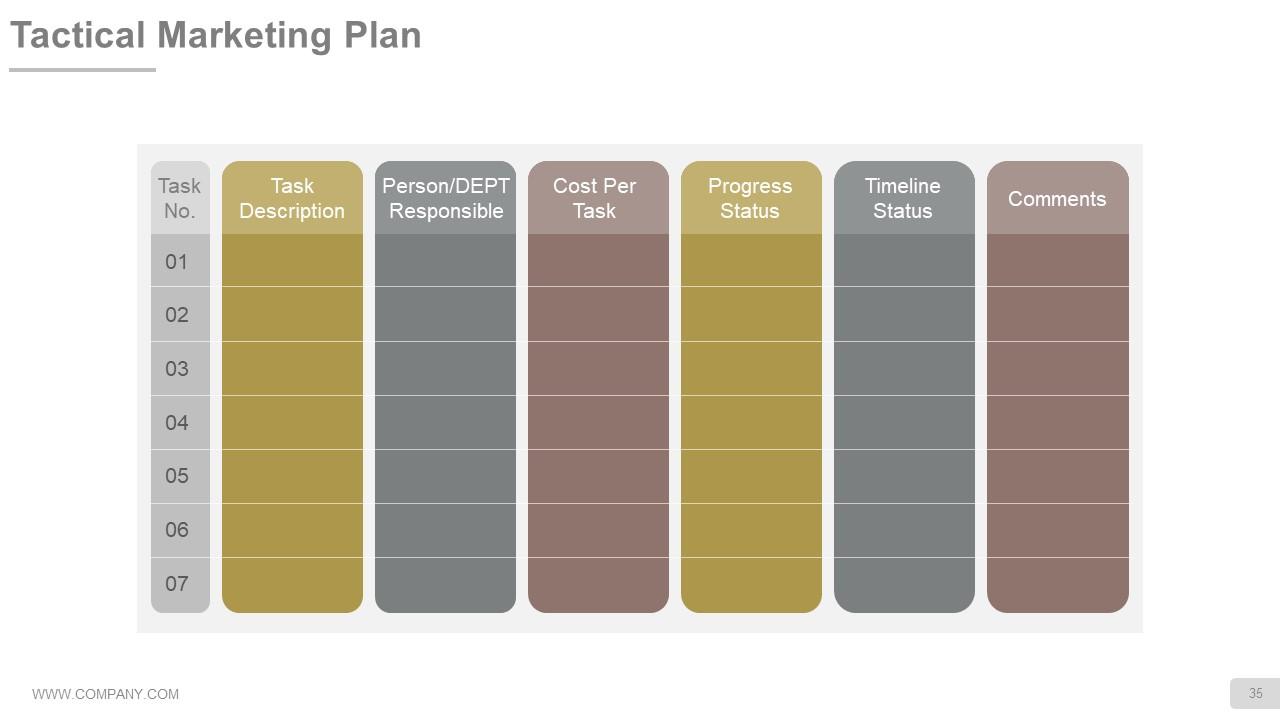
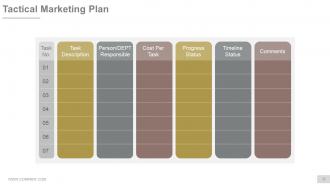
Folie 35 : Diese Folie zeigt den taktischen Marketingplan – Aufgabenbeschreibung, Verantwortliche Person/Abteilung, Fortschrittsstatus, Kosten pro Aufgabe, Zeitachsenstatus, Kommentare.
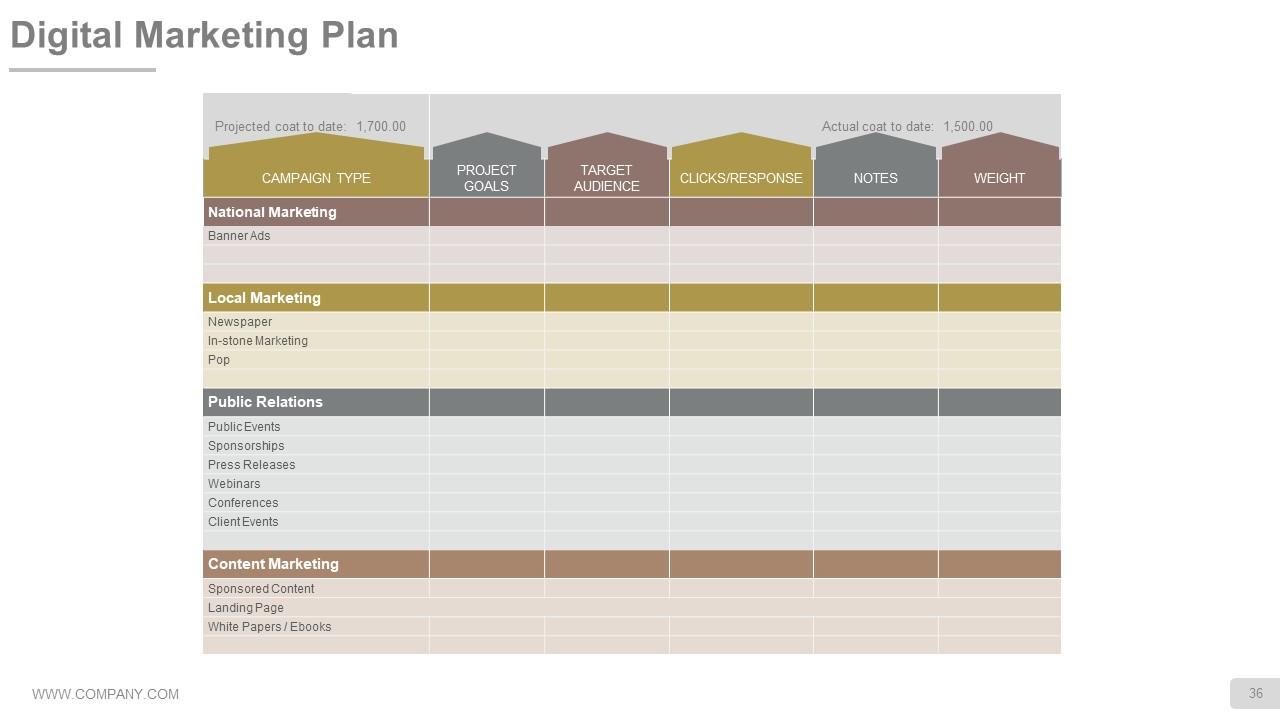
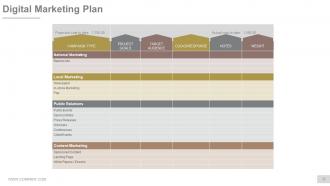
Folie 36 : Diese Folie präsentiert den digitalen Marketingplan, der den aktuellen projizierten Mantel und den aktuellen tatsächlichen Auftrag präsentiert.
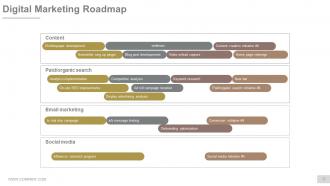
Folie 37 : Diese Folie zeigt eine digitale Marketing-Roadmap mit Whitepaper-Entwicklung, Webinaren, Initiative zur Inhaltserstellung, Video mit Lead-Erfassung, Entwicklung von Blog-Posts, Newsletter-Singup-Plugin, Neugestaltung der Homepage, Inhalt, Analytics-Implementierung, Wettbewerbsanalyse, Keyword-Recherche , Iteration von Ad-Roll-Kampagnen, Analyse von Display-Werbung, SEO-Verbesserungen auf der Website, Neue Leiste, Initiative für bezahlte/organische Suche, Bezahlte/organische Suche, A/B-Messaging-Tests, In-Test-Drop-Kampagne, E-Mail-Marketing, Conversion-Initiative, Onboarding-Optimierung, Influencer Outreach-Programm, Social Media, Social Media Initiative.
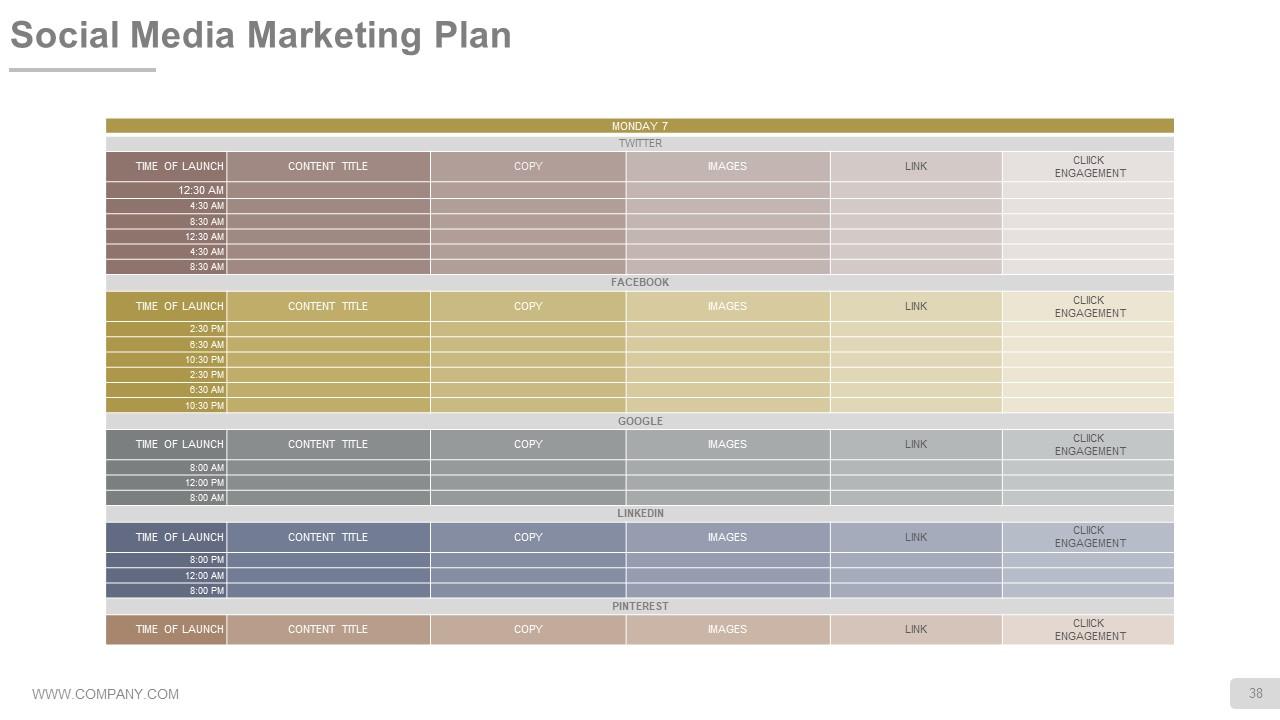
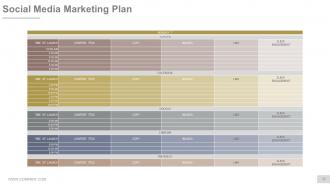
Folie 38 : Diese Folie präsentiert einen Social Media Marketing Plan.
Folie 39 : Diese Folie zeigt unser Team, das Geeks Entrepreneurs Sales als Abteilungstrennung zeigt.
Folie 40 : Dies ist eine Folie unseres Teams mit Namen, Bezeichnung und Textfeldern zur Angabe von Informationen.
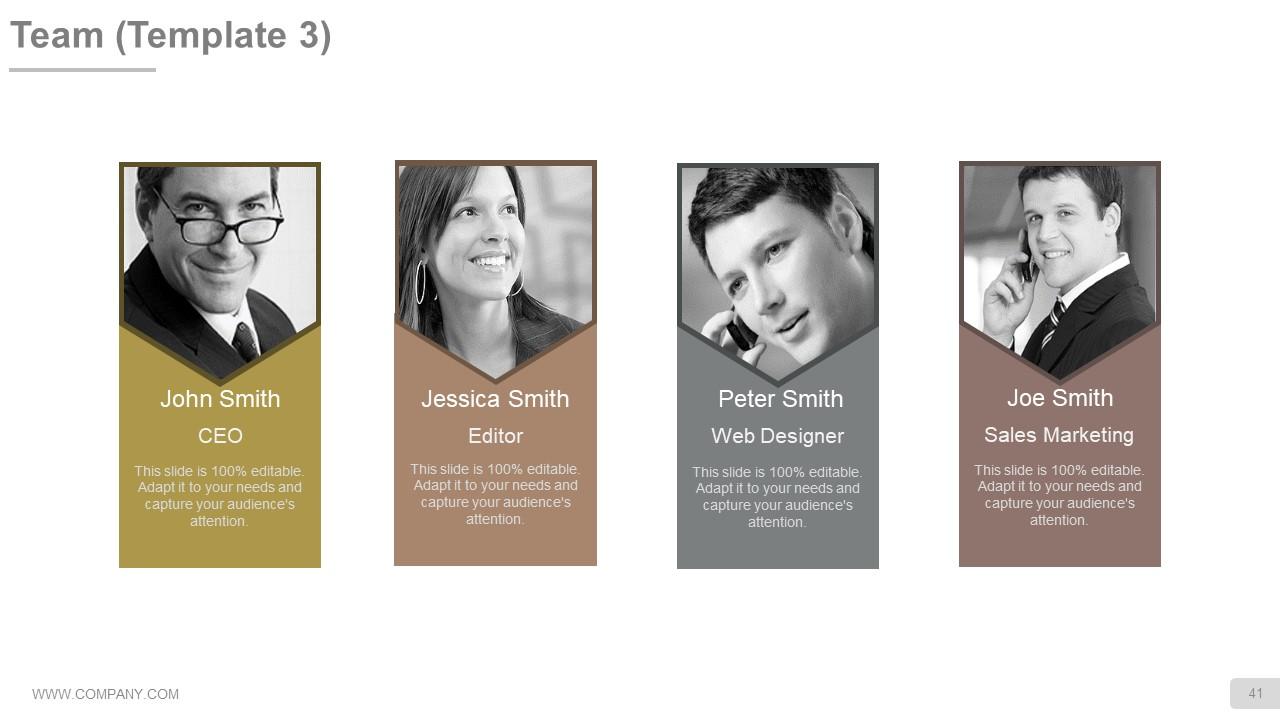
Folie 41 : Dies ist eine Teamfolie mit Namen, Bezeichnung und Textfeldern zur Angabe von Informationen.
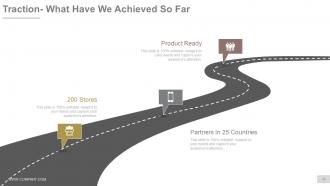
Folie 42 : Diese Folie zeigt Traktion – was wir bisher erreicht haben mit – Partnern, 200 Geschäften, Produktbereit.
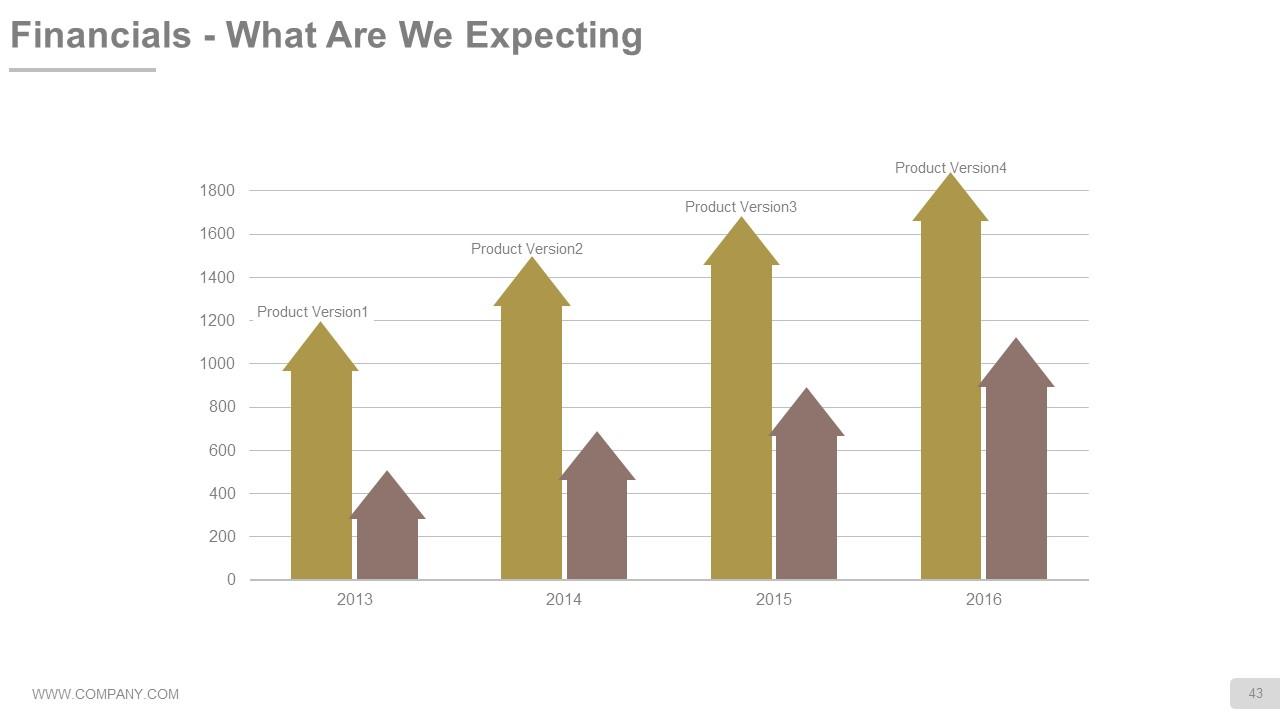
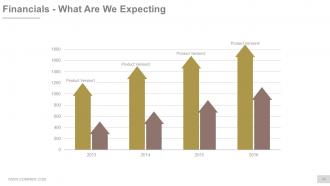
Folie 43 : Diese Folie zeigt Finanzwerte – Was erwarten wir in Diagrammform.
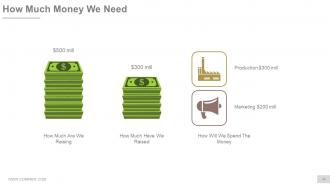
Folie 44 : Diese Folie zeigt, wie viel Geld wir brauchen – Wie viel sammeln wir ein? Wie viel haben wir gesammelt? Wie werden wir das Geld ausgeben?
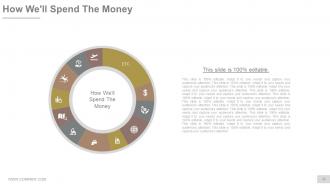
Folie 45 : Diese Folie zeigt, wie wir das Geld ausgeben. Geben Sie hier die Fakten zu den zukünftigen Ausgaben an.
Folie 46 : Dies ist eine Folie mit Kundenreferenzen mit Namen, Bezeichnung und Textfeldern zur Angabe von Informationen.
Folie 47 : Dies ist eine weitere Folie mit Kundenreferenzen mit Namen, Bezeichnung und Textfeldern zur Angabe von Informationen.
Folie 48 : Dies ist auch eine Folie mit Kundenreferenzen mit Namen, Bezeichnung und Textfeldern zur Angabe von Informationen.
Folie 49 : Diese Folie trägt den Titel Zusätzliche Folien, um vorwärts zu gehen. Sie können den Folieninhalt nach Bedarf ändern/modifizieren.
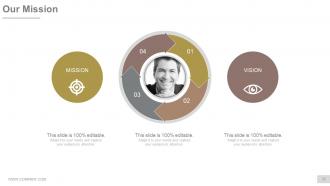
Folie 50 : Dies ist unsere Missionsfolie mit Vision und Ziel. Geben Sie sie hier an.
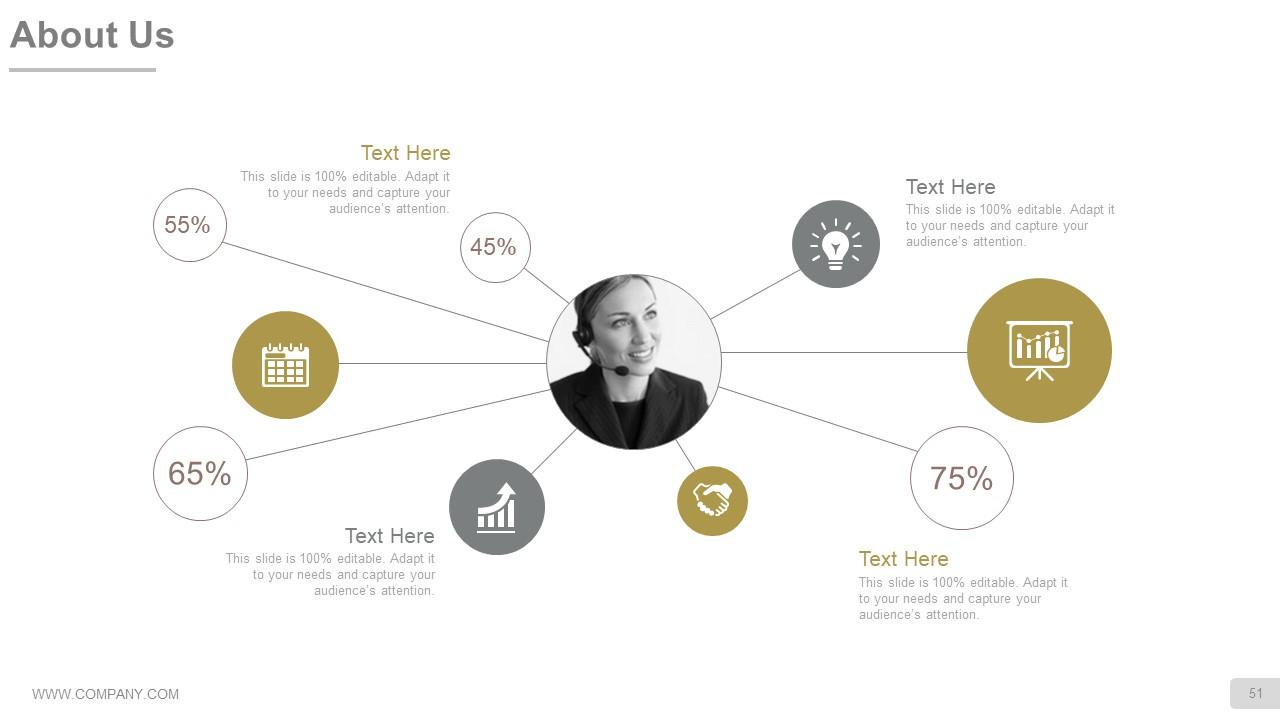
Folie 51 : Dies ist eine Über uns-Folie. Hier Firmen-/Teamspezifikationen etc. anzeigen
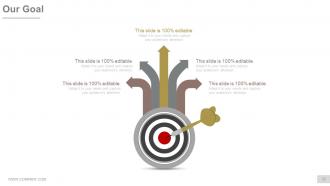
Folie 52 : Dies ist die Folie „Unser Ziel“. Geben Sie sie hier an.
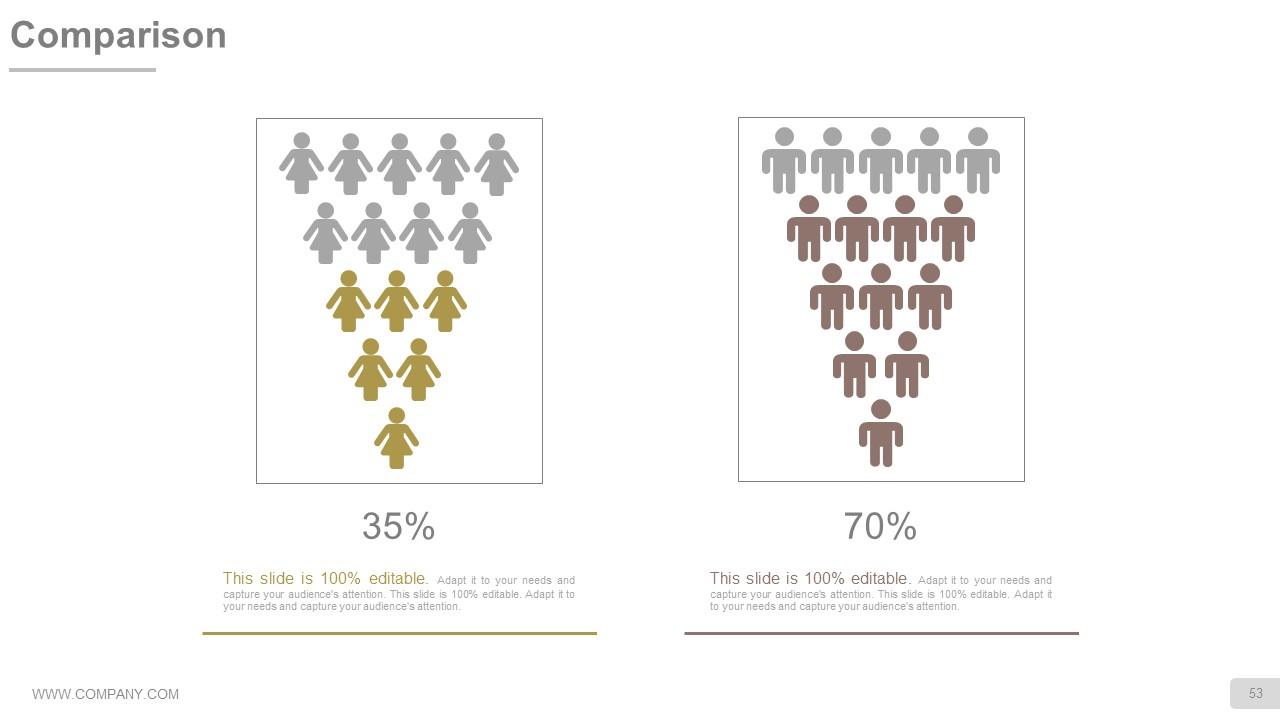
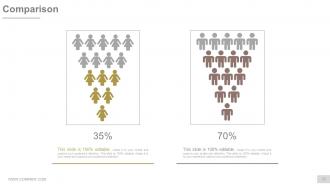
Folie 53 : Diese Folie zeigt den Vergleich zweier Entitäten in männlich-weiblicher Bildform.
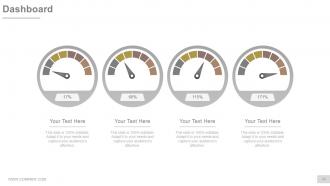
Folie 54 : Diese Folie präsentiert ein Dashboard zur Darstellung von Kpis, Metriken usw.
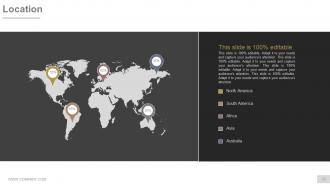
Folie 55 : Dies ist eine Standortfolie des Weltkartenbilds, um die globale Präsenz, das Wachstum usw.
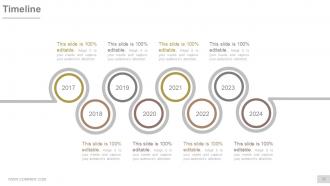
Folie 56 : Dies ist eine Timeline-Folie. Hier Meilensteine, Highlights, Entwicklung etc. angeben.
Folie 57 : Dies ist eine Glühbirnen- oder Ideen-Bildfolie, in der Informationen, Spezifikationen usw. angegeben werden.
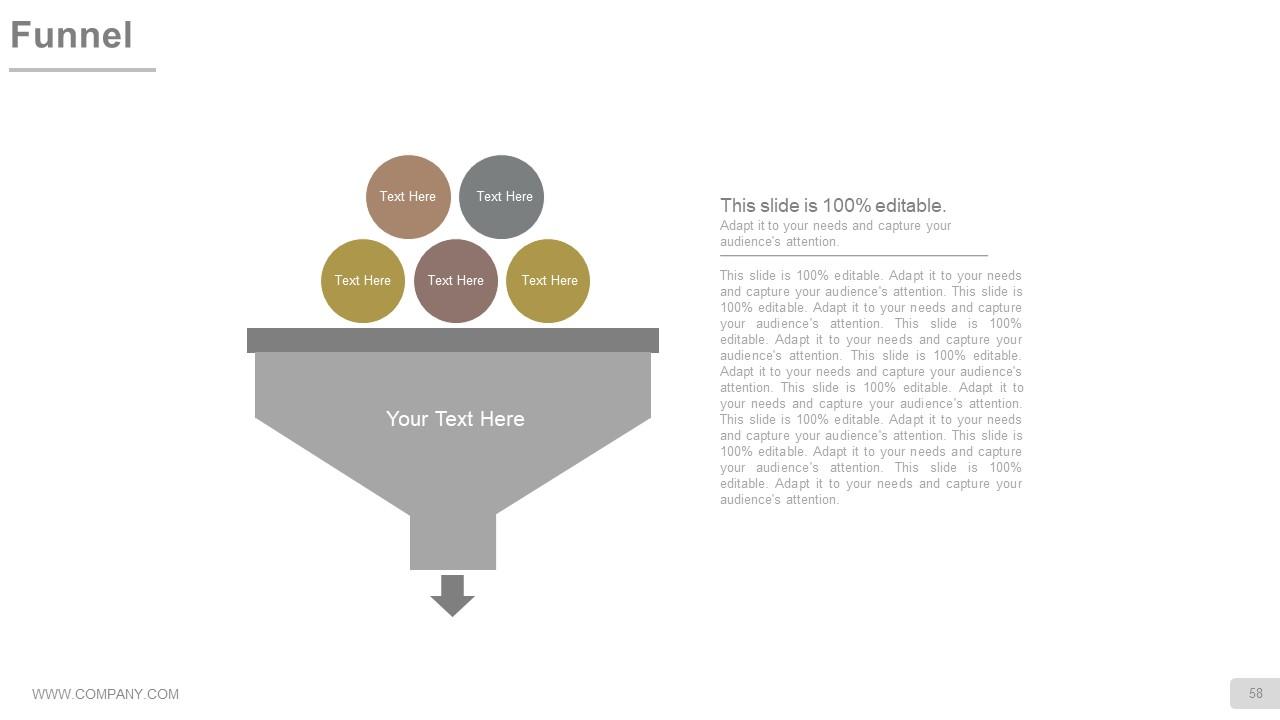
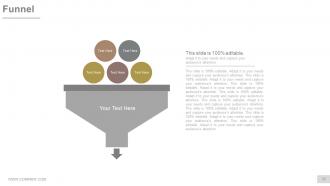
Folie 58 : Dies ist eine Trichterbildfolie zur Darstellung von Produkt-/Unternehmensinformationen, Trichteraspekten usw.
Folie 59 : Dies ist eine Dankesfolie mit E-Mail, Adresse, Hausnummer, Stadt, Bundesland, Kontaktnummern.
Startup Pitch Deck Geldbeschaffung von Investoren Powerpoint-Präsentationsfolien mit allen 59 Folien:
Erzeugen Sie Strom mit unserem Startup-Pitch-Deck. Erhellen Sie den Himmel mit Ihren Gedanken.
-
Good research work and creative work done on every template.
-
Really like the color and design of the presentation.
