


Slides de apresentação em PowerPoint para análise estatística
Analise os dados do seu negócio e sua eficácia com nossos slides de apresentação em PowerPoint de análise estatística especialmente projetados para identificar ou medir o crescimento e o desenvolvimento do seu negócio. O termo análise estatística envolve o processo de examinar ou analisar os dados de negócios para tomar uma decisão de negócios eficaz com base nos resultados dos dados por meio deste modelo PPT. Defina o processo com este modelo de apresentação que envolve as etapas como a definição do projeto de negócios, coleta de dados de negócios, integração de dados, sua análise, efeitos e, em seguida, fazer a análise preditiva com base na referida análise. Você pode usar este modelo do PowerPoint para fazer uma apresentação sobre vários tópicos relacionados à gestão, como análises de mercado, análises de produtos, análises de crescimento da organização, etc., pois também o ajuda a fazer uma apresentação impecável para que seu público-alvo se mantenha fiel à sua apresentação até sua última palavra. Portanto, simplesmente comece a trabalhar nestes fantásticos designs de PPT e comece a explorar mais com este modelo exclusivo de PPT agora. Sinta-se aconchegante e confortável com nossos slides de apresentação em PowerPoint de análise estatística. Eles são como um casaco de pele adequado.




























-

- Google Slides is a new FREE Presentation software from Google.
- All our content is 100% compatible with Google Slides.
- Just download our designs, and upload them to Google Slides and they will work automatically.
- Amaze your audience with SlideTeam and Google Slides.
-

Want Changes to This PPT Slide? Check out our Presentation Design Services
-

- WideScreen Aspect ratio is becoming a very popular format. When you download this product, the downloaded ZIP will contain this product in both standard and widescreen format.
-

- Some older products that we have may only be in standard format, but they can easily be converted to widescreen.
- To do this, please open the SlideTeam product in Powerpoint, and go to
- Design ( On the top bar) -> Page Setup -> and select "On-screen Show (16:9)” in the drop down for "Slides Sized for".
- The slide or theme will change to widescreen, and all graphics will adjust automatically. You can similarly convert our content to any other desired screen aspect ratio.
Compatible With Google Slides

Get This In WideScreen
You must be logged in to download this presentation.


Do you want to remove this product from your favourites?
Recursos desses slides de apresentação do PowerPoint:
Tons rapidamente voláteis, contexto, fontes, formulários, imagens PPT, design PPT dinâmico em formatos vetoriais que podem ser exportados para formas divergentes, como PDF ou JPG,, Recondicione gráficos de apresentação capazes que sejam bastante compatíveis com slides do Google e outros aplicativos de software, simplesmente adicione título ou legendas também, bastante benéfico para analistas de negócios e especialistas, etc.

People who downloaded this PowerPoint presentation also viewed the following :
Conteúdo desta apresentação em PowerPoint
Slide 1 : Este slide apresenta a Análise Estatística. Indique o nome da sua empresa e comece.
Slide 2 : Este é o slide da Nossa Agenda mostrando - Mensagem de boas-vindas, Sobre nós, Conheça a equipe, Resultado.
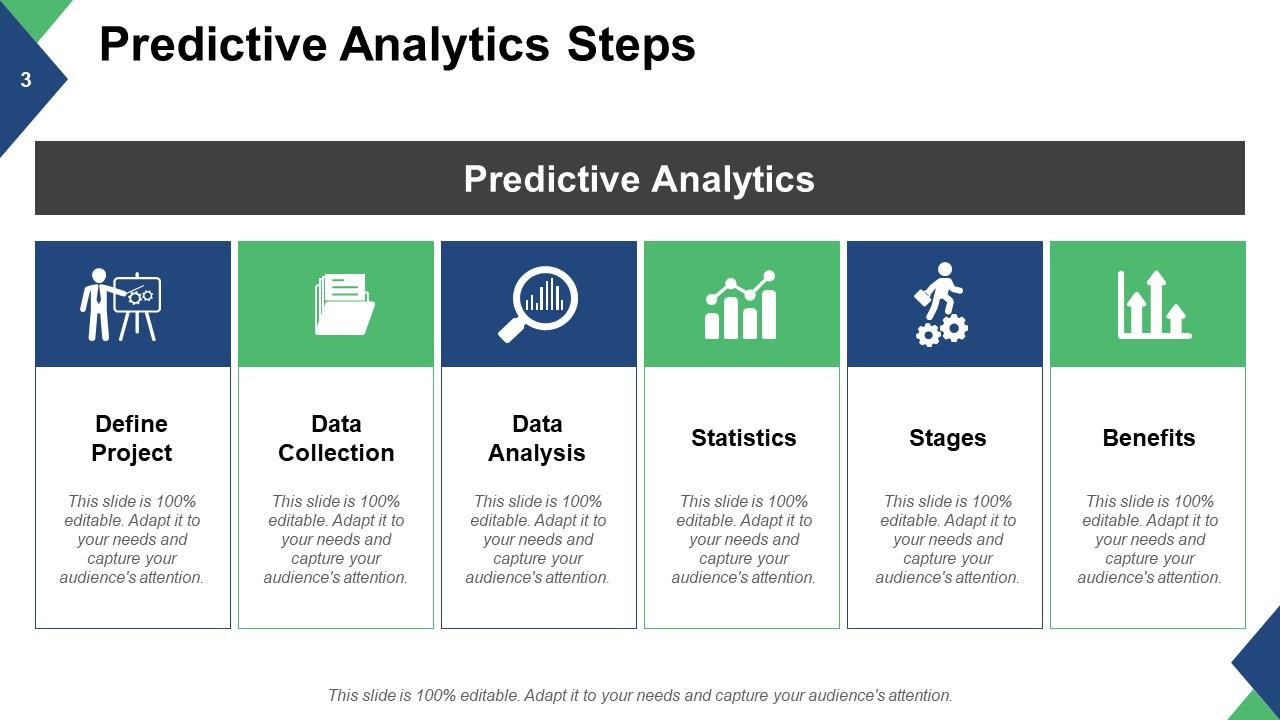
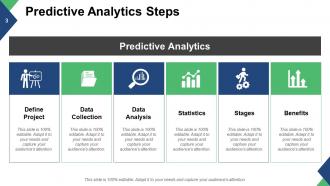
Slide 3 : Este slide mostra as etapas do Predictive Analytics. As etapas listadas são: Definir Projeto, Coleta de Dados, Análise de Dados, Estatísticas, Estágios, Benefícios.
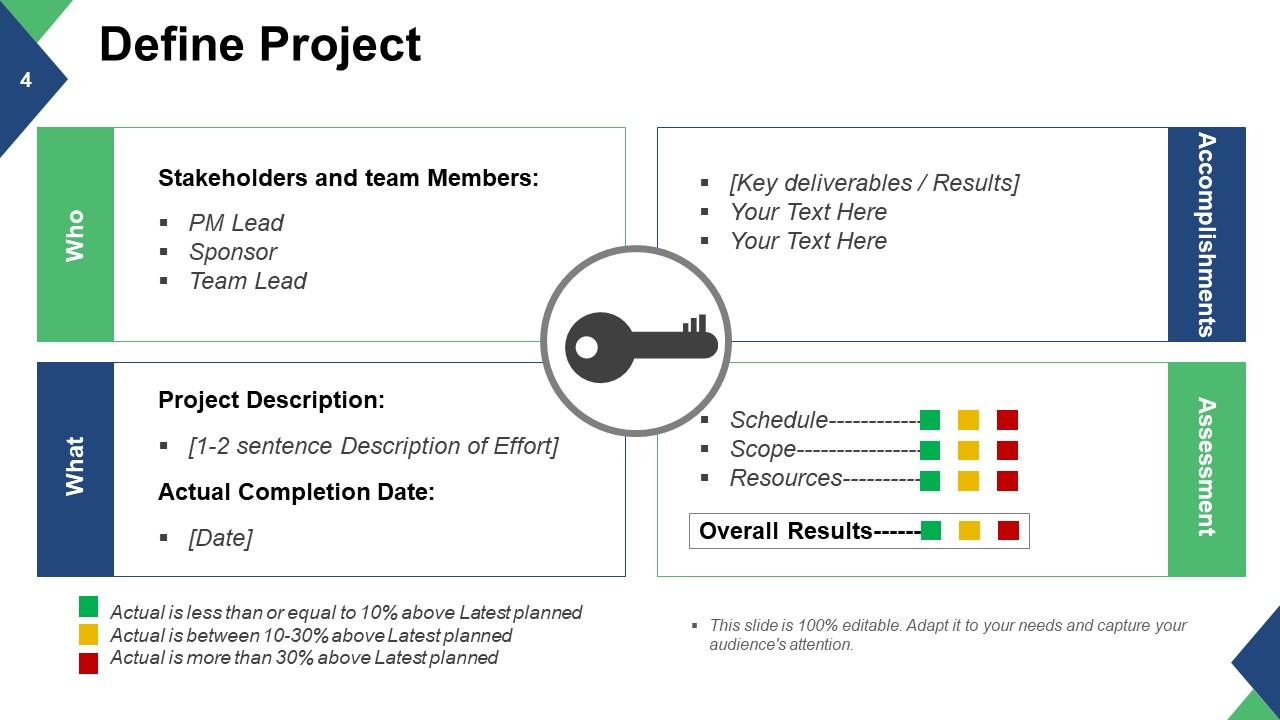
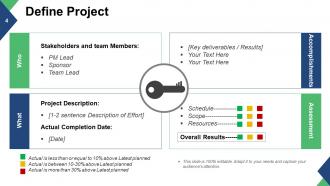
Slide 4 : Este slide mostra Definir Projeto com os seguintes subtítulos - Descrição do Projeto, Data Real de Conclusão, Partes Interessadas e Membros da Equipe, Principais Entregas / Resultados, Resultados Gerais.
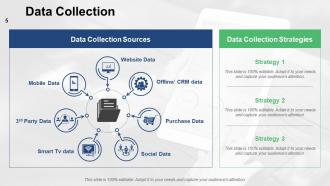
Slide 5 : Este slide mostra as Estratégias de Coleta de Dados. As fontes listadas são - Dados do site, Dados móveis, Dados de terceiros, Dados da Smart Tv, Dados sociais, Dados offline / CRM, Dados de compra, Fontes de coleta de dados, Coleta de dados.
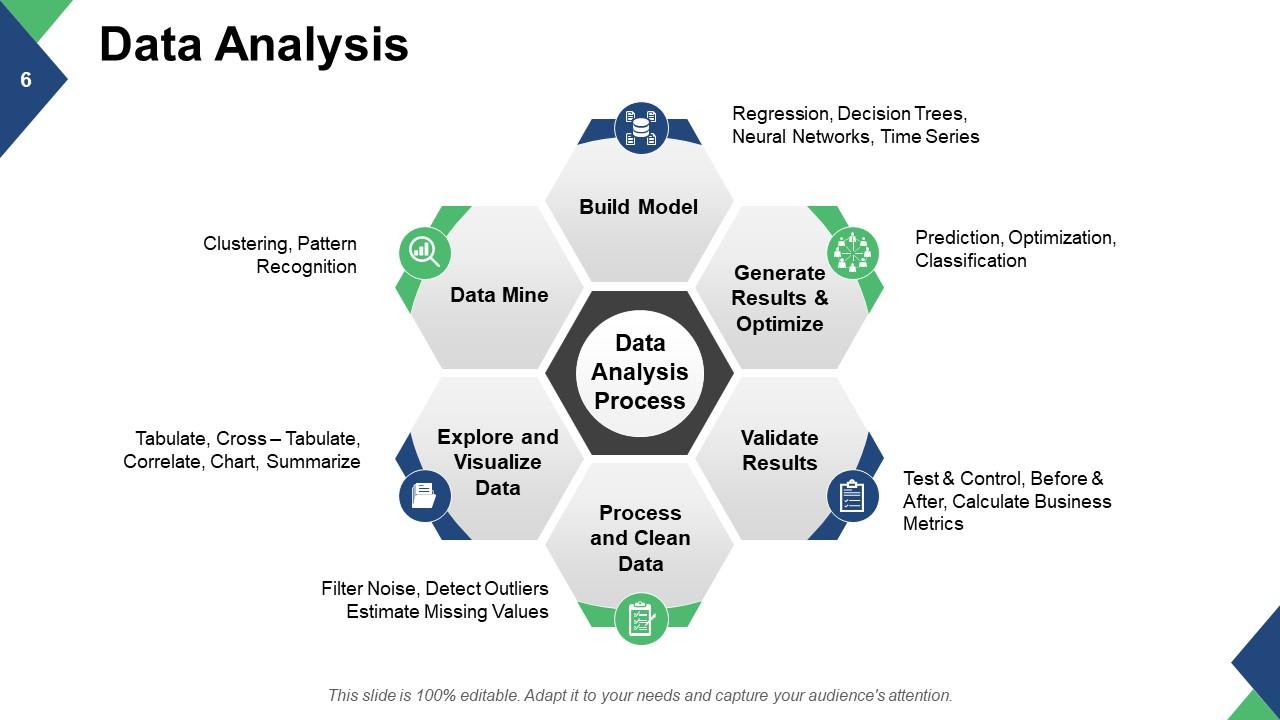
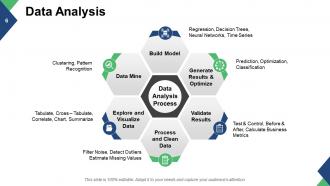
Slide 6 : Este slide mostra a Análise de Dados em andamento com os seguintes subtítulos - Processar e Limpar Dados: Filtrar Ruído, Detectar Outliers, Estimar Valores em Falta. Explorar e visualizar dados: tabular, fazer tabulação cruzada, correlacionar, traçar um gráfico, resumir. Data Mine: Clustering, Pattern Recognition. Modelo de construção: regressão, árvores de decisão, redes neurais, séries temporais. Gere resultados e otimize: previsão, otimização, classificação. Validar os resultados: Teste e controle, antes e depois, calcule as métricas de negócios.
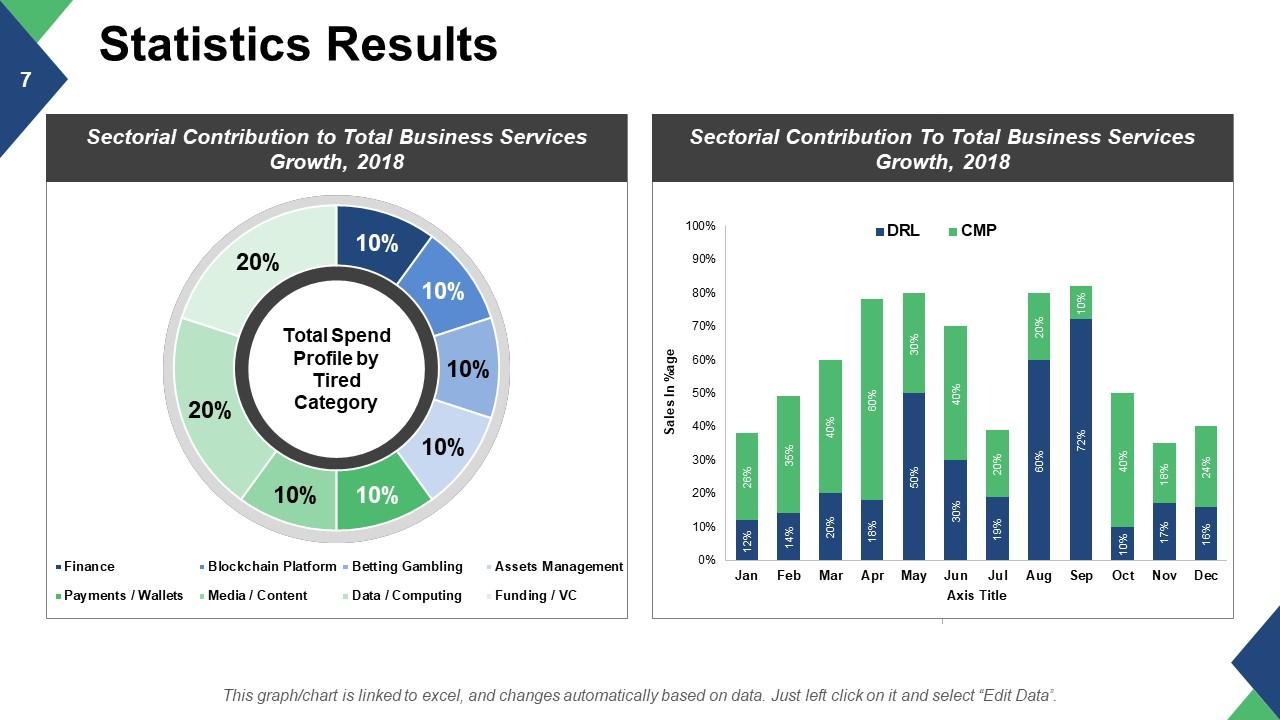
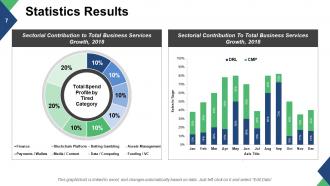
Slide 7 : Este slide apresenta os Resultados de Estatísticas com o subtítulo principal - Contribuição Setorial para o Crescimento dos Serviços Comerciais Totais explicado em termos de Perfil de Gastos Total por Categoria de Cansado.
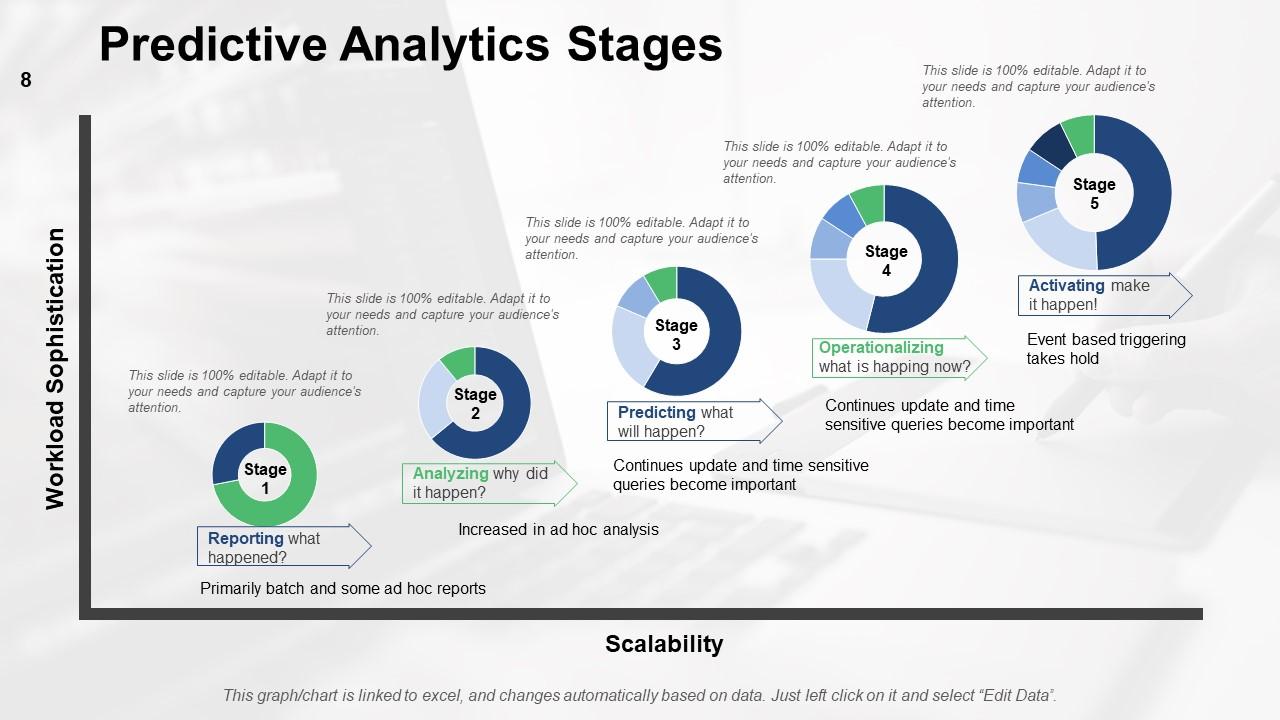
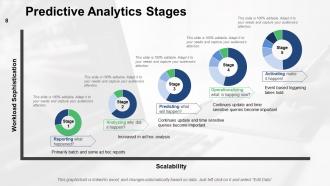
Slide 8 : Este slide mostra as etapas de análise preditiva em termos de sofisticação e escalabilidade da carga de trabalho. Os estágios são- Relatando o que aconteceu? Analisando por que isso aconteceu? Prevendo o que vai acontecer? Operacionalizando o que está acontecendo agora? Ativando faça acontecer!
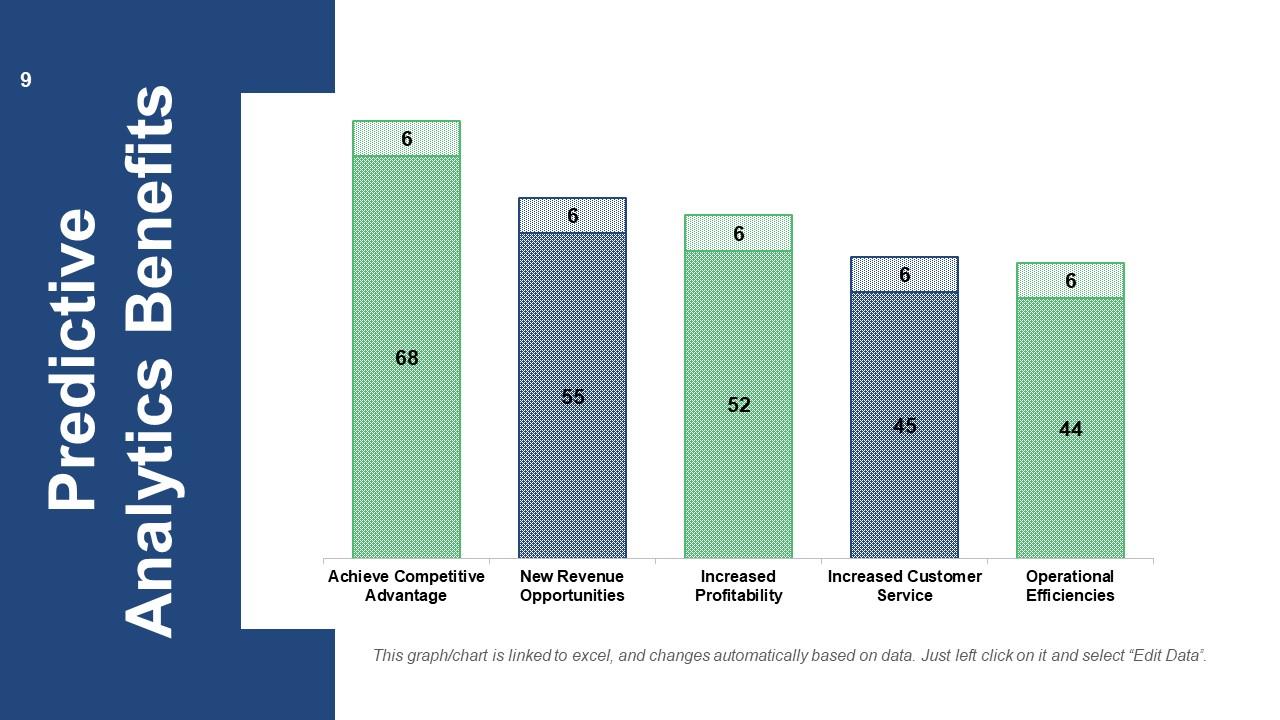
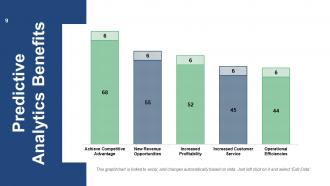
Slide 9 : Este slide mostra os benefícios do Predictive Analytics em forma de gráfico.
Slide 10 : Este é um slide de pausa para o café. Você pode alterar o conteúdo do slide conforme sua necessidade.
Slide 11 : Este é um slide de ícones de análise estatística. Use-os de acordo com a necessidade.
Slide 12 : Este slide é intitulado Slides adicionais para avançar.
Slide 13 : Este é um slide sobre nós. Estado equipe / especificações da empresa aqui.
Slide 14 : Este é o slide da Nossa Equipe com caixas de nome, designação e imagem.
Slide 15 : Este é um slide de imagem de destino. Estabeleça metas, objetivos, etc. aqui.
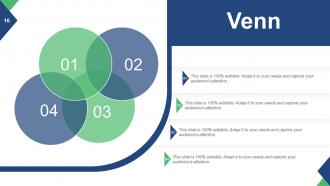
Slide 16 : Este é um slide de diagrama de Venn para mostrar informações, especificações, etc.
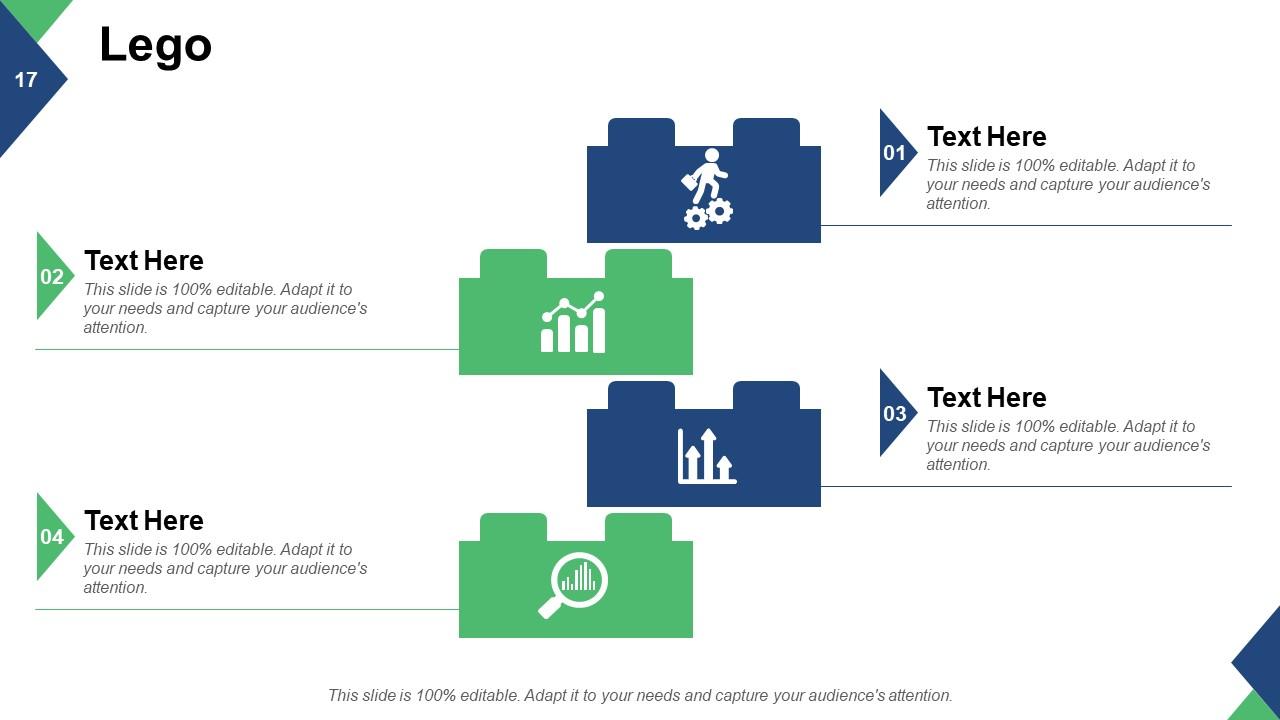
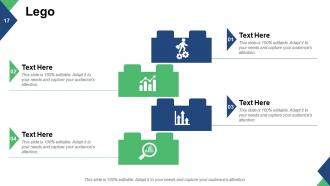
Slide 17 : Este é um slide de diagrama de Lego para mostrar informações, especificações, etc.
Slide 18 : Este é um slide de cotações para transmitir a mensagem da empresa, crenças, etc. Você pode alterar o conteúdo do slide conforme sua necessidade.
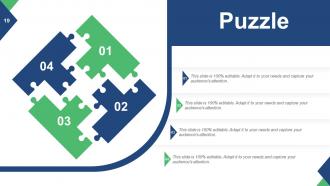
Slide 19 : Este é um slide de imagem de quebra-cabeça para mostrar informações, especificações, etc.
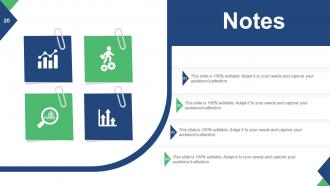
Slide 20 : Este é um slide de imagem do Notes para marcar lembretes, eventos, etc.
Slide 21 : Este é um slide de imagem Bulbo / Idéia para mostrar informações, especificações, aspectos inovadores, etc.
Slide 22 : Este é um slide de imagem de lupa para mostrar informações, especificações, etc.
Slide 23 : Este slide é intitulado Tabelas e gráficos para avançar.
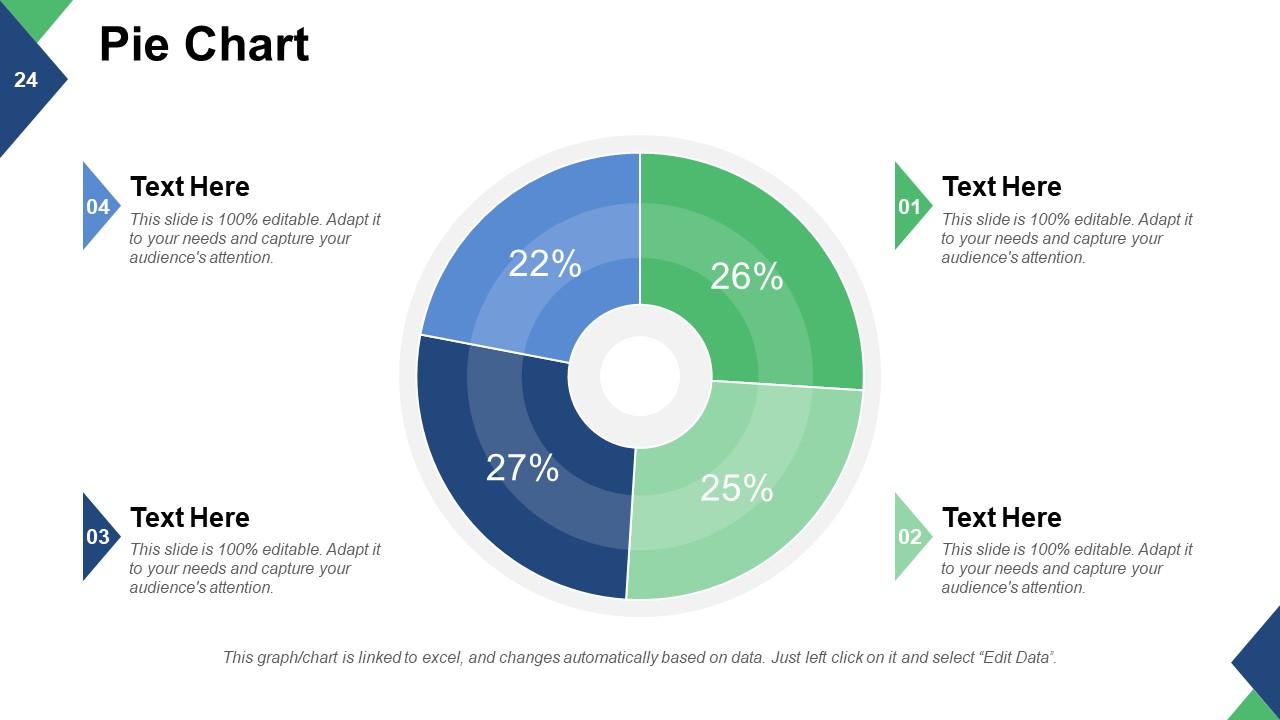
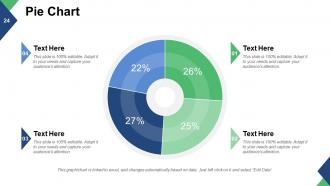
Slide 24 : Este é um slide de imagem de gráfico de pizza para mostrar informações, especificações, etc.
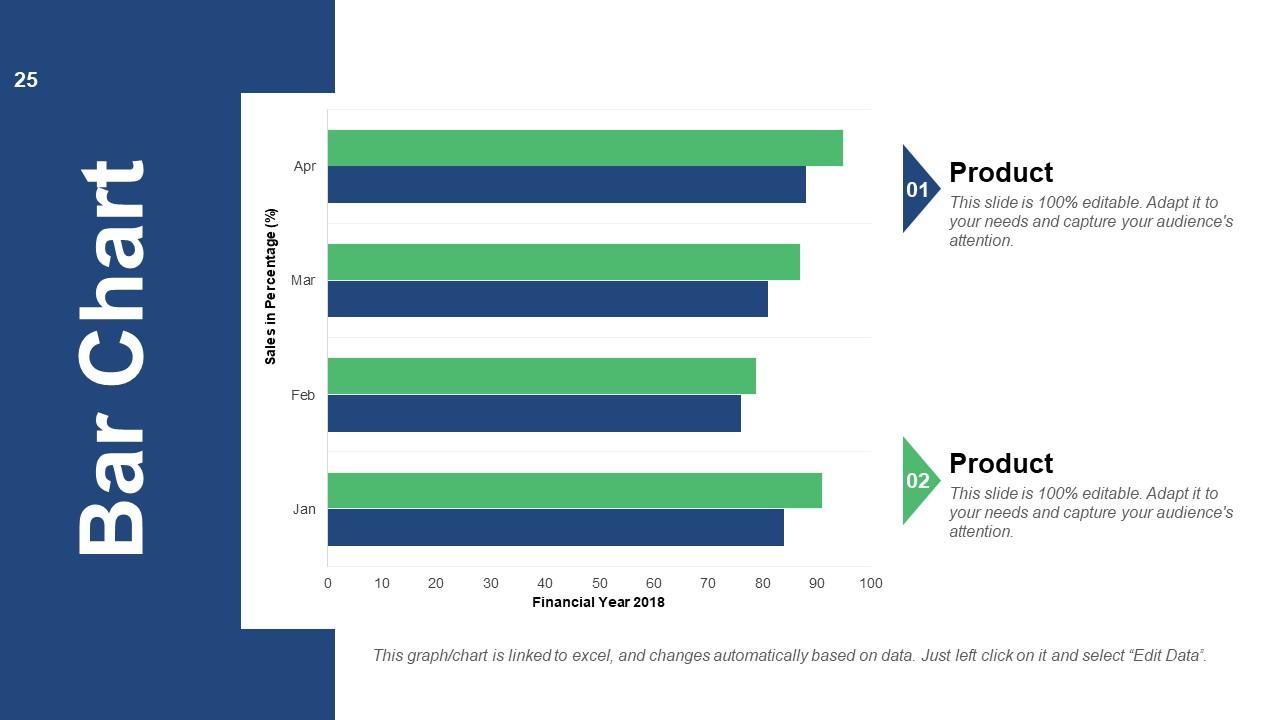
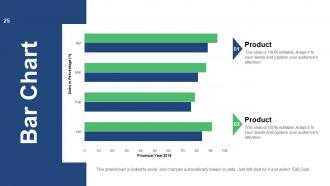
Slide 25 : Este é um slide de Gráfico de Barras para mostrar informações, comparação de produto / entidade, etc.
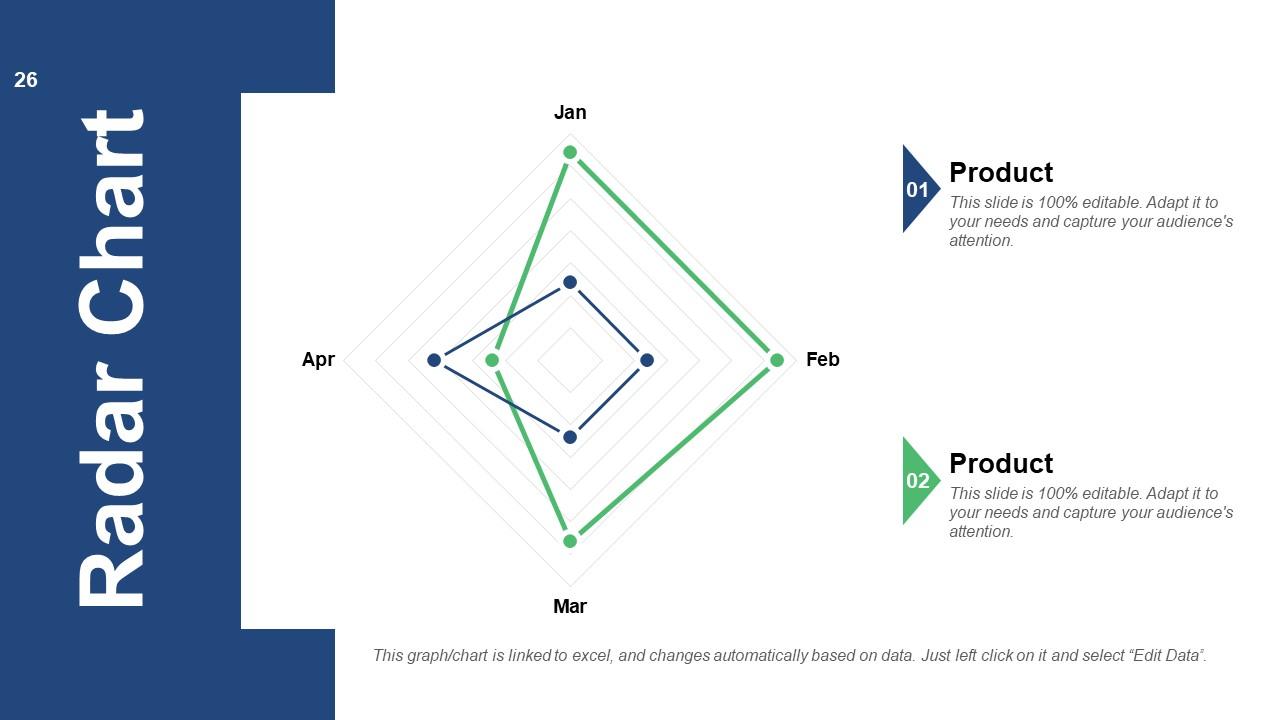
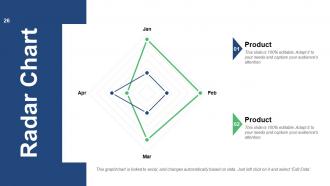
Slide 26 : Este é um slide Gráfico de radar para mostrar informações, comparação de produto / entidade, etc.
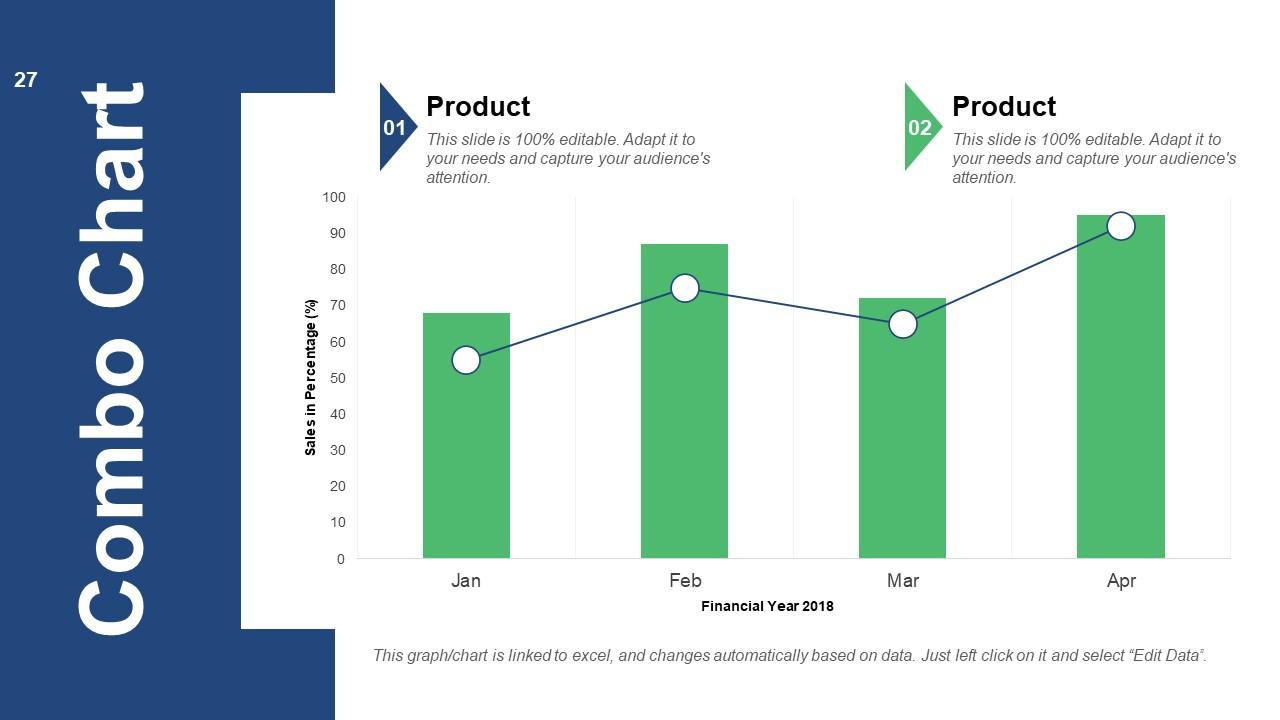
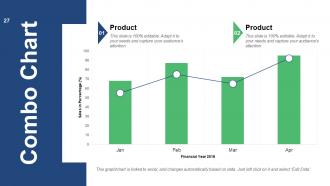
Slide 27 : Este é um slide de Gráfico de combinação para mostrar informações, comparação de produto / entidade, etc.
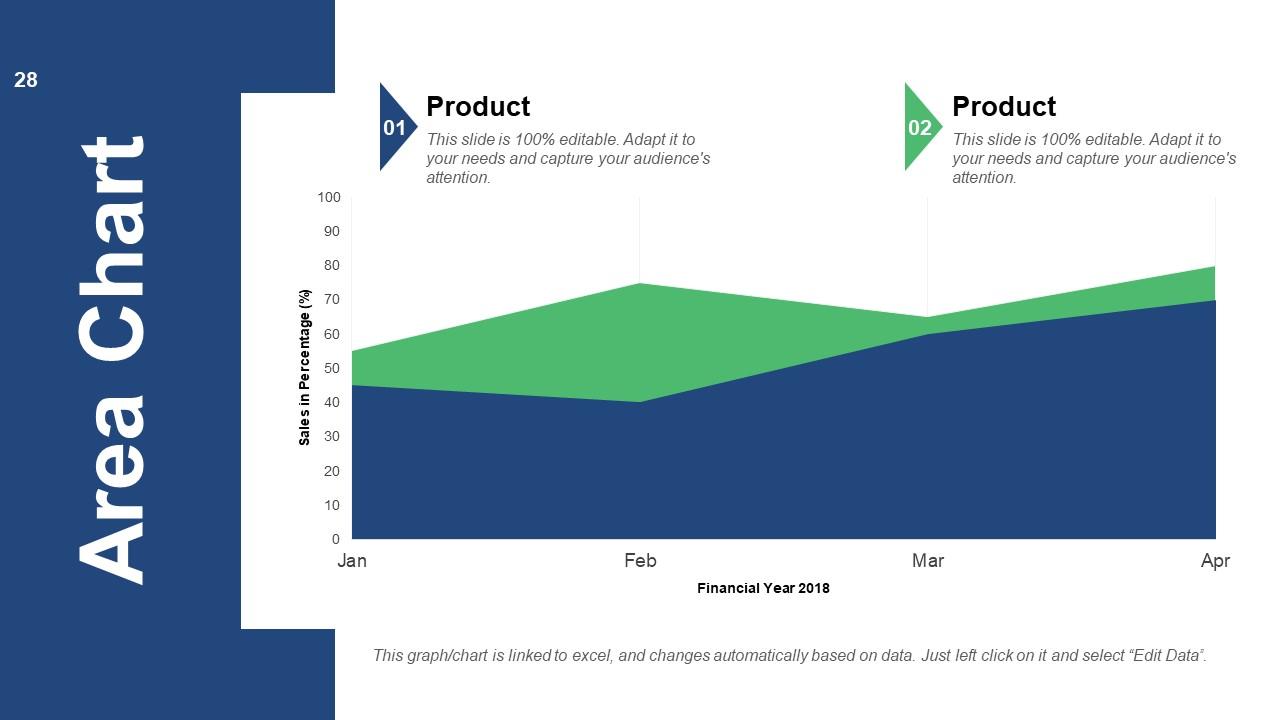
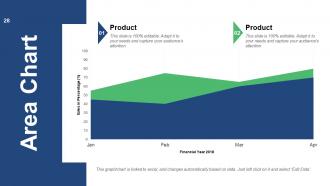
Slide 28 : Este é um slide do Gráfico de Área para mostrar informações, comparação de produto / entidade, etc.
Slide 29 : Este é o slide Fale conosco com - Endereço (nº da rua, cidade, estado, número de contato, endereço de e-mail.
Slide 30 : Este é um slide de agradecimento pelo reconhecimento.
Análise estatística Slides de apresentação em PowerPoint com todos os 30 slides:
Nossos slides de apresentação em PowerPoint para análise estatística ajudam no processo de eliminação. Trabalhe seu caminho até a melhor opção.
-
Visually stunning presentation, love the content.
-
Appreciate the research and its presentable format.
