


Strategic Action Plan To Improve Recruitment Process Powerpoint Presentation Slides




Try Before you Buy Download Free Sample Product
 Impress Your
 Audience
 100%
100% Editable
 Save Hours
 of Time


Recruitment action plan can help organizations select suitable employees from prominent candidates. A streamlined hiring process can help HR managers reduce the organizations attrition rate. Grab our professionally designed Strategic Action Plan to Improve Recruitment Process template that provides an overview of current recruitment, the organizations onboarding process, and the organizations problems in recruiting candidates. It also provides a timeline for the new recruitment action plan and identifies positions currently vacant in the organization. It also shows a detailed overview of internal and external sources of employee recruitment. The PowerPoint offers an ideal candidate persona and screening criteria for the candidate shortlisting. It also showcases rounds of interviews and schedules to conduct them promptly. Furthermore, the PPT includes employees responsibilities for recruiting candidates and the budget allocated for the hiring process. The complete deck also impacts HR KPIs after formulating and executing a new recruitment action plan. Get access now.
People who downloaded this PowerPoint presentation also viewed the following :
Content of this Powerpoint Presentation
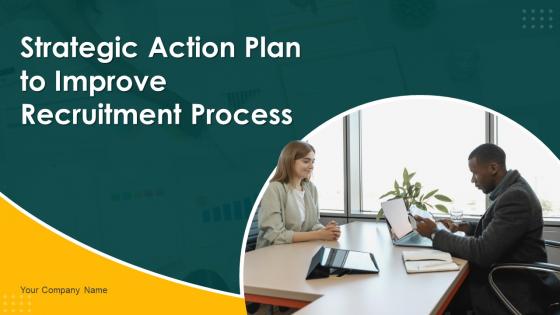
Slide 1: This slide displays title i.e. 'Strategic Action Plan to Improve Recruitment Process' and your Company Name.
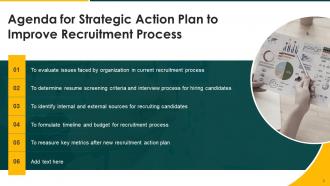
Slide 2: This slide presents agenda.
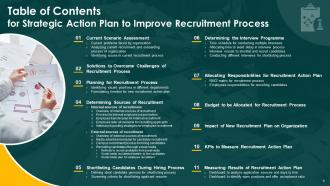
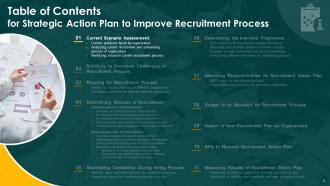
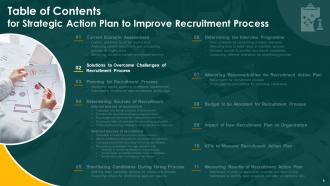
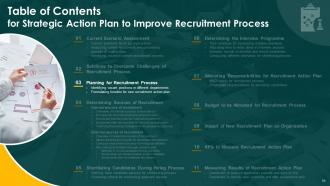
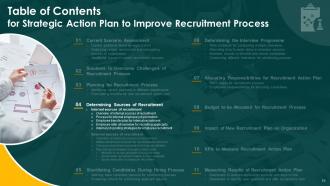
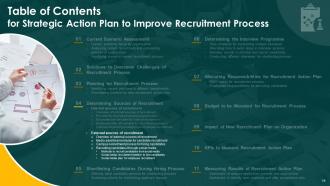
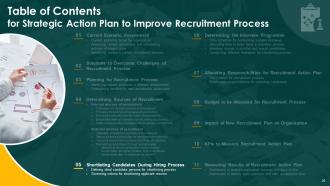
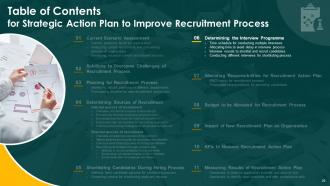
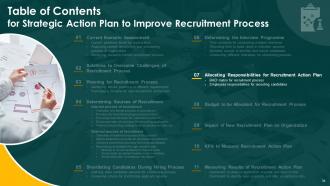
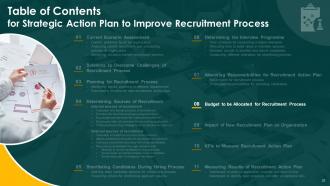
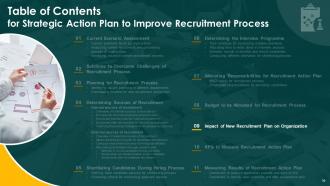
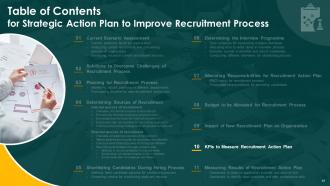
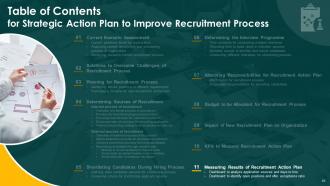
Slide 3: This slide exhibits table of contents.
Slide 4: This slide depicts title for three topics that are to be covered next in the template.
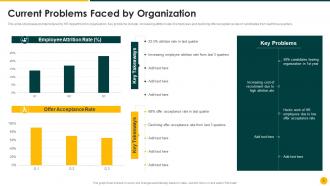
Slide 5: This slide showcases problems faced by HR department in organization.
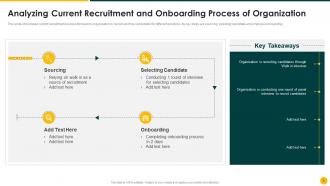
Slide 6: This slide showcases current recruitment process followed by organization to recruit and hire candidates for different positions.
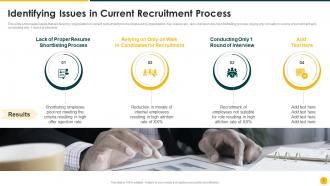
Slide 7: This slide showcases issues that are faced by organization in current recruitment process deployed by organization.
Slide 8: This slide depicts title for the topic that are to be covered next in the template.
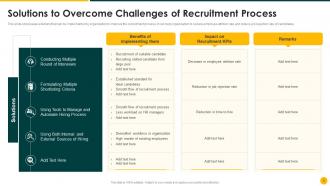
Slide 9: This slide showcases solutions that can be implemented by organization to improve the recruitment process.
Slide 10: This slide depicts title for two topics that are to be covered next in the template.
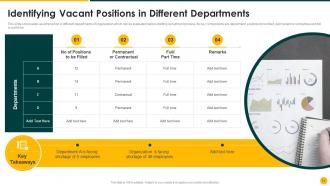
Slide 11: This slide showcases vacant position in different departments of organization which can be evaluated before starting recruitment process.
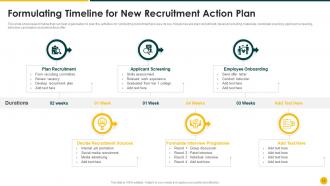
Slide 12: This slide showcases timeline that can help organization to plan the activities for conducting recruitment process.
Slide 13: This slide depicts title for five topics that are to be covered next in the template.
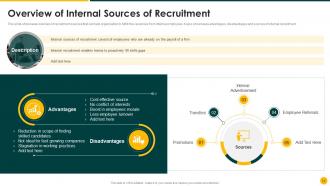
Slide 14: This slide showcases overview of recruitment sources that can help organization to fulfill the vacancies from internal employees.
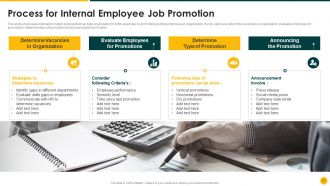
Slide 15: This slide showcases internal promotion process that can help organization to fulfill vacancies by promoting existing employees in organization.
Slide 16: This slide showcases internal promotion plan that can help organization to fulfill vacancies by promoting existing employees in organization.
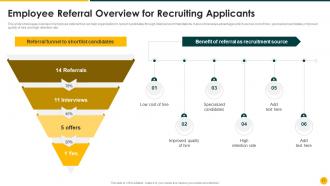
Slide 17: This slide showcases overview of employee referral that can help organization to recruit candidates through internal recommendations.
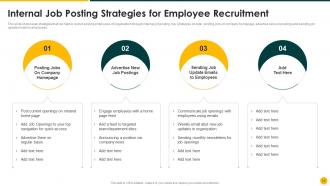
Slide 18: This slide showcases strategies that can help to recruit existing employees of organization through internal job posting.
Slide 19: This slide depicts title for six topics that are to be covered next in the template.
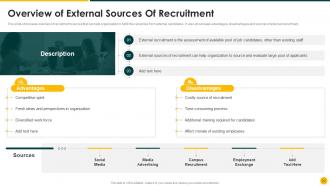
Slide 20: This slide showcases overview of recruitment sources that can help organization to fulfill the vacancies from external candidates.
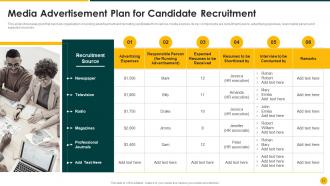
Slide 21: This slide showcases plan that can help organization in running advertisement and recruiting candidates from various media sources.
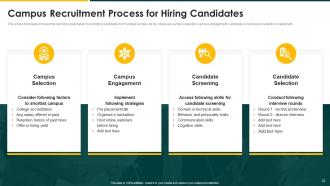
Slide 22: This slide showcases process that can help organization in recruiting candidates from college campus.
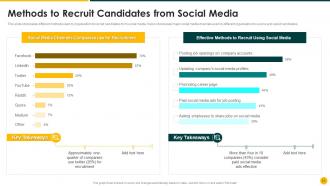
Slide 23: This slide showcases different methods used by organization to recruit candidates from social media.
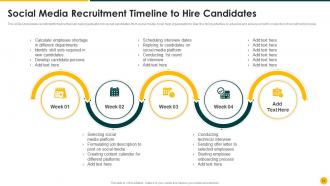
Slide 24: This slide showcases recruitment timeline that can help organization to recruit candidates from social media.
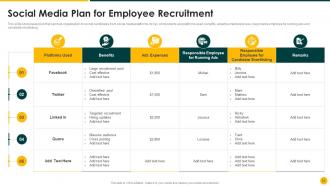
Slide 25: This slide showcases plan that can help organization to recruit candidates from social media platforms.
Slide 26: This slide depicts title for two topics that are to be covered next in the template.
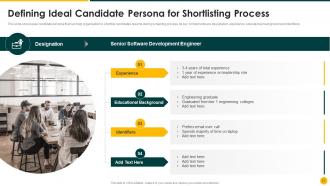
Slide 27: This slide showcases candidate persona that can help organization to shortlist candidates resume during screening process.
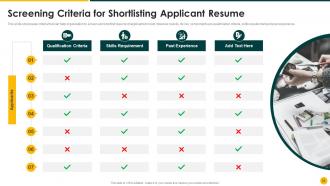
Slide 28: This slide showcases criteria that can help organization to screen and shortlist resume of applicants for next interview rounds.
Slide 29: This slide depicts title for four topics that are to be covered next in the template.
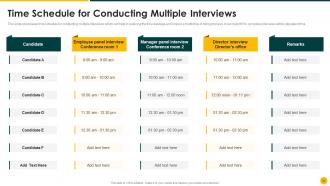
Slide 30: This slide showcases time schedule for conducting multiple interviews which can help in reducing the time wastage and ensure smooth flow of hiring process.
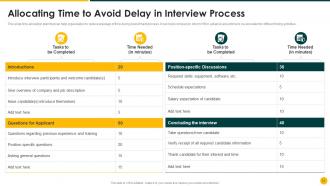
Slide 31: This slide time allocation plan that can help organization to reduce wastage of time during recruitment process.
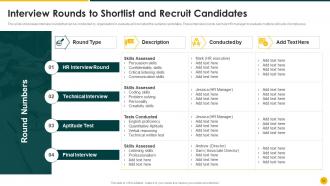
Slide 32: This slide showcases interview rounds that can be conducted by organization to evaluate and recruited the suitable candidates.
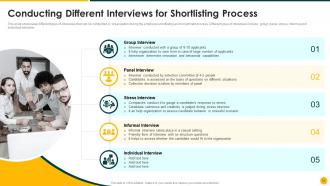
Slide 33: This slide showcases different types of interviews that can be conducted by organization during the employee shortlisting and recruitment process.
Slide 34: This slide depicts title for two topics that are to be covered next in the template.
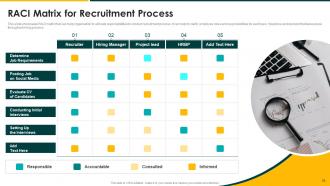
Slide 35: This slide showcases RACI matrix that can help organization to allocate responsibilities to conduct recruitment process.
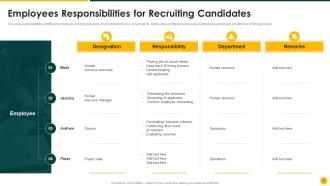
Slide 36: This slide responsibilities of different employees during conduction of recruitment process.
Slide 37: This slide depicts title for the topic that are to be covered next in the template.
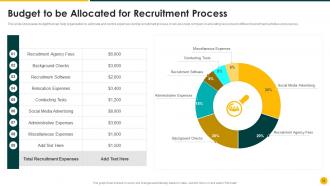
Slide 38: This slide showcases budget that can help organization to estimate and control expenses during recruitment process.
Slide 39: This slide depicts title for the topic that are to be covered next in the template.
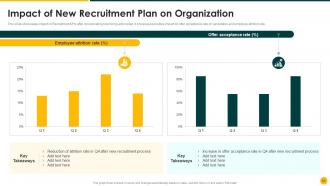
Slide 40: This slide showcases impact on Recruitment KPIs after incorporating new hiring action plan.
Slide 41: This slide depicts title for the topic that are to be covered next in the template.
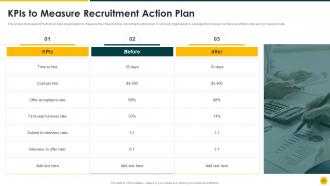
Slide 42: This slide showcases KPIs that can help organization to measure the impact of new recruitment action plan.
Slide 43: This slide depicts title for two topics that are to be covered next in the template.
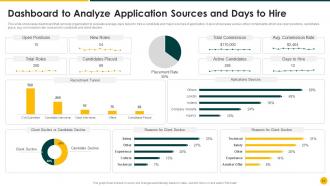
Slide 44: This slide showcases dashboard that can help organization to evaluate average days taken to hire a candidate and major sources of application.
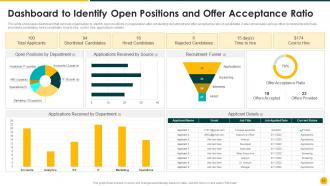
Slide 45: This slide showcases dashboard that can help organization to identify open positions in organization after conducting recruitment.
Slide 46: This is the icons slide.
Slide 47: This slide presents title for additional slides.
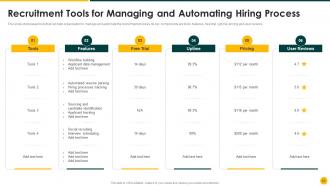
Slide 48: This slide showcases tools that can help organization to manage and automate the recruitment process.
Slide 49: This slide displays goals of the company.
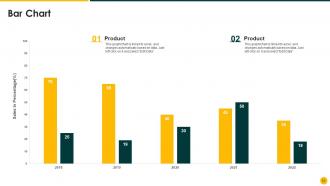
Slide 50: This slide exhibits yearly sales bar charts for different products. The charts are linked to Excel.
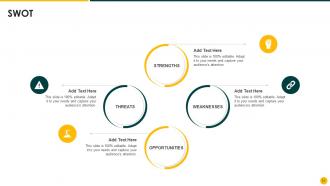
Slide 51: This slide presents SWOT of the company.
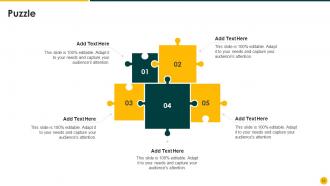
Slide 52: This slide shows puzzle for displaying elements of company.
Slide 53: This slide depicts 30-60-90 days plan for projects.
Slide 54: This slide exhibits yearly timeline of company.
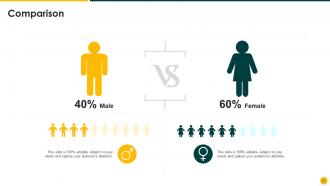
Slide 55: This slide highlights comparison of products based on selects.
Slide 56: This slide depicts posts for past experiences of clients.
Slide 57: This is thank you slide & contains contact details of company like office address, phone no., etc.
Strategic Action Plan To Improve Recruitment Process Powerpoint Presentation Slides with all 62 slides:
Use our Strategic Action Plan To Improve Recruitment Process Powerpoint Presentation Slides to effectively help you save your valuable time. They are readymade to fit into any presentation structure.










FAQs for Strategic Action Plan To Improve Recruitment Process
You'll want to start with solid job descriptions and figure out where your best candidates actually hang out - job boards, LinkedIn, whatever works for your industry. Fix your interview process so it doesn't drag on forever. Honestly, most companies totally bomb the candidate experience part. People hate when their applications just disappear into the void. Employee referrals are gold if you can get them going. Oh, and definitely track where people are bailing out of your process - that's usually pretty eye-opening. Strong employer branding helps too, but I'd focus on the basics first.
Honestly, data analytics is a game-changer for recruiting - it shows you what's actually working instead of just guessing. Track which job boards give you quality candidates and where people drop out of your process. I've watched teams shave weeks off hiring time just by fixing those bottlenecks. You can even predict which candidates will stick around longer, which is huge for retention. Oh, and start small - maybe just track one thing like where your best hires come from for a month. The patterns you'll find are pretty eye-opening, trust me.
Okay so employer branding is basically how people see your company as a workplace. Candidates will definitely stalk you online first - Glassdoor, social media, all that stuff. It's like when you check someone's Instagram before a date, you know? Strong employer branding means good people actually come to you instead of the other way around. Honestly, most companies totally ignore this and then wonder why they can't hire anyone decent. Start simple though - just ask your favorite employees why they stick around, then put that message everywhere. Way more effective than generic job posts.
Honestly, you need both sides - quality AND efficiency stuff. Time-to-fill and cost-per-hire are obvious ones. Offer acceptance rates too. But don't sleep on the quality metrics - like how new hires actually perform after 90 days and if they stick around for a year. Hiring manager satisfaction is clutch because they'll let you know real quick if you're sending them duds. Oh, and definitely track which sources work best. Indeed vs LinkedIn vs referrals - that data's gold. Maybe throw in candidate experience scores since people talk. Start with maybe 3-4 that match your biggest headaches, then build from there.
Dude, passive candidates are where it's at - they're like 70% of all talent out there. These people aren't scrolling job boards but they'd jump for the right thing. You've gotta start building relationships way before you actually need to hire anyone. LinkedIn engagement, industry meetups, keeping your company looking good online. Honestly, it's kind of a pain because it takes forever compared to just posting a job and waiting. But seriously, start now by figuring out who the key players are in your field and stay on their radar with useful stuff. Way better than competing with everyone else for the same active job seekers.
LinkedIn's your best bet - that's where actual professionals are scrolling during lunch breaks. Twitter and Instagram work too depending on the role. Post real stuff though, like office tours and employee features. Honestly, people are so over generic "we offer competitive benefits" posts. Get your current team to share openings with their friends - that's where the magic happens. Oh, and don't wait until you're desperately hiring to start building connections. Jump into industry conversations now with relevant hashtags. Building those relationships early pays off huge when you actually need someone.
Honestly, you've gotta weave diversity through the whole process, not just slap it on later. Post jobs everywhere - diverse boards, inclusive language (ditch those cringey "rockstar developer" descriptions). When interviewing, use the same questions for everyone so you're not all over the place comparing candidates. Get multiple people making decisions too. I swear hiring managers just pick mini-mes of themselves without realizing it. Oh, and bias training actually works - sounds cheesy but people are shocked by their own blind spots. Track your numbers though, otherwise you'll never know if any of this is actually moving the needle.
Honestly, candidate experience can totally make or break your hiring game. Good candidates will actually accept your offers when the process feels smooth and respectful. Plus they'll tell their friends about you too. But mess it up? Yeah, you're getting roasted on Glassdoor for sure. Clear communication is huge - nobody wants radio silence for weeks. Keep timelines reasonable and don't treat people like walking resumes. Oh, and candidates won't bail halfway through your process if they're having a decent time. I've seen companies lose amazing people just because their interview process was a nightmare. It's really worth getting right.
Dude, start with AI resume screening - that's probably where you're drowning in paperwork anyway. Chatbots can handle those basic "what's the salary?" questions so you don't have to. Video interviews for round one will save you tons of scheduling headaches. An ATS keeps everything organized (trust me, you'll lose track otherwise). Social media sourcing is clutch for finding people who aren't even looking yet - sometimes those are your best hires. I'd honestly pick whichever tool fixes your biggest pain point first, then add more later. The time you'll get back is crazy.
Honestly, just get your shit together upfront and stop overthinking it. Write clear job descriptions first, then do quick phone screens before bringing people in. Those companies doing like 6 rounds of interviews? Total nightmare for everyone involved. Structure your panels better instead of dragging it out forever. Keep building relationships with potential candidates even when you're not actively hiring - makes everything smoother later. Employee referrals are clutch too since people move faster when someone they trust recommended the role. Really comes down to cutting out bottlenecks and actually making decisions instead of hemming and hawing over every candidate.
Okay so remote hiring means you're looking everywhere, not just your city. Focus hard on your communication tools and how you actually work virtually when interviewing people. In-office is the opposite - stay local and show off your space, how teams vibe together, all that spontaneous stuff that happens. Remote candidates honestly care most about flexibility and work-life balance. Also, terrible internet is literally a dealbreaker now. For office roles, play up mentorship, team lunches, face-to-face development opportunities. Just make sure your job posts actually reflect what you're offering so you don't waste everyone's time with mismatched expectations.
Agencies are crazy fast at finding people - it's literally what they do all day. Plus they can reach those passive candidates who aren't even looking but might be perfect. Downside is they're expensive and honestly? They don't really "get" your company culture like your own team would. Internal recruiting takes forever but you control the whole experience better. I'd probably use agencies when you're desperate or need some super niche role, then focus on building up your own recruiting team for everything else. Way more sustainable long-term.
Honestly, just make it stupid easy for people. Build a quick portal where they can submit someone in 30 seconds - none of those awful forms that take forever. Cash bonuses are great, but extra PTO days work too. I've seen public recognition motivate people just as much sometimes. Quick follow-up is huge though - nobody wants to feel ignored after they help you out. Keep everyone posted on what roles you're actually hiring for, and definitely hit up your top performers first. They usually run in circles with other solid people anyway.
Okay so here's what I'm seeing everywhere - AI screening tools are taking over (which honestly makes sense given how many applications people send now). Skills-based hiring is replacing the whole "must have a degree" thing. Remote work opened up talent pools like crazy too. But here's the real deal: your application process can't suck anymore. Candidates will straight up disappear if it's too complicated. I've watched it happen. Internal referrals and promoting from within are becoming way more popular since hiring externally costs a fortune now. Oh, and Gen Z? They want salary ranges and company values spelled out immediately. Don't make them guess.
Look, the recruiting game changes fast and your team needs to keep up. I'd do quarterly training sessions - new sourcing tricks, better interviewing techniques, all that stuff. Honestly, investing in their skills also keeps them from jumping ship, which is huge right now. Candidates expect way more these days than they did even a few years ago. Your recruiters need to know the latest tools and trends or they'll get left behind. Maybe throw in some conference attendance or online courses too? Trust me, the old-school methods just don't work anymore.
-
Use of different colors is good. It's simple and attractive.
-
“Easy to use. I always wanted to have a quick search for products and SlideTeam has helped me have it.”