

Strategic Assessment Powerpoint Ppt Template Bundles




Try Before you Buy Download Free Sample Product
 Impress Your
 Audience
 100%
100% Editable
 Save Hours
 of Time


Our Strategic Assessment Powerpoint Ppt Template Bundles are topically designed to provide an attractive backdrop to any subject. Use them to look like a presentation pro.
People who downloaded this PowerPoint presentation also viewed the following :
Strategic Assessment Powerpoint Ppt Template Bundles with all 17 slides:
Use our Strategic Assessment Powerpoint Ppt Template Bundles to effectively help you save your valuable time. They are readymade to fit into any presentation structure.





FAQs for Strategic Assessment Powerpoint
Yeah definitely track the obvious stuff like revenue growth and ROI, but don't forget operational metrics that actually connect to your goals. Customer satisfaction, market share shifts, employee engagement - whatever matters for your specific strategy. Here's the thing though: resist the urge to track everything under the sun. I learned this the hard way! Pick like 5-7 metrics max that actually matter. Map out your top 3 priorities first, then figure out which numbers will show you're making progress. Make sure someone's actually responsible for each one and you can track them without jumping through hoops.
Focus on metrics that actually connect to your 3-5 year goals, not just what looks good this quarter. I've watched so many teams chase numbers that feel impressive but don't really matter for the big picture. Build in regular "step back" moments where you ask if your current stuff still makes sense for where you're headed. Quick wins are nice, but track the capabilities and market position that'll matter long-term. Honestly, the whole point is whether your assessment actually helps you pivot when you're going off track. Does this thing you're measuring help you course-correct? If not, ditch it.
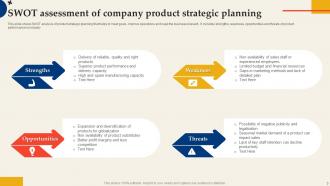
SWOT is honestly such a game-changer for big decisions. You map out strengths, weaknesses, opportunities, and threats all in one spot - like a reality check before you dive in. I've watched so many good ideas crash because people skip this part. The trick? Be brutally honest about what you actually suck at, not just the good stuff. Short sentences work better than rambling here. Once you've got everything laid out, you can build strategies around your strong points while fixing the obvious gaps. It's not rocket science, but man does it save you from stupid mistakes.
Honestly, tech makes strategic assessment so much better - you get tons more data and way smarter tools to crunch it all. AI spots patterns you'd totally miss doing it by hand. Real-time dashboards are clutch for tracking market changes as they're happening. Plus digital surveys let you tap way more people for input than old-school methods ever could. I swear, the insights you can pull from across your whole org now are insane. Just don't go overboard picking every shiny tool - focus on what actually fits your goals. Oh, and collaboration platforms are surprisingly helpful too for getting everyone's take.
Oh man, the biggest trap is getting stuck in endless analysis mode - like, just make a damn decision already! Teams also love cherry-picking data that backs up what the boss already thinks. Super annoying but happens everywhere. Make sure you're looking outside your company too, not just obsessing over internal stuff. And here's the thing - those awkward topics everyone avoids? Yeah, tackle those first. They're usually where the real problems hide. Set a deadline or you'll be making PowerPoints forever instead of actually solving anything strategic.
Don't just slap feedback onto the end - weave it through everything. First, figure out who actually matters: employees, customers, partners, investors. Hit them up early with surveys or quick chats while you're still figuring out what this thing should cover. Honestly, I've watched so many projects blow up because someone waited too long to ask the right people. Ask them straight up about priorities and what keeps them up at night. Then circle back before you wrap everything up to make sure you didn't miss anything huge. A simple spreadsheet tracking themes works wonders.
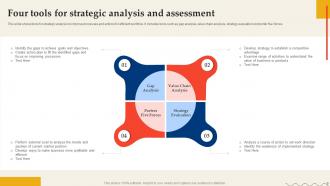
Start with Porter's Five Forces and SWOT - they work everywhere and you can't really go wrong. Tech moves crazy fast so throw in a lean canvas too. Manufacturing? Value chain analysis is your friend. Service companies should map customer journeys instead. But here's the thing - I've seen teams overthink this stuff constantly. Pick maybe 2-3 frameworks your people actually get and stick with them. Consistency beats having some fancy toolkit nobody uses. SWOT gives you the internal/external view, Porter's handles competition. Build from there based on whatever strategic mess you're trying to untangle.
Make competitive analysis central to how you assess what's happening outside your company. Map out who you're really competing against - both obvious rivals and sneaky indirect ones. Then dig into their strategies, positioning, and how they're actually performing. Honestly, I always get sucked into this rabbit hole because it's wild seeing what competitors are trying. Don't just hoard all that intel though. You need to connect it back to your SWOT and strategic options. Otherwise you'll miss gaps in the market or threats heading your way. Always benchmark your decisions against their moves.
Be super transparent about risks and downsides - don't just tell leadership what they want to hear. Think about how your recommendations will hit employees and customers, not just profits. I can't stress this enough: don't cherry-pick data to back up what you've already decided (seen too many consultants crash and burn doing that). Document your methodology so you can actually defend it later. Protect confidential stuff obviously, and give credit where it's due. Oh and one more thing - consider the community impact too. Builds way more trust in the long run.
Honestly, once a year isn't enough anymore. Things change way too fast. I'd do a full deep-dive annually, but add quarterly check-ins to catch shifts early. Tech and healthcare move even faster - maybe every six months for those. The key is making it ongoing, not some dreaded annual event. Quick pulse checks with your team work great. Oh, and don't wait if something major hits your industry - that's when you pivot the timeline completely.
Look, scenario planning is basically stress-testing your strategy against different futures. You can't predict what'll actually happen (nobody can, despite what they claim), but you can build flexibility into your plans. Think economic crashes, new competitors swooping in, regulations changing overnight - all that fun stuff. Pick 3-4 realistic scenarios and see how your current approach would hold up in each one. The whole point is preparing to pivot fast when things go sideways. Which they will. It's way better than putting all your eggs in one predicted outcome basket.
Honestly, culture makes a huge difference in strategic assessments - like, way more than people think. Different teams interpret the same data completely differently based on their backgrounds. Some groups are super blunt about risks while others dance around them. I've watched perfectly good assessments bomb because nobody considered how the culture would react to the findings. Success means different things to different people too. You gotta figure out these dynamics upfront and then adjust how you engage with stakeholders. Maybe frame your recommendations differently for each audience or change up your communication style entirely.
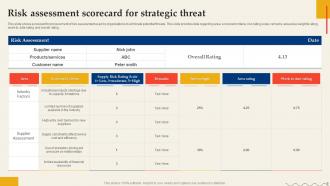
So basically, risk assessment is like a major ingredient when you're doing strategic planning. You've gotta figure out what could blow up in your face before making big decisions - otherwise you're just guessing, honestly. Strategic assessment takes all that risk stuff and balances it against your opportunities and what you're actually trying to accomplish. I'd start with identifying your biggest risks first. Then you can see how they mess with your strategic options. It's kind of like... you wouldn't plan a road trip without checking if there's construction, right?
So here's the thing - those strategic assessments actually show you exactly where you're falling short compared to where you need to be. Those gaps? Pure gold for innovation ideas. Maybe your competitors are sleeping on some market shift, or you're missing key capabilities internally. Either way, that becomes your blueprint for new products or ways of doing business. But honestly, most companies just file these reports away and forget about them. You've got to actually DO something - set real budget aside for the opportunities you find and put someone in charge of each one. Otherwise it's just expensive paperwork.
Okay so definitely be upfront but smart about it. Give them the big picture first - like where you're going and why this matters. Then drill down into what it actually means for each team. Honestly? Don't just throw a massive report at people and expect them to figure it out. That's the fastest way to lose everyone. Do a mix instead - big meeting for the main stuff, smaller sessions so teams can talk through their specific changes. Oh and brief your managers first because they'll need to help their people through this. Give everyone time to actually digest it and ask questions. This impacts how they do their job every day.
-
Unique and attractive product design.
-
Great combination of visuals and information. Glad I purchased your subscription.