

Strategic brand development plan powerpoint presentation slides






Try Before you Buy Download Free Sample Product
 Impress Your
 Audience
 100%
100% Editable
 Save Hours
 of Time


Boosting your brand in the market is the most important task to increase the company’s growth. So, to make sure that you hit the mark, we have come up with pre-made 80 slides Strategic Brand Development Plan Powerpoint Presentation Slides our brand development process PowerPoint presentation slides. This PPT sample file will help you in enhancing your professional brand building as there are slides like what is a brand, difference between a brand and a product, brand equity, branding approach, market segmentation, market profitability, market trends, competitor analysis, SWOT analysis etc. This presentation illustration lowers the marketing risk linked to brand development. These brand development strategies PowerPoint sample deck has all the significant slides like brand mission statement, brand vision, brand positioning, brand identity/ logo, brand promise, brand character, brand personality, brand emotion, brand experience, brand distribution. These brand positioning PPT illustrations assist you in creating brand awareness amongst the people you want. This presentation graphics can be utilized for brand licensing, brand selling, brand awareness, company branding, brand promotion, business plan development, and many more. Download our strategic brand development presentation PPT today! It takes just one click to make your presentation perfect. Deliver your sermon on our Strategic Brand Development Plan Powerpoint Presentation Slides. Your team will become your disciples.
People who downloaded this PowerPoint presentation also viewed the following :
Content of this Powerpoint Presentation
Slide 1: This slide introduces Strategic Brand Development Plan. State Your Company Name and begin
Slide 2: This slide presents Our Agenda. Add six of your company agenda and use it.
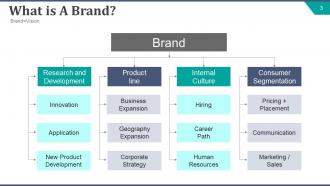
Slide 3: This slide presents What is A Brand. Add the information and use it.
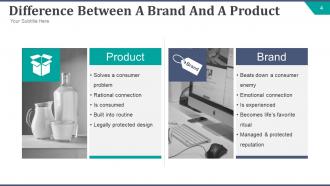
Slide 4: This slide presents Difference Between A Brand And A Product Product, Brand.
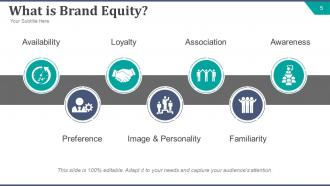
Slide 5: This slide showcases What is Brand Equity with some of these factors influencing- Availability, Loyalty, Association, Awareness, Preference, Image & Personality, Familiarity.
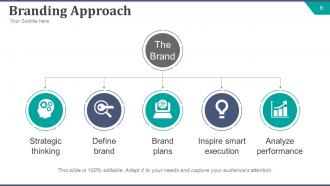
Slide 6: This slide shows Branding Approach with these of the following categories- Strategic thinking, Brand plans, Inspire smart execution, Define brand, Analyze performance, The Brand.
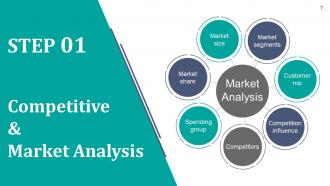
Slide 7: This slide showcases Competitive & Market Analysis which further includes Market Analysis Competitors, Market segments, Spending group, Customer mix, Market share, Competition influence, Market size.
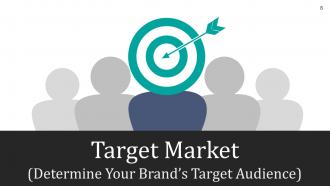
Slide 8: This slide presents Target Market to proceed further.
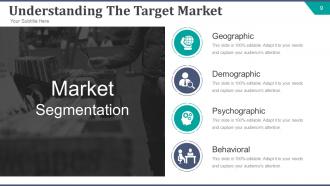
Slide 9: This slide showcases Understanding The Target Market which further Market Segmentation Behavioral, Geographic, Demographic, Psychographic.
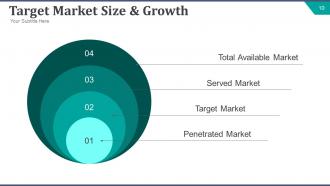
Slide 10: This slide presents Target Market Size & Growth which further showcases- Total Available Market, Served Market, Target Market, Penetrated Market.
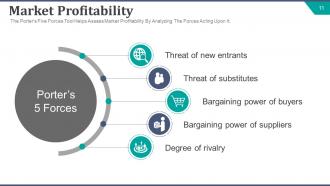
Slide 11: This slide showcases market profitabilty which further shows Porter’s 5 Forces. The Porter's Five Forces Tool Helps Assess Market Profitability By Analyzing The Forces Acting Upon It. Bargaining power of buyers, Threat of substitutes, Bargaining power of suppliers, Threat of new entrants, Degree of rivalry.
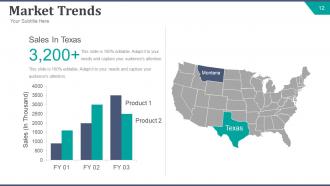
Slide 12: This slide display a map and bar chart with Market Trends and showing some states- Texas, Montana, Sales In Texas 3,200+.
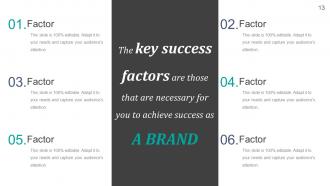
Slide 13: This slide presents A brand. You can add the factors and use it.
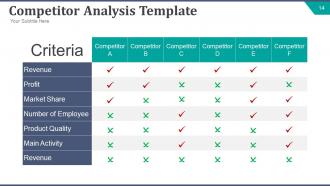
Slide 14: This slide shows Competitor Analysis Template table.
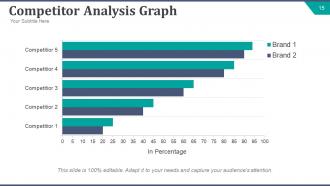
Slide 15: This slide presents Competitor Analysis Graph.
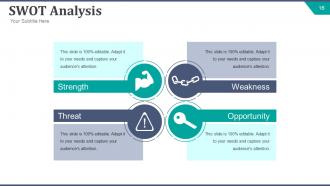
Slide 16: This slide showcases SWOT Analysis with these following steps- Strength, Weakness, Opportunity, Threat.
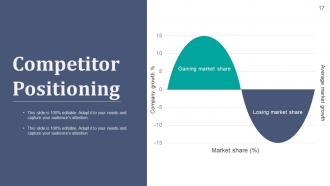
Slide 17: This slide presents Competitor Positioning with these of the three important factors- Average market growth, Losing market share, Gaining market share.
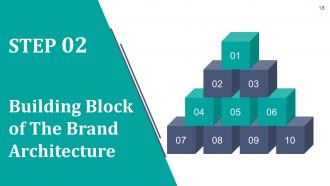
Slide 18: This slide shows Building Block of The Brand Architecture. Add the information and use it.
Slide 19: This slide presents # 1 Brand Product.
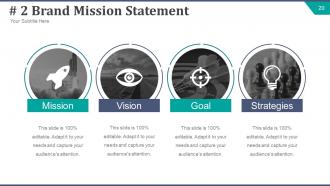
Slide 20: This slide showcases # 2 Brand Mission Statement.
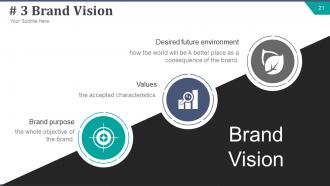
Slide 21: This slide shows Brand Vision. You can add the three vision statements.
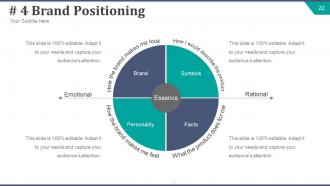
Slide 22: This slide show Brand Positioning with these of the two balance scale options- Emotional, Rational.
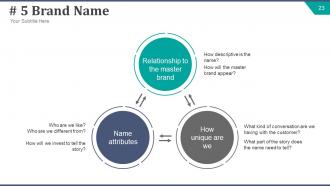
Slide 23: This slide presents Brand Name with these of the three factors- Relationship to the master brand, How unique are we, Name attributes.
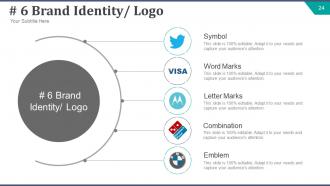
Slide 24: This slide shows Brand Identity/ Logo with these of the five factors- Symbol, Letter Marks, Emblem, Word Marks, Combination.
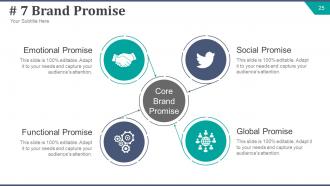
Slide 25: This slide presents Core Brand Promise which further presents- Social Promise, Global Promise, Emotional Promise, Functional Promise.
Slide 26: This slide showcases Brand Character.
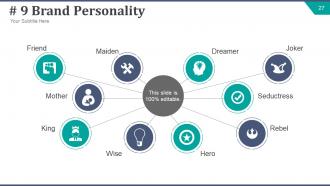
Slide 27: This slide presents Brand Personality.
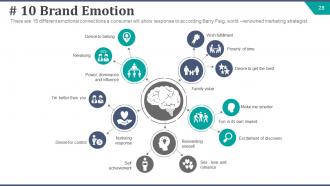
Slide 28: This slide showcases Brand Emotion with these of the following factors- Family value, Desire to get the best, Poverty of time, Wish-fulfillment, Fun is its own reward, Make me smarter, Excitement of discovery, Sex , love and romance, Reinventing oneself, Self achievement, Desire for control, I’m better than you, Nurturing response, Power, dominance and influence, Desire to belong Revaluing, There are 16 different emotional connections a consumer will show response to according Barry Feig, world –renowned marketing strategist.
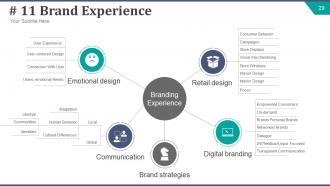
Slide 29: This slide presents Brand Experience with these of the parameters- Emotional design, Brand strategies, Communities, Lifestyle, Identities, Communication, Retail design.
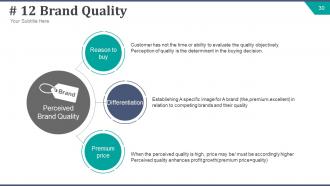
Slide 30: This slide presents Brand Quality with Perceived Brand Quality.
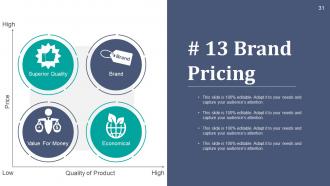
Slide 31: This slide shows Brand Pricing with these of the important factors- Price, Quality of Product, Low, High, Superior Quality, Brand, Value For Money, Economical.
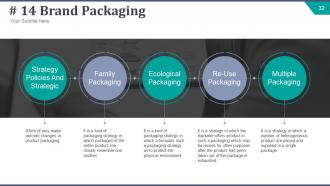
Slide 32: This slide presents Brand Packaging which further showing Strategy Policies And Strategic, Family Packaging, Ecological Packaging, Re-Use Packaging, Multiple Packaging.
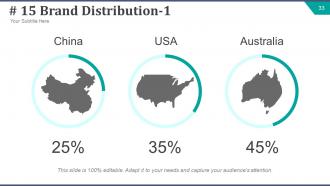
Slide 33: This slide shows Brand Distribution-1.
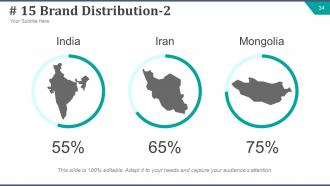
Slide 34: This slide shows Brand Distribution-2 which further showcases maps.
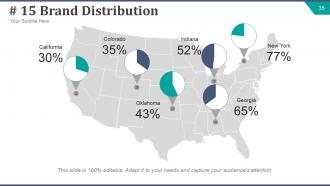
Slide 35: This slide presents Brand Distribution.
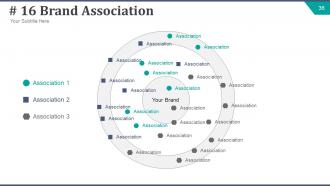
Slide 36: This slide shows Brand Association. Add the related content or use it as it is.
Slide 37: This slide presents The Big Idea. You can use the for proceeding further.
Slide 38: This slide presents What’s Your Big Idea. Add your idea and make use of this.
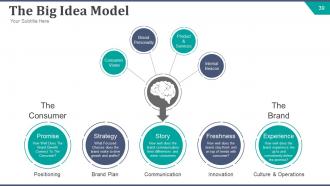
Slide 39: This slide shows The Big Idea Model.
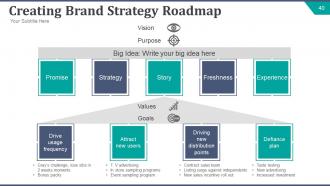
Slide 40: This slide showcases Creating Brand Strategy Roadmap.
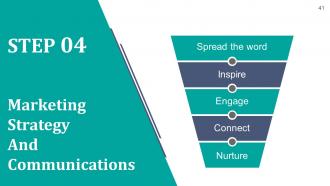
Slide 41: This slide presents Marketing Strategy And Communications which further showcases - Spread the word, Inspire, Engage, Connect, Nurture.
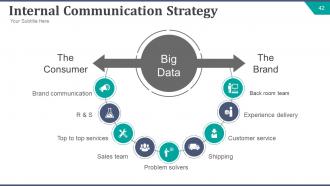
Slide 42: This slide presents Internal Communication Strategy which further presents- Big Data, The Brand, The Consumer, Back room team, Experience delivery, Customer service, Shipping, Problem solvers, Sales team, Top to top services, Brand communication, R & S.
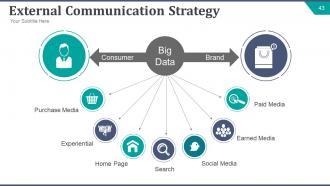
Slide 43: This slide shows External Communication Strategy that also includes- Brand, Consumer, Big Data, Paid Media, Earned Media, Social Media, Search, Home Page, Experiential, Purchase Media.
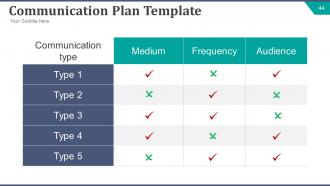
Slide 44: This slide showcases Communication Plan Template.
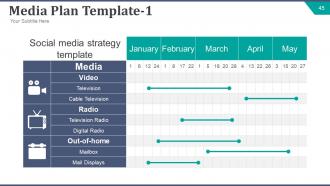
Slide 45: This slide presents Media Plan Template-1.
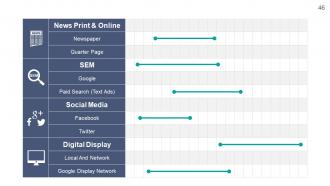
Slide 46: This slide is continuation of the media plan. You can add the media plan.
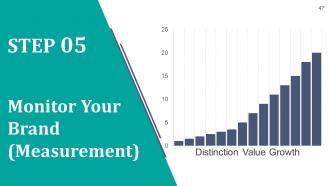
Slide 47: This slide presents Monitor Your Brand (Measurement).
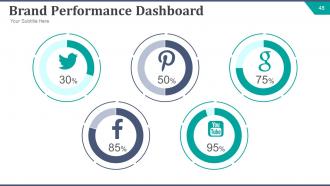
Slide 48: This slide shows Brand Performance Dashboard.
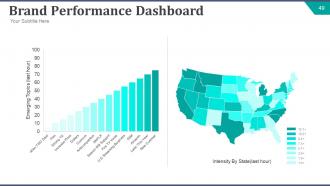
Slide 49: This slide showcases Brand Performance Dashboard.
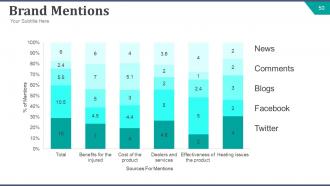
Slide 50: This slide shows Brand Mentions with these of the main parameters- News, Comments, Blogs, Facebook, Twitter, Sources For Mentions.
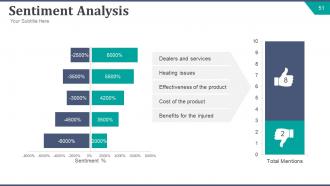
Slide 51: This slide presents Sentiment Analysis with these of the five stages- Benefits for the injured, Cost of the product, Effectiveness of the product, Heating issues, Dealers and services.
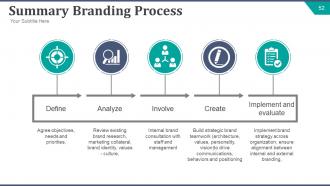
Slide 52: This slide showcases Summary Branding Process with these of the five steps- Define, Analyze, Involve, Create, Implement and evaluate.
Slide 53: This slide presents Strategic Brand Development Icons Set.
Slide 54: This slide showcases Strategic Brand Development Icons Set.
Slide 55: This slide is titled Additional slides to proceed forward.
Slide 56: This is Our mission slide with imagery and text boxes to go with.
Slide 57: This is an About us slide to state company specifications etc.
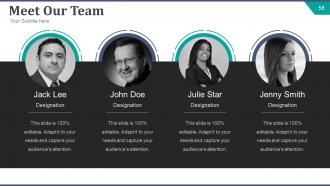
Slide 58: This is Our team slide with names and designation.
Slide 59: This is an Our Goal slide. State your important goals here.
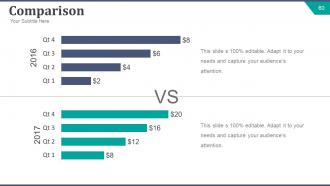
Slide 60: This slide shows Comparison of Positive Factors v/s Negative Factors with thumbs up and thumb down imagery.
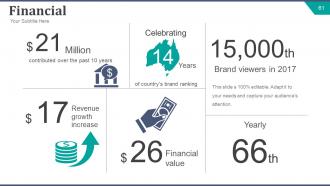
Slide 61: This is a Financial Score slide to show financial aspects here.
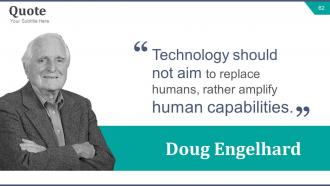
Slide 62: This is a Quotes slide to convey message, beliefs etc.
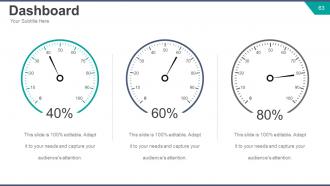
Slide 63: This is a Dashboard slide to show- Strategic System, Success, Goal Process, Sales Review, Communication Study
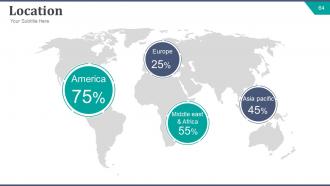
Slide 64: This is a Location slide to show global growth, presence etc. on world map.
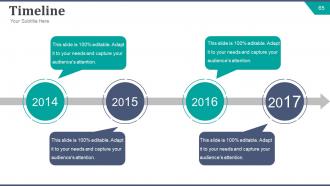
Slide 65: This is a Timelines slide to show- Plan, Budget, Schedule, Review.
Slide 66: This slide displays Critical notes on Challenge, Positive Attitude, Balanced Lifestyle.
Slide 67: This is a Newspaper slide to highlight something or add memeorabilia.
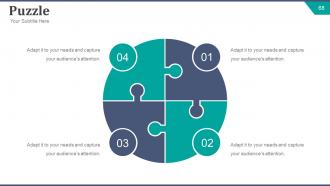
Slide 68: This slide presents a PUZZLE slide with the following subheadings- Integrity and Judgment, Critical and Decision Making, Leadership, Agility.
Slide 69: This is a Target slide. State your targets here.
Slide 70: This is a Venn diagram image slide to show information, specifications etc.
Slide 71: This is a Bulb Or Idea image slide to show information, innovative aspects etc.
Slide 72: This is a Silhouettes slide to show people specific information etc
Slide 73: This is a MATRIX slide. Put relevant comparing data here.
Slide 74: This is a LEGO slide with text boxes to show information.
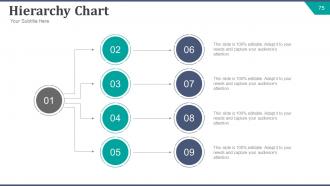
Slide 75: This is a Hierarchy slide showing- Supply Chain Manager, Supply Chain Council, Sourcing, Supplier Quality Engineer, Procurement, Logistics & Management, Supplier Management, Student, Contract Management.
Slide 76: This is a Magnifying glass image slide to show information, scoping aspects etc
Slide 77: This is a Bar Graph image slide to show product comparison, growth etc.
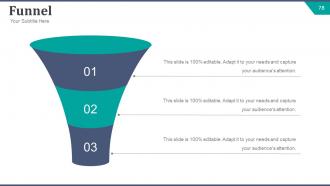
Slide 78: This is a Funnel image slide showing: Calls-to-action, Reachability, User Experience, Color Schemes, Engagement, Simplicity.
Slide 79: This is a Thank You image slide with Address, Email and Contact number.
Slide 80: This is a Thank You image slide with Address, Email and Contact number.
Strategic brand development plan powerpoint presentation slides with all 80 slides:
Gift them good advice with our Strategic Brand Development Plan Powerpoint Presentation Slides. Earn their gratitude for your generosity.










FAQs for Strategic brand development plan
Okay so brand strategy - you need five main things. First figure out your positioning vs competitors, that's your foundation. Then nail down your purpose (beyond just profit obviously), know exactly who you're targeting, and create consistent messaging. Oh and visual guidelines too. Honestly? Most teams I've seen totally bomb the messaging part. They think they're being super clear but customers just get confused. Also map out your brand personality so everyone on your team doesn't sound like different people. Start with positioning first, then build everything else around it. Makes the whole process way smoother.
Honestly, market research is like having a GPS for your brand instead of just guessing where to go. It shows you actual gaps in the market and what messaging actually works with your audience. Plus you'll see how competitors are positioning themselves - which is super helpful. The data helps with everything from your brand voice to pricing strategy. I learned this the hard way when I assumed people wanted one thing but research showed something totally different! Don't commit to a direction without validating your assumptions first. Trust me on this one.
Okay so storytelling is literally what separates brands people love from ones they just tolerate. Think about it - you remember stories way better than boring feature lists. Your brand's story connects all your messaging and design together, gives people a real reason to pick you over competitors with similar stuff. Like, I always tell people to figure out their "why" first - what actually drives your business beyond making money? That becomes your narrative foundation. People want to feel something when they buy from you, not just get another product. Stories create those emotional connections that actually stick around. Build from your purpose and values, then let that guide everything else.
Honestly, customer perception is everything for brand loyalty. When people trust you and think you're quality, they'll keep coming back. But perceptions flip fast now - one viral bad review can wreck years of work, which kinda sucks. Social media makes everything so immediate. You've got to actually ask your customers what they think of you, not just assume you know. There's usually a huge gap between how we see our own brand versus reality. Short surveys work well for this stuff.
Honestly, stop trying to be different just to be different - figure out what makes you actually unique. Look for gaps your competitors are missing, then tell your story in a way that feels real. Most brands try appealing to everyone and end up being totally forgettable. Pick a smaller audience instead and talk directly to what they actually want or struggle with. Maybe partner with someone unexpected or take a stance on something your people care about. Oh, and consistency matters way more than most people think. Just be authentically memorable rather than blandly safe.
So basically, social media analytics show you what people *actually* think about your brand vs what you assume they think. You can see which posts hit and which ones flop, plus track if people are saying good or bad stuff about you online. The demographic data helps you figure out who's really engaging with your content too. Honestly, the best part is catching trends early before everyone else jumps on them. Set up Google Alerts first - takes like 5 minutes. Then just check your platform analytics monthly and tweak your messaging based on what's working. Way more useful than guessing what your audience wants.
Start by really digging into who your audience is - their demographics, what keeps them up at night, what they actually care about. Then take a hard look at your mission. Does it connect with what matters to them? Sometimes we get attached to the wrong people, honestly. If there's a mismatch, you'll need to either tweak your mission or find different people to serve. The magic happens where your brand's real purpose meets what your audience genuinely wants. Oh, and definitely test your messaging with actual customers first - saves you from looking tone-deaf later.
Your visual stuff is basically shortcuts for people's brains - they see your logo or colors and instantly know it's you without thinking about it. McDonald's golden arches, Coke's red... you spot them from miles away, right? The magic happens through repetition. Keep your logo, colors, and fonts the same everywhere they appear. I know it sounds boring, but consistency builds this weird muscle memory thing in customers' heads. Actually, go check where your brand shows up right now - your website, business cards, social media, whatever. If those core visuals aren't matching up perfectly, that's your first fix.
Okay so brand tracking - focus on awareness first (like do people actually know you exist?), then perception stuff like NPS and sentiment. Financial metrics matter too, especially if you can charge more than competitors. Social listening tools are honestly a game changer here, way better than boring surveys. Oh and track repeat customers - that's where the real money is. Don't go crazy measuring everything though, pick like 3-4 things that actually move the needle for your specific goals. If you're just starting out, I'd go with NPS and basic brand awareness. Keep it simple.
Startups get the fun part - building from zero. But that blank canvas? Honestly kinda terrifying when you're staring at it. Plus you're broke, so everything has to be super scrappy. Established companies have the opposite problem. They've got actual budgets and data (lucky them), but they're wrestling with old perceptions that won't die. Or they're tiptoeing around loyal customers who'll freak if you change too much. Either way though, customer research first. That's your lifeline no matter what situation you're dealing with.
Honestly, the trickiest part is that people hate change - your customers won't recognize you at first and might not trust this "new" version. Your own team will probably fight you on it too if they weren't part of the decision. Plus you're risking all that brand recognition you worked so hard to build. My advice? Get everyone involved early so they buy in. Explain why you're doing it instead of just unveiling some surprise rebrand. Roll it out slowly - like, don't flip everything overnight. Test your messaging first with focus groups, and make sure you're actually solving a business problem, not just wanting prettier logos or whatever.
Dude, consistency is huge for building trust with people. I've watched companies completely tank their credibility because their LinkedIn sounds all buttoned-up corporate while their Instagram is trying way too hard to be cool and edgy - it's honestly painful to watch. Your core message doesn't have to be copy-paste identical everywhere, but the voice and values need to match up. Someone should be able to recognize your brand whether they find you through social media, your website, or some random email. Start by writing down your brand guidelines so your whole team knows what you actually sound like.
Dude, partnerships are seriously a game-changer for growing your brand. You get to borrow someone else's audience and street cred instead of building everything yourself. Way faster than trying to do it alone, plus you're splitting the costs and risks - which is nice because marketing gets expensive quick. I've watched brands basically double their reach through one solid collab. Though I guess "overnight" is pushing it lol. The trick is finding partners who share your vibe but have a totally different crowd. You want companies that complement what you're doing, not steal your customers. Makes sense, right?
So basically, you want people to *feel* something about your brand, not just know what you do. Nike doesn't just sell shoes - they make you feel like you can conquer the world. Apple? Pure innovation vibes. Here's the thing though - emotions actually drive way more purchases than logic ever will. People buy based on how something makes them feel, then justify it later with facts. Figure out what emotion you want to own first. Then look at every single thing your customers experience and ask: does this reinforce that feeling? Storytelling helps tons too.
Your brand is basically the promise you're making to customers at every single touchpoint. Think about it - if your Instagram has this fun, casual vibe but then your customer service sounds super corporate and stiff, that's gonna feel weird to people. You need your messaging and visual stuff to match across everything. I learned this the hard way with a project once, actually. Short version: create clear standards for each team so they know how to deliver on your brand promise. Otherwise you'll have customers getting mixed signals, and nobody wants that confusion.
-
Easily Editable.
-
I discovered this website through a google search, the services matched my needs perfectly and the pricing was very reasonable. I was thrilled with the product and the customer service. I will definitely use their slides again for my presentations and recommend them to other colleagues.