


Strategic Workforce Planning Framework Powerpoint Presentation Slides





Try Before you Buy Download Free Sample Product
 Impress Your
 Audience
 100%
100% Editable
 Save Hours
 of Time


Formulate and deliver an effective presentation with our strategic workforce planning framework PowerPoint presentation slides. This tactical personnel PPT design showcases the organizational development that includes change management, SWP, cultural initiatives, and its further divisions. For better understanding, this blueprint manpower PowerPoint layout helps you with the types of planning such as- strategic workforce planning and operational workforce planning. Vision, mission, and, value are of utmost importance in an enterprise, therefore, it is logically presented in a properly built model in this critical crew PPT bundle. Showcasing the goals and objectives of the company, this PowerPoint template also educates your audience about the performance requirements to ace in the business. It is quite important for the audience to learn about the core skills and competencies that are required to succeed which is effectively mentioned and displayed in this cardinal working class creative PPT set. Assimilate it right now and make this a part of your esteemed business.
People who downloaded this PowerPoint presentation also viewed the following :
Content of this Powerpoint Presentation
Slide 1: This slide introduces Strategic Workforce Planning Framework. Use it to state your company name.
Slide 2: This is an Agenda slide. Showcase your agendas here.
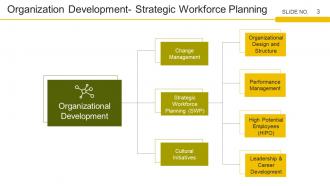
Slide 3: This slide showcases Organization Development- Strategic Workforce Planning flowchart. Its 3 main categories are- 1) Change Management 2) Strategic Workforce Planning 3) Cultural Initiatives. Strategic Workforce Planning is further divided into 4 sub categories. Use it as per your requirement.
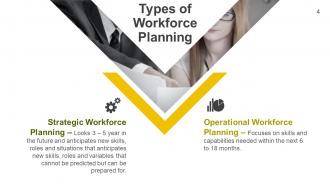
Slide 4: This slide states Types of Workforce Planning which are- Operational Workforce Planning, Strategic Workforce Planning.
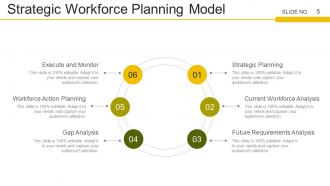
Slide 5: This slide showcases Strategic Workforce Planning Model in a circular form with the following points- Strategic Planning, Current Workforce Analysis, Future Requirements Analysis, Execute and Monitor, Workforce Action Planning, Gap Analysis.
Slide 6: This slide states Step 01 Define Organization's Strategic Plan.
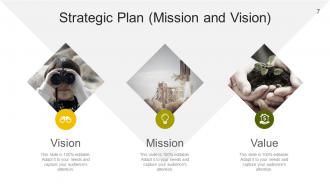
Slide 7: This slide showcases Strategic Plan with Mission, Vision, Value etc.
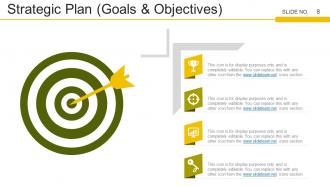
Slide 8: This slide states Strategic Plan (Goals & Objectives). Present them here.
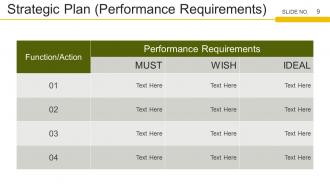
Slide 9: This slide showcases Strategic Plan (Performance Requirements). State them in a tabular form here.
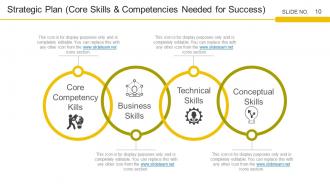
Slide 10: This slide showcases Strategic Plan (Core Skills & Competencies Needed for Success). These skills and competencies are- Business Skills, Core Competency Kills, Technical Skills, Conceptual Skills.
Slide 11: This slide is titled Coffee Break to halt and then proceed further. You may change the slide content as desired.
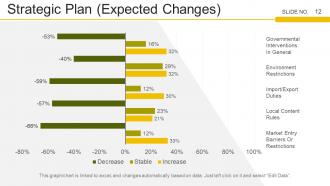
Slide 12: This slide showcases Strategic Plan (Expected Changes). State expected changes in a bar graph form here.
Slide 13: This slide states Step 02 Scan the Internal & External Environment. You can modify it as per need.
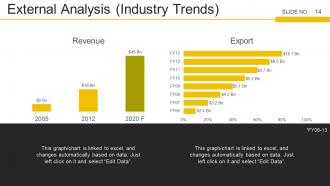
Slide 14: This slide showcases External Analysis (Industry Trends). Present them in a bar graph/ chart form here.
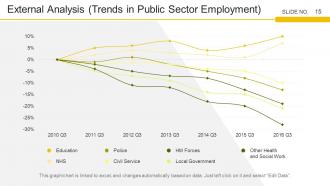
Slide 15: This slide states External Analysis (Trends in Public Sector Employment) in a line chart/ graph form. Use it to show- Education, NHS, Police, Civil Service, HM Forces, Local Government, Other Health and Social Work.
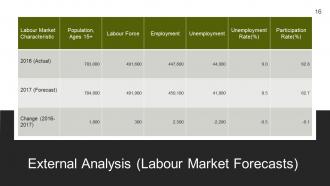
Slide 16: This slide showcases External Analysis (Labour Market Forecasts) in a tabular form.
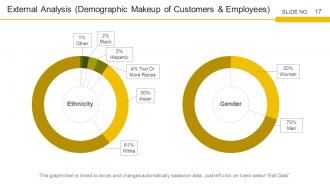
Slide 17: This slide states External Analysis (Demographic Makeup of Customers & Employees) in a pie chart form. Use it to show the following aspects- Ethnicity, Gender.
Slide 18: This slide presents Internal Analysis (Workforce Trends). State them in a bar graph/ chart form here.
Slide 19: This slide showcases Internal Analysis (Organizational Structure) in a flow chart form. Use it to present the hierarchy of your organization.
Slide 20: This slide showcases Internal Analysis (Organizational Culture) in a circular form. Use it state the following aspects of organizational culture- Respect, Fun, Context, Responsibility, Promotions, High Performance.
Slide 21: This slide states Internal Analysis (Employee Morale). State it here in percentages etc.
Slide 22: This is Internal Analysis (Current Levels of Performance) slide. Present it in a bar graph/ chart form here.
Slide 23: This slide showcases Current Staff Composition in a pie chart/ graph form. State its categories here.
Slide 24: This slide showcases Current Staff Profile- Years of Experience Needs in a bar graph/ chart form.
Slide 25: This slide states Step 03 Assess Future Workforce Needs.
Slide 26: This slide shows Planning for Future Workforce Needs graph. Use it to present your own planning.
Slide 27: This slide states Step 04 Gap Analysis.
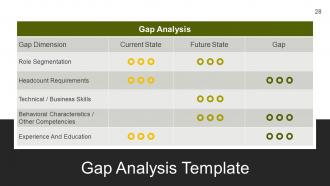
Slide 28: This slide showcases Gap Analysis Template. Use it to state Gap analysis in a tabular form.
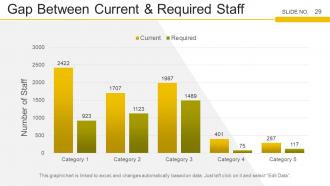
Slide 29: This slide shows Gap Between Current & Required Staff in a bar graph/ chart form.
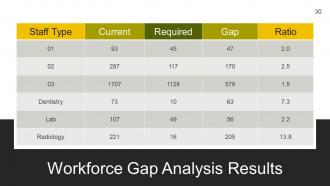
Slide 30: This slide showcases Workforce Gap Analysis Results table. Use it as per your need.
Slide 31: This slide showcases Step 05 Workforce Action Planning.
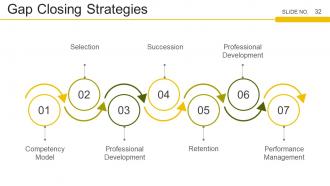
Slide 32: This slide states Gap Closing Strategies in a timeline form. Use it to present the following- Competency Model, Selection, Professional Development, Succession, Retention, Professional Development, Performance Management.
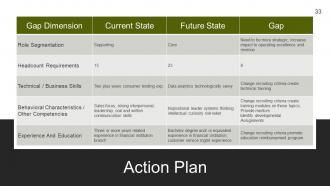
Slide 33: This slide showcases Action Plan in a tabular form.
Slide 34: This slide showcases Step 06 Execute & Monitor. Use it as per your need.
Slide 35: This slide presents Icons Slide Strategic Workforce Planning Framework. Use or modify icons on the basis of your requirement.
Slide 36: This slide is titled Additional Slides to move forward. You can change the slide content as per need.
Slide 37: This is a Vision & Mission slide. State them here.
Slide 38: This is an Our Team slide with name, image and text boxes to put the required information.
Slide 39: This is an About Us slide. State team/company specifications here.
Slide 40: This is Our Goal slide with imagery. State your goals here.
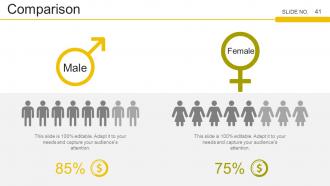
Slide 41: This is a Comparison slide to compare product/ entities etc.
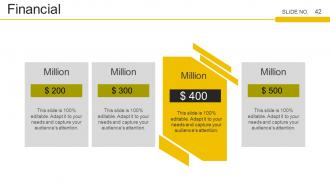
Slide 42: This is a Financial score slide. State financial aspects etc. here.
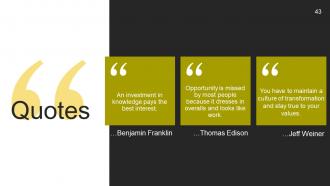
Slide 43: This is a Quotes slide to convey company/ organization message, beliefs etc. You may change the slide content as per need.
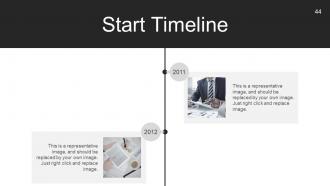
Slide 44: This slide presents Start Timeline to state important dates, journey, evolution, milestones etc.
Slide 45: This too is a Timeline slide to state important dates, journey, evolution, milestones etc.
Slide 46: This slide shows the End Timeline to state important dates, journey, evolution, milestones etc.
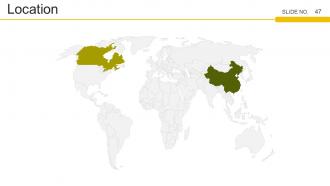
Slide 47: This is a Location slide to show global segregation, presence etc. on a world map and text boxes to make it explicit.
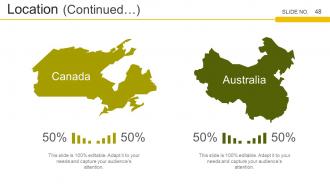
Slide 48: This is also a Location slide to show global segregation, presence etc. on a world map and text boxes to make it explicit.
Slide 49: This is Dashboard slide to show information in percentages etc.
Slide 50: This slide showcases Important Notes to be displayed. Show events, important piece of information, events etc. here.
Slide 51: This is a Puzzle image slide to show information, specifications etc.
Slide 52: This is a Target image slide to show targets, goals, information, specifications etc.
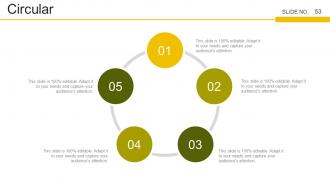
Slide 53: This is a Circular image slide. State information, specifications etc. here.
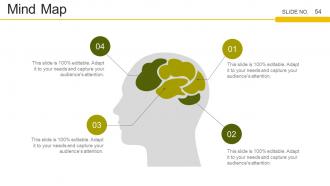
Slide 54: This is a Mind map image slide to show information, segregation, specifications etc.
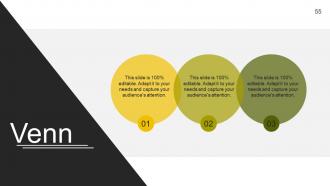
Slide 55: This is a Venn Diagram image slide to show information, specifications etc.
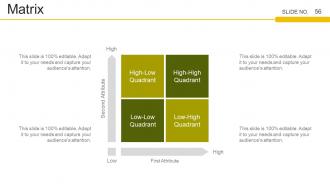
Slide 56: This is a Matrix slide to show information, comparison specifications etc.
Slide 57: This is a Lego image slide to show information, specifications etc.
Slide 58: This slide displays a Funnel image. State information, funneling aspects etc. here.
Slide 59: This slide is titled Our Charts to move forward. You may alter/ change the slide content as desired.
Slide 60: This slide presents a Column Chart for showcasing product/ company growth, comparison etc.
Slide 61: This slide presents a Line Chart for showcasing product/ company growth, comparison etc.
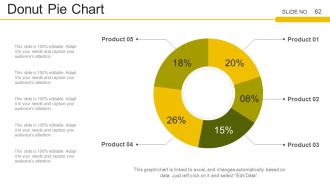
Slide 62: This is a Donut Pie Chart to present product/ entity comparison, specifications etc.
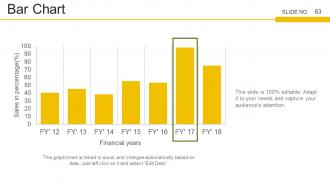
Slide 63: This is a Bar Chart slide to present product/entity comparison, specifications etc.
Slide 64: This is an Area Chart slide to present product/ entity comparison, specifications etc.
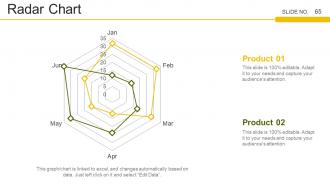
Slide 65: This is a Radar Chart slide for product/ entity comparison.
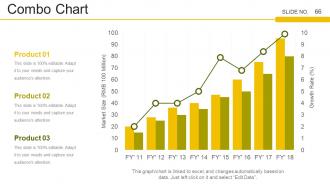
Slide 66: This slide presents Combo Chart to show product/ entity growth, comparison etc.
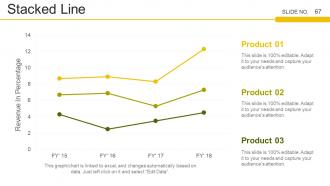
Slide 67: This slide presents Stacked Line graph to show product/ entity growth, comparison etc.
Slide 68: This is Contact Details slide with Skype ID, Email ID, Physical Address, Mobile Number, Office Number, Website Address.
Slide 69: This is a Thank You slide for acknowledgement/ to end a presentation.
Strategic Workforce Planning Framework Powerpoint Presentation Slides with all 69 slides:
Use our Strategic Workforce Planning Framework Powerpoint Presentation Slides to effectively help you save your valuable time. They are readymade to fit into any presentation structure.
-

Strategic Workforce Planning Framework
-
Agenda
-
Organization Development Strategic Workforce Planning
-
Types of Workforce Planning
-
Strategic Workforce Planning Model
-

Define Organization s Strategic Plan
-
Strategic Plan Mission and Vision
-
Strategic Plan Goals Objectives
-
Strategic Plan Performance Requirements
-
Strategic Plan Core Skills Competencies Needed for Success
-
Have a Coffee Break
-
Strategic Plan Expected Changes
-
Scan the Internal External Environment
-
External Analysis Industry Trends
-
External Analysis Trends in Public Sector Employment
-
External Analysis Labour Market Forecasts
-
External Analysis Demographic Makeup of Customers Employees
-
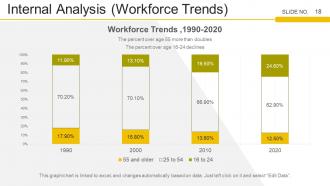
Internal Analysis Workforce Trends
-
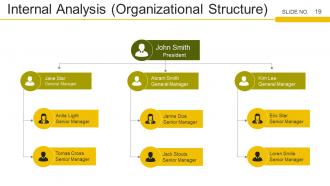
Internal Analysis Organizational Structure
-
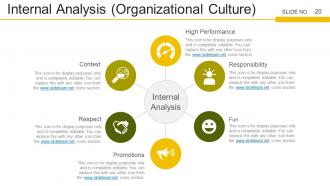
Internal Analysis Organizational Culture
-
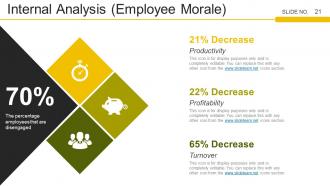
Internal Analysis Employee Morale
-

Internal Analysis Current Levels of Performance
-
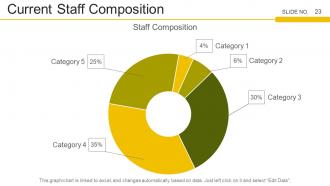
Current Staff Composition
-
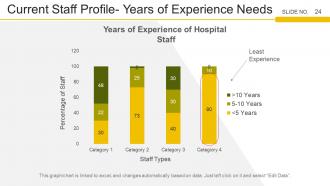
Current Staff Profile Years of Experience Needs
-
Assess Future Workforce Needs
-
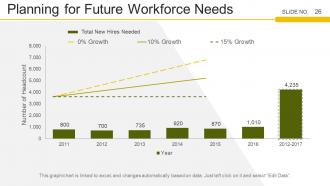
Planning for Future Workforce Needs
-
Gap Analysis
-
Gap Analysis Template
-
Gap Between Current Required Staff
-
Workforce Gap Analysis Results
-
Strategic Workforce Planning Framework S
-
Gap Closing Strategies
-
Strategic Workforce Planning Framework S
-
Strategic Workforce Planning Framework S
-
Icons Slide Strategic Workforce Planning Framework
-
Additional Slides
-
Vision Mission
-

Our Team
-

About Us
-
Our Goal
-
Comparison
-
Financial
-
Quotes
-
Start Timeline
-
Timeline of Business Collaboration
-
Timeline Slide
-
Location
-
Location Continued
-
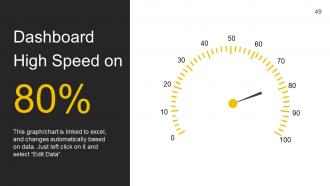
Dashboard High Speed on 80
-
Important Notes
-
Puzzle
-
Target
-
Circular
-
Mind Map
-
Strategic Workforce Planning Framework S
-
Matrix
-
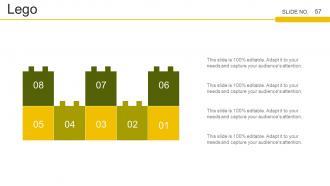
Lego
-
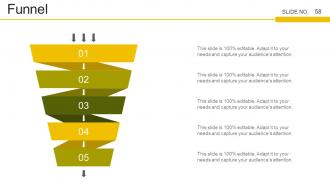
Funnel
-
Our Charts
-
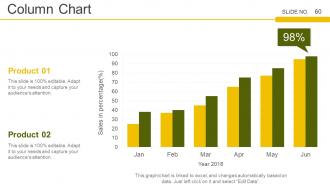
Column Chart
-

Line Chart
-
Donut Pie Chart
-
Bar Chart
-

Area Chart
-
Radar Chart
-
Combo Chart
-
Stacked Line
-
Contact Us
-

Strategic Workforce Planning Framework S
FAQs for Strategic Workforce Planning Framework
So it's pretty simple actually - start by figuring out what talent you have now (skills, roles, all that stuff). Then look ahead at where your business is going and what you'll need. Gap analysis is honestly where things get real because you'll probably find some scary holes! Create plans to fix those gaps through hiring or training people up. Oh and don't let your plan just sit there - review it regularly. I've seen too many companies spend weeks on workforce planning then never touch it again. Short sentences mixed with longer ones work better. You want this thing breathing, not collecting dust.
Okay so first thing - figure out where your company actually wants to be in like 3-5 years. New markets, products, growth stuff, whatever. Most places just count current employees and think they're done, which is honestly pretty lazy. Map out what skills you'll actually need to hit those goals. Identify gaps now so you can start hiring or training people before you're scrambling later. Oh and don't just fill random positions - everything should connect back to your bigger business strategy. Start with auditing what you have vs what you'll need. Makes the whole process way less chaotic.
Honestly, data analytics is a game-changer for workforce planning. Instead of just winging it, you can actually predict when people will quit and catch skill gaps before they screw you over. The predictive stuff is wild - forecasts hiring needs based on growth patterns and seasonal trends you'd miss otherwise. Plus you get better reads on compensation, performance trends, and which recruiting strategies actually work. Though I'd probably start simple with something like turnover prediction first. Way easier than diving into everything at once and getting overwhelmed by all the data.
Honestly, most companies are sitting on way more useful data than they think. Start by digging into your hiring patterns, turnover rates, seasonal stuff - then mix that with where the business is actually heading. New products launching? Market shifts? Factor that in too. Don't just do one forecast though - I learned this the hard way. Build out best case, worst case, and realistic scenarios. Things change so fast these days you'll want to revisit this quarterly. Oh, and definitely audit what workforce data you already have first before getting fancy with predictions.
Ugh, data quality is probably your biggest nightmare - it's scattered everywhere and half of it's ancient. Skills gap stuff is brutal too since jobs change so fast now. Getting leadership to care is like pulling teeth because they don't see the point until you're desperately understaffed. HR teams usually lack the analytical chops for this kind of work, which doesn't help. Budget fights make everything worse since you're basically asking for money to solve problems that don't exist yet. Oh, and forecasting your workforce accurately? Good luck with that. Honestly though, just start by fixing your current employee data first. Everything else falls apart without that foundation anyway.
Honestly, the job market pretty much dictates your whole hiring game plan. Skills in high demand but short supply? You'll either shell out more cash or get creative with training your current people. Data scientists are basically unicorns right now - might be smarter to level up your analysts instead. Keep tabs on demographic changes and how remote work is shifting things. That stuff shows you where to hunt for talent and which skills matter most. I'd say check the labor data every few months and tweak your timeline based on what you find.
You gotta cover the basics first - decent pay and benefits are non-negotiable these days. Clear career paths make a huge difference though. People want to know where they're headed, you know? Flexible work is pretty much expected now, and investing in actual development programs shows you care about their growth. Honestly, company culture became way more important than anyone predicted. Recognition programs help, but even just saying "nice work" regularly goes far. Oh, and do stay interviews instead of waiting for exit interviews - catch problems before people bolt. Just don't be fake about any of it.
Dude, analytics tools are seriously clutch for predicting skill gaps instead of just winging it like we used to. They automate all that tedious manual tracking stuff. Modern HR platforms connect everything - performance reviews, training plans, employee data - so you're not drowning in random spreadsheets. Quick tip though: make sure whatever tools you pick actually integrate well together. Nothing worse than more data silos, trust me. I'd start by figuring out what's your biggest planning headache right now and tackle that first. My company went this route last year and honestly? Total game-changer for scenario planning.
Track both leading and lagging stuff - time-to-fill for critical roles, internal mobility rates, succession planning coverage. Skills gap assessments too. Don't forget retention rates and how new hires actually perform after you bring them on. Honestly? Most teams get caught up measuring random metrics that look impressive but don't actually help. I'd focus on what ties directly to business results - are you filling those nightmare positions faster? Reducing turnover in departments that matter? Start with maybe 3-4 core metrics instead of going crazy trying to track everything.
Honestly? Most companies treat D&I like a checkbox exercise, which is why it doesn't work. Instead, bake it right into your workforce planning from day one. Set actual representation targets for every level - not just overall numbers but leadership and critical roles too. Build these into hiring, promotions, succession planning, the whole nine yards. First step is figuring out where your gaps are (and trust me, there will be surprises). Your talent pipeline programs need to actively reach underrepresented groups. Track everything with real metrics. Basically treat it like any other business goal - with clear targets and someone's butt on the line if you miss them.
Dude, remote work totally flips workforce planning upside down. Geography doesn't matter anymore when you're hiring, so suddenly you've got access to incredible talent everywhere - but guess what? Everyone else does too. Competition is brutal now. Your budget shifts around since office rent drops but then you're dropping cash on fancy software and remote tools. Honestly, figuring out who's about to quit gets way harder when you can't just sense the vibe in person. You'll have to completely rethink how you find people, what you pay them, and how you keep them happy. I'd start by figuring out which jobs actually need someone in-office versus totally remote.
So there's a bunch of solid options depending on what you're working with. Workday and SuccessFactors are pretty robust if you want the full suite - they've got predictive stuff built in. BambooHR's decent too. Honestly though, don't sleep on Excel if you're comfortable with pivot tables. For visualizing data, Tableau and Power BI are your friends. Python or R work great if someone on your team actually knows how to code (big if). Here's the thing - figure out your actual questions first. Like "do we have enough senior devs for next year?" Then pick whatever tool can answer that with your current data mess.
Look, you gotta plan for multiple scenarios right from day one. Build workforce models for growth, downturns, whatever might hit you. Cross-train people so they can jump between roles when needed. Keep tight relationships with contractors and temp agencies too - trust me on this one. The companies that didn't completely crash during COVID? They'd already gamed out their "what if" situations beforehand. Upskilling programs are clutch. Flexible work and gig workers should be part of your main strategy, not some afterthought. Basically, design flexibility into everything instead of treating it like some nice-to-have bonus feature.
Think of engagement scores as your crystal ball for workforce planning. They're way better at predicting who'll quit than just looking at last year's turnover numbers. Plus engaged people actually want to learn new skills and take on bigger roles - gives you so much more flexibility when you're planning ahead. I learned this the hard way watching a whole department strategy crumble because leadership never bothered asking if anyone was happy. Track engagement with your other workforce data and you'll be shocked how much clearer the picture becomes.
Look, workforce planning is basically your safety net when everything goes sideways. You map out critical skills ahead of time and cross-train people so you're not panicking when someone quits unexpectedly. Succession plans become your best friend here - honestly, I've seen too many companies scramble because they didn't think ahead. When markets shift or disruptions hit, you can move people around quickly and keep things running. The trick is actually reviewing your data regularly (not just once a year) so you can adapt fast when weird stuff happens.
-
Great designs, Easily Editable.
-
Understandable and informative presentation.
-
Understandable and informative presentation.
-
Enough space for editing and adding your own content.