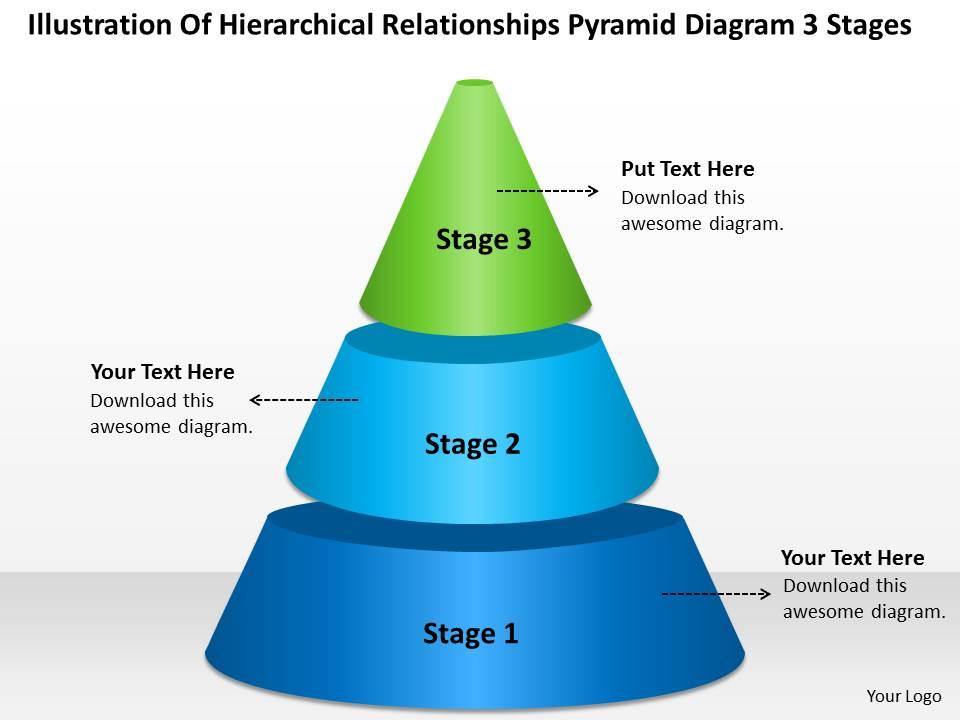
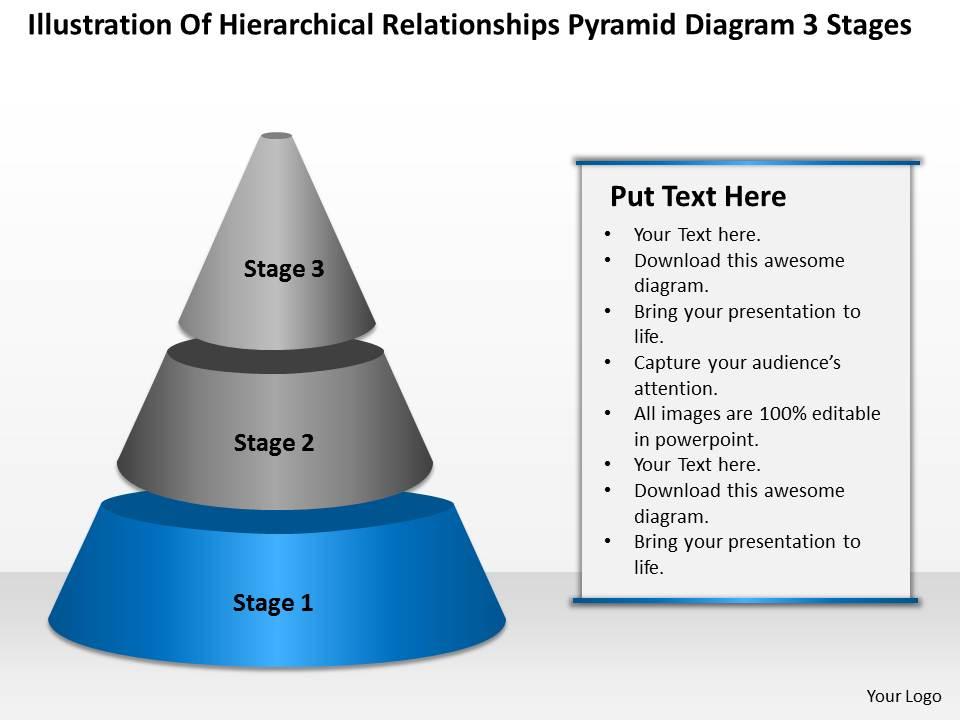
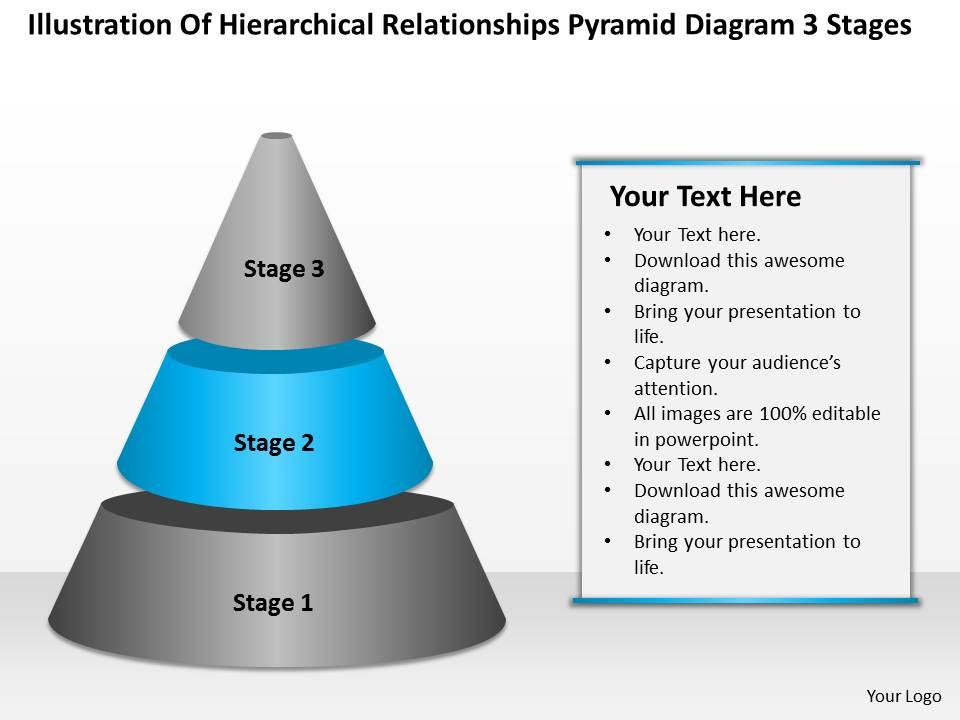
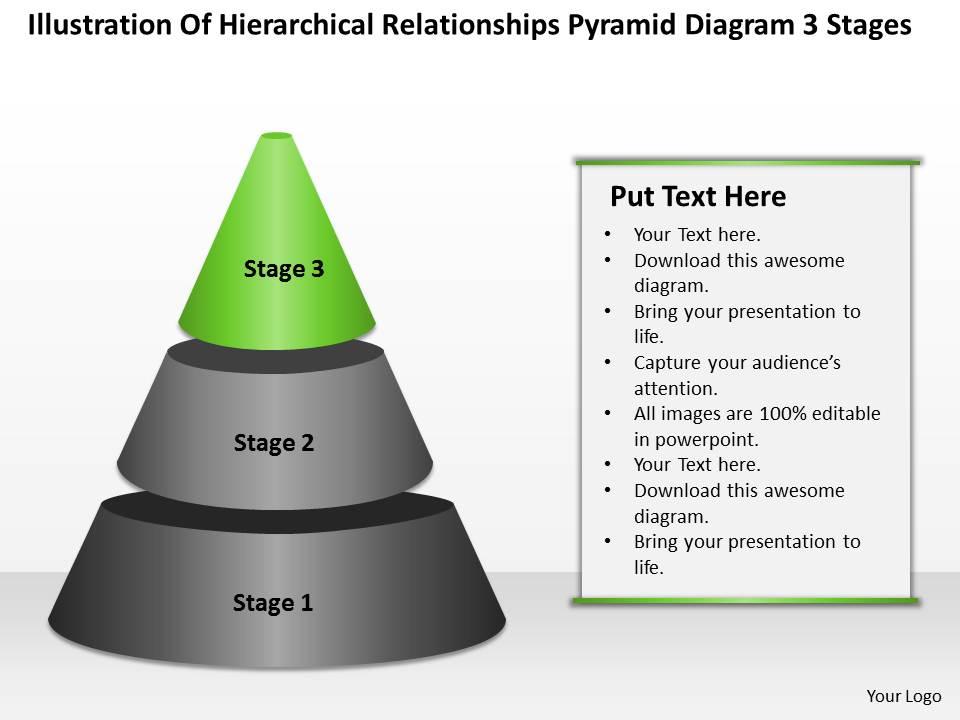
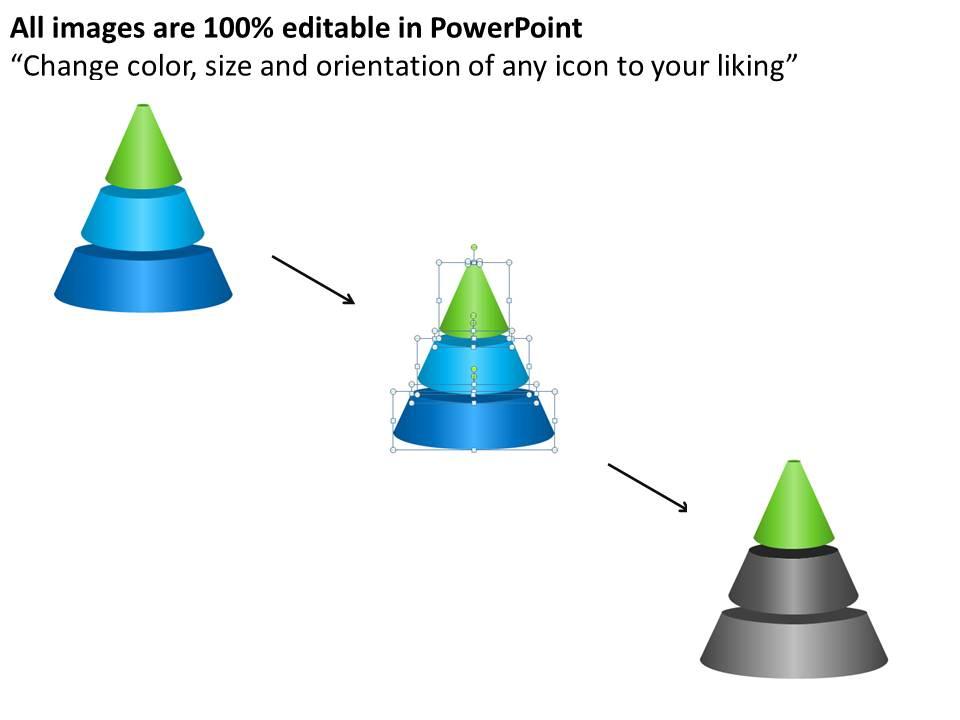
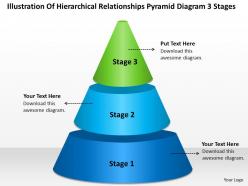
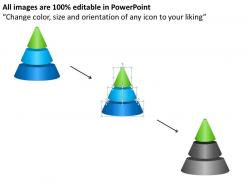
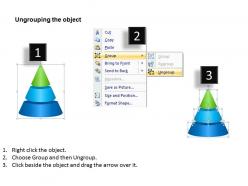
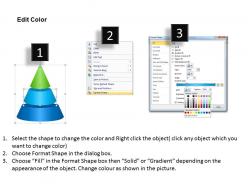
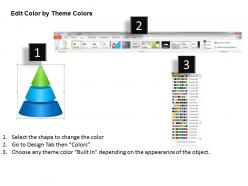
Strategy consultants pyramid diagram 3 stages powerpoint templates ppt backgrounds for slides 0530
Try Before you Buy Download Free Sample Product
Audience
Editable
of Time
Your thoughts are highly coherent. Sharpen their focus with our Strategy Consultants Pyramid Diagram 3 Stages Powerpoint Templates PPT Backgrounds For Slides 0530.
People who downloaded this PowerPoint presentation also viewed the following :
Strategy consultants pyramid diagram 3 stages powerpoint templates ppt backgrounds for slides 0530 with all 8 slides:
Talented designers have developed our Strategy Consultants Pyramid Diagram 3 Stages Powerpoint Templates PPT Backgrounds For Slides 0530 to suit your needs. Brighten up your next presentation with thousands of their best works.
FAQs for Strategy consultants pyramid diagram 3 stages powerpoint templates ppt backgrounds
The strategy consultants pyramid diagram significantly enhances communication by structuring complex information hierarchically, with key conclusions at the top and supporting data below, enabling audiences to grasp main insights quickly. This framework streamlines decision-making processes by presenting logical flow from analysis to recommendations, with many organizations finding that it accelerates stakeholder alignment and strategic clarity.
The pyramid structure enhances clarity by organizing strategic recommendations hierarchically, with core conclusions at the top supported by detailed analysis, evidence, and data below. This approach enables consultants to present complex strategies in digestible layers, allowing executives to grasp key insights quickly while accessing supporting rationale as needed, ultimately streamlining decision-making processes.
Strategy consultants pyramid diagrams typically include strategic vision at the apex, core strategic initiatives in the middle tier, and tactical implementation actions at the base. These hierarchical frameworks streamline organizational alignment by connecting high-level objectives with operational execution, enabling consulting firms and corporations to visualize strategic cascading, prioritize resource allocation, and ensure seamless implementation across departments.
Organizations effectively use pyramid diagrams to align strategic goals by creating clear hierarchical structures that cascade from high-level vision to operational tasks, establishing accountability frameworks, and ensuring resource allocation matches priorities. Through visual representation of strategic layers, companies streamline decision-making processes, enhance cross-departmental communication, and maintain focus on core objectives, with many finding that pyramid structures ultimately deliver better execution and measurable progress toward long-term success.
Common mistakes include overcrowding levels with too much text, creating unclear hierarchical relationships, using inconsistent formatting across tiers, neglecting visual balance, and failing to align content with strategic priorities. These design flaws undermine the pyramid's core purpose of communicating strategic frameworks clearly, with many consulting teams finding that simplified, well-structured diagrams enhance client comprehension and decision-making processes significantly.
Strategy consultants adapt pyramid diagrams by modifying hierarchical levels, terminology, and focus areas to match industry-specific needs and organizational structures. Healthcare organizations might emphasize patient outcomes at the apex with clinical processes below, while manufacturing companies focus on operational efficiency with production workflows, and financial services prioritize risk management with compliance frameworks, ultimately delivering more relevant strategic insights and actionable implementation roadmaps.
Visual storytelling transforms pyramid diagrams from static frameworks into compelling narratives by guiding audiences through logical progression, creating emotional connections with hierarchical concepts, and making complex strategies memorable through clear visual flow. This approach enables consultants to present data-driven insights more persuasively, with many organizations finding that visual narratives significantly enhance stakeholder buy-in and strategic alignment.
The pyramid diagram facilitates communication by creating visual hierarchy, standardizing terminology, simplifying complex relationships, and establishing clear accountability structures among stakeholders. Through this structured approach, organizations enhance transparency in decision-making processes, streamline cross-functional discussions, and enable faster consensus-building, with many consulting teams finding that clients grasp strategic concepts more effectively.
**INPUT**: What methods can be used to gather data for each level of the pyramid? **OUTPUT**: Data gathering methods include executive interviews, stakeholder surveys, financial analysis, market research, operational assessments, and performance metrics evaluation across pyramid levels. These approaches enable consultants to capture strategic insights, tactical requirements, and operational realities by combining quantitative analysis, qualitative feedback, and cross-functional collaboration, ultimately delivering comprehensive understanding for effective strategy development.
Strategy consultants can align pyramid hierarchy with real priorities by conducting stakeholder interviews, analyzing performance metrics, reviewing resource allocation patterns, and validating findings through cross-functional workshops. Through data-driven assessment and collaborative validation, consultants ensure organizational charts reflect actual decision-making influence, budget control, and strategic impact rather than traditional titles, ultimately delivering frameworks that enhance operational efficiency and strategic execution.
Misrepresenting information in pyramid diagrams undermines strategic decision-making, erodes stakeholder trust, and can lead to flawed resource allocation across organizational levels. These distortions create cascading effects throughout implementation phases, with many consulting firms finding that inaccurate data ultimately compromises client relationships, project outcomes, and long-term strategic credibility in competitive markets.
Technology enhances pyramid diagram creation through automated data visualization tools, AI-powered analytics, interactive presentation platforms, and real-time collaboration software. These solutions streamline diagram development by integrating live data feeds, generating dynamic visual hierarchies, and enabling seamless stakeholder collaboration, with many consulting firms finding that digital platforms deliver faster client presentations and more compelling strategic narratives.
Best practices for integrating pyramid diagrams include maintaining visual consistency with your presentation's design theme, placing them strategically at decision points, ensuring clear hierarchical flow, and connecting each level to specific data or recommendations. These diagrams enhance executive presentations by streamlining complex organizational structures, facilitating stakeholder understanding, and ultimately delivering clearer strategic communications, with many consulting firms finding increased client engagement.
Cultural differences significantly impact pyramid diagram interpretation through varying hierarchical acceptance, visual processing patterns, and communication preferences. While Western cultures often embrace top-down structures, many Asian cultures prefer collaborative frameworks, and some cultures read diagrams differently, with strategy consultants increasingly adapting presentations to local cultural contexts, ultimately enhancing client engagement and strategic alignment.
Alternative frameworks to the pyramid diagram include matrix structures, network models, hub-and-spoke configurations, flat organizational charts, and cross-functional team maps. These alternatives prove particularly effective when organizations require enhanced collaboration across departments, rapid decision-making capabilities, or flexible project-based structures, with many consulting firms finding that matrix and network models streamline communication while delivering greater operational agility.
-
Enough space for editing and adding your own content.
-
Colors used are bright and distinctive.