Success metrics powerpoint presentation slides

Success metrics powerpoint presentation slides
Slide 1 of 24
Favourites Favourites

Try Before you Buy Download Free Sample Product

Audience Impress Your
Audience
Editable 100%
Editable
Time Save Hours
of Time
The Biggest Sale is ending soon in
0
0
:
0
0
:
0
0
Presenting this set of slides with name - Success Metrics Powerpoint Presentation Slides. Enhance your audiences knowledge with this well researched complete deck. Showcase all the important features of the deck with perfect visuals. This deck comprises of total of twenty four slides with each slide explained in detail. Each template comprises of professional diagrams and layouts. Our professional PowerPoint experts have also included icons, graphs and charts for your convenience. All you have to do is DOWNLOAD the deck. Make changes as per the requirement. Yes, these PPT slides are completely customizable. Edit the colour, text and font size. Add or delete the content from the slide. And leave your audience awestruck with the professionally designed Success Metrics Powerpoint Presentation Slides complete deck.
Content of this Powerpoint Presentation


Slide 1: This slide introduces SUCCESS METRICS. State Your Company Name and get started.
Slide 2: This slide presents Agenda. You can add your company agenda and use it.
Slide 3: This slide showcases Project budget.
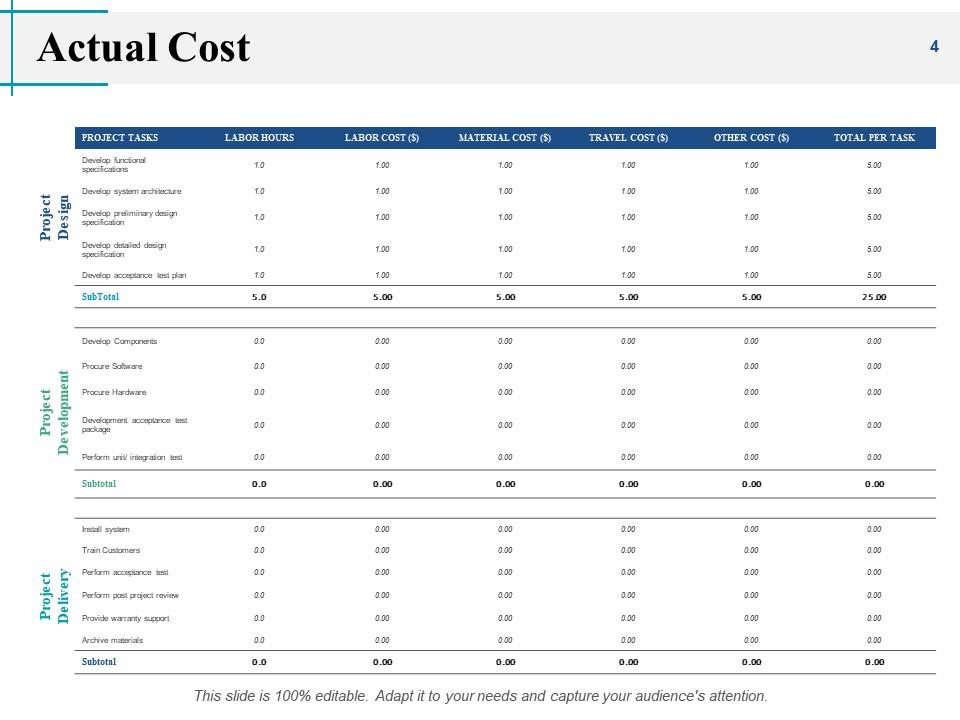
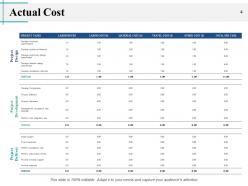
Slide 4: This slide presents Actual Cost table. Add the data of your project and add the data.
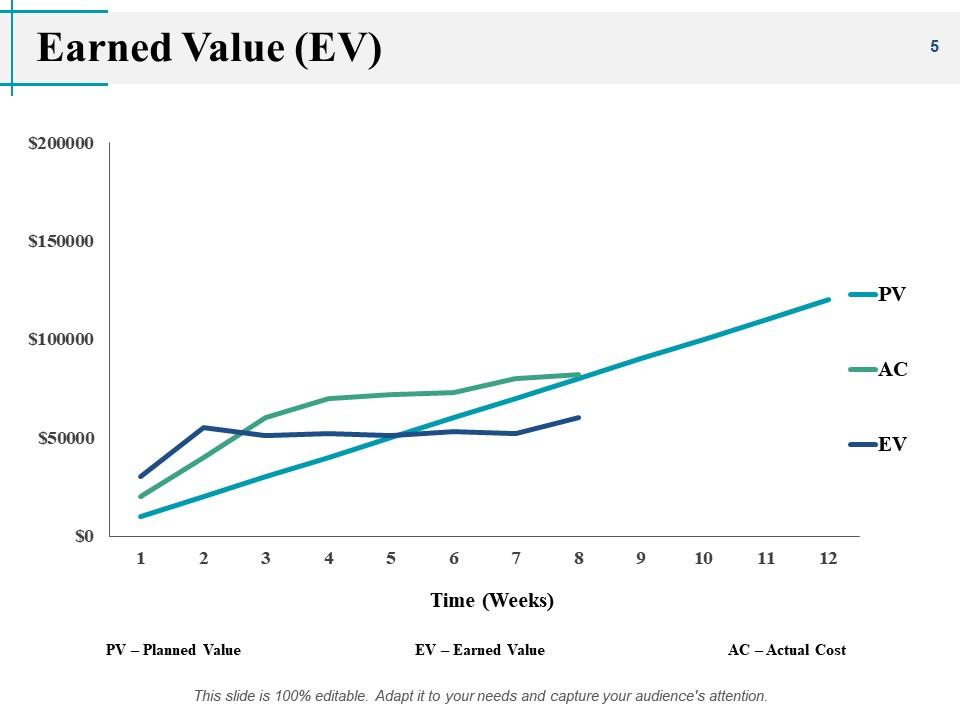
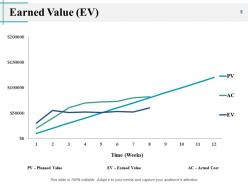
Slide 5: This slide showcases Earned Value (EV).
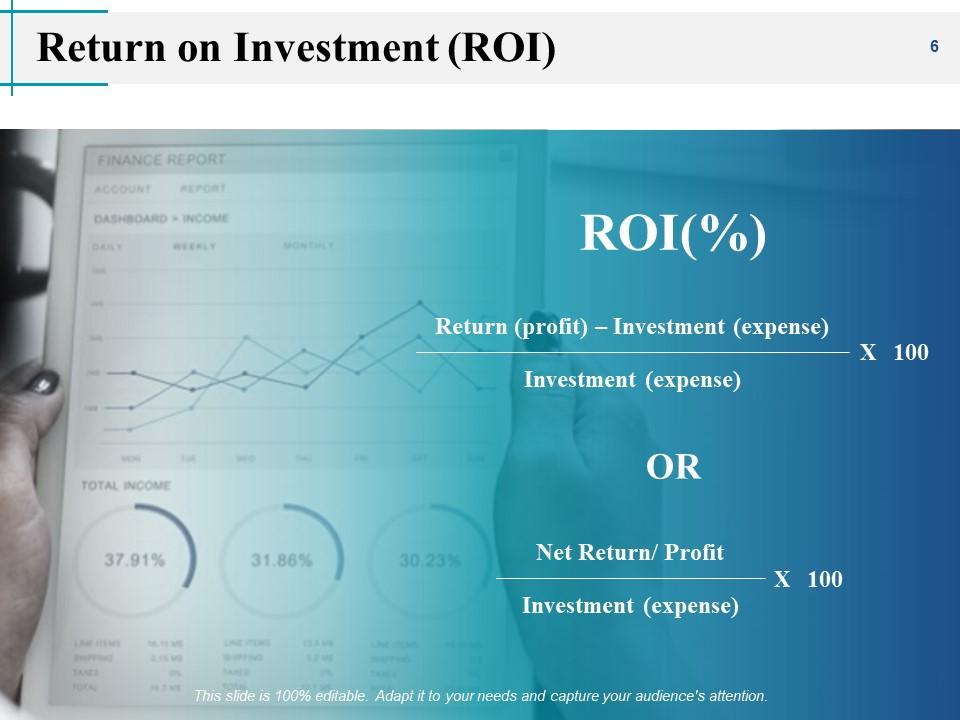
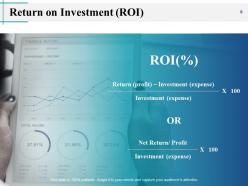
Slide 6: This slide presents Return on Investment (ROI).
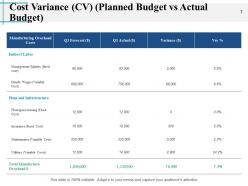
Slide 7: This slide presents Cost Variance (CV) (Planned Budget vs Actual Budget).
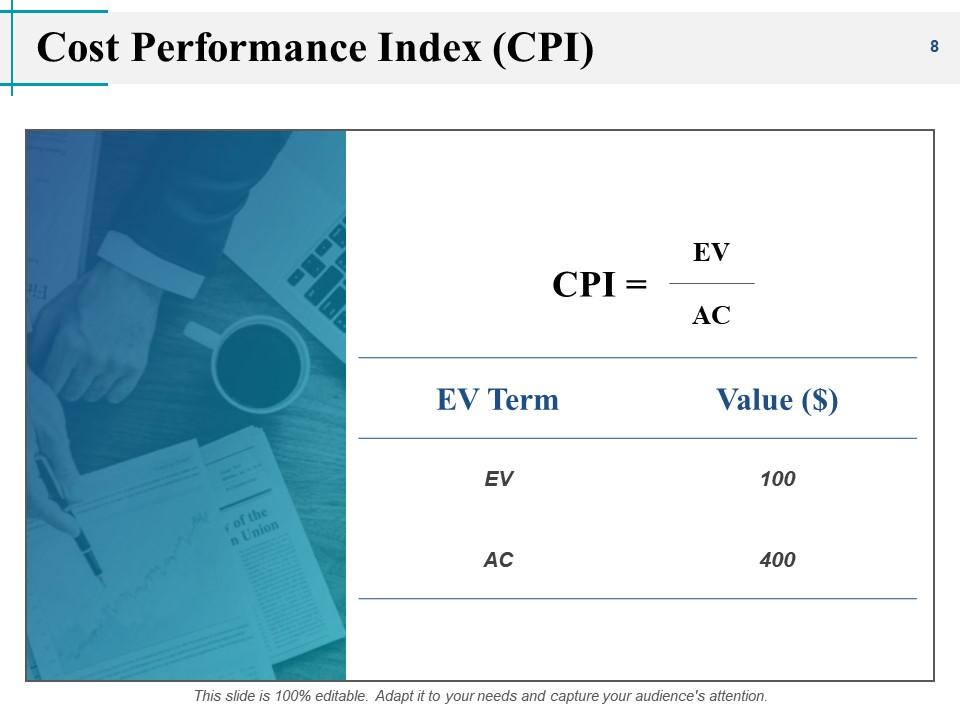
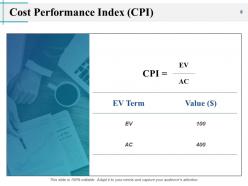
Slide 8: This slide showcases Cost Performance Index (CPI).
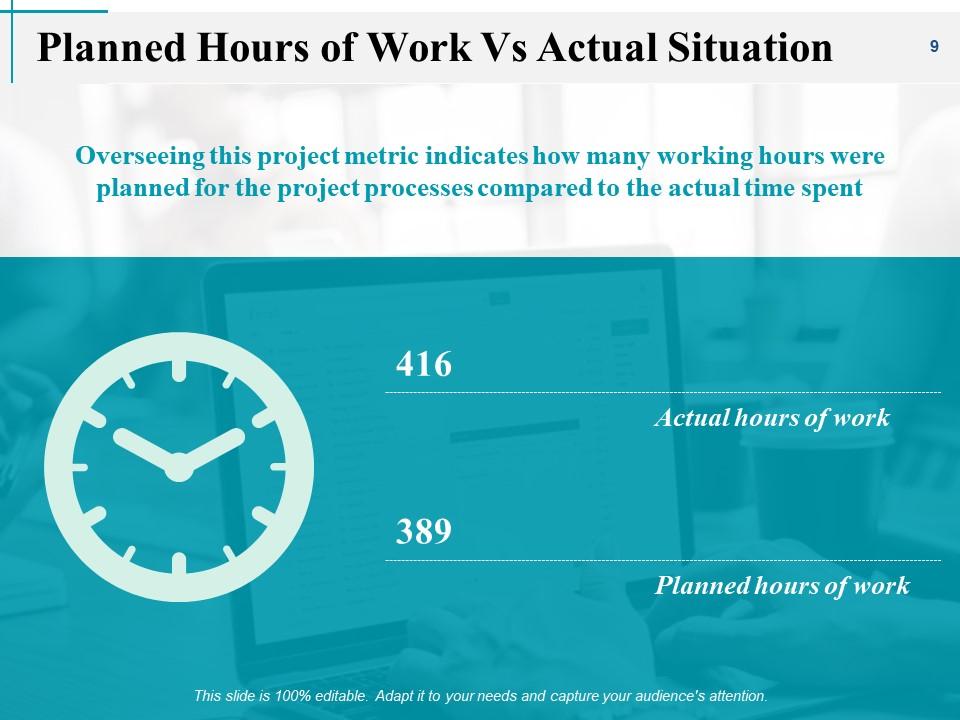
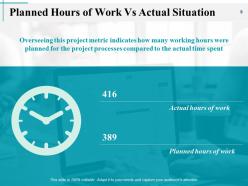
Slide 9: This slide presents Planned Hours of Work Vs Actual Situation.
Slide 10: This slide is titled Additional Slides.
Slide 11: This slide showcases Our Team with Name and Designation to fill.
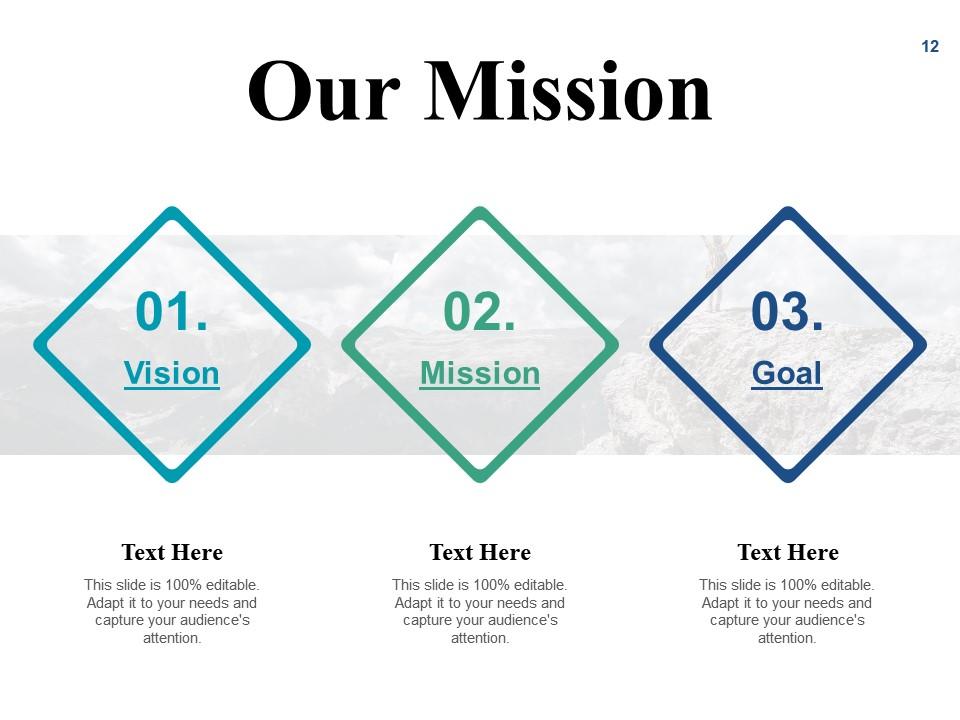
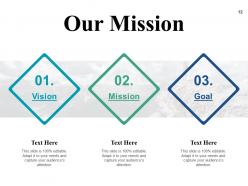
Slide 12: This is a Vision, Mission and Goals slide. State them here.
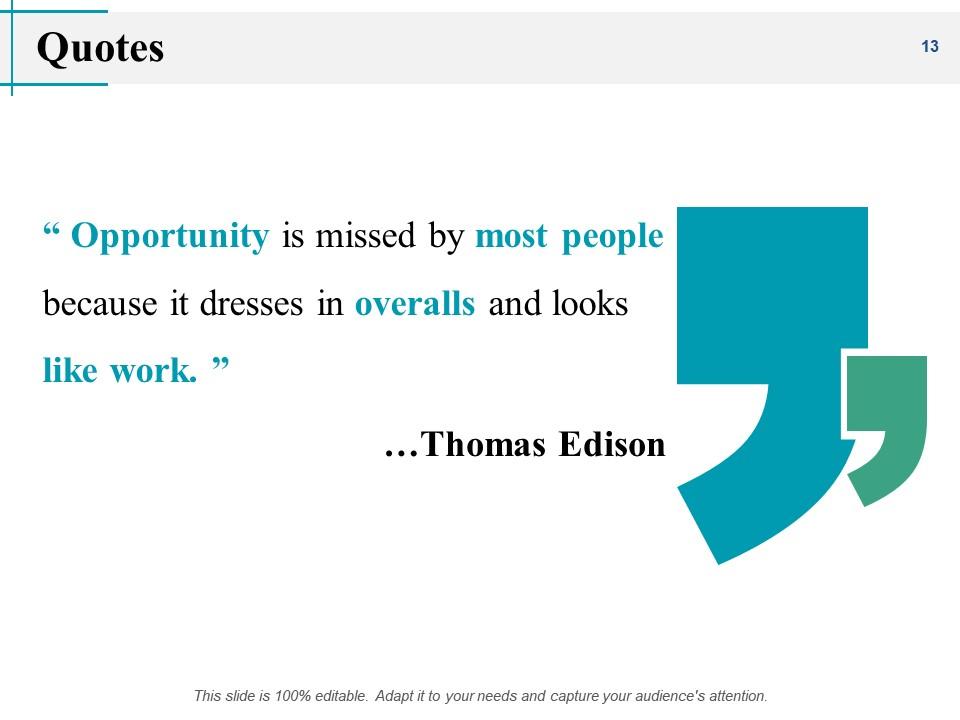
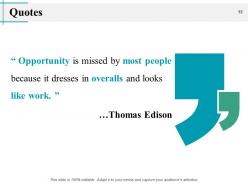
Slide 13: This is a Quotes slide to convey message, beliefs etc.
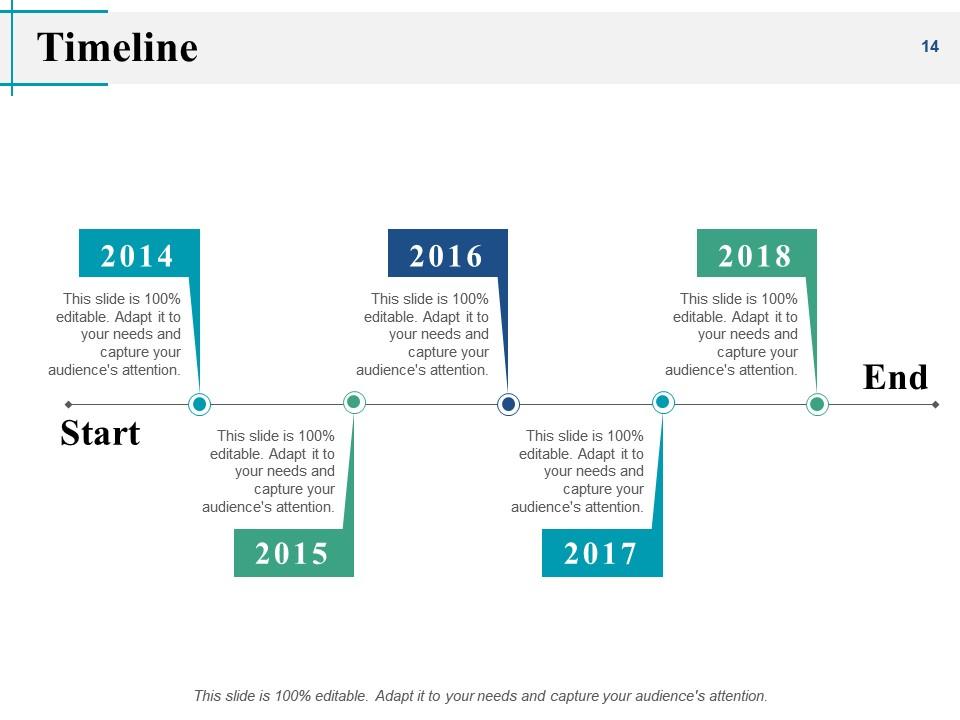
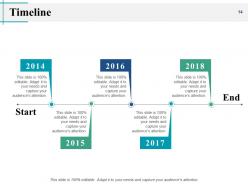
Slide 14: This is a Timelines slide to show- Plan, Budget, Schedule, Review.
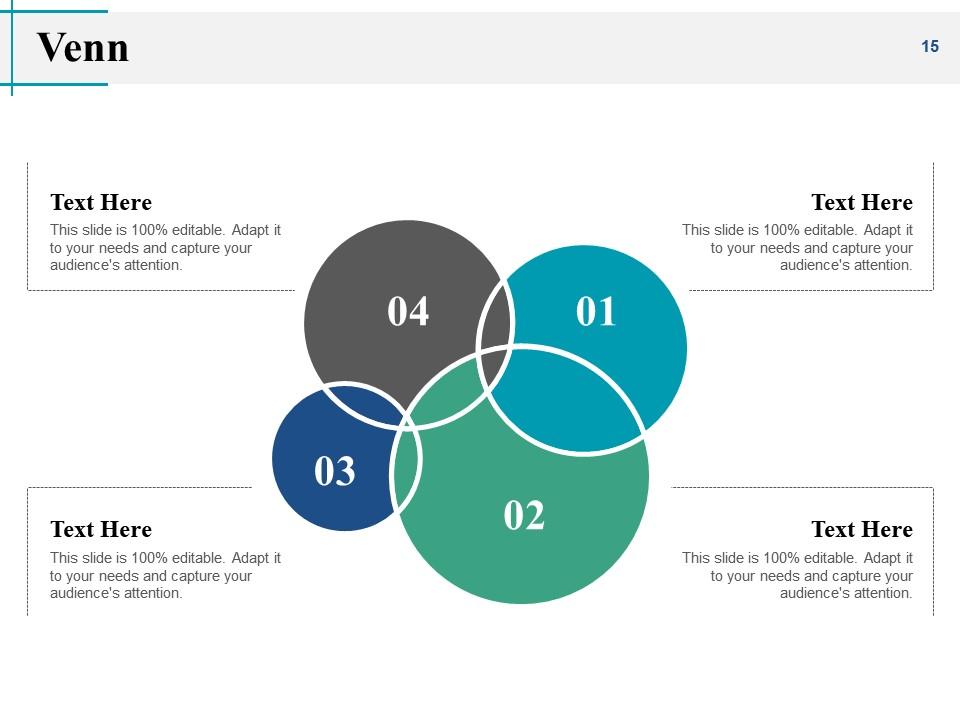
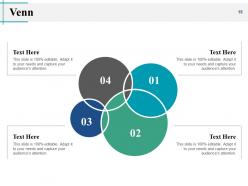
Slide 15: This slide displays a Venn diagram image.
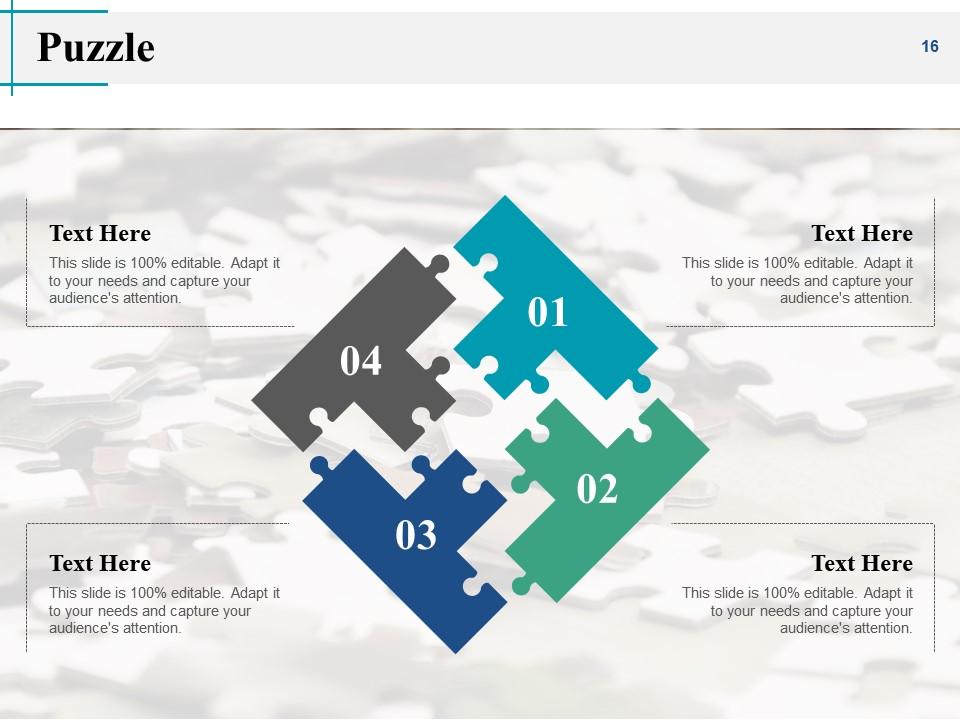
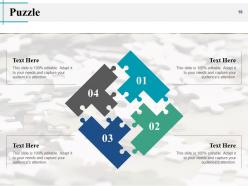
Slide 16: This slide presents a PUZZLE slide with the following subheadings- Integrity and Judgment, Critical and Decision Making, Leadership, Agility.
Slide 17: This slide is 100% editable. Adapt it to your needs and capture your audience's attention.
Slide 18: This slide shows an image with text boxes titled Business Person with Post It notes.
Slide 19: This is a Target slide. State targets here.
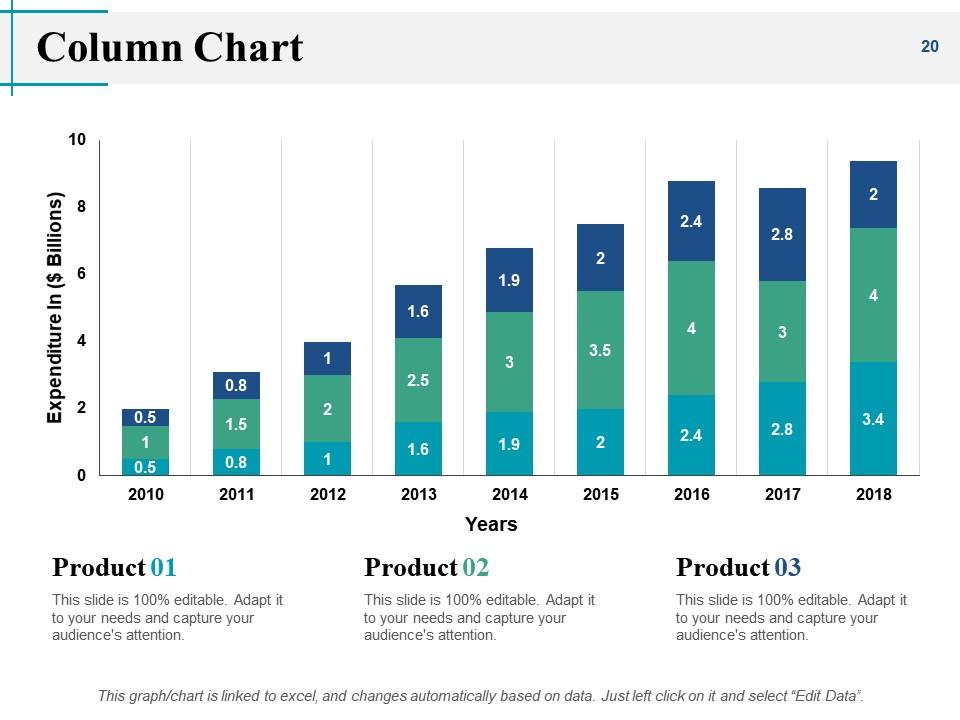
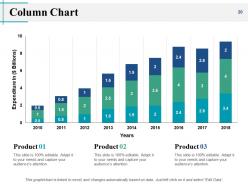
Slide 20: This slide shows Column Chart.
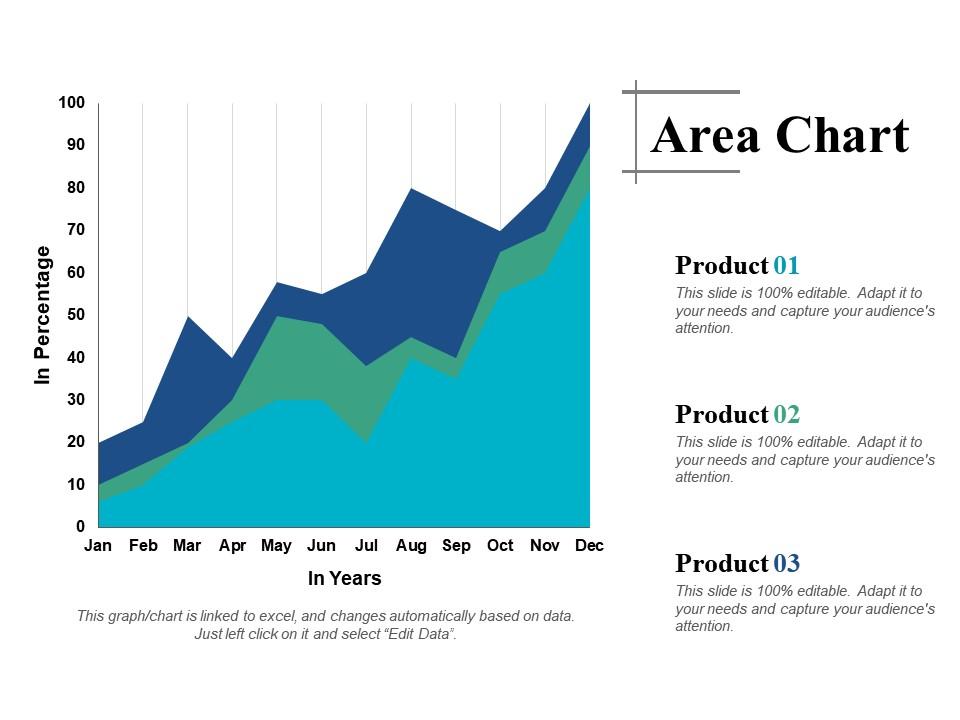
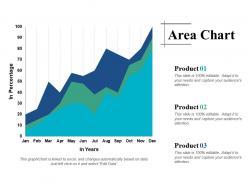
Slide 21: This slide presents Area Chart.
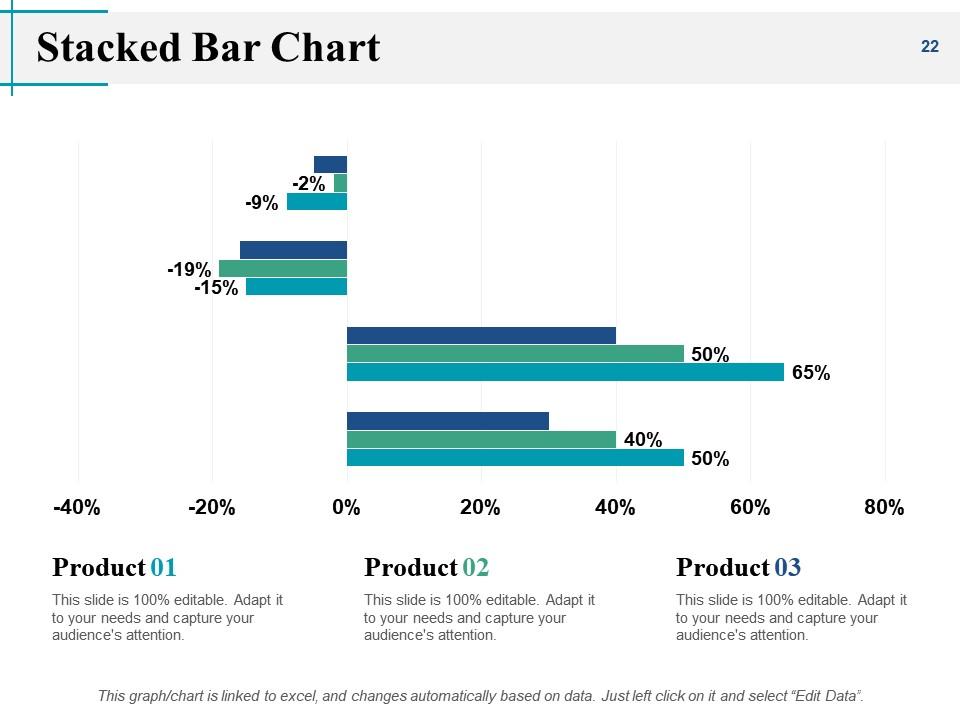
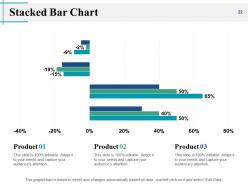
Slide 22: This slide presents Stacked Bar Chart.
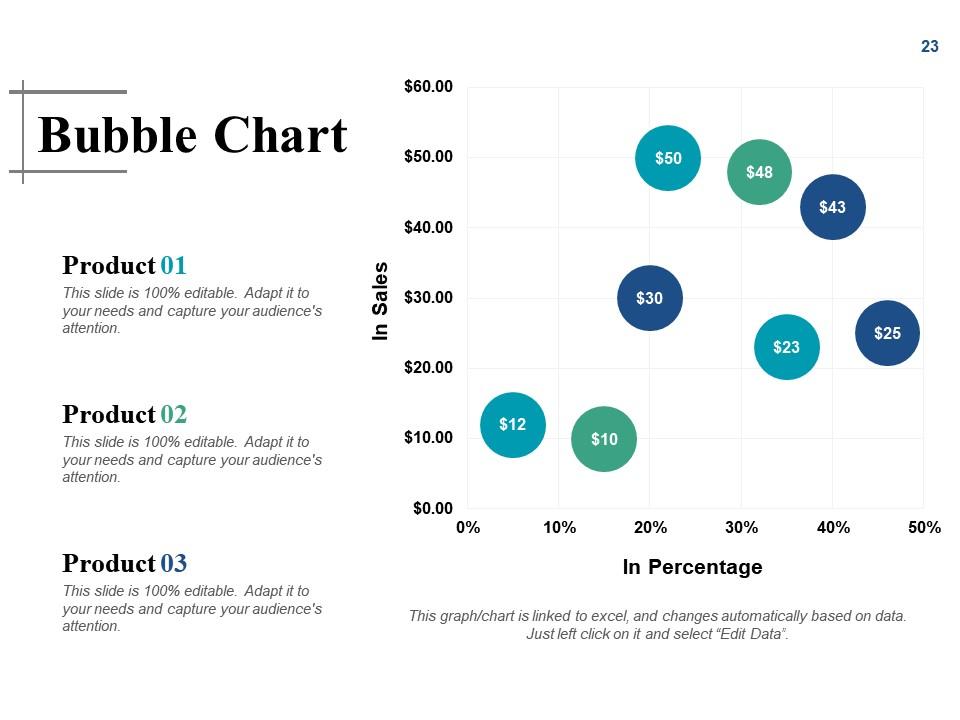
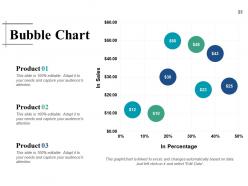
Slide 23: This slide presents Bubble Chart.
Slide 24: This slide presents Thank You.

FAQs for Success metrics

Key performance indicators for presentation design include audience engagement rates, message retention scores, conversion rates, time-to-decision metrics, and stakeholder feedback scores. These KPIs enable organizations to measure presentation effectiveness through audience interaction data, post-presentation surveys, and business outcomes, with many companies finding that well-designed presentations reduce decision cycles by 30% while significantly improving project approval rates.

Audience engagement can be quantified through real-time polling responses, Q&A participation rates, social media mentions, post-presentation survey scores, and behavioral analytics like attention duration and interaction frequency. These metrics enable organizations to measure presentation effectiveness objectively, optimize content strategies, and demonstrate ROI on communication investments, with many companies finding that engaged audiences convert 40% more effectively.

Feedback plays a crucial role in evaluating presentation templates by providing insights into clarity, engagement levels, visual appeal, and message retention from actual audiences. Through systematic feedback collection, organizations can identify which design elements, content structures, and visual formats resonate most effectively with stakeholders, ultimately refining templates to enhance communication outcomes and presentation success rates.

Conversion rates measure how effectively marketing presentations drive desired audience actions, from lead generation to sales closure, providing direct insight into presentation ROI and messaging effectiveness. Through tracking conversions, organizations can identify which presentation elements resonate most with prospects, optimize content for better engagement, and demonstrate measurable business impact, ultimately enhancing sales performance and marketing attribution across campaigns.

Metrics for evaluating visual impact include audience engagement rates, comprehension scores, retention percentages, presentation duration efficiency, and post-presentation feedback ratings. These measurements help organizations assess how effectively visuals communicate key messages, with many companies finding that well-designed presentations increase audience understanding by up to 400% while reducing presentation time and enhancing decision-making outcomes.

Retention rates inform template success by measuring student engagement duration, completion percentages, and return usage patterns across different content modules. Educational institutions using interactive templates find that higher retention correlates with improved comprehension scores, reduced dropout rates, and enhanced learning outcomes, ultimately delivering better academic performance and institutional efficiency.

Time spent on slides correlates with audience interest through engagement duration, question frequency, note-taking activity, and follow-up discussions, though optimal timing varies by content complexity and presentation goals. While longer dwell times often indicate genuine interest, successful presenters balance thorough coverage with audience attention spans, with many finding that 2-3 minutes per slide maximizes retention and engagement.

Common benchmarks for measuring corporate presentation effectiveness include audience engagement rates, message retention scores, conversion metrics, stakeholder feedback ratings, and behavioral change indicators. These metrics enable organizations to assess presentation impact through quantitative data like lead generation and qualitative insights from audience surveys, ultimately delivering measurable ROI and strategic communication improvements across sales, training, and executive contexts.

Pre- and post-presentation surveys measure audience engagement, comprehension, and perception changes, providing quantifiable data on template effectiveness through confidence levels, knowledge retention, and behavioral intentions. These metrics enable presenters to assess whether their template successfully conveyed key messages, influenced decision-making, and achieved presentation objectives, while identifying areas for future template optimization and strategic communication improvements.

Essential ROI metrics for business presentations include audience engagement rates, conversion percentages, decision-making acceleration, deal closure rates, and stakeholder buy-in levels. These metrics enable organizations to track presentation effectiveness by measuring faster approval processes, increased client acquisition, and enhanced investor confidence, with many companies finding that strategic presentation investments deliver measurable competitive advantages and revenue growth.

High social media engagement indicates presentation content resonates through shares, comments, and discussions, demonstrating audience connection and message amplification. These interactions enhance brand visibility, extend content reach beyond initial viewers, and generate valuable feedback, with many organizations finding that engaging presentations ultimately drive increased leads, stronger thought leadership positioning, and measurable business opportunities.

Key metrics include user task completion rates, time-to-create presentations, template adoption frequency, audience engagement scores, and error reduction in slide design consistency. These metrics enable organizations to assess template effectiveness by measuring productivity gains, user satisfaction levels, and presentation quality improvements, with many businesses finding that well-designed templates reduce creation time by 40-60% while enhancing professional consistency.

Audience demographics significantly influence success metrics by determining whether to prioritize engagement rates, comprehension levels, decision-making speed, or behavioral changes based on factors like age, professional role, and industry experience. For example, C-suite presentations might measure immediate decision outcomes and strategic alignment, while training sessions for newer employees focus on knowledge retention and skill application, ultimately ensuring metrics align with audience capabilities and organizational objectives.

Shares and exports demonstrate template popularity by measuring user engagement, distribution reach, viral coefficient, and practical utility across organizations. When presentation templates generate high share rates, they indicate strong visual appeal, content relevance, and professional value, with many businesses finding that frequently shared templates deliver better audience engagement, enhanced brand consistency, and ultimately greater communication effectiveness in competitive markets.

Industry-specific success metrics for presentation effectiveness vary significantly, with financial services focusing on compliance adherence and risk clarity, healthcare emphasizing patient safety outcomes and regulatory alignment, and retail prioritizing conversion rates and customer engagement levels. These tailored approaches enable organizations to measure what matters most in their sector, with many companies finding that industry-aligned metrics deliver more actionable insights and strategic competitive advantage.

Ratings and Reviews

0% of 100
Review Form
Write a review
Most Relevant Reviews

No Reviews