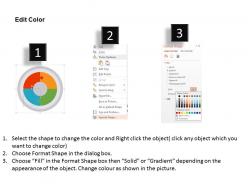
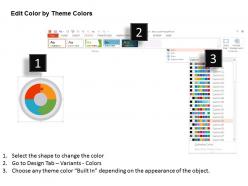
Swot analysis for engineering flat powerpoint design
Try Before you Buy Download Free Sample Product
Audience
Editable
of Time
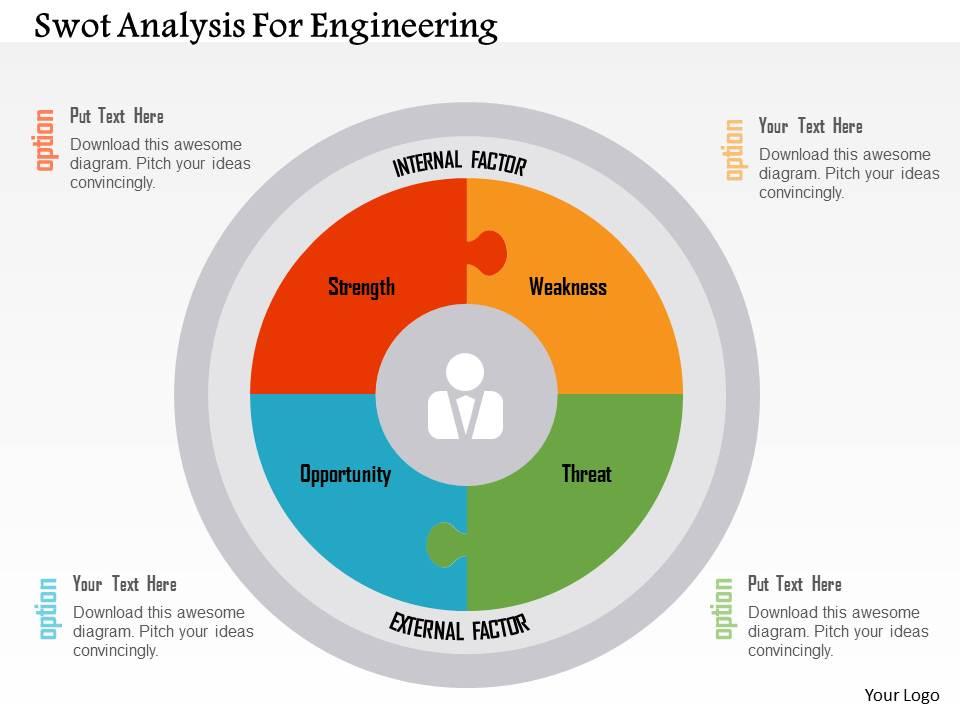
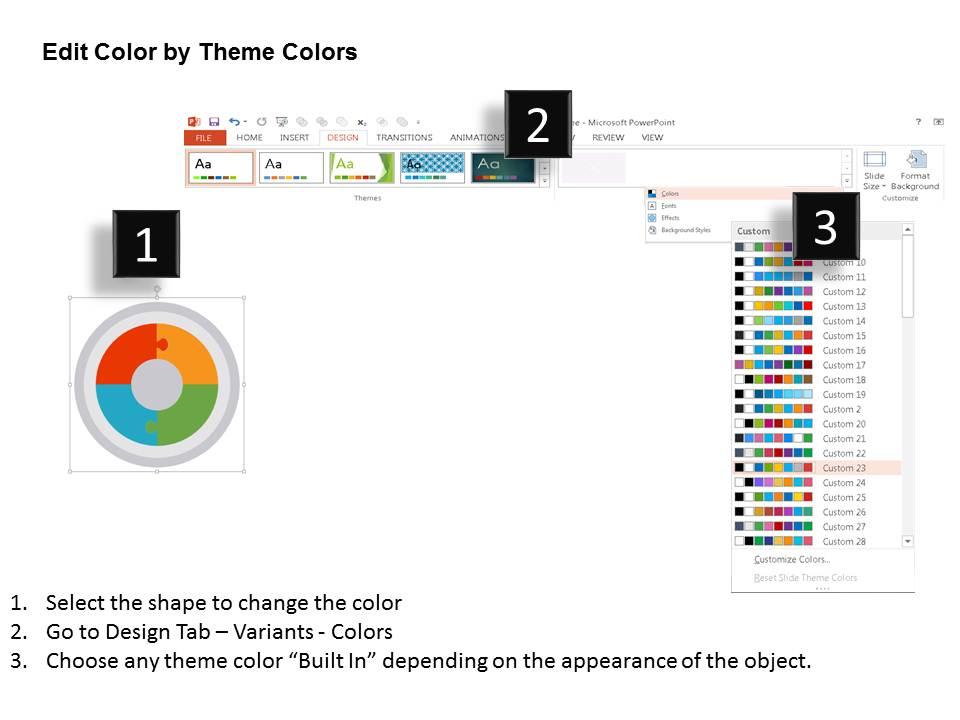
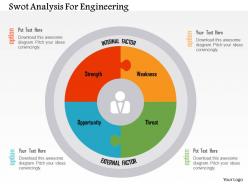
There’s hardly any sector that devoid of SWOT importance. Similarly, engineering sector also holds a great connection with this most important subject. This SWOT analysis for engineering flat PowerPoint design is a masterpiece to help the engineering people get out of the dilemmas and actually look forward to improvise on things while using this fabulous SWOT PPT design. The four stage graphics: Strength, Weakness, Opportunity and Threats in this PPT template make it a vivid design for the users to implement on. It actually let the users have a peep into the internal as well as external factors of engineering, which is very important for the ultimate growth of a channel. When a user possess a clear structured design, it becomes easier to look forward in the direction you are heading and make out if it will be the right choice for you. Thus, download and use this SWOT analysis engineering PPT icon to lead with a difference. When you want to communicate your vision for a business, PowerPoint is a good tool. However it becomes even better when you make use of pre-prepared Swot Analysis For Engineering Flat Powerpoint Design.
People who downloaded this PowerPoint presentation also viewed the following :
Swot analysis for engineering flat powerpoint design with all 5 slides:
Our Swot Analysis For Engineering Flat Powerpoint Design enable due diligence. Avoid any hasty decisions.
FAQs for Swot analysis for engineering
Okay so SWOT breaks down into four parts - Strengths, Weaknesses, Opportunities, and Threats. Internal stuff goes on one side (your strengths/weaknesses), external factors on the other (opportunities/threats). The real value comes from mixing and matching them. Like, can you use your strengths to grab those opportunities? Or will external threats hit your weak spots hard? Honestly, most people sugarcoat the weaknesses part, but you've gotta be harsh with yourself. I'd start with maybe 3-5 things per section, then look for connections. It's basically forcing yourself to see the bigger picture instead of just winging it.
Don't just do SWOT once and call it done - use it like a filter for every big decision you're making. So if there's a new market you're eyeing, check if it hits your weak spots first. Why set yourself up to fail, right? The magic happens when you start connecting the dots: match your strengths with opportunities, or figure out how outside threats could make your weaknesses even worse. I'd update it every quarter since stuff changes so fast these days. Here's the thing though - actually assign someone to tackle each weakness and threat you find, or you'll just have another useless document sitting around.
So SWOT totally works for nonprofits, just shift what you're analyzing. Look at mission impact, donor relationships, and volunteer capacity as strengths instead of typical business stuff. Weaknesses might be funding issues or staff burnout - that's huge in nonprofits honestly. New grants or partnerships are obvious opportunities. Oh, and threats like policy changes or donor fatigue are real concerns. The main difference? You're measuring social impact, not profit. Get your board, staff, and key volunteers involved when you do this. Way too many nonprofits skip strategic planning but it's actually super helpful for staying focused.
Honestly, SWOT is perfect for small businesses if you're actually honest about your situation. Figure out what you do better than the big guys - maybe it's that personal touch or how fast you can change direction. Don't ignore your weak spots though. Either fix them or get creative about working around them. The opportunities part is where it gets fun - you can jump on market gaps way faster than those slow corporate giants. Most people totally skip analyzing threats, which is dumb because knowing what could mess you up helps you plan ahead. Once you've got it all mapped out, use that info to decide where to put your time and money for the biggest bang.
For SWOT presentations, start with the classic 2x2 grid - it's foolproof. Color code each section (green for strengths, red for threats). Icons help people actually remember your points later. Honestly, I've seen too many boring slides kill good analysis. Charts work great if you want to show which factors matter most. A SWOT wheel looks pretty cool too, though it's a bit extra. Oh, and radar charts are nice for comparing multiple scenarios - totally depends on your audience though. Pick whatever won't confuse people!
So basically, external environment is where you find all the opportunities and threats for your SWOT. Market trends, what competitors are doing, new regulations, economic stuff - anything happening outside your company that you can't control but affects you. Technology changes are huge right now too. Here's the thing though - sometimes what looks like a threat actually turns into an opportunity if you think about it differently. You've got to stay on top of this stuff because honestly, things move so fast these days. Oh, and don't forget social changes - people's attitudes shift and that impacts business more than you'd think.
Dude, you absolutely need outside perspectives for your SWOT - otherwise you're just guessing. Customers see things totally differently than employees or suppliers do. Your sales team might catch opportunities while finance spots weaknesses you'd never notice. It's wild how the random insights end up being the most useful ones. Map out who matters to your business first, then actually ask them stuff through surveys or just casual conversations. Don't try doing this in a vacuum - you'll miss way too much important stuff that's obvious to everyone else.
Honestly, data beats guessing every time when you're doing SWOT analysis. Use analytics tools to see what competitors are actually doing, not what you think they're doing. Social listening shows real customer sentiment - way better than assumptions from boring meetings (we've all been there). Business intelligence dashboards give you solid metrics on your strengths and weaknesses too. Market research software helps spot genuine opportunities. The whole thing becomes so much more accurate when it's built on facts instead of hunches. Start by figuring out which parts of your current SWOT you can actually measure with real data.
Don't get too vague with stuff like "good reputation" - means nothing without details. Also, you can't just focus on internal things and ignore what's actually happening in your market. I've seen so many sessions where one person totally hijacks the conversation (usually the loudest person in the room, you know how it is). Be brutally honest about weaknesses instead of making them sound nice. Get real data to back up your assumptions when you can. Every point needs to be specific enough that you can actually make decisions from it - otherwise what's the point?
Honestly, I'd say quarterly if you're in something fast-paced, but at minimum once a year. Your industry probably changes way faster than you think - new competitors pop up, your team gets better at stuff, market conditions flip. That SWOT you did last spring? Probably half of it's irrelevant now. I know some people who just do quick updates whenever something big happens, like a product launch or whatever. But yeah, definitely don't treat it like homework you do once and forget about. Set a reminder on your phone or something. Way better to stay on top of it than scramble when things shift.
Honestly, just focus on stuff you can actually control inside your company. Your team's skills, how much money you've got, whether people know your brand - that kind of thing. Weaknesses? Same deal but backwards. Maybe you're short on cash or your systems are ancient. Here's the thing though - don't just ask the bosses what's wrong. Talk to people actually doing the work because they'll tell you about problems management doesn't even see. Be real with yourself about it. I've seen companies totally miss obvious gaps because nobody wanted to admit they sucked at something.
SWOT's way more about looking inward than the other frameworks. PESTLE digs into all those macro factors - political stuff, economic trends, you know the drill. Porter's Five Forces? That's all competitive analysis. But SWOT actually combines your internal strengths and weaknesses with external opportunities and threats. Honestly, it's the easiest one to tackle. You can literally sit down with your team and bang out the four quadrants in like an hour. The other two need way more research and industry deep-dives. I'd say use SWOT first when you need that quick reality check about where you stand internally, then move on to the heavier frameworks if needed.
Retail, tech, and healthcare get the most out of SWOT since they're constantly shifting. Financial services and manufacturing use it tons too - all those regulatory changes, you know? Nonprofits actually do it more than people realize. Really any business dealing with competition or growth calls will benefit. The trick is doing it quarterly instead of just once. Most companies treat it like a one-time thing but that's honestly pretty useless. Industries that change quickly need that regular strategic pulse check, otherwise you're just guessing at what's happening around you.
Know your crowd first - that's everything. Executives want the big picture stuff with clean visuals they can digest fast. Department heads? They're hunting for what actually impacts their teams. Middle managers are honestly the hardest to please since they're drowning in responsibilities from all sides. Break things down differently for each group. Frontline people need real examples, not corporate jargon about "strategic initiatives." Mix up your formats too - some folks love detailed reports while others just want the infographic version. Always tie each point back to something they can actually do about it tomorrow.
So McDonald's realized they sucked at healthy food through SWOT analysis, which is why we got salads and McCafé. Netflix saw streaming coming while DVD was dying - perfect SWOT move there. Starbucks used their crazy loyal customers to go worldwide, though honestly they're everywhere now. Apple definitely does this stuff but they're super secretive about it. The thing is, none of these companies just did it once and called it good. They keep doing SWOT regularly to catch changes before they get blindsided by competitors or trends.
-
Great product with highly impressive and engaging designs.
-
Good research work and creative work done on every template.