

The pragmatic guide to early business startup valuation powerpoint presentation slides





Try Before you Buy Download Free Sample Product
 Impress Your
 Audience
 100%
100% Editable
 Save Hours
 of Time


Introducing our pragmatic guide to early business startup valuation PPT template that will help you determine the process and steps involved in the valuation of a startup business. This startup valuation financing PPT slideshow is structured on thorough research. It offers you key insights into methodologies and techniques to calculate your company’s valuation and identify suitable approaches for different company types. SildeTeam has designed this business valuation pragmatic guide PPT theme that explains risks and challenges related to startup valuation. It further describes an apt valuation approach and its impact on your business growth, so you have a clear picture of how to proceed with the process. Our pragmatic business valuation guide PPT layout delivers valuation results and expected rate of return to help you make a wise decision concerning your finances. Grab this complete deck presentation and make it your own. Download our business assessment PPT set today.
People who downloaded this PowerPoint presentation also viewed the following :
The pragmatic guide to early business startup valuation powerpoint presentation slides with all 55 slides:
Use our The Pragmatic Guide To Early Business Startup Valuation Powerpoint Presentation Slides to effectively help you save your valuable time. They are readymade to fit into any presentation structure.





















FAQs for The pragmatic guide to early business startup valuation
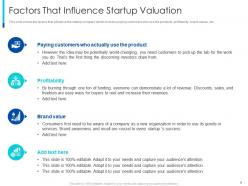
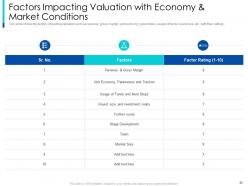
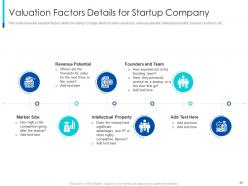
Key factors influencing startup valuation include market size and growth potential, revenue traction and business model scalability, team experience and track record, competitive landscape positioning, and intellectual property strength. These elements work together to demonstrate a startup's ability to capture market share, generate sustainable revenue, and deliver investor returns, with many early-stage investors finding that strong founding teams in large addressable markets command premium valuations.
Market trends and industry performance significantly impact startup valuations by influencing investor sentiment, comparable company multiples, and growth expectations within specific sectors. Strong industry performance, like fintech during digital transformation or healthtech during pandemic periods, creates premium valuations through increased investor interest and higher revenue projections, while declining market conditions typically compress multiples and reduce funding availability.
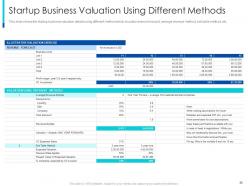
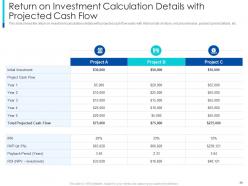
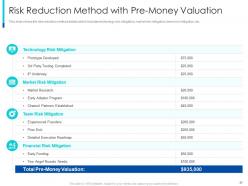
Common startup valuation methods include discounted cash flow analysis, comparable company analysis, venture capital method, risk factor summation, and asset-based approaches. These methods address startups' unique challenges like limited financial history and high growth potential, with investors often combining multiple approaches to account for market volatility, scalability prospects, and competitive positioning, ultimately delivering more accurate valuations.
Startups can leverage financial projections to support valuation by demonstrating realistic revenue growth, clear path to profitability, market size assumptions, and scalable unit economics across multiple scenarios. Well-structured projections showcase management's strategic thinking and operational planning capabilities, with investors finding that detailed assumptions about customer acquisition costs, retention rates, and expansion opportunities ultimately strengthen credibility and justify higher valuations.
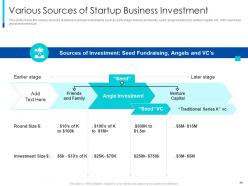
Investor expectations significantly influence startup valuations through required return rates, risk assessments, growth projections, and exit timeline preferences. Different investor types, from angel investors to venture capital firms, apply varying valuation methodologies and benchmarks based on their portfolio strategies, ultimately driving negotiation dynamics and determining funding terms that reflect perceived market potential and scalability.
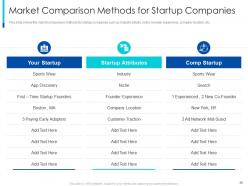
Comparable company analysis and precedent transactions provide market-based benchmarks by evaluating similar businesses' trading multiples and actual sale prices within the same industry and stage. These valuation methods help investors and founders establish realistic value ranges through real market data, with many early-stage startups finding that combining both approaches delivers more accurate valuations than relying on theoretical models alone.
Intellectual property significantly impacts tech startup valuations by creating defensible competitive advantages, enabling premium pricing strategies, and establishing barriers to market entry for competitors. Patents, trademarks, and proprietary technologies serve as valuable assets that investors assess for scalability potential, with many venture capital firms finding that strong IP portfolios justify higher valuations and reduce investment risk.
A startup's team composition significantly impacts valuation through founder experience, technical expertise, industry knowledge, track record of execution, and complementary skill sets. Investors prioritize teams with proven leadership, domain expertise, and ability to scale operations, with many venture capitalists finding that strong founding teams can increase valuations by 20-30% compared to startups lacking experienced talent.
High customer acquisition costs can significantly reduce startup valuations by indicating poor unit economics, unsustainable growth models, and potential scalability challenges that concern investors. However, startups demonstrating declining CAC over time, strong customer lifetime value ratios, and efficient acquisition channels often command premium valuations, with many investors finding that optimized acquisition strategies signal long-term profitability potential.
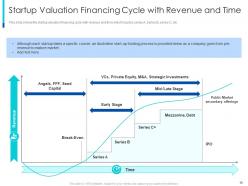
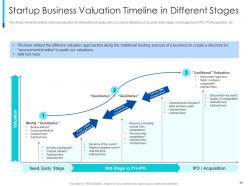
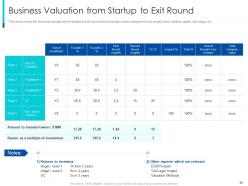
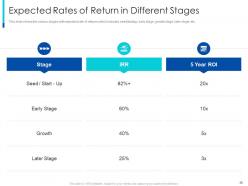
Funding stages significantly influence startup valuations through risk assessment, market validation levels, and growth trajectory demonstrations, with seed rounds typically valued at $1-5 million while Series A companies command $10-50 million based on proven traction. These progressive stages reflect decreased investment risk and increased operational scale, enabling investors to apply different valuation methodologies and ultimately delivering higher valuations as startups demonstrate sustainable business models and competitive market positioning.
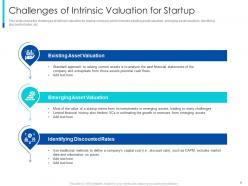
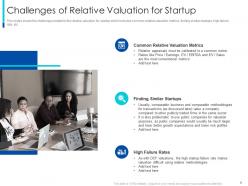
Common valuation pitfalls include overvaluing based on emotions rather than metrics, lacking comparable market data, ignoring cash flow realities, and failing to justify growth assumptions with concrete evidence. Many founders find that presenting unrealistic projections, dismissing investor feedback, or anchoring on outdated valuations ultimately damages credibility and negotiating position with potential investors.
Economic downturns significantly impact startup valuations through reduced investor risk appetite, tightened funding availability, and compressed market multiples. During challenging conditions, investors demand stronger fundamentals and clearer paths to profitability, with many technology and consumer startups experiencing 30-50% valuation decreases, while those demonstrating recession-resistant models often maintain stronger positioning.
Due diligence serves as the critical validation process where investors thoroughly examine a startup's financial records, market assumptions, intellectual property, and operational metrics to verify claims supporting the proposed valuation. Through comprehensive audits of revenue projections, competitive positioning, and scalability potential, investors can identify discrepancies between stated value and actual performance, ultimately ensuring accurate pricing and informed investment decisions.
Startups can leverage competitive advantages by demonstrating unique technology, strong market positioning, scalable business models, proprietary data, and defensible intellectual property to investors. These strategic assets enhance valuation by showcasing differentiation, reducing competitive threats, and proving sustainable revenue potential, with many investors finding that startups with clear competitive moats command significantly higher multiples and attract premium funding rounds.
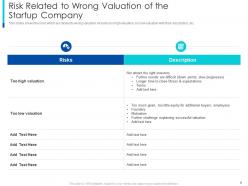
Overvaluation creates unsustainable growth pressure, difficult future fundraising rounds, potential down rounds, and challenges attracting top talent with equity packages. While initially providing capital advantages, overvalued startups often struggle with unrealistic investor expectations and market corrections, with many technology companies finding that maintaining inflated valuations requires increasingly aggressive expansion strategies that can compromise long-term operational stability.
-
Professional and unique presentations.
-
Unique research projects to present in meeting.