


The ultimate human resources best practice tools and templates powerpoint presentation slides




Try Before you Buy Download Free Sample Product
 Impress Your
 Audience
 100%
100% Editable
 Save Hours
 of Time


This PowerPoint presentation covers best practices toolkit templates for HR. This HR toolkit covers best practices that are the set of Human Resources Management processes and actions that work universally. Here is an efficiently designed The Ultimate Human Resources template that includes details for Career Planning, Change Management, Communication management, Competency-based interviewing, Conflict management, etc. Further, it covers templates on Critical incidents management, organizational Culture mapping, Delphi method, Employee engagement surveys. This presentation also includes templates on executive coaching, Job analysis, Job description, Mentoring, employee Performance management, RACI, Resource breakdown structure RBS. Lastly, it covers templates on the Retirement index, Stakeholder analysis, Workday task analysis, etc. This HR best practices toolkit will help companies to align business workflow operations. This PPT can help the HR department align with organizational needs and create an HR function that adds value and truly supports the business. Download our 100 percent editable and customizable template, which is also compatible with Google slides. Book a free demo now.
People who downloaded this PowerPoint presentation also viewed the following :
Content of this Powerpoint Presentation
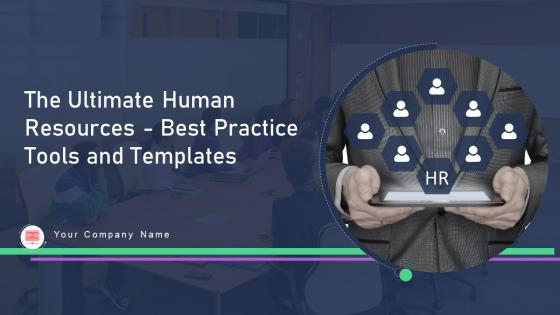
Slide 1: This slide introduces The ultimate human resources best practice tools and templates. State Your Company Name and begin.
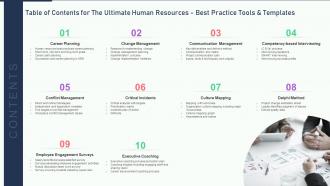
Slide 2: This slide presents Table of Contents for The Ultimate Human Resources Best Practice Tools & Templates.
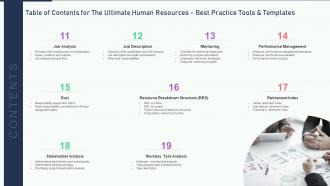
Slide 3: This is another slide continuing Table of contents for the ultimate human resources best practice tools & templates.
Slide 4: This slide highlights title for topics that are to be covered next in the template.
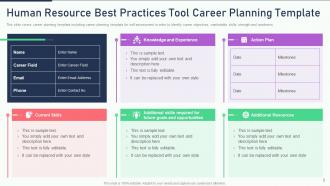
Slide 5: This slide displays Human Resource Best Practices Tool Career Planning Template.
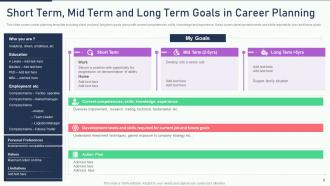
Slide 6: This slide represents short term, mid term and long term goals in career planning.
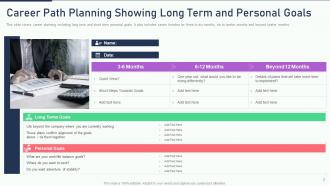
Slide 7: This slide showcases career planning including long term and short term personal goals.
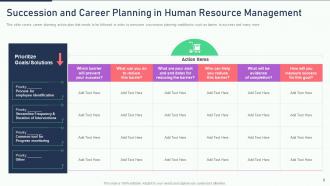
Slide 8: This slide covers career planning action plan that needs to be followed in order to overcome succession.
Slide 9: This slide highlights title for topics that are to be covered next in the template.
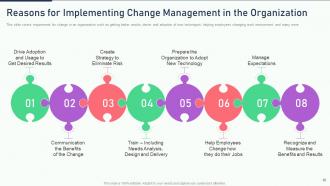
Slide 10: This slide presents Reasons for Implementing Change Management in the Organization.
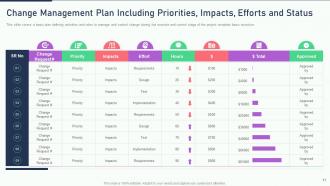
Slide 11: This slide displays change management plan including priorities, impacts, efforts and status.
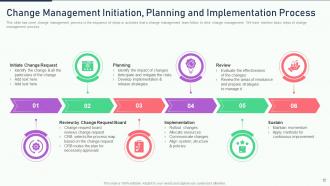
Slide 12: This slide represents change management process is the sequence of steps or activities that a change management team follow.
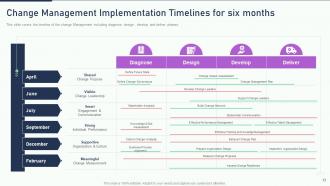
Slide 13: This slide showcases Change Management Implementation Timelines for six months.
Slide 14: This slide highlights title for topics that are to be covered next in the template.
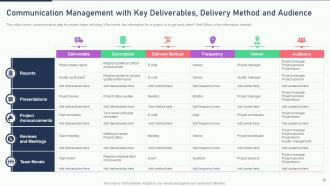
Slide 15: This slide shows communication management with key deliverables, delivery method and audience.
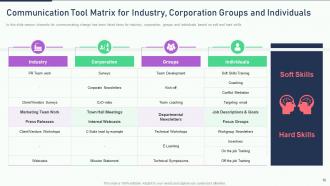
Slide 16: This slide presents communication tool matrix for industry, corporation groups and individuals.
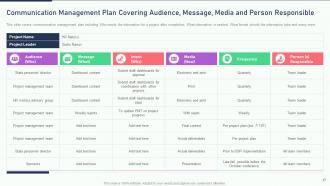
Slide 17: This slide displays communication management plan covering audience, message, media and person responsible.
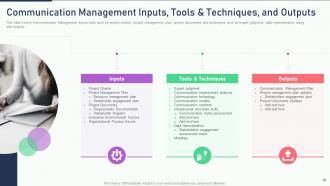
Slide 18: This slide represents communication management inputs, tools & techniques, and outputs.
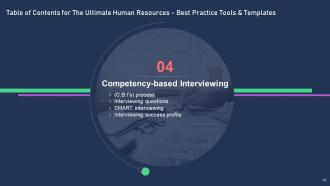
Slide 19: This slide highlights title for topics that are to be covered next in the template.
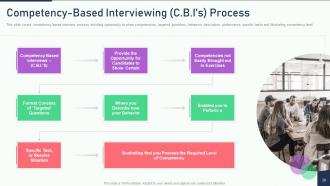
Slide 20: This slide covers competency based interview process including opportunity to show competencies.
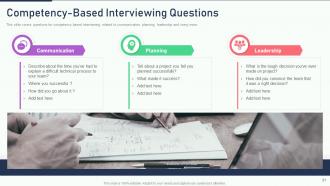
Slide 21: This slide represents questions for competency based interviewing related to communication, planning, leadership, etc.
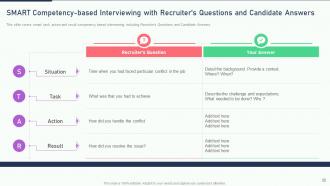
Slide 22: This slide covers smart, task, action and result competency based interviewing.
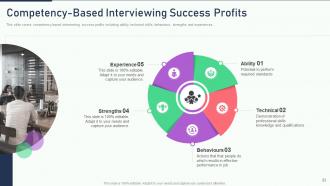
Slide 23: This slide covers competency-based interviewing success profits including ability, technical skills, behaviours, etc.
Slide 24: This slide highlights title for topics that are to be covered next in the template.
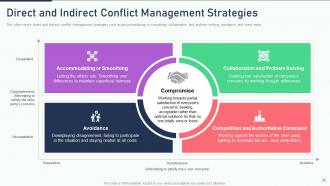
Slide 25: This slide represents direct and indirect conflict management strategies.
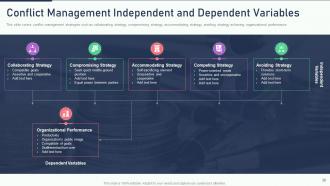
Slide 26: This slide showcases conflict management independent and dependent variables.
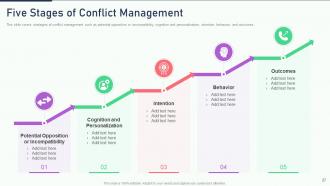
Slide 27: This slide covers strategies of conflict management such as potential opposition or incompatibility.
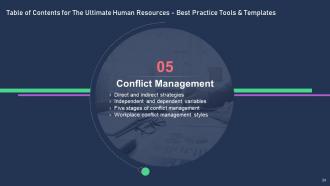
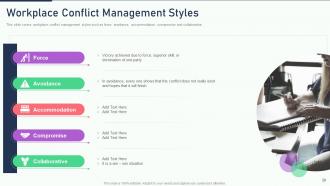
Slide 28: This slide displays workplace conflict management styles such as force, avoidance, accommodation, etc.
Slide 29: This slide highlights title for topics that are to be covered next in the template.
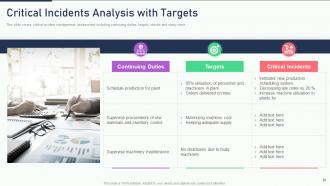
Slide 30: This slide displays critical incident management assessment including continuing duties, targets, results, etc.
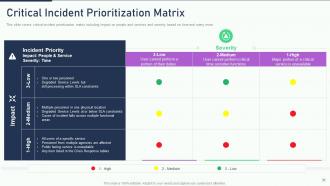
Slide 31: This slide covers critical incident prioritization matrix including impact on people and services.
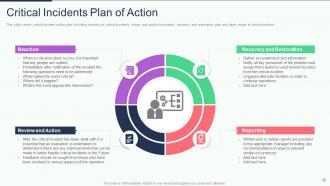
Slide 32: This slide represents critical incident action plan including reaction to critical incidents.
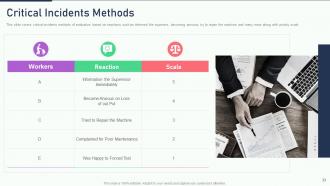
Slide 33: This slide covers critical incidents methods of evaluation based on reactions.
Slide 34: This slide highlights title for topics that are to be covered next in the template.
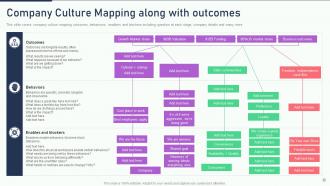
Slide 35: This slide covers company culture mapping outcomes, behaviours, enablers and blockers.
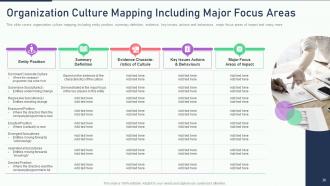
Slide 36: This slide showcases organization culture mapping including major focus areas.
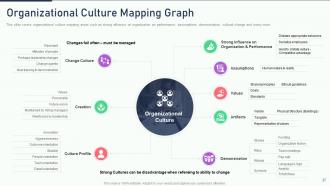
Slide 37: This slide covers organizational culture mapping areas such as strong influence on organization.
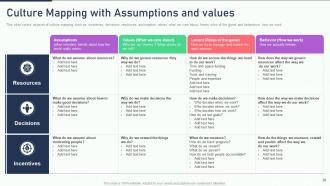
Slide 38: This slide presents aspects of culture mapping such as incentives, decisions, resources, etc.
Slide 39: This slide highlights title for topics that are to be covered next in the template.
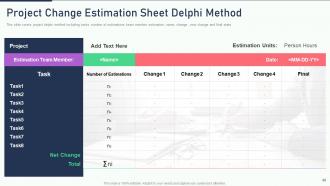
Slide 40: This slide covers project delphi method including tasks, number of estimations, team member estimation, etc.
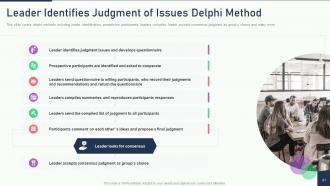
Slide 41: This slide represents Leader Identifies Judgment of Issues Delphi Method.
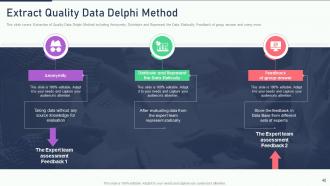
Slide 42: This slide covers Extraction of Quality Data Delphi Method including Anonymity, Distribute and Represent.
Slide 43: This slide highlights title for topics that are to be covered next in the template.
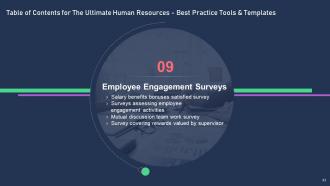
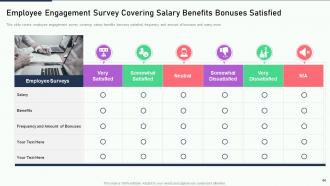
Slide 44: This slide presents Employee engagement survey covering salary benefits bonuses satisfied.
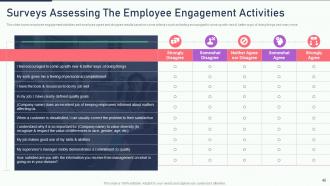
Slide 45: This slide covers employee engagement activities and employee agree and disagree results.
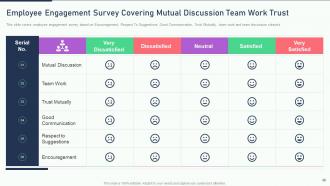
Slide 46: This slide displays Employee engagement survey covering mutual discussion team work trust.
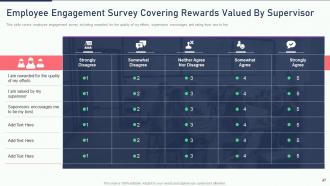
Slide 47: This slide represents employee engagement survey covering rewards valued by supervisor.
Slide 48: This slide highlights title for topics that are to be covered next in the template.
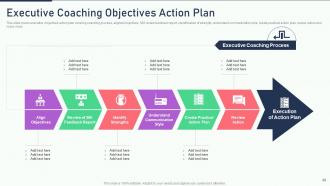
Slide 49: This slide covers executive objectives action plan covering coaching process, aligned objectives, 360 review feedback report, etc.
Slide 50: This slide represents executive coaching insights including engaging staff and sharing vision.
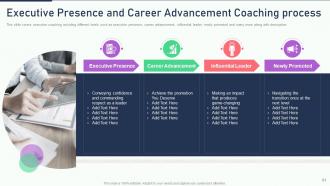
Slide 51: This slide showcases executive presence and career advancement coaching process.
Slide 52: This slide highlights title for topics that are to be covered next in the template.
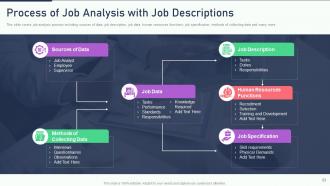
Slide 53: This slide covers job analysis process including sources of data, job description, job data, etc.
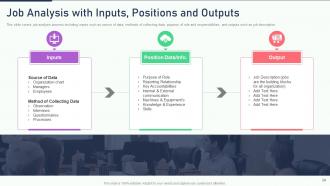
Slide 54: This slide displays job analysis process including inputs such as source of data, methods of collecting data, purpose of role and responsibilities, etc.
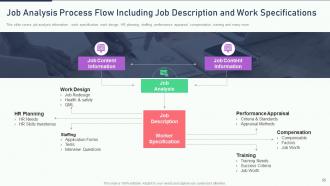
Slide 55: This slide represents Job Analysis Process Flow Including Job Description and Work Specifications.
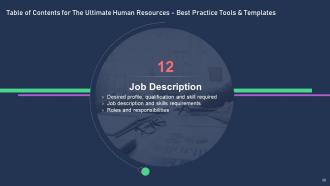
Slide 56: This slide highlights title for topics that are to be covered next in the template.
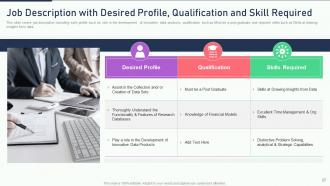
Slide 57: This slide showcases Job description with desired profile, qualification and skill required.
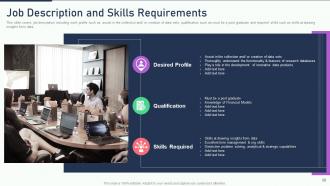
Slide 58: This slide covers job description including work profile such as assist in the collection.
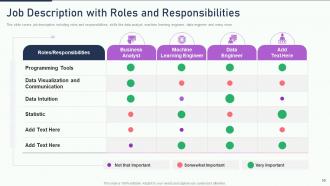
Slide 59: This slide displays job description including roles and responsibilities, skills like data analyst, etc.
Slide 60: This slide highlights title for topics that are to be covered next in the template.
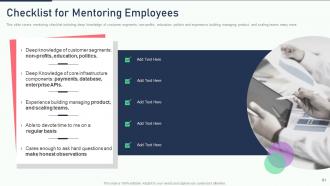
Slide 61: This slide covers mentoring checklist including deep knowledge of customer segments, non-profits, education, politics, etc.
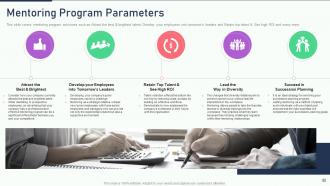
Slide 62: This slide displays mentoring program outcomes such as Attract the best & brightest talent.
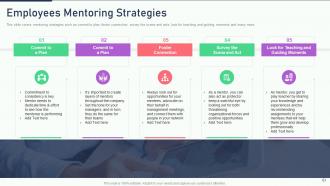
Slide 63: This slide covers mentoring strategies such as commit to plan, foster connection, survey the scene and acts, etc.
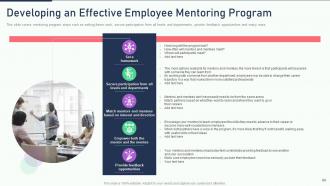
Slide 64: This slide displays mentoring program steps such as setting frame work, secure participation from all levels and departments.
Slide 65: This slide highlights title for topics that are to be covered next in the template.
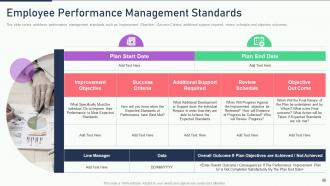
Slide 66: This slide covers workforce performance management standards.
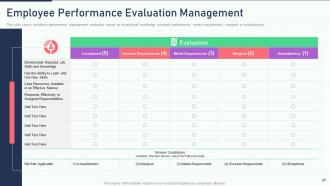
Slide 67: This slide represents workforce performance management evaluation based on exceptional knowledge.
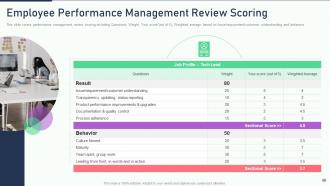
Slide 68: This slide showcases Employee performance management review scoring.
Slide 69: This slide highlights title for topics that are to be covered next in the template.
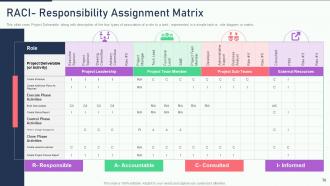
Slide 70: This slide cover Project Deliverable along with description of the four types of association of a role to a task.
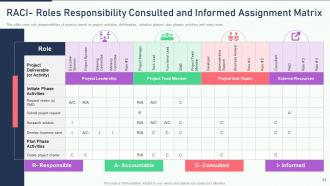
Slide 71: This slide represents role responsibilities of projects based on project activities.
Slide 72: This slide highlights title for topics that are to be covered next in the template.
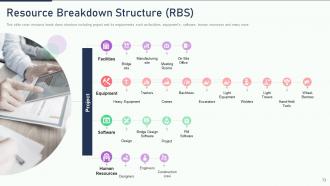
Slide 73: This slide cover resource break down structure including project and its requirements.
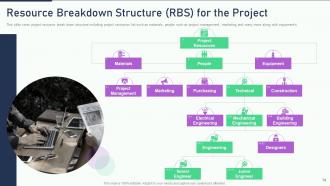
Slide 74: This slide represents project resource break down structure including project resources list.
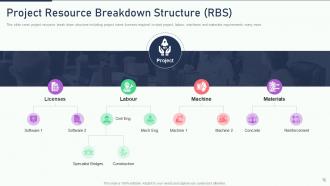
Slide 75: This slide cover project resource break down structure including project name licenses required to start project.
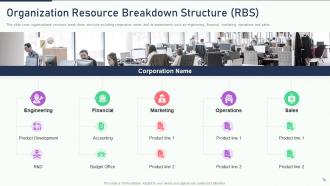
Slide 76: This slide showcases Organization Resource Breakdown Structure (RBS).
Slide 77: This slide highlights title for topics that are to be covered next in the template.
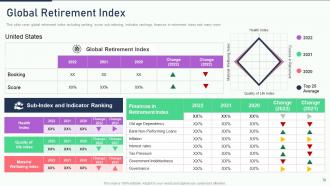
Slide 78: This slide cover global retirement index including ranking, score, sub indexing, indicator rankings, etc.
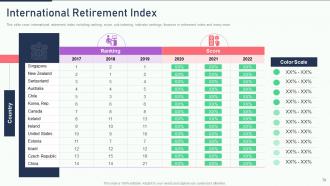
Slide 79: This is another slide continuing international retirement index including ranking, score, sub indexing, etc.
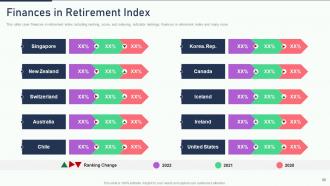
Slide 80: This slide cover finances in retirement index including ranking, score, sub indexing, indicator rankings, finances in retirement index, etc.
Slide 81: This slide highlights title for topics that are to be covered next in the template.
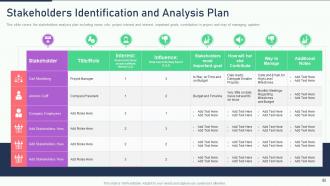
Slide 82: This slide covers the stakeholders analysis plan including name, role, project interest and interest.
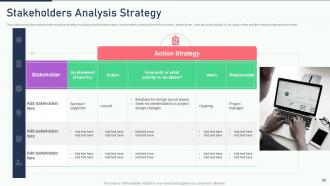
Slide 83: This slide showcases the stakeholders analysis strategy including stakeholders name, involvement, etc.
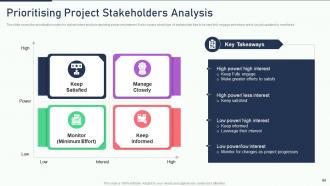
Slide 84: This slide covers the prioritization matrix for stakeholders analysis depicting power and interest.
Slide 85: This slide highlights title for topics that are to be covered next in the template.
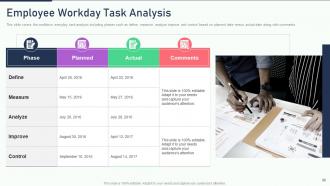
Slide 86: This slide covers the workforce everyday task analysis including phases such as define, measure, analyze, etc.
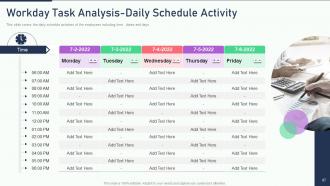
Slide 87: This slide covers the daily schedule activities of the employees including time, dates and days.
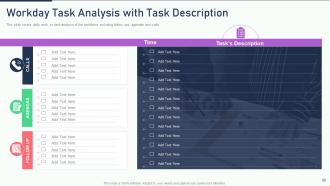
Slide 88: This is another slide continuing daily work or task analysis of the workforce.
Slide 89: This slide showcases Icons for the Ultimate Human Resources - Best Practice Tools and Templates.
Slide 90: This slide is titled as Additional Slides for moving forward.
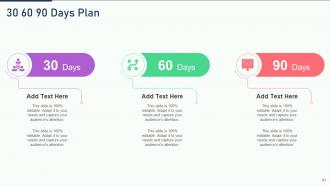
Slide 91: This slide provides 30 60 90 Days Plan with text boxes.
Slide 92: This is an Idea Generation slide to state a new idea or highlight information, specifications etc.
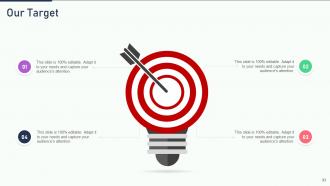
Slide 93: This is Our Target slide. State your targets here.
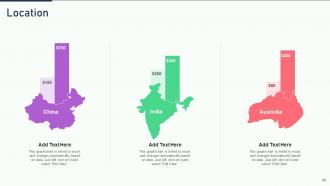
Slide 94: This is a Location slide with maps to show data related with different locations.
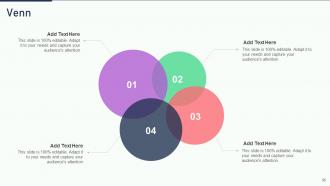
Slide 95: This slide depicts Venn diagram with text boxes.
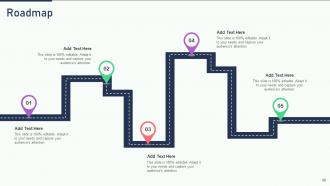
Slide 96: This slide presents Roadmap with additional textboxes.
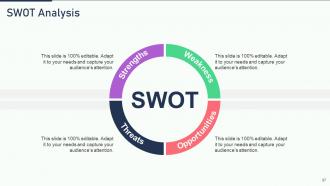
Slide 97: This slide shows SWOT describing- Strength, Weakness, Opportunity, and Threat.
Slide 98: This is a Thank You slide with address, contact numbers and email address.
The ultimate human resources best practice tools and templates powerpoint presentation slides with all 103 slides:
Use our The Ultimate Human Resources Best Practice Tools And Templates Powerpoint Presentation Slides to effectively help you save your valuable time. They are readymade to fit into any presentation structure.







FAQs for The ultimate human resources best practice tools and templates
So you'll want to handle the boring stuff first - send equipment and paperwork ahead of time so their first day isn't just filling out tax forms. Nobody wants that. Get them a buddy or mentor right away, then map out clear expectations and goals. Schedule check-ins at 30, 60, and 90 days because honestly, real integration takes way longer than most people think. Don't just focus on week one either - the magic happens over months, not days. Oh, and structure some actual activities for day one beyond just "here's your desk." Start planning that 90-day timeline now.
Okay so you'll need both the hard numbers and the softer feedback to really see what's working. Start with engagement survey scores, turnover rates, absenteeism - that's your baseline. But honestly? The survey stuff can feel pretty disconnected from reality sometimes. What actually helps is mixing that with pulse surveys and exit interviews. Also track productivity and internal promotions since engaged people usually perform better and stay longer. Oh, and don't underestimate just chatting with managers about how their teams are doing. Set quarterly check-ins to compare everything against your starting point. Definitely share the wins with leadership when things improve.
Look, D&I isn't optional anymore - it's literally how you stay competitive. Bake it into everything: hiring, reviews, promotions. The data's pretty clear that diverse companies crush it on innovation and profits. Plus good candidates will bounce if your workplace feels exclusive or backwards (learned that one the hard way at my last job). Start with an honest audit of who you're hiring and promoting. Spot the patterns, then hold managers accountable for fixing them. Short sentences work. Your best talent expects this stuff now, so you better deliver.
Honestly, start with an ATS - that's gonna give you the biggest bang for your buck right away. It'll automatically post jobs everywhere and filter out candidates who don't match your keywords. AI screening tools are pretty solid for sorting through massive applicant piles quickly. Video interviews for first rounds? Total lifesaver, especially if you're doing remote hiring. Oh, and chatbots can handle all those repetitive questions about benefits and stuff so you don't lose your mind. I'd probably skip the fancy features at first though - just get the basics running and you'll already save hours every week.
Make it a real conversation, not just you talking at them. I always document good stuff throughout the year too - not just when they mess up. Give them heads up on what you'll cover so they can think about it first. Ask about their goals and what's been tough for them lately. Honestly, managers who just wing these meetings are the worst. You need specific examples for both praise and areas to work on. Short sentences work. Then mix in some longer thoughts that actually flow naturally. Don't just point out problems - work together on solutions and next steps. That's what actually makes these things useful instead of just awkward.
Oh man, labor law compliance is such a pain but you've gotta stay current. Subscribe to some HR newsletters and hit up webinars when you can - the rules change constantly and it's honestly exhausting. Document literally everything from interviews to write-ups. Get your policies audited regularly too. Here's what really saved me though: find a decent employment lawyer you can actually talk to. Have them review your employee handbook once a year and call them before you make any big moves. Way cheaper than getting sued later. Trust me on this one - I've seen too many small businesses get burned by stuff they didn't even know was illegal.
Focus on actually listening when your team talks - seriously, most managers are terrible at this. Give feedback regularly and celebrate wins, even small ones. People need to feel heard, you know? Trust them with autonomy over their work when you can. Be transparent about decisions that affect them instead of keeping everything mysterious. Oh, and don't try changing everything overnight - pick one thing each week to improve. The biggest thing though? Model the behavior you want to see. If you're not respectful and positive yourself, why would they be?
Honestly, these programs are such a smart move. Your team gets new skills and doesn't feel stuck in the same role forever. Companies save money too since they're not constantly recruiting from outside - developing people internally is way cheaper. Plus when your industry inevitably shifts (and it will), you've got adaptable people ready to go. Retention goes up because nobody wants to work somewhere they can't grow. You don't need anything fancy to start either. Monthly lunch sessions where people share what they know? That alone can boost morale and actually teach useful stuff.
Honestly, I always talk to each person separately first - people just need to vent sometimes, you know? Don't let it fester though, deal with it fast before everyone picks sides. When you do get them in a room together, stick to what they're actually doing wrong, not "Sarah's attitude" or whatever. Guide them toward fixing it instead of religging old drama. If they're too heated, bring in someone neutral or set some hard boundaries. Oh, and definitely write down what you agreed on - I've seen too many "resolutions" fall apart a week later because nobody remembered what they actually committed to do.
Honestly, start with decent base pay - can't skimp there. Health, retirement matching, PTO are obvious must-haves. The real magic happens when you give people choices though. Some want childcare help, others prefer wellness money or learning budgets. Remote work and flex schedules? Often beat a raise, no joke. I'd actually survey your team every so often to see what they're craving. You might be surprised - what sounds amazing to you could be totally useless to them. Oh, and don't overthink the fancy stuff if you haven't nailed the basics yet.
Okay so employer branding matters way more than people think. Top talent literally researches companies before applying - they want to know if you're actually a good place to work or just pretending to be. Culture, growth opportunities, whether your managers are decent humans... all that stuff shows through your brand. It's kinda like online dating honestly - nobody swipes right without checking out your profile first! You want candidates who are genuinely excited about joining, not just desperate for any job. Start by talking to your best people about why they haven't quit yet. Their reasons? That's your brand right there.
So data analytics can help you spot turnover patterns and figure out which recruiting channels actually work. Track stuff like time-to-hire and engagement scores - that performance data is gold for promotion decisions. The coolest part? You can predict who might quit and jump in before they do. I'd start with just turnover analysis though, don't go crazy trying to measure everything right away. Also look at skills gaps before they bite you. Honestly, once you get the hang of one area, expanding to other metrics feels way more manageable.
Honestly, the biggest thing is just getting your communication rhythm down. Do weekly one-on-ones where people can actually talk about how they're feeling, not just project stuff. Set clear expectations for response times too - everyone's working from random spots now so it gets messy otherwise. Trust your team with flexible hours as long as work gets done. That's been huge for us. Also maybe upgrade your collaboration tools if they suck? I'd start by figuring out where your communication is breaking down most and fix that first. Don't try to overhaul everything at once - you'll just stress everyone out.
Honestly, start with anonymous surveys quarterly for the bigger stuff. Weekly one-on-ones help catch issues early though. Here's what I've learned - people will stop giving feedback if you don't actually act on it. Been there, done that at my old job and it was brutal getting trust back. Mix in some pulse checks too. But here's the thing - always circle back and tell people what you heard, even if you can't fix everything right away. That acknowledgment alone builds so much credibility. Don't try to implement everything at once though, you'll burn out. Pick one method first and expand from there.
Ugh, recruiting is such a nightmare right now - literally everyone's fighting over the same people. Retention's tricky too, but don't just wave money around. Career development talks and flexible schedules work way better. Deal with conflicts fast though, before they turn into total chaos. I swear, most of HR is just listening to people vent and playing referee. Oh, and get tight with your managers! When they trust you enough to bring up small stuff early, it saves you from massive headaches later. Makes your life so much easier.
-
Great experience, I would definitely use your services further.
-
Very unique, user-friendly presentation interface.