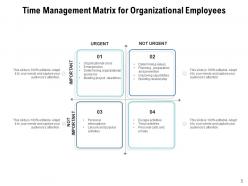
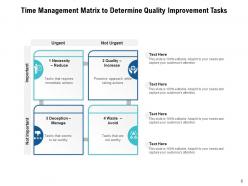
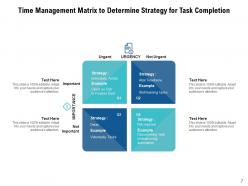
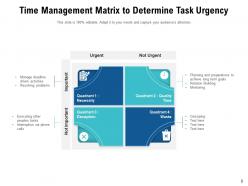
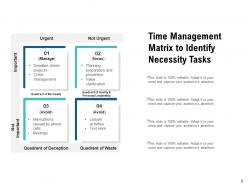
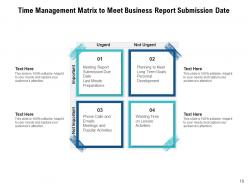
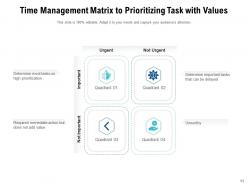
Time Management Matrix Organizational Process Improvement Employees Strategy Business
Try Before you Buy Download Free Sample Product
Audience
Editable
of Time
Our Time Management Matrix Organizational Process Improvement Employees Strategy Business are topically designed to provide an attractive backdrop to any subject. Use them to look like a presentation pro.
People who downloaded this PowerPoint presentation also viewed the following :
Time Management Matrix Organizational Process Improvement Employees Strategy Business with all 12 slides:
Use our Time Management Matrix Organizational Process Improvement Employees Strategy Business to effectively help you save your valuable time. They are readymade to fit into any presentation structure.
FAQs for Time Management Matrix Organizational Process Improvement
Key principles of effective time management include prioritization, goal setting, delegation, time blocking, and eliminating distractions. These strategies enhance productivity by focusing on high-impact activities, streamlining workflows, and maximizing available resources, with many professionals finding that strategic time allocation ultimately delivers improved work-life balance and competitive advantage in demanding business environments.
Time management techniques enhance workplace productivity by prioritizing tasks, eliminating distractions, and streamlining workflow processes through strategic scheduling and goal setting. These approaches enable organizations to reduce operational inefficiencies, minimize deadline pressures, and optimize resource allocation, with many companies finding that structured time management ultimately delivers faster project completion and improved employee satisfaction.
Goal setting provides direction, prioritization framework, and measurable benchmarks that transform scattered activities into strategic time allocation. Clear objectives enable professionals to distinguish high-impact tasks from busy work, streamline daily schedules around meaningful outcomes, and eliminate time-wasting activities, with many organizations finding that employees with defined goals deliver significantly better productivity and focus.
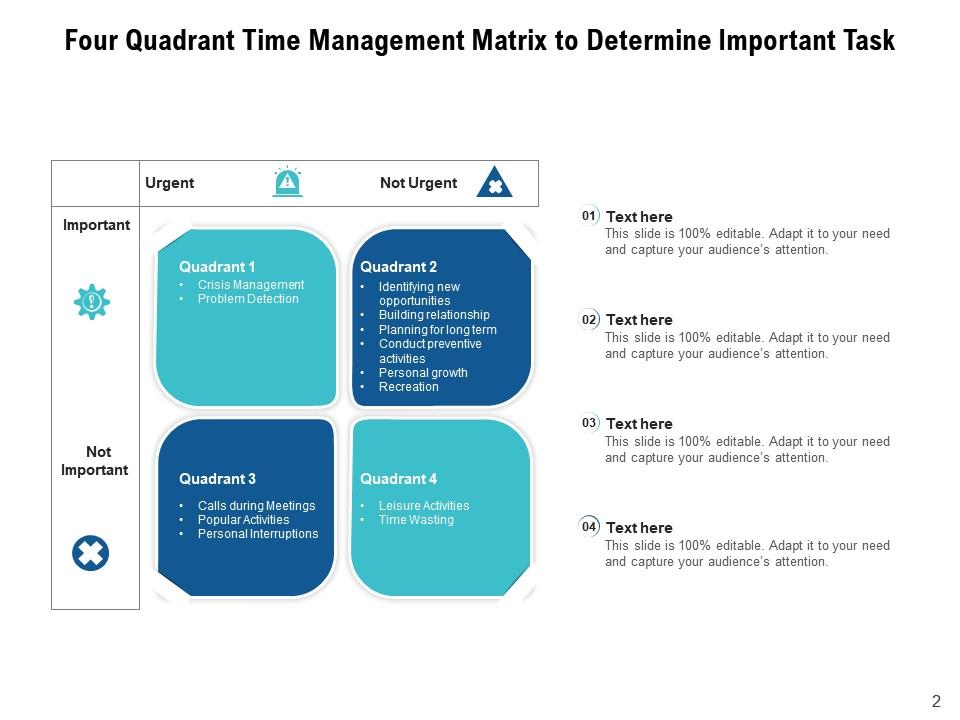
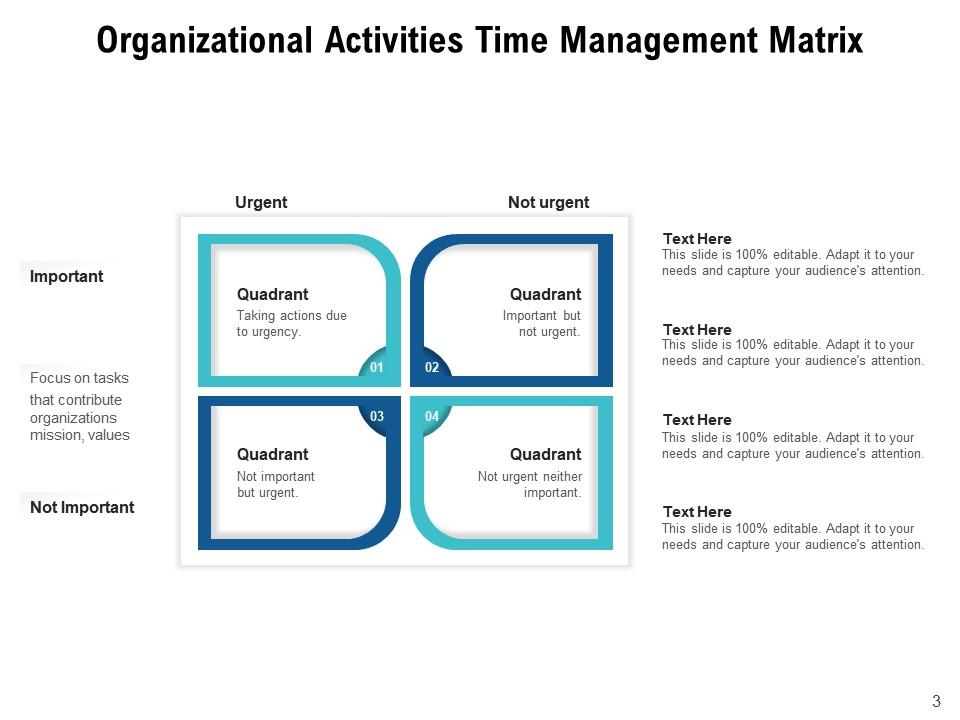
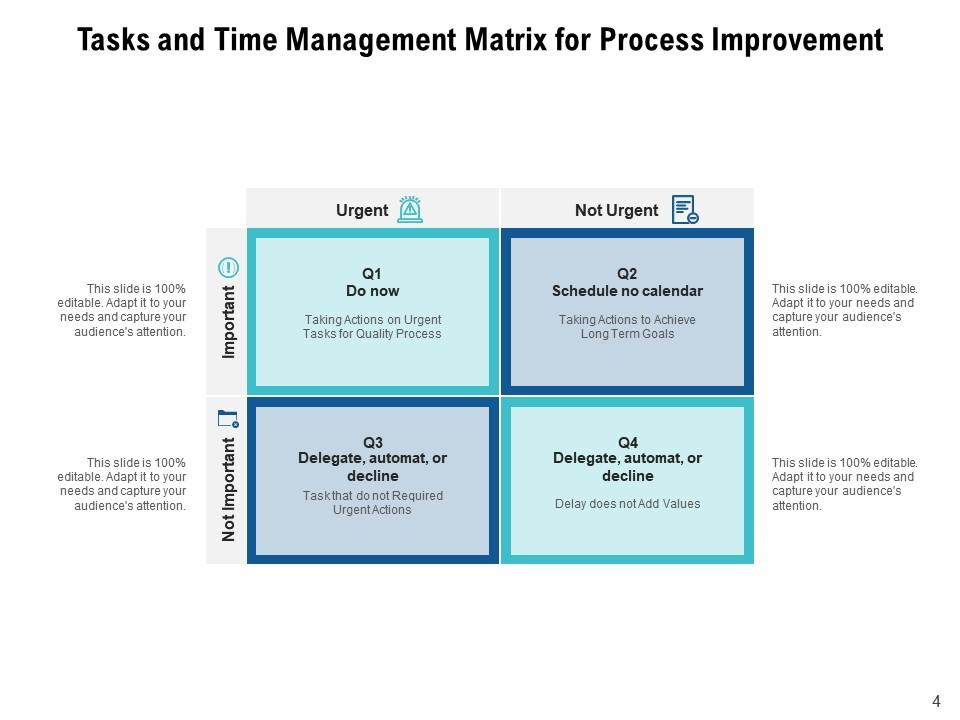
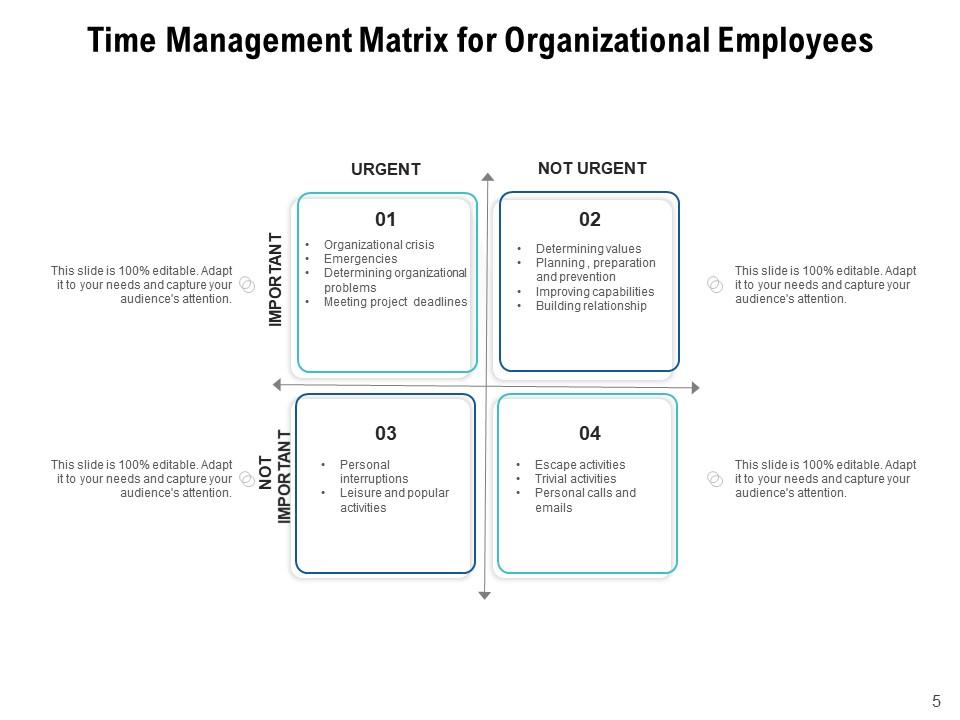
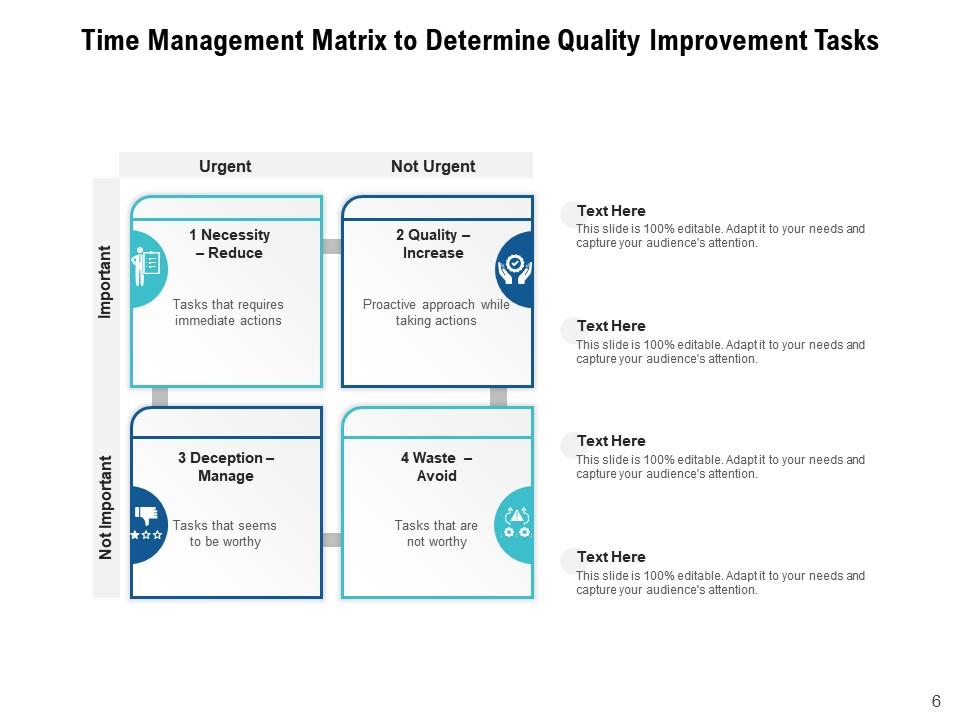
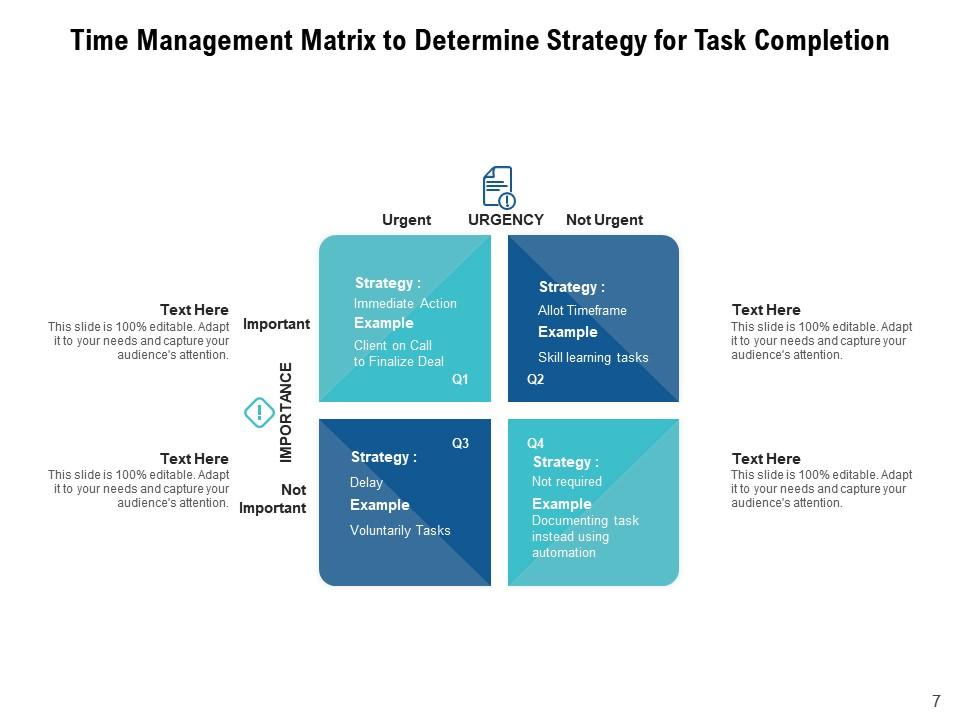
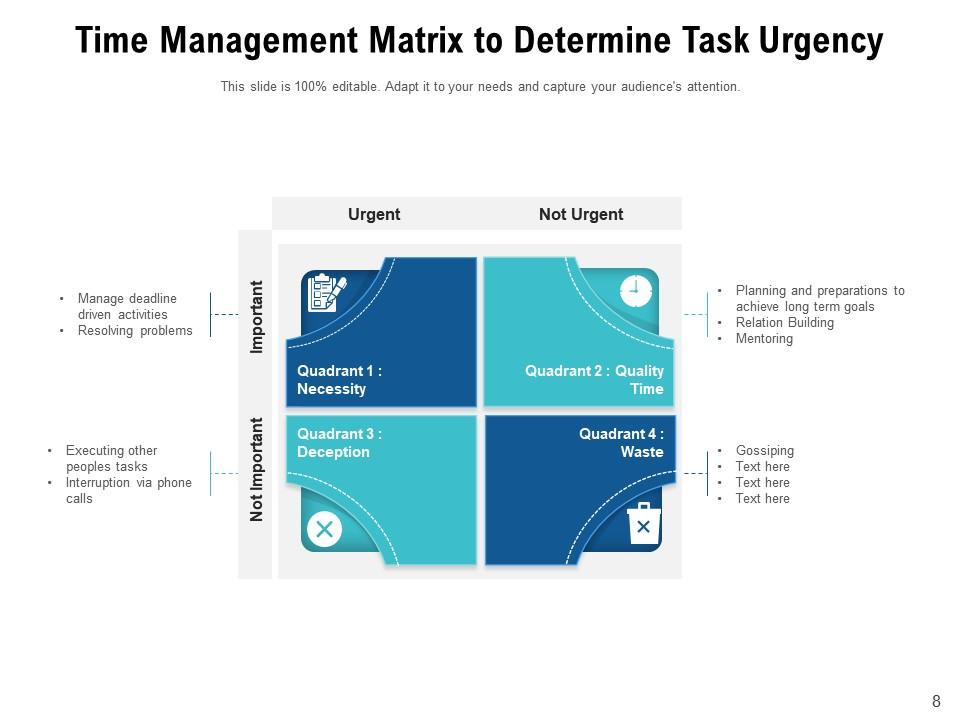
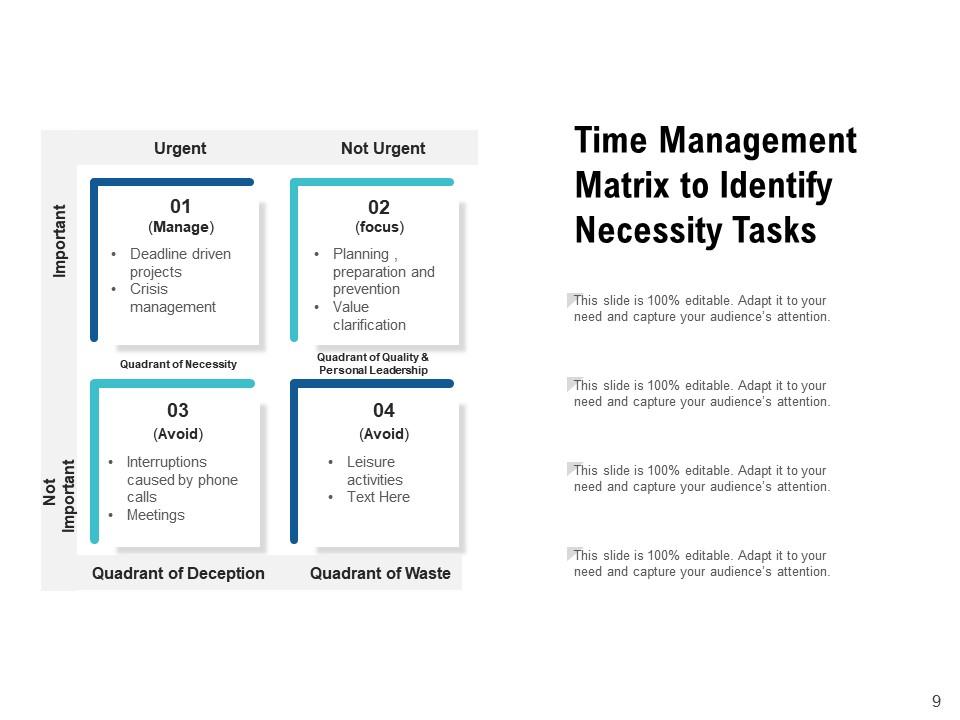
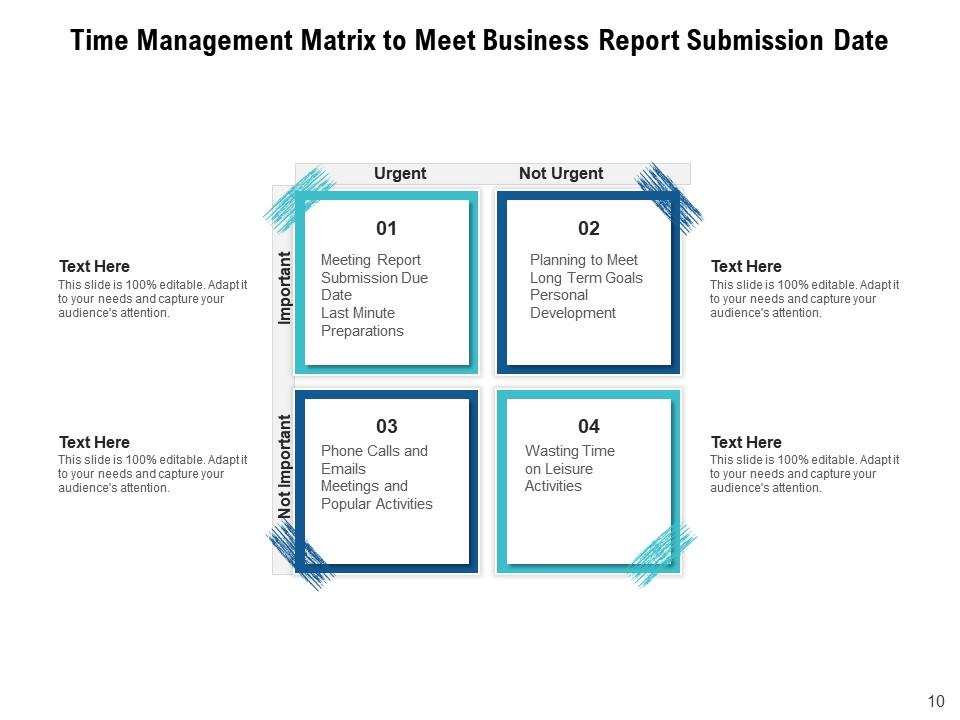
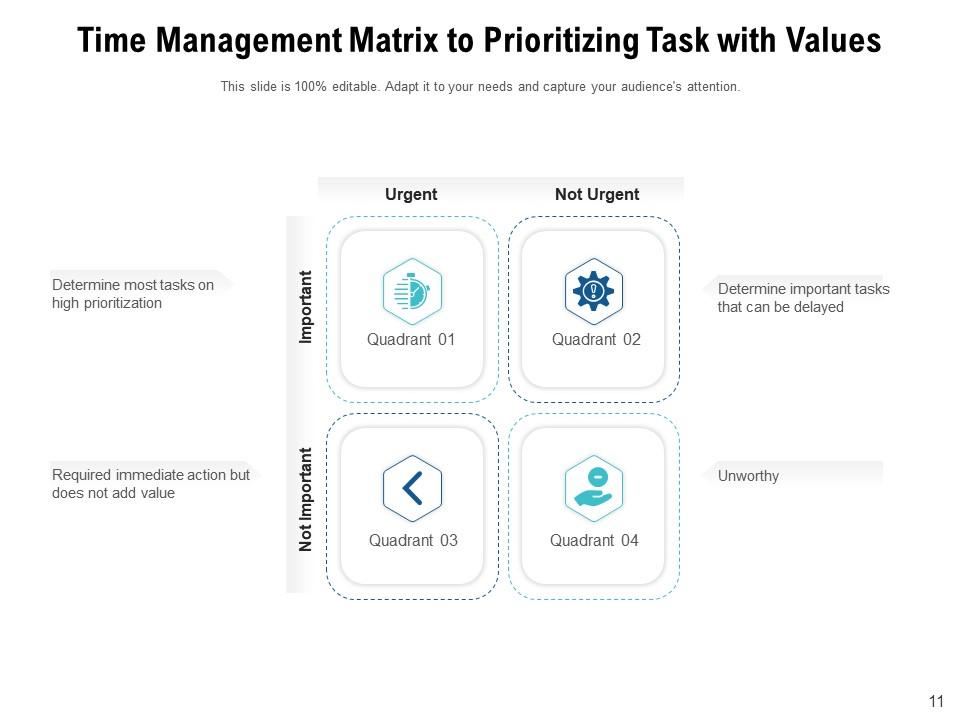
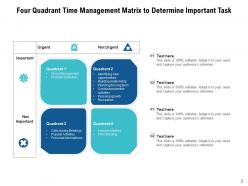
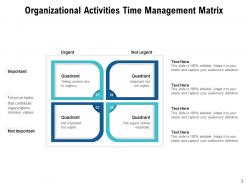
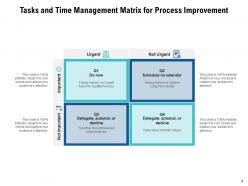
Prioritization methods like the Eisenhower Matrix improve time management by categorizing tasks based on urgency and importance, enabling focused resource allocation and strategic decision-making. Through this systematic approach, professionals streamline workflow efficiency, minimize time spent on non-essential activities, and enhance productivity outcomes, with many organizations finding that structured prioritization ultimately delivers better project completion rates and reduced workplace stress.
Leading time management tools include Toggl, RescueTime, Asana, Trello, Monday.com, and Clockify, each offering distinct tracking capabilities and task organization features. These platforms enhance productivity by automating time logging, streamlining project workflows, and providing detailed analytics, with many organizations finding that integrated solutions deliver improved resource allocation and operational efficiency.
The Pomodoro Technique involves working in focused 25-minute intervals followed by 5-minute breaks, with longer 15-30 minute breaks after every fourth cycle. This structured approach enhances concentration and productivity by creating manageable work chunks, reducing mental fatigue, and maintaining sustained attention throughout the day, with many professionals finding improved task completion rates.
Common time-wasting activities include excessive meetings, constant email checking, multitasking, social media distractions, and unclear priorities. These productivity drains can be minimized through strategic scheduling, designated communication windows, focused single-tasking approaches, and clear goal-setting frameworks, with many organizations finding that streamlined processes ultimately deliver enhanced efficiency and competitive advantage.
Time management varies significantly across industries, with manufacturing emphasizing structured schedules and deadline adherence, healthcare requiring rapid prioritization during emergencies, and creative fields allowing flexible workflows for innovation cycles. These differences reflect each sector's operational demands, with financial services professionals managing market-driven urgencies while retail managers balance seasonal fluctuations, ultimately requiring tailored approaches that enhance productivity and deliver competitive advantage.
Effective time management reduces workplace stress by enabling better prioritization, realistic deadline setting, and improved work-life boundaries, while minimizing last-minute rushes and overwhelming workloads. Through strategic scheduling and task allocation, professionals experience greater control over their responsibilities, enhanced productivity, and reduced anxiety, with many organizations finding that structured time management practices ultimately deliver healthier work environments and sustained employee engagement.
Delegation and outsourcing enhance time management by redistributing workloads, leveraging specialized expertise, and freeing up strategic focus time for core responsibilities. These approaches enable organizations to streamline operations while reducing individual task burdens, with many businesses finding that strategic resource allocation ultimately delivers improved productivity and allows leaders to concentrate on high-value decision-making activities.
Effective time management significantly enhances project delivery by improving resource allocation, reducing bottlenecks, and enabling better milestone tracking throughout project lifecycles. Teams with strong time management practices consistently deliver projects 20-30% faster, while organizations in sectors like construction, software development, and consulting find that structured scheduling approaches minimize delays, optimize team productivity, and ultimately deliver competitive advantage through reliable timeline adherence.
Mindfulness and reflection can be integrated through daily planning sessions, regular time audits, mindful task transitions, and end-of-day reviews that assess productivity patterns. These practices enhance focus and decision-making by encouraging intentional prioritization, reducing multitasking inefficiencies, and identifying time-wasting activities, with many professionals finding that structured reflection ultimately delivers improved workflow optimization and strategic resource allocation.
Managing workplace interruptions requires setting clear boundaries, using time-blocking techniques, creating designated focus periods, implementing communication protocols, and establishing physical or digital barriers. These strategies streamline productivity by minimizing context switching, protecting deep work sessions, and training colleagues on appropriate interruption timing, with many organizations finding that structured communication hours and focused work blocks ultimately deliver enhanced output and reduced stress levels.
The ability to say "no" significantly enhances time management by preventing overcommitment, protecting priority tasks, and maintaining focus on high-value activities. Through strategic boundary-setting, professionals streamline their schedules, reduce stress, and allocate resources more effectively, with many organizations finding that employees who practice selective commitment ultimately deliver higher-quality outcomes and maintain better work-life balance.
Best practices for creating a balanced daily schedule include time blocking for focused work, scheduling breaks between intensive tasks, prioritizing high-impact activities during peak energy hours, batching similar activities together, and building buffer time for unexpected demands. These scheduling strategies enhance productivity by reducing context switching, preventing burnout, and maintaining sustainable workflow patterns, with many professionals finding that structured flexibility ultimately delivers better work-life integration and consistent performance outcomes.
-
Presentation Design is very nice, good work with the content as well.
-
Professional and unique presentations.