Roteiro do Processo de Treinamento e Desenvolvimento Estilos do Modelo Ppt
Try Before you Buy Download Free Sample Product
Audience
Editable
of Time
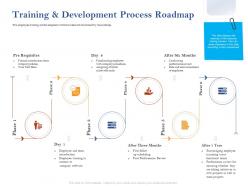
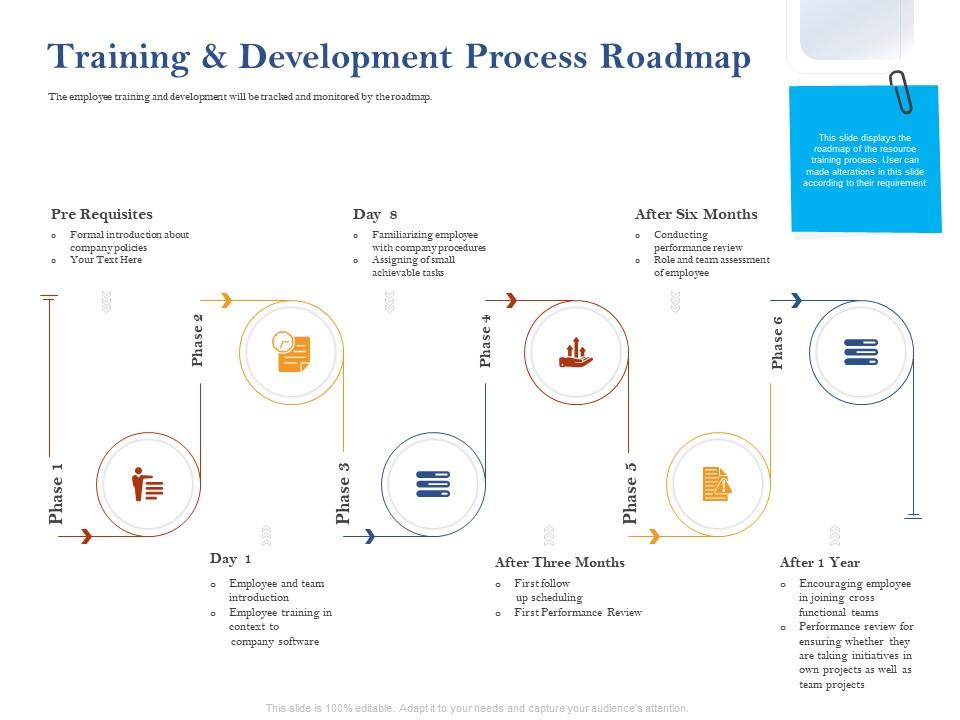
O treinamento e desenvolvimento dos funcionários serão rastreados e monitorados pelo roteiro.
Características destes slides de apresentação em PowerPoint:
O treinamento e desenvolvimento dos funcionários serão acompanhados e monitorados pelo roteiro. Apresentando este conjunto de slides com o nome Roteiro de Processos de Treinamento e Desenvolvimento Ppt Estilos de Modelos. Este é um processo de seis etapas. As etapas deste processo são o Roteiro do Processo de Treinamento e Desenvolvimento. Esta é uma apresentação PowerPoint completamente editável e está disponível para download imediato. Baixe agora e impressione seu público.
People who downloaded this PowerPoint presentation also viewed the following :
Roteiro do Processo de Treinamento e Desenvolvimento Ppt Estilos de Modelos com todos os 2 slides:
Use nosso Roteiro de Processo de Treinamento e Desenvolvimento Estilos de Modelo Ppt para ajudá-lo a economizar seu valioso tempo. Eles são readymade para caber em qualquer estrutura de apresentação.
FAQs for Training and development process roadmap
A comprehensive training and development process roadmap should include needs assessment, learning objectives definition, curriculum design, delivery method selection, resource allocation, timeline establishment, and evaluation metrics. These components work together by identifying skill gaps, creating targeted content, and measuring outcomes, with many organizations finding that systematic roadmaps enhance employee performance, reduce training costs, and ultimately deliver stronger competitive advantage.
Organizations can assess their current training and development needs through performance gap analysis, employee skill audits, competency mapping, feedback surveys, and strategic alignment reviews. This comprehensive approach enables companies to identify specific deficiencies across departments, prioritize critical skill developments, and allocate resources strategically, ultimately delivering targeted training programs that enhance productivity and competitive advantage.
Technology revolutionizes modern training programs through learning management systems, virtual reality simulations, AI-powered personalization, mobile learning platforms, and real-time analytics. These innovations streamline content delivery, enable scalable remote training, and provide data-driven insights into employee progress, with many organizations finding that digital solutions reduce training costs while enhancing engagement and knowledge retention.
Organizations align training initiatives with business goals by conducting skills gap analyses, mapping competency requirements to strategic objectives, establishing clear performance metrics, and creating development pathways that directly support revenue growth and operational efficiency. Through strategic workforce planning, companies in sectors like healthcare and financial services enhance employee capabilities while achieving measurable outcomes such as improved customer satisfaction, reduced turnover, and ultimately stronger competitive positioning in their respective markets.
Best practices for creating engaging training materials include using interactive elements, incorporating real-world scenarios, designing mobile-friendly content, implementing multimedia components, and ensuring clear learning objectives. These approaches enhance retention by combining visual storytelling, hands-on activities, and bite-sized modules, with many organizations finding that personalized learning paths and regular assessments ultimately deliver improved employee performance and faster skill development.
Organizations measure training effectiveness through participant feedback surveys, skills assessments, performance metrics analysis, knowledge retention tests, and ROI calculations. These measurement approaches enable companies to evaluate learning outcomes, track behavioral changes, and quantify business impact, with many finding that comprehensive evaluation systems ultimately deliver improved employee performance, reduced turnover, and enhanced competitive advantage.
Employee feedback on training sessions can be gathered through post-training surveys, focus group discussions, one-on-one interviews, digital feedback platforms, and real-time polling during sessions. These methods enable organizations to assess training effectiveness, identify knowledge gaps, and refine content delivery, with many companies finding that combining multiple feedback approaches ultimately enhances employee engagement and training ROI.
Continuous learning cultures develop through regular skills assessments, mentorship programs, cross-departmental training initiatives, and leadership-led knowledge sharing sessions. These approaches enhance employee engagement, retention, and adaptability by creating structured learning pathways, encouraging collaboration, and recognizing growth achievements, with many organizations finding that strategic investment in continuous development ultimately delivers improved innovation, operational efficiency, and competitive advantage.
Inclusive training strategies include multi-modal content delivery, flexible pacing options, culturally relevant examples, accessibility features, and personalized learning paths that accommodate visual, auditory, and kinesthetic preferences. These approaches streamline knowledge retention by offering varied formats, reducing barriers, and enhancing engagement, with many organizations finding that diverse training methodologies ultimately deliver improved performance outcomes and stronger workforce development across all employee demographics.
Training needs assessments should be conducted annually as a baseline, with quarterly reviews for rapidly evolving roles and immediate assessments when new technologies, regulations, or strategic shifts occur. Many organizations find that combining scheduled annual evaluations with trigger-based assessments enables them to maintain workforce relevance, address skill gaps proactively, and ultimately deliver competitive advantage through continuous capability enhancement.
**INPUT**: What metrics are most effective for evaluating the ROI of training and development investments? **OUTPUT**: Effective ROI metrics for training investments include performance improvement rates, employee retention costs, productivity gains, skill assessment scores, and revenue per employee changes. These measurements enable organizations to track tangible outcomes like reduced turnover expenses, faster project completion times, and enhanced customer satisfaction scores, with many companies finding that comprehensive metric tracking delivers clearer strategic insights and justifies future development investments. *[Word count: 60]*
Mentorship programs enhance training and development by providing personalized guidance, accelerating skill acquisition, fostering knowledge transfer, and creating supportive learning environments. Through strategic pairing of experienced professionals with developing talent, organizations streamline onboarding processes, improve retention rates, and build stronger internal networks, ultimately delivering enhanced employee engagement and faster career progression across all organizational levels.
Organizations can leverage e-learning platforms by implementing cloud-based learning management systems, mobile-responsive courses, multi-format content delivery, and real-time progress tracking capabilities. These technologies streamline training accessibility by enabling remote learning, accommodating diverse learning styles, and providing 24/7 access, with many companies finding that employees complete training 40% faster while reducing overall training costs significantly.
Organizations typically face challenges including inadequate budget allocation, employee resistance to change, measuring ROI effectiveness, aligning training with business objectives, and scheduling conflicts with daily operations. These obstacles often emerge across industries like healthcare and manufacturing, where competing priorities can derail implementation, though strategic planning and leadership commitment ultimately streamlines adoption while delivering improved performance and competitive advantage.
Cross-functional training enhances team collaboration by building shared understanding of different departments, improving communication across silos, and fostering empathy for diverse roles and challenges. Through exposure to various functions, teams develop broader perspectives, streamline workflows, and reduce interdepartmental friction, with many organizations finding that employees become more adaptable, innovative problem-solvers who drive overall performance improvements.
-
Innovative and Colorful designs.
-
Appreciate the research and its presentable format.
-
Innovative and Colorful designs.
-
Enough space for editing and adding your own content.
-
Easy to edit slides with easy to understand instructions.