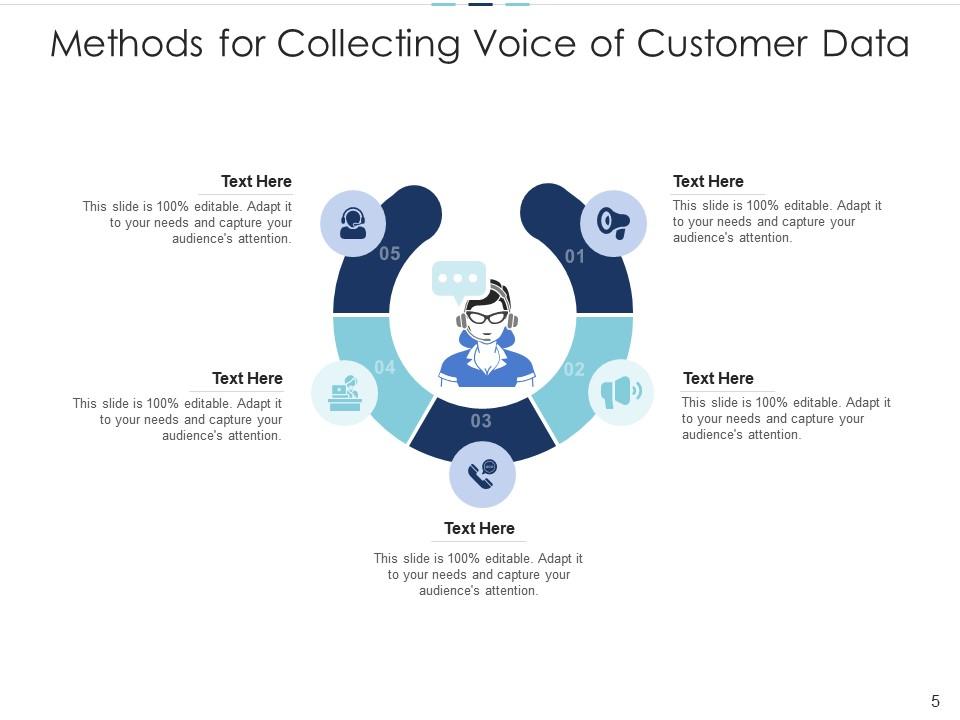
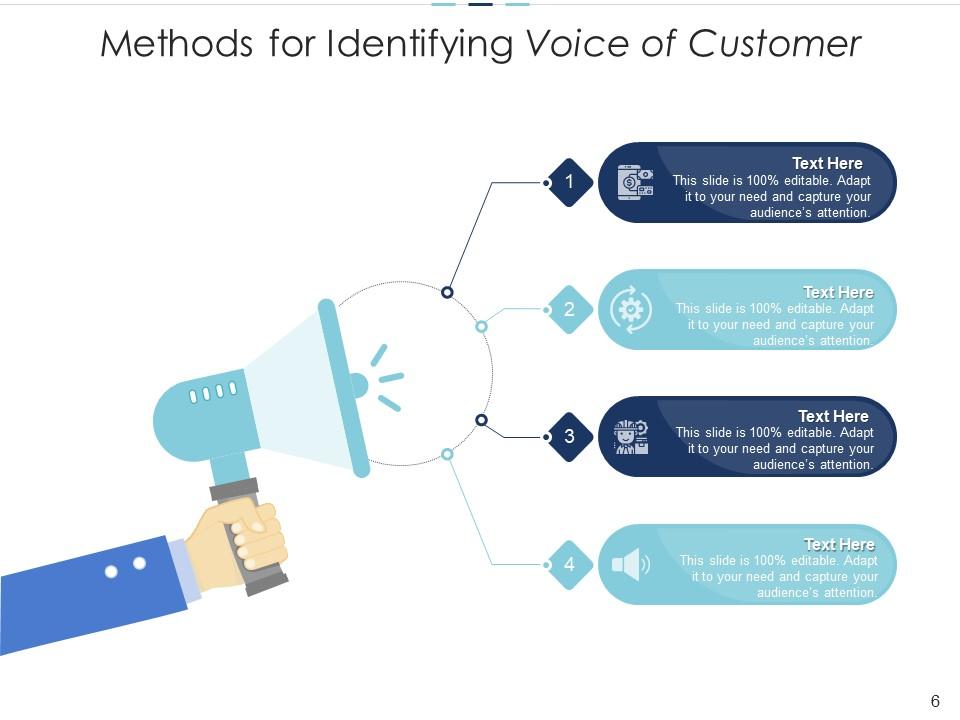
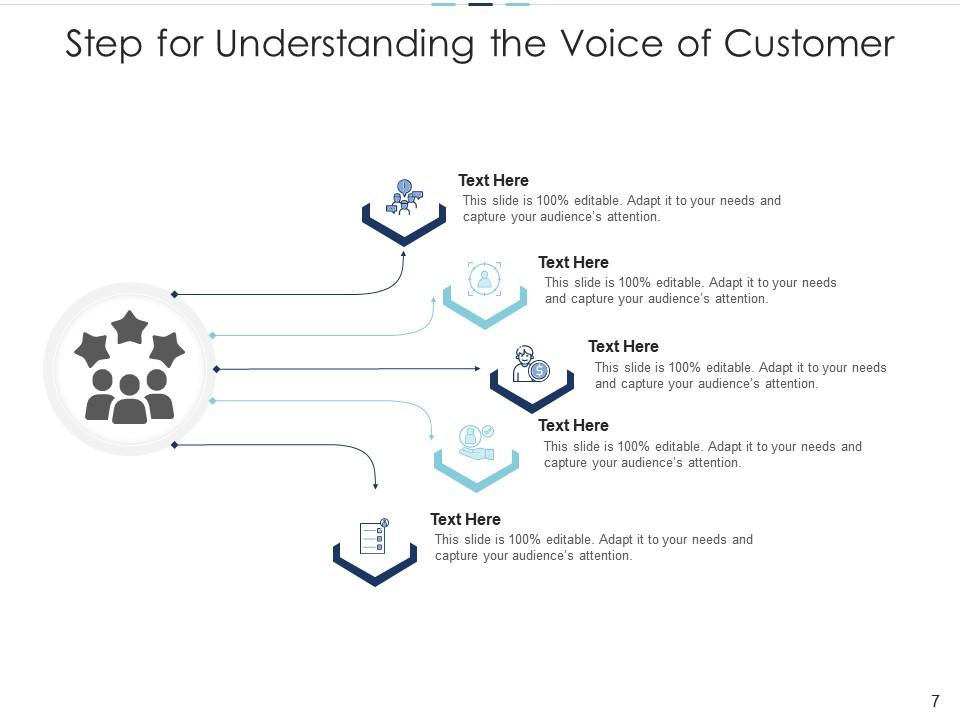
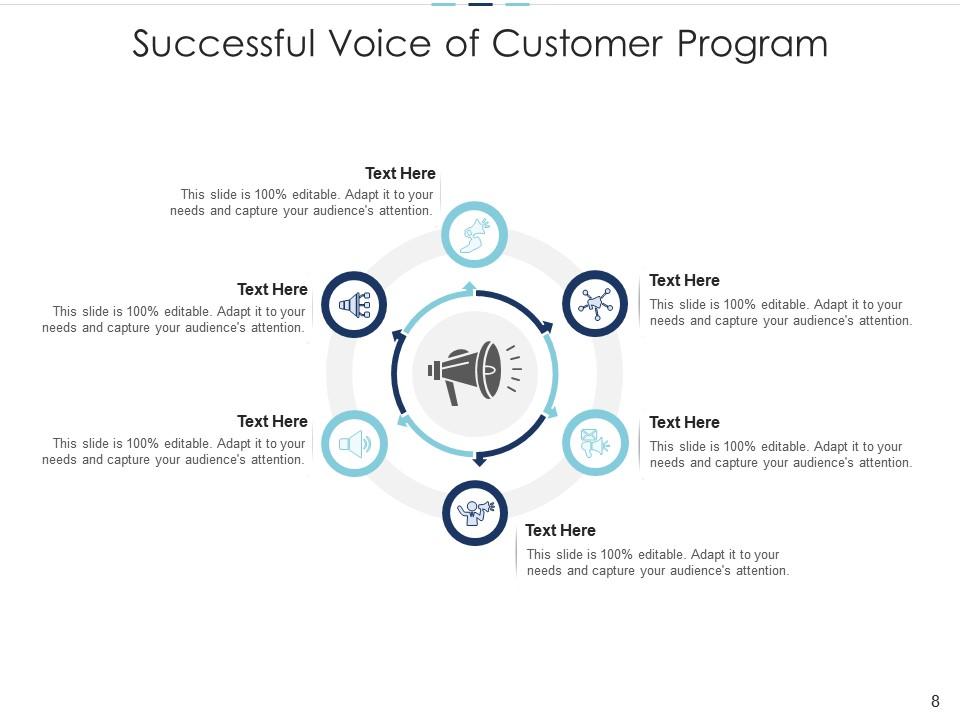
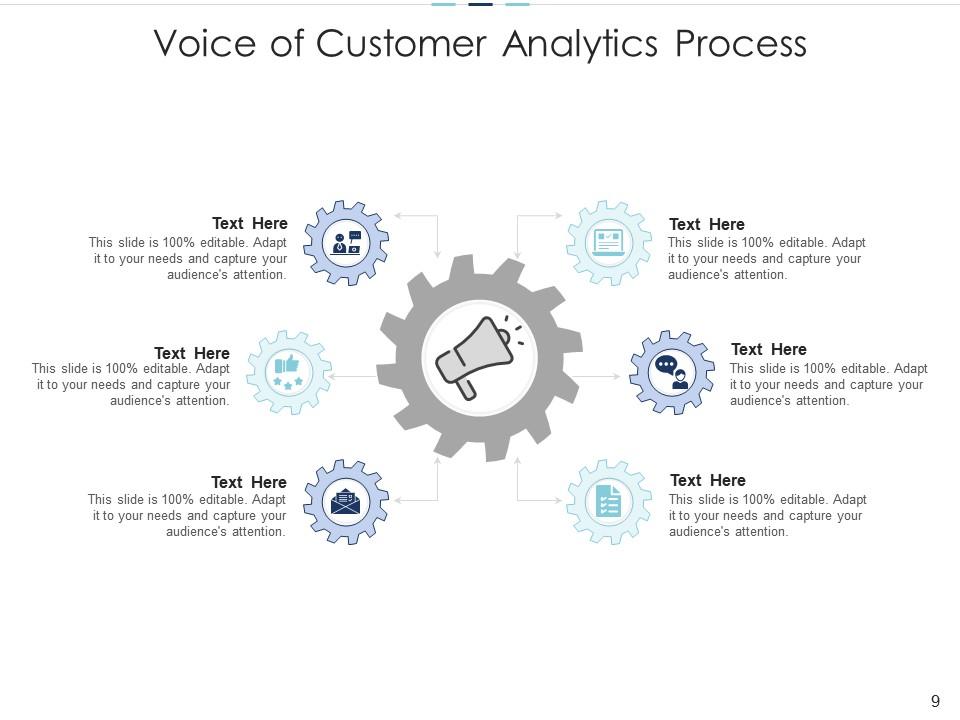
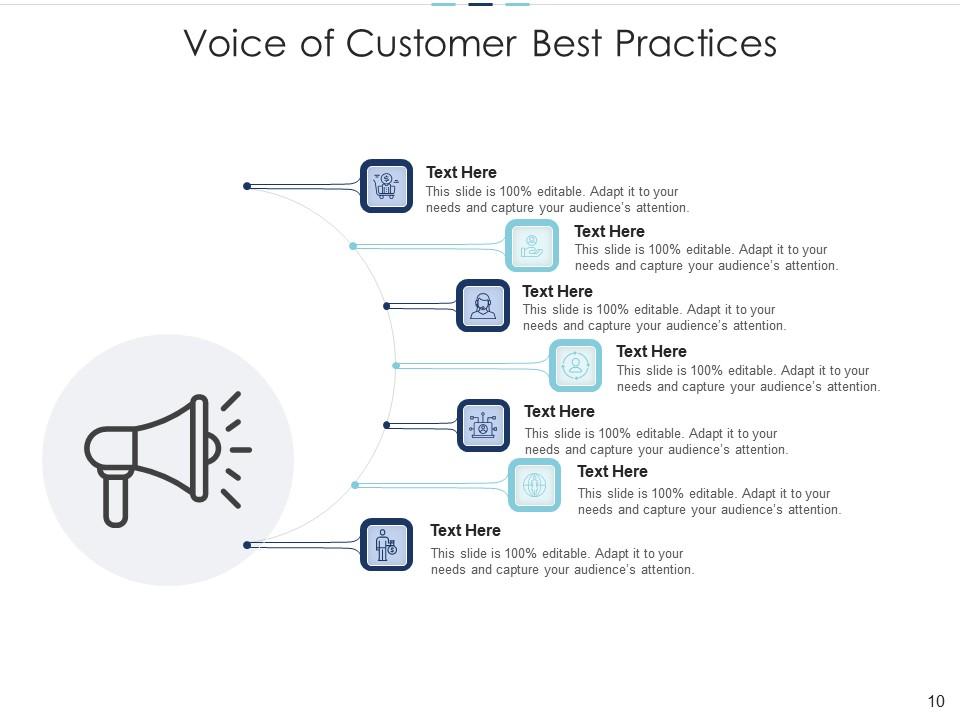
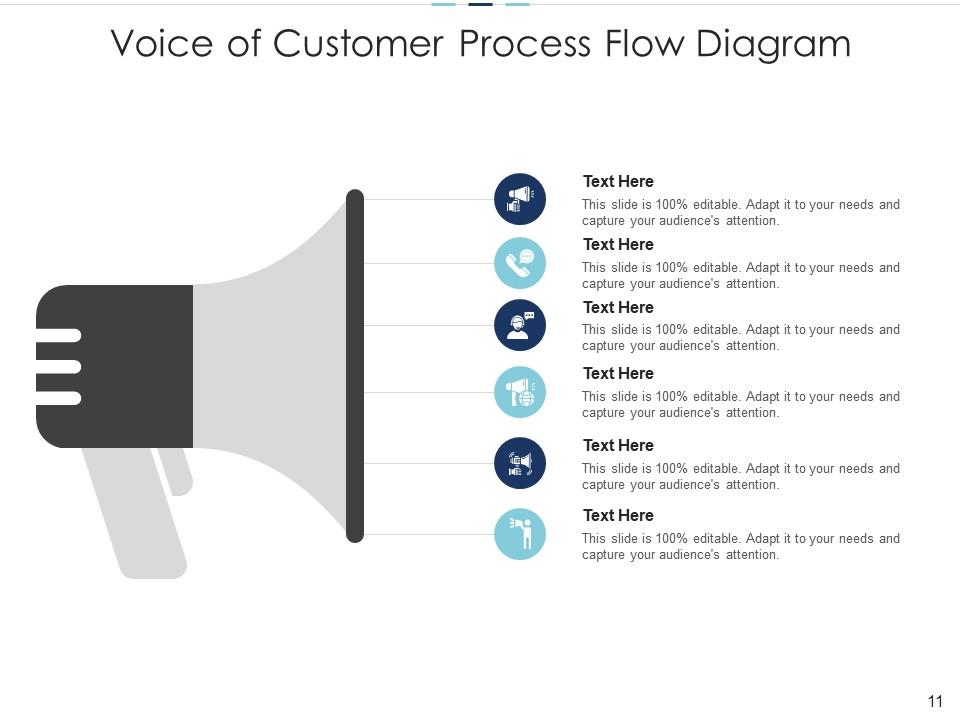
Voice of customer techniques implementing business analytics process flow diagram
Try Before you Buy Download Free Sample Product
Audience
Editable
of Time
Our Voice Of Customer Techniques Implementing Business Analytics Process Flow Diagram are topically designed to provide an attractive backdrop to any subject. Use them to look like a presentation pro.
People who downloaded this PowerPoint presentation also viewed the following :
Voice of customer techniques implementing business analytics process flow diagram with all 12 slides:
Use our Voice Of Customer Techniques Implementing Business Analytics Process Flow Diagram to effectively help you save your valuable time. They are readymade to fit into any presentation structure.
FAQs for Voice of customer techniques implementing business analytics
Honestly, most VoC programs fail because people overcomplicate them. You need feedback channels, decent analytics, and - this is where everyone screws up - actual processes to do something with the data. Grab feedback from surveys, reviews, support tickets, whatever. Analytics help you make sense of it all (raw feedback is basically noise). But here's the thing - I've seen so many companies just hoard insights in dashboards that nobody checks. The real magic happens when you've got clear workflows turning those insights into stuff your team can actually act on. Start small though. Pick maybe 2-3 channels you won't neglect, then build from there.
Honestly, start with email surveys for your regular customers and social media monitoring - that's where people say what they really think. Your support team is sitting on gold though, they hear all the actual complaints every day. I'd also set up alerts for Google and Yelp reviews, plus whatever sites matter in your industry. The trick is dumping everything into one place so you can actually see the bigger picture. But seriously, pick like 2-3 things you can actually keep up with instead of going crazy trying to track everything at once.
Start with sentiment scores - they'll give you the fastest read on how customers actually feel. After that, dig into effort scores and CSAT/NPS since those numbers directly predict who's sticking around. Theme frequency is where the real gold is though. Like, if 200 people are complaining about your slow checkout, that's obviously way more urgent than someone's weird rant about font choices (even if those can be pretty hilarious). Don't waste time on vanity stuff like total mention counts. Track your resolution rates and watch how sentiment changes over time. Get comfortable with these basics first, then you can add the fancy industry-specific metrics later.
Look, VoC analytics stops you from just guessing what customers want. Instead of making assumptions, you're getting real data about their actual experiences with your brand. Pain points become super obvious. You can catch problems early and fix what actually matters to people, not what you think matters. It's honestly like having customers tell you exactly what's bugging them - which beats sitting in meetings debating opinions all day. The trick is turning those insights into action plans that tackle the stuff customers genuinely care about most.
So sentiment analysis shows you the *emotions* behind customer feedback, not just the words. Like, you might get hundreds of mentions about your product, but are people actually pissed off or loving it? Makes a huge difference, right? The tool sorts everything into positive, negative, or neutral buckets automatically. Super helpful for spotting patterns fast. I'd start with your recent support tickets - that's where the real drama usually lives anyway. You'll probably be surprised by what's actually bugging people versus what you think is the problem.
So basically, VoC data helps you figure out what customers actually want instead of just throwing features at the wall. Look through their feedback, reviews, surveys - all that stuff - to find the real pain points. Way smarter than guessing, honestly. Don't wait until you're done building to ask for input though. Set up feedback loops during development too. Oh, and segment the data by customer type so you know which issues to tackle first. I'd start by matching current complaints to actual product fixes you could make.
So you've gotta make those customer insights impossible to ignore throughout your whole company. Share actual customer quotes in meetings, throw up some dashboards on office screens, weave real stories into executive presentations. Data dumps are useless - people just tune out. Train your teams to actually connect these insights to what they're doing day-to-day. Oh, and definitely celebrate when someone acts on customer feedback and show what changed because of it. Honestly, the goal is making customer voices as loud inside your company as they are outside. Regular feedback loops are your friend here.
Honestly, you're probably only hearing from your loudest customers right now. Mix up where you're getting feedback - social media, support tickets, app reviews, even actual phone calls. The quiet ones usually have the best insights, I swear. Don't just stick to surveys either. Map out who's actually giving you feedback versus who your real customers are. That gap? That's where you need to focus. Oh, and break down your analysis by customer type - different groups will show totally different patterns. Cast a wider net basically.
There's a bunch of good options out there. Medallia and Qualtrics are solid for the specialized stuff, but honestly Power BI or Tableau work fine if you're already using them. For text analysis, MonkeyLearn's pretty decent at parsing feedback and social mentions. The whole landscape shifts constantly though - gives me a headache keeping up! Check your CRM first since it might already handle basic VoC features. I'd start by figuring out what you're actually working with - surveys, reviews, support tickets, whatever. Then just grab tools that connect to those sources. Don't overcomplicate it right off the bat.
Honestly, measuring VoC ROI is kinda messy but doable. Track stuff like customer retention, NPS scores, support tickets, and revenue per customer before and after your program launches. The hard part? Proving those improvements actually came from your VoC work - requires some serious detective skills. Do the math: take your dollar improvements (less churn, more purchases) minus what you spent on the program. Most companies I've seen hit 3-5x ROI in year one, which isn't bad. My advice? Pick 2-3 metrics that actually matter to your business and get those baseline numbers locked down now.
Honestly, data silos are gonna be your biggest pain point. Customer feedback gets scattered everywhere - surveys, social media, support tickets, you name it. No unified view whatsoever. Plus getting executives on board is brutal since they want hard ROI numbers and VoC insights feel pretty abstract. Data quality will make you want to pull your hair out too. Analyzing tons of unstructured text is no joke either. The real kicker? Most companies just build pretty dashboards instead of actually acting on insights. My advice: pick one channel first, show some quick wins, then expand from there.
Here's what I'd do - dig into the actual words customers use, not just star ratings. Group their feedback by topic: pricing gripes, feature wishes, service problems, whatever keeps popping up. If everyone's saying your product is "too complicated," boom - you've got your next campaign angle. Play up how simple it is. Your competitor has terrible support? Perfect chance to show off yours. Honestly, just throw it all in a spreadsheet and check monthly trends. Then tweak your marketing based on what you're seeing. It's way more useful than you'd think.
Okay so first thing - be upfront about what you're collecting and why. Don't bury consent in some massive terms page nobody reads. Only grab data that's actually useful for your feedback analysis, not everything you can get your hands on. GDPR stuff isn't just legal nonsense, it's honestly pretty solid guidance to follow anyway. Skip the sensitive personal details unless you really need them. Anonymize when you can, keep everything secure obviously. I always think about it like this - would I be cool with a company handling my data this way? Document your process too so you can show you're not being sketchy about it.
You definitely need both, trust me. Quantitative stuff gives you the hard numbers - satisfaction scores, trends, who's complaining most. But that's just the "what." Qualitative feedback is where you get the juicy details about why customers are actually mad or happy. Numbers can be super misleading without context - like, maybe your score dropped but you don't know it's because your checkout process sucks. I'd start with the data to spot red flags, then dig into the actual comments and interviews to figure out what's really broken.
Competition means you gotta listen way better than everyone else. Track what customers say about your stuff vs. the other options they're looking at. People always compare anyway - might as well use that intel. Set up alerts for when competitors get mentioned in your feedback. Look for patterns where they're beating you and spots where they're screwing up. Benchmark your satisfaction scores too, but honestly the real gold is in those comparison comments. That's where you'll find the gaps that actually matter for staying ahead.
-
Understandable and informative presentation.
-
Awesome presentation, really professional and easy to edit.