Warehouse Inventory Powerpoint Ppt Template Bundles

Rating:
100%
Warehouse Inventory Powerpoint Ppt Template Bundles
Slide 1 of 32
Favourites Favourites

Try Before you Buy Download Free Sample Product

Audience Impress Your
Audience
Editable 100%
Editable
Time Save Hours
of Time
The Biggest Sale is ending soon in
0
0
:
0
0
:
0
0
Rating:
100%
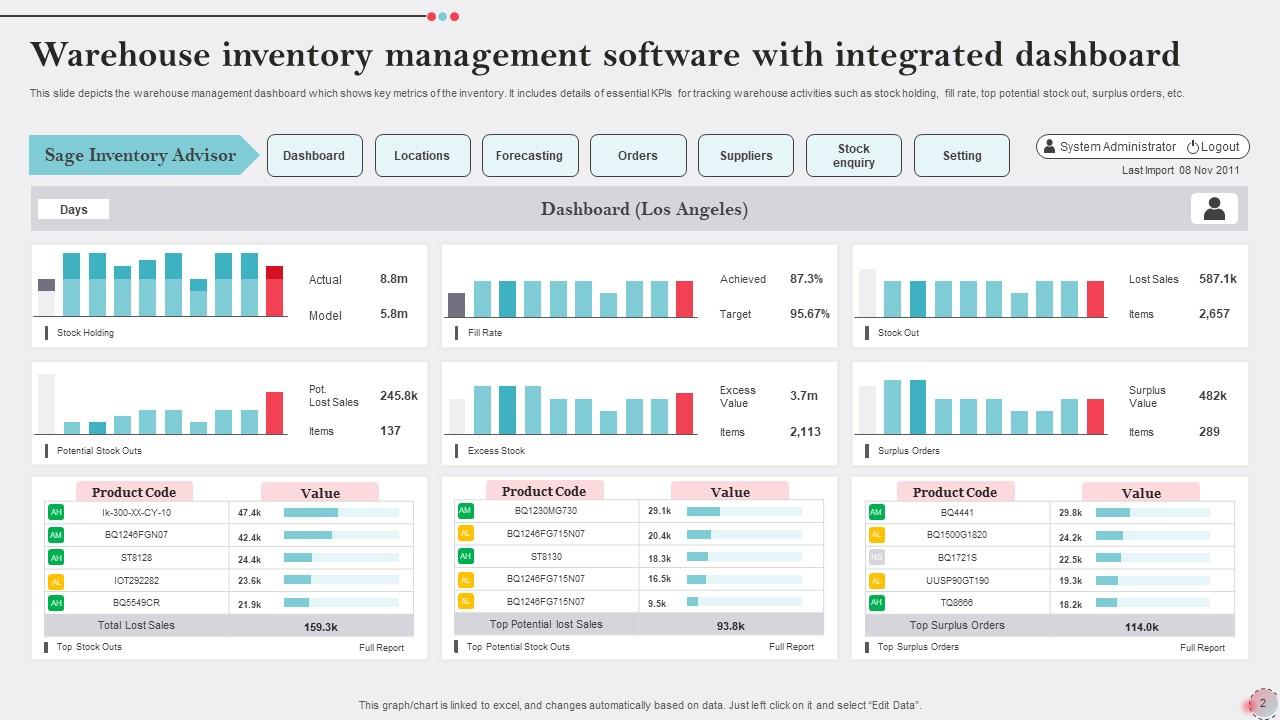
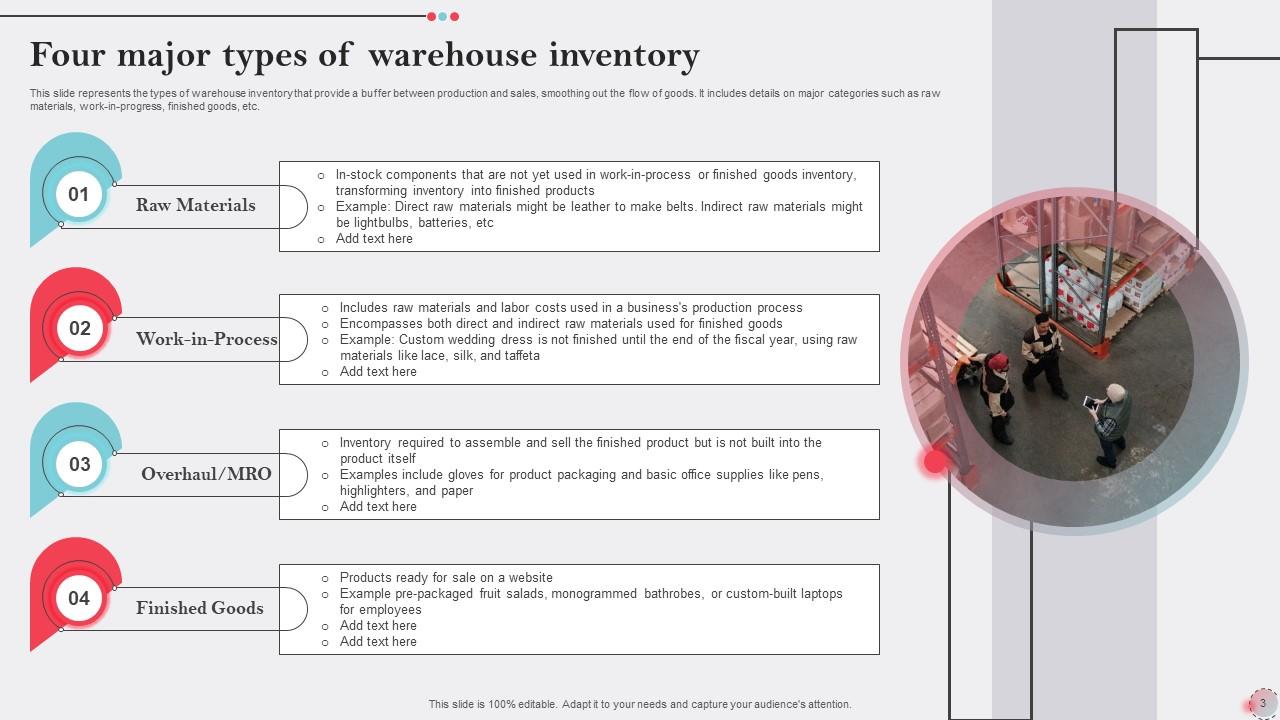
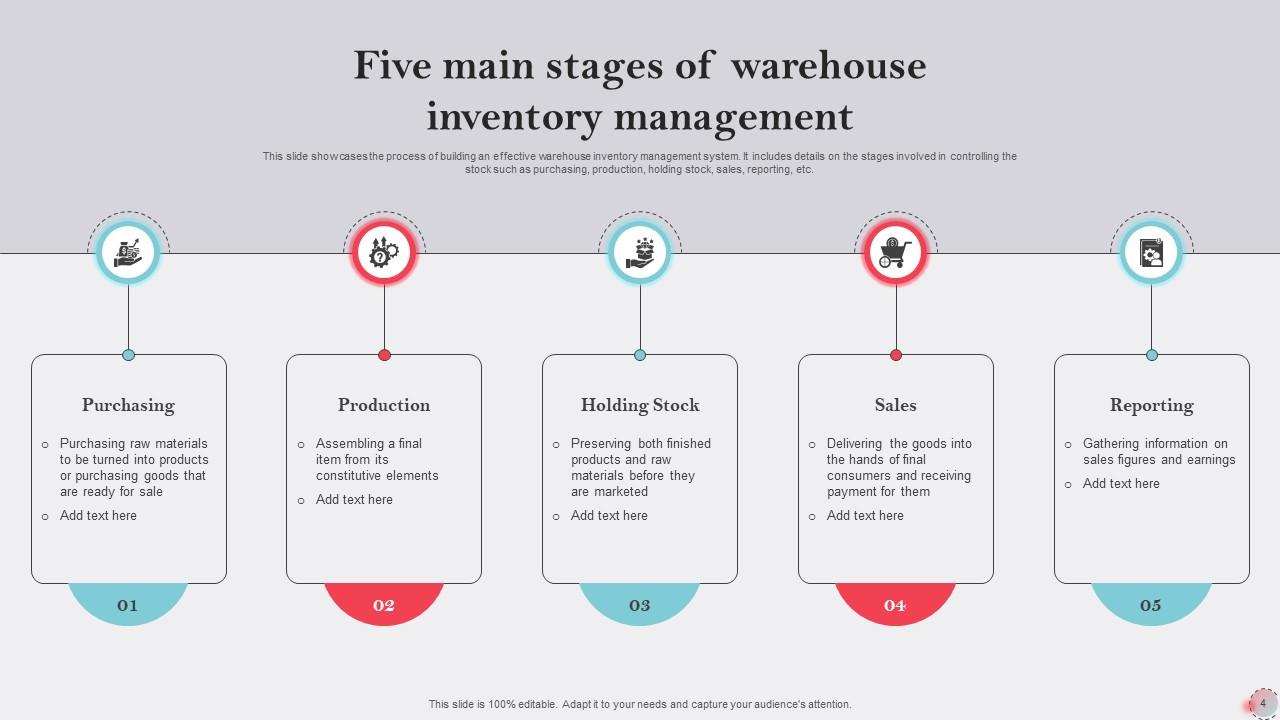
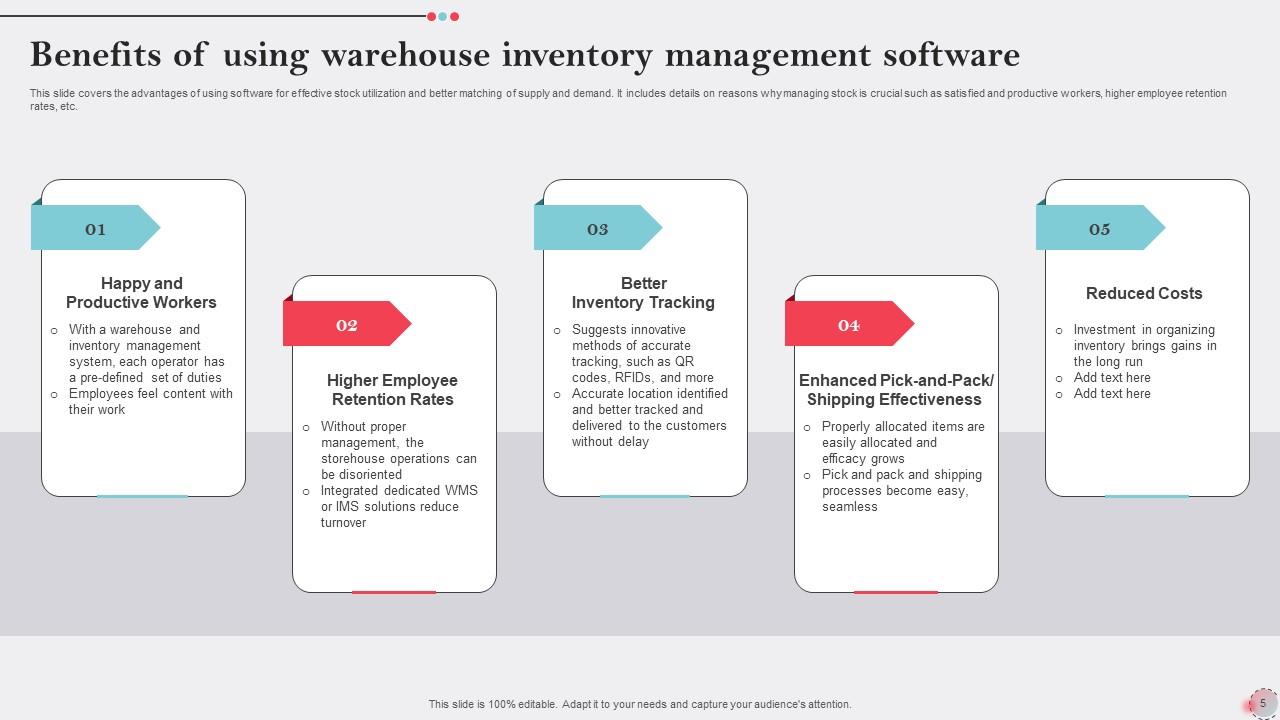
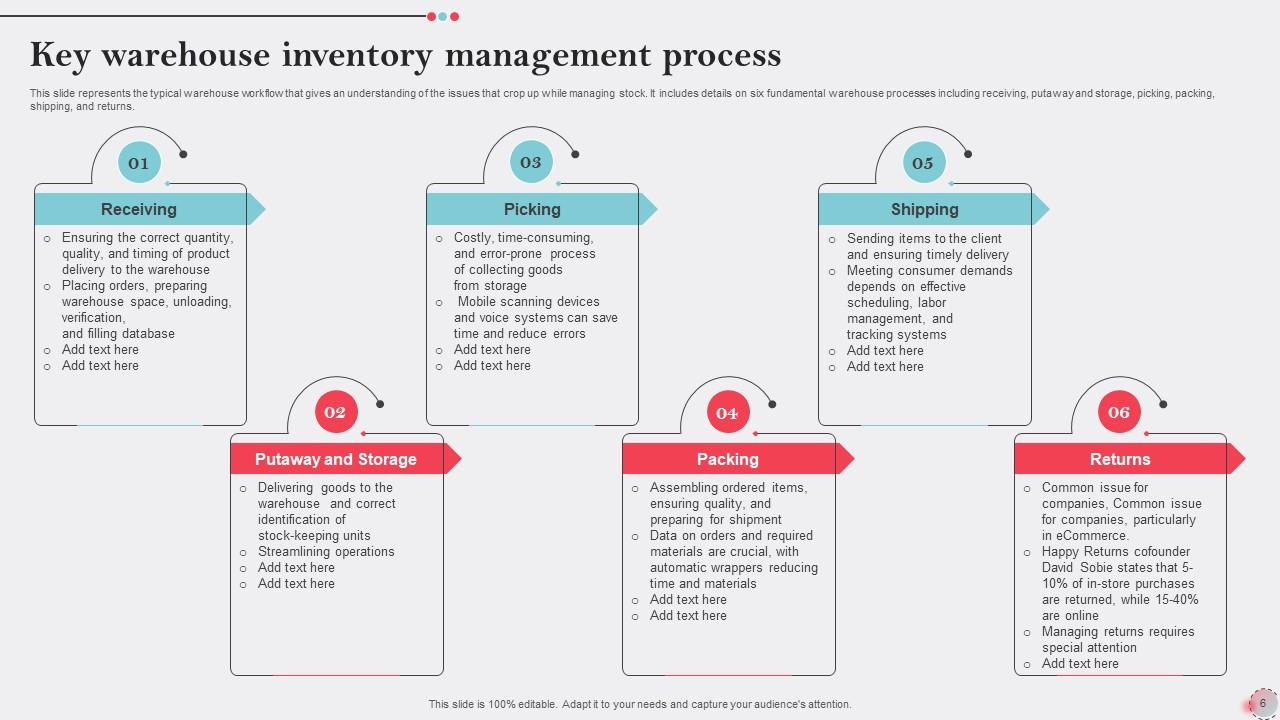
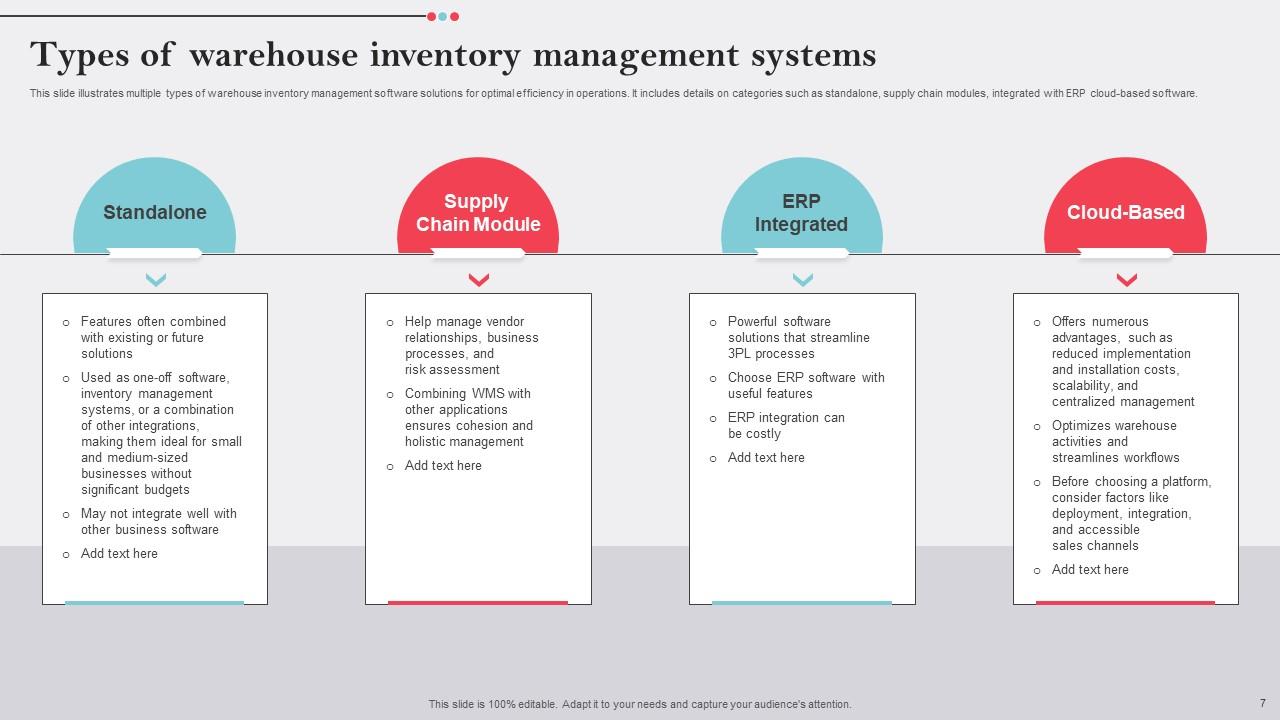
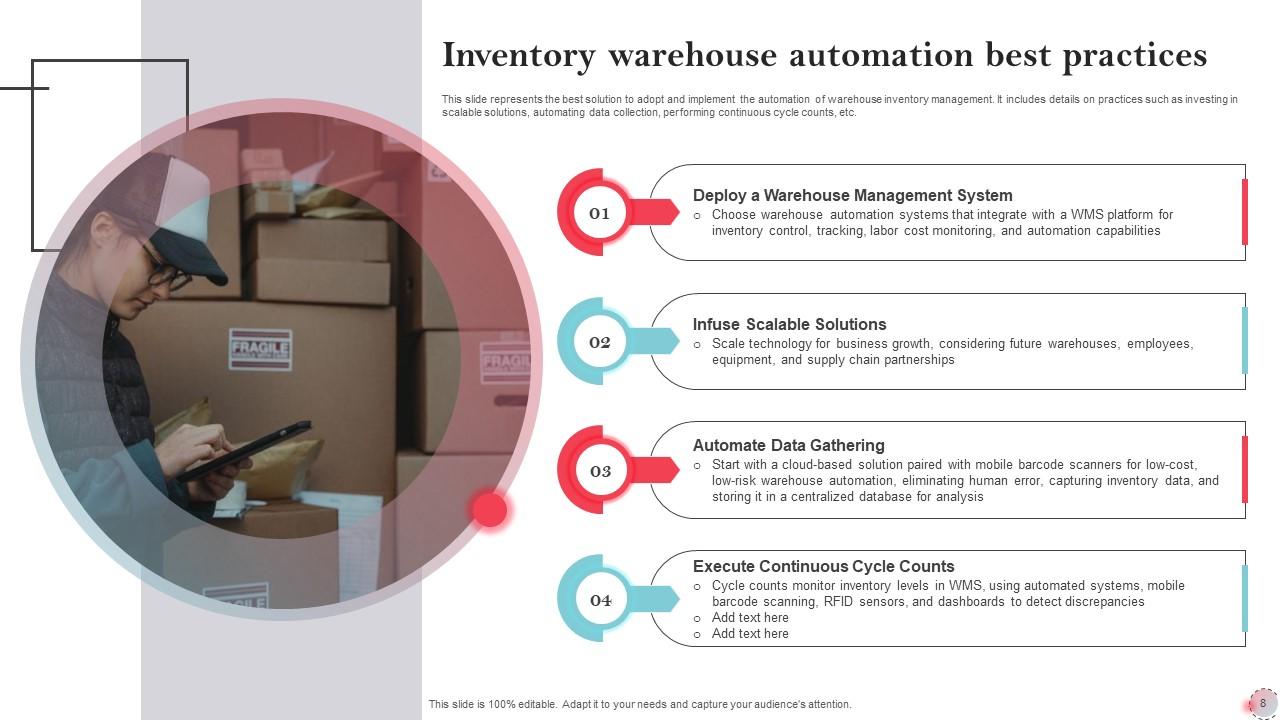
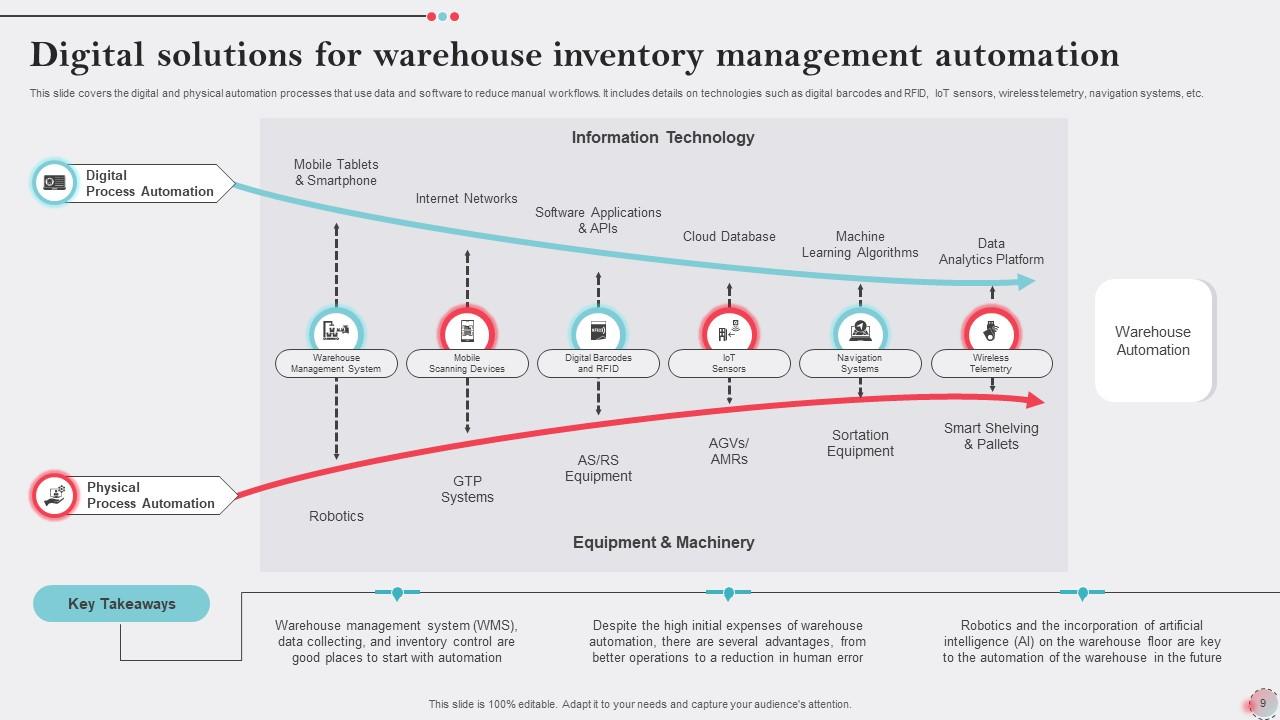
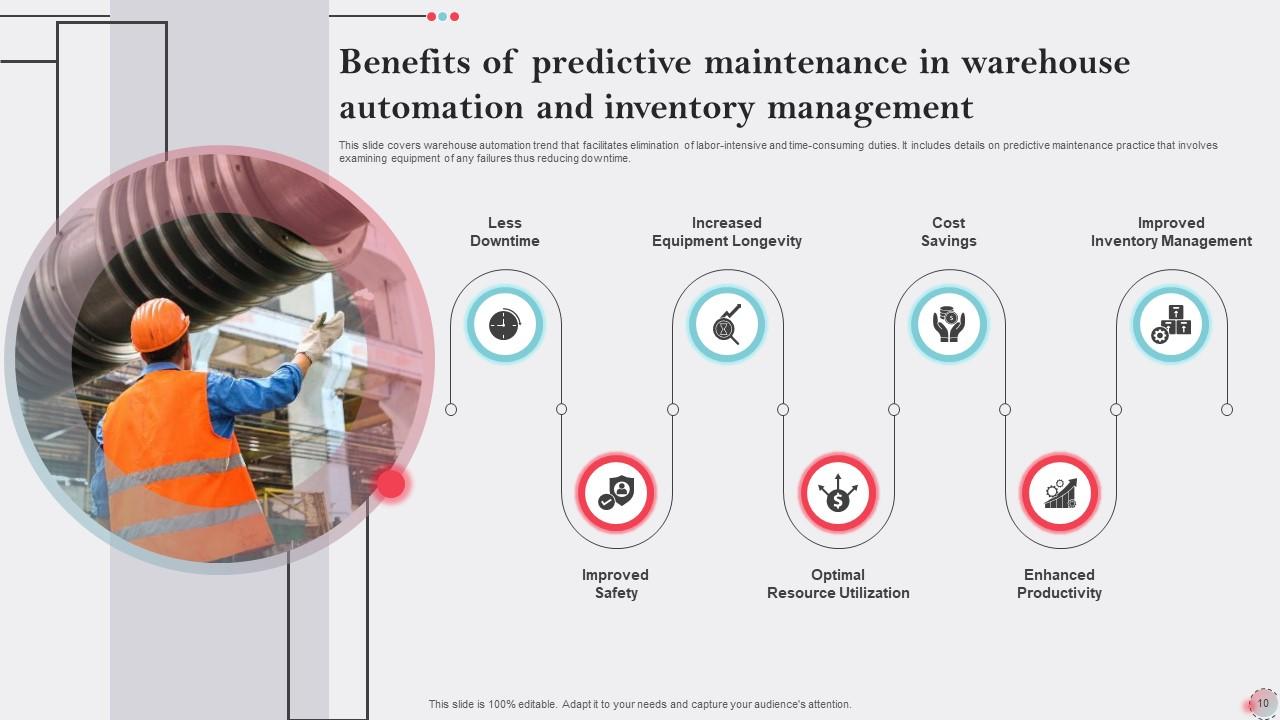
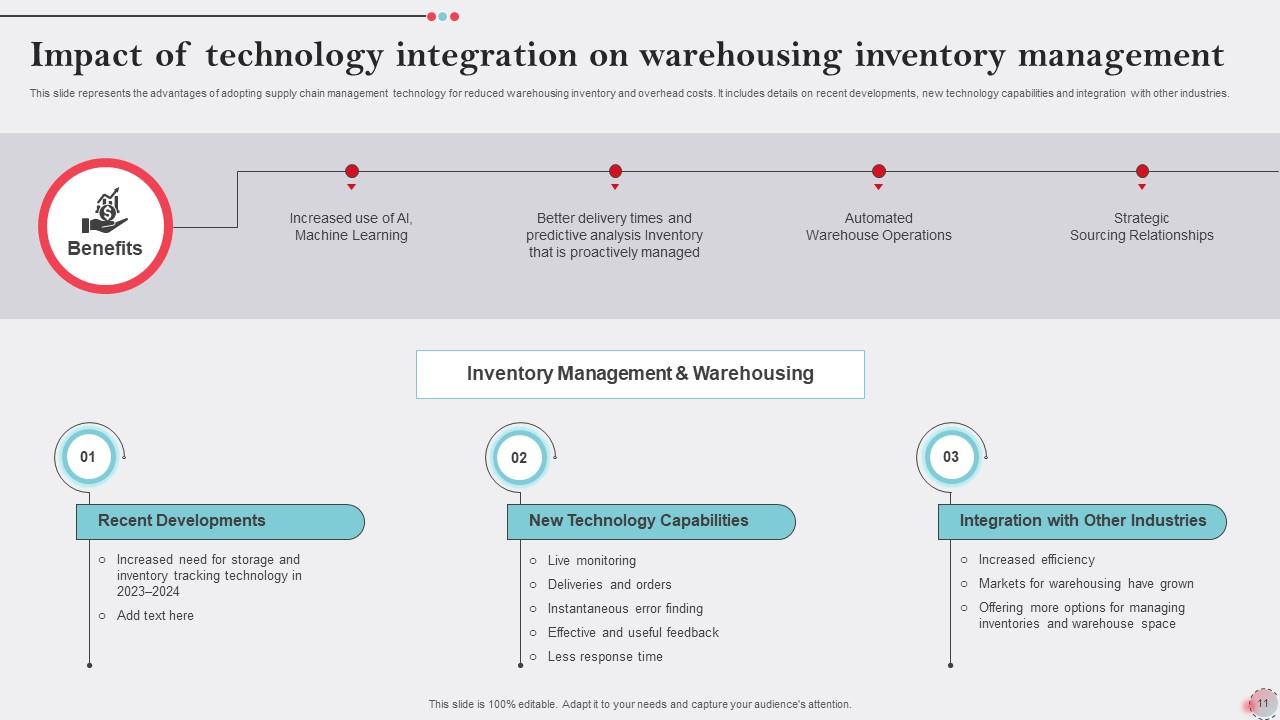
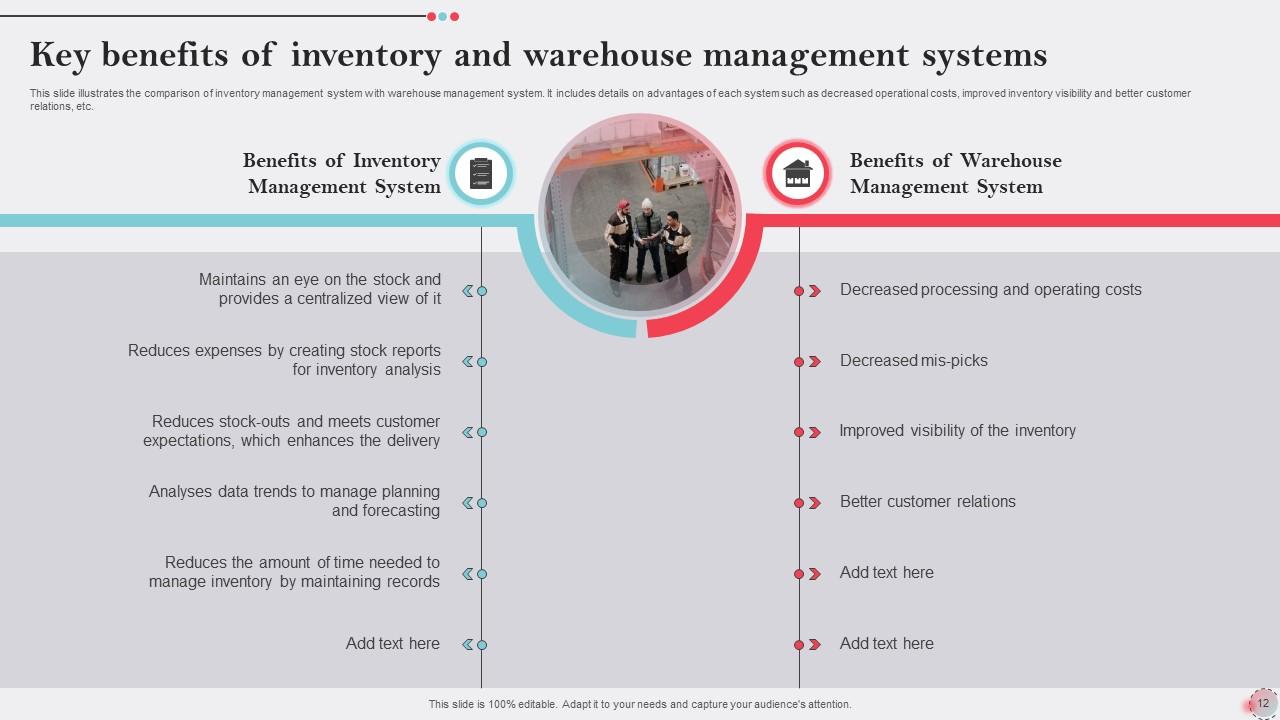
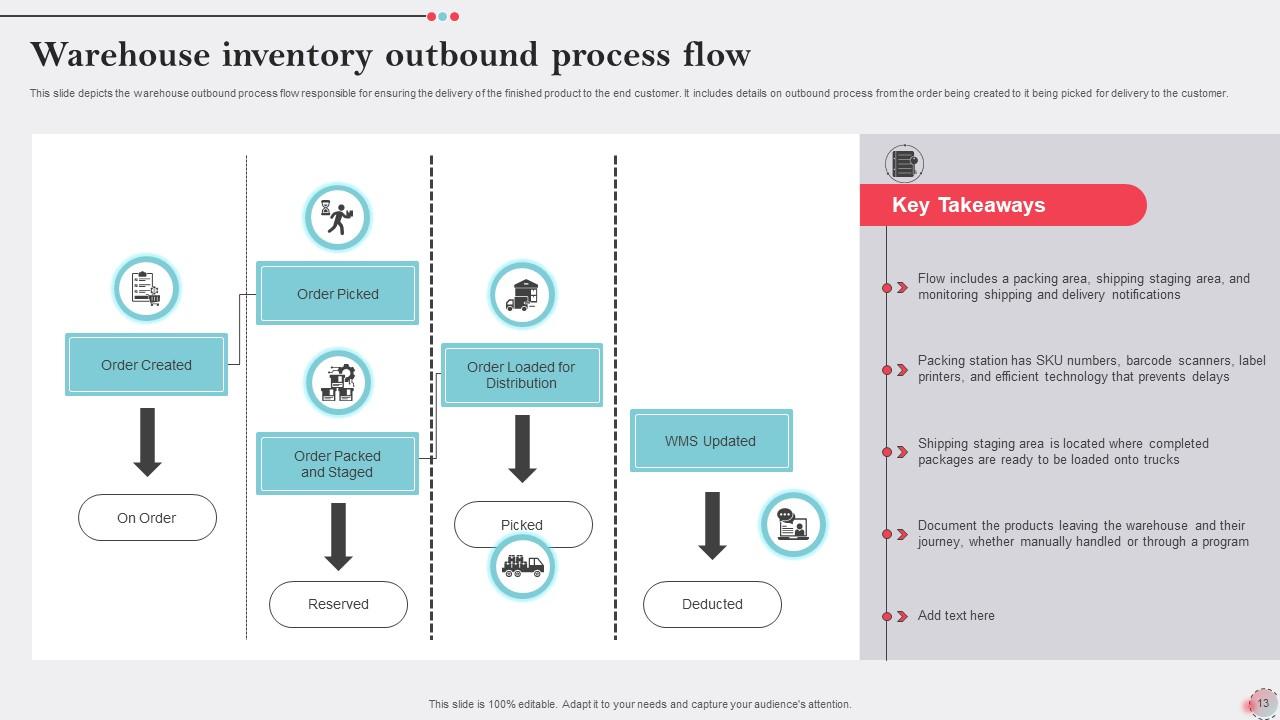
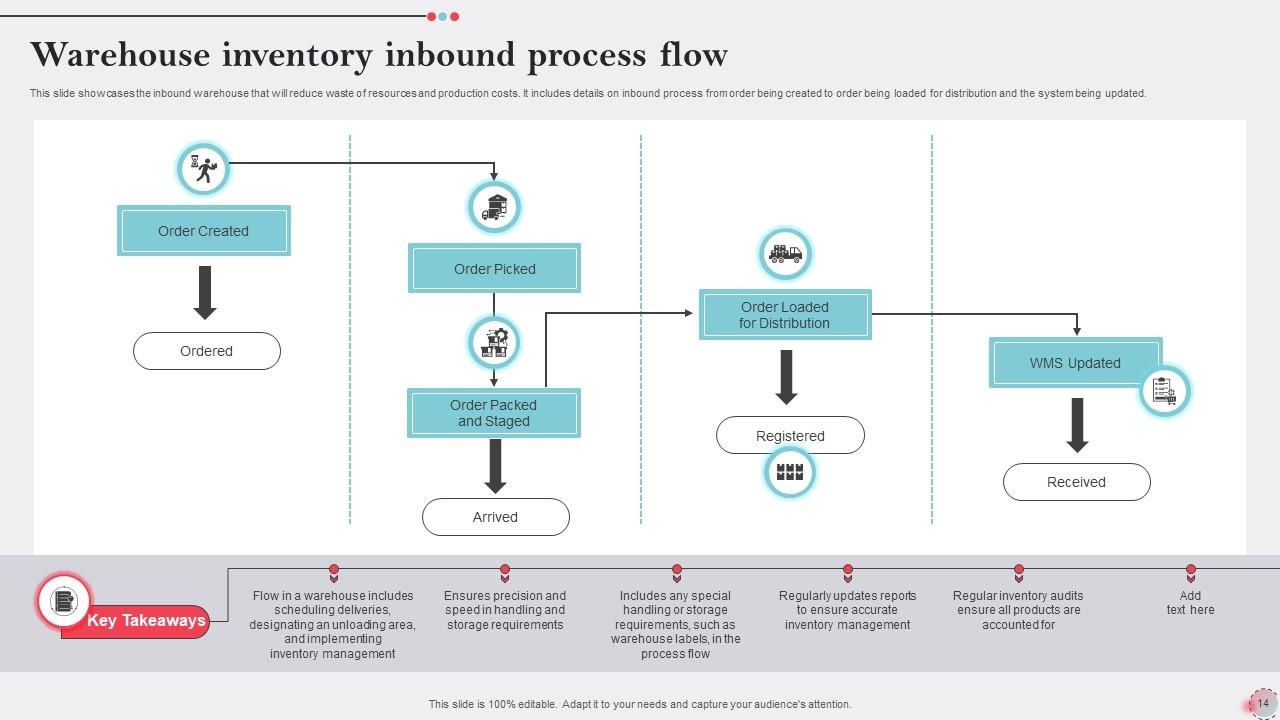
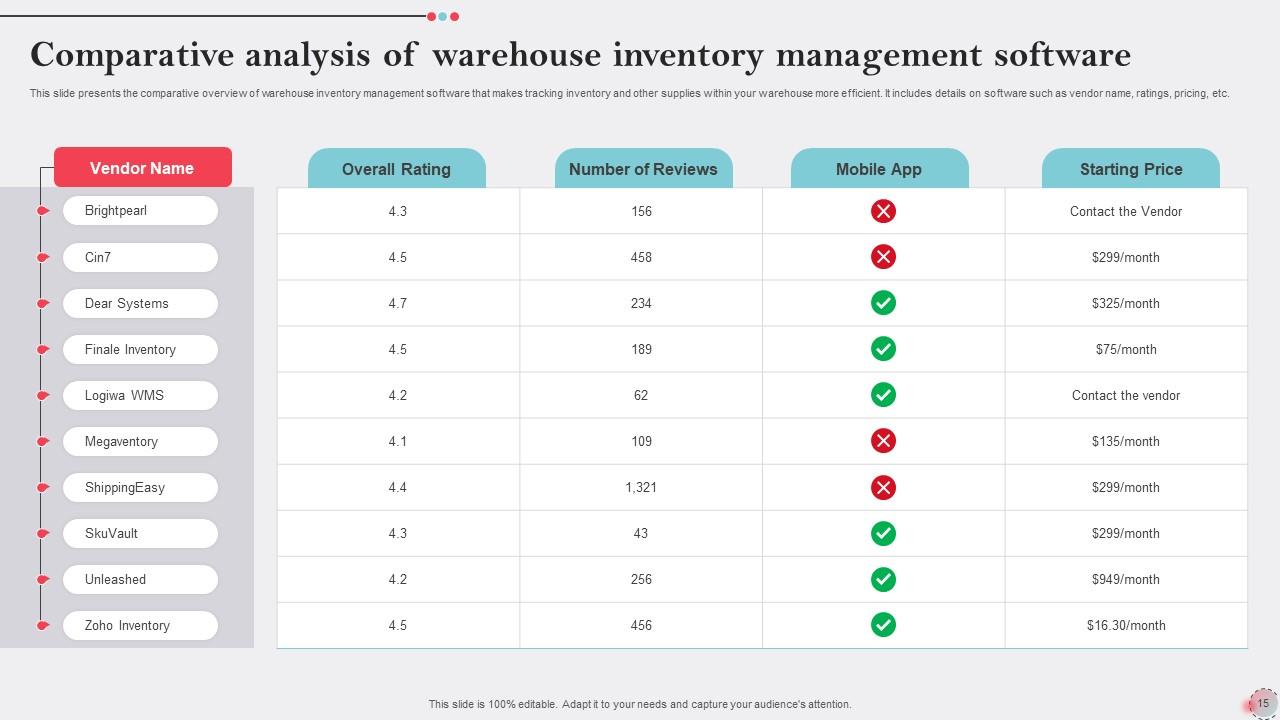
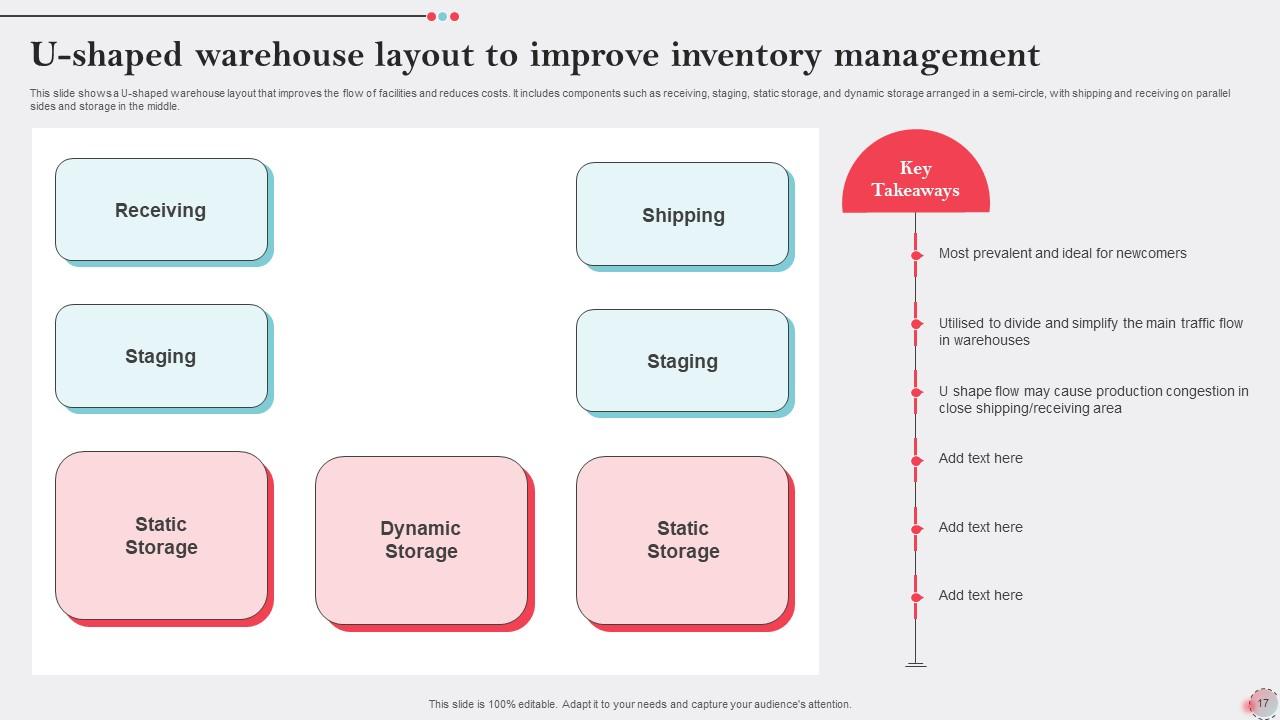
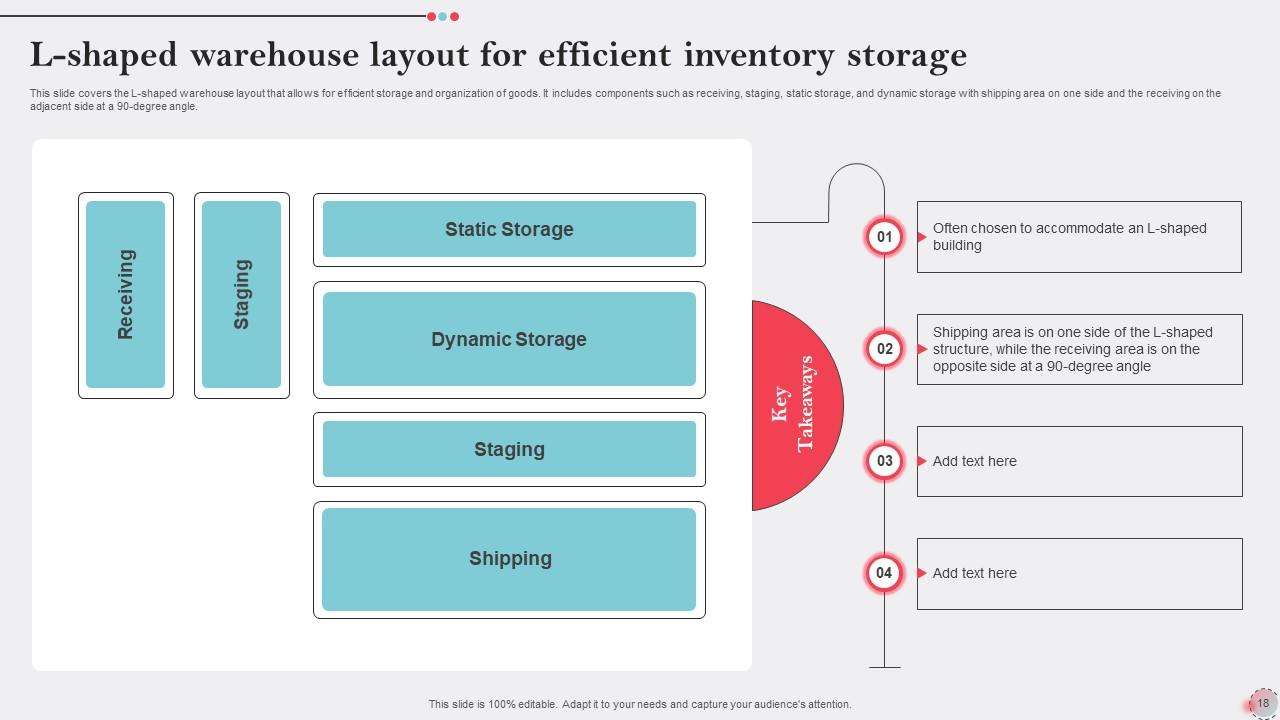
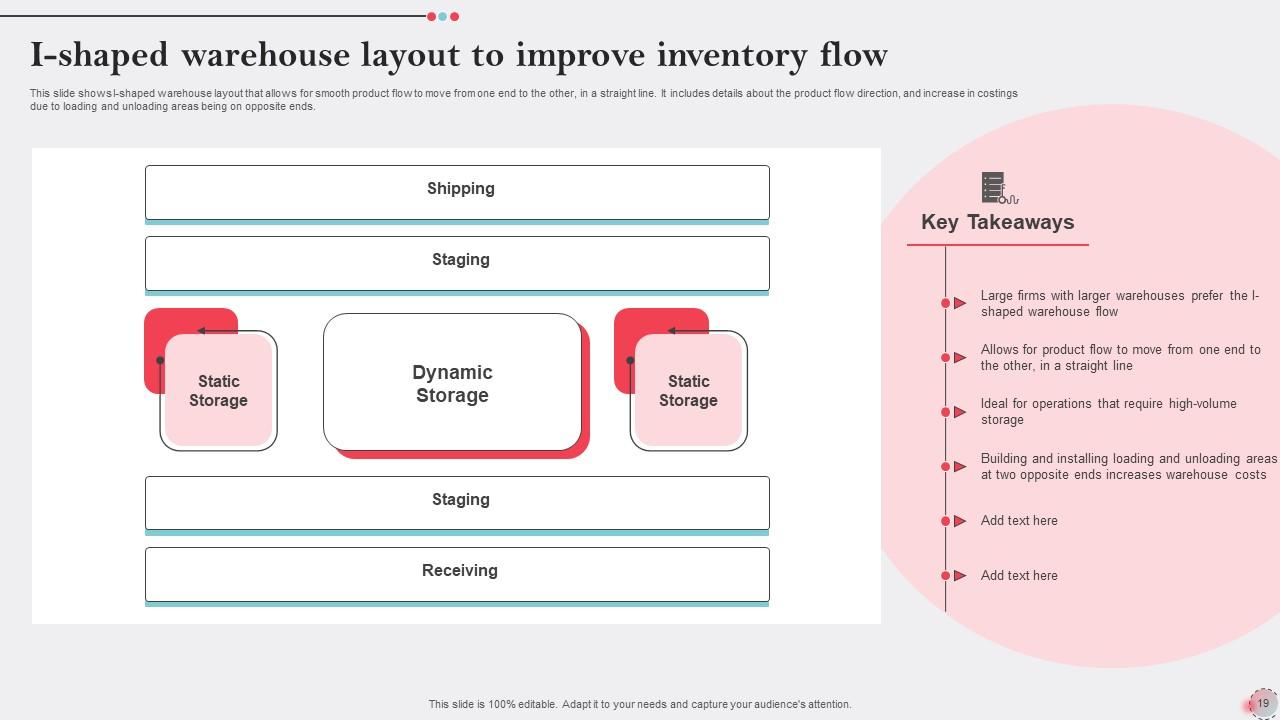
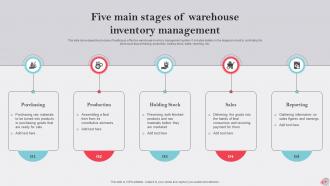
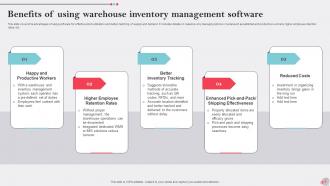
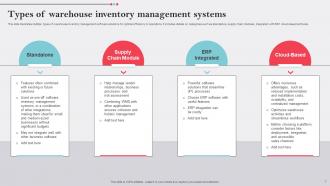
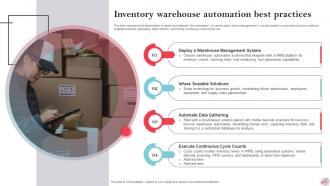
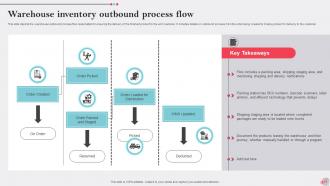
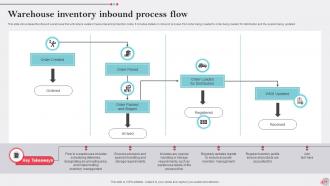
Deliver a lucid presentation by utilizing this Warehouse Inventory Powerpoint Ppt Template Bundles. Use it to present an overview of the topic with the right visuals, themes, shapes, and graphics. This is an expertly designed complete deck that reinforces positive thoughts and actions. Use it to provide visual cues to your audience and help them make informed decisions. A wide variety of discussion topics can be covered with this creative bundle such as Warehouse inventory management benefits,Inventory management software,Inventory warehouse automation,Inbound and outbound process flow,Warehouse layouts. All the twenty four slides are available for immediate download and use. They can be edited and modified to add a personal touch to the presentation. This helps in creating a unique presentation every time. Not only that, with a host of editable features, this presentation can be used by any industry or business vertical depending on their needs and requirements. The compatibility with Google Slides is another feature to look out for in the PPT slideshow.
FAQs for Warehouse Inventory Powerpoint

Best practices for organizing warehouse inventory include implementing ABC classification systems, establishing clear labeling protocols, optimizing product placement based on velocity, maintaining accurate real-time tracking systems, and creating standardized picking routes. These methodologies streamline operations by reducing retrieval times, minimizing errors, and enhancing order fulfillment accuracy, with many distribution centers finding that strategic inventory organization delivers significantly improved productivity and operational efficiency.

Barcoding and RFID technology enhance warehouse inventory accuracy by automating data capture, reducing human error, and enabling real-time tracking of stock movements. These systems streamline receiving, picking, and cycle counting processes, with retail giants and manufacturers finding that automated identification delivers 99%+ accuracy rates, faster order fulfillment, and significantly reduced labor costs while improving overall operational efficiency.

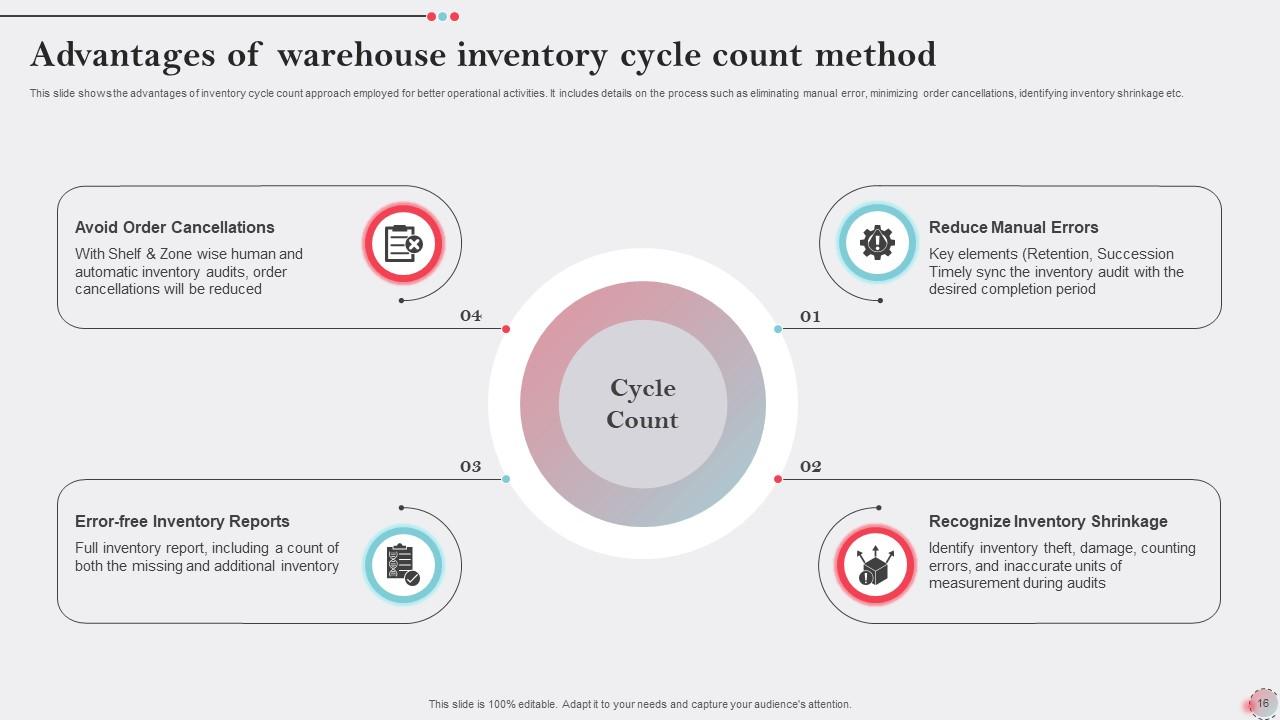
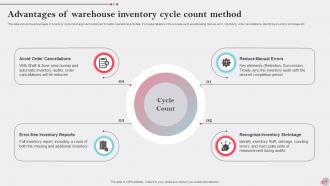
Cycle counting plays a crucial role in maintaining warehouse inventory accuracy by enabling continuous verification of stock levels, identifying discrepancies early, and reducing the need for disruptive full physical inventories. Through systematic counting of different inventory segments throughout the year, warehouses can quickly correct errors, improve data reliability, and maintain operational efficiency, with many distribution centers finding that regular cycle counting reduces inventory variances by up to 95%.

Forecasting demand enhances warehouse inventory management by predicting customer needs, optimizing stock levels, and reducing carrying costs while preventing stockouts. Through predictive analytics and historical data analysis, retailers and manufacturers streamline procurement schedules, minimize excess inventory, and improve cash flow, ultimately delivering faster order fulfillment and enhanced customer satisfaction.

Common warehouse inventory management challenges include inaccurate stock counts, inefficient space utilization, poor demand forecasting, manual tracking errors, and lack of real-time visibility across operations. These issues significantly impact operational efficiency, with many retailers and manufacturers finding that outdated systems lead to overstocking, stockouts, and increased carrying costs, ultimately affecting customer satisfaction and profitability.

Inventory turnover rate significantly impacts warehouse operations by determining storage costs, labor efficiency, and cash flow management, with higher turnover reducing holding expenses and minimizing obsolescence risks. Fast-moving inventory streamlines picking processes and maximizes space utilization, while slow turnover increases carrying costs, ultimately affecting profitability through improved resource allocation and operational efficiency.

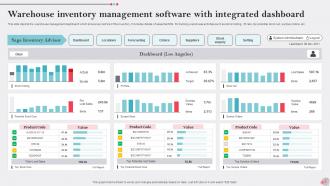
Effective warehouse inventory management software includes cloud-based WMS platforms, real-time tracking systems, automated reorder solutions, barcode and RFID integration, and predictive analytics tools. These technologies streamline operations by minimizing stockouts, reducing carrying costs, and enhancing order accuracy, with many distribution centers finding that integrated platforms ultimately deliver faster fulfillment and improved customer satisfaction.

JIT inventory systems benefit warehouse operations by reducing storage costs, minimizing waste, and improving cash flow through decreased inventory holding. This approach streamlines warehouse space utilization and enhances operational efficiency, with many manufacturing and retail organizations finding that JIT delivers faster inventory turnover, reduced obsolescence risks, and ultimately greater responsiveness to market demands.

Cross-docking advantages include reduced storage costs, faster product movement, minimized handling requirements, improved inventory turnover, and enhanced supply chain efficiency. This strategic approach enables retailers, distributors, and manufacturers to streamline operations by directly transferring goods from inbound to outbound transportation, ultimately delivering lower operational expenses and faster customer fulfillment times.

Seasonal fluctuations significantly impact warehouse inventory strategies by requiring dynamic space allocation, flexible staffing models, and predictive demand forecasting systems. Retail warehouses typically increase capacity by 30-40% before holidays, while agricultural facilities adjust storage configurations for harvest seasons, ultimately enabling businesses to optimize costs and maintain service levels throughout cyclical demand patterns.

Essential warehouse inventory KPIs include inventory turnover ratio, stockout frequency, carrying costs, order accuracy rates, and days sales outstanding. These metrics enable organizations to optimize stock levels, reduce holding expenses, and enhance customer satisfaction, with many retail and manufacturing companies finding that monitoring these indicators delivers improved cash flow, minimized waste, and ultimately stronger operational efficiency.

Automated picking systems improve warehouse inventory efficiency by reducing human error, accelerating order fulfillment, and optimizing storage space utilization through precise robotic movements and AI-driven routing algorithms. These technologies enable warehouses to process significantly more orders with fewer staff, while delivering faster turnaround times and enhanced accuracy, ultimately providing substantial competitive advantages in increasingly demanding supply chain environments.

E-commerce growth significantly transforms warehouse inventory management through real-time tracking systems, automated picking technologies, and demand forecasting algorithms that handle fluctuating order volumes. These technologies streamline fulfillment by reducing processing times, minimizing stock-outs, and optimizing space utilization, with many retailers finding that strategic automation ultimately delivers faster customer deliveries and enhanced competitive positioning.

Warehouses can implement sustainable practices through energy-efficient lighting and climate systems, automated inventory tracking to reduce waste, strategic supplier partnerships for local sourcing, recyclable packaging materials, and optimized route planning for deliveries. These approaches streamline operations by minimizing resource consumption, reducing carbon footprints, and cutting operational costs, with many logistics companies finding that sustainable inventory management ultimately delivers competitive advantage and enhanced brand reputation.

Supply chain disruptions significantly impact warehouse inventory levels through stockouts, excess inventory accumulation, increased carrying costs, and demand forecasting challenges. These disruptions force organizations to reassess safety stock strategies, diversify supplier networks, and implement more agile inventory management systems, with many companies finding that enhanced visibility and flexible sourcing ultimately deliver greater resilience and competitive advantage.

Ratings and Reviews

100% of 100
Review Form
Write a review
Most Relevant Reviews
  1. 100%

    by Edgardo Chapman

    Great quality product.
  2. 100%

    by Dwain Johnston

    The team is highly dedicated and professional. They deliver their work on time and with perfection.

2 Item(s)

per page: