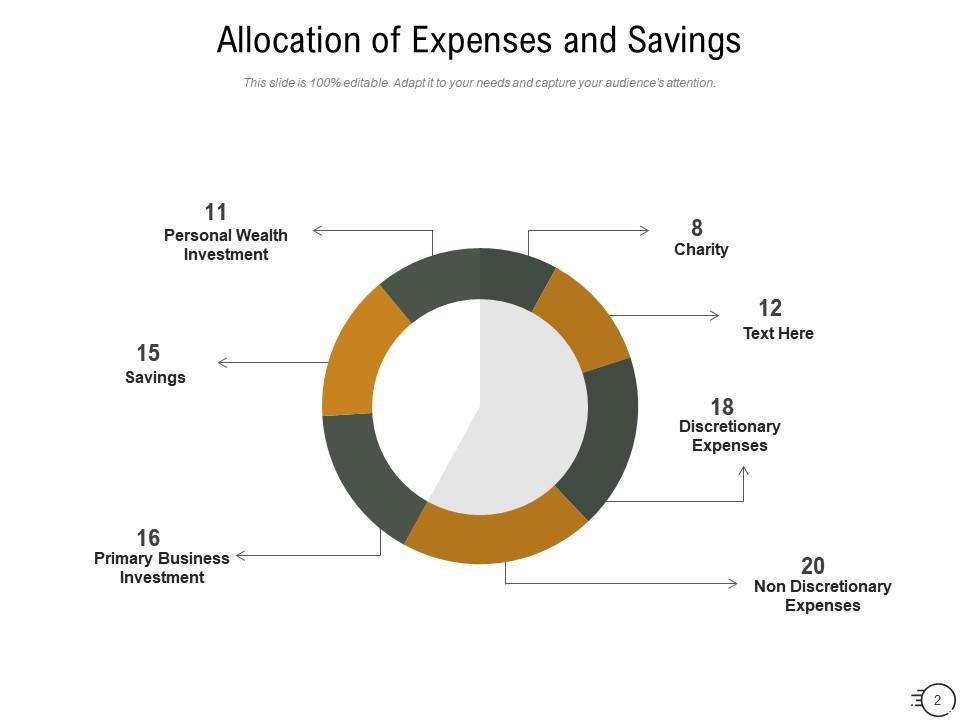
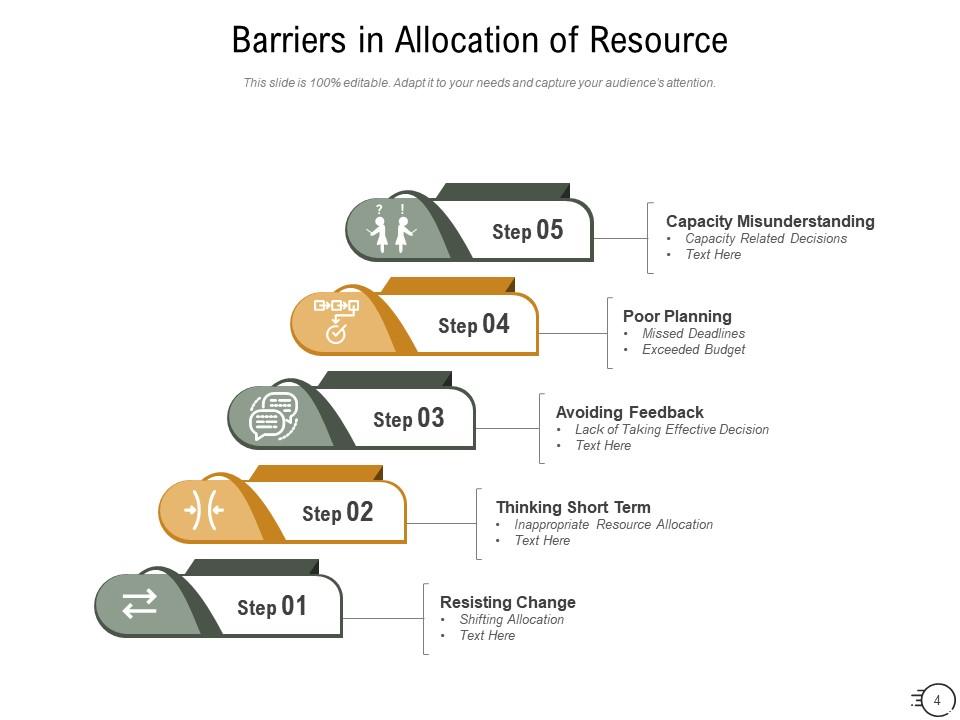
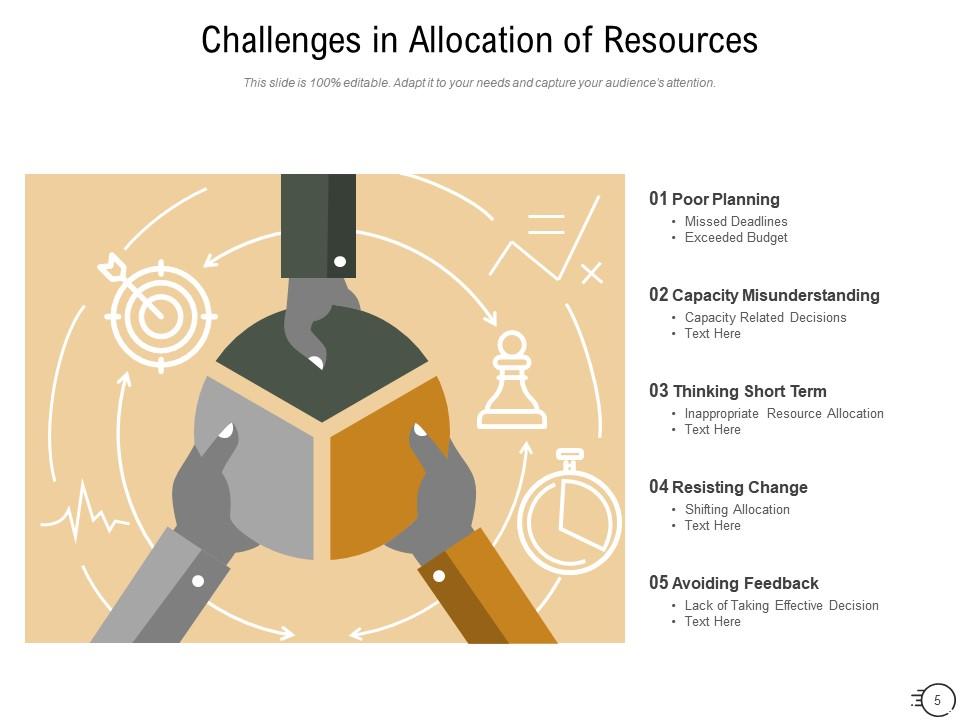
Allocation Expenses Business Investment Resource Financial Managers
Try Before you Buy Download Free Sample Product
Audience
Editable
of Time
Our Allocation Expenses Business Investment Resource Financial Managers are topically designed to provide an attractive backdrop to any subject. Use them to look like a presentation pro.
People who downloaded this PowerPoint presentation also viewed the following :
Allocation Expenses Business Investment Resource Financial Managers with all 12 slides:
Use our Allocation Expenses Business Investment Resource Financial Managers to effectively help you save your valuable time. They are readymade to fit into any presentation structure.
FAQs for Allocation Expenses Business Investment
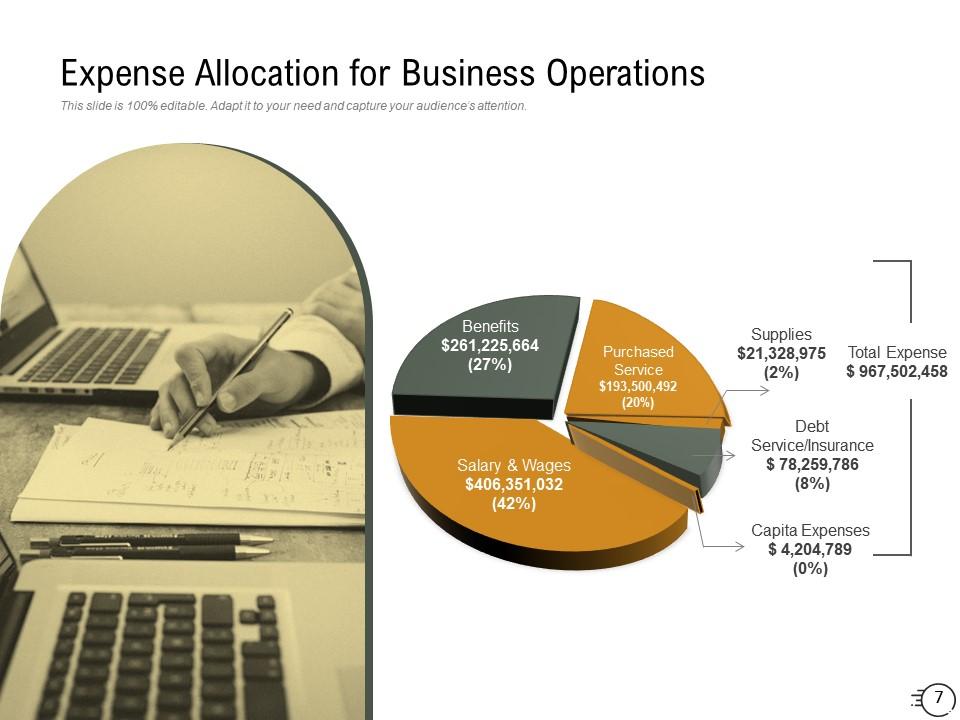
Allocation expenses encompass indirect costs, like rent, utilities, and administrative salaries, that are assigned to specific departments or projects based on a predetermined method. These expenses are crucial for accurate financial reporting as they provide a clear picture of each department's profitability and resource utilization, enabling businesses to make informed decisions regarding cost control, pricing strategies, and resource allocation.
Allocation expenses, which are costs indirectly tied to specific products or services, significantly impact an organization's budgeting process by influencing resource allocation decisions. These expenses, encompassing items like rent, utilities, and administrative salaries, are spread across different departments or projects based on predetermined formulas or usage ratios. By accurately allocating these expenses, organizations gain a clearer picture of the true cost of operations for each department, enabling more informed budget planning, cost control measures, and ultimately, improved profitability.
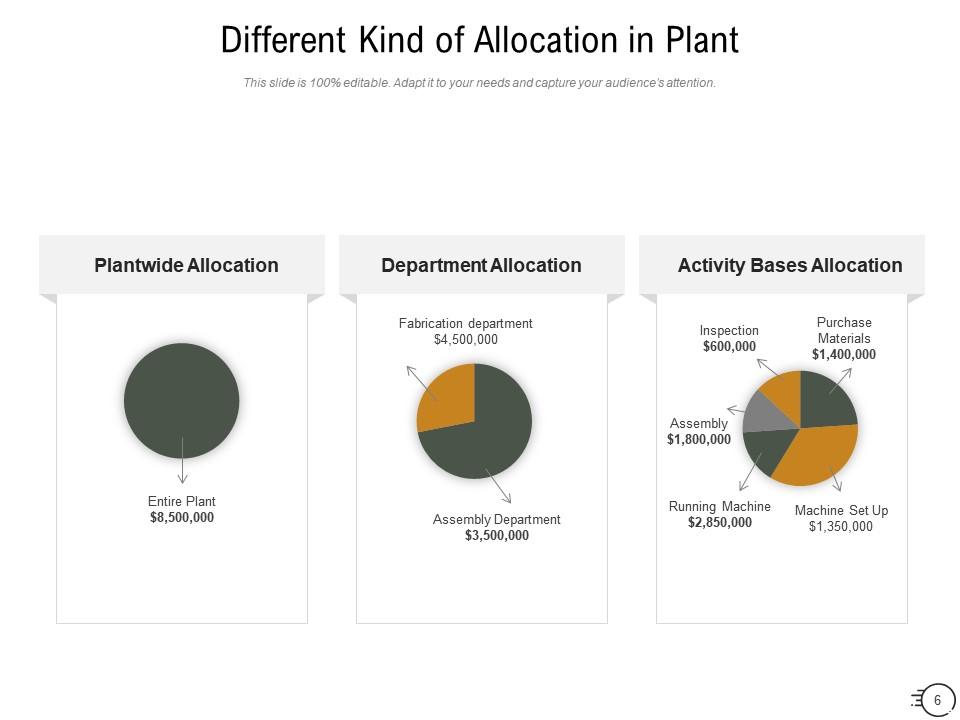
Expense allocation methods include direct costing, activity-based costing, and percentage-of-sales. Direct costing assigns expenses directly to products or services, while activity-based costing allocates expenses based on the activities that drive them. Percentage-of-sales allocates expenses based on a percentage of sales revenue, which is commonly used for indirect expenses. These methods help organizations track costs accurately, make informed decisions about pricing and resource allocation, and ultimately improve profitability.
Inaccurate expense allocation can significantly skew a company's financial picture, leading to poor decision-making across various departments. Misallocated expenses can inflate the profitability of some departments while understating others, creating a false sense of performance and obscuring true cost drivers. This can result in resource allocation decisions based on misleading data, ultimately hindering strategic planning and potentially impacting profitability across the organization.
Activity-based costing (ABC) plays a crucial role in accurately allocating expenses by identifying the specific activities that drive costs and then assigning those costs to products or services based on their consumption of those activities. It moves beyond traditional methods that rely on volume-based allocation, providing a more precise picture of cost drivers, especially in complex environments with diverse product lines or service offerings. This enables businesses to make more informed pricing decisions, identify areas for cost reduction, and ultimately improve profitability by ensuring expenses are accurately reflected in the cost of goods sold or services rendered.
Allocating expenses across business units presents several challenges, including determining the most accurate cost drivers, ensuring fairness and transparency, and managing complexities with shared resources. While accurate allocation enhances financial reporting and decision-making, it can be complex in organizations with diverse operations, as seen in financial services where transaction costs are shared across departments. Finding the right balance between simplicity and accuracy is key to effective expense allocation.
Technology can significantly streamline the process of tracking and managing allocation expenses by automating data capture, providing real-time visibility, and enabling intelligent analysis. Through cloud-based expense management platforms, businesses can automate expense reporting, categorize transactions accurately, and integrate with accounting systems, minimizing manual errors and freeing up valuable time. With real-time dashboards and reporting tools, organizations gain instant insights into expense trends, identify areas for cost optimization, and make data-driven decisions to improve resource allocation.
Allocation expenses, which include costs like overhead and shared resources, significantly impact pricing strategies by influencing the overall cost structure of products or services. While these expenses are necessary for business operations, businesses in industries like manufacturing and retail often leverage sophisticated costing models to accurately allocate these expenses to specific products, enabling them to set competitive prices while ensuring profitability.
Allocation expenses, which are costs indirectly tied to production, differ significantly between fixed and variable costs. Fixed allocation expenses, like rent or insurance, remain consistent regardless of production volume, impacting profitability regardless of output. Variable allocation expenses, such as raw material handling or utilities, fluctuate based on production levels, directly influencing cost per unit. These distinctions are crucial for accurate budgeting, pricing strategies, and understanding profitability across different production volumes.
Misallocated expenses can significantly distort profitability analysis by inflating costs in some areas while understating them in others. This creates a skewed view of performance, potentially leading to inaccurate budgeting decisions and misguided resource allocation. For instance, in a manufacturing company, if marketing costs are mistakenly classified as production expenses, the profitability of the production line appears lower than it actually is, while the marketing department's true cost burden remains hidden.
Companies should approach the review and adjustment of allocation expenses on a regular basis by analyzing cost drivers, benchmarking against industry standards, and utilizing data analytics tools. This process enables organizations to identify areas of overspending, optimize resource allocation, and ensure expenses accurately reflect current operational needs, ultimately contributing to improved profitability and operational efficiency.
Ensuring transparency and fairness in expense allocation involves clearly defining expense categories, implementing robust tracking systems, and establishing a transparent approval process. Many organizations utilize software solutions to streamline this process, allowing for real-time visibility into expense distribution across departments and projects, while also enabling data-driven insights for optimizing resource allocation and cost management.
Balancing precise expense allocation with administrative burden requires a strategic approach that streamlines processes while ensuring accuracy. Businesses can leverage automation tools to categorize transactions, integrate with accounting systems, and generate reports seamlessly, reducing manual effort. Financial institutions and many tech companies, for example, have successfully implemented these solutions, finding that it significantly improves cost control and reporting efficiency while minimizing the time spent on manual allocation tasks.
Allocation expenses, which include costs for shared resources and indirect activities, are intricately linked to performance measurement systems. These expenses often form a significant portion of operational costs, and accurately allocating them to specific departments or projects is crucial for establishing a clear understanding of profitability and efficiency. By effectively allocating expenses, organizations can identify areas of high cost, pinpoint performance drivers, and make informed decisions regarding resource allocation and cost optimization strategies, ultimately leading to improved operational efficiency and strategic decision-making.
Regulatory requirements significantly influence expense allocation in financial statements by dictating specific categorization and recognition criteria. These regulations, such as Generally Accepted Accounting Principles (GAAP) or International Financial Reporting Standards (IFRS), mandate how costs are classified (e.g., operating, administrative, research and development) and when they are recognized as expenses, impacting a company's profitability and financial ratios. For instance, banks must adhere to strict rules regarding loan loss provisioning, directly influencing their expense allocation for risk management, while manufacturers might face specific guidelines on capitalizing research and development costs, impacting their reported expenses and future profitability.
-
Wonderful templates design to use in business meetings.
-
Design layout is very impressive.
-
Presentation Design is very nice, good work with the content as well.
-
Designs have enough space to add content.